
Diving at Ksopetres (Greece)
Ksopetres offers divers a journey into an underwater landscape shaped by ancient geological events and vibrant marine life. It's a site where volcanic history intertwines with present-day biodiversity, creating a compelling experience. Exploring submerged rock formations and seeking out the Mediterranean species that inhabit them forms the core of a dive here. Here, divers find a distinctive blend of natural history and active marine observation, appealing to those who appreciate both the past and present of the underwater world.
As evening covers Ksopetres, the local air temperature is measured at 20°C. The current wave height at the surface is recorded at 0.3 m. These late-day readings characterize the surface conditions for the night.
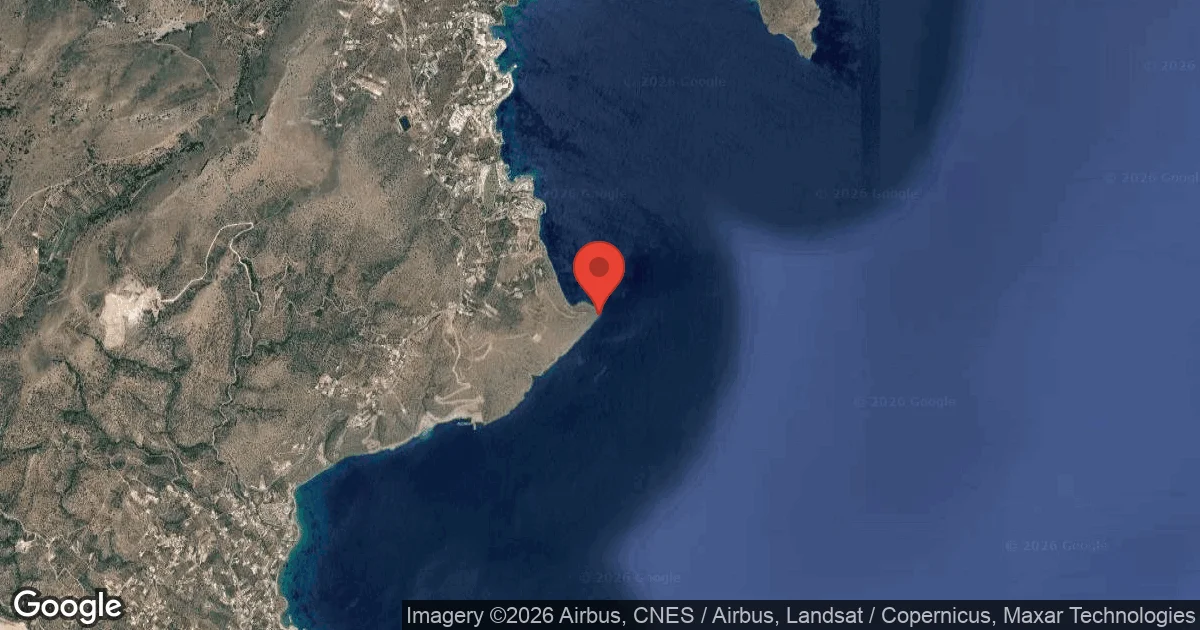
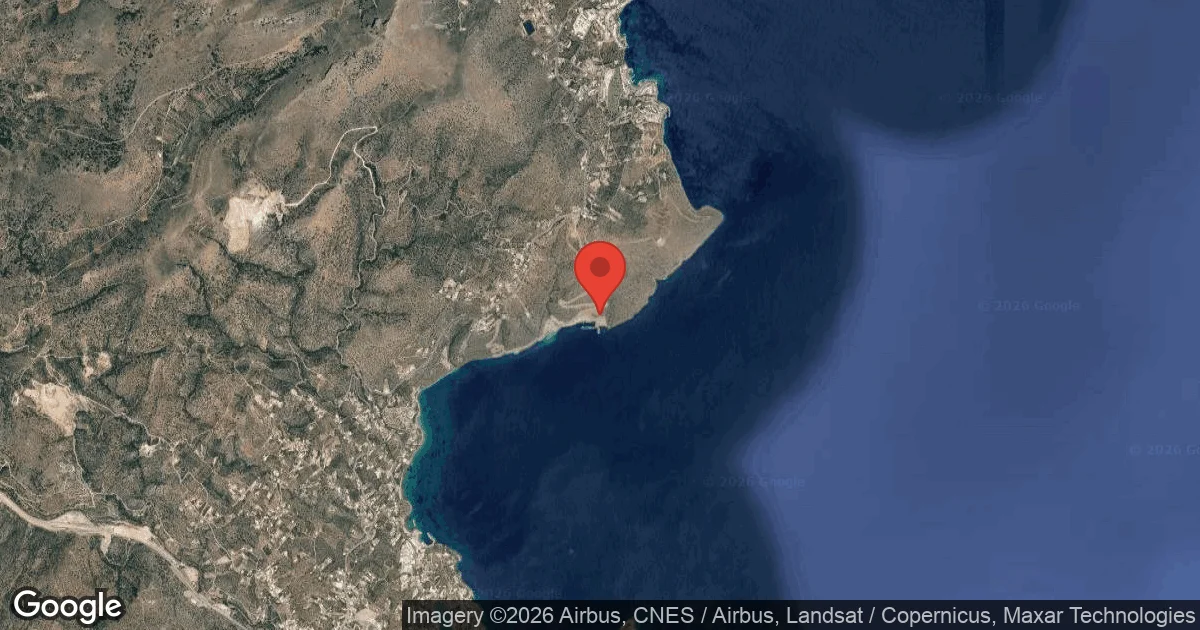
Dive Site Location & Key Facts
Dive Site Overview
Underwater, Ksopetres unfolds at a depth of 8 m (26 ft), gradually descending along a series of submerged, mountain-shaped rock formations. Divers typically follow these structures down to a maximum reported depth of 22 m (72 ft).
Intriguing topography characterizes the site, inviting exploration around these natural "mountains" in a circular path. A distinct feeling of navigating an ancient, sunken landscape emerges. Archaeologists believe the formations might be ancient ceramic amphoras that fell into the water during the Santorini volcano eruption, adding a compelling historical dimension to the dive; divers can envision remnants of a bygone era.
A slow, methodical exploration is encouraged, allowing ample time to inspect crevices and observe diverse smaller marine life that seeks refuge within these intricate structures. Clear waters of Crete, often providing visibility up to 30 m (100 ft), significantly enhance appreciation for Ksopetres' unique underwater architecture, making observation of distant formations straightforward.
Presenting a relatively shallow to medium depth profile, it suits a range of certified divers looking for engaging reef exploration and a journey through geological time.
Conditions are Good
Optimal conditions expected
Current conditions near Ksopetres show 20° air, 26° sea temperature, 0.9 m waves, and 34 km/h wind. Forecast data is refreshed regularly to ensure accuracy.
Best Time to Dive
While Ksopetres generally offers good diving conditions year-round, distinct seasonal variations influence the overall experience. Warmer months, particularly July and August, bring average air temperatures reaching 30°C (86°F) and 28.5°C (83°F) respectively, creating comfortable topside conditions. Conversely, winter months like January see air temperatures around 13.5°C (56°F), necessitating thicker wetsuits or dry suits. Rain activity is notably low during summer, with July experiencing minimal rainfall at 0.02 mm, whereas December and February report higher averages of 2.19 mm and 1.69 mm, potentially impacting surface visibility or comfort. Wind speeds remain moderate throughout the year, generally ranging from 17-22 km/h (10-14 mph), which helps maintain calm surface conditions for boat access. For those prioritizing warmer air and minimal rain, the period from May to October is generally more favorable, offering extended surface time enjoyment. However, for divers equipped for cooler conditions, the site maintains its "Good" dive score year-round, suggesting consistent underwater appeal regardless of the season's specific atmospheric nuances.
PEAK SEASON SCORE
Scores combine air & water temps, waves, wind & rainfall for overall conditions.
BEST MONTHS TO DIVE
Monthly records compiled from satellite and marine observation nodes over the last 3 years. Data provided by Open-Meteo and MET Norway.
Dive Experience & Conditions
Beginning at an accessible depth of 8 m (26 ft), the dive at Ksopetres gradually slopes down, following distinct underwater rock formations. A progressive exploration of the reef is allowed, reaching a maximum reported depth of 22 m (72 ft). Conditions here are typically mild, with wave heights generally below 1 meter (3.3 ft) throughout the year, contributing to a calm descent and ascent. While water temperatures are not consistently reported, the broader Mediterranean context suggests seasonal variations, with warmer conditions in summer. Visibility is often excellent in Crete, frequently extending up to 30 m (100 ft), which greatly enhances views of the intricate rock structures and their inhabitants. Occasional mild currents might be present, particularly on the way back to the boat, requiring divers to be mindful of their position. Well-suited for certified divers, it offers a leisurely exploration of a diverse reef without extreme depth requirements.
Dive Difficulty & Safety Guidelines
Divers visiting Ksopetres should be aware of potential currents, which, while generally small, can occur on the return leg to the boat. Maintaining situational awareness and proper buoyancy control is crucial, especially when navigating around the unique underwater rock formations. While specific hazards for Ksopetres aren't extensively documented, adhering to standard safe diving practices is paramount.
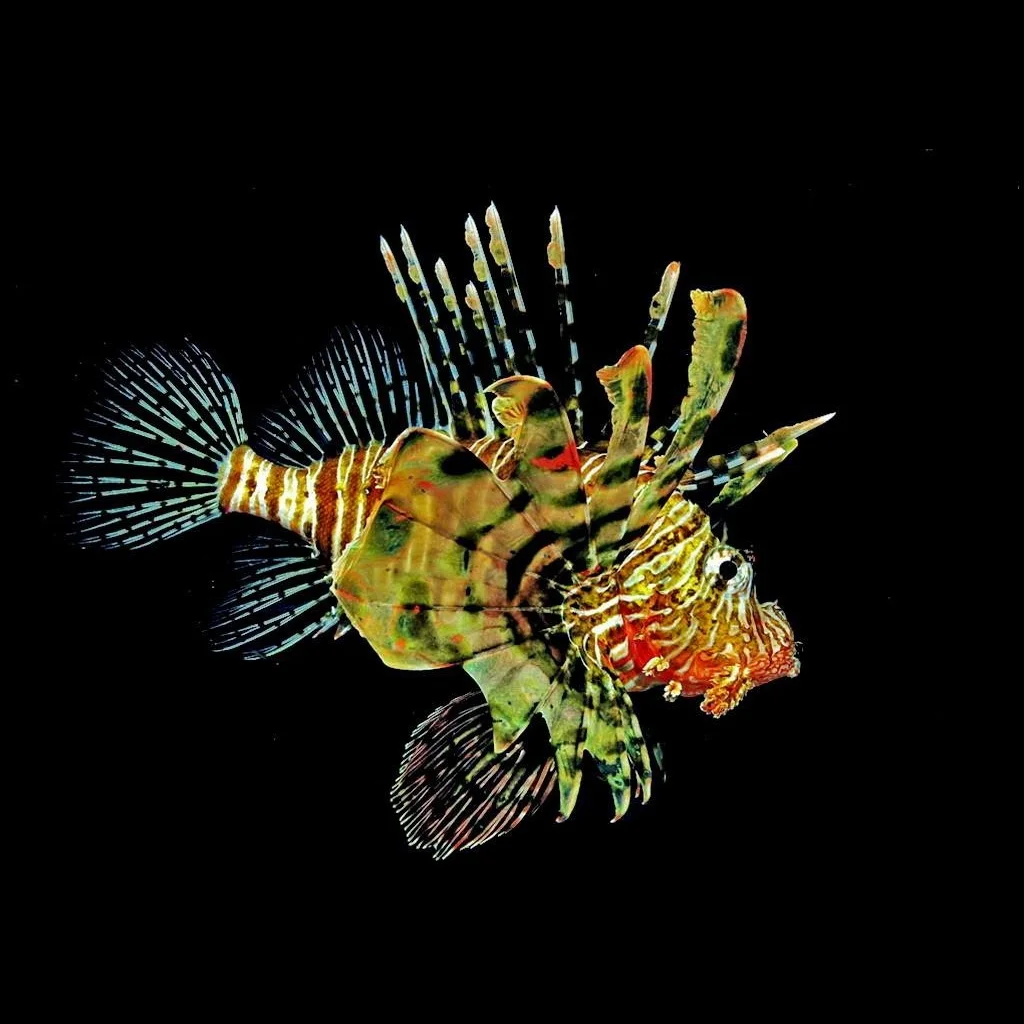
Key practices include planning your dive, diving within certification limits, and carefully monitoring air consumption and no-decompression limits. Given the presence of lionfish, divers should exercise caution and avoid direct contact.
Always dive with a buddy and ensure all equipment is in good working order before entering the water. Respecting the marine environment by avoiding contact with corals and historical remnants also contributes to a safe and sustainable dive experience.
Recommended Equipment
- Dive Computer
- DSMB
This gear list is based on verified equipment signals for Ksopetres, Greece. Always confirm final gear choices with your dive operator, guide, or liveaboard.
Recommended Dive Suit
Divers visiting Ksopetres today can expect water conditions around 26°C (80°F). Surface air temperatures are resting at 20°C (68°F).
2-3mm shorty or light wetsuit is generally considered suitable for water temperatures like this. A hood or vest is suggested for sensitive divers due to surface winds. Surface intervals may feel cooler.
Surface conditions are expected to warm up slightly in the coming days. A warming trend is expected over the next few days.
Due to technical issues with our weather providers, data hasn't been fetched for over 48 hours. The data above reflects the conditions at the time of the last successful fetch.
Emergency & Medical Support
Essential information to help you plan your dive trip to Ksopetres.

Hyperbaric chambers are a critical part of dive safety infrastructure. Availability varies significantly by region, and not all dive areas have immediate access.
Before diving, it's recommended to:
- confirm nearest medical facilities
- check emergency procedures with local dive operators
- ensure dive insurance covers evacuation if required
Divers Alert Network
Diving emergency assistance available through DAN Europe.
+39 0642115685- 24/7 emergency hotline
- Diving medical assistance
- Evacuation coordination
Emergency contacts are provided for reference. Always verify local emergency services before diving.
Closest Listed Hyperbaric Chambers
Showing listed hyperbaric chamber facilities within 200 km of this dive site.
Distances are approximate straight-line distances and may not reflect emergency travel time.
TKYI/NNK
24/7 ListedChania, Greece•Approx. 162 km straight-line
TKYI/NNK
24/7 ListedInformation is provided for reference and planning purposes only. Dive Navigator does not verify operational status, staffing, availability, or quality of care at listed facilities. In an emergency, contact local emergency services, DAN, your dive operator, or the chamber directly. Do not travel to a facility without calling ahead.
Marine Life at Ksopetres
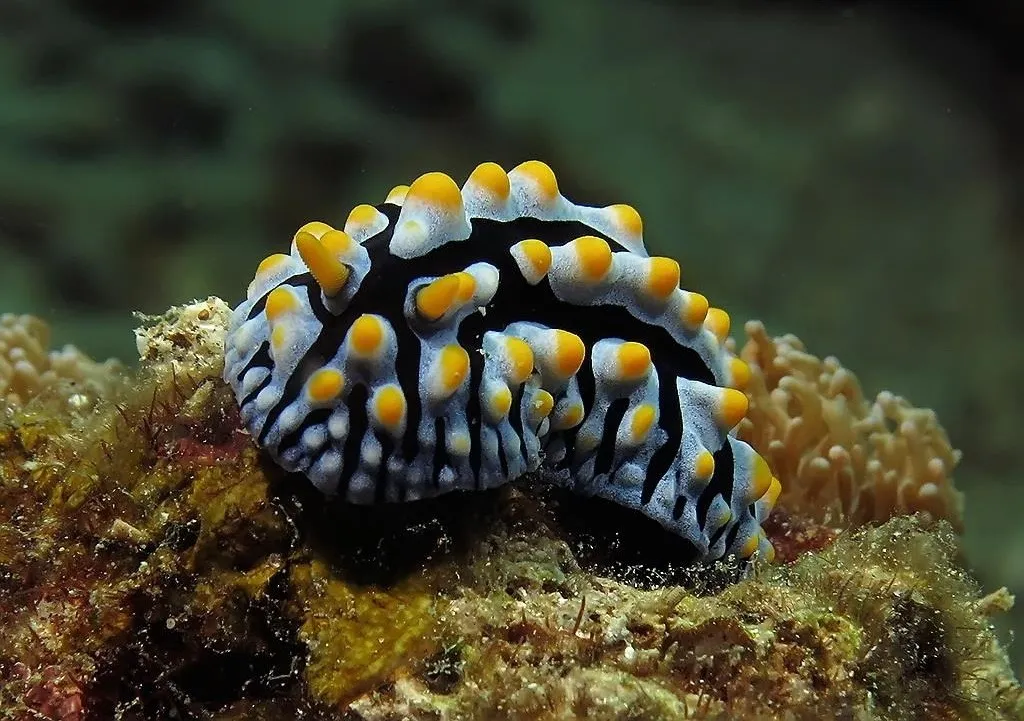
Upon descending at Ksopetres, divers often first notice the rich assortment of smaller marine life inhabiting rocky structures. Lionfish are frequently observed, along with various nudibranchs adding splashes of color to the reef.
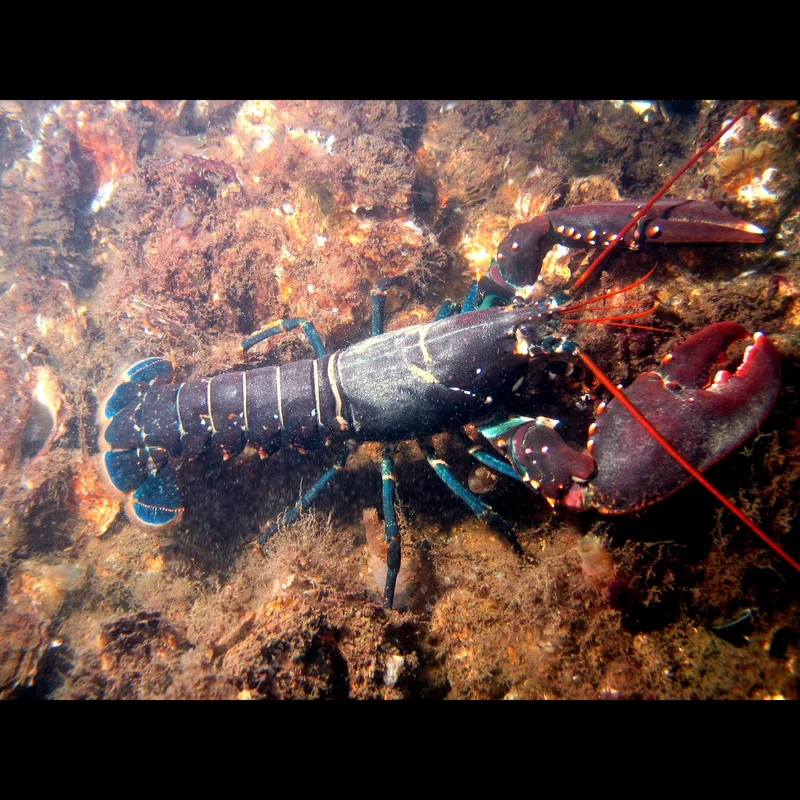
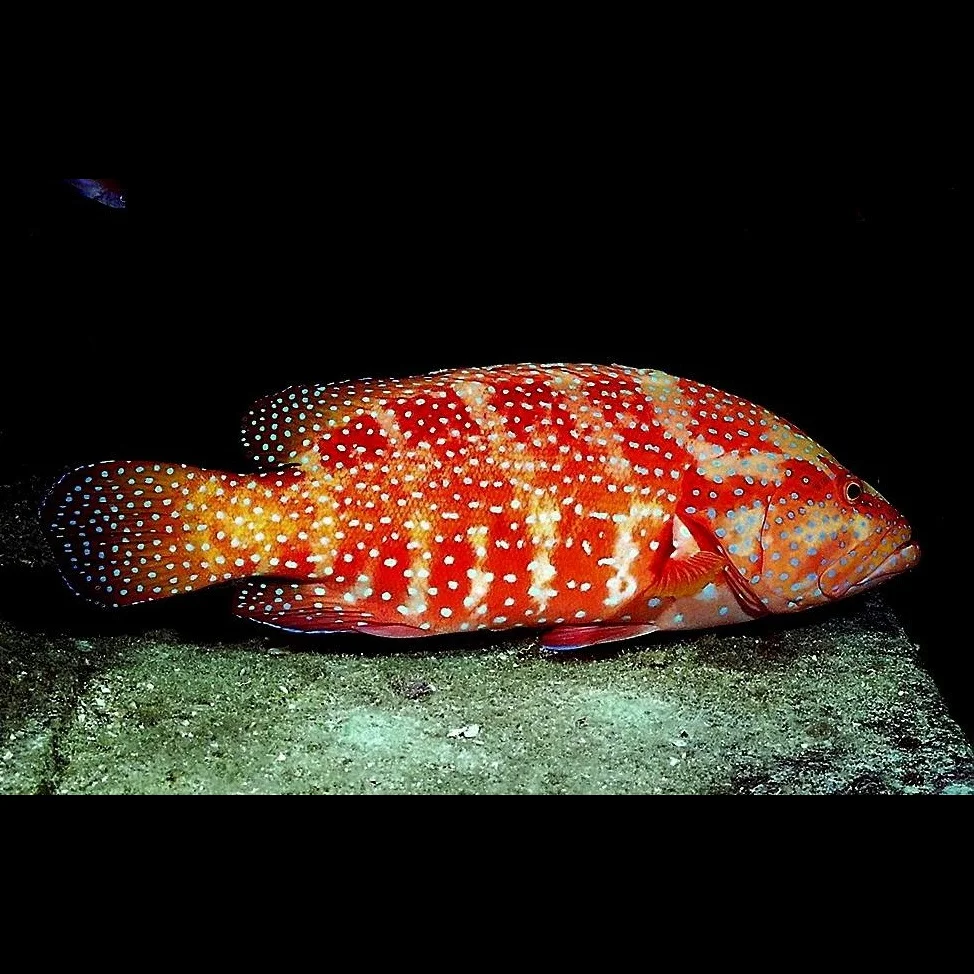
As one explores the "underwater mountains," sleeper lobsters might be spotted tucked into crevices. Mediterranean cardinal fish, groupers, and crevalle jack fish are common sightings.
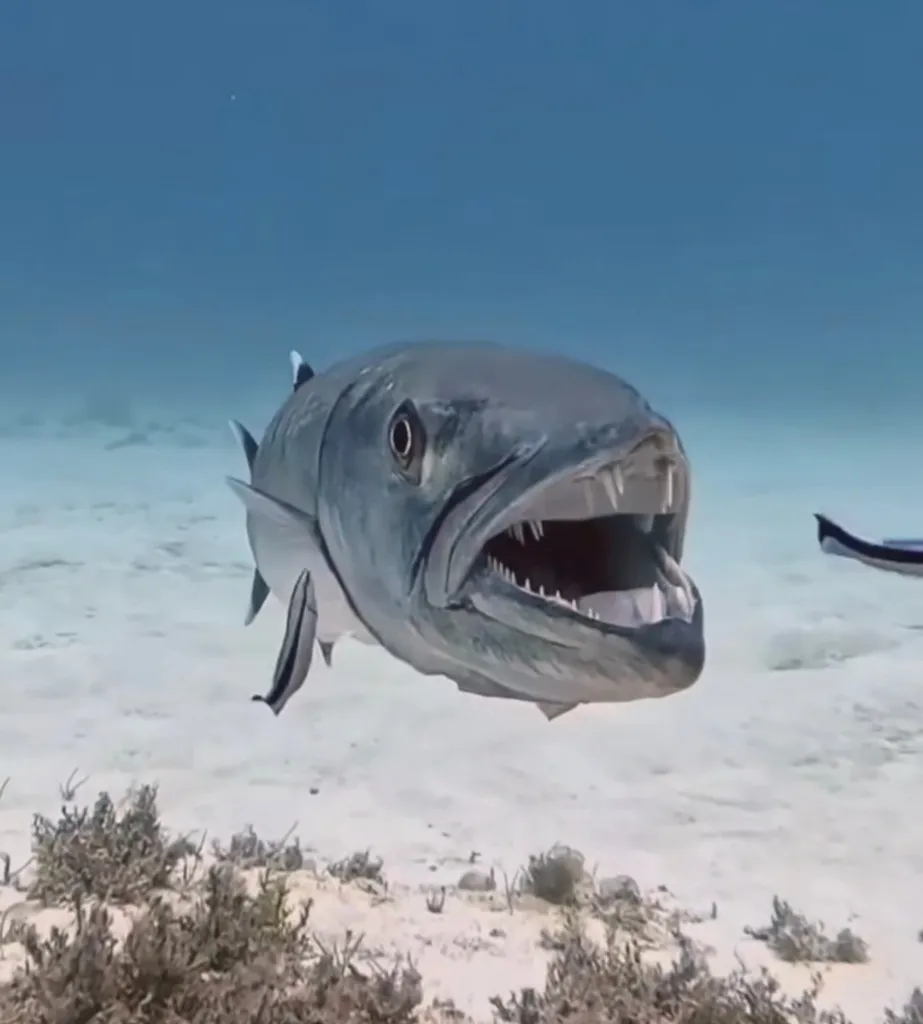
Looking into the blue, barracudas can sometimes be seen patrolling, adding a dynamic element to the dive. Overall, a high density of fish and invertebrates makes for an engaging, active underwater panorama.
Dive Sites Near Ksopetres
View all dive sites in GreeceDiscover more underwater gems in this area.
Dive Centers Near Ksopetres
Today: 09:00 - 18:00
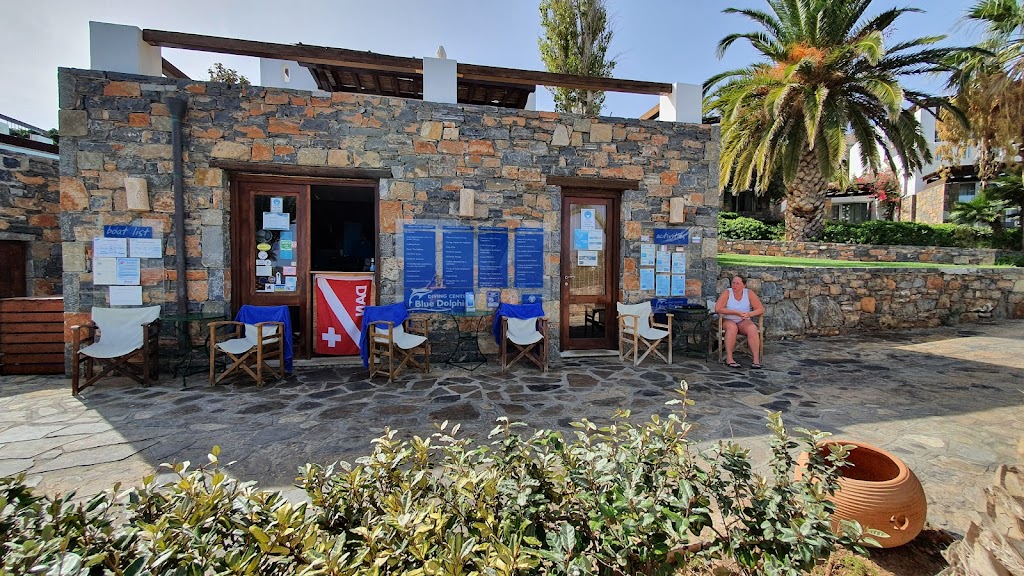
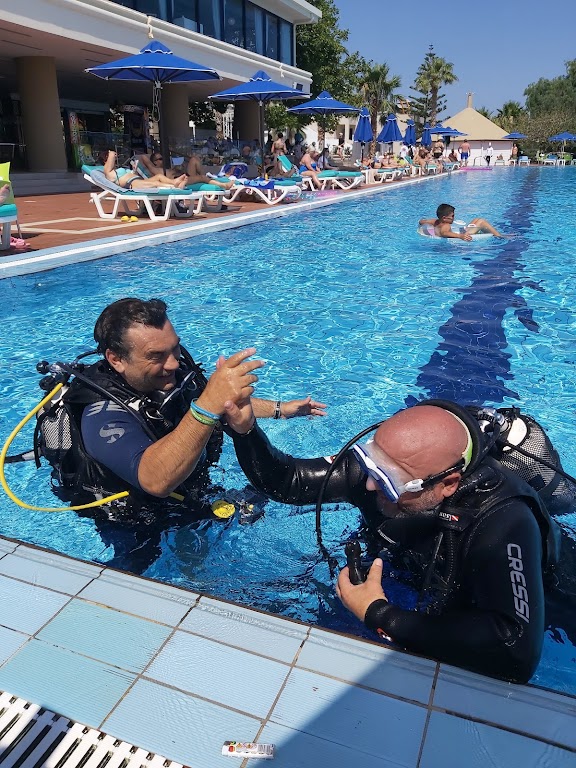
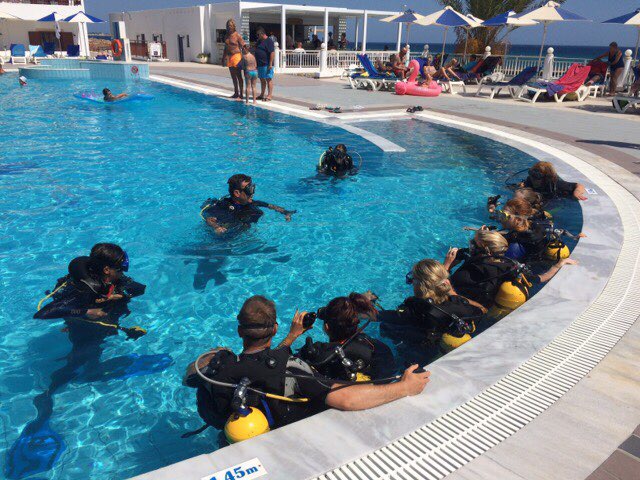
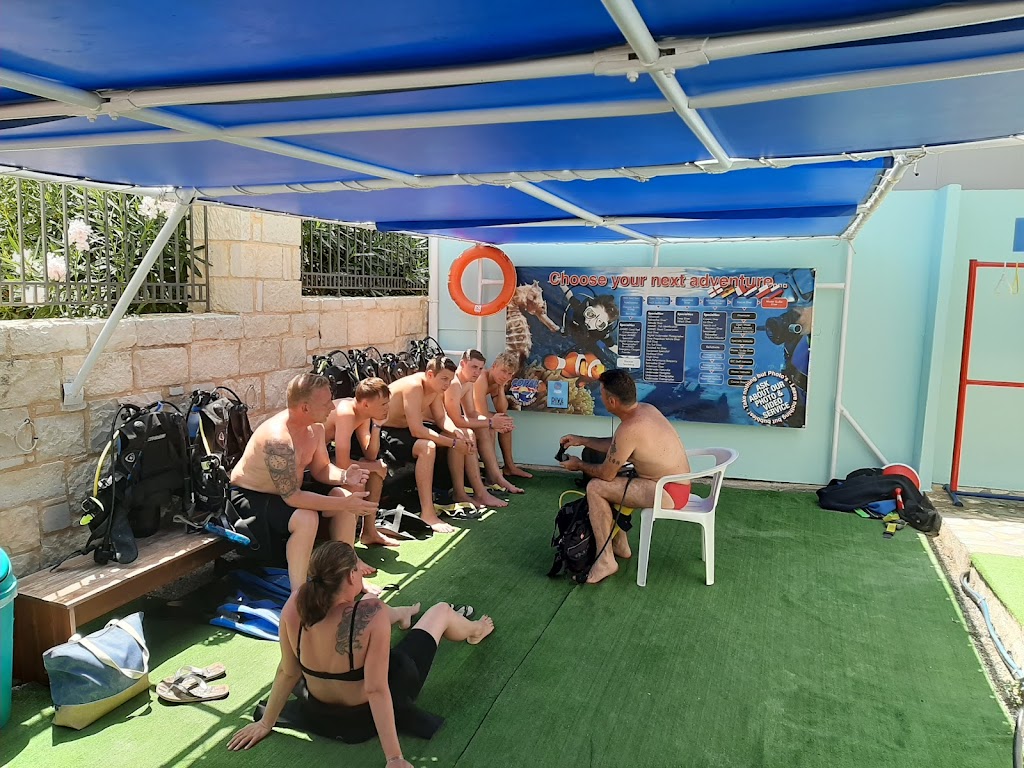
Nearest Airports
Nearest airports to help plan travel to this dive area.
Search Flights
Check available flights and routes on Expedia, using the nearby airports listed in this section.
Search Flights on ExpediaFrequently Asked Questions
What is the maximum depth at Ksopetres?
The dive at Ksopetres typically goes down to a maximum reported depth of 22 m (72 ft). It begins at 8 m (26 ft) and gradually descends along underwater rock formations.
What kind of topography can I expect to see?
The site is characterized by unique underwater, mountain-shaped rock formations. Divers circle these structures, which archaeologists suggest might be ancient ceramic amphoras from a volcanic eruption.
Are there currents at Ksopetres?
Generally, currents are mild, but small currents can sometimes be encountered, particularly on the return leg to the boat. Divers should be prepared for this and maintain good buoyancy control.
What marine life is commonly seen here?
You can expect to see lionfish, various nudibranchs, sleeper lobsters, Mediterranean cardinal fish, and groupers. Barracudas and crevalle jack fish are also frequently spotted.
Is Ksopetres suitable for beginner divers?
Starting at 8 m (26 ft) and reaching 22 m (72 ft), the site is generally suitable for certified open water divers. Its progressive depth and distinct features make it accessible for those comfortable with basic reef diving.
What is the typical visibility at this dive site?
Visibility in the waters around Crete, including Ksopetres, is often excellent. It can extend up to 30 m (100 ft), providing clear views of the underwater landscape and marine inhabitants.
Planning to dive Ksopetres?
Send one inquiry and receive offers directly from the best verified local dive operators.
Conditions are Good
Optimal conditions expected
Current conditions near Ksopetres show 20° air, 26° sea temperature, 0.9 m waves, and 34 km/h wind. Forecast data is refreshed regularly to ensure accuracy.