
Diving at Matahari Reef, Pulau Seribu, Jakarta (Indonesia)
In Pulau Seribu, Matahari Reef offers a straightforward route for divers, typically beginning with a boat entry onto a vibrant coral ecosystem. Divers usually follow the reef's natural contours as it descends gradually, making for unhurried exploration. Its character unfolds through diverse coral formations and an array of resident fish life, immediately visible upon descent. Maximum depth here extends to approximately 20 m / 66 ft, accommodating various certification levels.
Evening condition tracking at Matahari Reef, Pulau Seribu, Jakarta features an air temperature of 29°C. We have recorded wave heights measuring 0.4 m during this period. These figures outline the environmental parameters currently present.
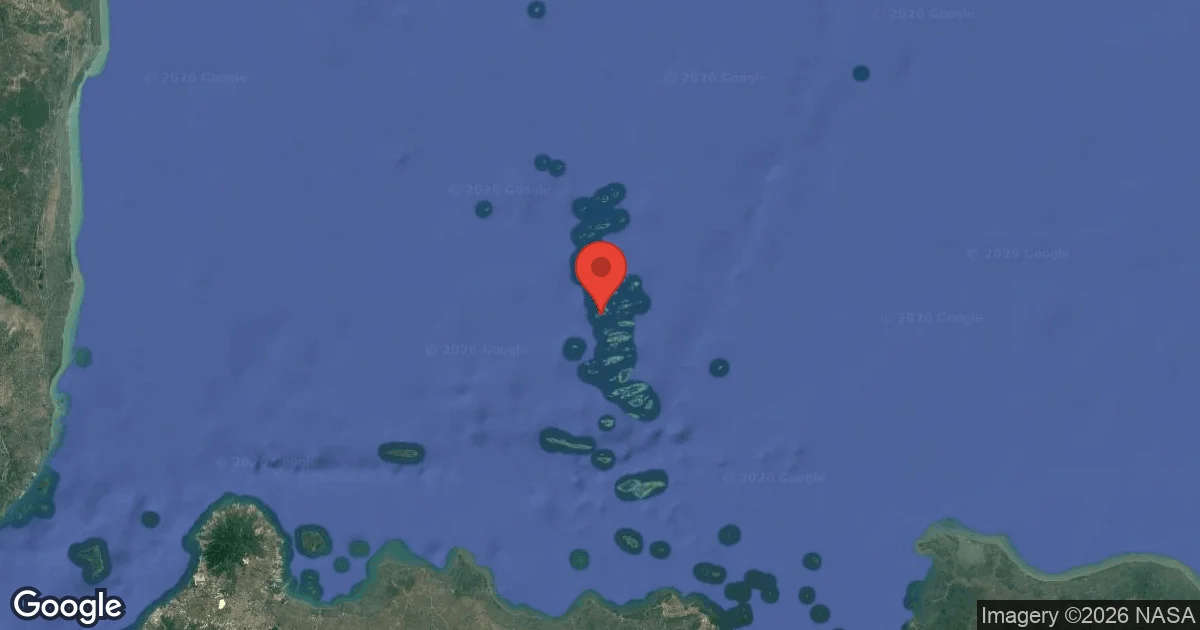
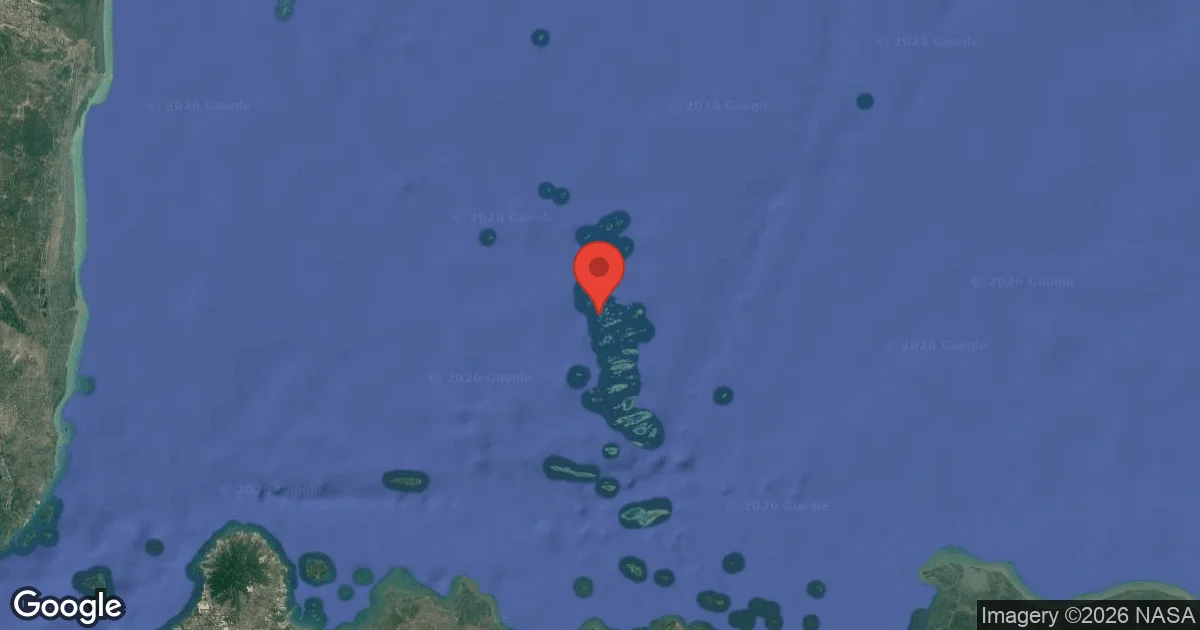
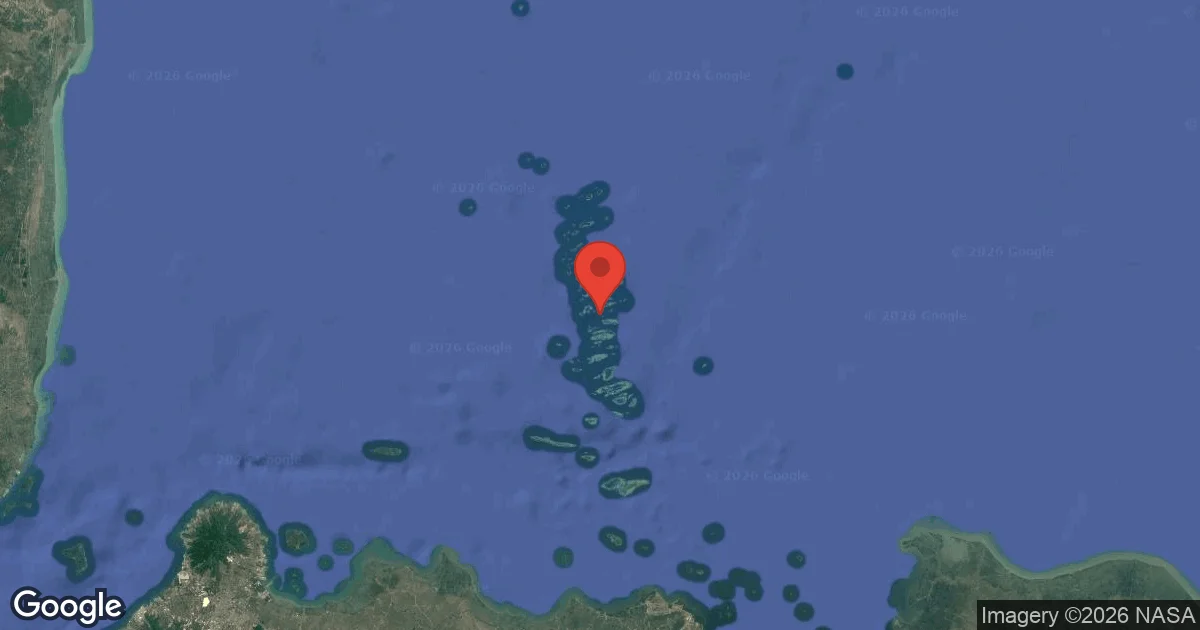
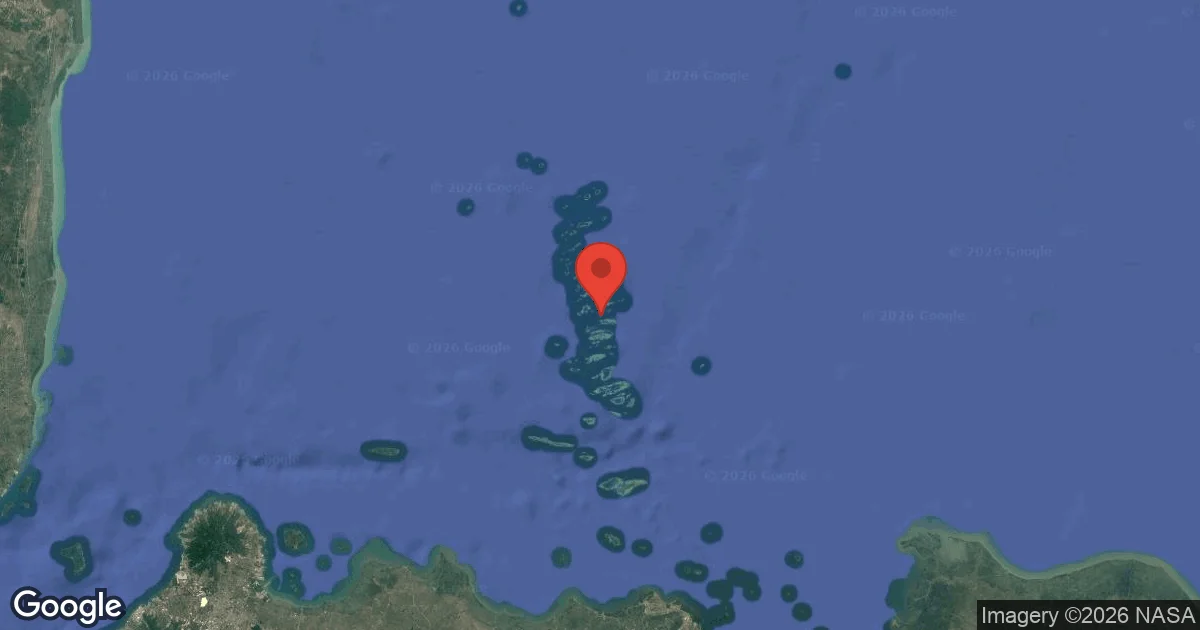
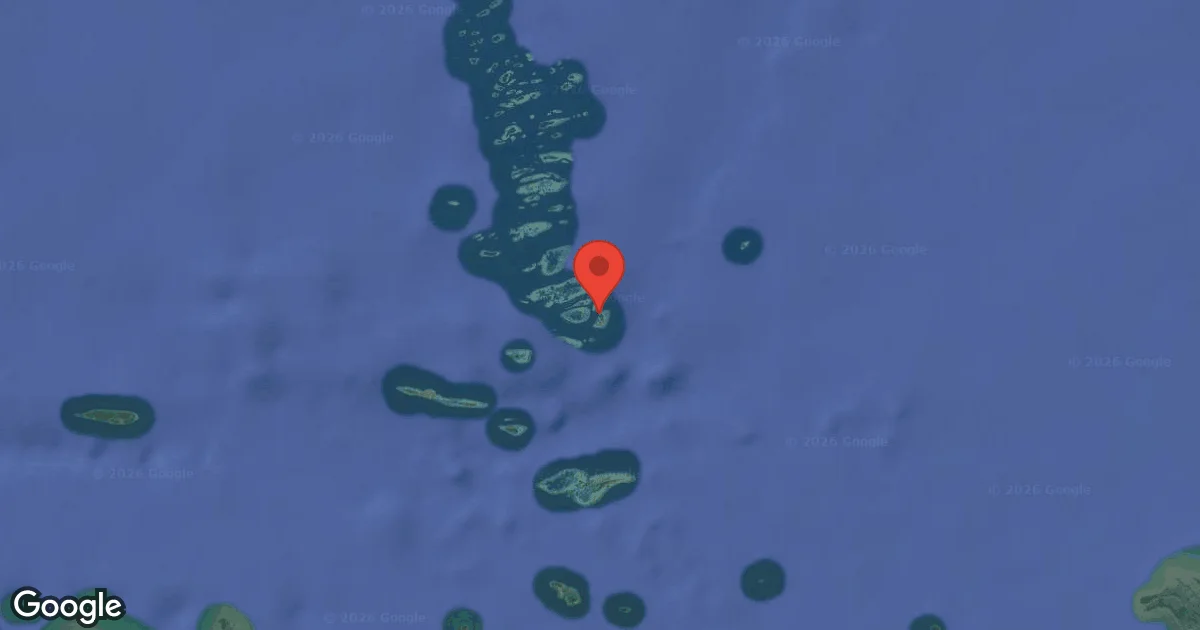
Dive Site Location & Key Facts
Dive Site Overview
Matahari Reef, also known as Warung Kopi, carries a local identity that speaks to its consistent presence in the Pulau Seribu diving community. That alternate designation reflects its historical use and familiarity among local dive operators and enthusiasts.
While lacking grand historical events, the reef has long been a reliable destination for observing the region's underwater ecosystems. Diving here primarily involves exploring extensive reef systems and the occasional sandy bottom sections. Its topography reveals a gently sloping profile adorned with various hard and soft corals.
This structure supports a wide range of marine inhabitants, from smaller reef fish to larger pelagic species. Access to the site is exclusively via boat, providing direct entry to its primary features.
Maximum depth for divers can reach up to 20 m / 66 ft, allowing for varied dive plans and opportunities to explore different zones of the reef structure. Its enduring appeal lies in its accessibility and the consistent, authentic Indonesian reef experience.
Conditions are Excellent
07:00 - 14:00
Optimal conditions expected
Current conditions near Matahari Reef, Pulau Seribu, Jakarta show 29° air, 29° sea temperature, 0.4 m waves, and 18 km/h wind. Forecast data is refreshed regularly to ensure accuracy.
Best Time to Dive
Optimal diving conditions at Matahari Reef are often experienced from May through June, and again in October, consistently rated as "Excellent" for diving. During these prime months, the average air temperature remains comfortably warm, ranging from 28.5°C to 29°C (83-84°F). During this period, rainfall is typically reduced, averaging as low as 2.6 mm in October and between 5.9-6.8 mm in May-June, which minimizes potential impacts on underwater visibility. Outside these peak months, the site generally offers "Good" diving opportunities, though rainier periods occur from January to March, where rainfall can reach 8.7-15.7 mm. Wave heights tend to be calm year-round, typically below 0.6 meters (2 feet), making boat access consistently smooth. Divers can expect water temperatures ranging from 26-28°C (79-83°F), making warm-water gear suitable for most.
PEAK SEASON SCORE
Scores combine air & water temps, waves, wind & rainfall for overall conditions.
BEST MONTHS TO DIVE
Monthly records compiled from satellite and marine observation nodes over the last 3 years. Data provided by Open-Meteo and MET Norway.
Dive Experience & Conditions
Diving here involves navigating a gently sloping bottom, defined by both coral structures and intermittent sandy areas. Depths extend to a maximum of 20 m / 66 ft, offering a gradual descent for extended bottom times.. Water temperatures consistently stay in the comfortable range of 26-28°C (79-83°F). Visibility, while variable, is typically fair to good, observed between 8-15 m (25-50 ft). Conditions can change, however; during periods of higher rainfall, particularly from January to March, some reduction in visibility may occur due to freshwater runoff. Surface conditions are generally calm, with average wave heights rarely exceeding 0.6 m (2 ft). A continuous slope makes the reef suitable for drift dives if currents are present, though strong currents are not consistently reported as a dominant feature. Divers should anticipate a warm water experience with a diverse reef environment.
Dive Difficulty & Safety Guidelines
For an optimal and safe experience at Matahari Reef, an expert tip is to prioritize precise buoyancy control. Such careful management helps protect fragile coral formations that constitute the primary underwater landscape, preventing accidental contact or damage. While no specific inherent hazards are consistently reported for this site, standard safe diving practices remain paramount.
Always monitor your air supply, track your no-decompression limits, and ascend slowly. Keeping a close eye on your dive buddy and being aware of the gently sloping topography ensures a smooth descent and ascent.
Local dive guides provide the most current information regarding any transient conditions, such as mild currents or localized changes in visibility, ensuring a safe exploration.
Recommended Equipment
- Dive Computer
- DSMB
This gear list is based on verified equipment signals for Matahari Reef, Pulau Seribu, Jakarta, Indonesia. Always confirm final gear choices with your dive operator, guide, or liveaboard.
Recommended Dive Suit
Forecast trends indicate similar diving conditions over the next few days.
Factors such as dive duration, depth, and activity level can influence how warm a diver feels underwater.
2-3mm shorty or light wetsuit typically balances flexibility and thermal protection in these temperatures. A hood or vest is suggested for sensitive divers due to surface winds. The latest environmental readings for Matahari Reef, Pulau Seribu, Jakarta suggest water temperatures around 29°C (83°F). Surface air temperatures are resting at 29°C (84°F).
Emergency & Medical Support
Essential information to help you plan your dive trip to Matahari Reef, Pulau Seribu, Jakarta.

Hyperbaric chambers are a critical part of dive safety infrastructure. Availability varies significantly by region, and not all dive areas have immediate access.
Before diving, it's recommended to:
- confirm nearest medical facilities
- check emergency procedures with local dive operators
- ensure dive insurance covers evacuation if required
Divers Alert Network
Diving emergency assistance available through DAN World.
+1-919-684-9111- 24/7 emergency hotline
- Diving medical assistance
- Evacuation coordination
Emergency contacts are provided for reference. Always verify local emergency services before diving.
Marine Life at Matahari Reef, Pulau Seribu, Jakarta
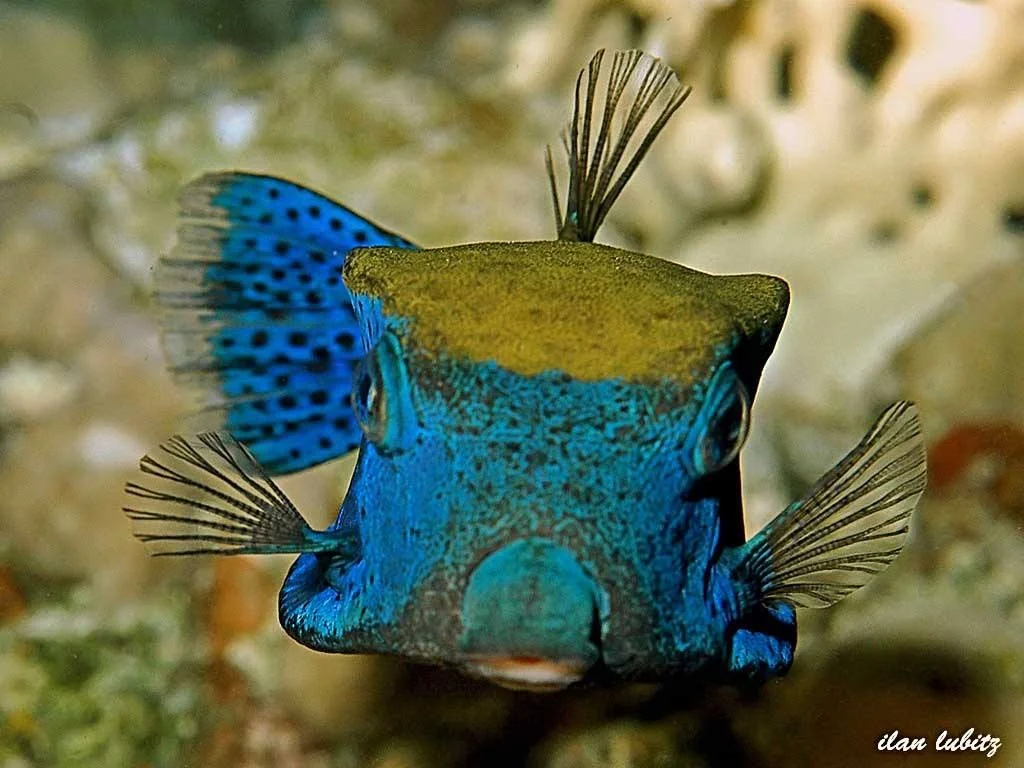
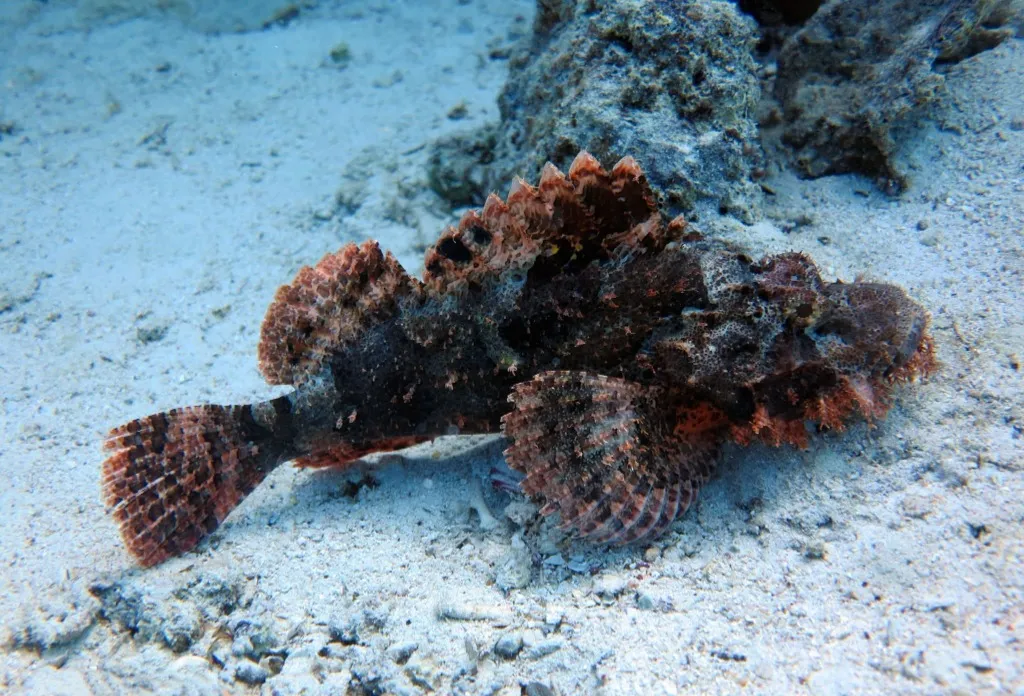
Descending onto Matahari Reef, divers will immediately notice the density of reef fish. Coral hosts a variety of species, from vibrant pufferfish and scorpionfish to surgeonfish, angelfish, bannerfish, and triggerfish navigating the formations.
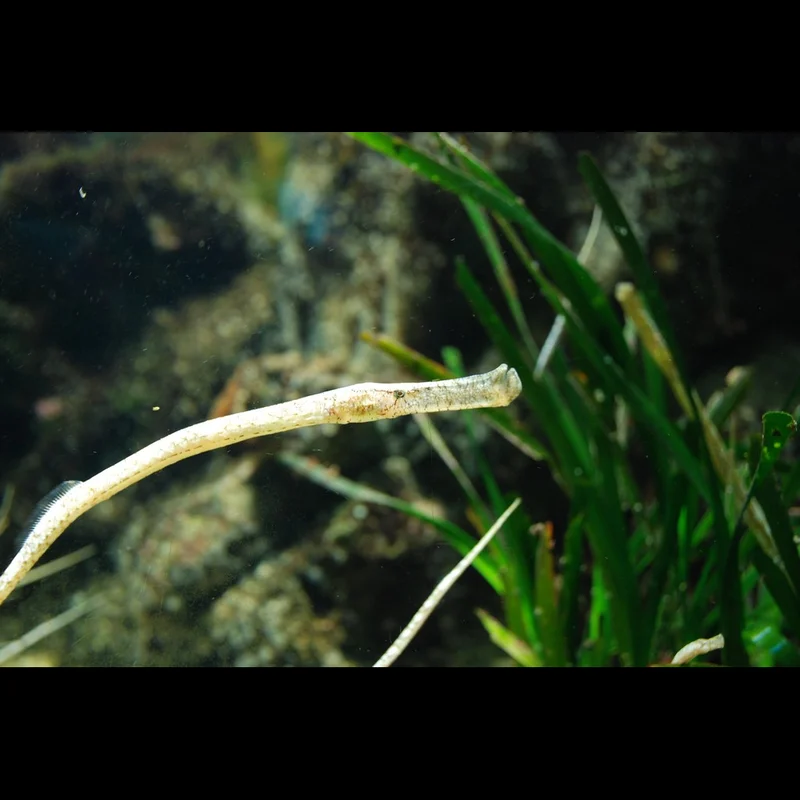
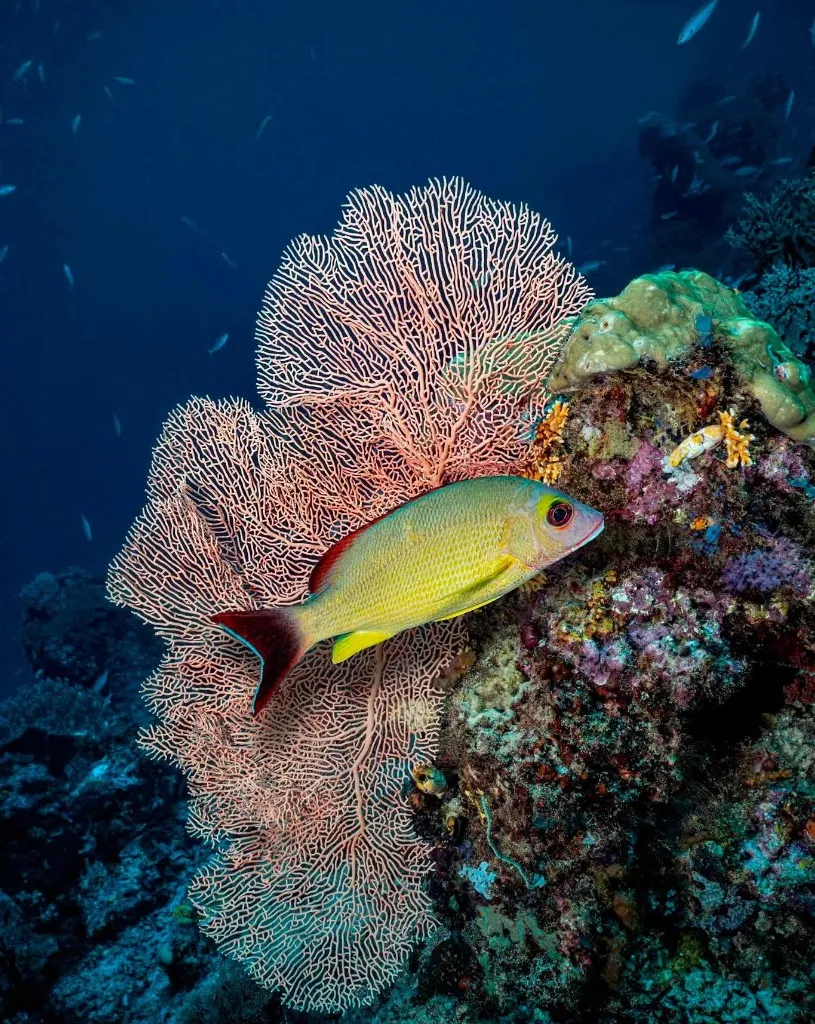
Look for boxfish, parrotfish, and the occasional trumpetfish or pipefish blending into the reef. Sweetlips, snappers, and groupers are also common sightings, alongside the distinctive lionfish.
While less frequent, there are reports of larger marine life such as sharks, whales, dolphins, and turtles passing through the area, adding a layer of excitement to any dive.
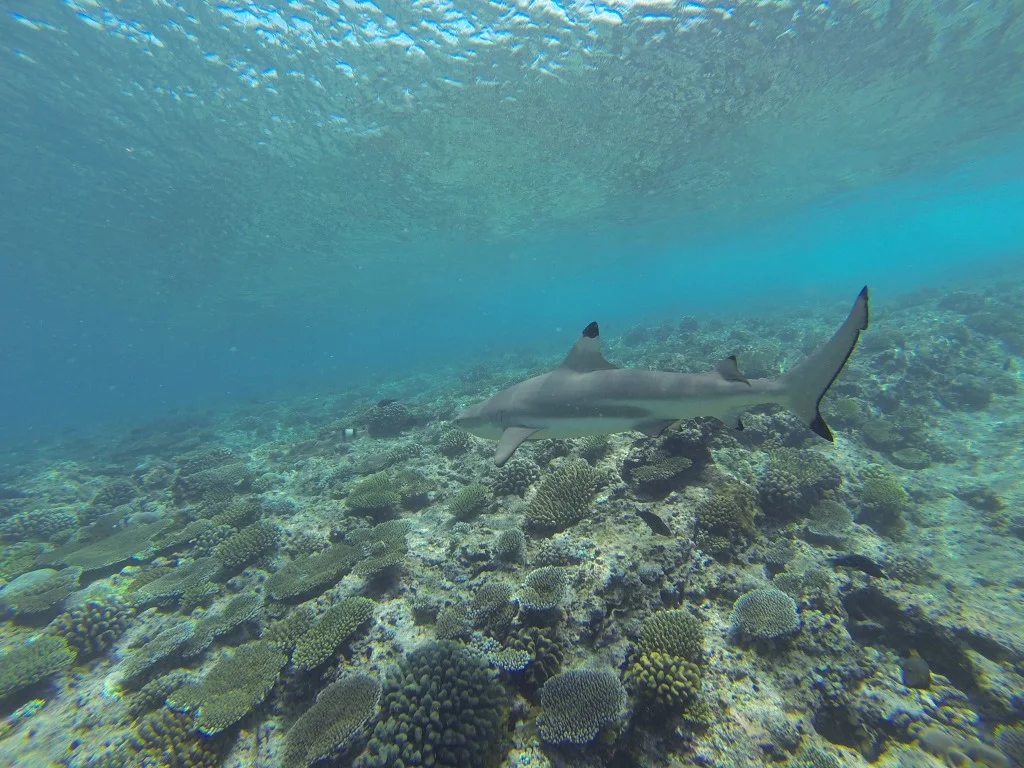
Dive Sites Near Matahari Reef, Pulau Seribu, Jakarta
View all dive sites in IndonesiaDiscover more underwater gems in this area.
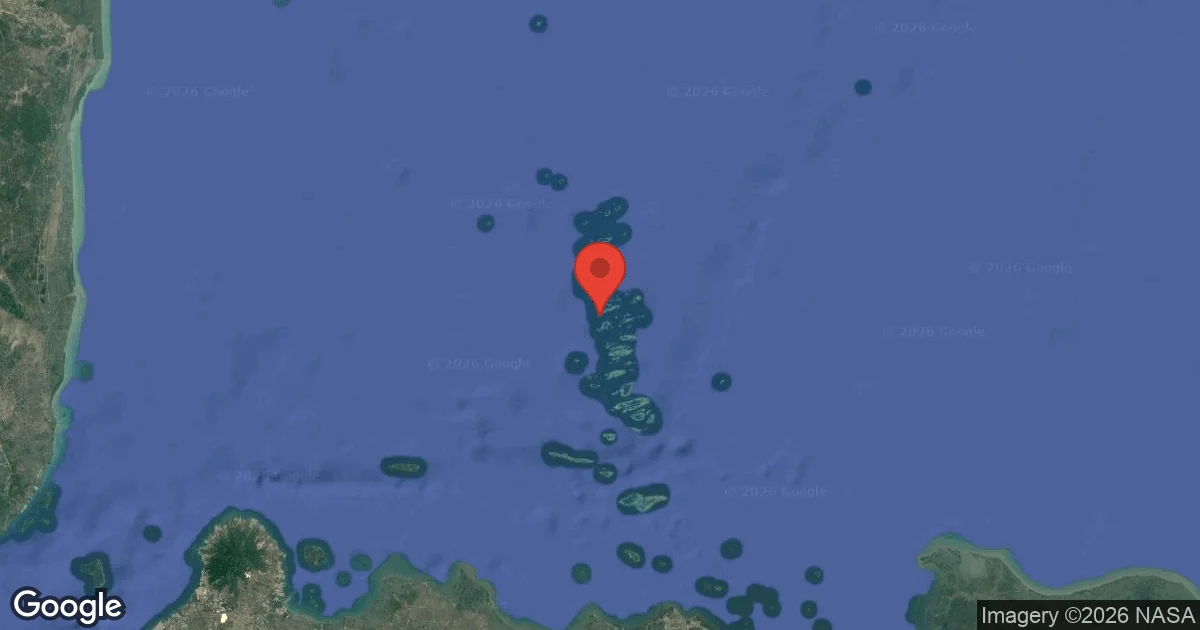
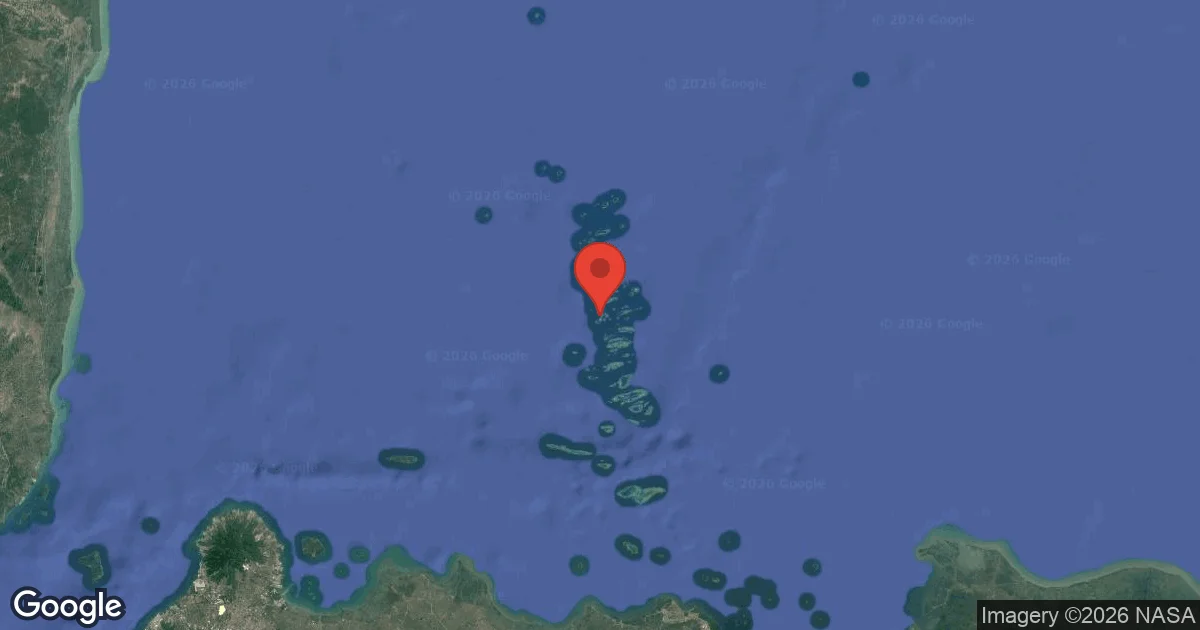
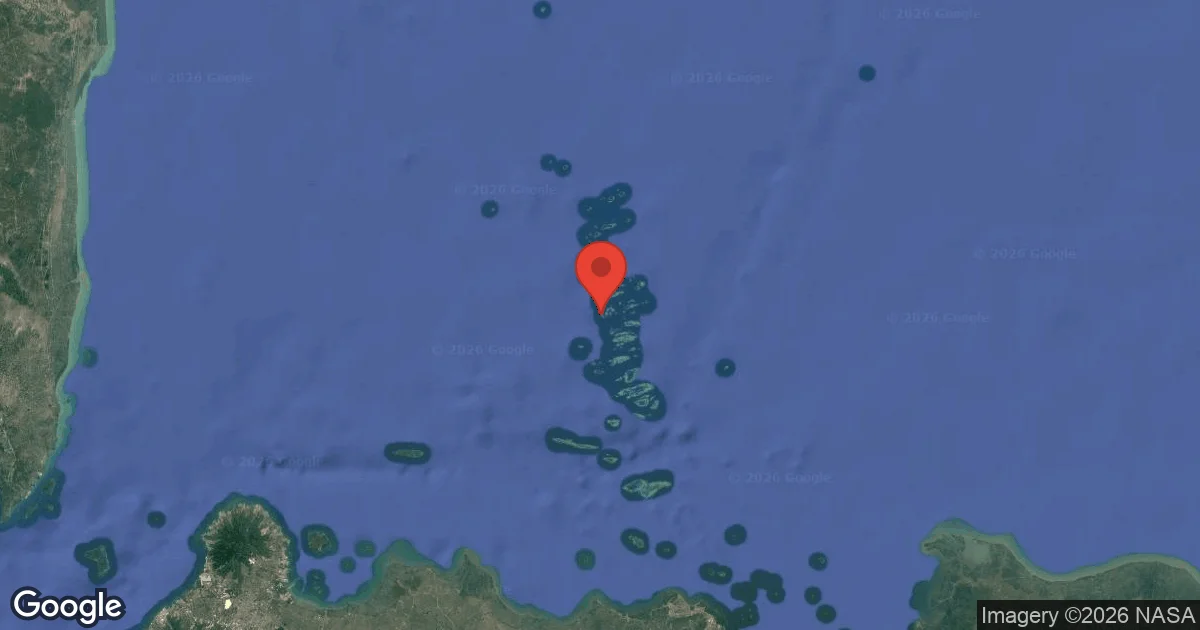
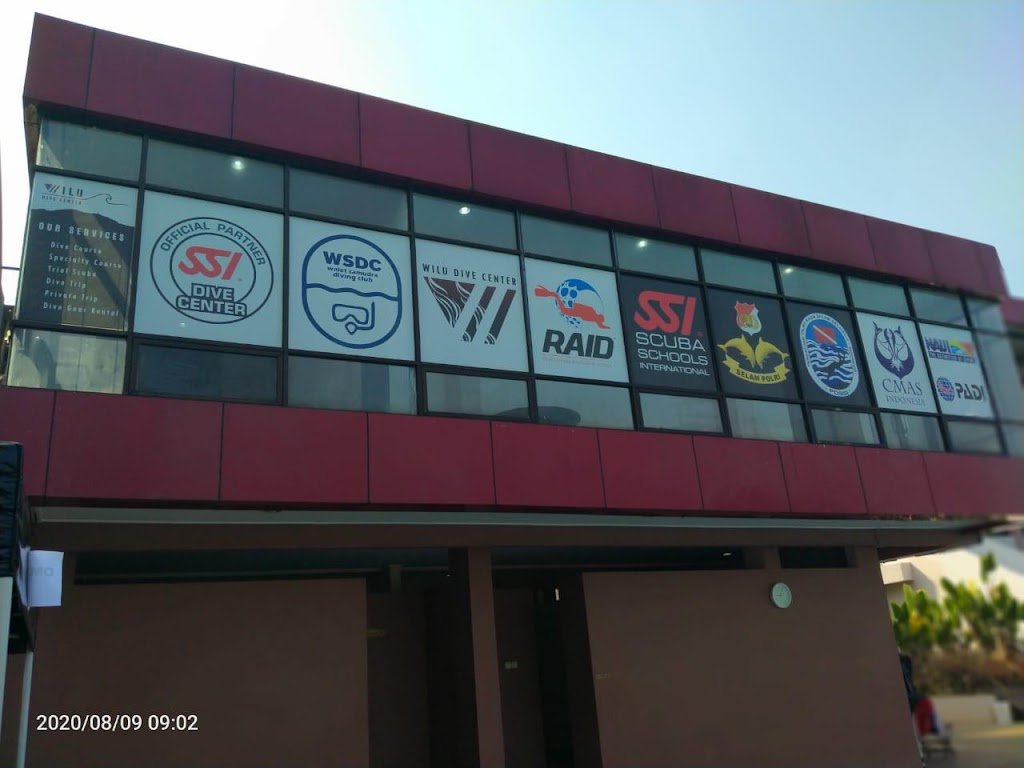
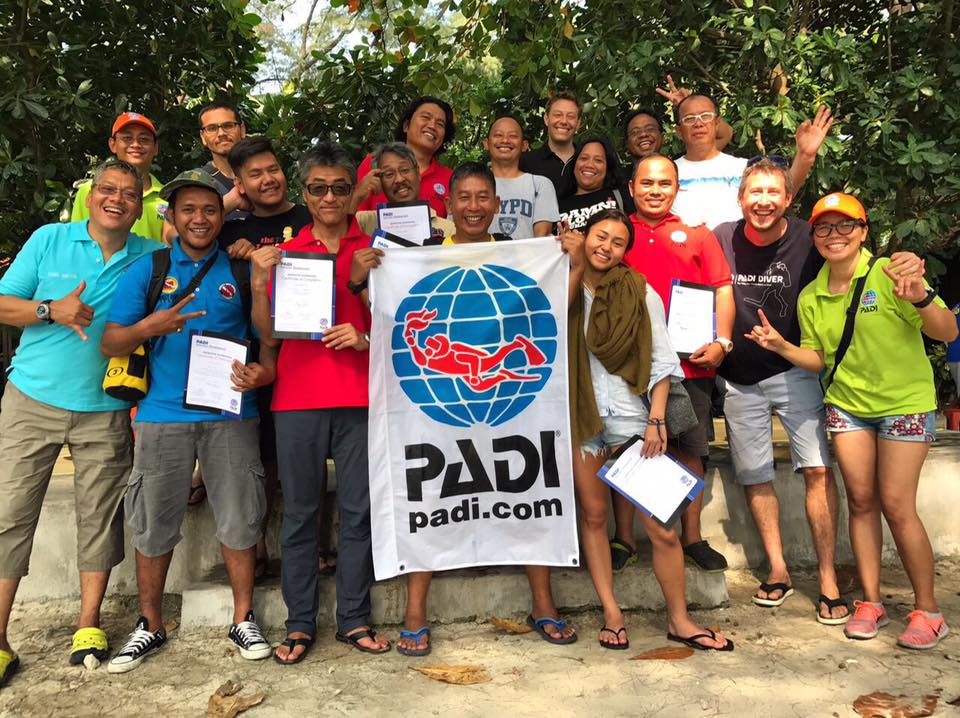
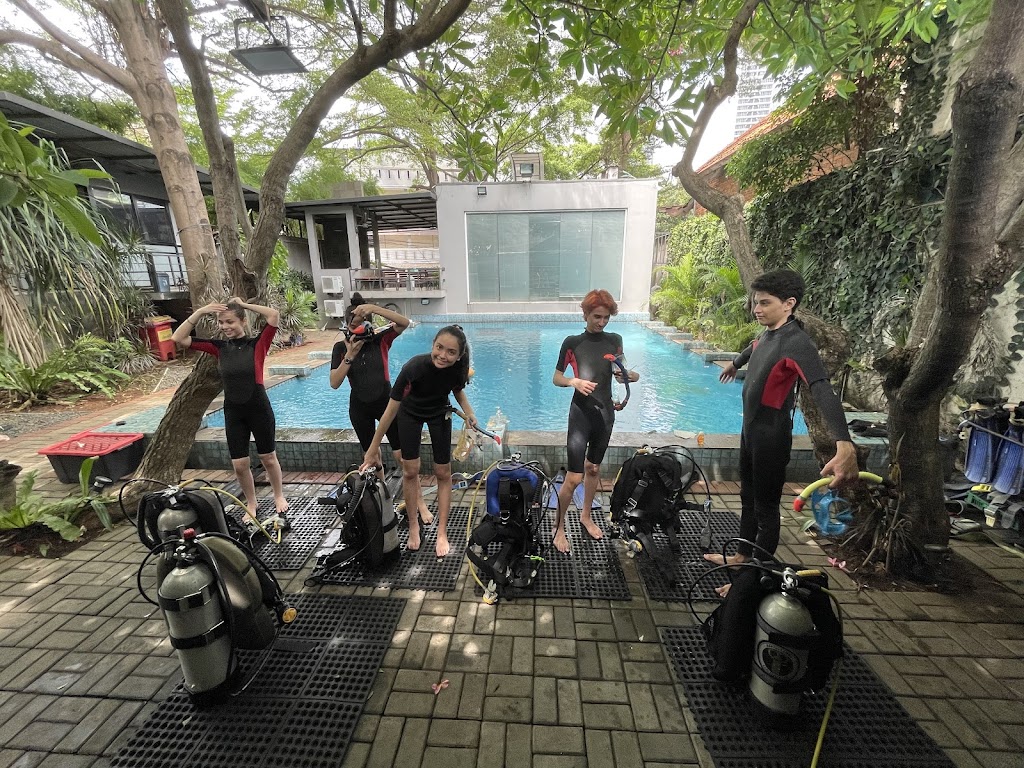
Dive Centers Near Matahari Reef, Pulau Seribu, Jakarta

Today: 08:00 - 17:00
Nearest Airports
Nearest airports to help plan travel to this dive area.
Search Flights
Check available flights and routes on Expedia, using the nearby airports listed in this section.
Search Flights on ExpediaFrequently Asked Questions
What is the maximum depth at Matahari Reef?
The site has a maximum reported depth of up to 20 m / 66 ft. This depth profile allows for a variety of dive plans, catering to different certification levels.
Is Matahari Reef suitable for beginner divers?
Yes, the gently sloping topography and manageable depths make it suitable for PADI Open Water Divers. However, good buoyancy control is always advised, especially over the coral areas.
What is the water temperature like at Matahari Reef?
Water temperatures are consistently warm, typically ranging from 26-28°C (79-83°F). This allows for comfortable diving with minimal thermal protection like a 3mm wetsuit.
What type of marine life can I expect to see?
The reef is home to a wide array of reef fish, including pufferfish, scorpionfish, angelfish, and parrotfish. There are also less frequent sightings of sharks, whales, dolphins, and turtles.
How is Matahari Reef accessed?
Access to Matahari Reef is primarily by boat. Divers typically enter the water directly from the boat, making it a convenient entry point for exploring the site.
When is the best time to visit for diving?
The optimal period for diving is from May to June and again in October, when conditions are rated "Excellent." These months typically offer lower rainfall and comfortable air temperatures.
Are there strong currents at Matahari Reef?
Strong currents are not consistently reported as a dominant feature. However, as with any ocean dive site, conditions can vary, and divers should be prepared for mild currents.
Planning to dive Matahari Reef, Pulau Seribu, Jakarta?
Send one inquiry and receive offers directly from the best verified local dive operators.
Conditions are Excellent
07:00 - 14:00
Optimal conditions expected
Current conditions near Matahari Reef, Pulau Seribu, Jakarta show 29° air, 29° sea temperature, 0.4 m waves, and 18 km/h wind. Forecast data is refreshed regularly to ensure accuracy.