
Diving at Pramuka Jetty (Indonesia)
Pramuka jetty provides a versatile training ground for divers, accommodating various skill levels. A dedicated training platform is set at 6 m (20 ft), with the main dive extending to a maximum depth of 25 m (82 ft). This site is well-suited for skill refinement and localized underwater exploration.
As evening covers Pramuka Jetty, the local air temperature is measured at 28.5°C. The current wave height at the surface is recorded at 0.5 m. These late-day readings characterize the surface conditions for the night.
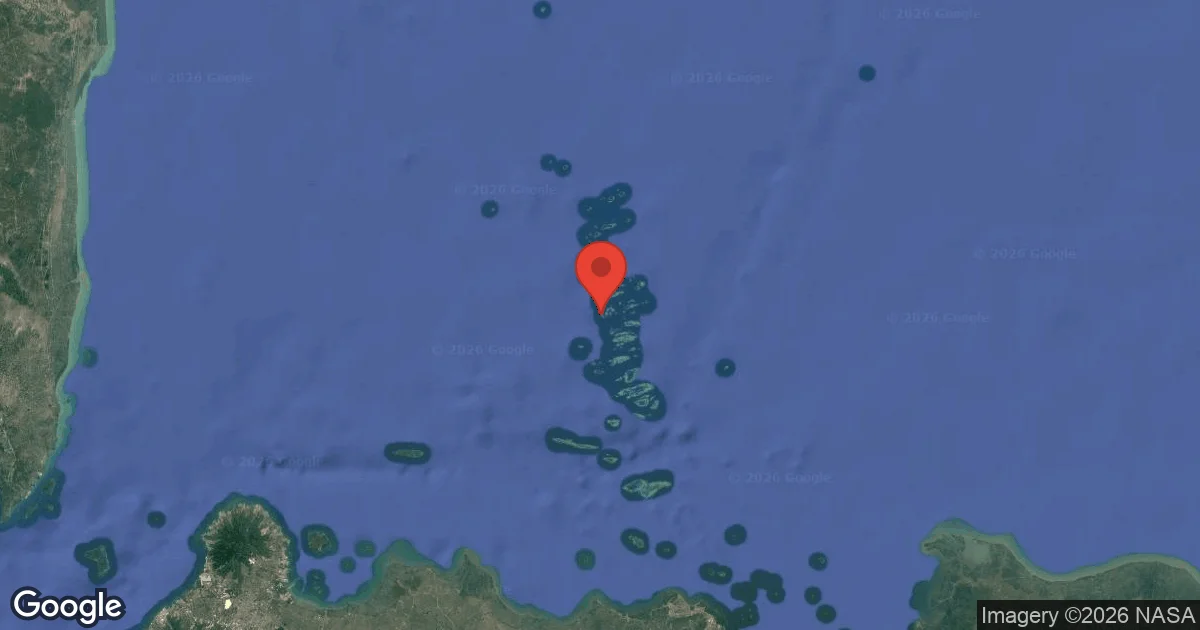
Dive Site Location & Key Facts
Dive Site Overview
The underwater landscape at Pramuka jetty unfolds across a gently sloping bottom, transitioning from sandy expanses to vibrant reef sections. Artificial reef structures, strategically placed in the shallow northern areas, significantly enhance local habitat and provide shelter for diverse marine life.
Further south, a small wreck rests on the seabed, presenting another point of interest for exploration. Divers navigating this site will find varied features useful for orientation and observation. The recreational depth range here allows for comprehensive exploration, typically not exceeding a maximum depth of 25 meters.
Moving along the reef slope in shallower water reveals intricate ecosystems, making it particularly rewarding. Whether refining skills or enjoying a leisure dive, the site's blend of sandy bottom, artificial reef zones, and natural reef environments supports a broad spectrum of underwater experiences. Its accessibility makes it an adaptable location for multiple dive objectives.
Conditions are Excellent
07:00 - 14:00
Optimal conditions expected
Current conditions near Pramuka Jetty show 28° air, 29° sea temperature, 0.5 m waves, and 17 km/h wind. Forecast data is refreshed regularly to ensure accuracy.
Best Time to Dive
Optimal diving conditions at Pramuka jetty typically align with the drier months, presenting a more favorable experience. Rain averages are notably lower from April to October, with July and August experiencing the least rainfall at approximately 3.2 mm and 1.6 mm, respectively. During this period, the air temperature consistently remains warm, ranging from 28°C to 28.5°C (83°F)to 83.5°F), providing comfortable surface intervals. Conversely, the rainy season, from November to March, brings higher precipitation, such as 16.8 mm in January, which could impact visibility. Waves generally remain manageable year-round, typically below 0.7 meters (2.3 ft), with slightly calmer conditions reported during April and May, averaging around 0.4-0.5 meters (1.3-1.6 ft).
PEAK SEASON SCORE
Scores combine air & water temps, waves, wind & rainfall for overall conditions.
BEST MONTHS TO DIVE
Monthly records compiled from satellite and marine observation nodes over the last 3 years. Data provided by Open-Meteo and MET Norway.
Dive Experience & Conditions
Entering the water at Pramuka jetty can be accomplished directly from the jetty itself or via shore/beach access, providing flexible entry options for divers. During daytime dives, currents tend to be lighter, facilitating easier navigation, though they may intensify at shallower depths during night dives. Water temperatures are not consistently reported but generally align with the tropical air temperatures, likely staying comfortably warm throughout the year. Visibility varies depending on seasonal conditions, sometimes proving tricky, so checking local reports before diving is advisable. Overall, the site's characteristics, including its sandy and reef topography, make it well-suited for a range of certification levels, from beginner to advanced.
Dive Difficulty & Safety Guidelines
While currents are generally light during the day, divers should be aware of potentially stronger currents at night, particularly in shallower areas around Pramuka jetty. Maintaining excellent buoyancy control is crucial, especially when exploring the artificial reef structures and the small wreck. Divers practicing skills here should adhere to established training protocols, especially around the dedicated 6-meter training platform.
Using a dive computer is standard practice for monitoring depth and bottom time effectively. Given the potential for variable visibility, particularly in certain seasons, always stay with your buddy and consider carrying a torch for enhanced situational awareness, even during day dives, to fully explore crevices and overhangs.
Recommended Equipment
- Dive Computer
- DSMB
This gear list is based on verified equipment signals for Pramuka Jetty, Indonesia. Always confirm final gear choices with your dive operator, guide, or liveaboard.
Recommended Dive Suit
2-3mm shorty or light wetsuit usually provides adequate warmth in water around this temperature. Those diving at Pramuka Jetty today will likely encounter water temperatures in the region of 29°C (84°F). Surface air temperatures are resting at 28°C (83°F).
Environmental conditions are expected to remain consistent in the short-term outlook.
Conditions can vary slightly across different parts of the same dive site.
Emergency & Medical Support
Essential information to help you plan your dive trip to Pramuka jetty.

Hyperbaric chambers are a critical part of dive safety infrastructure. Availability varies significantly by region, and not all dive areas have immediate access.
Before diving, it's recommended to:
- confirm nearest medical facilities
- check emergency procedures with local dive operators
- ensure dive insurance covers evacuation if required
Divers Alert Network
Diving emergency assistance available through DAN World.
+1-919-684-9111- 24/7 emergency hotline
- Diving medical assistance
- Evacuation coordination
Emergency contacts are provided for reference. Always verify local emergency services before diving.
Marine Life at Pramuka Jetty
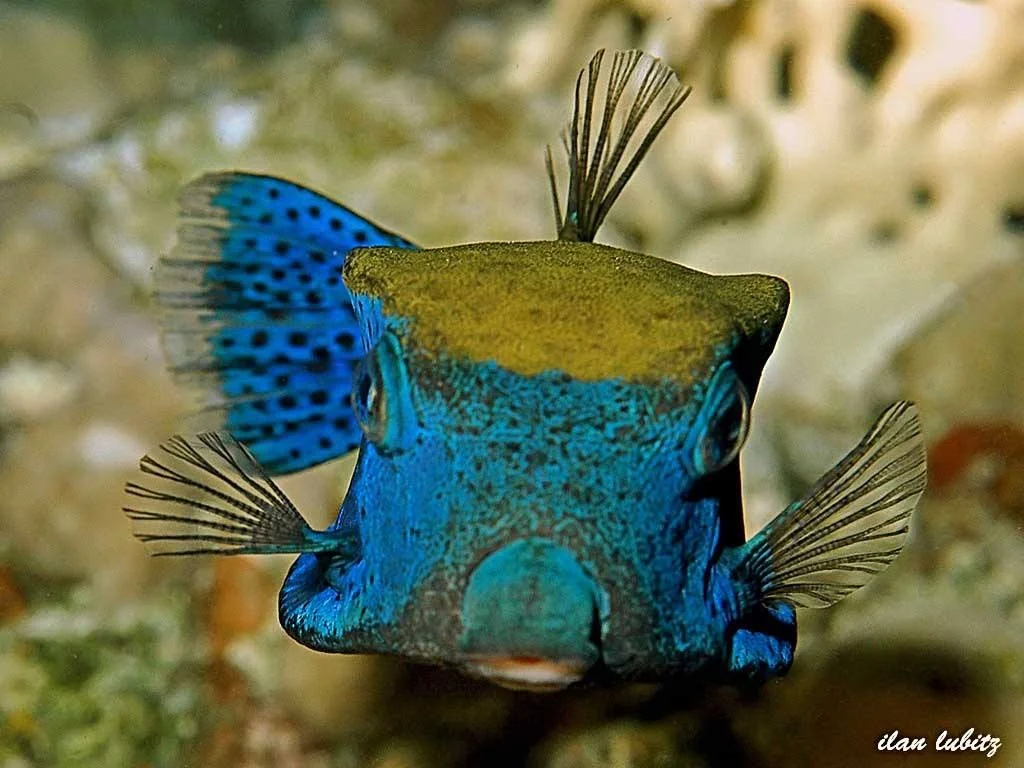
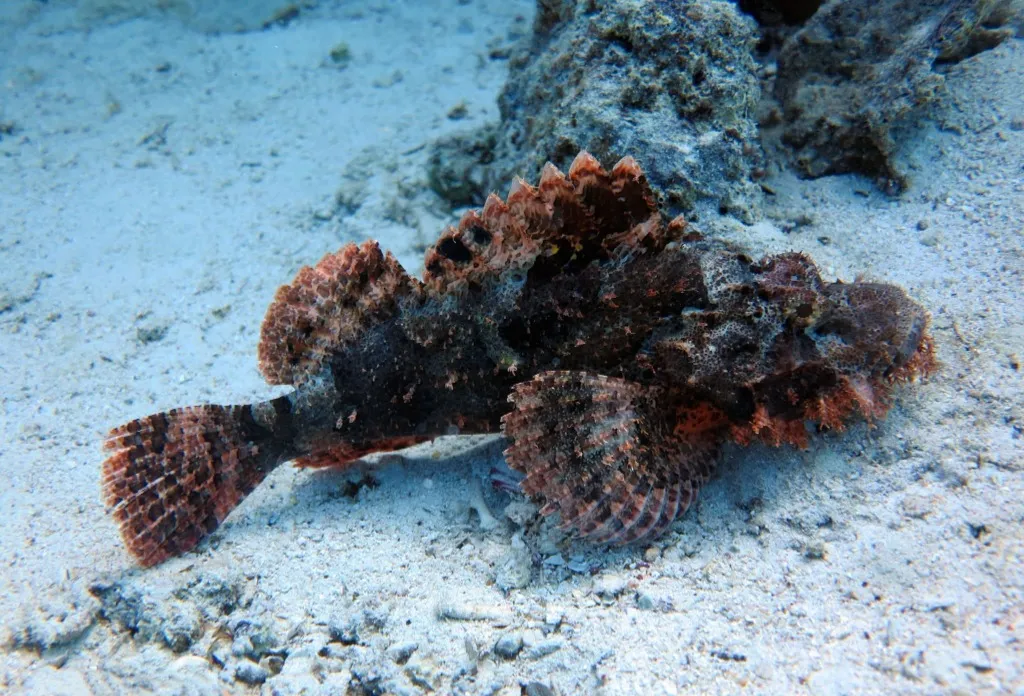
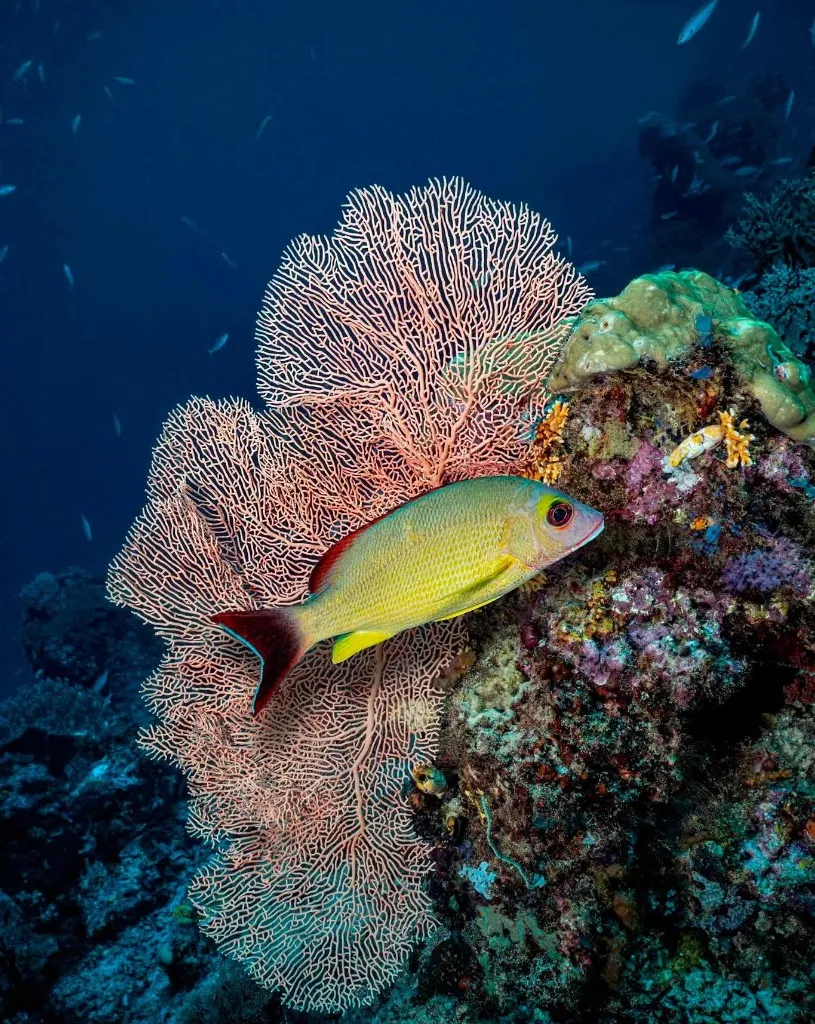
The diverse topography of Pramuka jetty supports a variety of marine inhabitants, from the sandy bottom to the reef sections. Common sightings include various reef fish such as scorpionfish, boxfish, pufferfish, surgeonfish, angelfish, bannerfish, triggerfish, parrotfish, trumpetfish, sweetlips, snapper, and grouper.
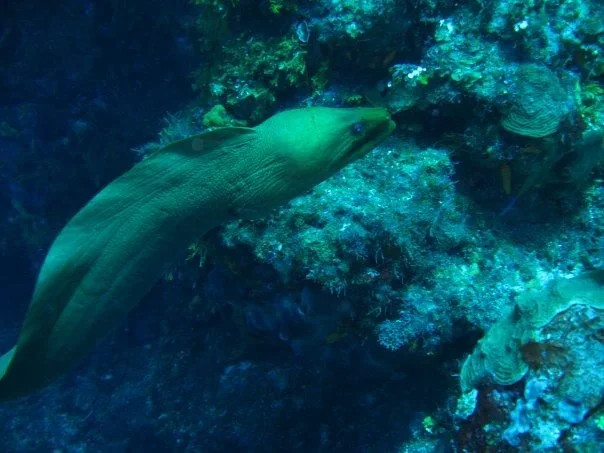
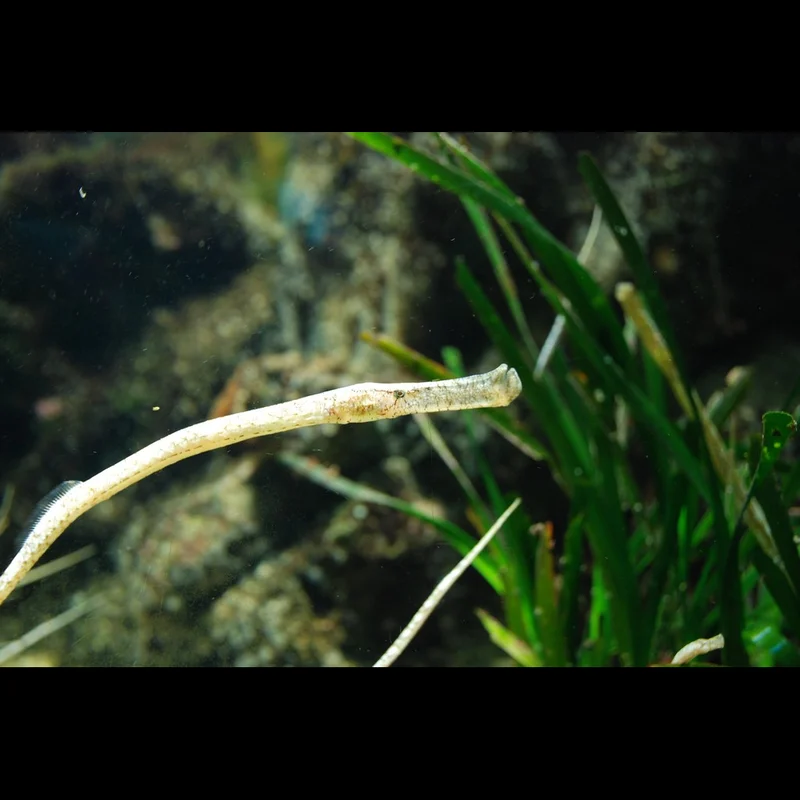
Look closely among the corals and artificial structures, and you might spot moray eels or pipefish. Anemone fish often host within their protective anemones. Occasionally, divers encounter sea turtles and nudibranchs, adding to the site's rich biodiversity.
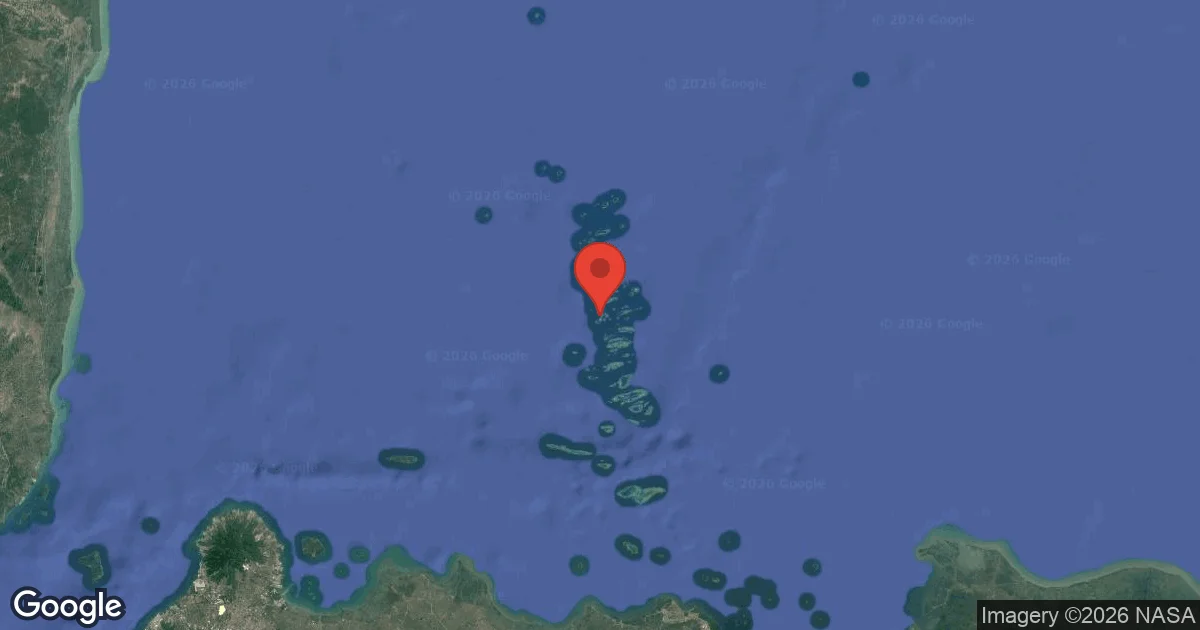
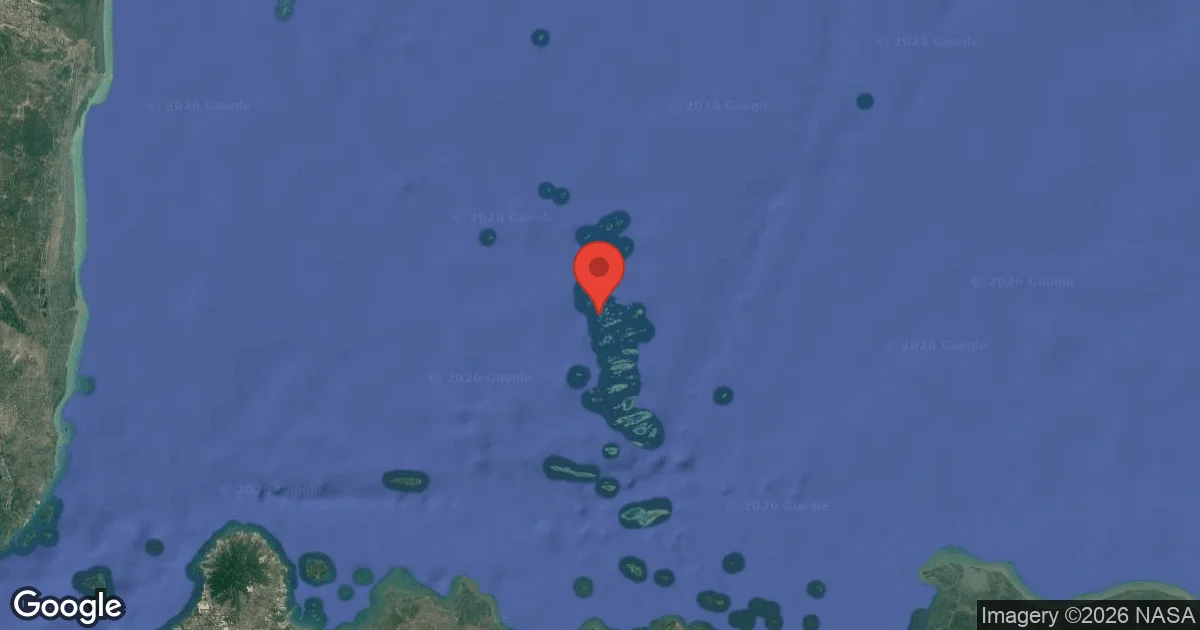
Dive Sites Near Pramuka Jetty
View all dive sites in IndonesiaDiscover more underwater gems in this area.
Dive Centers Near Pramuka Jetty
Today: 08:00 - 17:00
Nearest Airports
Nearest airports to help plan travel to this dive area.
Search Flights
Check available flights and routes on Expedia, using the nearby airports listed in this section.
Search Flights on ExpediaFrequently Asked Questions
What is the maximum depth at Pramuka jetty?
The maximum recreational depth at Pramuka jetty reaches 25 meters. Shallower sections include a dedicated training platform at 6 meters.
Are there strong currents at this dive site?
Currents at Pramuka jetty are typically lighter during the day. However, currents can get stronger at night, especially in the shallower areas, so divers should plan accordingly.
What kind of marine life can I expect to see?
You can anticipate seeing various reef fish like triggerfish and angelfish, alongside moray eels and pipefish. Sea turtles and nudibranchs are also occasionally spotted here, particularly around the reef and artificial structures.
Is Pramuka jetty suitable for beginner divers?
Yes, Pramuka jetty is considered suitable for beginner divers. Its training platform at 6 meters and generally lighter daytime currents make it an ideal location for skill practice and certifications like PADI Open Water Diver.
What is the bottom topography like at Pramuka jetty?
The bottom topography of Pramuka jetty features a sloping profile with a mix of sandy and reef areas. Artificial reef structures are present in the northern part, and a small wreck lies on the southern side, offering varied exploration.
What PADI courses are recommended for this site?
Recommended PADI courses include Open Water Diver, Advanced Open Water Diver, and Enriched Air Diver. Specialized courses like Night Diver and Delayed Surface Marker Buoy (DSMB) Diver are also beneficial given the site's conditions and features.
Planning to dive Pramuka Jetty?
Send one inquiry and receive offers directly from the best verified local dive operators.
Conditions are Excellent
07:00 - 14:00
Optimal conditions expected
Current conditions near Pramuka Jetty show 28° air, 29° sea temperature, 0.5 m waves, and 17 km/h wind. Forecast data is refreshed regularly to ensure accuracy.