
Diving at The Tunnel (Indonesia)
Experience a thrilling drift through The Tunnel, a distinctive underwater structure demanding keen awareness from certified divers. It rewards precise buoyancy and current management with exceptional encounters, primarily focused on elusive macro critters. Prepare for a dive where a journey through its current-swept path reveals intricate biodiversity, a true test of observation and control in dynamic conditions.
As evening covers The Tunnel, the local air temperature is measured at 32°C. The current wave height at the surface is recorded at 1.3 m. These late-day readings characterize the surface conditions for the night.
Dive Site Location & Key Facts
Dive Site Overview
Unique underwater formations sculpt current flow at The Tunnel, creating a distinctive drift diving experience. Divers navigate an environment where water column guides their journey, demanding attention to surroundings and precise buoyancy control.
Specific structural details are not consistently reported; however, nearby Tulamben sites often feature rich volcanic topography that forms similar characteristics. Currents vary from gentle to more pronounced, influencing dive pace and marine inhabitant behavior. Discovering hidden life within these currents proves an engaging expedition for those appreciating detailed observation amidst movement.
Macro photography opportunities abound, local sites consistently revealing rare, cryptic species. An array of fascinating creatures thriving in current-rich environments awaits divers.
Dives unfold as slow, methodical explorations, allowing time to search for camouflaged residents. Such diving provides a different excitement than pelagic encounters, demanding patience and a sharp eye.
Understanding tidal patterns is crucial for optimal dive planning, maximizing chances for a smooth drift and extended critter spotting.
Conditions are Moderate
Optimal conditions expected
Current conditions near The Tunnel show 32° air, 30° sea temperature, 1.3 m waves, and 25 km/h wind. Forecast data is refreshed regularly to ensure accuracy.
Best Time to Dive
Climate data suggests consistent moderate dive scores throughout the year, typically ranging from 5 to 6, with stable air temperatures. Air temperatures hover between 27-28°C (81-82°F) across months. Wave heights vary, generally between 1.0 to 1.9 meters, potentially impacting surface conditions more than underwater experiences at depth. Wind speeds are also variable, from 16.9 km/h to 27.9 km/h, which can influence boat travel and entry/exit points. Rainfall is lowest from January to May (2.6-6.1mm) and highest from July to October (10.7-13.7mm), though even peak rainfall amounts are not extreme. Water temperature is not consistently reported for this specific site, though regional conditions typically remain warm. The contrast between calmer surface conditions (lower waves/wind) often aligns with months like June, July, and August, potentially offering more comfortable boat rides to the dive site. However, the consistent air temperatures mean that the region is generally diveable year-round, with divers adapting to slight shifts in surface conditions.
PEAK SEASON SCORE
Scores combine air & water temps, waves, wind & rainfall for overall conditions.
BEST MONTHS TO DIVE
Monthly records compiled from satellite and marine observation nodes over the last 3 years. Data provided by Open-Meteo and MET Norway.
Dive Experience & Conditions
Current dynamics are a central aspect of diving The Tunnel, as its namesake implies a shaped passage through which water flows. Expect a drift dive, where the currents guide your trajectory, demanding proficiency in buoyancy control and awareness of your surroundings. Surface conditions can range from calm to moderate chops, reflecting monthly wave height averages from 1.0 to 1.9 meters. Underwater, these currents can vary in strength, requiring divers to be comfortable with dynamic water movement. The absence of consistently reported water temperature data suggests a stable thermal environment, typical of tropical Indonesian waters, which are generally warm. Visibility tends to be good, though it can be influenced by recent rainfall or strong currents stirring up sediment. Divers should plan descents and ascents carefully, staying attuned to the group and the dive guide's instructions for navigating the current.
Dive Difficulty & Safety Guidelines
Given the characteristics of a drift dive, robust dive planning is paramount. Divers should be comfortable with current management and maintain excellent buoyancy control to navigate The Tunnel effectively. Group awareness is essential, as currents can separate divers if communication and proximity aren't maintained.
Since explicit hazards for this specific tunnel are not detailed, a general caution applies to any overhead environment: proper training for cavern or cave diving is necessary if any enclosed sections are explored. Always dive with a qualified guide familiar with local conditions and current patterns.
Pay close attention to pre-dive briefings and follow all instructions, especially regarding entry, exit, and emergency procedures in dynamic water. A surface marker buoy (SMB) is highly recommended for all drift dives to signal your whereabouts to the boat crew upon ascent.
Recommended Equipment
Overhead environment. Do not enter beyond training and gas planning limits.
Current and surface separation risk. Local briefing strongly recommended.
- Dive Computer
- DSMB
- Primary & Backup Lights
- Reel / Spool
- Cutting Tool
This gear list is based on verified equipment signals for The Tunnel, Indonesia. Always confirm final gear choices with your dive operator, guide, or liveaboard.
Recommended Dive Suit
Dive skin or rash guard is widely used for recreational dives in waters of this temperature. A hood or vest is suggested for sensitive divers due to surface winds. Those diving at The Tunnel today will likely encounter water temperatures in the region of 30°C (86°F). Surface air temperatures are resting at 32°C (89°F).
Surface temperatures may decrease slightly later in the week. Cooler days are ahead; you might want a warmer option for later in the week. Some divers bring an extra layer for surface intervals between dives.
Water temperatures can occasionally shift throughout the day depending on currents and depth layers.
Emergency & Medical Support
Essential information to help you plan your dive trip to The Tunnel.

Hyperbaric chambers are a critical part of dive safety infrastructure. Availability varies significantly by region, and not all dive areas have immediate access.
Before diving, it's recommended to:
- confirm nearest medical facilities
- check emergency procedures with local dive operators
- ensure dive insurance covers evacuation if required
Divers Alert Network
Diving emergency assistance available through DAN World.
+1-919-684-9111- 24/7 emergency hotline
- Diving medical assistance
- Evacuation coordination
Emergency contacts are provided for reference. Always verify local emergency services before diving.
Marine Life at The Tunnel
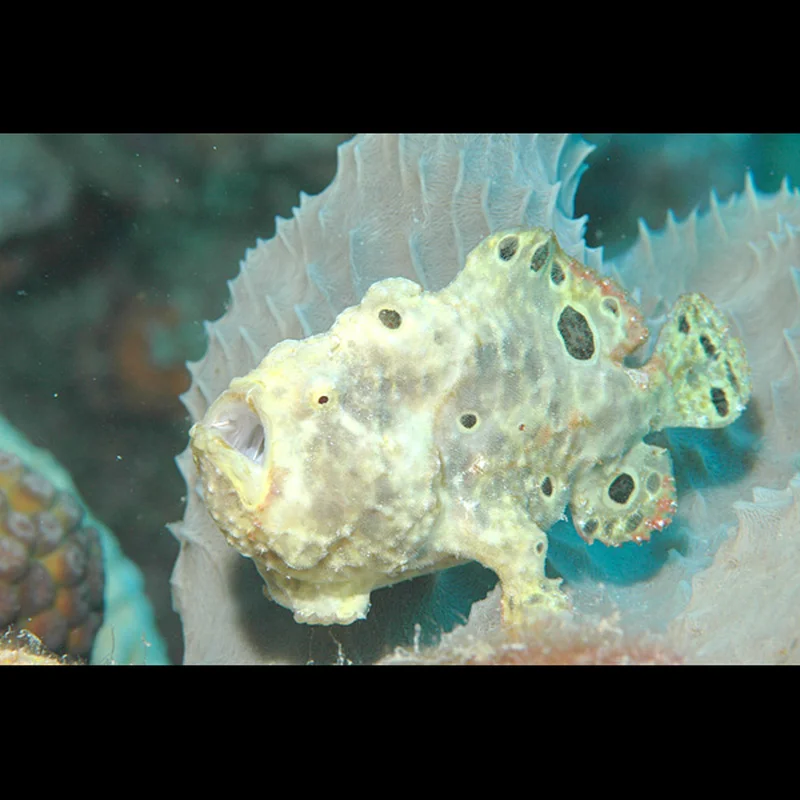
Exceptional macro diversity defines the Tulamben area, including The Tunnel site. Divers often spot a variety of frogfish, painted, warty/clown, and hairy species among them, masters of camouflage.
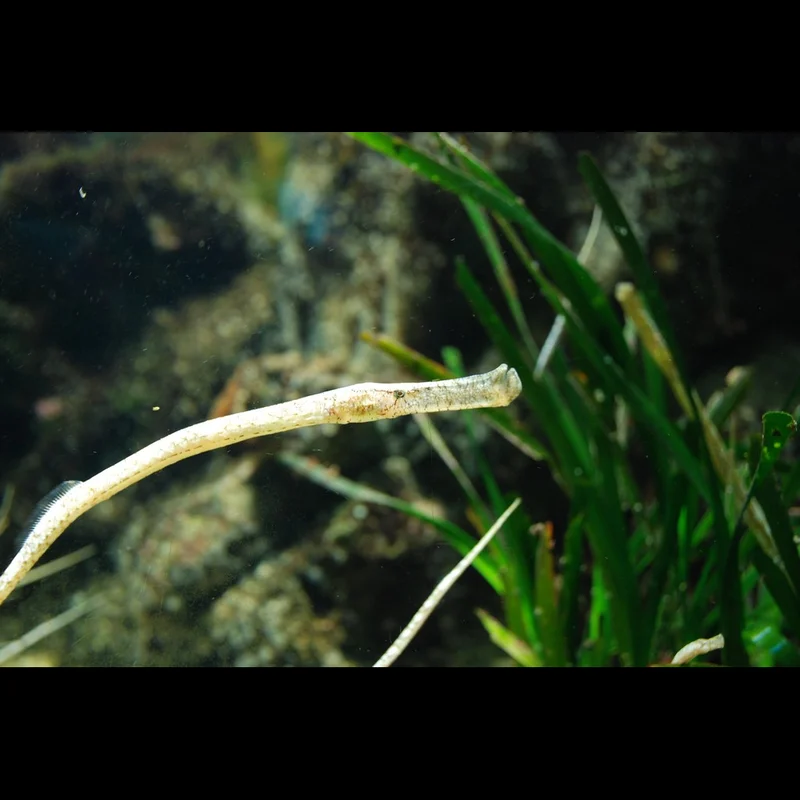
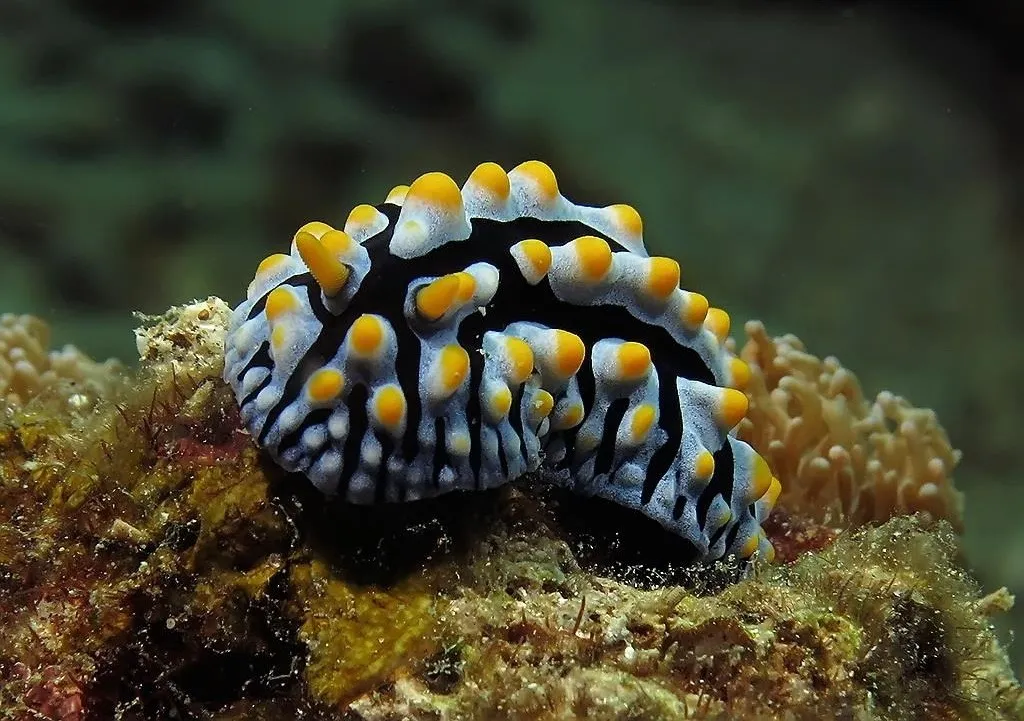
Seek the elusive wonderpus octopus and various harlequin creatures like pipefish and shrimp. A haven for nudibranch enthusiasts, many Hypselodoris, Favorinus, and Goniobranchus species appear; some are tiny, others more conspicuous like the Spanish dancer.
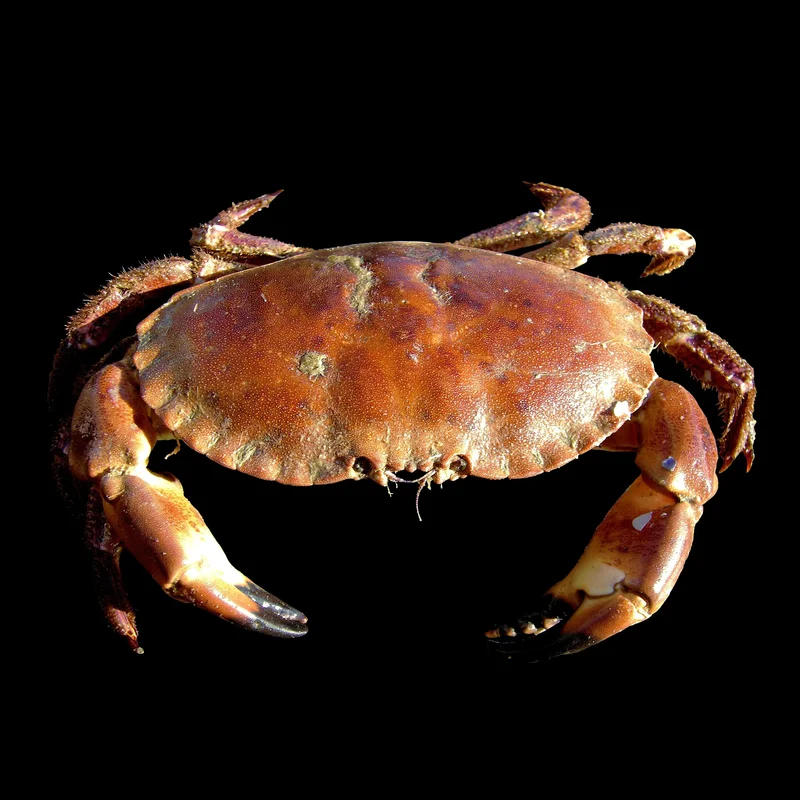
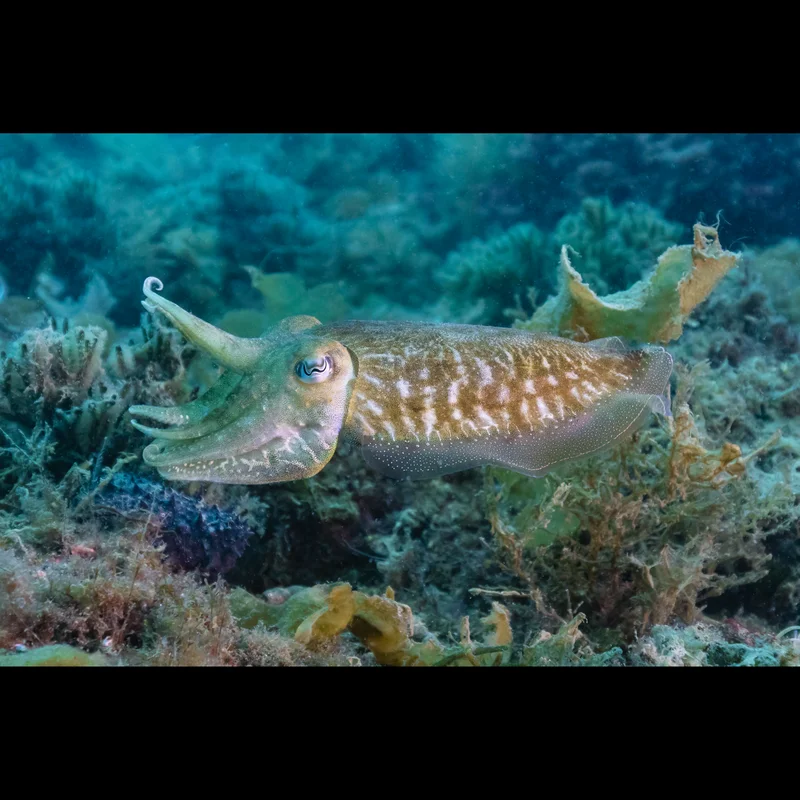
Look out for broadclub cuttlefish, peacock mantis shrimp, and orang-utan crabs, adding to the intricate tapestry of small, fascinating life thriving in these waters.
Dive Sites Near The Tunnel
View all dive sites in IndonesiaDiscover more underwater gems in this area.
Dive Centers Near The Tunnel
No Dive Centers Local To The Tunnel
Are you a dive center visiting this location? Get listed to reach divers.
Nearest Airports
Nearest airports to help plan travel to this dive area.
Frequently Asked Questions
What is The Tunnel dive site known for?
The Tunnel is known for its unique underwater structure that creates a drift diving experience. It's a prime location for macro marine life observation, especially cryptic and camouflaged species.
What skill level is required for this dive?
Due to the presence of currents and the nature of a drift dive, divers should be certified and comfortable with advanced buoyancy control and current management techniques. Diving with a local guide is highly recommended.
What are the typical water temperatures at The Tunnel?
Specific water temperatures for The Tunnel are not consistently reported. However, conditions in tropical Indonesian waters are generally warm, making dives comfortable without thick wetsuits.
When is the best time to dive The Tunnel?
The site is generally diveable year-round due to stable air temperatures. While rainfall varies, it does not typically hinder diving. June to August may offer calmer surface conditions for boat access.
What kind of marine life can I expect to see at The Tunnel?
The area is rich in macro life. Divers frequently encounter various species of frogfish, nudibranchs (including numerous Hypselodoris and Goniobranchus), wonderpus octopuses, harlequin pipefish, and a variety of small crustaceans like peacock mantis shrimp.
Is navigation challenging at The Tunnel?
As a drift dive, navigation involves being carried by the current. Divers need excellent buoyancy control and spatial awareness to appreciate the site's features and marine life while managing their spatial relation to the group and the underwater structures.
What safety precautions are important for diving The Tunnel?
Key safety precautions include thorough dive planning, maintaining strong buoyancy control, and staying aware of your dive group. Using a surface marker buoy (SMB) is crucial for signaling your whereabouts especially during ascent after a drift.
Planning to dive The Tunnel?
Send one inquiry and receive offers directly from the best verified local dive operators.
Conditions are Moderate
Optimal conditions expected
Current conditions near The Tunnel show 32° air, 30° sea temperature, 1.3 m waves, and 25 km/h wind. Forecast data is refreshed regularly to ensure accuracy.