
Diving at Sifone (Italy)
Il Sifone Cave, an advanced underwater cave system on Sardinia's east coast, features intricate sub-aquatic architecture. Divers access a fascinating overhead environment beginning around 20 m (66 ft), traversing two distinct cave sections. Passages ultimately open into a significant inner chamber, known to contain an air pocket, offering unique exploration for appropriately trained divers.
As evening covers Sifone, the local air temperature is measured at 23°C. The current wave height at the surface is recorded at 0.6 m. These late-day readings characterize the surface conditions for the night.
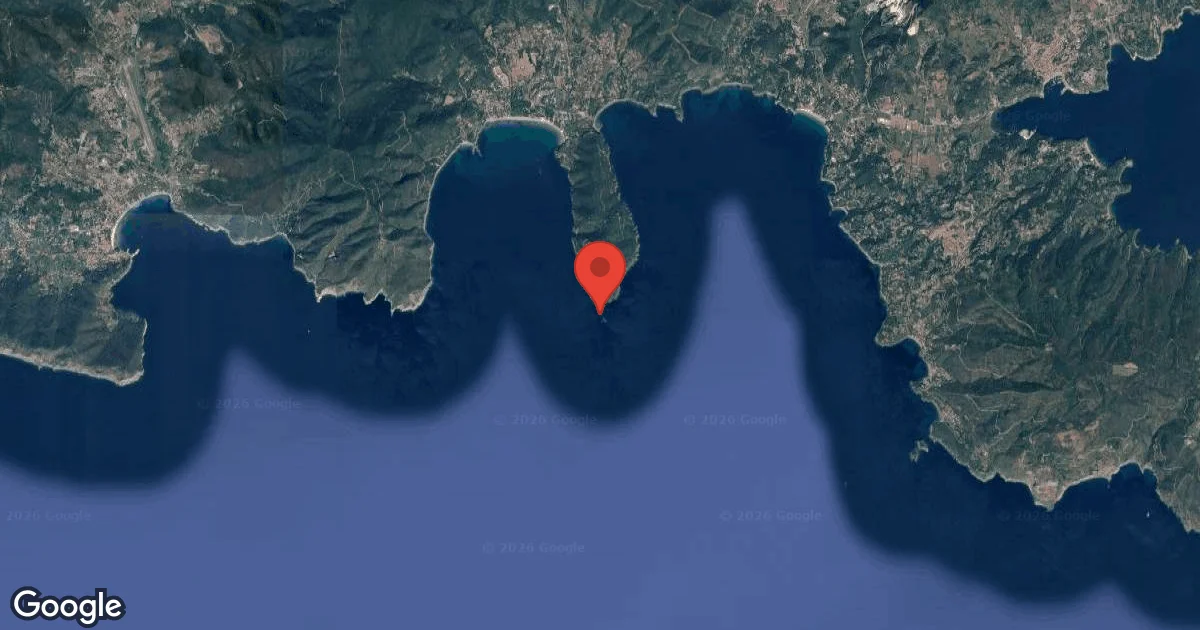
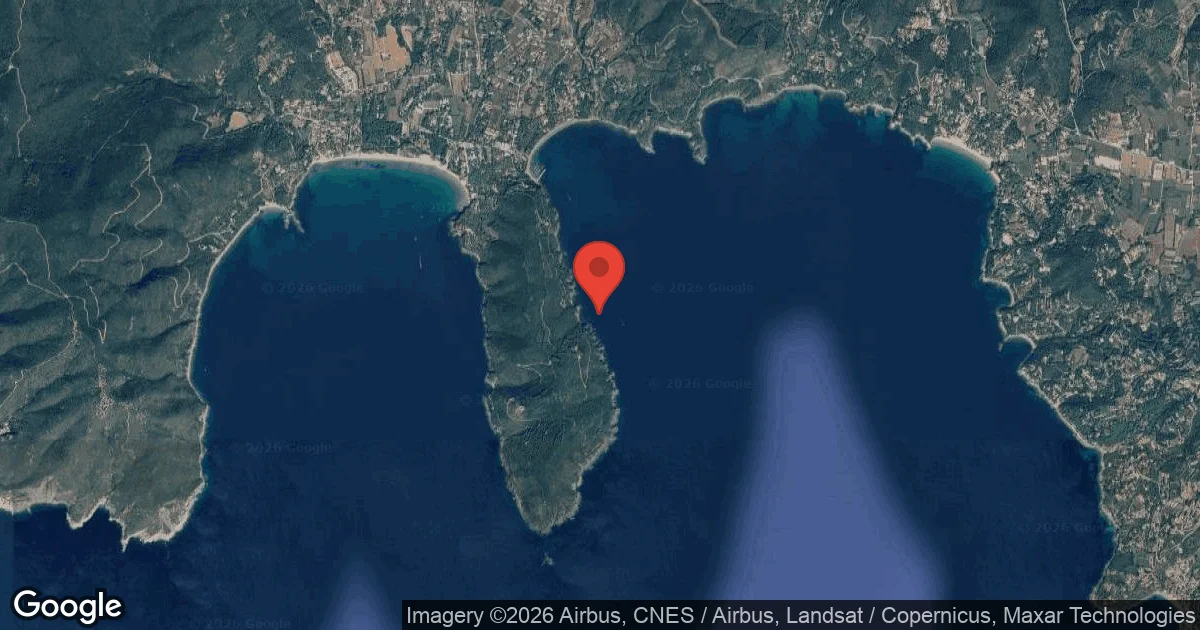
Dive Site Location & Key Facts
Dive Site Overview
A dive into Il Sifone Cave offers a profound journey into Sardinia's submerged geology, presenting a compelling challenge for appropriately certified divers. This overhead environment demands precision, rewarding explorers with intricate sub-aquatic architecture.
Entry to the cave system typically commences around 20 m (66 ft), where the initial passage immediately introduces the feeling of a true cave dive. Divers carefully navigate through distinct sections, following natural rock contours that transition between tighter constrictions and more expansive spaces. The progression culminates in a significant inner chamber, a defining feature known to contain an air pocket.
This natural void, deep within the earth, provides a unique moment for highly specialized cave divers. Beyond the cave's immediate confines, the surrounding seabed slopes downwards, eventually reaching depths of 25-30 m (82-100 ft) in certain areas adjacent to the entrance.
This outer region allows for additional exploration along a vibrant wall, often revealing a contrasting blue-water experience compared to the cave's enclosed intimacy. Visuals within the cave range from the dramatic silhouettes of large rock formations to the delicate textures of mineral deposits.
Navigating the cave requires constant attention to buoyancy and trim, ensuring a smooth traverse. This dive site delivers a truly immersive experience, combining the technical demands of cave penetration with the geological wonders of a dynamic coastal environment.
Conditions are Excellent
07:00 - 14:00
Optimal conditions expected
Current conditions near Sifone show 23° air, 26° sea temperature, 0.4 m waves, and 20 km/h wind. Forecast data is refreshed regularly to ensure accuracy.
Best Time to Dive
To maximize comfort and enjoyment at Sifone, planning a visit during warmer months offers the most favorable conditions. August typically stands out as an excellent month, boasting air temperatures averaging around 27°C (81°F) and minimal rainfall. Calmer sea states often align with summer. Other good months for diving extend from May through September, where air temperatures range between 18.5-26.5°C (65-80°F). In these months, average wave heights are consistently lower, generally below 0.7 meters (2.3 feet), reducing potential surface chop. While good conditions persist into late autumn and early spring, peak summer months provide the most consistently pleasant experience both in and out of the water.
PEAK SEASON SCORE
Scores combine air & water temps, waves, wind & rainfall for overall conditions.
BEST MONTHS TO DIVE
Monthly records compiled from satellite and marine observation nodes over the last 3 years. Data provided by Open-Meteo and MET Norway.
Dive Experience & Conditions
A dive at Il Sifone Cave initiates with entry to the cave system around 20 meters, immediately immersing divers in an overhead environment. The descent follows the natural contours of the rock, guiding explorers through two distinct sections of the cave. Each passage requires careful navigation and proficient buoyancy control, as the environment transitions from tighter spaces to more open caverns. Eventually, divers reach a larger, more expansive chamber deep within the cave system. A notable feature here is the presence of an air pocket, a significant element for specialized cave diving. Visibility within the cave can vary, but generally reflects the clarity of the surrounding Mediterranean waters. Outside the cave, conditions are typical of a wall dive, with the seabed dropping off to a maximum reported depth of 25-30 meters, depending on the specific approach.
Dive Difficulty & Safety Guidelines
Diving at Il Sifone Cave requires specific skills and preparation due to its challenging overhead environment. An advanced cave dive classification applies here, necessitating appropriate cave training and certifications. Standard open water or even cavern certifications are insufficient for safe penetration.
Divers should always plan for contingencies and use redundant equipment. A careful dive plan considering gas management, navigation, and emergency procedures is essential.
Buddy teams must be experienced in cave diving protocols. Complex passages and an air pocket's presence demand a high level of situational awareness and disciplined execution. It's imperative to respect depth limits and bottom times to ensure a safe return.
Recommended Equipment
Overhead environment. Do not enter beyond training and gas planning limits.
- Dive Computer
- DSMB
- Primary & Backup Lights
- Reel / Spool
- Cutting Tool
This gear list is based on verified equipment signals for Sifone, Italy. Always confirm final gear choices with your dive operator, guide, or liveaboard.
Recommended Dive Suit
Environmental conditions are expected to remain consistent in the short-term outlook.
For typical recreational dives, 2-3mm shorty or light wetsuit generally provides comfortable insulation. A hood or vest is suggested for sensitive divers due to surface winds. Surface intervals may feel cooler.
Recent environmental data from Sifone indicates water temperatures near 26°C (79°F). Surface air temperatures are resting at 23°C (73°F).
Emergency & Medical Support
Essential information to help you plan your dive trip to Sifone.

Hyperbaric chambers are a critical part of dive safety infrastructure. Availability varies significantly by region, and not all dive areas have immediate access.
Before diving, it's recommended to:
- confirm nearest medical facilities
- check emergency procedures with local dive operators
- ensure dive insurance covers evacuation if required
Divers Alert Network
Diving emergency assistance available through DAN Europe.
+39 0642115685- 24/7 emergency hotline
- Diving medical assistance
- Evacuation coordination
Emergency contacts are provided for reference. Always verify local emergency services before diving.
Closest Listed Hyperbaric Chambers
Showing listed hyperbaric chamber facilities within 200 km of this dive site.
Distances are approximate straight-line distances and may not reflect emergency travel time.
MISERICORDIA HOSPITAL
24/7 ListedICU CapableGrosseto, Italy•Approx. 48 km straight-line
MISERICORDIA HOSPITAL
24/7 ListedICU CapableInformation is provided for reference and planning purposes only. Dive Navigator does not verify operational status, staffing, availability, or quality of care at listed facilities. In an emergency, contact local emergency services, DAN, your dive operator, or the chamber directly. Do not travel to a facility without calling ahead.
CE.M.I.S. Centro Medicina Iperbarica e Subacquea
Massa, Italy•Approx. 136 km straight-line
CE.M.I.S. Centro Medicina Iperbarica e Subacquea
Information is provided for reference and planning purposes only. Dive Navigator does not verify operational status, staffing, availability, or quality of care at listed facilities. In an emergency, contact local emergency services, DAN, your dive operator, or the chamber directly. Do not travel to a facility without calling ahead.
Policlinico Umberto I Roma
Roma, Italy•Approx. 193 km straight-line
Policlinico Umberto I Roma
Information is provided for reference and planning purposes only. Dive Navigator does not verify operational status, staffing, availability, or quality of care at listed facilities. In an emergency, contact local emergency services, DAN, your dive operator, or the chamber directly. Do not travel to a facility without calling ahead.
Marine Life at Sifone
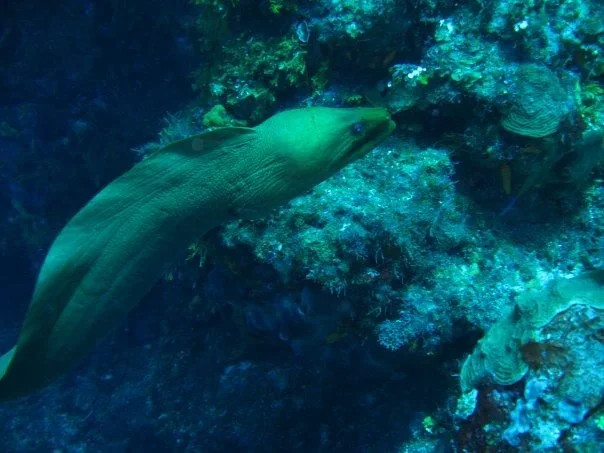
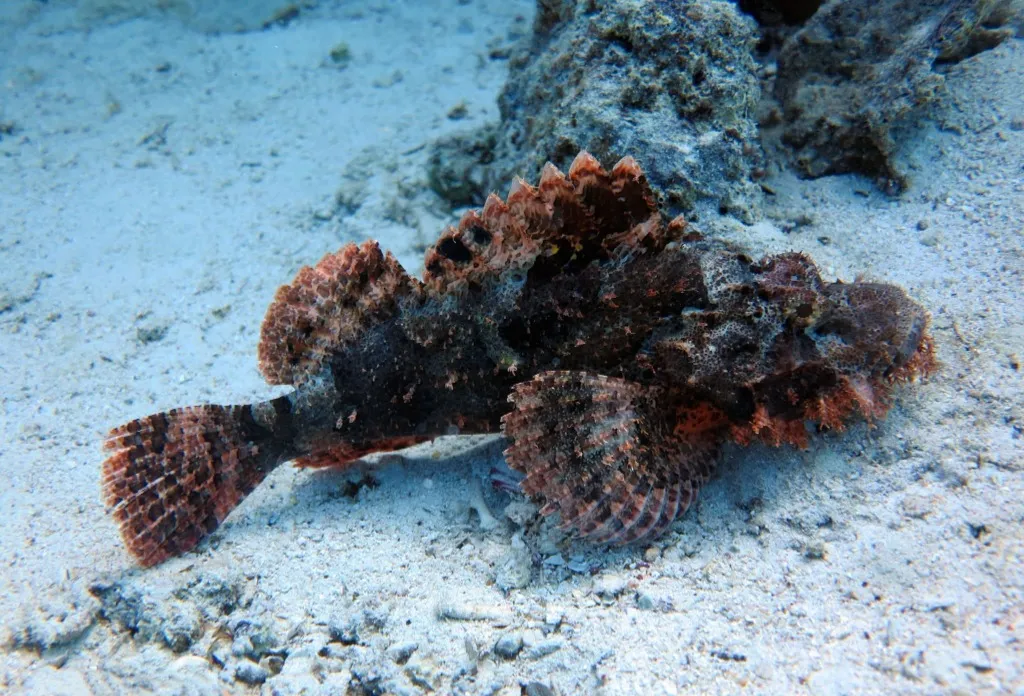
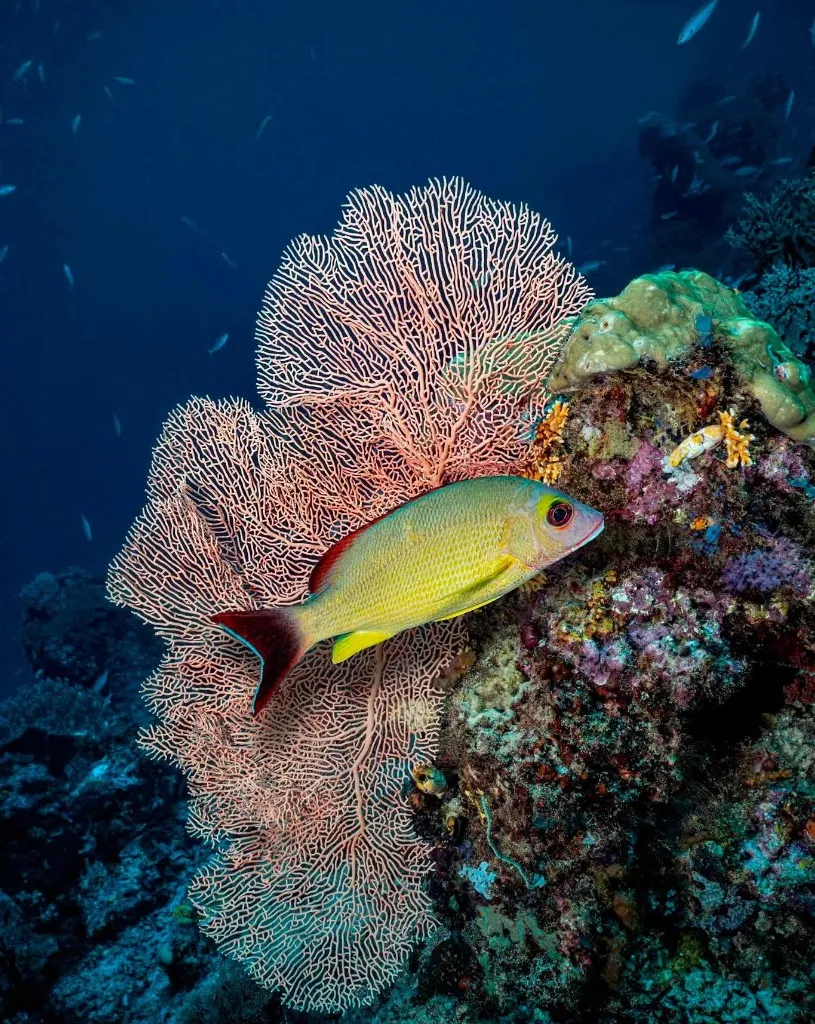
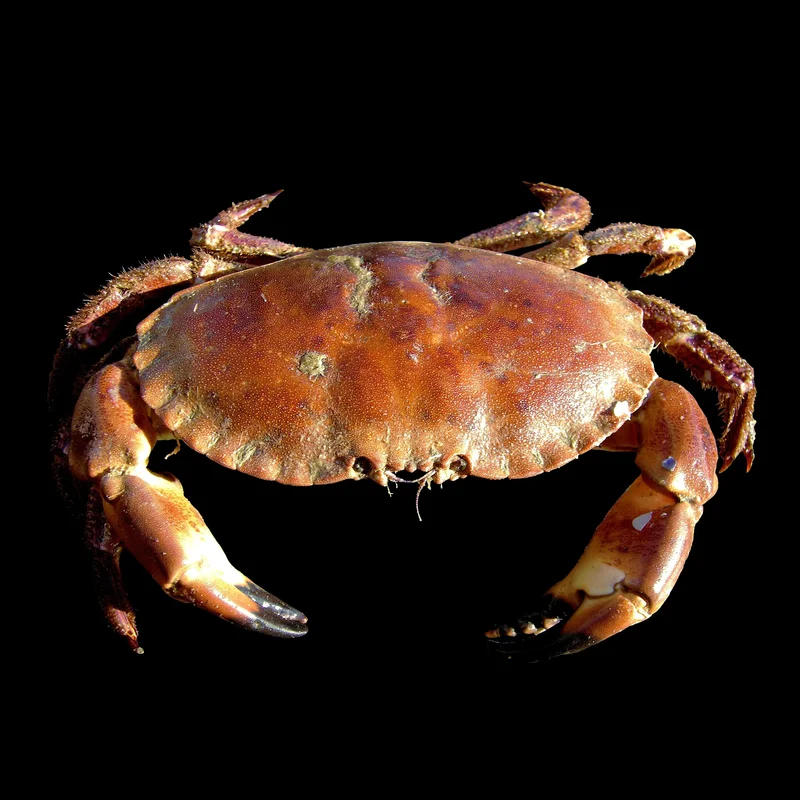
While Il Sifone Cave's primary draw is its geological structure, the site supports specific marine life adapted to its unique conditions. Inside the cave environment, divers frequently observe various crustaceans, including lobsters, crabs, and small shrimps, finding refuge within crevices.
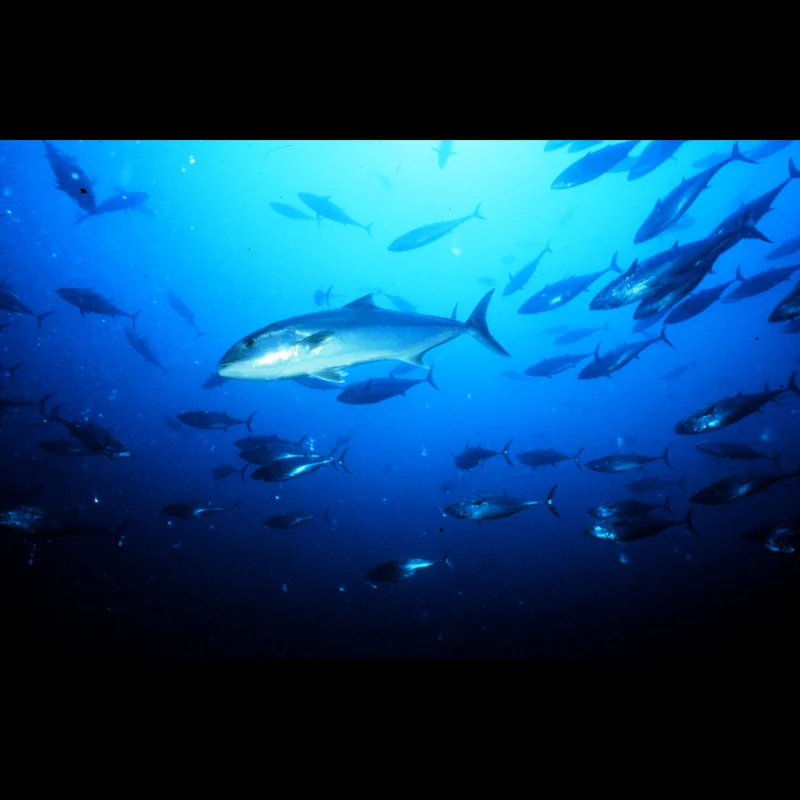
Moving out into blue waters surrounding the cave entrance, there's an opportunity to spot larger pelagic species. Mobulas are occasionally reported in open water areas, adding an exciting dimension to the dive.
A transition zone between the cave and the open sea also serves as a hunting ground and habitat for other transient species.
Dive Sites Near Sifone
View all dive sites in ItalyDiscover more underwater gems in this area.
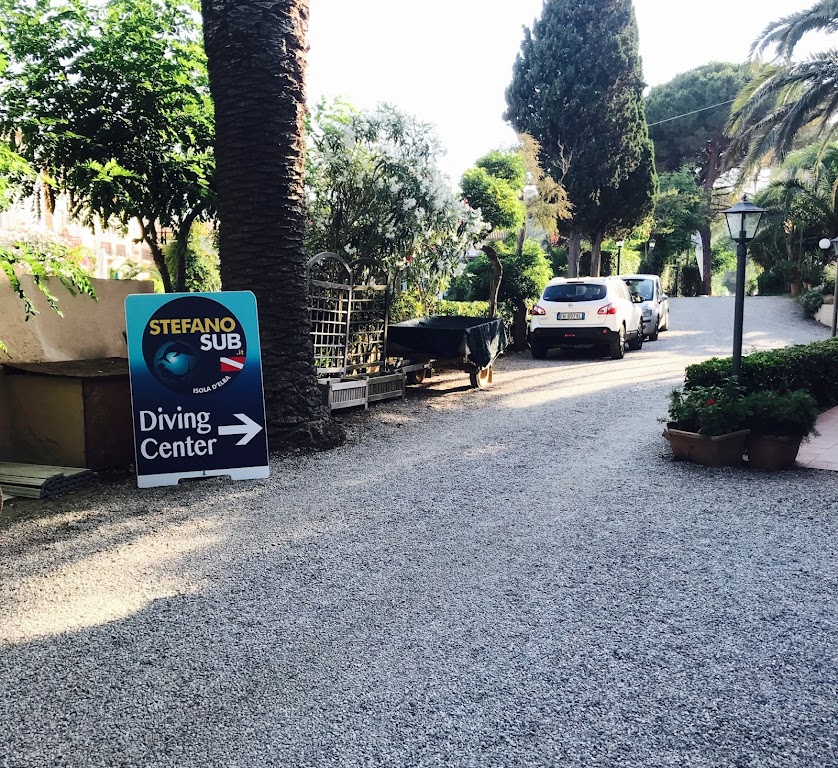
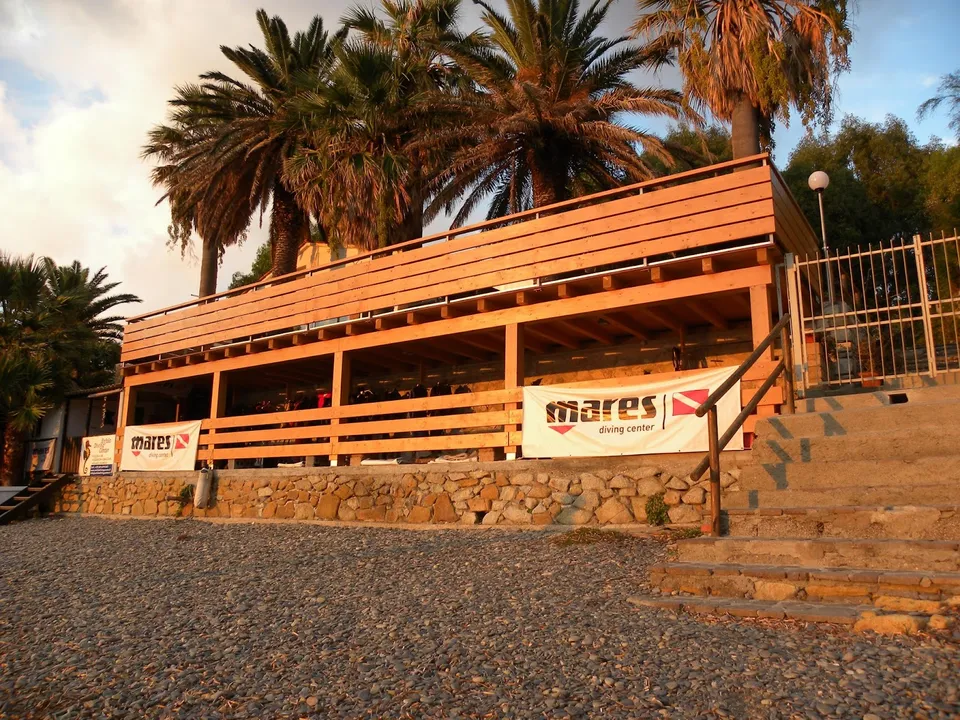
Dive Centers Near Sifone
Today: 09:00 - 19:00
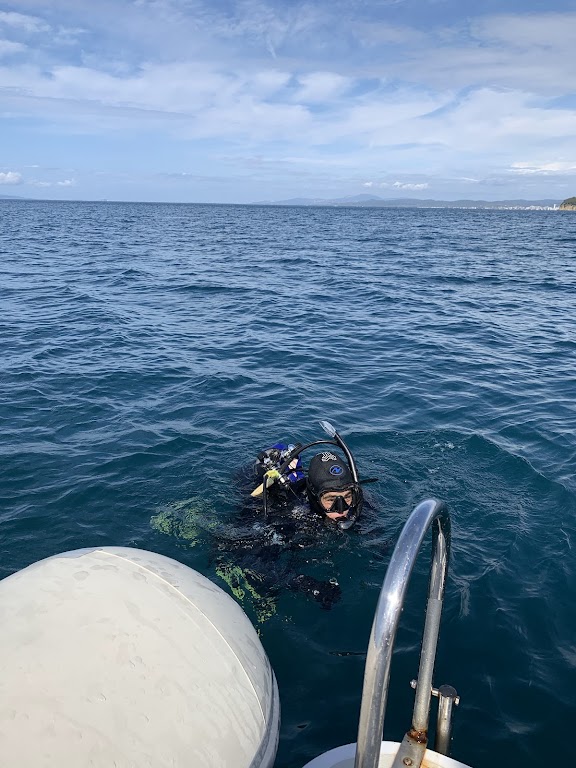
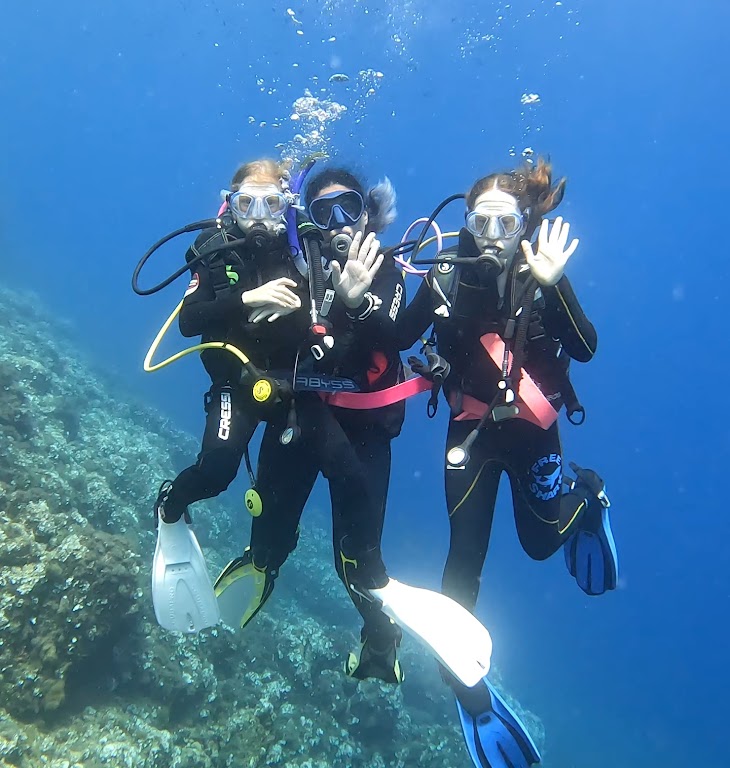
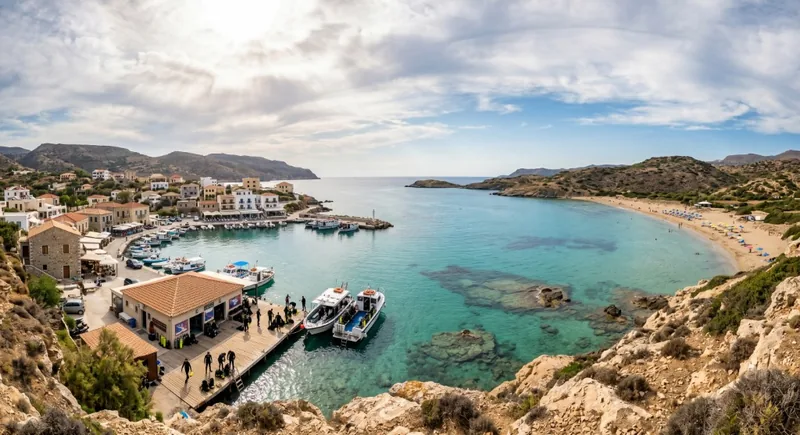
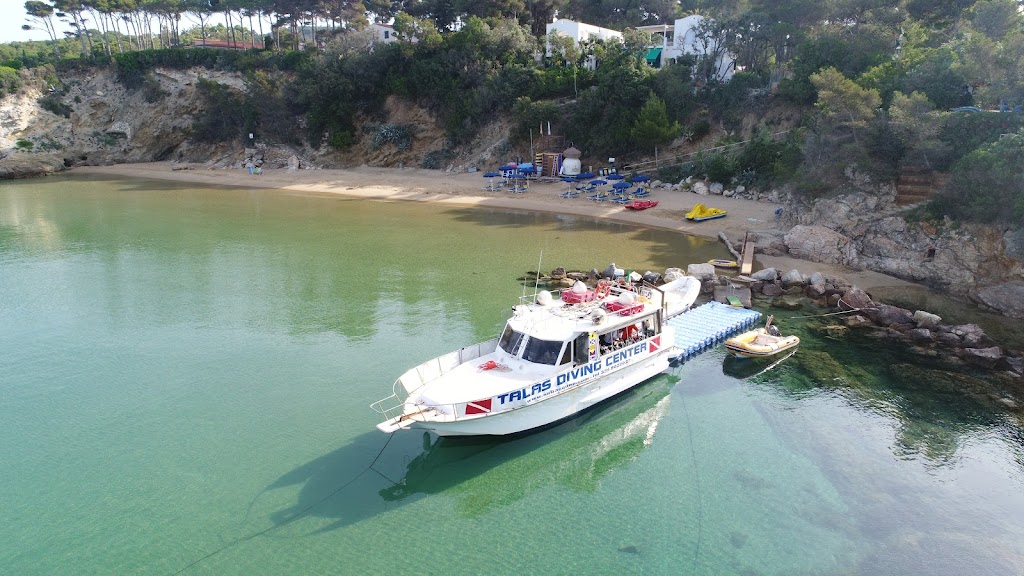
Nearest Airports
Nearest airports to help plan travel to this dive area.
Search Flights
Check available flights and routes on Expedia, using the nearby airports listed in this section.
Search Flights on ExpediaFrequently Asked Questions
What is a "siphon" in the context of diving?
In diving, a siphon refers to a completely submerged cave or tunnel passage connecting two bodies of water or different cave sections. Divers pass through it continuously underwater. Siphons are overhead environments requiring specialized training.
What is the typical depth for diving Sifone?
Access to Il Sifone Cave begins around 20 m (66 ft), marking entry into the overhead environment. A seabed in the surrounding area can degrade further, with reported maximum depths reaching up to 25-30 meters. Actual depth will depend on the chosen dive profile.
Is special training required for Sifone?
Yes, due to its overhead environment and advanced cave dive classification, appropriate cave diving certifications are strongly recommended. Standard open water or cavern diving qualifications are not sufficient for safe penetration. Proper training ensures safe navigation and emergency management.
What marine life can be seen at Sifone?
Inside the cave, divers can expect to see various crustaceans like lobsters, crabs, and shrimps. In open water outside the cave, a possibility of encountering mobulas exists.
When is the best time of year to dive Sifone?
Optimal time for diving Sifone is generally from May through September, with August often providing excellent conditions. During summer months, air temperatures are warmer, rainfall is minimal, and sea states are typically calmer, enhancing the overall dive experience.
Does Il Sifone Cave have an air pocket?
Yes, Il Sifone Cave is noted for having a larger inner chamber containing an air pocket. This feature constitutes a significant characteristic of the dive site, adding to its unique appeal for advanced cave divers.
Planning to dive Sifone?
Send one inquiry and receive offers directly from the best verified local dive operators.
Conditions are Excellent
07:00 - 14:00
Optimal conditions expected
Current conditions near Sifone show 23° air, 26° sea temperature, 0.4 m waves, and 20 km/h wind. Forecast data is refreshed regularly to ensure accuracy.