
Diving at Open Ocean Habitat (Malaysia)
Malaysia's waters have long been recognized for their rich biodiversity and geological formations, leading to the designation of numerous protected marine parks across the archipelago. This foresight established a legacy of conservation, ensuring that many dive locations, including those in the open ocean, continue to thrive. Divers exploring these habitats connect with an underwater world shaped by millennia of natural processes.
Tonight's objective overview for Open Ocean Habitat shows an air temperature of 25°C. The measured surface conditions include wave heights around 0.1 m. This environmental data is logged for the close of the day.
Dive Site Location & Key Facts
Dive Site Overview
Malaysia's extensive dive sites showcase a remarkable range of underwater topographies, from vibrant coral gardens and dramatic wall dives to impressive drift diving opportunities. These diverse marine environments cater to various interests and skill levels.
While many locations feature extensive reef dives, the region also provides unique experiences with geological formations like pinnacles, tunnels, and swim-throughs, adding complexity and visual appeal to descents. For instance, islands such as Lang Tengah feature depths ranging from 7 m (23 ft) to 26 m (85 ft), making them ideal for recreational divers seeking colorful shallow reef exploration. For those pursuing deeper challenges, areas around Tioman Island hold significant deep WWII wrecks.
Divers can explore HMS Prince of Wales at 69 m (226 ft) and HMS Repulse at 87 m (187 ft), sites explicitly suitable for technical divers. This variety ensures engaging exploration, whether traversing shallow, current-sheltered areas or navigating more exposed, deeper sites requiring advanced training.
Conditions are Excellent
07:00 - 14:00
Optimal conditions expected
Current conditions near Open Ocean Habitat show 25° air, 30° sea temperature, 0.3 m waves, and 19 km/h wind. Forecast data is refreshed regularly to ensure accuracy.
Best Time to Dive
Planning your dive in Malaysia often involves considering regional monsoon patterns, which create distinct dive seasons. The east coast islands, including Redang and Perhentian, are typically at their best from February through October, when conditions are calmer. During these months, air temperatures consistently range from 26.5°C to 27.5°C (80-82°F), with significantly lower rainfall, often below 7 mm. This period also sees minimal wave heights and lighter winds, contributing to excellent dive scores. Conversely, the west coast, particularly around Langkawi, becomes a viable option when the east coast experiences its monsoon season, as sites there maintain minimal currents and healthy reefs during this time.
PEAK SEASON SCORE
Scores combine air & water temps, waves, wind & rainfall for overall conditions.
BEST MONTHS TO DIVE
Monthly records compiled from satellite and marine observation nodes over the last 3 years. Data provided by Open-Meteo and MET Norway.
Dive Experience & Conditions
Descending into Malaysia's underwater realm often feels like entering a vibrant, living canvas, with conditions varying across its diverse sites. Visibility can be exceptional, particularly around areas like Sipadan, allowing divers to appreciate the detailed marine life and structural integrity of the reefs. While many sites, such as those around Langkawi, are characterized by minimal currents, certain southern sites off Redang Island are known to experience stronger flows, making them more suitable for experienced divers comfortable with drift techniques. Water temperatures are not consistently reported but generally remain warm, ensuring comfortable dives. Expect a dynamic environment where each dive can present different current patterns and visual clarity.
Dive Difficulty & Safety Guidelines
Diving within Malaysian waters necessitates adherence to local marine park regulations to protect the delicate ecosystems. Divers should always be mindful of local currents, especially when undertaking drift dives or exploring deeper rocky sites with tunnels and swim-throughs. Planning dives around these conditions is crucial, and proper training is essential for venturing into deeper technical wrecks or areas prone to stronger flows.
Maintaining respectful distances from marine life and avoiding contact with corals or any underwater structures helps preserve the pristine nature of these sites for future generations. Safety protocols, including buddy system checks and dive computer monitoring, are standard practice.
Recommended Equipment
- Dive Computer
This gear list is based on verified equipment signals for Open Ocean Habitat, Malaysia. Always confirm final gear choices with your dive operator, guide, or liveaboard.
Recommended Dive Suit
Dive skin or rash guard is frequently recommended by dive operators for conditions like these. Water conditions at Open Ocean Habitat are currently measured at approximately 30°C (85°F). Surface air temperatures are resting at 25°C (77°F).
Forecasts suggest rising temperatures later this week. A warming trend is expected over the next few days.
Even small thermoclines can occasionally cause noticeable changes in water temperature.
Emergency & Medical Support
Essential information to help you plan your dive trip to Open Ocean Habitat.

Hyperbaric chambers are a critical part of dive safety infrastructure. Availability varies significantly by region, and not all dive areas have immediate access.
Before diving, it's recommended to:
- confirm nearest medical facilities
- check emergency procedures with local dive operators
- ensure dive insurance covers evacuation if required
Divers Alert Network
Diving emergency assistance available through DAN World.
+1-919-684-9111- 24/7 emergency hotline
- Diving medical assistance
- Evacuation coordination
Emergency contacts are provided for reference. Always verify local emergency services before diving.
Marine Life at Open Ocean Habitat
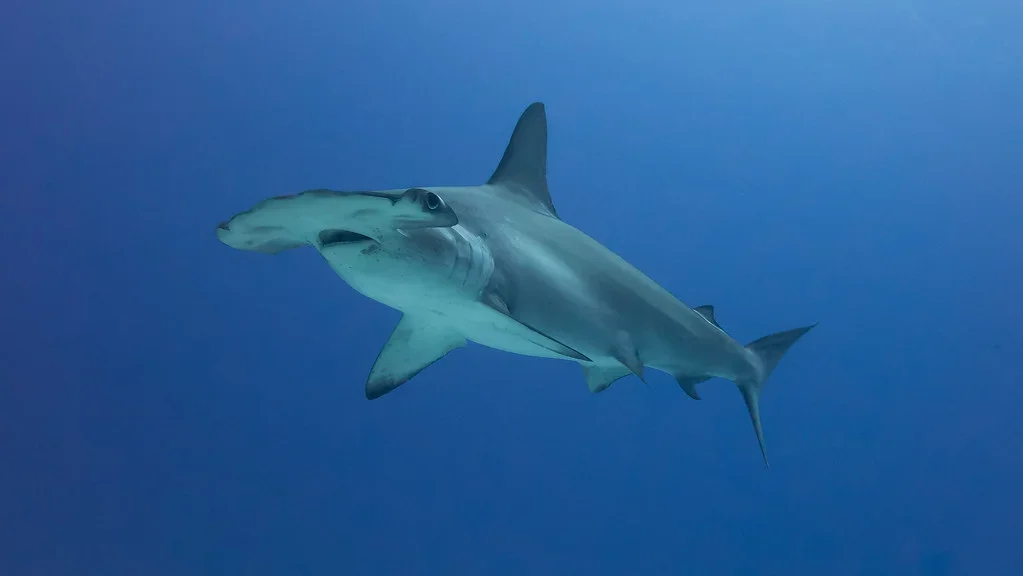
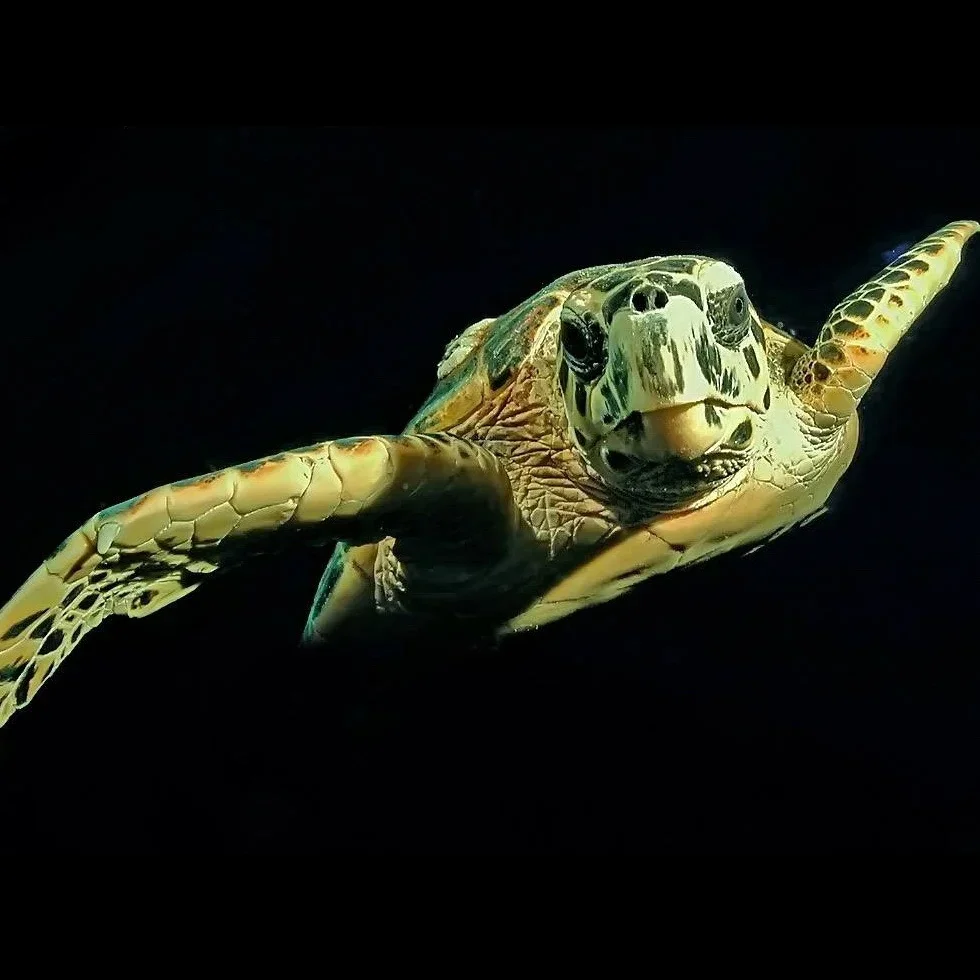
The waters surrounding Malaysia teem with a diverse array of marine life, offering captivating encounters for divers. Green and hawksbill turtles are a common sight, often observed gracefully gliding or resting on the reef.
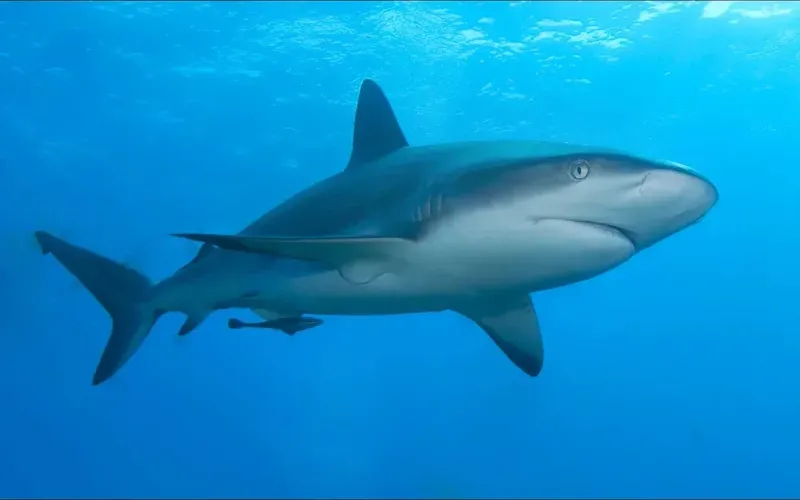
Divers frequently spot a variety of reef sharks, including whitetip, blacktip, and coral catsharks. For those exploring specific locations like Sipadan, the possibility of encountering leopard, thresher, or even hammerhead sharks adds an extra thrill.
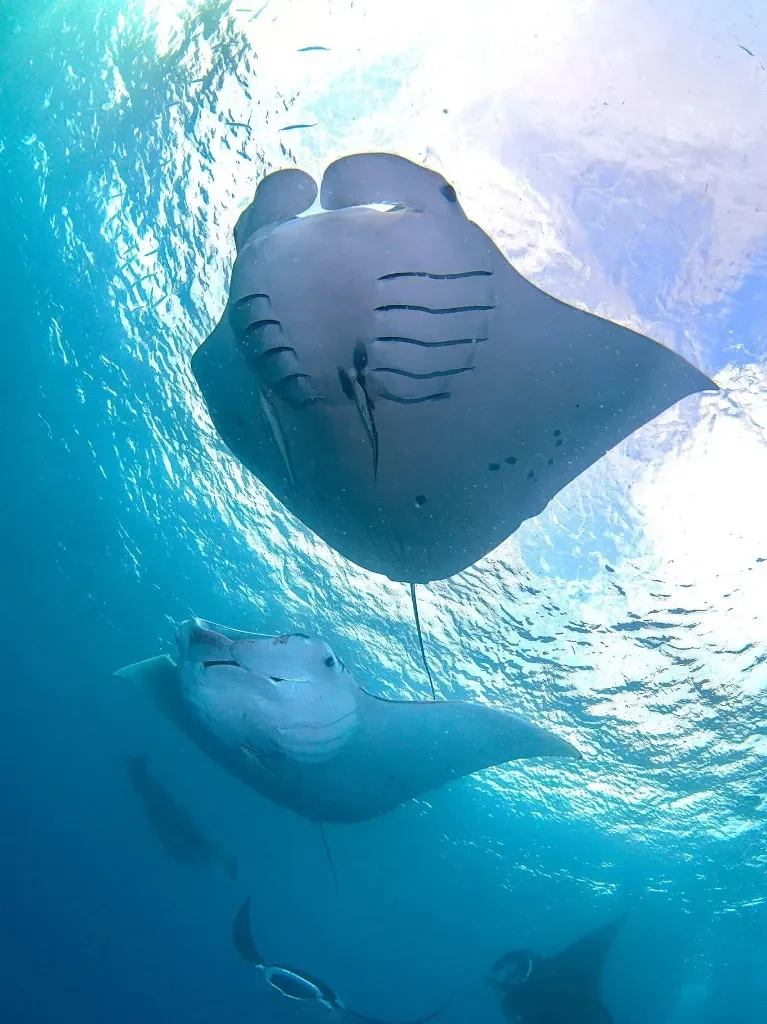
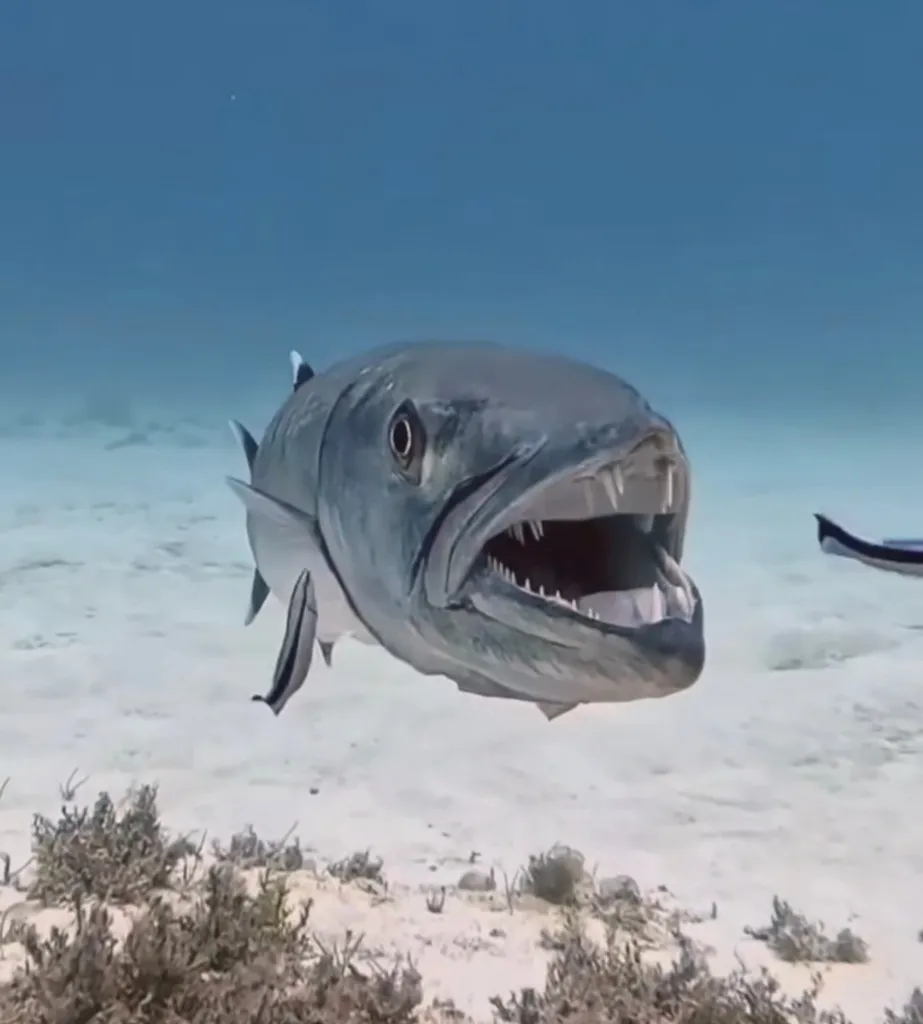
Large schools of barracudas and big eye trevally sometimes form impressive tornado-like aggregations. The macro life is also notable, with masses of nudibranchs and crustaceans making an appearance.
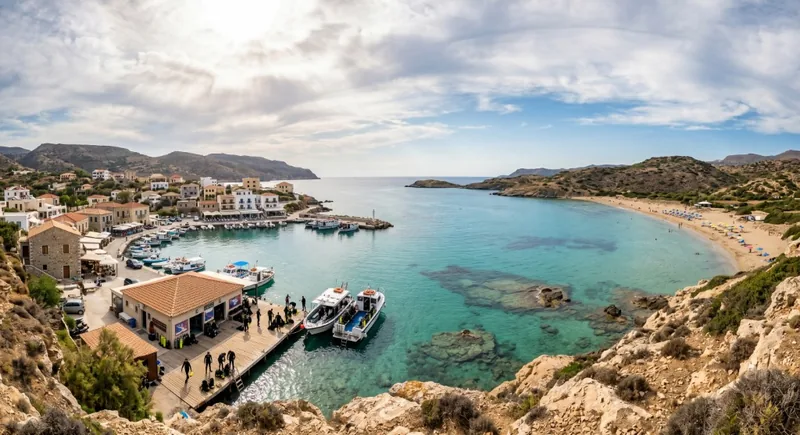
Dive Centers Near Open Ocean Habitat
Nearest Airports
Nearest airports to help plan travel to this dive area.
Search Flights
Check available flights and routes on Expedia, using the nearby airports listed in this section.
Search Flights on ExpediaFrequently Asked Questions
What marine life can I expect to see while diving in Malaysia?
Divers in Malaysia can expect a wide array of marine life, including green and hawksbill turtles, various reef sharks like whitetips and blacktips, and large pelagic species such as barracudas and jack. Macro enthusiasts will also find plenty of nudibranchs and crustaceans.
Are there dive sites suitable for beginners?
Yes, many sites are ideal for novices or less confident divers, offering calm and relaxed conditions. Locations like the Perhentian Islands feature easily accessible sites suitable for all levels, while Langkawi provides shallow reefs with minimal current.
What are the typical water conditions for diving?
Water conditions vary by site; many areas boast exceptional clarity, though some southern sites around Redang can have stronger currents. While specific water temperatures are not consistently reported, they are generally warm, making dives comfortable.
When is the best time to dive in Malaysia?
The prime dive season for the east coast (Redang, Perhentian) is typically from February to October, offering calm seas and low rainfall. During the monsoon, the west coast (Langkawi) often remains accessible and provides a viable alternative for diving.
Can I explore shipwrecks in Malaysia?
Malaysia offers opportunities to explore shipwrecks. Some islands feature shallow wrecks ideal for recreational divers, while Tioman Island hosts significant deep WWII wrecks, such as HMS Prince of Wales and HMS Repulse, for technical divers.
Are there options for technical diving?
Yes, Malaysia provides excellent options for technical divers. Locations like Tioman Island are known for their deep WWII wrecks, which offer challenging and rewarding experiences for those with advanced certifications and training.
How do monsoon seasons affect diving in Malaysia?
Monsoon seasons primarily impact the east coast, making some sites inaccessible or challenging due to rougher conditions and higher rainfall. However, the west coast often offers protected areas with good diving opportunities during this period, providing year-round options.
Planning to dive Open Ocean Habitat?
Send one inquiry and receive offers directly from the best verified local dive operators.
Conditions are Excellent
07:00 - 14:00
Optimal conditions expected
Current conditions near Open Ocean Habitat show 25° air, 30° sea temperature, 0.3 m waves, and 19 km/h wind. Forecast data is refreshed regularly to ensure accuracy.