
Diving at South Point (Malaysia)
South Point frequently presents as a dynamic drift dive, where moderate currents can propel divers along its magnificent wall. These deep-water currents are a key factor, often influencing encounters with pelagic species like hammerhead and thresher sharks. Mild surge is also a common characteristic, adding to the site's lively underwater feel. Divers should anticipate a fluid experience.
Tonight's objective overview for South Point shows an air temperature of 27°C. The measured surface conditions include wave heights around 0.7 m. This environmental data is logged for the close of the day.
Dive Site Location & Key Facts
Dive Site Overview
South Point's defining characteristic is its dramatic wall structure, plummeting into considerable depths off Sipadan Island. This magnificent wall begins at a distinct ledge around 20 m (65 ft) before dropping sharply into the deep blue, often showcasing a dense covering of vibrant, pristine corals that form an extensive reef system.
Exploring this site presents a varied underwater landscape; divers transition from shallower coral gardens near the top of the wall into the expansive blue, often encountering areas of coral, rock, and occasional sand bottom. It's frequently navigated as a drift dive, where moderate currents naturally propel divers along the wall, unveiling its rich marine biodiversity. Recreational divers typically find abundant life in the shallower sections, observing numerous turtles, barracuda, and whitetip sharks alongside a vibrant array of reef fish.
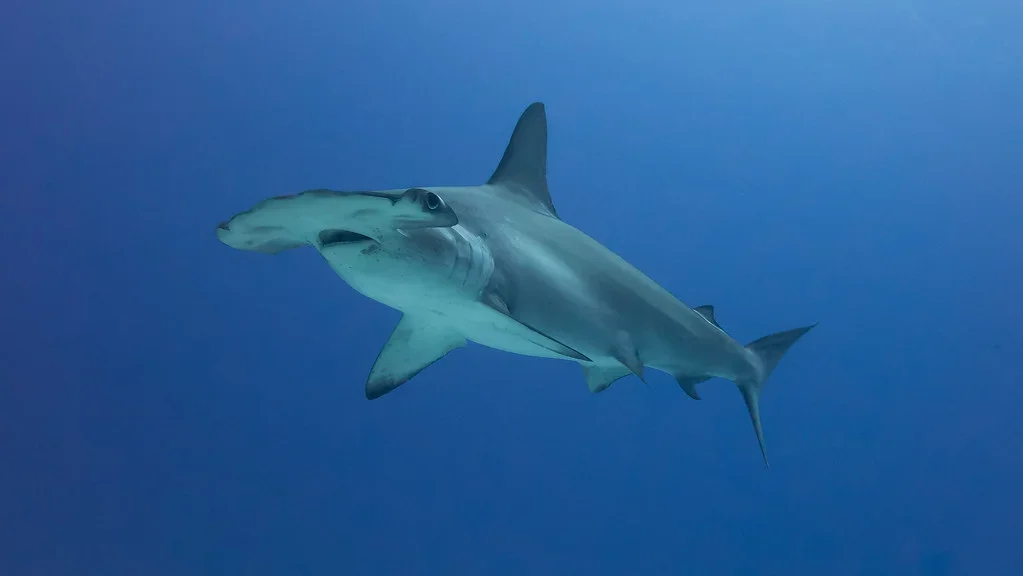
Deeper sections, however, hold a particular appeal for advanced and technical divers; in these greater depths, often around 40 meters and beyond, strong currents commonly facilitate thrilling encounters with schooling hammerhead sharks and the more elusive thresher shark. A majestic reef wall, combined with dynamic currents and exceptional pelagic encounters, truly encapsulates South Point's appeal, promising a memorable experience for properly prepared divers.
Conditions are Excellent
07:00 - 14:00
Optimal conditions expected
Current conditions near South Point show 27° air, 31° sea temperature, N/A waves, and 18 km/h wind. Forecast data is refreshed regularly to ensure accuracy.
Best Time to Dive
Optimal diving conditions at South Point are generally experienced from April to November, extending into December for good measure, though the site remains diveable year-round. During these months, surface conditions typically feature lower wave heights, averaging between 0.4 m and 0.9 m (1.2-2.8 ft), which generally leads to calmer boat rides and easier access. Air temperatures during this peak season are comfortably warm, ranging from 27°C to 27.5°C (81-82°F), while water temperatures maintain a pleasant 26-30°C (79-86°F) in summer and 24-28°C (75-82°F) in winter. While rain is always a possibility in this tropical region, rainfall during the best months typically averages between 5.4 mm and 12.1 mm, minimizing impact on dives. Dive scores during this period consistently rate "Good" to "Excellent," with April often showing the highest scores, indicating consistently favourable conditions.
PEAK SEASON SCORE
Scores combine air & water temps, waves, wind & rainfall for overall conditions.
BEST MONTHS TO DIVE
Monthly records compiled from satellite and marine observation nodes over the last 3 years. Data provided by Open-Meteo and MET Norway.
Dive Experience & Conditions
Diving South Point is an immersive experience dominated by its dynamic conditions and impressive topography. Visibility consistently ranges between 20 m and 40 m (65-130 ft), offering clear views of the expansive wall and its diverse inhabitants. Divers will encounter moderate currents, a defining feature that often necessitates a drift diving approach. This allows for effortless movement along the reef wall, but requires good buoyancy control to stay close to the structure. Mild surge is also present, especially in shallower sections, adding a gentle motion to the underwater environment. Water temperatures typically range from 24-30°C (75-86°F) throughout the year. As the wall drops significantly, exploration moves from well-lit coral gardens into deeper, blue water environments, providing distinct experiences based on depth and diver certification.
Dive Difficulty & Safety Guidelines
Approaching South Point requires an advanced diver certification due to its depths and the prevailing currents. The site's classification as a drift dive means divers must possess strong buoyancy control and comfort with current.
Furthermore, diving within the Sipadan Island area, including South Point, strictly requires permits, which are typically arranged through licensed dive operators. These permits control daily diver numbers, ensuring site preservation and a less crowded experience.
Entry to the site is typically via boat, with operators providing detailed briefings on current conditions and dive plans. Maintaining situational awareness, especially regarding your dive buddy and depth, is crucial when navigating the wall as it extends well beyond recreational limits.
Recommended Equipment
- Dive Computer
This gear list is based on verified equipment signals for South Point, Malaysia. Always confirm final gear choices with your dive operator, guide, or liveaboard.
Recommended Dive Suit
Environmental conditions are expected to remain consistent in the short-term outlook.
Even in warm destinations, extended dives can gradually draw heat away from the body.
Exposure protection such as dive skin or rash guard is commonly used when diving in waters of this temperature. A hood or vest is suggested for sensitive divers due to surface winds. Divers preparing to enter the water at South Point will likely find temperatures around 31°C (87°F) today. Surface air temperatures are resting at 27°C (80°F).
Emergency & Medical Support
Essential information to help you plan your dive trip to South Point.

Hyperbaric chambers are a critical part of dive safety infrastructure. Availability varies significantly by region, and not all dive areas have immediate access.
Before diving, it's recommended to:
- confirm nearest medical facilities
- check emergency procedures with local dive operators
- ensure dive insurance covers evacuation if required
Divers Alert Network
Diving emergency assistance available through DAN World.
+1-919-684-9111- 24/7 emergency hotline
- Diving medical assistance
- Evacuation coordination
Emergency contacts are provided for reference. Always verify local emergency services before diving.
Marine Life at South Point
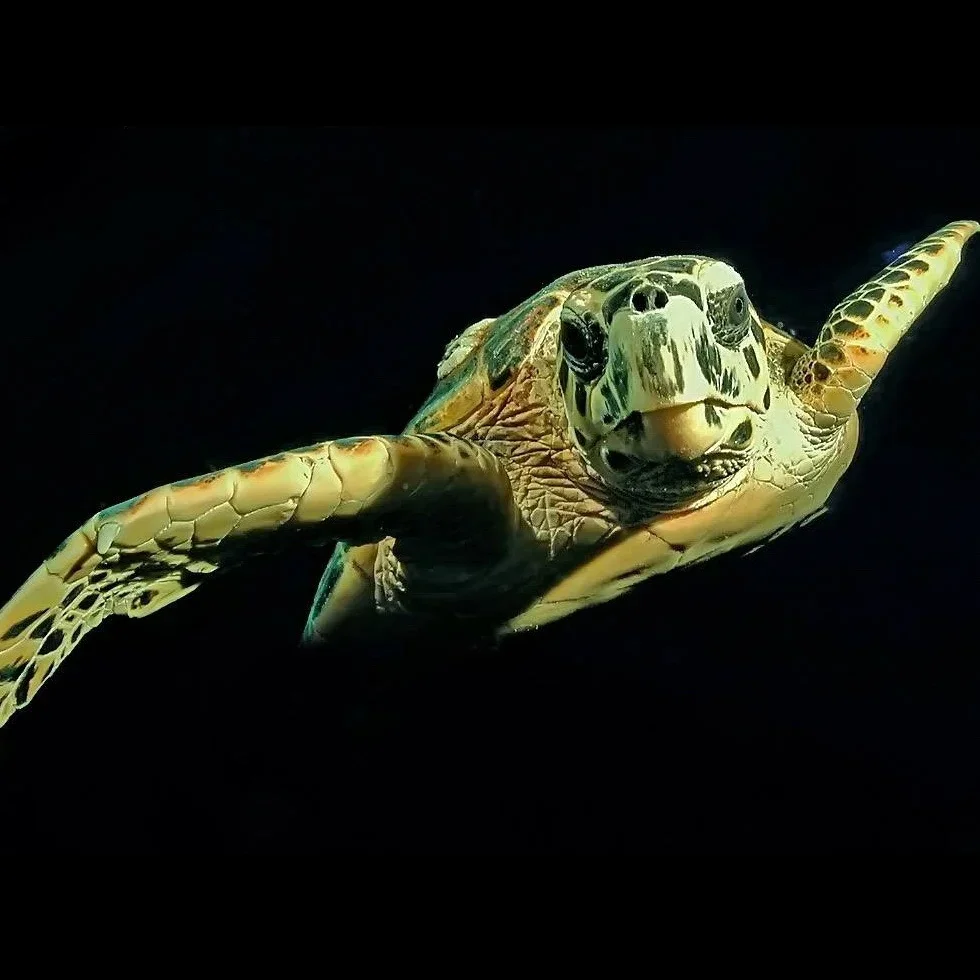
Immediately upon descent at South Point, divers frequently encounter green and hawksbill turtles, leisurely gliding along the reef wall or resting on coral ledges. Whitetip reef sharks are a common sight patrolling the shallower reef sections.
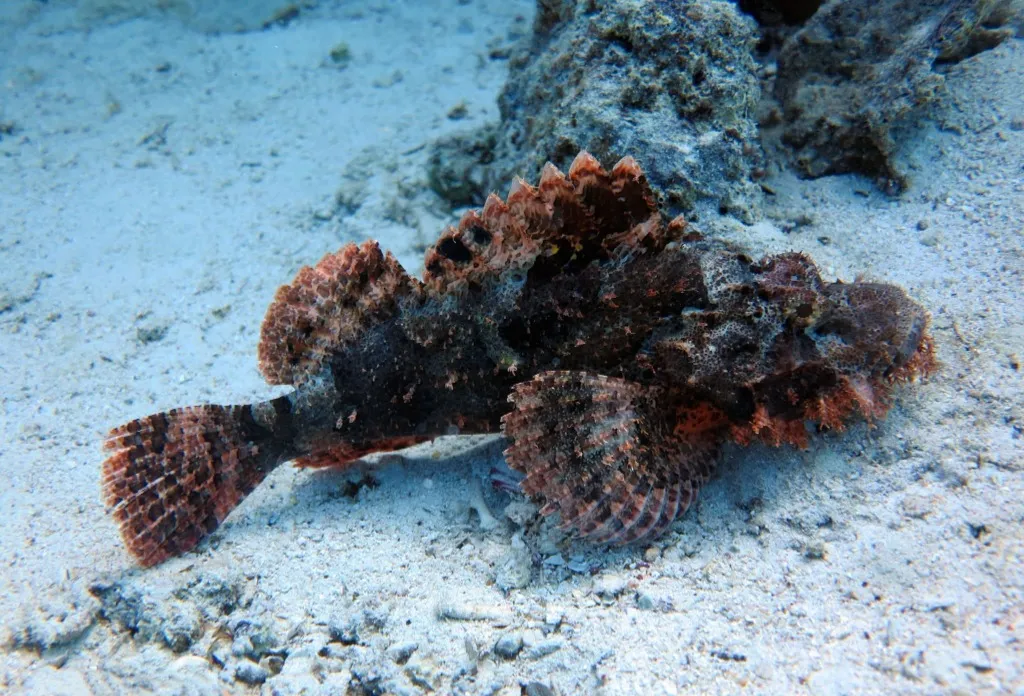
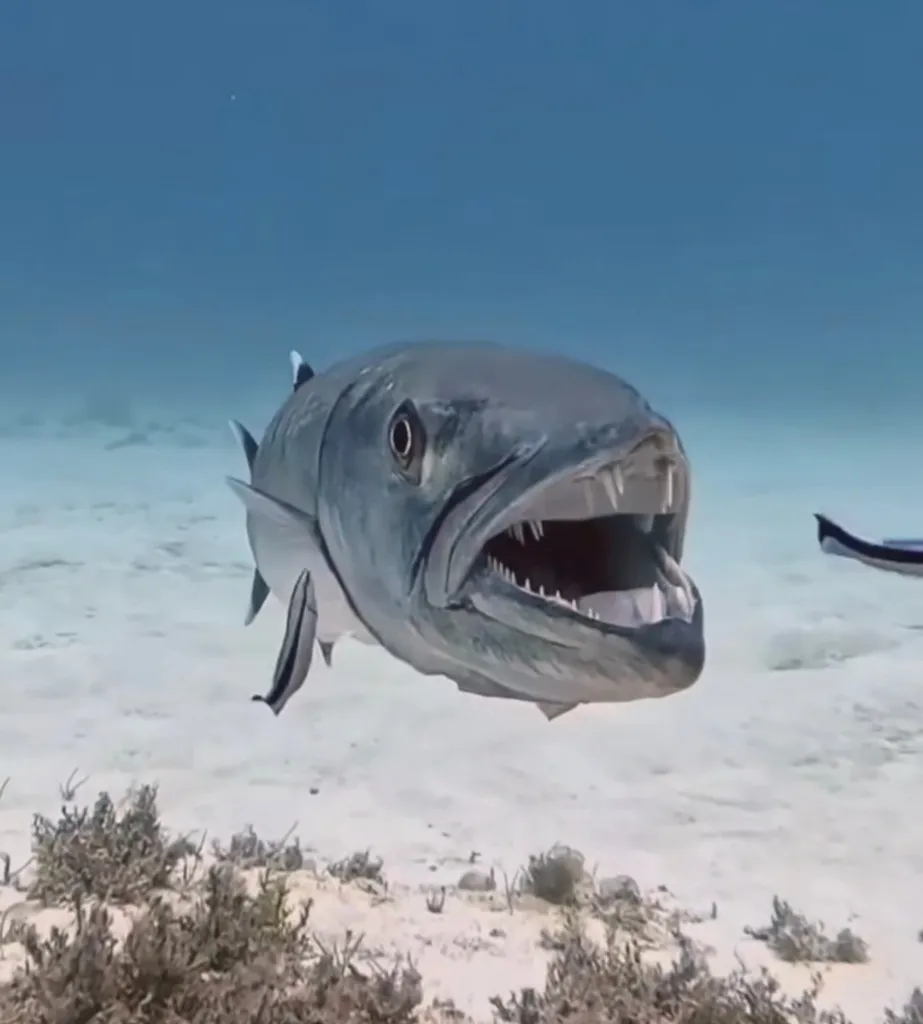
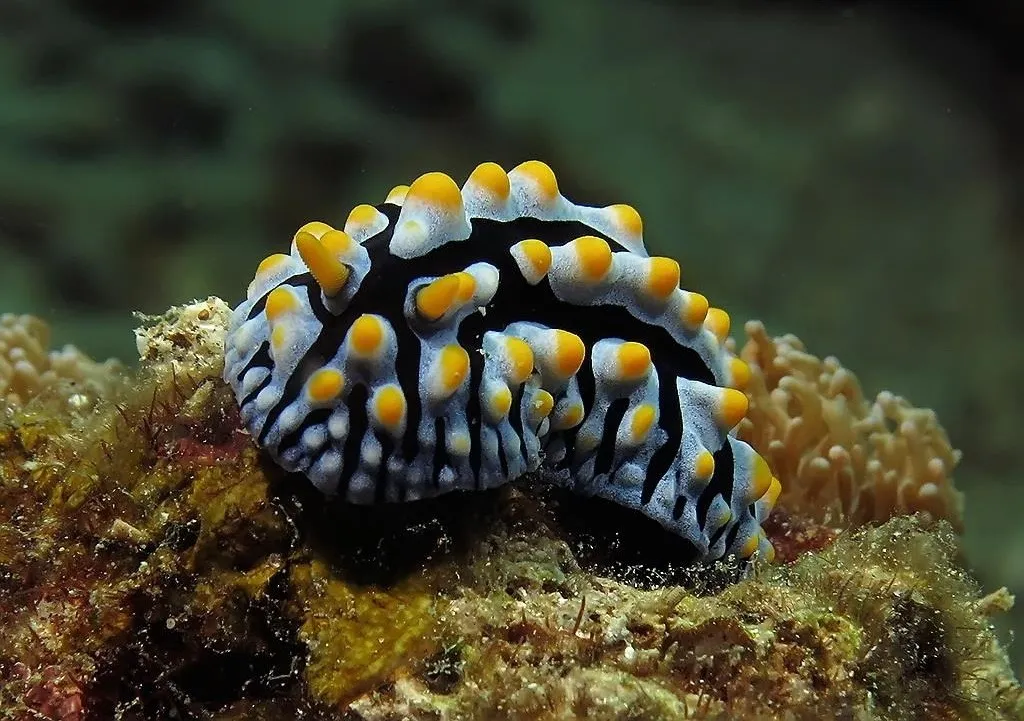
Venturing into the deeper blue, particularly during early morning dives, presents the opportunity to observe schooling hammerhead sharks and the elusive thresher shark, drawn in by the prevailing currents. Beyond these significant pelagic encounters, schools of barracuda, jack, and trevally often swirl in impressive formations, while macro enthusiasts might spot nudibranchs, leaf scorpionfish, and various shrimp species nestled within the corals.
Dive Sites Near South Point
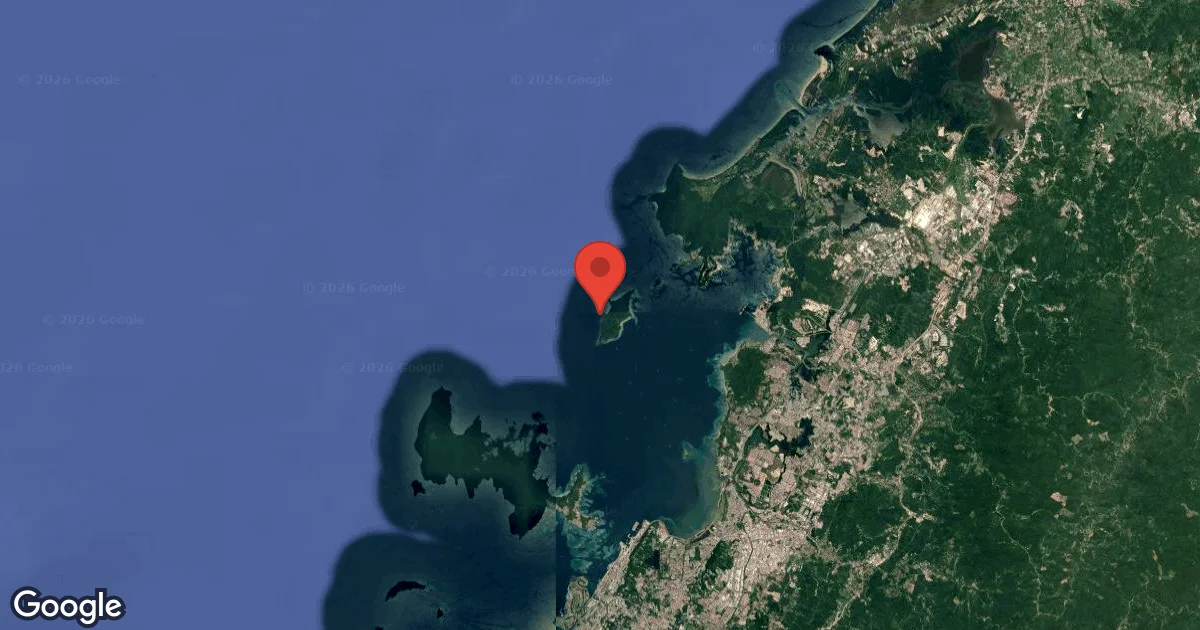
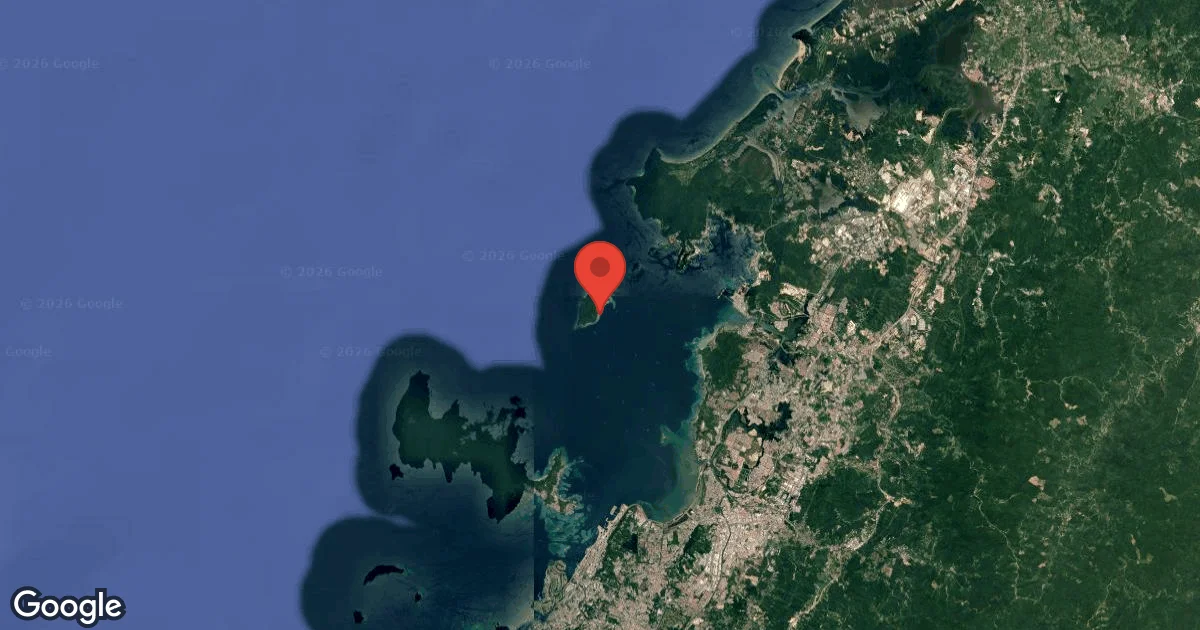
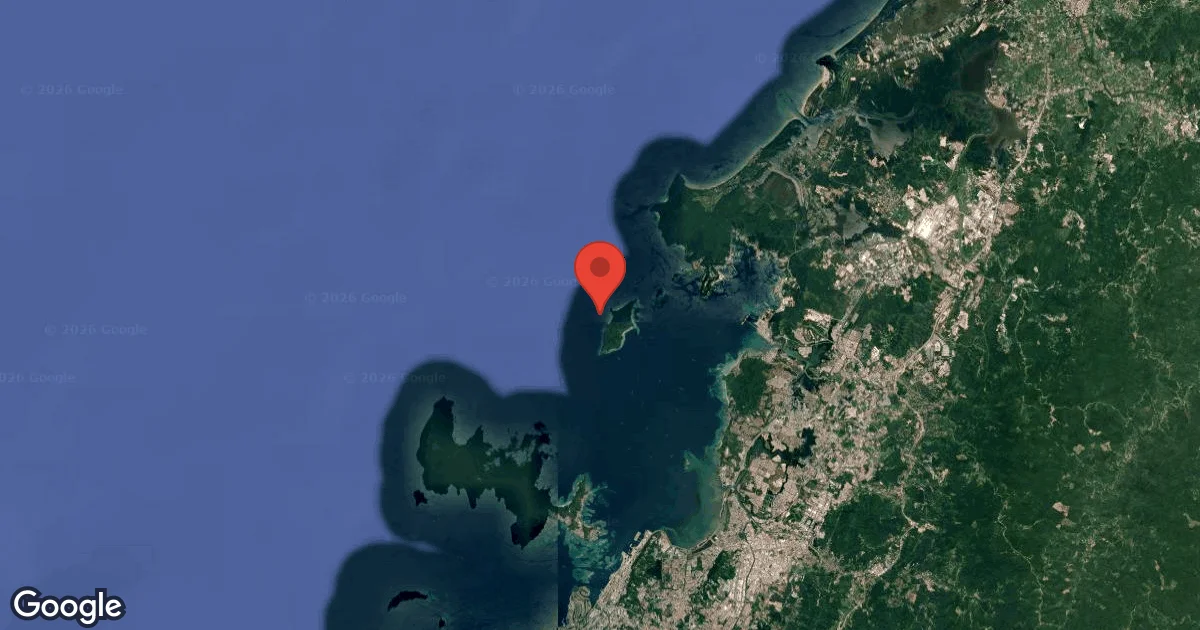
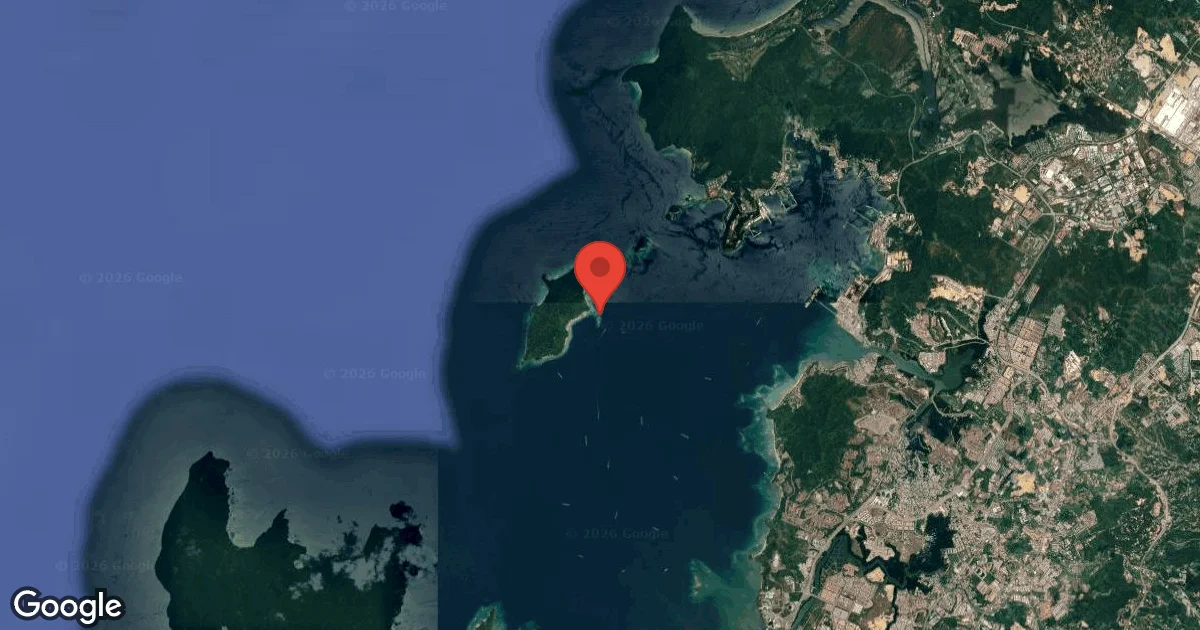
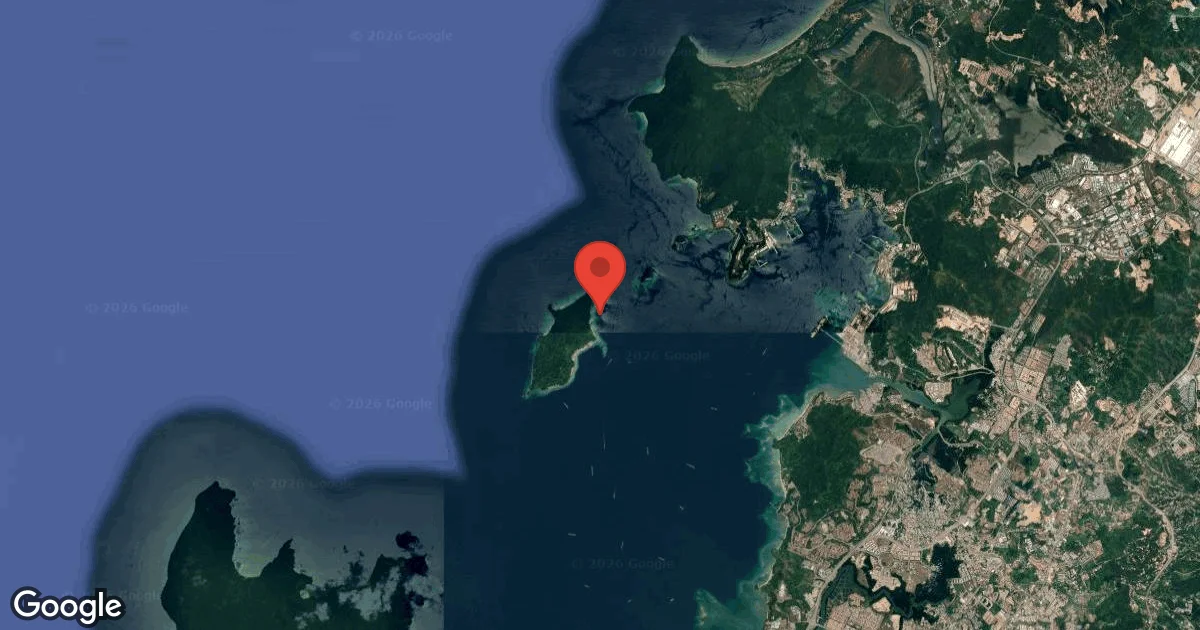
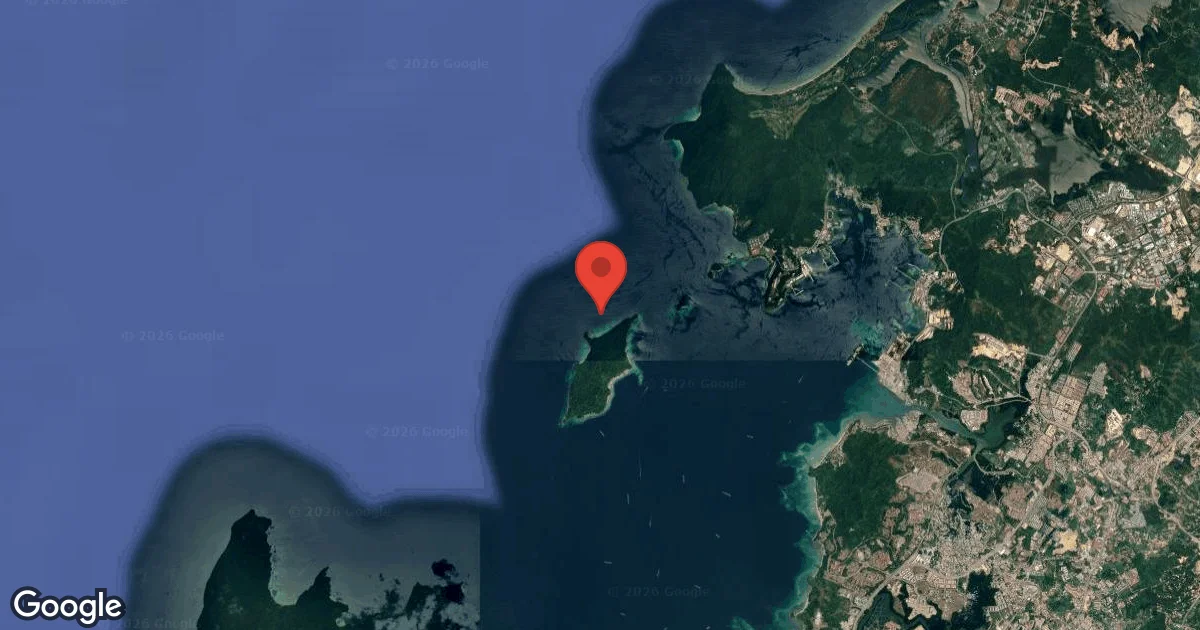
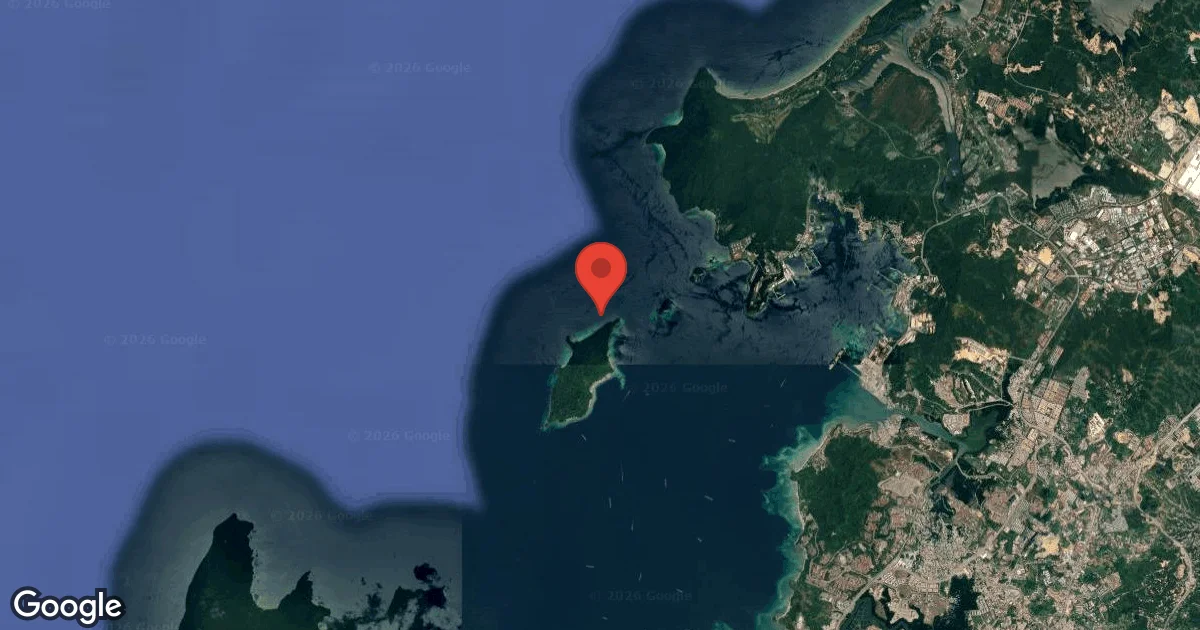
View all dive sites in MalaysiaDiscover more underwater gems in this area.
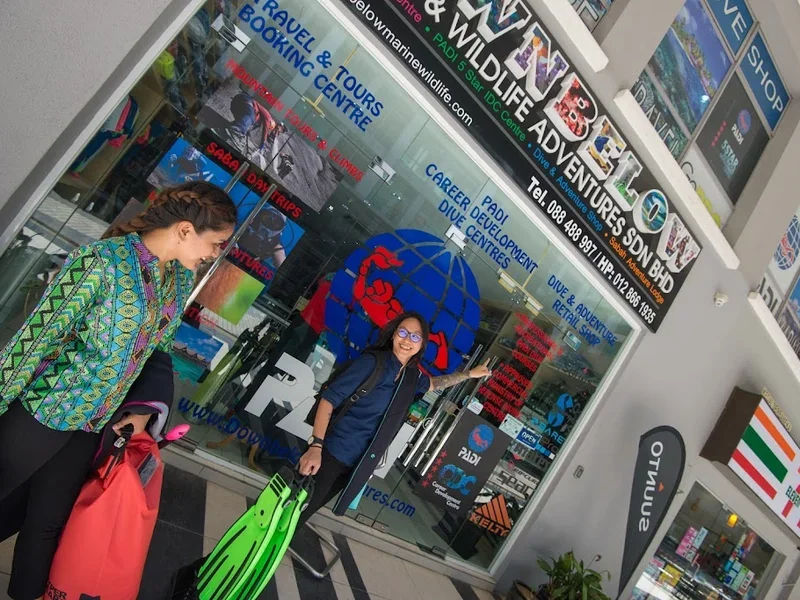
Dive Centers Near South Point
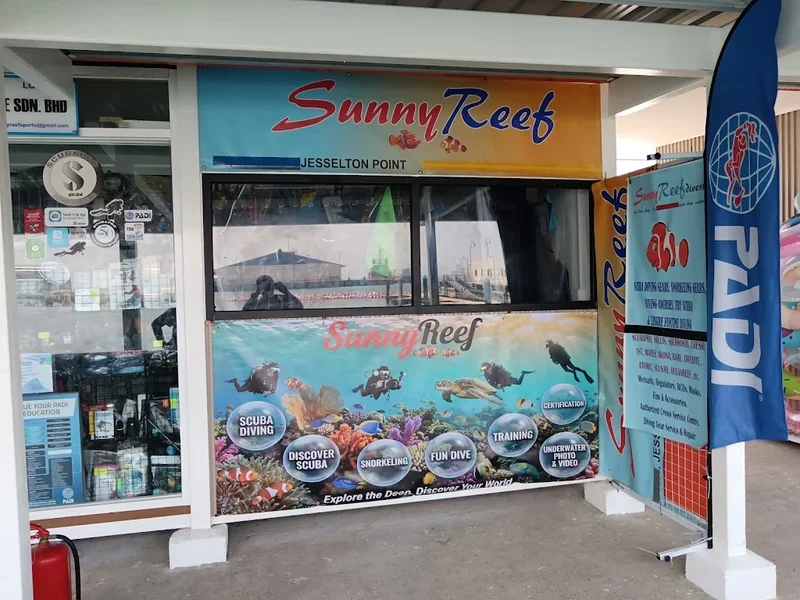
Nearest Airports
Nearest airports to help plan travel to this dive area.
Search Flights
Check available flights and routes on Expedia, using the nearby airports listed in this section.
Search Flights on ExpediaFrequently Asked Questions
What diver certification level is recommended for South Point?
An advanced diver certification is recommended due to the site's depths and often present moderate to strong currents. Divers should be comfortable with drift diving techniques and possess excellent buoyancy control.
Are permits required to dive South Point?
Yes, diving in the Sipadan Island area, including South Point, requires special permits. These are typically arranged through licensed dive operators and help manage diver numbers for site preservation.
What are the typical visibility and current conditions?
Visibility at South Point is generally good, ranging from 20 to 40 meters. Currents are usually moderate, making it a common drift dive, and mild surge may also be present.
What marine life can I expect to see at South Point?
Divers frequently encounter green and hawksbill turtles, whitetip reef sharks, and schools of barracuda. Deeper dives offer opportunities to spot schooling hammerhead sharks and thresher sharks.
Can South Point be dived throughout the year?
Yes, diving is possible year-round, although optimal conditions typically occur from April to November. These months generally offer calmer surface conditions and consistent dive scores.
What is the maximum depth for diving at South Point?
Recreational divers typically explore up to 40 meters along the wall. The site's dramatic drop means the wall itself extends far beyond these depths, offering further exploration for appropriately trained technical divers.
Planning to dive South Point?
Send one inquiry and receive offers directly from the best verified local dive operators.
Conditions are Excellent
07:00 - 14:00
Optimal conditions expected
Current conditions near South Point show 27° air, 31° sea temperature, N/A waves, and 18 km/h wind. Forecast data is refreshed regularly to ensure accuracy.