
Diving atLand's End (Mexico)
Immediately captivating, Land's End in Cabo San Lucas presents a dramatic seascape where the desert meets the Pacific Ocean. Its iconic rock formations, including 'El Arco,' stand as a testament to the powerful forces shaping this unique environment. Beneath the surface, the site transitions into a vibrant underwater realm, beckoning divers to explore its diverse topography and abundant marine life at the very tip of the Baja California peninsula.
Evening condition tracking at Land's End features an air temperature of 23°C. We have recorded wave heights measuring 1.36m during this period. These figures outline the environmental parameters currently present.
Dive Site Coordinates
22.8759, -109.8927
Dive Site Characteristics
Key Dive Site Facts
Dive Site Overview
Land's End stands out as a distinctive dive location in Cabo, offering a variety of underwater experiences within a compact area. Divers encounter a well-established colony of California sea lions, often curious and interactive.
The site encompasses multiple dive options, from exploring a small underwater cavern to navigating impressive wall dives along its pinnacles. A notable feature, Neptune's Finger, is known for deeper sections reaching beyond 30 m (100 ft) and reports of sand waterfalls, making it suitable for experienced divers.
A dynamic passage, the 'inside shoot', provides areas of water flow, while remnants of a shipwreck add historical intrigue. Varied terrain, combining reefs, walls, and current-prone areas, along with potential for encounters with larger pelagic species, ensures a memorable outing for divers of varied interests.
Conditions can dictate access to certain areas, such as the inner passage, which might be affected by surge. This blend of environments truly defines the Land's End experience, making careful planning paramount.
Best Time to Dive
Considering the prevailing climate, the period from November to April generally offers good diving conditions at Land's End. During these months, air temperatures are comfortable, ranging from approximately 20.7°C (69°F) in January to 23.7°C (75°F) in April, with minimal rainfall. Wave heights tend to be manageable, averaging around 1.16 m (3.8 ft) to 1.41 m (4.6 ft), and wind speeds are typically lower. While specific water temperature data is not consistently reported in system data, external accounts suggest November offers some of the warmest water, while July has seen temperatures around 20-23°C (68-74°F). Divers should be aware of potential thermoclines, which can cause significant temperature shifts within a single dive. Moderate dive scores are more common during the hotter, rainier months from May to October, when air temperatures can exceed 29°C (84°F), and wave heights may be higher.
Climate Historical Averages
Monthly records compiled from satellite and marine observation nodes over the last 3 years. Data provided by Open-Meteo and MET Norway.
Dive Experience & Conditions
Entering the water at Land's End reveals a dynamic environment influenced by the convergence of the Pacific and Sea of Cortez. Water temperatures are not static; they vary depending on the season, with some reports indicating a range of 20-23°C (68-74°F) in July, and potentially warmer conditions in November. Thermoclines are a common occurrence, causing noticeable temperature fluctuations at different depths. Visibility here is not always consistent; divers might encounter excellent clarity on one day and more reduced conditions on another. Depths vary significantly, from shallower sections around 20 m (65 ft) at Pelican Rock to deeper excursions reaching or exceeding a maximum depth of 30 meters at sites like Neptune's Finger. Navigating areas with significant water movement, like the 'inside shoot', can involve currents and surge, necessitating good buoyancy control and situational awareness. This site offers diverse topography, including walls, reef formations, and sandy bottoms leading to unique features like underwater sand waterfalls. Maintaining good trim assists in these varying conditions.
Dive Difficulty & Safety Guidelines
Diver skill context is important when approaching Land's End; while some areas are suitable for less experienced divers, others demand advanced capabilities. Deep dives exceeding 30 m (100 ft) at locations like Neptune's Finger require appropriate certifications and experience. When currents are present, particularly in the 'inside shoot' area, careful dive planning and good drift diving techniques become crucial. Surge can also affect the inner passage, potentially making it inaccessible or challenging under certain conditions. It's advisable to consult local dive operators, who often have current information on visibility and water movement. For those interested in exploring the small underwater cavern, strong navigation skills are a prerequisite. The site has no specific reported hazards in the database, but general dive safety practices, like monitoring air consumption and no-decompression limits, apply. Always dive within your training and comfort levels. Prepare for varied conditions by checking local reports.
Recommended Equipment
No verified equipment items yet.
Verified equipment recommendations for this dive site are being reviewed and may be added as additional source checks are completed.
Recommended Dive Suit
For relaxed exploration dives, 3mm wetsuit generally provides adequate warmth. Consider warmer surface protection (like a boat coat) due to brisk winds. Surface intervals may feel cooler. For divers entering the water at Land's End, temperatures are currently hovering around 25°C (77°F). Surface air temperatures are resting at 23°C (73°F).
Forecast trends indicate similar diving conditions over the next few days.
A diver's personal tolerance to cold water can play a large role in suit selection.
Conditions last reviewed: 18:00 using the latest environmental data.
Dive Logistics & Preparation
Hyperbaric Chamber
Check local Mexico medical facilities.
Entry Requirements
View Mexico Visa Hub
Currency
MXN
Nearest Airports
Nearest airports to help plan travel to this dive area.
Marine Life at Land's End
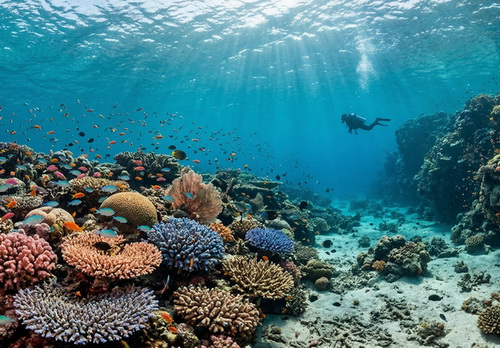
The most immediately noticeable marine residents at Land's End are the California sea lions, frequently observed playing in the water or resting on the rocks. While diving, you'll encounter a rich variety of fish species, including large schools of snapper. Divers often spot sea turtles gracefully navigating the reef and walls. Beyond the reef fish, the area is known for potential sightings of larger pelagics such as mobula rays and various sharks. Humpback whales have been occasionally seen during dives, particularly in season, adding an element of grand scale to the marine encounters. Eels also populate the crevices, further diversifying the underwater ecosystem.
Dive Sites Near Land's End
View all dive sites in MexicoDiscover more underwater gems in this area.

Dive Centers Near Land's End
No Dive Centers Local To Land's End
Are you a dive center visiting this location? Get listed to reach divers.
Frequently Asked Questions
What types of diving are available at Land's End?
Land's End provides a range of dive experiences, including reef and wall diving, exploring a small underwater cavern, navigating a narrow gap, and visiting the remnants of a shipwreck. Specific areas like Neptune's Finger allow for deep dives.
Are there many sea lions at Land's End?
Yes, Land's End is home to a resident colony of California sea lions. Divers frequently encounter them swimming in the water or basking on the rocks.
What is the typical water temperature?
Water temperatures at Land's End vary seasonally. Reports suggest temperatures can range from approximately 20-23°C (68-74°F) in July, with November often cited for its warmer waters. Be prepared for thermoclines.
Can beginners dive here?
Some shallower sections and reef areas are suitable for beginners. However, deeper dives, navigating areas with strong water flow, and exploring the cavern require more advanced skills and certifications. Local dive operators can guide you to appropriate spots.
What marine life might I see besides sea lions?
Divers often encounter sea turtles, large schools of snapper, various types of sharks, and eels. There are also occasional sightings of mobula rays and even humpback whales during certain times of the year.
What are the depths like at Land's End?
Depths vary significantly across the site. Shallow reef areas typically stay within recreational limits. Wall dives at Pelican Rock can reach moderate depths, while deeper sections, such as Neptune's Finger, extend into advanced diving ranges.
Liveaboards Sailing to Land's End
Explore highly rated liveaboards visiting this dive site and discover the best routes in Mexico.
Resorts & Accommodation
Find partner hotels and dive resorts directly accessing the reef.
Around This Area
Explore top-rated restaurants, activities, and attractions near Land's End reviewed by travelers.
Planning to dive Land's End?
Send one inquiry and receive offers directly from the best verified local dive operators.