
Diving at Krakatoa (Mozambique)
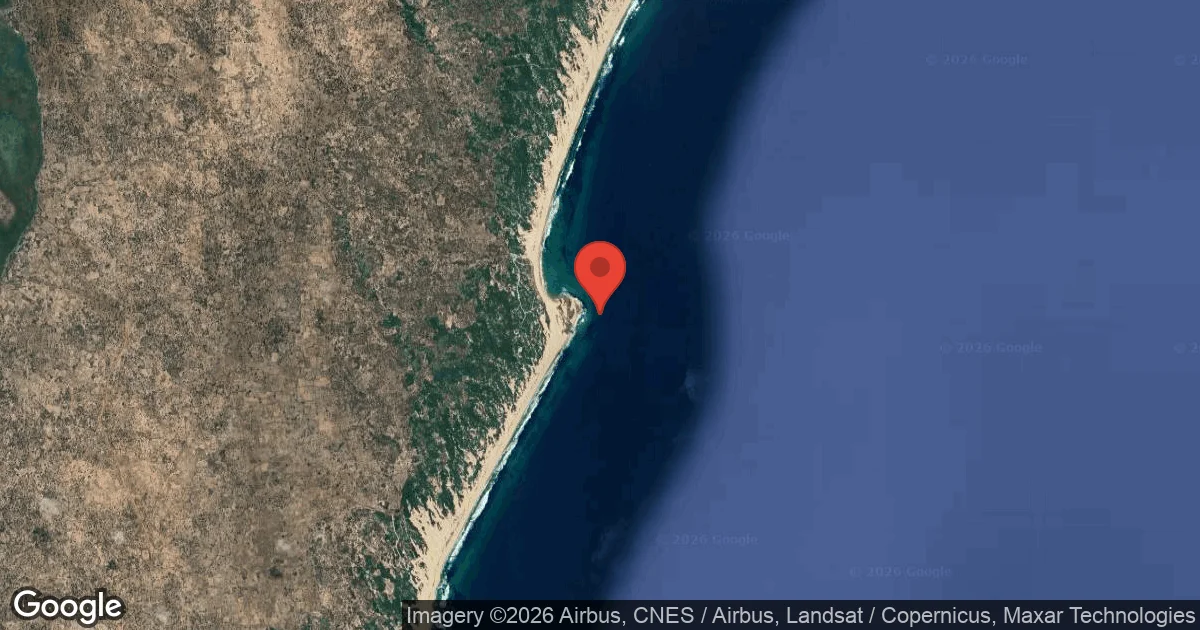
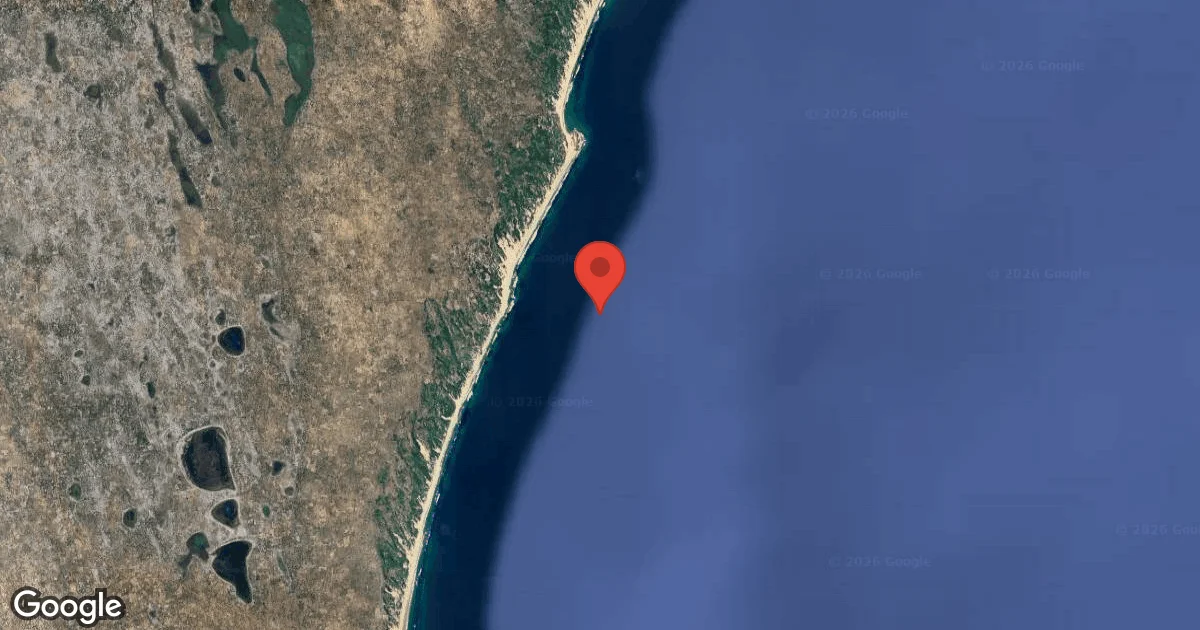
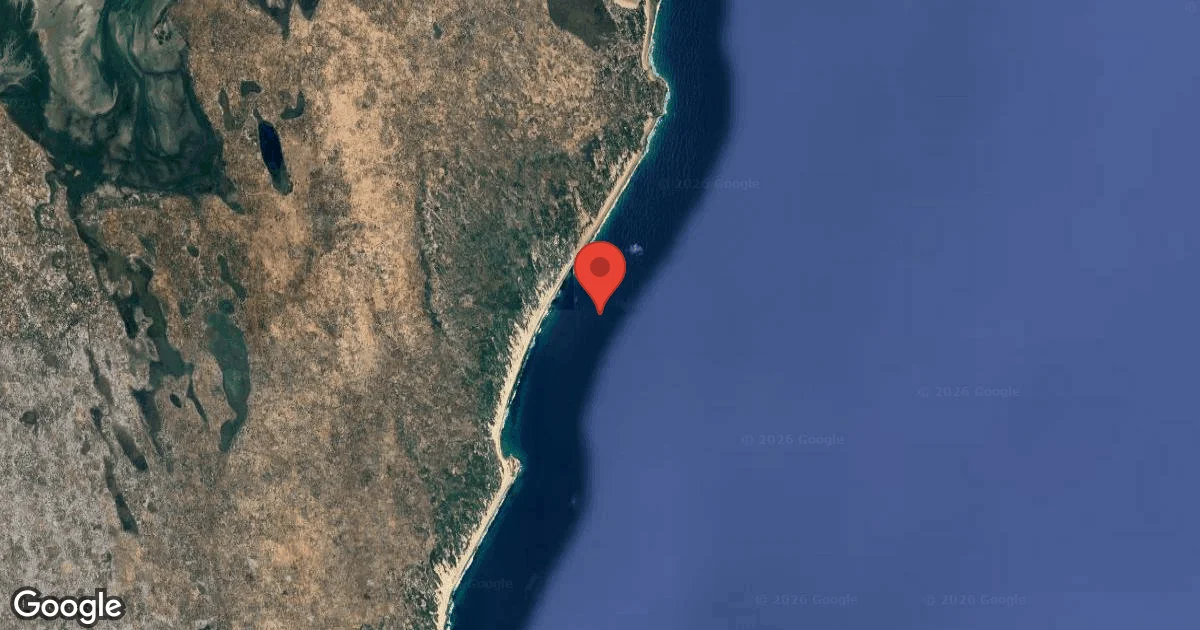
Krakatoa is an inshore reef found along Mozambique's Manta Coast, approximately 2.6 kilometers south of Praia da Rocha Reef. Distinguishing topography at the site descends from an initial depth of 14 m (46 ft) to a maximum of 18 m (59 ft) at its center. A unique structure, resembling a sunken caldera, provides a calm diving environment, suitable for snorkelers, intermediate, and advanced divers.
Starting the day at Krakatoa, the ambient air temperature is recorded at 27.5°C. Ongoing monitoring shows wave heights measuring 1.1 m. This data represents the current surface conditions for early activities.
Dive Site Location & Key Facts
Dive Site Overview
Krakatoa's underwater landscape truly captures attention, resembling a sunken volcano crater or caldera. An unusual formation, it features a central basin dropping 2-4 meters (7-13 ft) lower than surrounding high rock walls.
Unlike many other coastal reefs, natural barriers here effectively shield Krakatoa from ocean surges, creating notably gentle and easy diving conditions. Divers navigate a slow, winding path through the site, encountering numerous rocky outcrops and large boulders clustered within the sandy crater floor. Multiple intriguing swim-throughs and scenic overhangs are found within these formations, offering plenty to explore.
Dives typically focus on a gradual descent into the crater, allowing explorers to meticulously survey textured walls and hidden corners. Catering to a range of experience levels, from snorkeling to intermediate and advanced diving, Krakatoa offers a compelling blend of structural interest and marine observation.
Protected conditions often ensure a relaxed immersion, allowing ample time to explore every crevice and detail. Hard and soft corals adorn the reef, complementing dramatic geological features and making each dive visually rewarding.
Conditions are Moderate
Optimal conditions expected
Current conditions near Krakatoa show 27° air, 24° sea temperature, 1.6 m waves, and 26 km/h wind. Forecast data is refreshed regularly to ensure accuracy.
Best Time to Dive
For a comfortable diving experience at Krakatoa, the months of May, July, and November generally present the most favorable conditions, each consistently rated as "Good" in dive scores. During these periods, average air temperatures range from 24°C (75°F) in May to a cooler 22°C (72°F) in July, before rising again to 25°C (77°F) in November. Rainfall is notably minimal, often less than 1 mm, contributing to better visibility and overall comfort. Wave heights also tend to be manageable, usually around 1.4-1.5 meters (4.6-4.9 ft), indicating calmer surface conditions for boat travel and entry. Other months, while still offering "Moderate" dive scores, may experience higher winds, larger waves up to 1.8 meters (5.9 ft), and increased rainfall, particularly from January to March. Therefore, aiming for the "Good" rated months can enhance your overall enjoyment and dive accessibility.
PEAK SEASON SCORE
Scores combine air & water temps, waves, wind & rainfall for overall conditions.
BEST MONTHS TO DIVE
Monthly records compiled from satellite and marine observation nodes over the last 3 years. Data provided by Open-Meteo and MET Norway.
Dive Experience & Conditions
Entering Krakatoa, divers immediately notice distinct geological formations. Its primary characteristic is protective high rock walls, 2-4 meters (7-13 ft) tall, effectively sheltering the central area from external surges. Such natural barriers translate to a consistently gentle, relatively easy dive experience, a stark contrast to more exposed reefs. Dives unfold as slow, winding explorations into the crater-like depression, where maximum depth reaches 18 m (59 ft). Inside, numerous rocky outcrops and boulders create a maze-like environment with multiple swim-throughs and interesting overhangs to investigate. Encouraging close observation, the site rewards divers who take time to scrutinize smaller details found along the sandy bottom and within rock nooks. Calm conditions here allow for a relaxed pace, suitable for divers of varying experience levels.
Dive Difficulty & Safety Guidelines
When planning a dive at Krakatoa, it's prudent to account for prevailing surface conditions, despite the calm underwater environment. While the reef itself is protected from surges by its unique structure, boat transfers to and from the site can still be affected by wave heights, which vary from 1.4 to 1.8 meters (4.6 to 5.9 ft) throughout the year. Always monitor local weather forecasts before heading out.
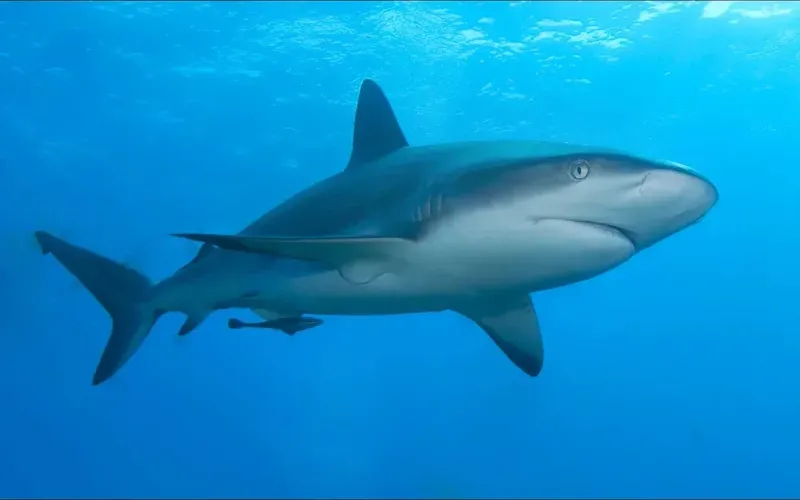
Numerous swim-throughs at the site require good buoyancy control and situational awareness to navigate safely, ensuring ample clearance. Although white tip reef sharks are observed, they are typically docile.
As with any dive, maintaining appropriate bottom time and ascent rates, coupled with conservative no-decompression limits, is always recommended. Dive with a buddy and ensure your equipment is well-maintained for a trouble-free exploration of this distinctive reef.
Recommended Equipment
- Dive Computer
This gear list is based on verified equipment signals for Krakatoa, Mozambique. Always confirm final gear choices with your dive operator, guide, or liveaboard.
Recommended Dive Suit
Water temperatures at Krakatoa are currently estimated to be around 24°C (76°F), shaping the overall diving conditions for today. Surface air temperatures are resting at 27°C (81°F).
For the majority of recreational dives here, 3mm wetsuit should provide suitable protection.
Environmental conditions are expected to remain consistent in the short-term outlook.
Due to technical issues with our weather providers, live updates are temporarily delayed. The data above reflects the conditions at the time of the last successful fetch.
Emergency & Medical Support
Essential information to help you plan your dive trip to Krakatoa.

Hyperbaric chambers are a critical part of dive safety infrastructure. Availability varies significantly by region, and not all dive areas have immediate access.
Before diving, it's recommended to:
- confirm nearest medical facilities
- check emergency procedures with local dive operators
- ensure dive insurance covers evacuation if required
Divers Alert Network
Diving emergency assistance available through DAN Southern Africa.
+27828106010- 24/7 emergency hotline
- Diving medical assistance
- Evacuation coordination
Emergency contacts are provided for reference. Always verify local emergency services before diving.
Marine Life at Krakatoa
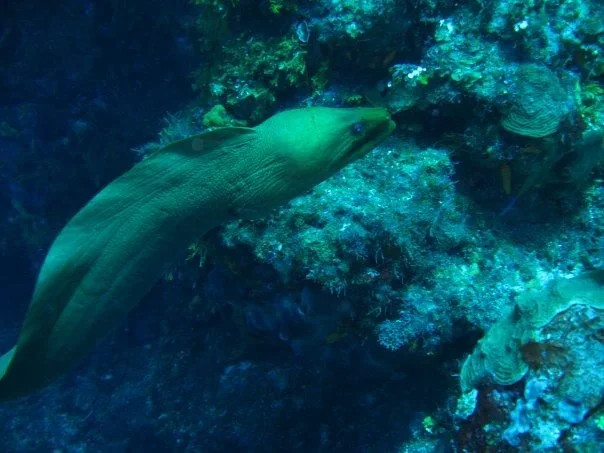
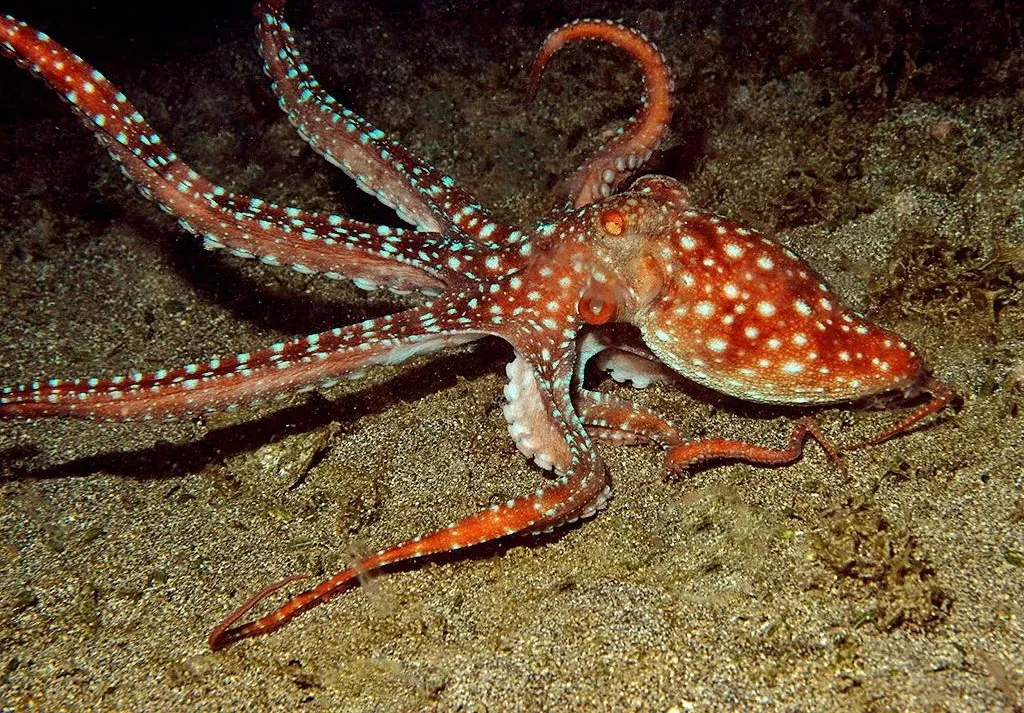
A rugged underwater landscape at Krakatoa, defined by myriad rocky outcrops and overhangs, provides ideal habitats for a variety of species. Divers frequently spot resident honeycomb moray eels peering from crevices, alongside octopuses camouflaged against rocks.
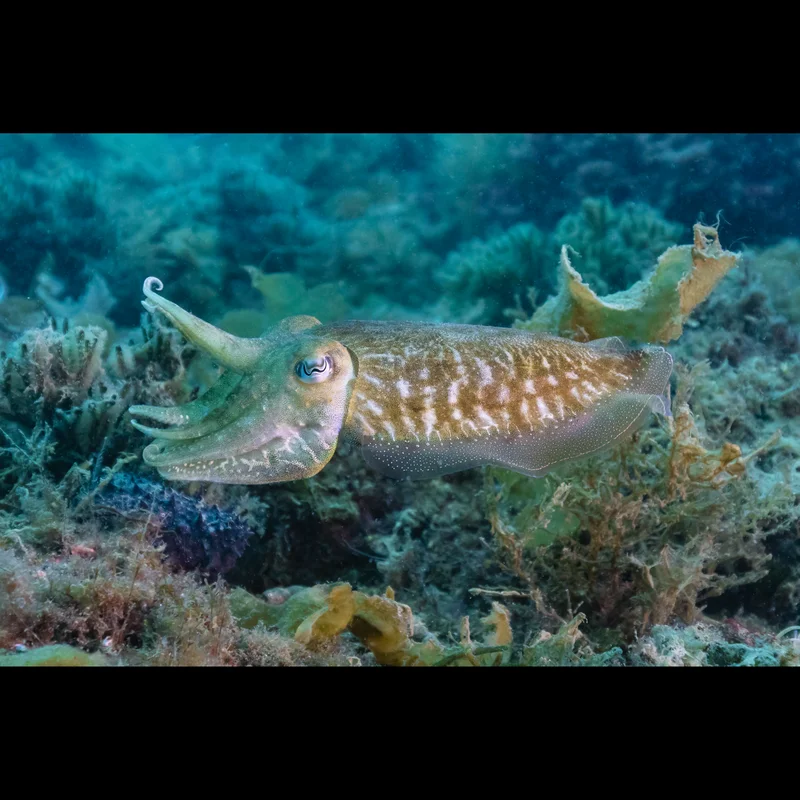
Spiny lobsters also find refuge within the site's structural complexities. Closer inspection of the reef reveals smaller tropical fish species, including vibrantly colored nudibranchs, cowries, cuttlefish, and the occasional Spanish dancer.
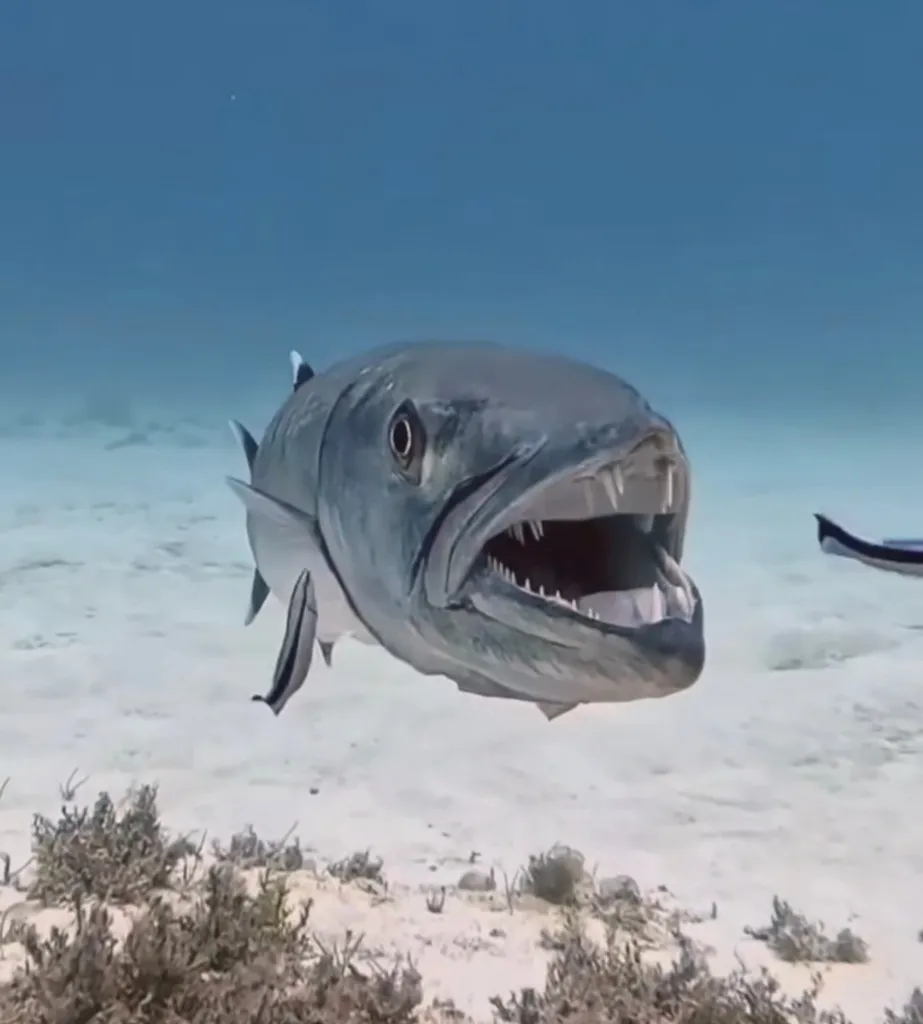
Out in the open water, schools of pelagic gamefish like kingfish and barracuda traverse the reef. Sightings of white tip reef sharks are not uncommon around Krakatoa.
Additionally, the journey to and from the dive site often offers opportunities to observe whale sharks, enhancing the overall marine encounter.
Dive Sites Near Krakatoa
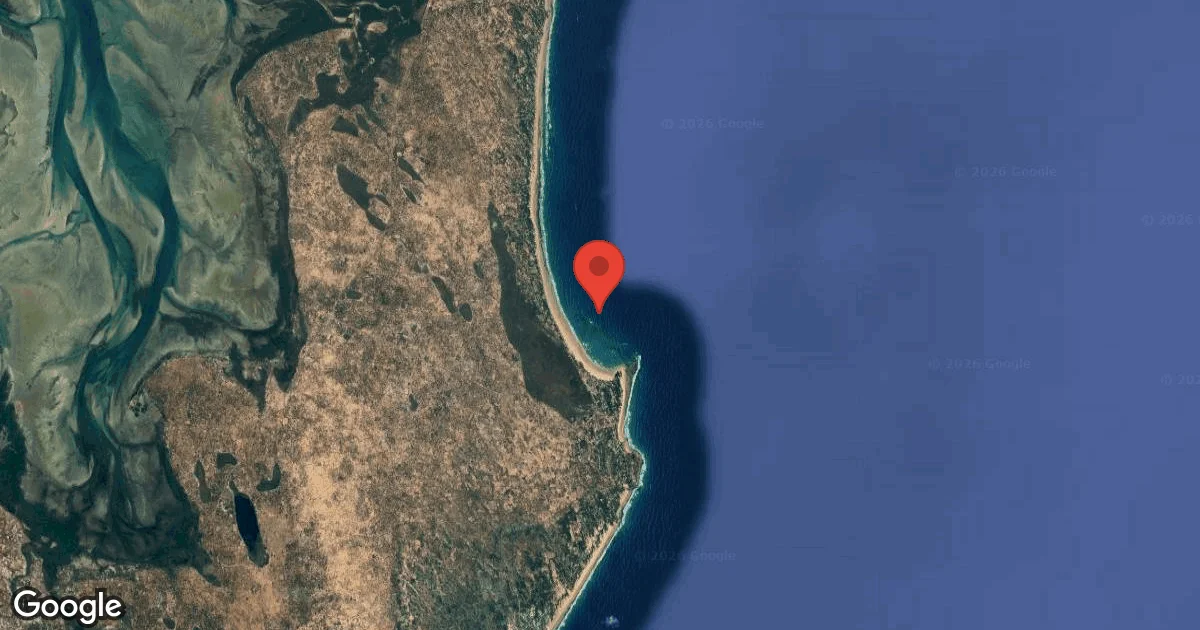
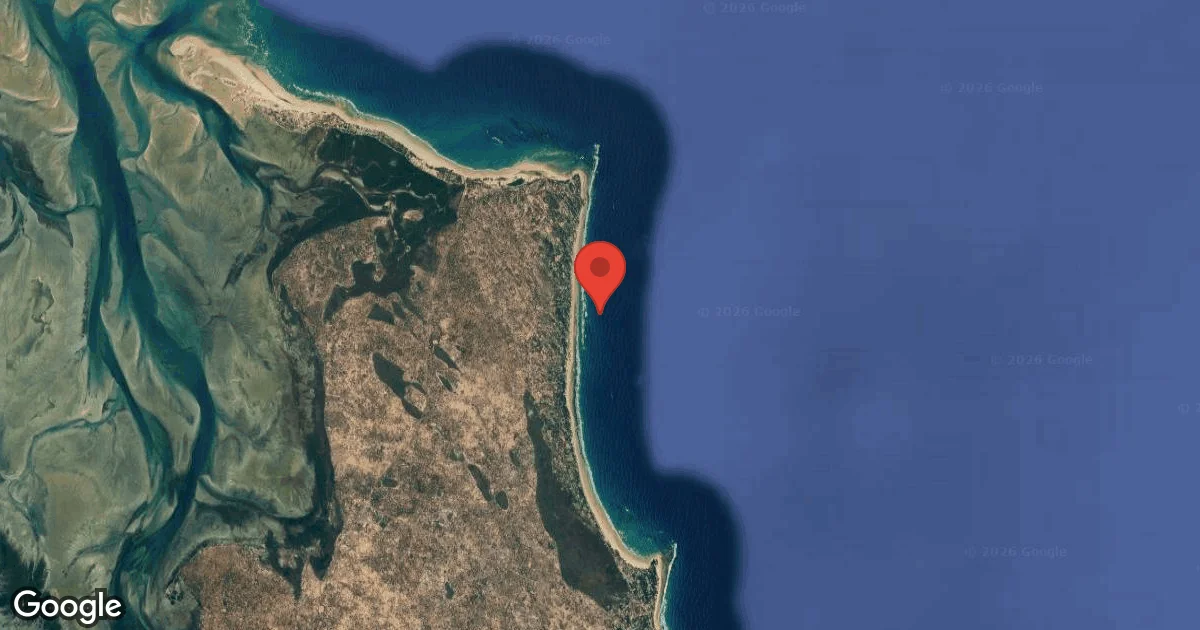
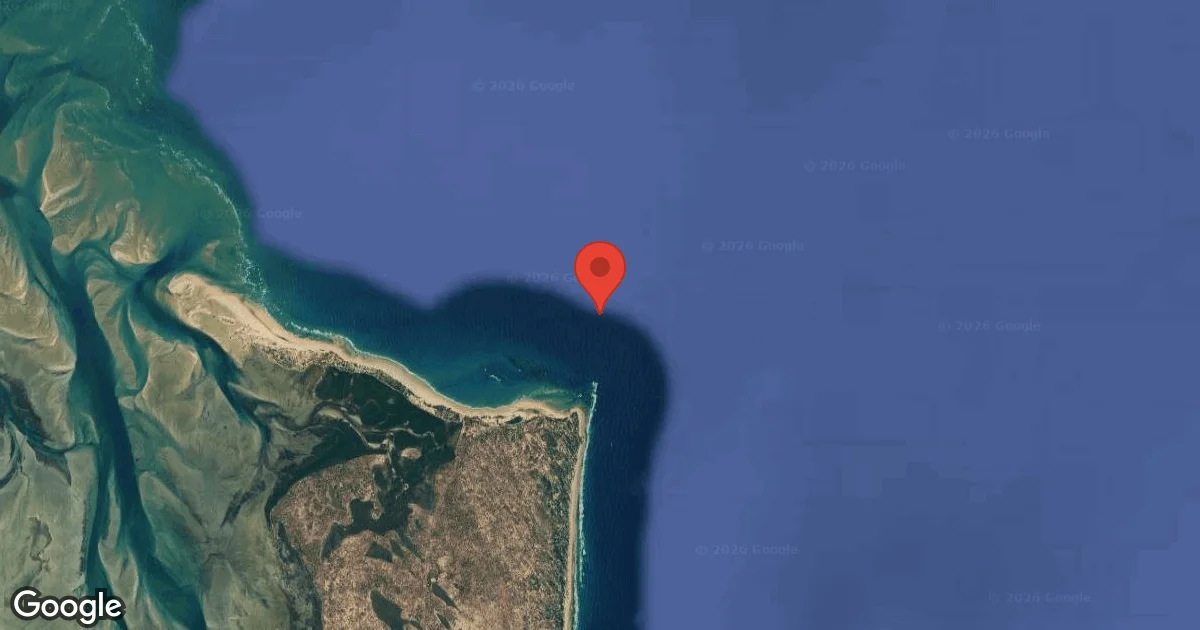
View all dive sites in MozambiqueDiscover more underwater gems in this area.
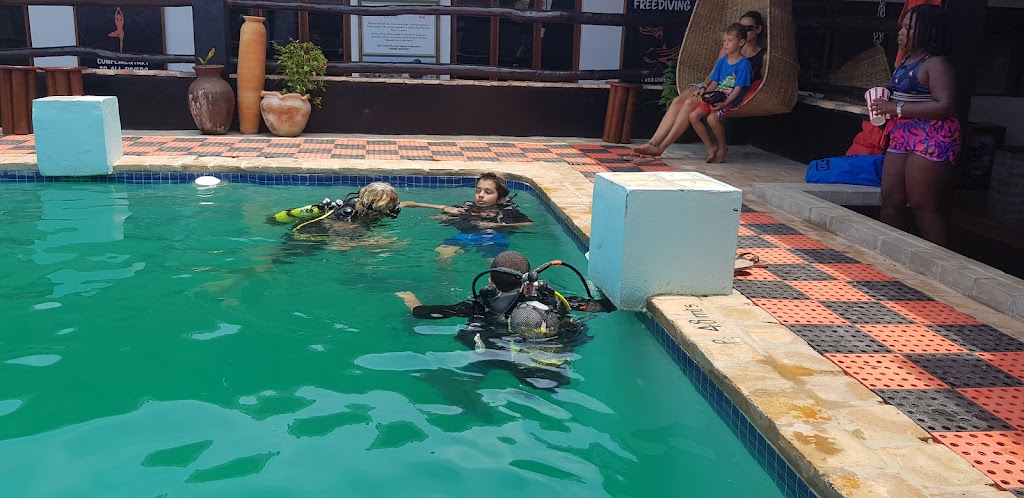
Dive Centers Near Krakatoa
Today: 07:00 - 17:00
Nearest Airports
Nearest airports to help plan travel to this dive area.
Search Flights
Check available flights and routes on Expedia, using the nearby airports listed in this section.
Search Flights on ExpediaFrequently Asked Questions
What is the maximum depth at Krakatoa?
Maximum depth within Krakatoa's crater-like center is 18 meters (59 feet). Beginning at an initial depth of 14 meters (46 feet), it's accessible for a range of diver levels.
Is Krakatoa suitable for beginner divers?
Krakatoa is suitable for intermediate and advanced divers due to its depth and the need for good buoyancy control to navigate swim-throughs. Snorkeling is also mentioned as an option at the site, likely referring to surface observations or shallower parts.
Are there strong currents at Krakatoa?
Krakatoa is notably protected from surges and strong currents by high rock walls surrounding the site. This allows for a generally gentle and easy dive experience within the reef itself.
What kind of marine life can I expect to see?
Divers can expect to see resident honeycomb moray eels, octopuses, and spiny lobsters in the reef structures. Schools of kingfish and barracuda are common, and white tip reef sharks are often sighted. Smaller species like nudibranchs and cuttlefish also inhabit the reef.
When is the best time of year to dive Krakatoa?
May, July, and November generally offer the best dive conditions, with favorable air temperatures, minimal rain, and manageable wave heights. These months typically receive "Good" dive scores.
Can I see whale sharks at Krakatoa?
While whale sharks are not resident to the reef itself, the journey to and from the Krakatoa dive site often provides opportunities for whale shark sightings and even snorkeling encounters.
What is the unique geological feature of Krakatoa?
Krakatoa is characterized by its distinctive topography resembling a sunken volcano crater or caldera. The center of the reef lies 2-4 meters (7-13 ft) lower than the surrounding rock walls, creating a unique sheltered basin.
Planning to dive Krakatoa?
Send one inquiry and receive offers directly from the best verified local dive operators.
Conditions are Moderate
Optimal conditions expected
Current conditions near Krakatoa show 27° air, 24° sea temperature, 1.6 m waves, and 26 km/h wind. Forecast data is refreshed regularly to ensure accuracy.