
Diving at Jan's Tunnel (New Zealand)
Venturing into Jan's Tunnel offers a truly distinctive dive experience, taking you deep within the Poor Knights' unique geological formations. This site challenges divers with its overhead environment and steep drop-offs, rewarding those prepared for an immersive journey into a 'lost world' beneath the surface. It's an exploration that promises dramatic topography and a play of light unlike typical reef dives.
Tonight's objective overview for Jan's Tunnel shows an air temperature of 14.5°C. The measured surface conditions include wave heights around 1.4 m. This environmental data is logged for the close of the day.
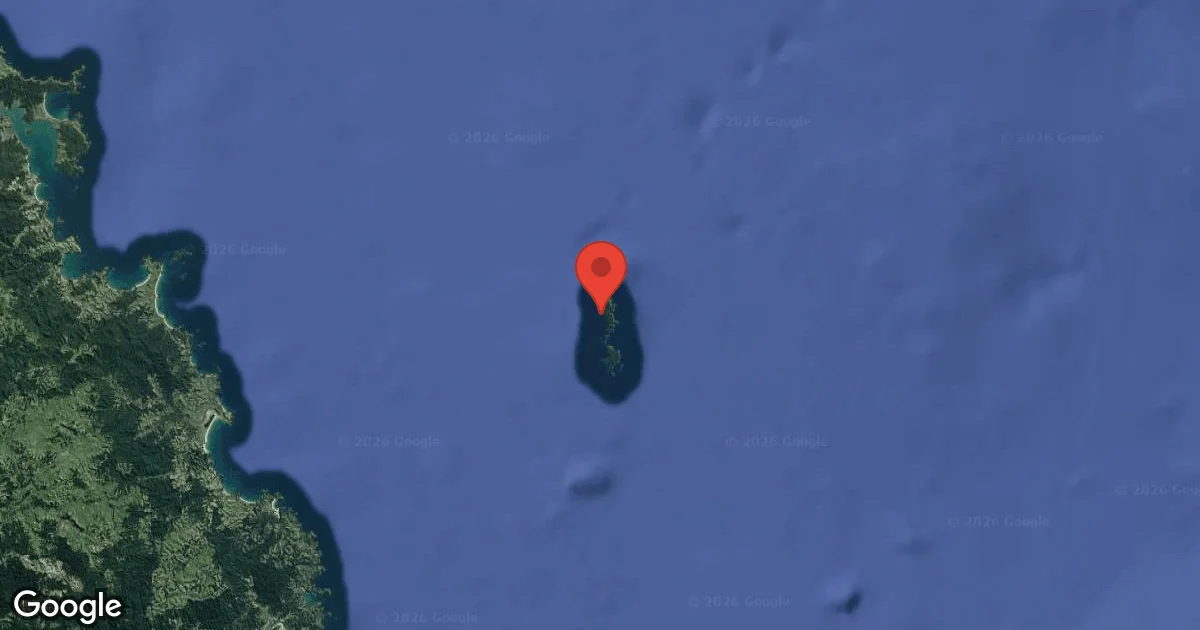
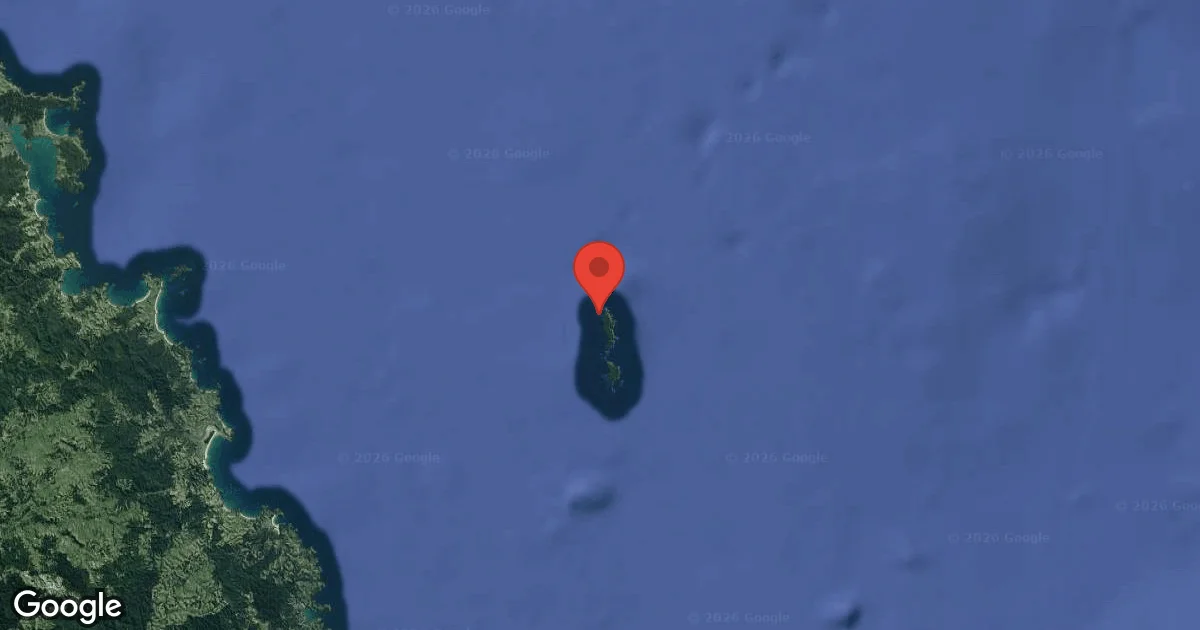
Dive Site Location & Key Facts
Dive Site Overview
Jan's Tunnel presents an immersive journey into the Poor Knights' unique geological interior, providing a rare sensation of being deep inside the island itself. The exploration often starts from a boat anchorage, with divers initially descending along a vibrant wall.
Following this initial drop, the tunnel itself commences at approximately 19 m / 62 ft, gradually rising to a shallower 10 meters within the island's structure. Along its inviting entrance, divers navigate through luscious kelp and vibrant green sea rimu, encountering significant congregations of Warritah and common anemones. Beyond this natural curtain, the site transforms into a wide, echoing corridor inside the island, highlighted by a dramatic archway overhead.
One particularly captivating feature is a bubble cave, providing a chance to surface internally and take in a spectacular skylight-like opening. Upon re-descending into the water column, the experience shifts to a mesmerizing blue grotto effect, with distinct streaming light beams piercing the water—a truly unique geological spectacle that feels like discovering a lost world beneath the surface.
This overhead environment demands careful attention, yet rewards with dramatic topography and a play of light unlike typical reef dives.
Conditions are Moderate
High Wind Advisory (44km/h). Unsafe surface.
Current conditions near Jan's Tunnel show 15° air, 16° sea temperature, 1.4 m waves, and 44 km/h wind. Forecast data is refreshed regularly to ensure accuracy.
Best Time to Dive
Optimizing your visit for Jan's Tunnel largely depends on seeking the most favorable surface conditions for entry and overall comfort. The months of February and November generally present the best opportunities, with February recording good dive scores and warmer average air temperatures around 20.5°C / 69°F, alongside minimal rain averaging just 0.9 mm. November also provides good dive conditions, with air temperatures averaging 17°C / 63°F and similarly low rainfall. While other months like January and March also offer moderate dive scores with air temperatures around 19-20°C / 66-68°F and relatively low rainfall (3.7 mm and 1.1 mm respectively), these peak periods often coincide with calmer seas, which are beneficial given the site's exposure. Planning around these periods increases the likelihood of clear water and comfortable surface intervals.
PEAK SEASON SCORE
Scores combine air & water temps, waves, wind & rainfall for overall conditions.
BEST MONTHS TO DIVE
Monthly records compiled from satellite and marine observation nodes over the last 3 years. Data provided by Open-Meteo and MET Norway.
Dive Experience & Conditions
Your dive at Jan's Tunnel begins by descending along a wall, which often guides you towards a distinctive underwater reef finger. Curious pigfish might accompany you here as you explore walls adorned with encrusting coral and small gorgonian fans. Rounding this reef finger leads to a sand gully, which gradually shallows before you navigate over a narrow reef lip. This sequence opens into a wide, enchanting corridor within the island. Inside, the experience of losing natural light is fleeting, soon replaced by the dramatic 'blue grotto effect' and distinct streaming light beams filtering through the skylight, especially noticeable as you approach the tunnel's shallower exit or surface within the bubble cave.
Dive Difficulty & Safety Guidelines
Navigating Jan's Tunnel requires a keen awareness of its specific characteristics to ensure a safe and enjoyable dive. A primary consideration is the overhead environment within the tunnel itself, which demands appropriate training and excellent buoyancy control. The surrounding reef also features a steep drop-off, extending to around 40 m / 130 ft and beyond, necessitating careful depth management to avoid exceeding planned limits.
Divers should always stay within their certification and comfort levels when exploring these challenging yet rewarding sections of the site. Adequate planning and communication with your dive buddy are crucial for managing this unique environment, ensuring a smooth and safe exploration.
Recommended Equipment
Overhead environment. Do not enter beyond training and gas planning limits.
- Dive Computer
- Primary & Backup Lights
- Reel / Spool
- Cutting Tool
This gear list is based on verified equipment signals for Jan's Tunnel, New Zealand. Always confirm final gear choices with your dive operator, guide, or liveaboard.
Recommended Dive Suit
According to recent observations, water temperatures near Jan's Tunnel are approximately 16°C (61°F). Surface air temperatures are resting at 15°C (58°F).
The next few days appear likely to bring similar environmental conditions.
Most divers exploring waters at this temperature rely on 5-7mm wetsuit for effective insulation. Strong winds are present; please take strong precautions against rapid cooling during surface intervals. A thermal robe or jacket is recommended between dives. Water temperature is only one factor influencing overall comfort during a dive. Stronger winds may also make surface intervals feel cooler than usual. Surface intervals may feel noticeably cooler once you exit the water.
Emergency & Medical Support
Essential information to help you plan your dive trip to Jan's Tunnel.

Hyperbaric chambers are a critical part of dive safety infrastructure. Availability varies significantly by region, and not all dive areas have immediate access.
Before diving, it's recommended to:
- confirm nearest medical facilities
- check emergency procedures with local dive operators
- ensure dive insurance covers evacuation if required
Divers Alert Network
Diving emergency assistance available through DAN World.
+1-919-684-9111- 24/7 emergency hotline
- Diving medical assistance
- Evacuation coordination
Emergency contacts are provided for reference. Always verify local emergency services before diving.
Marine Life at Jan's Tunnel
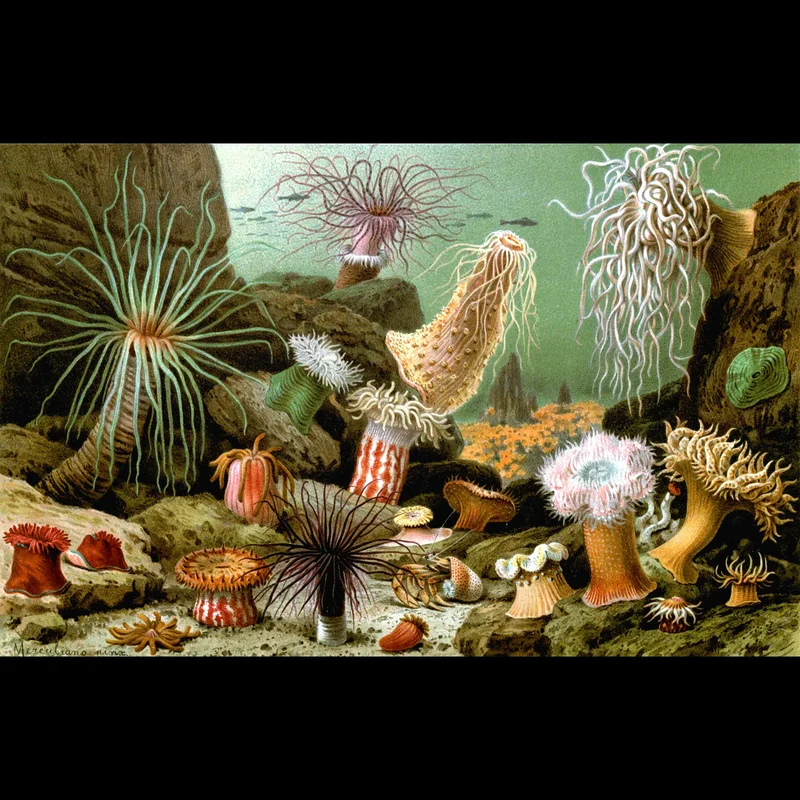
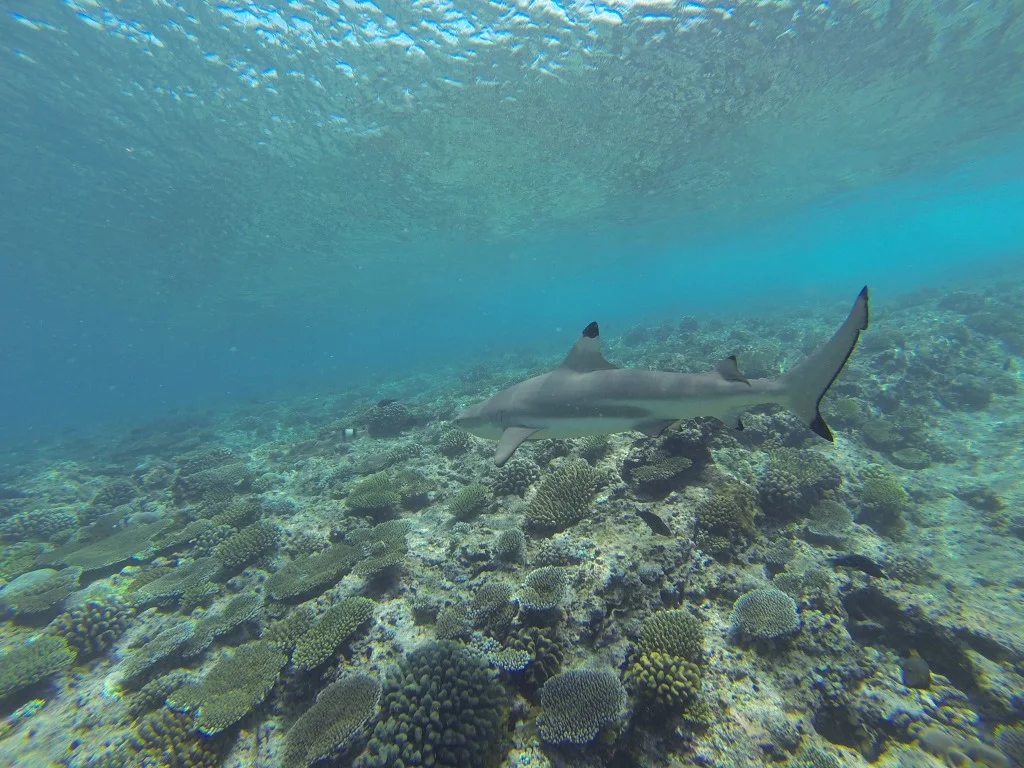
Approaching Jan's Tunnel, divers often first encounter significant congregations of vibrant green sea rimu, luscious kelp, and Warritah/common anemones adorning the tunnel's entrance and surrounding walls. Inside the gut and along the reef walls, curious pigfish are commonly observed, often adopting divers as temporary companions. While diving the wider Poor Knights area, there are also common sightings reported of sharks, whales, dolphins, and turtles, offering diverse marine encounters beyond the tunnel's immediate features.
Dive Sites Near Jan's Tunnel
View all dive sites in New ZealandDiscover more underwater gems in this area.
Dive Centers Near Jan's Tunnel
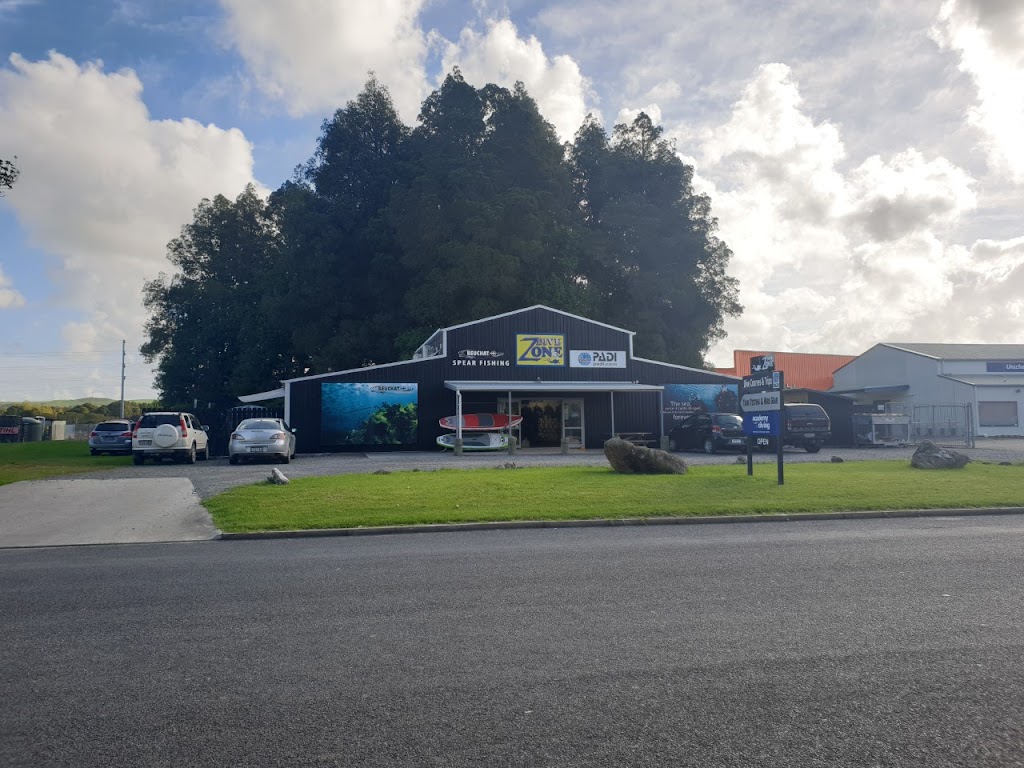
Today: 08:00 - 17:00
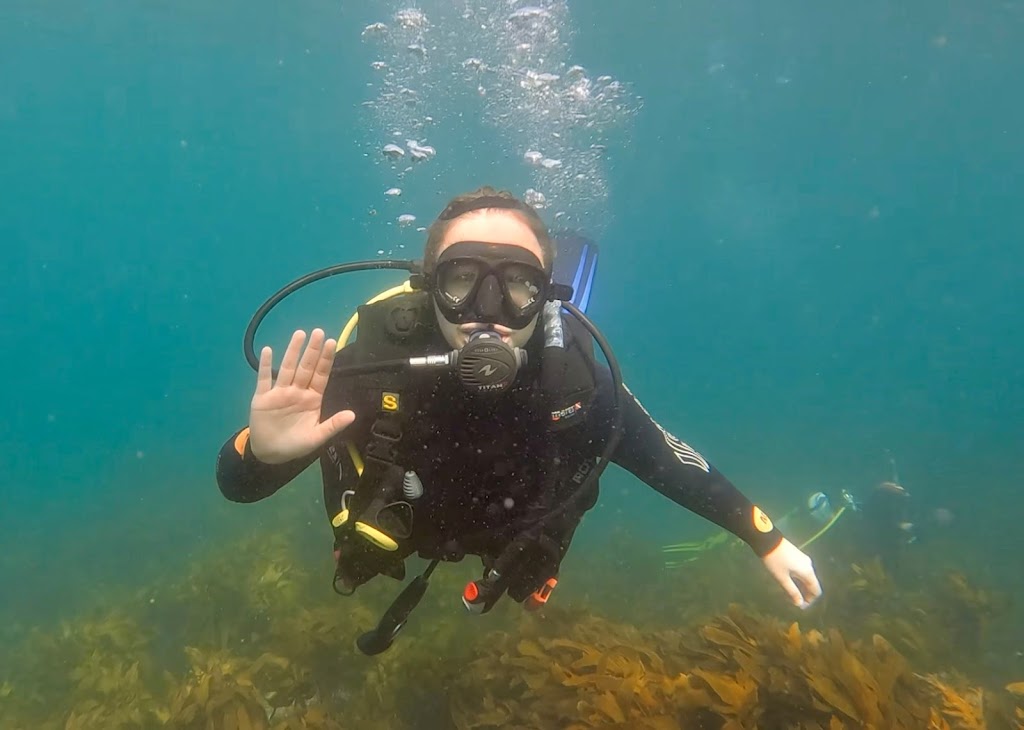
Nearest Airports
Nearest airports to help plan travel to this dive area.
Search Flights
Check available flights and routes on Expedia, using the nearby airports listed in this section.
Search Flights on ExpediaFrequently Asked Questions
What is Jan's Tunnel known for?
Jan's Tunnel is a unique dive site within New Zealand's Poor Knights Islands, celebrated for its shallow tunnel entrance that leads into a dramatic 'lost world' area. It offers distinctive lighting effects, including a 'blue grotto' and a skylight opening within a bubble cave.
What is the typical depth range for diving Jan's Tunnel?
The tunnel entrance typically starts near 19 meters and gradually rises to about 10 meters inside. Surrounding reef areas can drop steeply, reaching depths beyond 40 meters. Boat anchorage often sits in the range of 20 to 30 meters.
Is Jan's Tunnel suitable for snorkelers?
Yes, the tunnel entrance is described as shallow and ideal for snorkelers. There's access to the surface throughout the tunnel, allowing snorkelers to experience the unique overhead environment and surface within the 'lost world' cave area.
What marine life can divers expect to see?
Within the tunnel and along its entrance, divers frequently observe luscious kelp, vibrant green sea rimu, and large congregations of Warritah/common anemones. Curious pigfish are also known to interact with divers in this area.
What are the main safety considerations for Jan's Tunnel?
The primary safety considerations involve navigating an overhead environment within the tunnel itself. Divers also need to be aware of the steep drop-offs on the surrounding reef, which can extend to depths of 40 meters and beyond.
When are the best months to dive Jan's Tunnel?
February and November typically offer the most favorable conditions for diving Jan's Tunnel, characterized by good dive scores, warmer air temperatures, and lower rainfall. These periods generally provide improved visibility and more comfortable surface conditions.
Planning to dive Jan's Tunnel?
Send one inquiry and receive offers directly from the best verified local dive operators.
Conditions are Moderate
High Wind Advisory (44km/h). Unsafe surface.
Current conditions near Jan's Tunnel show 15° air, 16° sea temperature, 1.4 m waves, and 44 km/h wind. Forecast data is refreshed regularly to ensure accuracy.