
Diving at Blue MaoMao Arch (New Zealand)
Blue Maomao Arch holds a significant place in dive lore, having captivated Jacques Cousteau to the extent that he cited the Poor Knights Islands among his top 10 dive sites worldwide. A short, shallow archway, this iconic feature within the legendary marine reserve is a testament to the richness of New Zealand's underwater environments. It continues to draw divers seeking to understand its enduring appeal.
Evening condition tracking at Blue MaoMao Arch features an air temperature of 16.5°C. We have recorded wave heights measuring 1.2 m during this period. These figures outline the environmental parameters currently present.
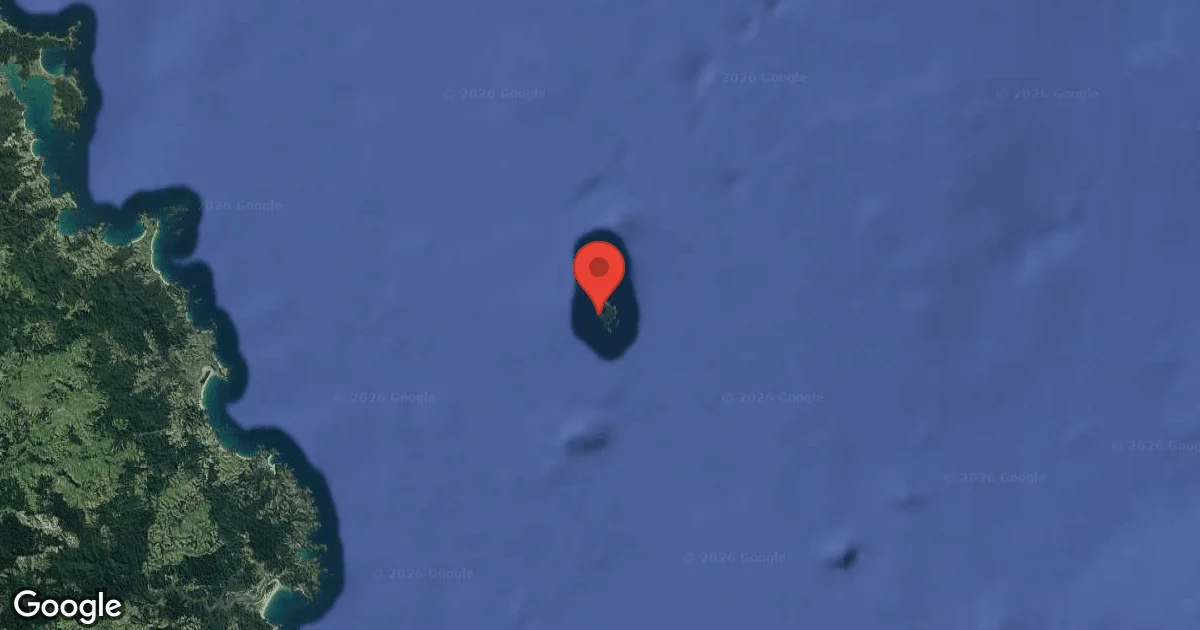
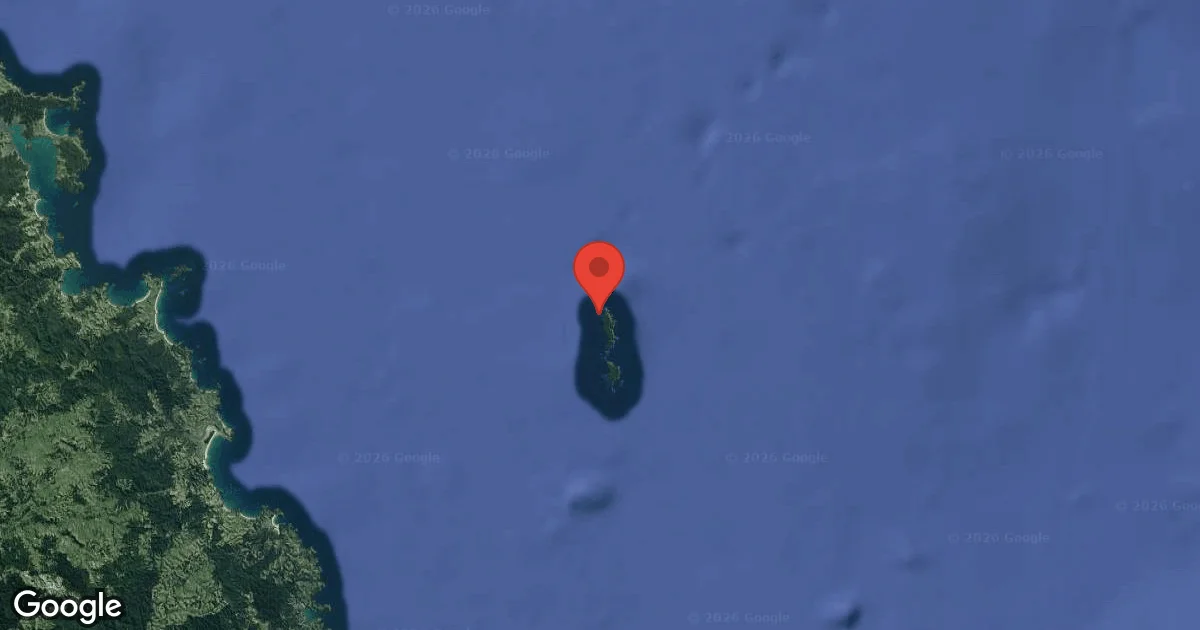
Dive Site Location & Key Facts
Dive Site Overview
Exploring Blue Maomao Arch offers a diverse underwater journey, suitable for a range of certification levels. Jacques Cousteau's high praise for the Poor Knights Islands prominently featured this archway as a prime example of its underwater marvels, a sentiment many divers echo upon visiting.
A key draw is its unique accessibility; the arch itself remains open to the surface throughout, providing consistent natural light and a comforting connection to the world above. Depths within the main archway typically range between 6 to 15 meters (20 to 49 feet), making it comfortably navigable for Open Water divers. Site's reported maximum depth reaches around 18 meters (59 feet).
Beyond the immediate arch, however, bottom contours extend deeper, past 30 meters, inviting further exploration for those with appropriate certifications and experience. Snorkelers can also easily enjoy shallower parts of the structure.
Within its confines, divers navigate around robust boulder formations, heavily encrusted with a rich tapestry of marine life. From here, exploration extends to a kelpy plateau and the named Labrid Channel, expanding the exploration zone significantly.
It's a particularly rewarding location for those who appreciate the intricacies of smaller critters as much as the spectacle of larger schooling fish. Light, rock, and marine activity interplay to create a constantly engaging environment.
Conditions are Moderate
High Wind Advisory (41km/h). Unsafe surface.
Current conditions near Blue MaoMao Arch show 16° air, 16° sea temperature, 1.4 m waves, and 41 km/h wind. Forecast data is refreshed regularly to ensure accuracy.
Best Time to Dive
Planning a dive at Blue Maomao Arch is best aligned with conditions typically experienced during late spring and summer, particularly November, December, and February. During this period, better visibility and calmer conditions often present, indicated by 'Good' dive scores. Air temperatures are favorable, averaging around 19-20°C (66-68°F), contributing to a more comfortable overall experience. Rainfall is also generally lower, ranging from approximately 0.9 to 2.2 mm (0.03-0.09 inches) in these preferred months. While water temperature data isn't consistently reported, the warmer air and reduced rainfall tend to coincide with more enjoyable diving. Other periods might offer 'Moderate' dive scores, but weather can be more variable.
PEAK SEASON SCORE
Scores combine air & water temps, waves, wind & rainfall for overall conditions.
BEST MONTHS TO DIVE
Monthly records compiled from satellite and marine observation nodes over the last 3 years. Data provided by Open-Meteo and MET Norway.
Dive Experience & Conditions
Conditions within the arch's internal environment shift with prevailing currents, directly influencing the presence of its namesake blue maomao. When the current is active, dense shoals of blue maomao often pack one wall, mirrored by large groups of two-spot demoiselles on the other side. On days with less current, the arch might appear quieter, prompting divers to focus on seeking out nudibranchs, scorpion fish, and pigfish that blend into the encrusted boulders. A shallower western entrance, around 4 to 7 meters, features a short swim-through leading into the main arch. Its eastern end progresses to a 15 meter channel, opening to the kelpy Labrid Channel. Multiple light inlets create dynamic light shows, with sunlight sparkling through a rock window at the western end, especially noticeable with seasonal light angle changes.
Dive Difficulty & Safety Guidelines
Approaching Blue Maomao Arch demands good buoyancy control to protect the vibrant encrusting life on its boulders and walls. While the arch is open to the surface throughout, making it accessible for a wide range of certifications including Open Water, divers should always be mindful of prevailing currents. Currents can be strong enough to significantly influence fish behavior and diver experience within the archway and connecting channels.
Its accessible nature, with depths around 7-8 meters within the main arch area, makes it suitable for Open Water divers, but being aware of your surroundings and maintaining proper trim is key for a safe and enjoyable exploration.
Recommended Equipment
Overhead environment. Do not enter beyond training and gas planning limits.
- Dive Computer
- Primary & Backup Lights
- Reel / Spool
- Cutting Tool
This gear list is based on verified equipment signals for Blue MaoMao Arch , New Zealand. Always confirm final gear choices with your dive operator, guide, or liveaboard.
Recommended Dive Suit
Forecasts suggest a slight cooling pattern in the days ahead. Cooler days are ahead; you might want a warmer option for later in the week. A hood or vest can noticeably improve warmth during longer dives.
Thermal protection such as 5-7mm wetsuit is commonly used in similar temperatures. Consider warmer surface protection (like a boat coat) due to brisk winds. A thermal robe or jacket is recommended between dives.
At Blue MaoMao Arch , the water is currently sitting around 16°C (61°F). Surface air temperatures are resting at 16°C (61°F).
Due to technical issues with our weather providers, data hasn't been fetched for over 48 hours. The data above reflects the conditions at the time of the last successful fetch.
Emergency & Medical Support
Essential information to help you plan your dive trip to Blue MaoMao Arch .

Hyperbaric chambers are a critical part of dive safety infrastructure. Availability varies significantly by region, and not all dive areas have immediate access.
Before diving, it's recommended to:
- confirm nearest medical facilities
- check emergency procedures with local dive operators
- ensure dive insurance covers evacuation if required
Divers Alert Network
Diving emergency assistance available through DAN World.
+1-919-684-9111- 24/7 emergency hotline
- Diving medical assistance
- Evacuation coordination
Emergency contacts are provided for reference. Always verify local emergency services before diving.
Marine Life at Blue MaoMao Arch
Within the captivating structure of Blue Maomao Arch, divers encounter a dynamic ecosystem. Immense shoals of blue maomao are prominent residents, often accompanied by two-spot demoiselles, especially when currents are running.
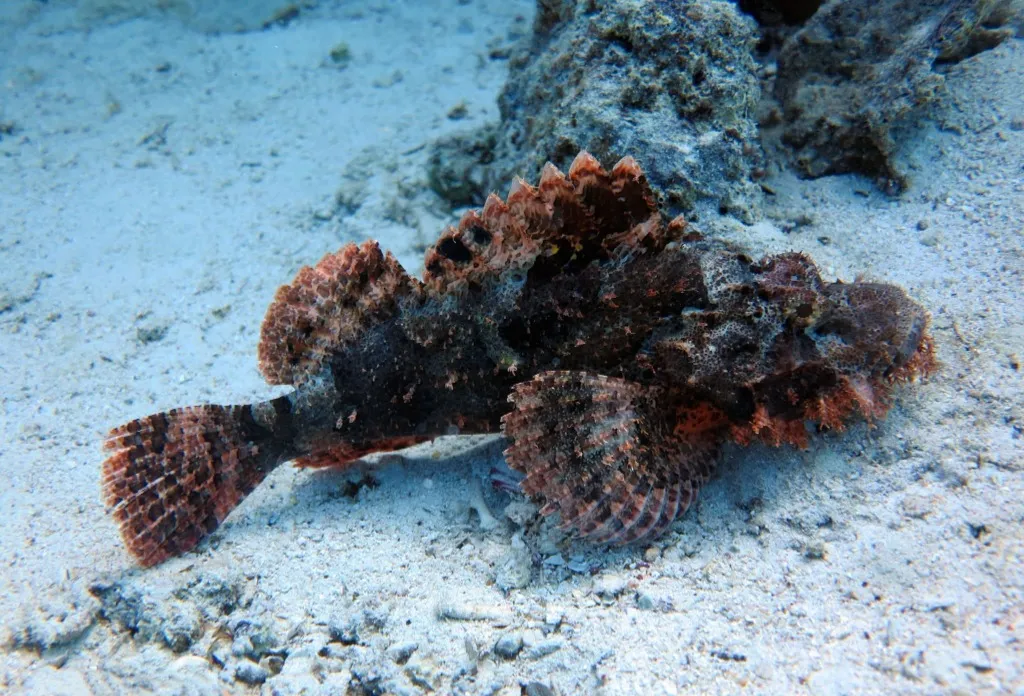
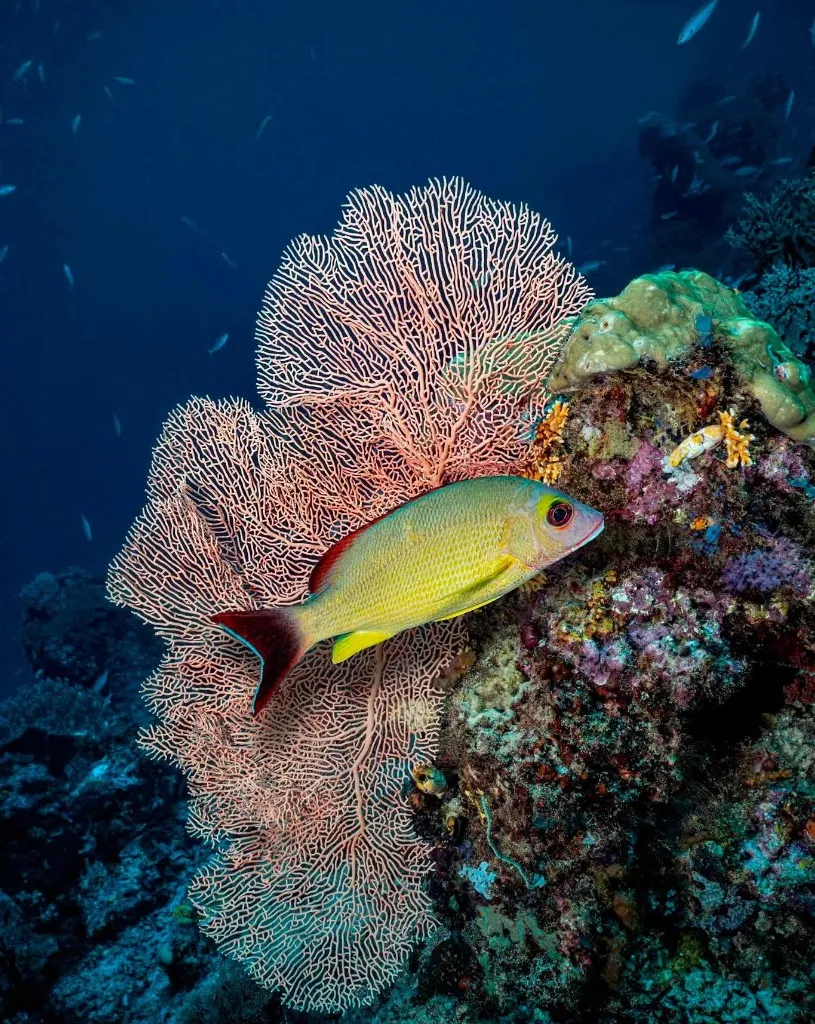
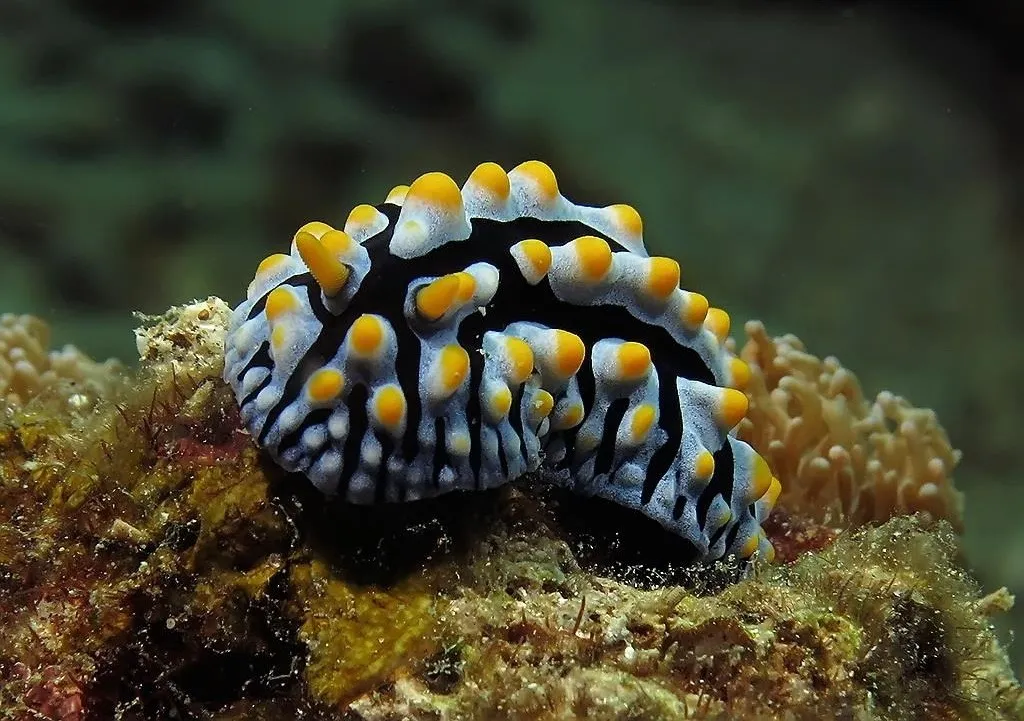
Look for pigfish and snapper within the archway. Along the walls and amongst the boulders, nudibranchs are common, and scorpion fish adeptly camouflage themselves.
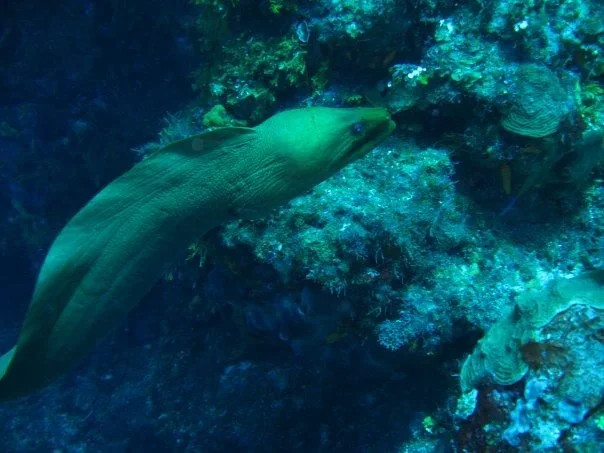
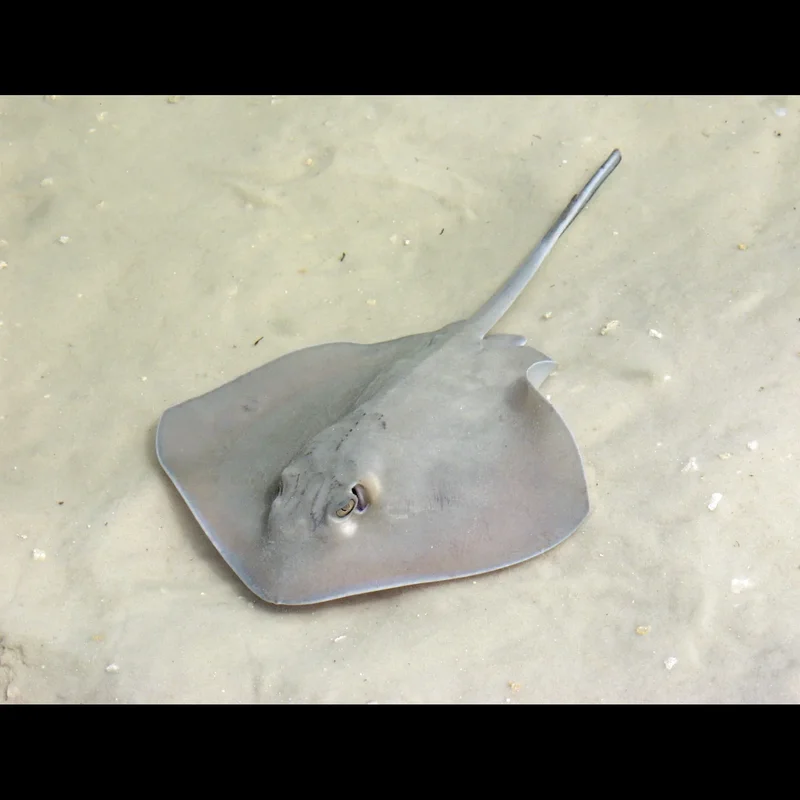
Exploring the kelpy plateau outside the arch may reveal weedfish and stingrays. Kingfish and morays are also spotted, contributing to the rich diversity of the Poor Knights Marine Reserve.
Dive Sites Near Blue MaoMao Arch
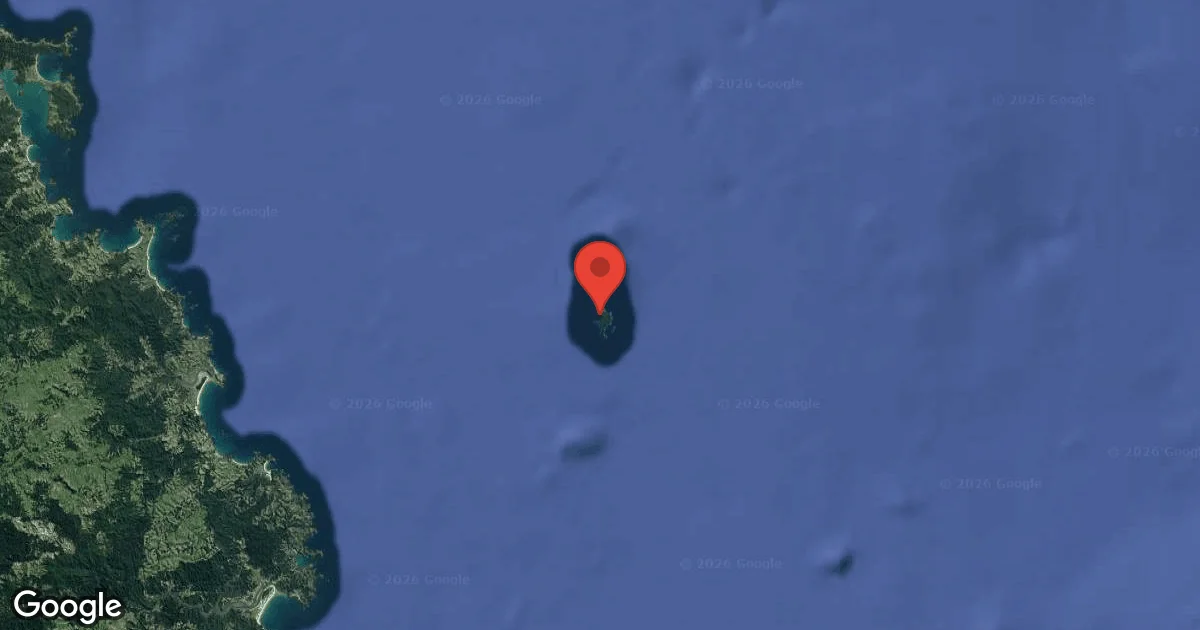
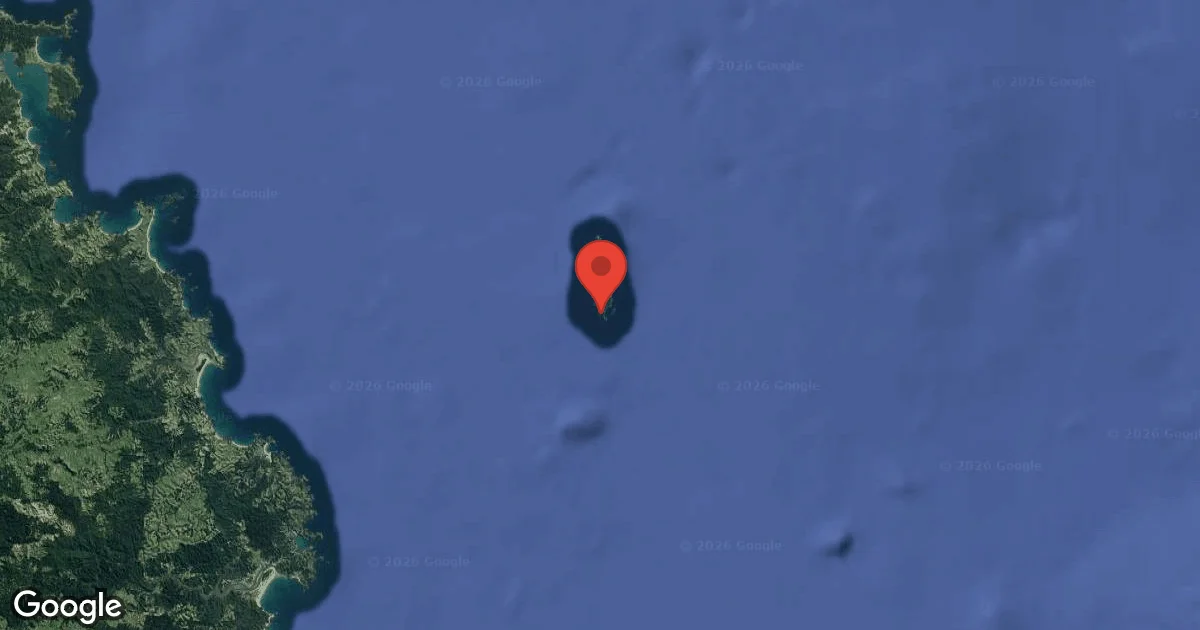
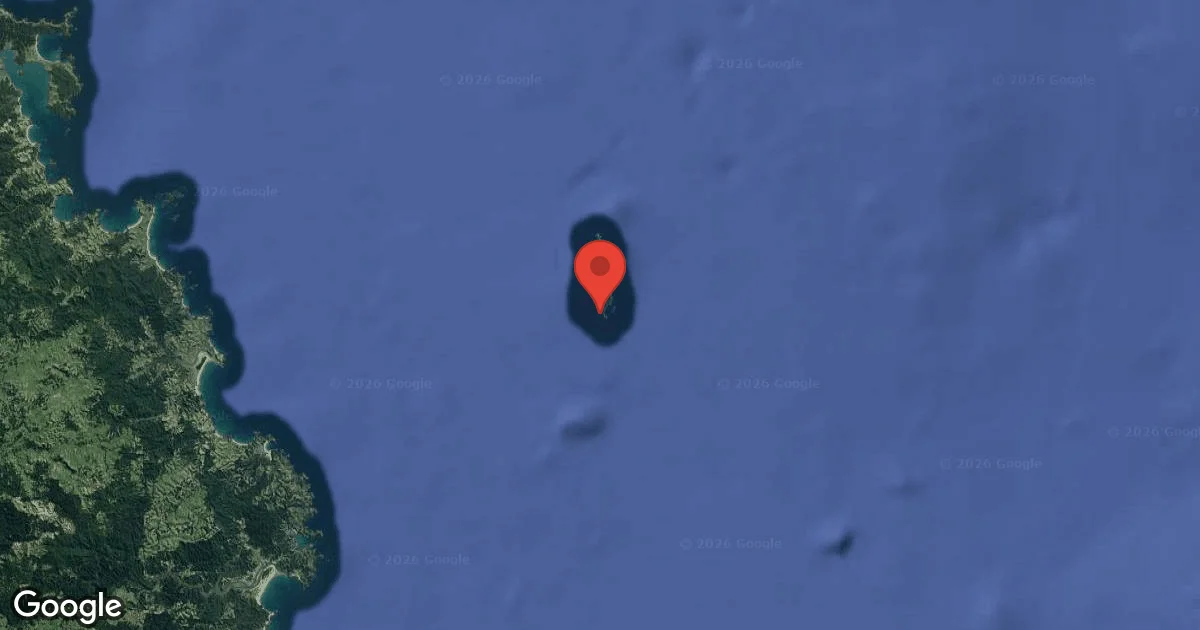
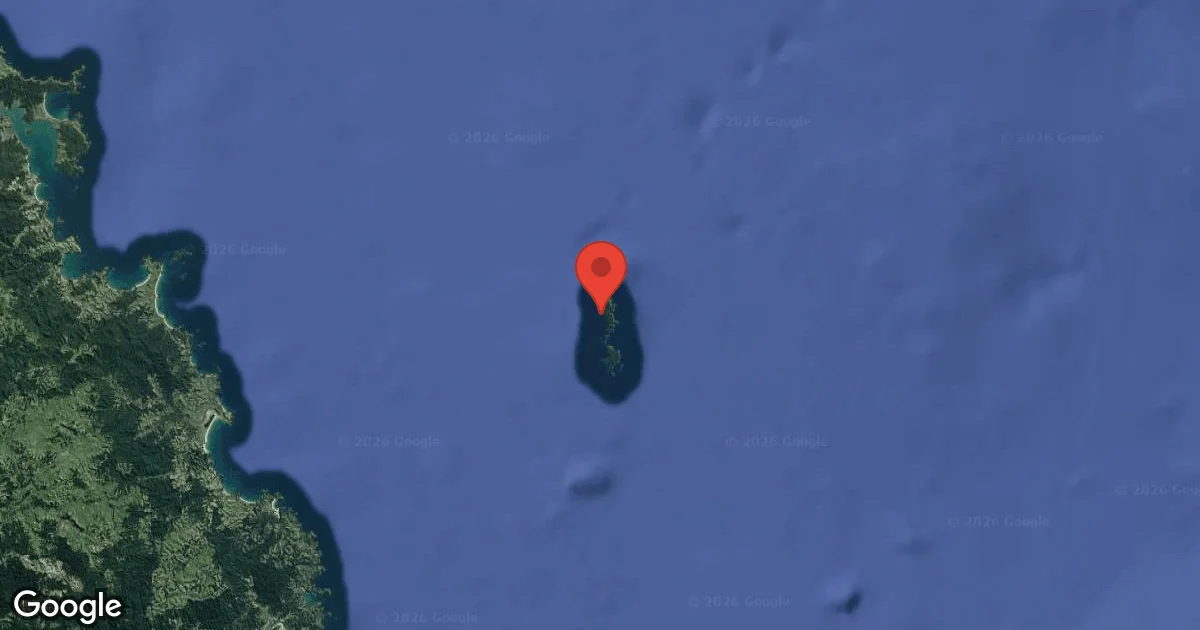
View all dive sites in New ZealandDiscover more underwater gems in this area.
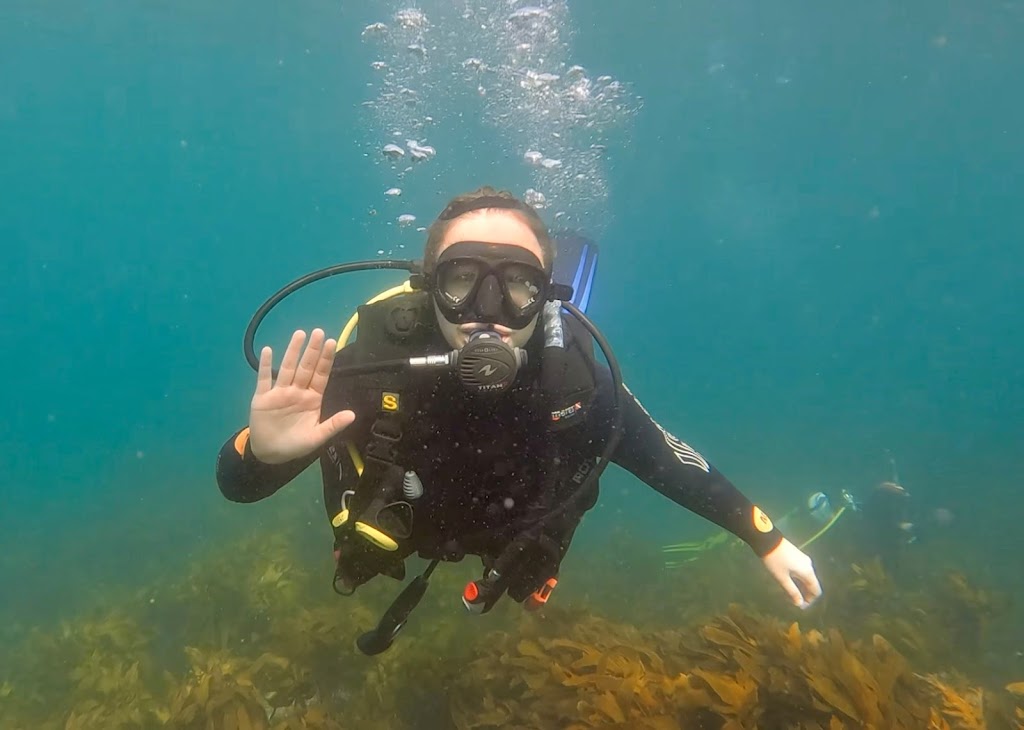
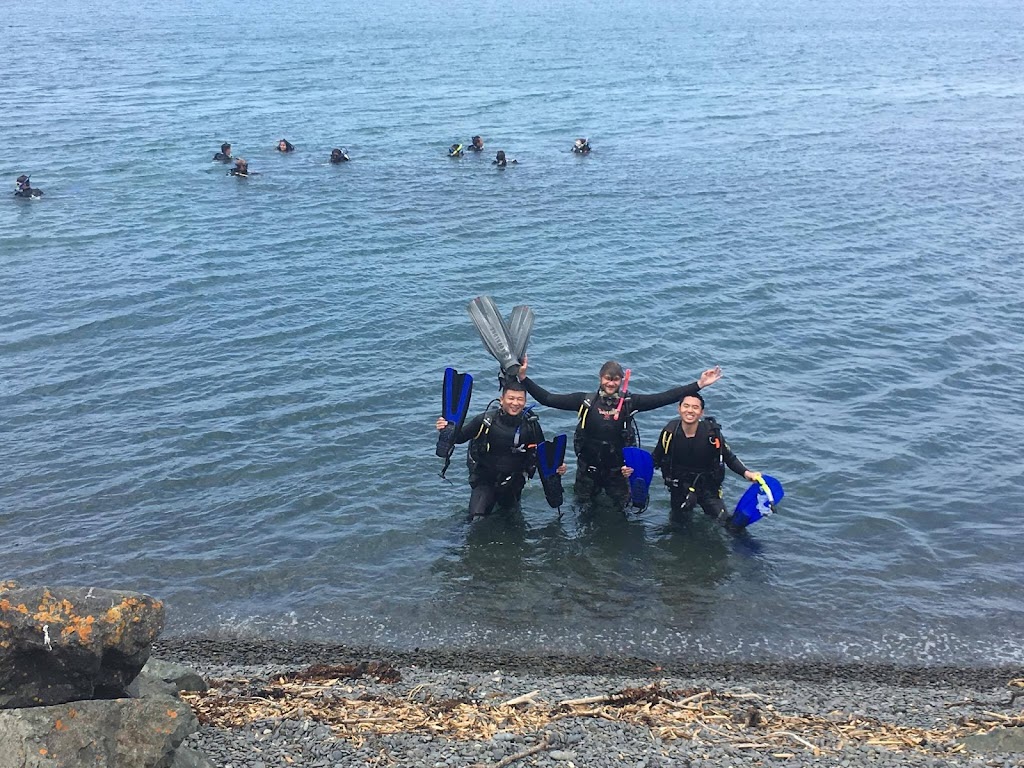
Dive Centers Near Blue MaoMao Arch
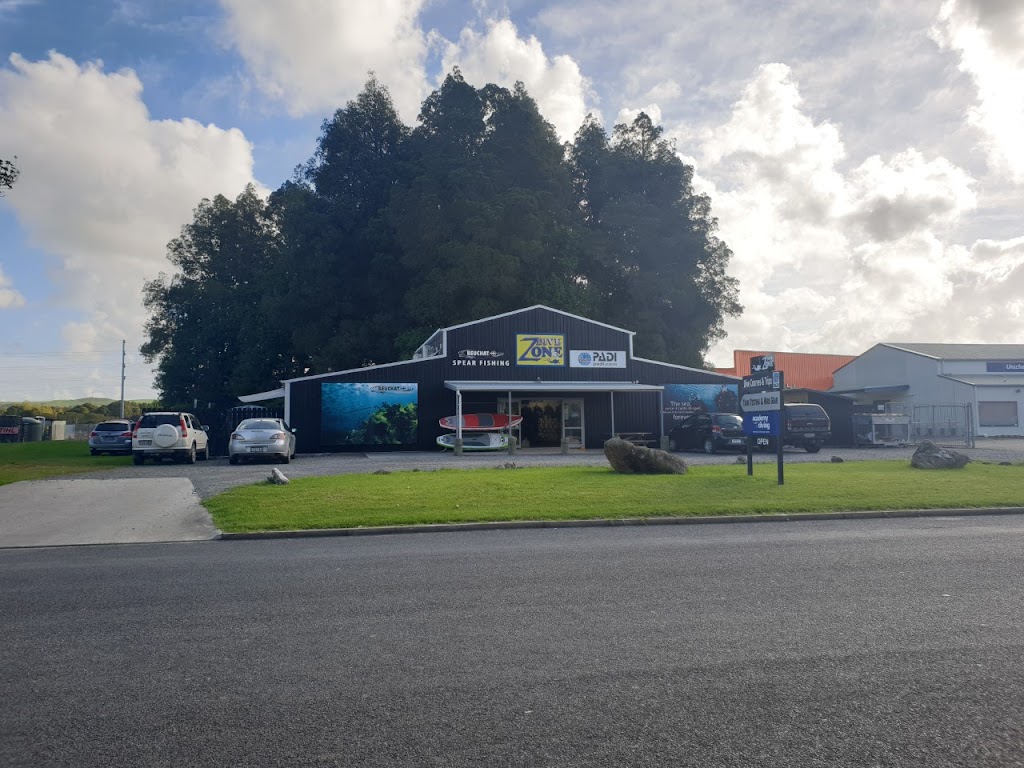
Today: 08:00 - 17:00
Nearest Airports
Nearest airports to help plan travel to this dive area.
Search Flights
Check available flights and routes on Expedia, using the nearby airports listed in this section.
Search Flights on ExpediaFrequently Asked Questions
What is the maximum depth at Blue Maomao Arch?
The maximum reported depth at Blue Maomao Arch itself is around 18 m (59 ft). However, the surrounding bottom contours and external channels can extend to over 30 meters, suitable for divers with appropriate certifications.
What diver skill level is required for Blue Maomao Arch?
Blue Maomao Arch is accessible to a broad range of divers, from snorkelers to Open Water certified divers and above. Good buoyancy control is beneficial for navigating the arch's features and protecting marine life.
How do currents affect diving at Blue Maomao Arch?
Currents play a significant role. Stronger currents often bring large shoals of blue maomao and two-spot demoiselles into the arch. During calmer periods, divers might focus on macro life and exploring the external areas.
What marine life can I expect to see here?
You'll frequently encounter dense schools of blue maomao and two-spot demoiselles. Keep an eye out for nudibranchs, scorpion fish, pigfish, snapper, kingfish, morays, and stingrays within the arch and surrounding areas.
Is the arch always well-lit?
Yes, the archway is open to the surface throughout, ensuring natural light penetration. There are multiple light inlets, including a rock window, which create shifting and dynamic lighting conditions depending on the time of day and season.
What are the main entry points into the arch?
The arch has two primary access openings. The western entrance is shallower, around 4 to 7 m (13 to 23 ft), with a direct path and a short swim-through. The eastern end opens into a deeper channel around 15 m (49 ft).
Planning to dive Blue MaoMao Arch ?
Send one inquiry and receive offers directly from the best verified local dive operators.
Conditions are Moderate
High Wind Advisory (41km/h). Unsafe surface.
Current conditions near Blue MaoMao Arch show 16° air, 16° sea temperature, 1.4 m waves, and 41 km/h wind. Forecast data is refreshed regularly to ensure accuracy.