
Diving at Trevor's Rocks (New Zealand)
Descending into Trevor's Rocks unveils a vibrant, multi-layered environment immediately. You're met with the sight of diverse topography, from sun-dappled shallow sandy patches to dramatic pinnacles that plunge into deeper blue. It's a site that constantly evolves as you explore, revealing new features around every rock formation and archway.
As evening covers Trevor's Rocks, the local air temperature is measured at 16.5°C. The current wave height at the surface is recorded at 1.3 m. These late-day readings characterize the surface conditions for the night.
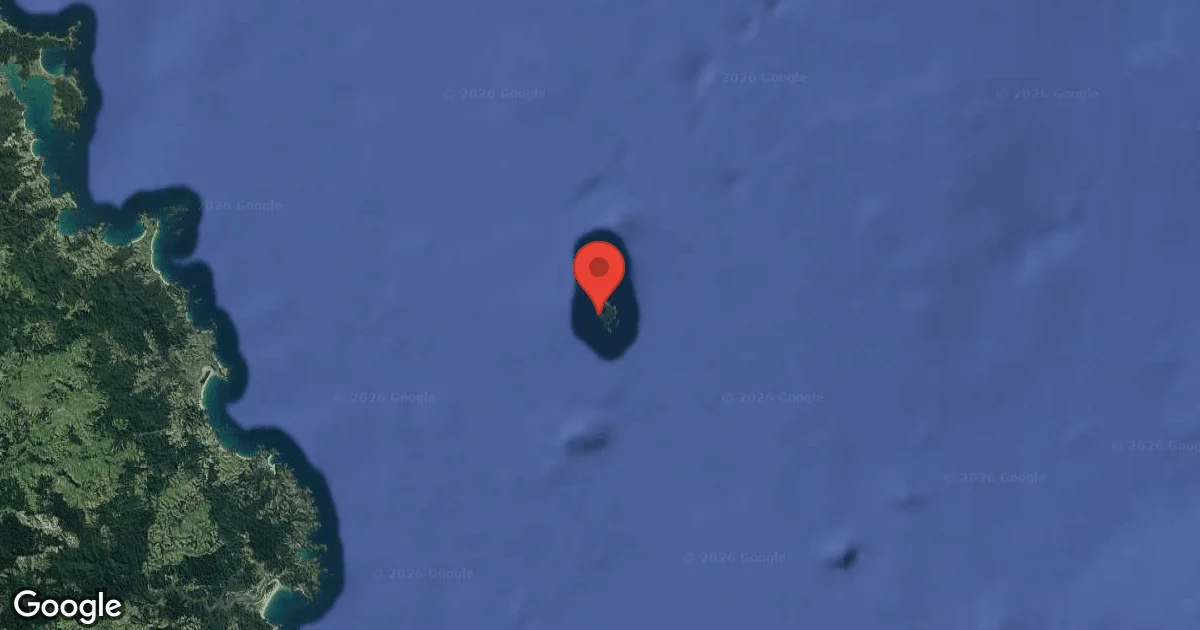
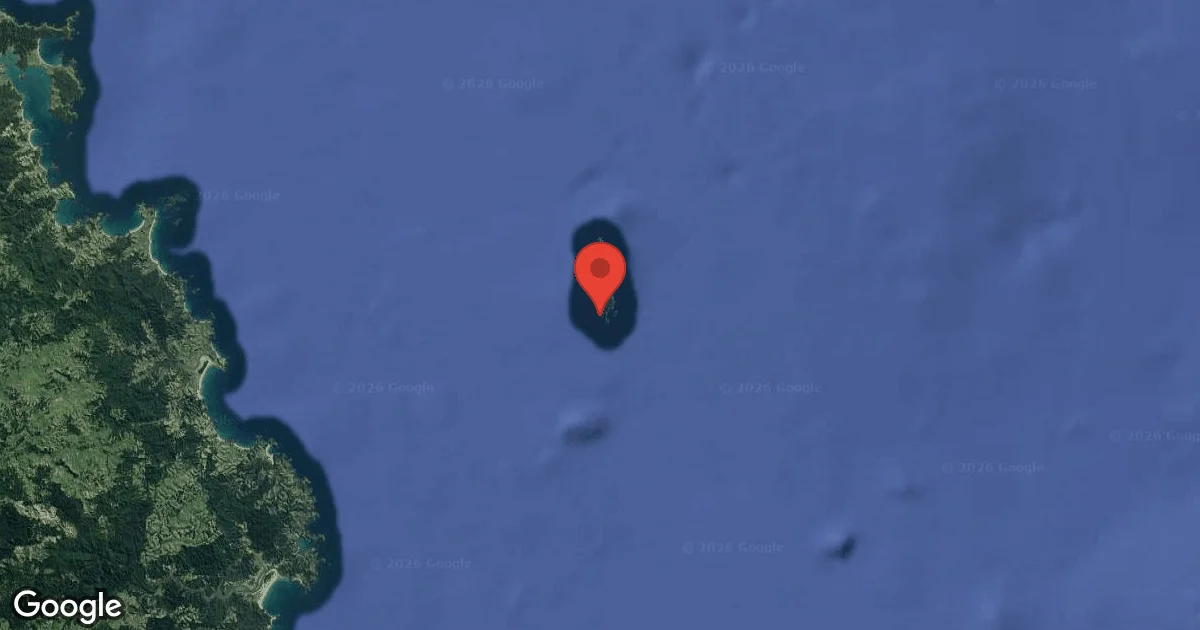
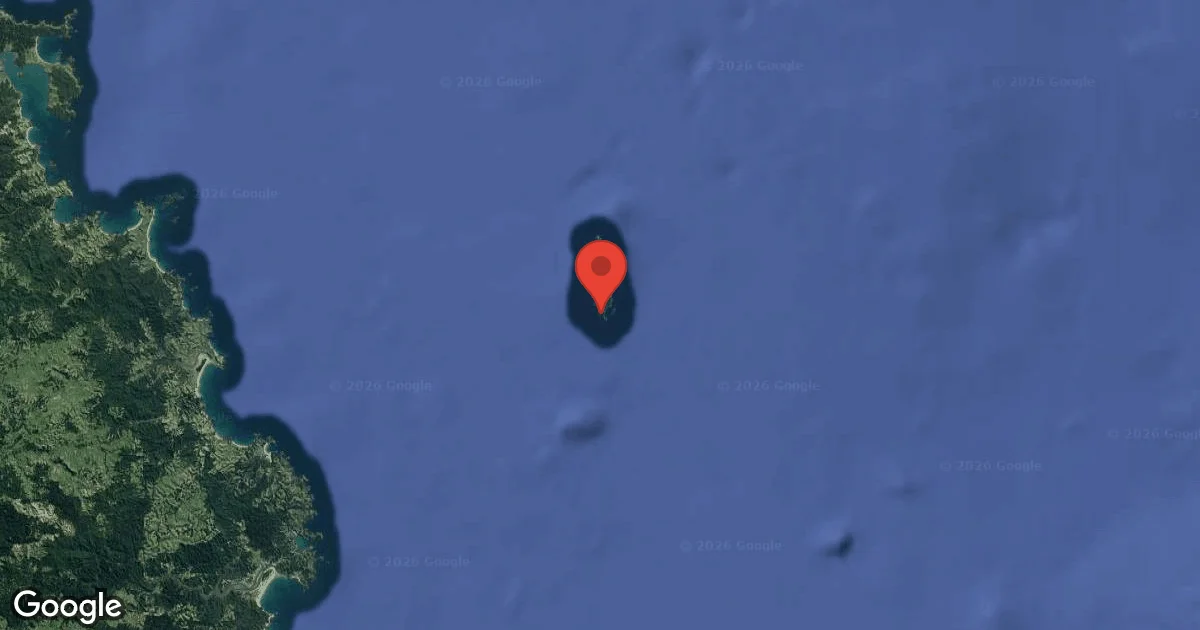
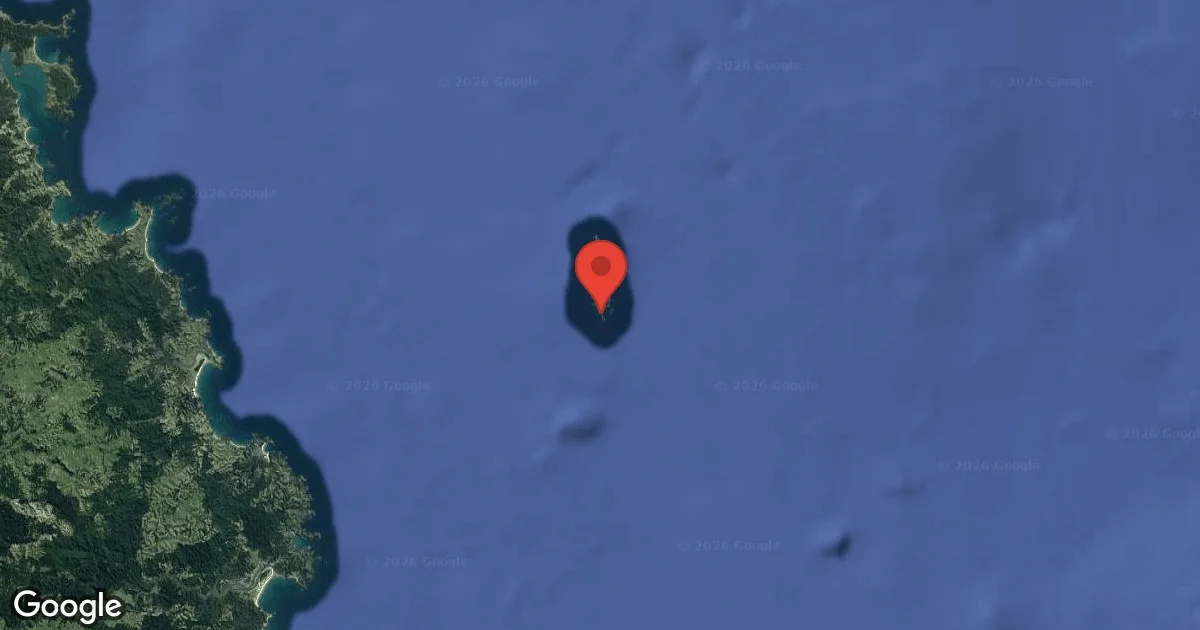
Dive Site Location & Key Facts
Dive Site Overview
Trevor's Rocks presents a compelling, multi-level dive experience, characterized by a series of distinct geological features that cater to varying skill levels. Divers encounter a recreational depth range from approximately 3 m (10 ft) in its shallower, sand-patched areas to around 19 m (62 ft) at its deepest points.
Within these shallower zones, ideal for beginners and snorkelers, divers can explore the El Torito arch, a beautiful natural formation teeming with smaller reef fish like demoiselles and blue mao mao. This arch feels like a natural gateway into the reef's inner workings, often providing shelter for numerous small creatures. Extending beyond, a sequence of three prominent pinnacles adds complexity; Pinnacle 1 reaches approximately 10 meters, Pinnacle 2 descends to roughly 12-14 meters, and Pinnacle 3 bottoms out around 15-19 meters.
Each pinnacle offers unique structural characteristics, from rugged rock faces to current-swept ledges, and congregations of marine life. Exploring these deeper structures often reveals different species than those found in the shallows.
Access is exclusively by boat, typically entering into a calm, saltwater environment, allowing focused exploration of its caves, pinnacles, reefs, sandy bottoms, and wall sections. Such diverse topography ensures both novices seeking gentle reef exploration and more experienced divers looking for deeper structures find engaging features across the entire site.
Conditions are Moderate
High Wind Advisory (48km/h). Unsafe surface.
Current conditions near Trevor's Rocks show 16° air, 16° sea temperature, 1.4 m waves, and 48 km/h wind. Forecast data is refreshed regularly to ensure accuracy.
Best Time to Dive
Optimal diving conditions at Trevor's Rocks typically align with the warmer months, offering a more comfortable experience. February stands out as a particularly good month, with air temperatures averaging around 20.5°C (69°F) and minimal rainfall at approximately 0.9 mm. November also presents good diving potential, though air temperatures are slightly cooler at 17°C (63°F) and rainfall is around 2.25 mm. Generally, the period from January to March sees favorable air temperatures between 19.5-20.5°C (67-69°F) and moderate rainfall, making these months viable. Throughout these periods, wave heights and wind speeds are comparatively lower than in other seasons, contributing to better overall dive scores. Water temperatures are not consistently reported for Trevor's Rocks, but typically follow seasonal air temperature trends common to temperate New Zealand waters, varying depending on conditions.
PEAK SEASON SCORE
Scores combine air & water temps, waves, wind & rainfall for overall conditions.
BEST MONTHS TO DIVE
Monthly records compiled from satellite and marine observation nodes over the last 3 years. Data provided by Open-Meteo and MET Norway.
Dive Experience & Conditions
Venturing into Trevor's Rocks, divers encounter a dynamic underwater landscape that shifts from calm, shallow expanses to more rugged, deeper structures. Visibility is commonly reported at approximately 15 m (50 ft), though it can fluctuate based on swell and recent weather, impacting the sense of openness around the pinnacles. The site is characterized by saltwater, accessed solely via boat. Beginners can comfortably explore the lovely sand-patchy areas and the El Torito arch, which sits in shallower sections, generally extending to about 12 meters. More experienced divers will appreciate the series of three distinct pinnacles, descending towards the site's maximum recreational depth of around 19 meters. Currents are generally manageable, but surge can be present around the pinnacles, particularly on days with higher wave activity, requiring careful fin control. This multi-level profile ensures varied experiences, from gentle explorations of the reef edges to deeper dives around the pinnacle bases, each presenting different challenges and rewards.
Dive Difficulty & Safety Guidelines
Navigating Trevor's Rocks requires an understanding of its unique environment, particularly the presence of overhead features. The site includes archways and potential cave-like sections, which qualify as an overhead environment. Divers planning to enter these areas must possess appropriate training and experience for overhead diving to ensure safety.
Always maintain proper buoyancy control and be aware of your surroundings, especially when exploring closer to the rock formations. Entry to the site is boat-based, so coordinating with a reputable local dive operator is essential for safe and efficient access.
Additionally, monitoring local weather and sea conditions is crucial before any dive, as wave height and wind speed can impact overall safety and comfort.
Recommended Equipment
Overhead environment. Do not enter beyond training and gas planning limits.
- Dive Computer
- Primary & Backup Lights
- Reel / Spool
- Cutting Tool
This gear list is based on verified equipment signals for Trevor's Rocks, New Zealand. Always confirm final gear choices with your dive operator, guide, or liveaboard.
Recommended Dive Suit
For relaxed exploration dives, 5-7mm wetsuit generally provides adequate warmth. Strong winds are present; please take strong precautions against rapid cooling during surface intervals. A thermal robe or jacket is recommended between dives. Those diving at Trevor's Rocks today will likely encounter water temperatures in the region of 16°C (61°F). Surface air temperatures are resting at 16°C (61°F).
Forecast trends indicate similar diving conditions over the next few days.
A diver's personal tolerance to cold water can play a large role in suit selection.
Emergency & Medical Support
Essential information to help you plan your dive trip to Trevor's Rocks.

Hyperbaric chambers are a critical part of dive safety infrastructure. Availability varies significantly by region, and not all dive areas have immediate access.
Before diving, it's recommended to:
- confirm nearest medical facilities
- check emergency procedures with local dive operators
- ensure dive insurance covers evacuation if required
Divers Alert Network
Diving emergency assistance available through DAN World.
+1-919-684-9111- 24/7 emergency hotline
- Diving medical assistance
- Evacuation coordination
Emergency contacts are provided for reference. Always verify local emergency services before diving.
Marine Life at Trevor's Rocks
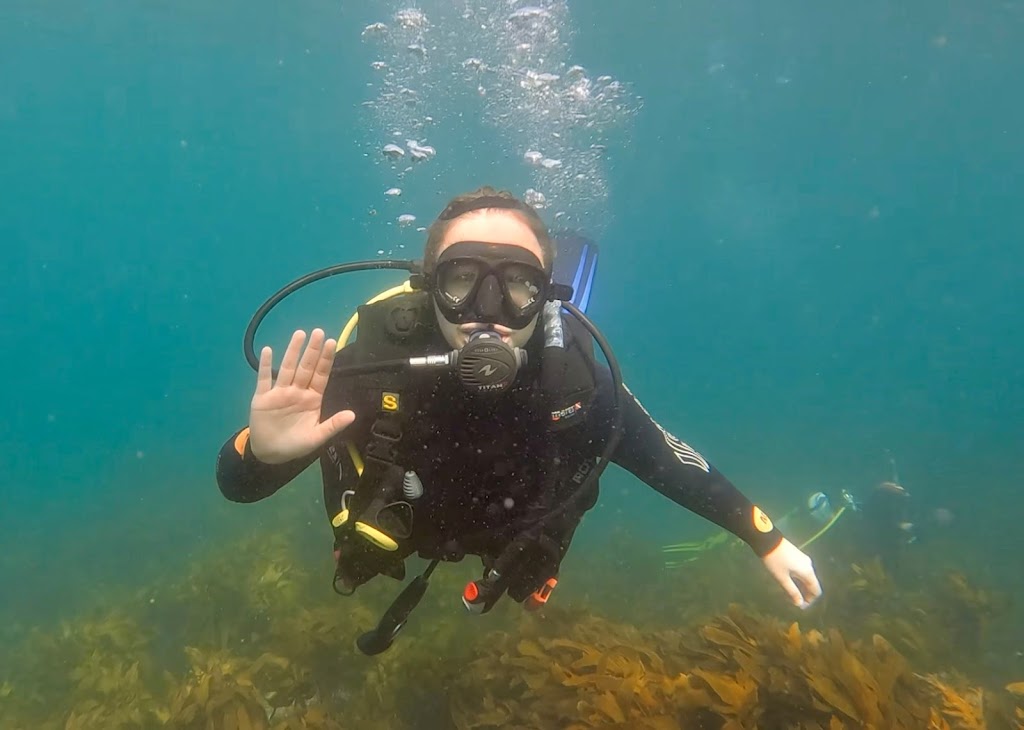
The underwater topography at Trevor's Rocks supports a diverse array of marine life, thriving within its kelp forests, around the El Torito arch, and along the pinnacle structures. Within the shallow archway, schools of demoiselles and blue mao mao are a common sight, navigating the intricate rock formations.
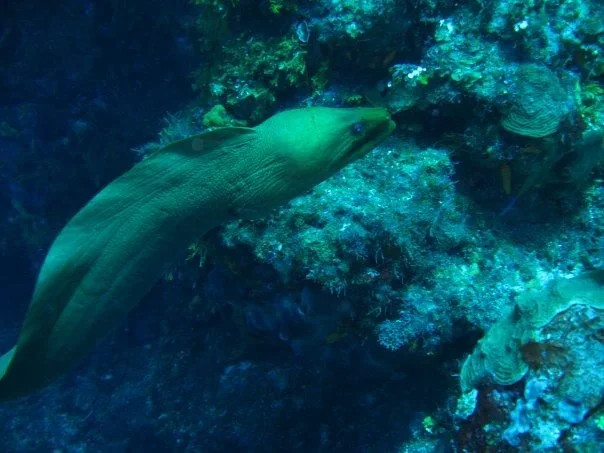
Exploring the deeper sections and pinnacles, divers might encounter Marshall the grey moray, a recognized resident of the site. Schooling Koheru are frequently observed, particularly around the pinnacle peaks.
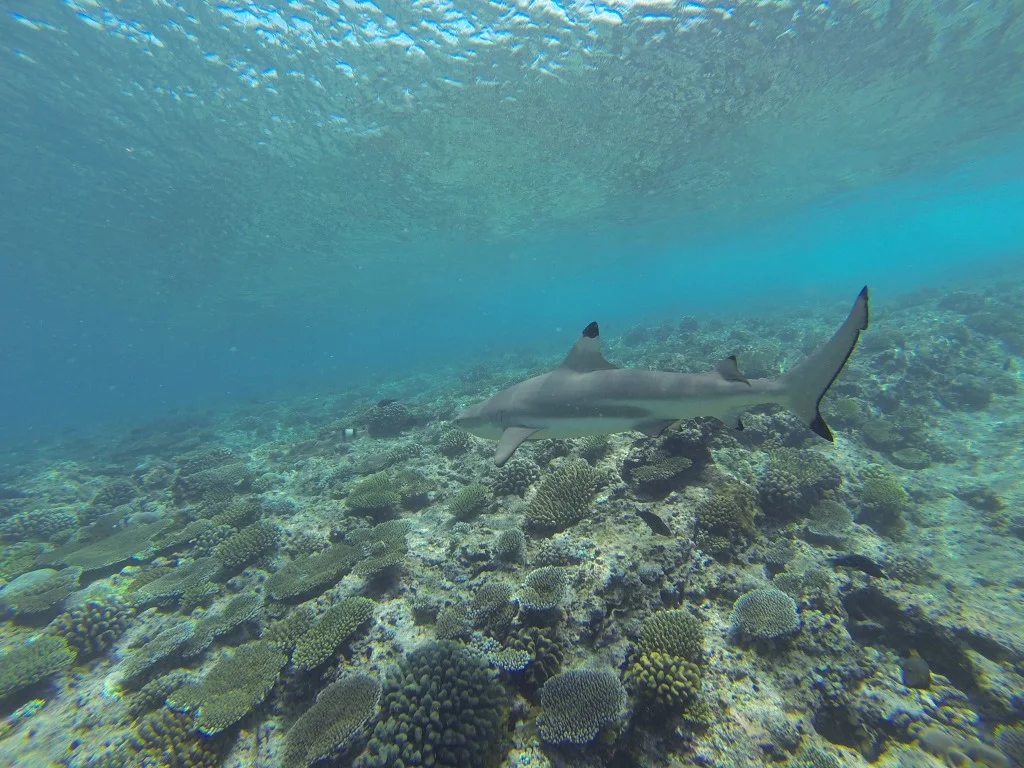
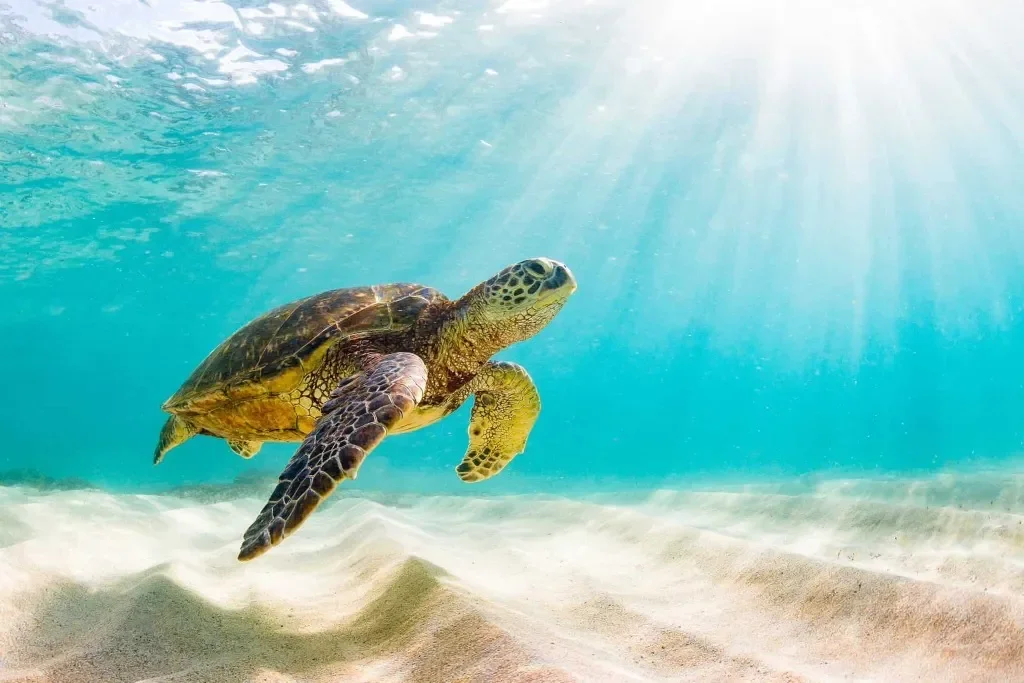
A recurring resident green turtle is often seen gliding through the abundant kelp forests, adding to the site's allure. Beyond these consistent sightings, there are also opportunities to spot various rays and eels, alongside the possibility of larger pelagics such as sharks, whales, and dolphins in the wider area, though site-specific encounters are less frequent for the latter.

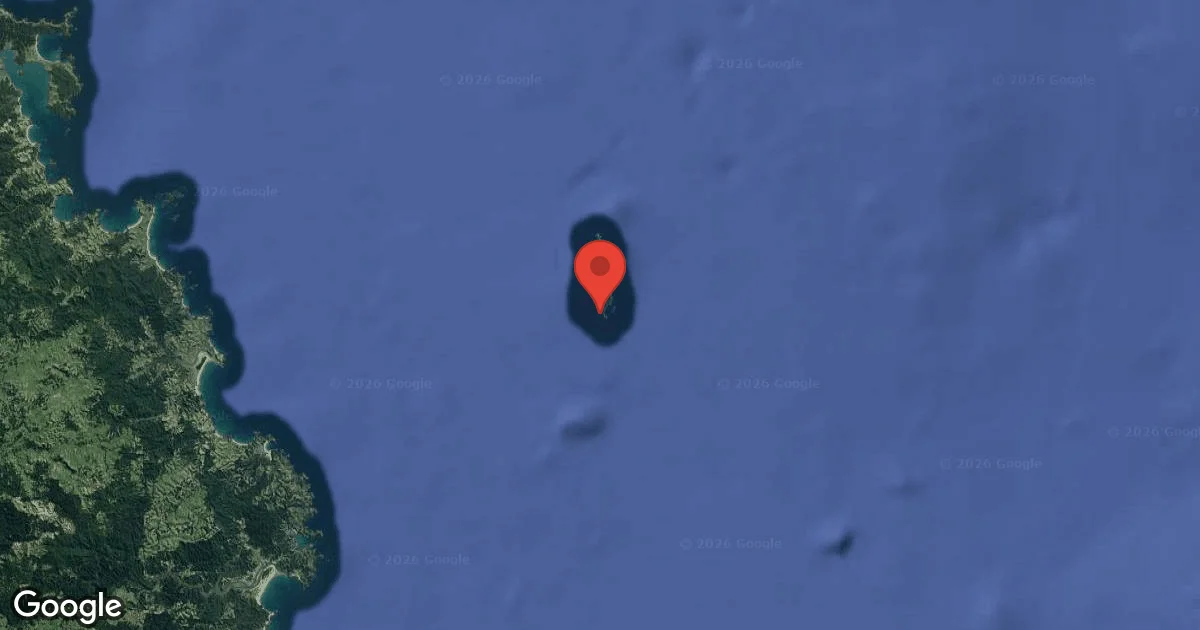
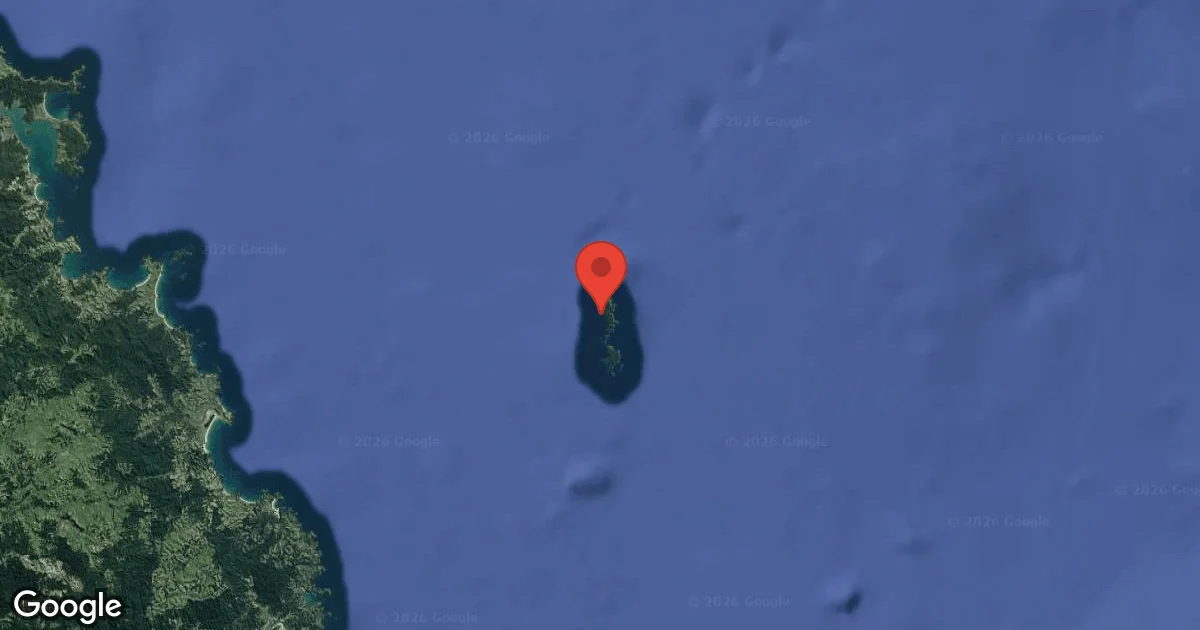
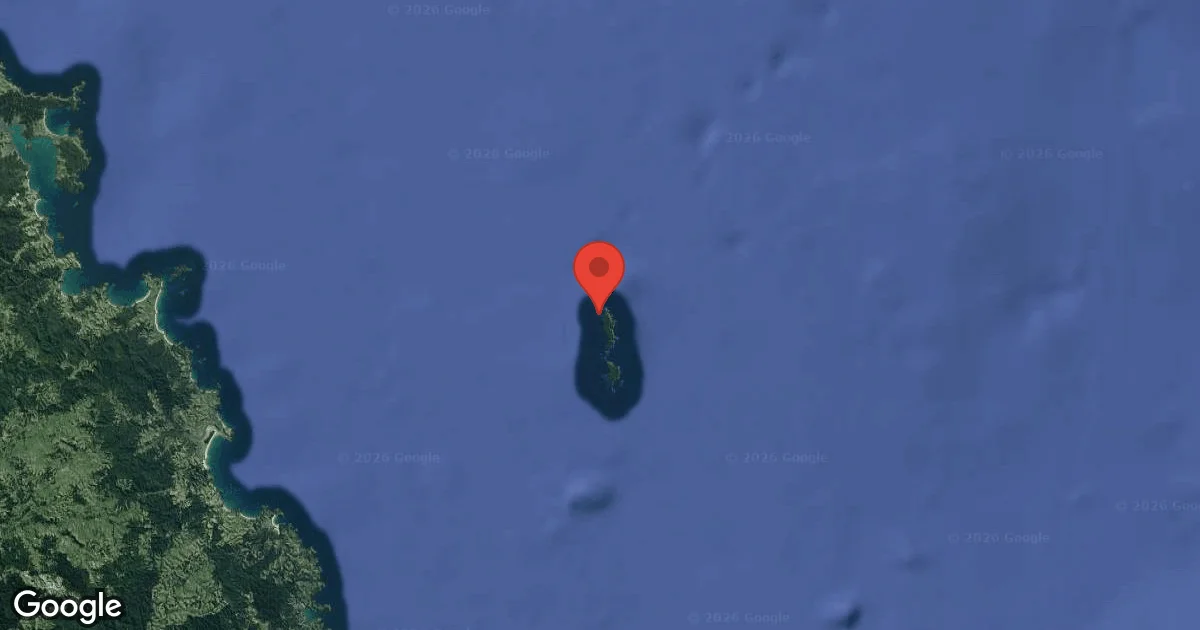
Dive Sites Near Trevor's Rocks
View all dive sites in New ZealandDiscover more underwater gems in this area.
Dive Centers Near Trevor's Rocks
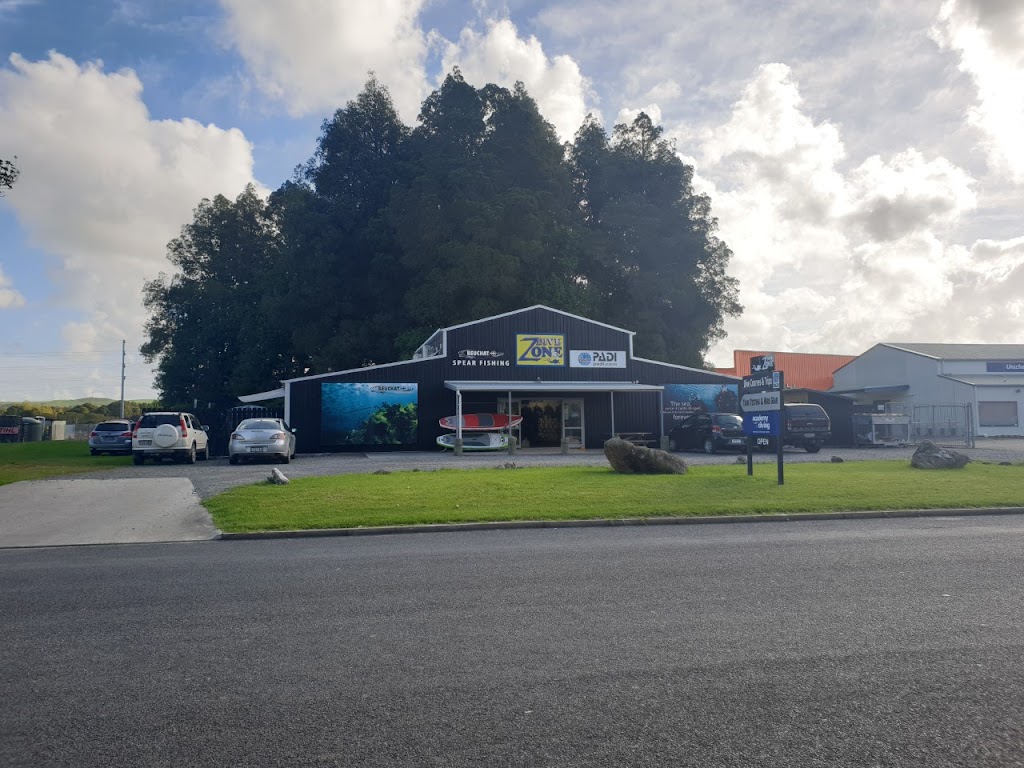
Today: 08:00 - 17:00
Nearest Airports
Nearest airports to help plan travel to this dive area.
Search Flights
Check available flights and routes on Expedia, using the nearby airports listed in this section.
Search Flights on ExpediaFrequently Asked Questions
What are the primary dive types available at Trevor's Rocks?
Trevor's Rocks offers a variety of dive types, including cave, pinnacle, reef, sandy bottom, and wall diving. This diverse topography caters to different skill levels and interests within a single site.
What is the typical depth range for diving at Trevor's Rocks?
The site provides a multi-level experience, with depths extending from very shallow, sandy areas and around the El Torito arch, down to a maximum recreational depth of approximately 19 meters near the deepest pinnacle.
Is Trevor's Rocks suitable for beginner divers?
Yes, Trevor's Rocks has shallow, sand-patched areas and the El Torito arch, which are well-suited for beginners and snorkelers. These sections provide a gentle introduction to the site's vibrant marine environment.
What marine life is commonly seen at Trevor's Rocks?
Divers often encounter demoiselles and blue mao mao around the arch, and may spot Marshall the grey moray and schooling Koheru around the pinnacles. A resident green turtle is also a frequent sight within the kelp forests.
Are there any specific hazards to be aware of at Trevor's Rocks?
The main hazard is the presence of overhead environments, specifically archways. Divers should possess appropriate training and experience for overhead diving if they plan to enter these sections.
How is access to Trevor's Rocks managed?
Access to Trevor's Rocks is exclusively by boat. It's recommended to arrange dives through local, certified dive operators who are familiar with the site and its conditions.
Planning to dive Trevor's Rocks?
Send one inquiry and receive offers directly from the best verified local dive operators.
Conditions are Moderate
High Wind Advisory (48km/h). Unsafe surface.
Current conditions near Trevor's Rocks show 16° air, 16° sea temperature, 1.4 m waves, and 48 km/h wind. Forecast data is refreshed regularly to ensure accuracy.