
Diving at RikoRiko Cave (New Zealand)
Stepping into RikoRiko Cave feels like entering a vast, submerged cathedral within New Zealand’s Poor Knights Islands Marine Reserve. This immense sea cave immediately impresses with its sheer scale, widely considered the world's largest by volume. Sunlight streams through the massive entrance, creating shifting patterns on the walls and illuminating its cavernous interior. An immersive experience awaits, combining geological majesty with a unique cavern dive atmosphere.
Tonight's objective overview for RikoRiko Cave shows an air temperature of 15.5°C. The measured surface conditions include wave heights around 1.4 m. This environmental data is logged for the close of the day.
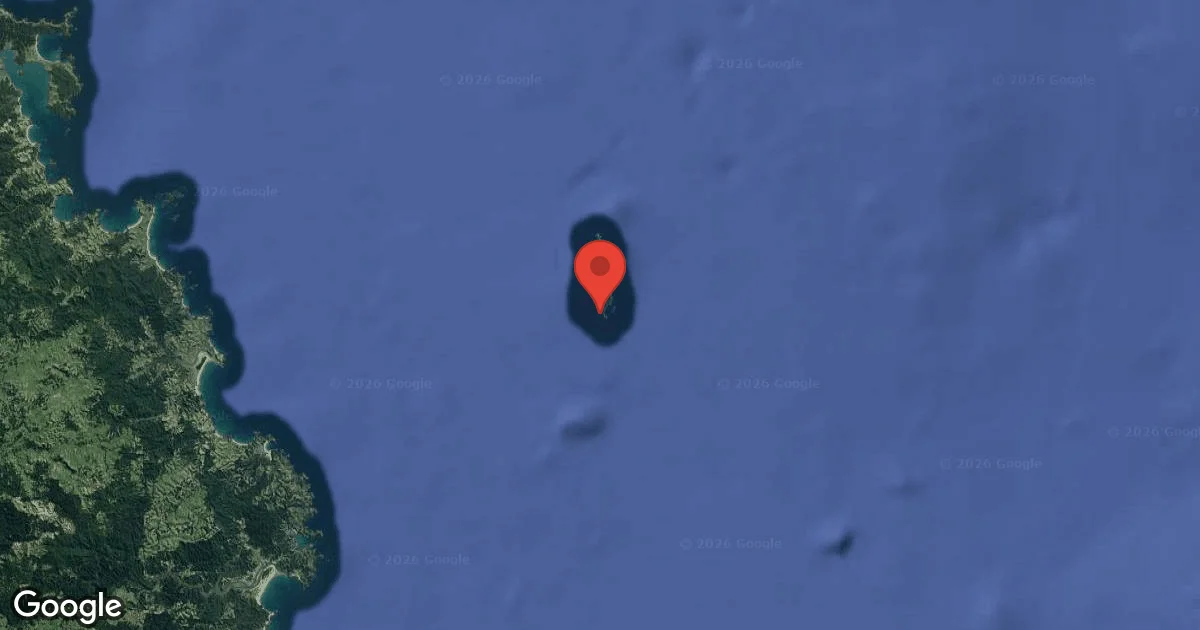
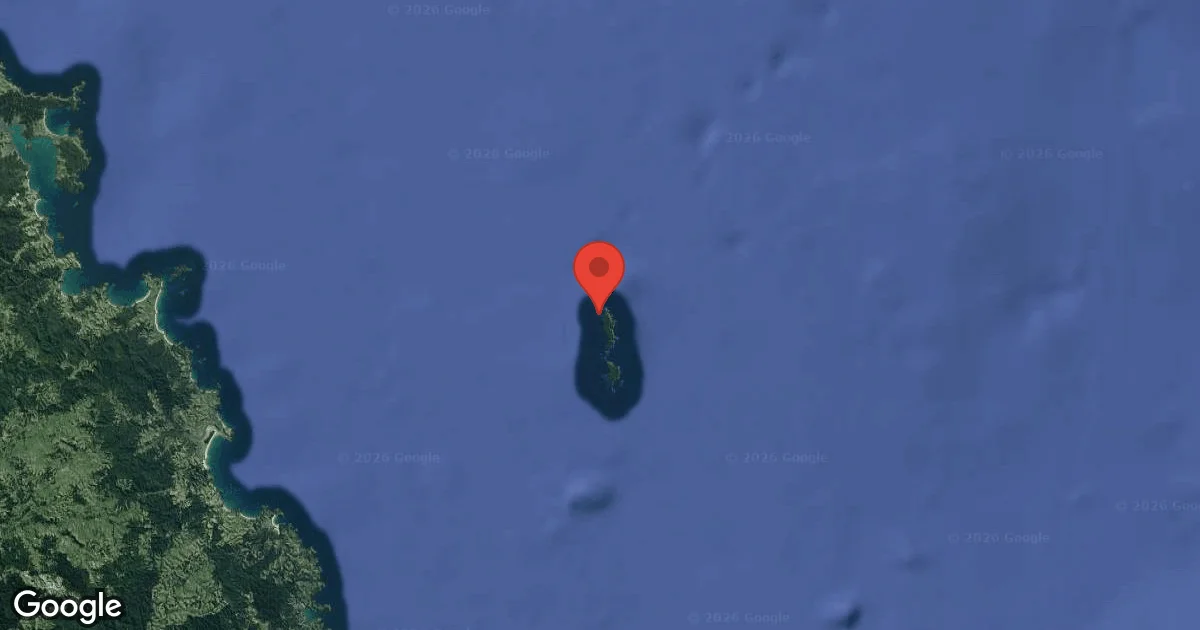
Dive Site Location & Key Facts
Dive Site Overview
Around 15 million years ago, a significant volcanic eruption sculpted the landscape of the Poor Knights Islands, ultimately forming RikoRiko Cave from a colossal gas bubble. Its geological history underpins a unique structure, distinguishing it as the world’s largest sea cave by volume.
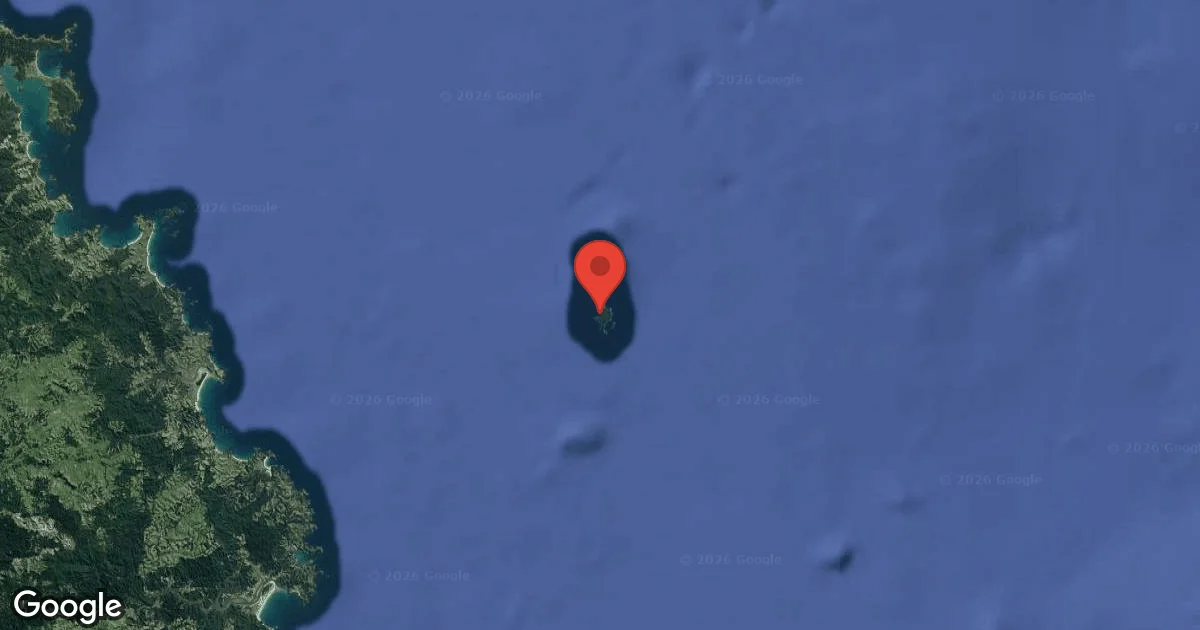
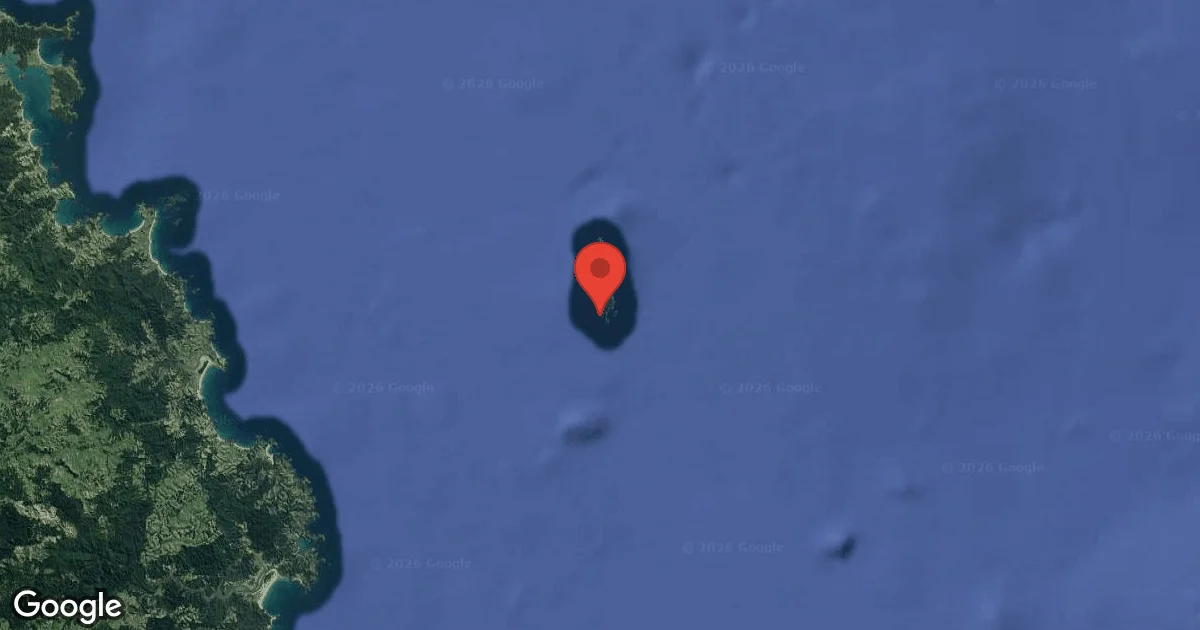
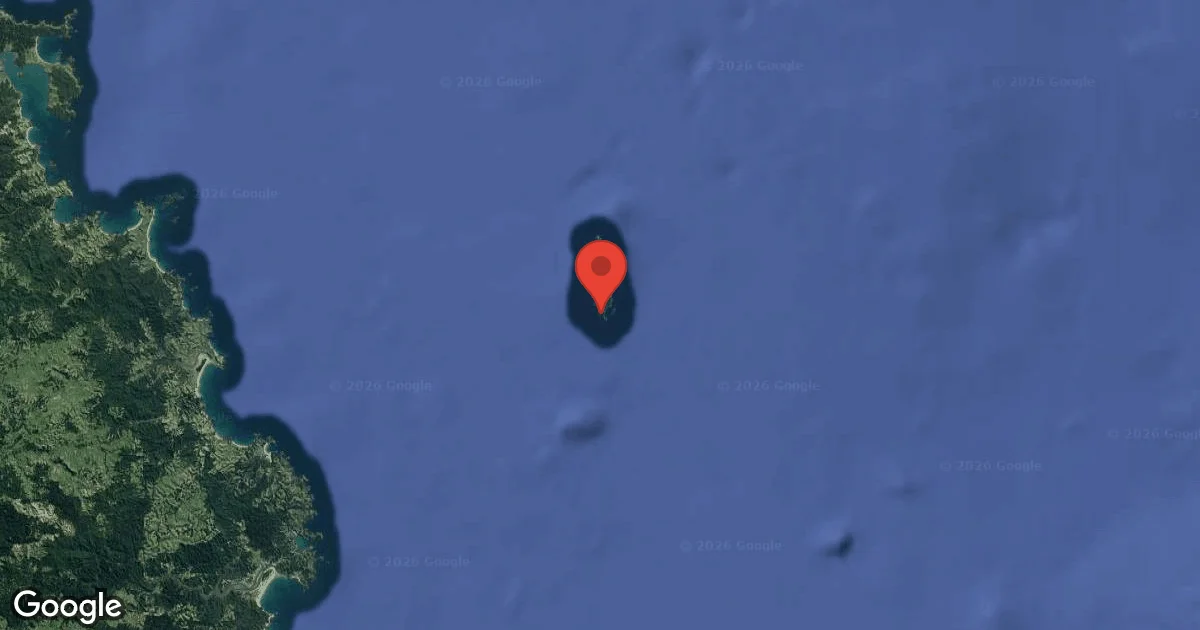
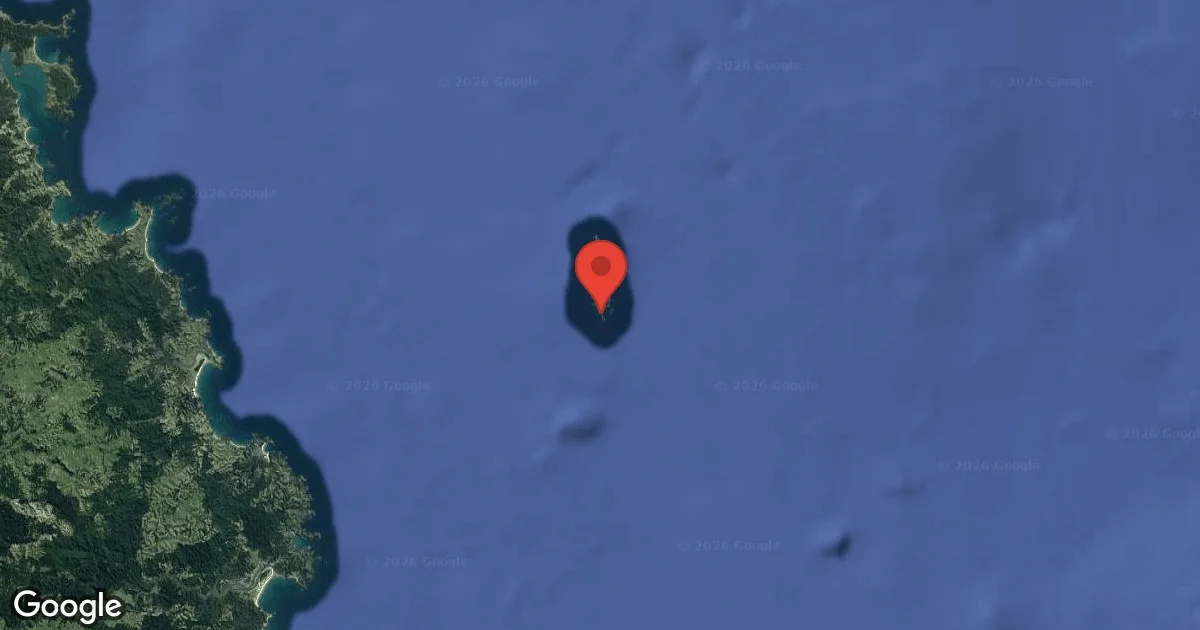
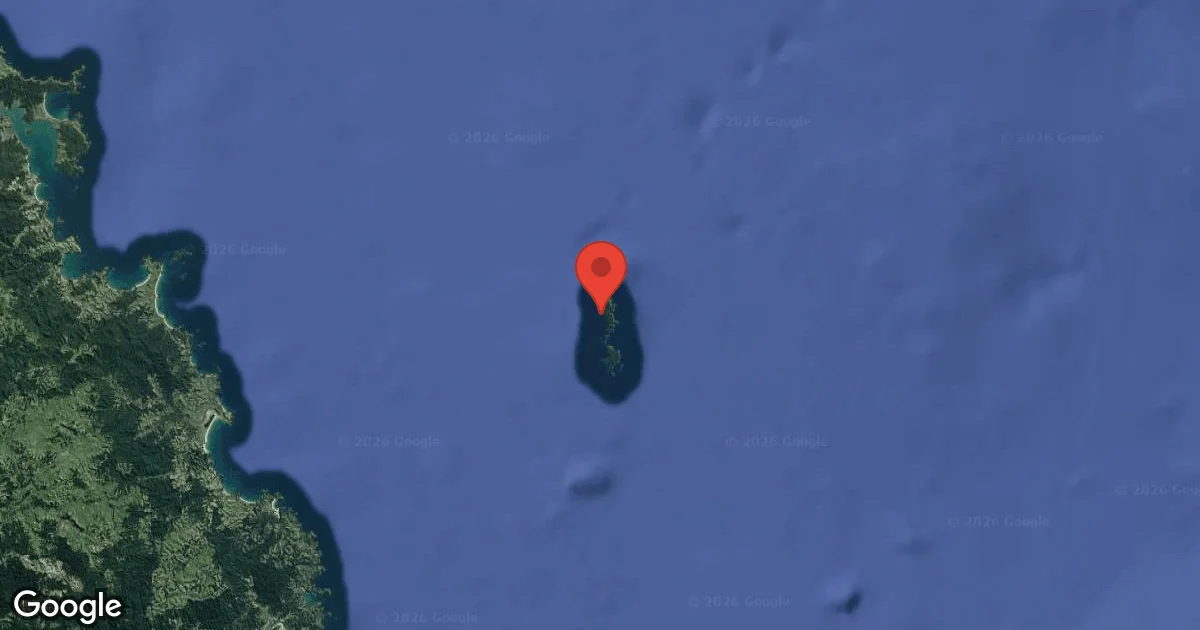
Situated on Aorangi Island within the Poor Knights Islands Marine Reserve, divers are drawn here for a memorable cavern experience. RikoRiko's entrance is large enough for charter vessels to enter, allowing for easy access and a captivating interplay of natural light. Diving here offers exploration of a vast space where visibility typically ranges from 5 to 20 m (16 to 65 ft), depending on oceanic conditions outside the cave.
An average dive depth of 15 m (50 ft) keeps exploration within recreational limits; sections can reach a maximum depth of 20 m (65 ft). Day and night dives each offer distinct perspectives.
Night dives are particularly favored by macro photographers seeking nocturnal inhabitants. Rikoriko's Māori name, meaning 'waning light' or 'twilight,' describes shimmering patterns created by sunlight reflecting off the water onto the cave's walls and ceiling.
These natural light displays are most pronounced when the sun is lower in the sky, during morning or afternoon hours, especially in winter months.
Conditions are Moderate
High Wind Advisory (47km/h). Unsafe surface.
Current conditions near RikoRiko Cave show 15° air, 16° sea temperature, 1.4 m waves, and 47 km/h wind. Forecast data is refreshed regularly to ensure accuracy.
Best Time to Dive
Optimizing a dive trip to RikoRiko Cave means targeting the warmer, calmer months between December and April. During this period, water temperatures typically range from 16-22°C (61-72°F), offering a more comfortable diving experience. Surface conditions are generally more favorable, with air temperatures averaging from 19°C (66°F) in December to 20°C (68°F) in February. Wind speeds tend to be lower, often around 27-31 km/h (17-19 mph), contributing to smoother boat travel and easier entries. While some rain is always possible, monthly averages are comparatively low, frequently staying below 4 mm (0.16 inches). Additionally, these months offer a prime chance to witness the full 'rikoriko' effect, as lower sun angles enhance the shimmering light displays within the cavern. April can see an increase in wave heights and wind, potentially leading to 'poor' dive scores; early season is generally preferred.
PEAK SEASON SCORE
Scores combine air & water temps, waves, wind & rainfall for overall conditions.
BEST MONTHS TO DIVE
Monthly records compiled from satellite and marine observation nodes over the last 3 years. Data provided by Open-Meteo and MET Norway.
Dive Experience & Conditions
Diving RikoRiko Cave reveals a gentle depth profile suitable for various certification levels, often classified as an intermediate dive. Much exploration happens within recreational limits, with an average depth around 15 m (50 ft). Maximum depth extends to 20 m (65 ft) near the entrance. Entering the cavern, divers encounter ample natural light penetrating deep into the structure, creating characteristic 'waning light' patterns. As exploration continues inside, light diminishes, revealing unique cave wall topography. Divers can explore the vast interior and also the reef system just outside the massive entrance. Water temperatures fluctuate seasonally, typically ranging from 16-22°C (61-72°F). Visibility, while generally good at 5-20 m (16-65 ft), can vary with external ocean conditions. Cave scale is a primary draw, making buoyancy control important to fully appreciate features without disturbing the environment.
Dive Difficulty & Safety Guidelines
For a safe and rewarding dive in RikoRiko Cave, divers should prioritize strong buoyancy control and situational awareness. While suitable for various experience levels, it's prudent to monitor depth carefully, especially near the front of the cave where conditions can shift. This cavern exploration maintains a consistent connection to natural light and the exit, differing from technical penetration dives.
Always stay with your dive guide or buddy, and ensure equipment is in good working order. No specific inherent hazards are consistently reported for RikoRiko Cave beyond standard dive considerations like currents outside the cave entrance, which can affect entry and exit.
Maintaining respect for the marine environment and avoiding contact with cave walls or marine life will ensure the preservation of this unique site.
Recommended Equipment
Overhead environment. Do not enter beyond training and gas planning limits.
- Dive Computer
- DSMB
- Primary & Backup Lights
- Reel / Spool
- Cutting Tool
This gear list is based on verified equipment signals for RikoRiko Cave, New Zealand. Always confirm final gear choices with your dive operator, guide, or liveaboard.
Recommended Dive Suit
With water temperatures around 16°C (61°F), many divers find a 5-7mm wetsuit provides comfortable protection.
Divers performing multiple dives may appreciate slightly warmer protection later in the day.
Forecast models indicate that diving conditions should remain largely unchanged.
Emergency & Medical Support
Essential information to help you plan your dive trip to RikoRiko Cave.

Hyperbaric chambers are a critical part of dive safety infrastructure. Availability varies significantly by region, and not all dive areas have immediate access.
Before diving, it's recommended to:
- confirm nearest medical facilities
- check emergency procedures with local dive operators
- ensure dive insurance covers evacuation if required
Divers Alert Network
Diving emergency assistance available through DAN World.
+1-919-684-9111- 24/7 emergency hotline
- Diving medical assistance
- Evacuation coordination
Emergency contacts are provided for reference. Always verify local emergency services before diving.
Marine Life at RikoRiko Cave
Entering RikoRiko Cave, attention might first be drawn to vibrant life clinging to cave walls and the reef outside. Sponges and hydroid life line interior surfaces, providing habitat for smaller creatures.
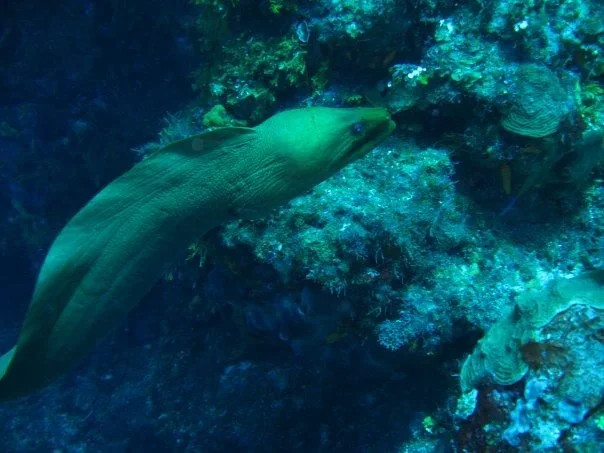
Kelp, flourishing near the well-lit entrance, provides shelter and food for species like Blue Maomao and Crested Blennies. Moray eels are occasionally spotted tucked into crevices.
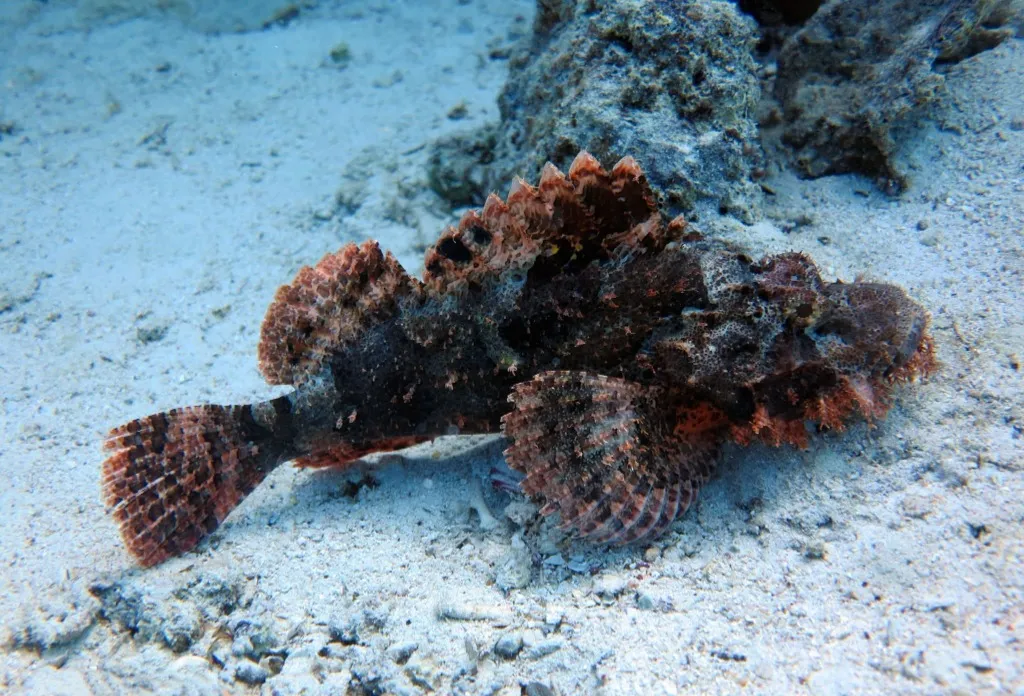
Divers might encounter scorpionfish camouflaged against rocky textures. Near the entrance, a significant point of interest lies on the seafloor: bones of a 15-meter (50 ft) sperm whale that washed into the cave in 2009. This unique display of large bone fragments adds a distinctive element to the dive, creating a rare photo opportunity.
Dive Sites Near RikoRiko Cave
View all dive sites in New ZealandDiscover more underwater gems in this area.
Dive Centers Near RikoRiko Cave

Today: 08:00 - 17:00
Nearest Airports
Nearest airports to help plan travel to this dive area.
Search Flights
Check available flights and routes on Expedia, using the nearby airports listed in this section.
Search Flights on ExpediaFrequently Asked Questions
Is RikoRiko Cave suitable for beginner divers?
Yes, RikoRiko Cave is generally suitable for any certified diver. While classified as intermediate, much exploration stays at recreational depths, with a consistent connection to natural light. Beginners should prioritize good buoyancy control.
What is the maximum depth inside RikoRiko Cave?
Maximum dive depth within RikoRiko Cave is around 20 m (65 ft). Average exploration depth is closer to 15 m (50 ft), keeping it within standard recreational limits.
What kind of visibility can I expect?
Visibility in RikoRiko Cave typically ranges from 5 to 20 m (16 to 65 ft). Conditions vary depending on external ocean factors and season, with calmer periods usually offering better clarity.
What are the water temperatures like?
Water temperatures at RikoRiko Cave generally range from 16-22°C (61-72°F). Warmest conditions are usually experienced between December and April, which is also considered prime dive season.
Why is it called Rikoriko Cave?
Rikoriko is a Māori term meaning 'waning light' or 'twilight.' This name refers to shimmering patterns created by sunlight reflecting off water onto cave walls and ceiling during a dive.
Can dive boats enter the cave?
Yes, RikoRiko Cave's entrance is notably large. Local dive charter vessels can enter and anchor inside, providing convenient access for divers and snorkelers.
Are there specific times when light effects are best?
Shimmering light effects, known as 'rikoriko,' are best viewed when sunlight is lower in the sky. This typically occurs during morning or afternoon, and can dance on back walls in winter.
Planning to dive RikoRiko Cave?
Send one inquiry and receive offers directly from the best verified local dive operators.
Conditions are Moderate
High Wind Advisory (47km/h). Unsafe surface.
Current conditions near RikoRiko Cave show 15° air, 16° sea temperature, 1.4 m waves, and 47 km/h wind. Forecast data is refreshed regularly to ensure accuracy.