
Diving at Mermaids Kitchen (New Zealand)
As a highly accessible shore dive within the Taputeranga Marine Reserve, Mermaids Kitchen caters to a range of experience levels. It functions as a house reef site, ideal for those certified PADI Open Water Diver and upwards. A gradual decline from the entry point allows comfortable access to its reef and sandy bottom features, creating a suitable environment for practicing buoyancy and navigation skills.
Evening condition tracking at Mermaids Kitchen features an air temperature of 13.5°C. We have recorded wave heights measuring 1.2 m during this period. These figures outline the environmental parameters currently present.
Dive Site Location & Key Facts
Dive Site Overview
A dynamic underwater landscape defines Mermaids Kitchen, a true highlight for divers venturing into New Zealand’s South Island waters. Integral to the Taputeranga Marine Reserve, it benefits from stringent protection, fostering a thriving and visibly healthy ecosystem.
Divers can navigate an intricate, maze-like reef structure that gives way to expansive sandy areas and offers intriguing swim-throughs. Passages can feel more open or confined, depending on the specific route chosen and prevailing water levels, adding a navigational challenge. As a shore-entry dive, it gradually declines, reaching a maximum depth of approximately 18 meters.
It's important to note that a significant array of fascinating features and marine interactions occurs at shallower depths, often in the single digits of meters, offering ample exploration without requiring deep profiles. A complete transformation occurs after sunset.
Night diving here offers a distinct experience, as many species, including robust crayfish, emerge from their daytime hiding spots to actively hunt across the seafloor. Observing these nocturnal movements or encountering creatures less visible during daylight hours adds a unique layer to the immersive exploration available at Mermaids Kitchen, making every visit distinct.
Conditions are Poor
High Wind Advisory (48km/h). Unsafe surface.
Current conditions near Mermaids Kitchen show 14° air, 14° sea temperature, 2.0 m waves, and 48 km/h wind. Forecast data is refreshed regularly to ensure accuracy.
Best Time to Dive
Planning a dive at Mermaids Kitchen involves considering seasonal conditions to optimize your experience. While visibility is generally reported as better during winter months, this coincides with average air temperatures dropping to around 10-12°C / 50-54°F in July and August. Summer, particularly January and February, brings warmer air temperatures averaging 16-17°C / 61-63°F, potentially offering more comfortable surface conditions despite sometimes reduced visibility. Water temperatures at the site range from 12-19°C / 54-66°F across the year, necessitating appropriate thermal protection. Rain averages vary, with some months like April showing higher rainfall at 4.09 mm, while November, January and February report lower figures, averaging around 1.6-2.0 mm, often making them more pleasant for surface activities.
PEAK SEASON SCORE
Scores combine air & water temps, waves, wind & rainfall for overall conditions.
BEST MONTHS TO DIVE
Monthly records compiled from satellite and marine observation nodes over the last 3 years. Data provided by Open-Meteo and MET Norway.
Dive Experience & Conditions
Mermaids Kitchen's underwater terrain offers a distinctive immersion from the shore entry. A transition occurs from a sandy bottom to rocky areas, guiding you through a series of natural swim-throughs and a winding reef system. Visibility here typically ranges from 5 to 12 meters, varying with the season and recent weather patterns, influencing the overall dive experience. Water temperatures hover between 12-19°C / 54-66°F, which means a quality wetsuit or drysuit is generally appropriate for comfort. You'll spend time exploring the nooks and crannies of the reef, where many smaller creatures reside. Its gradual slope and extensive reef provide ample opportunities for exploration without excessive depth, making it enjoyable for varied skill sets and allowing for longer bottom times.
Dive Difficulty & Safety Guidelines
Strict adherence to marine reserve regulations is paramount when diving Mermaids Kitchen. Within the Taputeranga Marine Reserve, the taking of any marine life is prohibited, upholding the ecosystem's integrity. As a shore dive, careful planning for entry and exit is essential, particularly when managing gear across varied terrain.
While specific hazards aren't consistently reported, always dive with a buddy and consult local dive shops for current conditions. Wellington's southerly winds can be strong; if they batter the south coast, retreating to more sheltered areas like Wellington Harbour is a recommended alternative.
Dive operations in the area provide guided tours, offering valuable local knowledge and support for those less familiar with the site or current conditions.
Recommended Equipment
- Dive Computer
- DSMB
- Hard-soled Dive Boots
This gear list is based on verified equipment signals for Mermaids Kitchen, New Zealand. Always confirm final gear choices with your dive operator, guide, or liveaboard.
Recommended Dive Suit
Short-term weather patterns suggest stable conditions for divers visiting the area.
Thermal protection such as 7mm wetsuit or semidry is commonly used in similar temperatures. A hood or vest is suggested for sensitive divers due to surface winds. A thermal robe or jacket is recommended between dives.
At Mermaids Kitchen, the water is currently sitting around 14°C (57°F). Surface air temperatures are resting at 14°C (56°F).
Due to technical issues with our weather providers, live updates are temporarily delayed. The data above reflects the conditions at the time of the last successful fetch.
Emergency & Medical Support
Essential information to help you plan your dive trip to Mermaids Kitchen.

Hyperbaric chambers are a critical part of dive safety infrastructure. Availability varies significantly by region, and not all dive areas have immediate access.
Before diving, it's recommended to:
- confirm nearest medical facilities
- check emergency procedures with local dive operators
- ensure dive insurance covers evacuation if required
Divers Alert Network
Diving emergency assistance available through DAN World.
+1-919-684-9111- 24/7 emergency hotline
- Diving medical assistance
- Evacuation coordination
Emergency contacts are provided for reference. Always verify local emergency services before diving.
Marine Life at Mermaids Kitchen
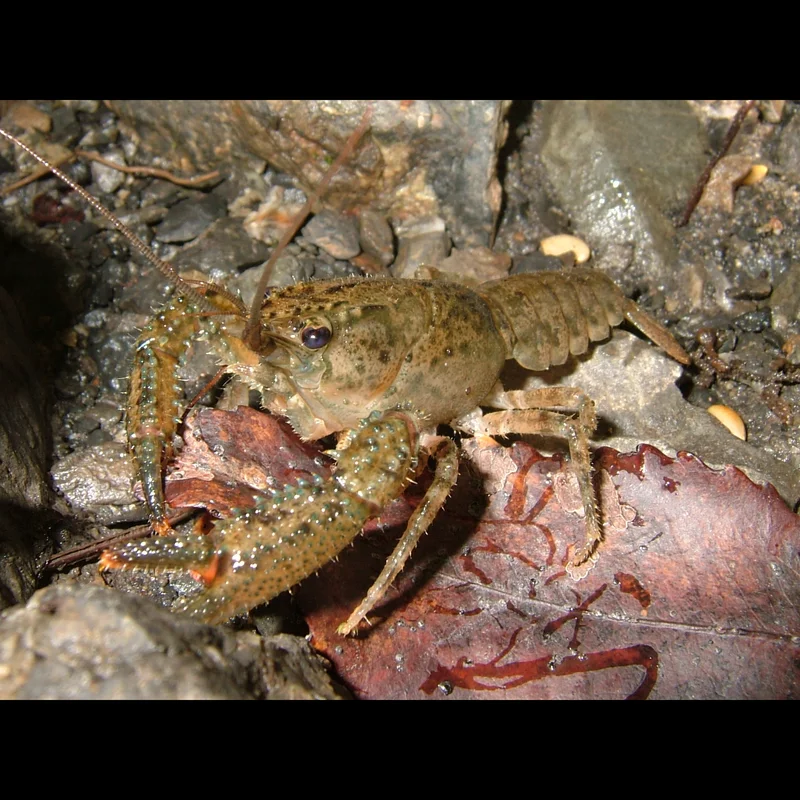
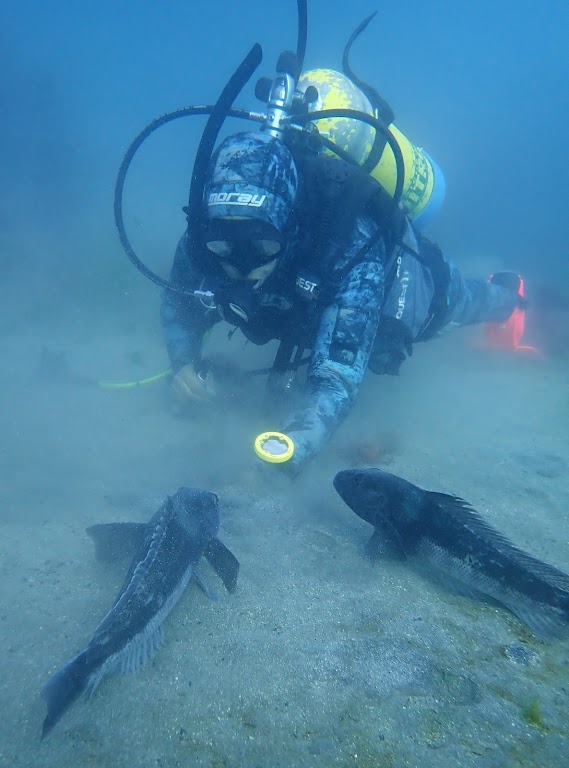
Marine life abounds at Mermaids Kitchen; divers often first notice the resident Blue Cod, Blue Moki, and Spotties, known for their curiosity and tendency to approach. Reefs teem with nesting crayfish, ranging from large adults to small juveniles, often found sheltering under ledges.
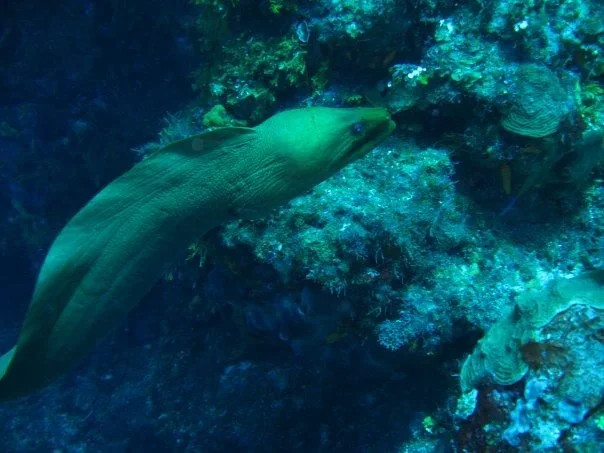
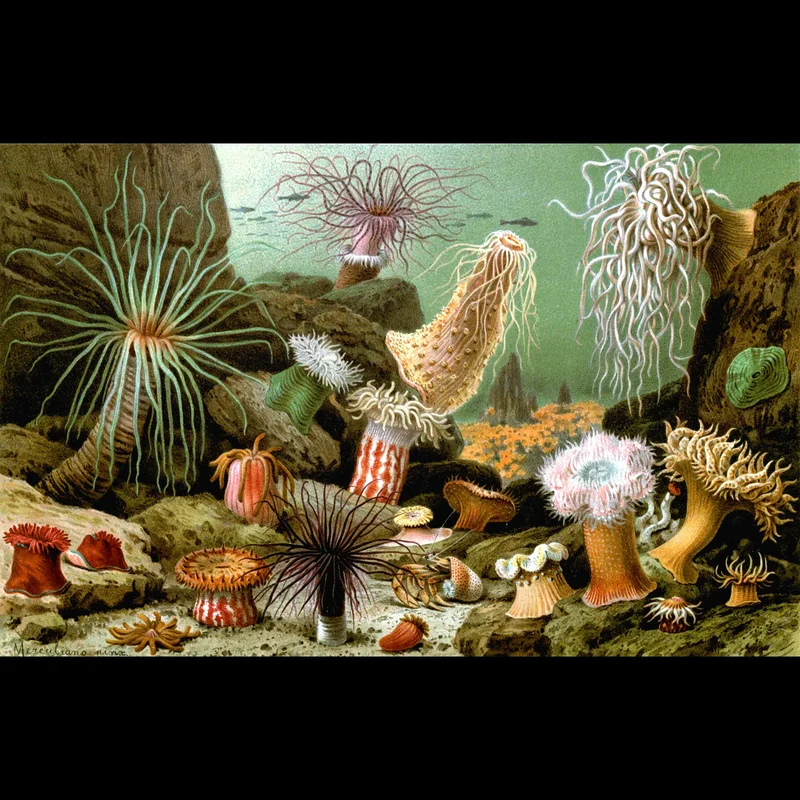
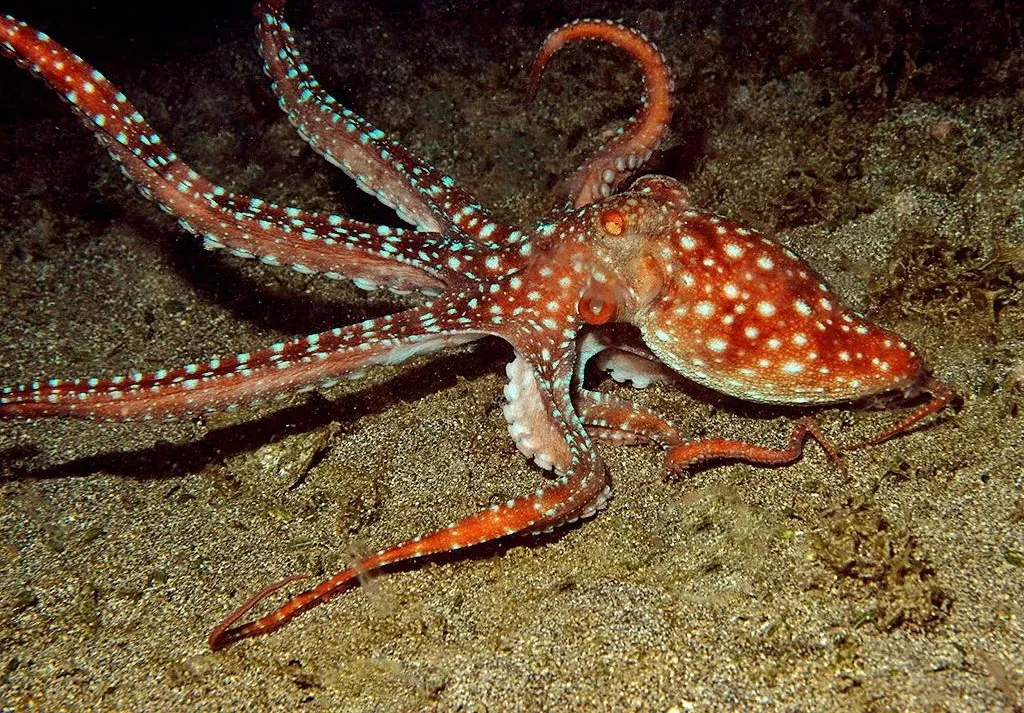
Exploring the rocky channels and reef crevices, you can encounter curious octopuses, vibrant sea anemones, and occasional Moray eels. Squid eggs have also been observed, affixed to structures, offering a glimpse into the breeding cycle.
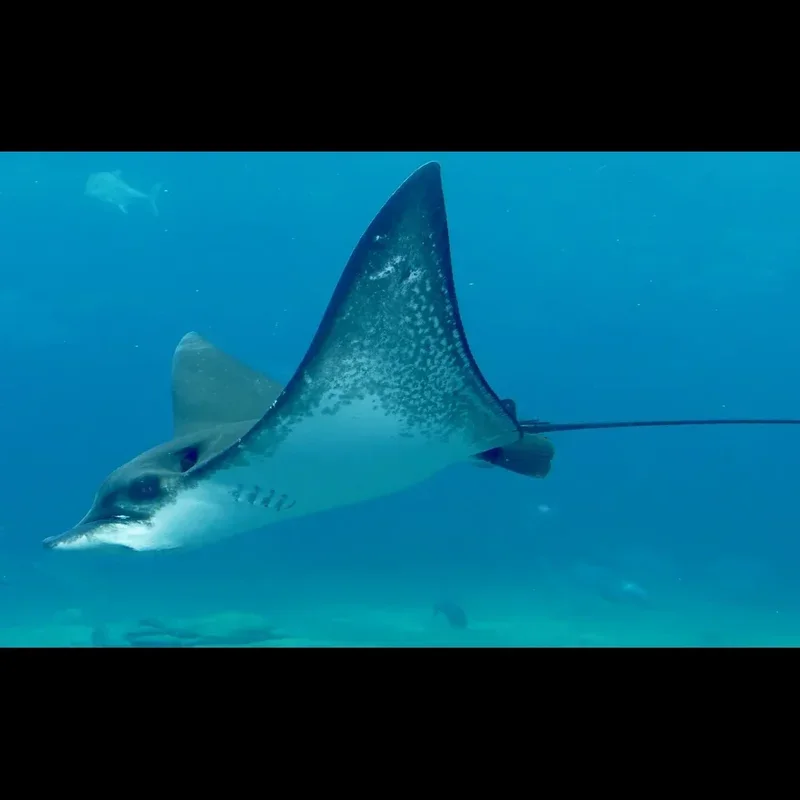
Eagle rays might make an appearance gliding across the sandy patches, adding to the site's rich biodiversity.
Dive Sites Near Mermaids Kitchen
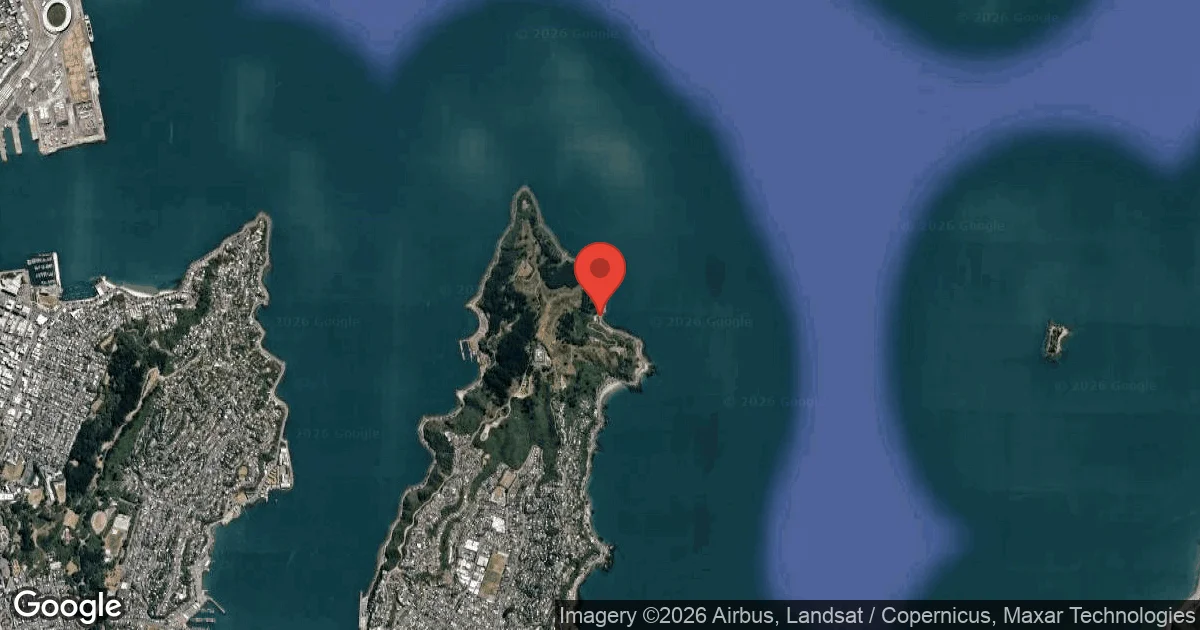
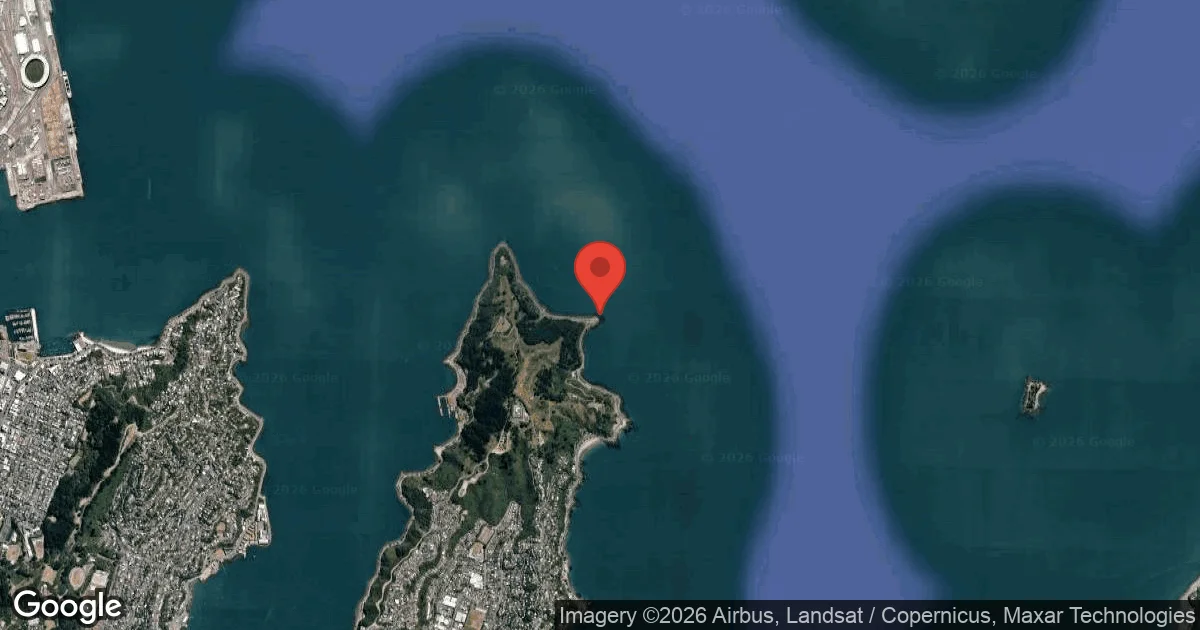
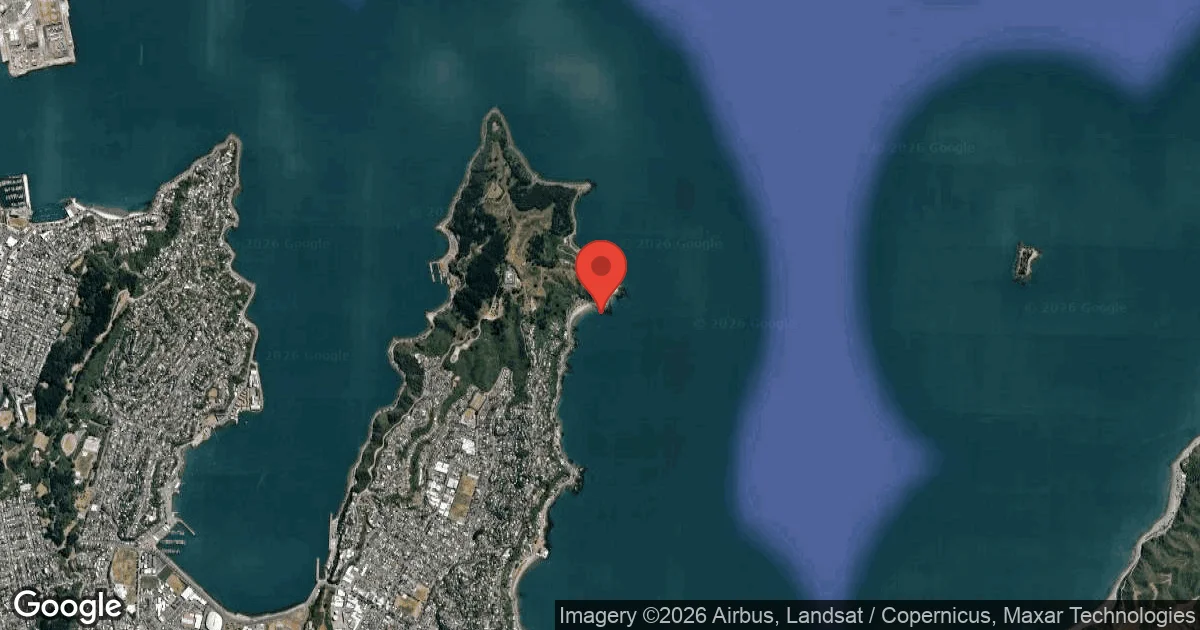
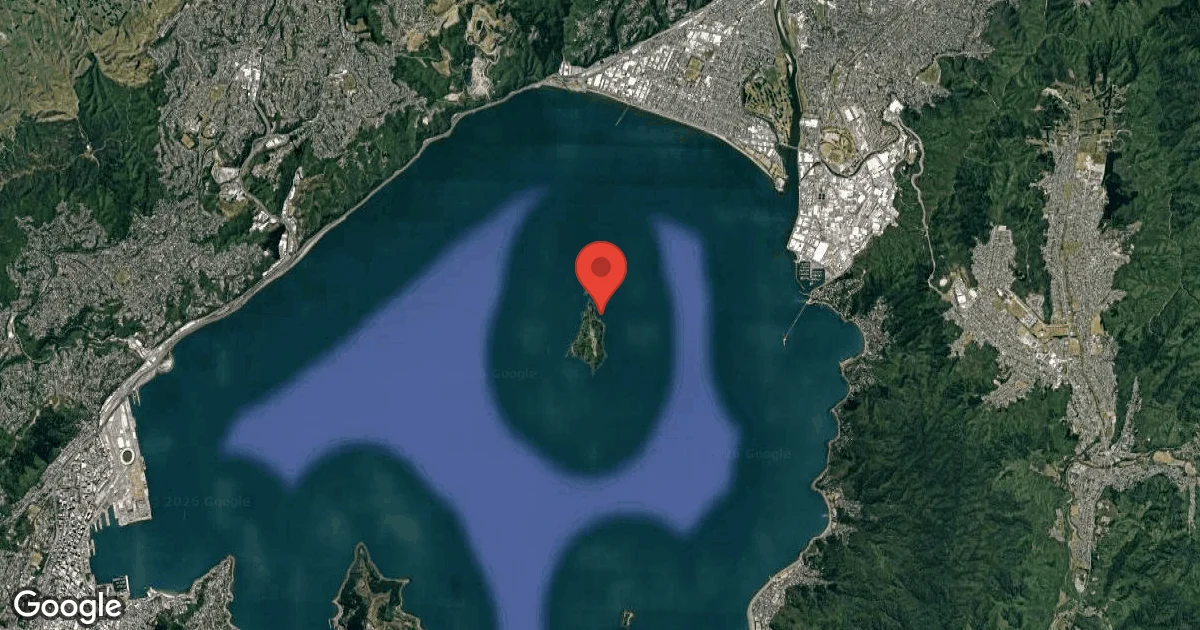
View all dive sites in New ZealandDiscover more underwater gems in this area.
Dive Centers Near Mermaids Kitchen
Today: 09:00 - 16:00
Nearest Airports
Nearest airports to help plan travel to this dive area.
Search Flights
Check available flights and routes on Expedia, using the nearby airports listed in this section.
Search Flights on ExpediaFrequently Asked Questions
Where is Mermaids Kitchen?
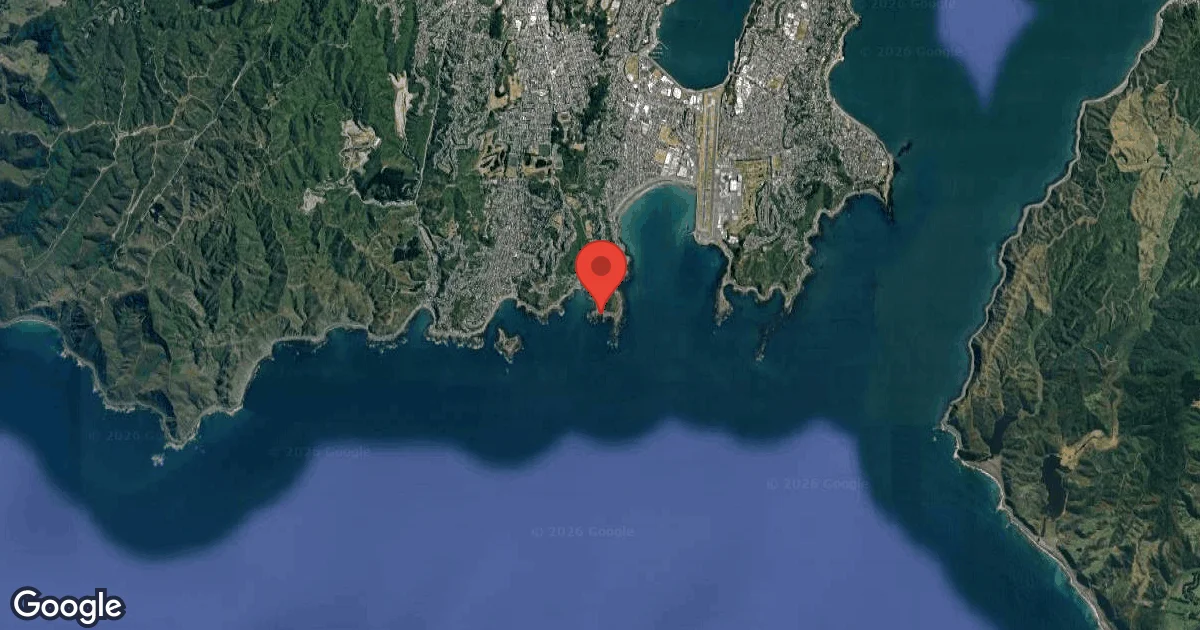
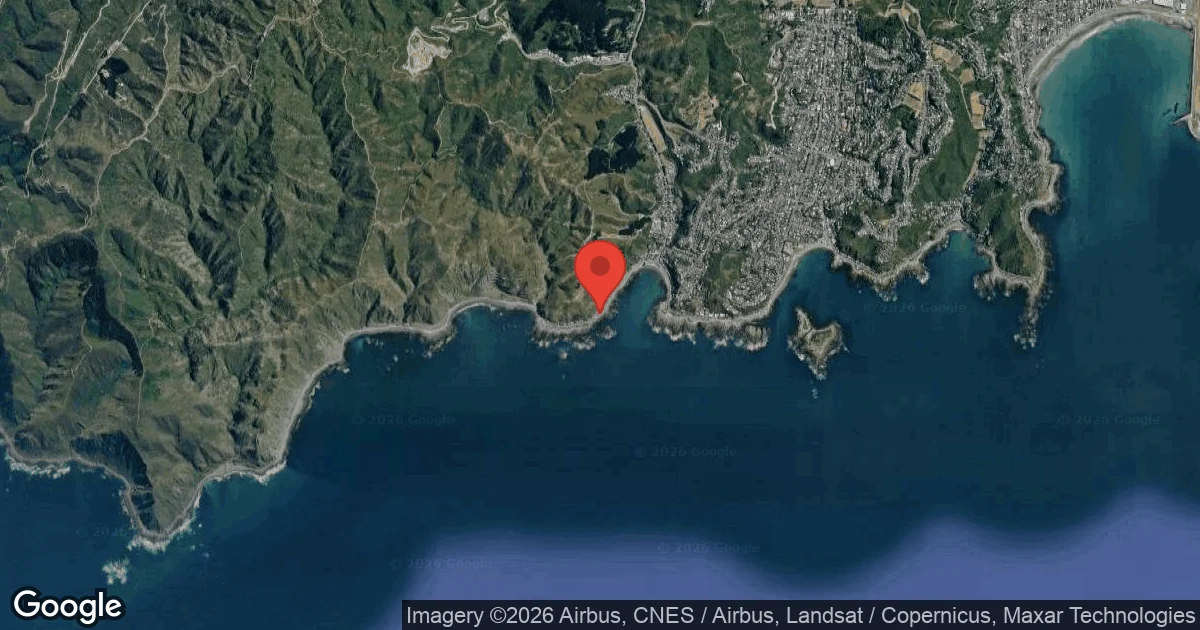
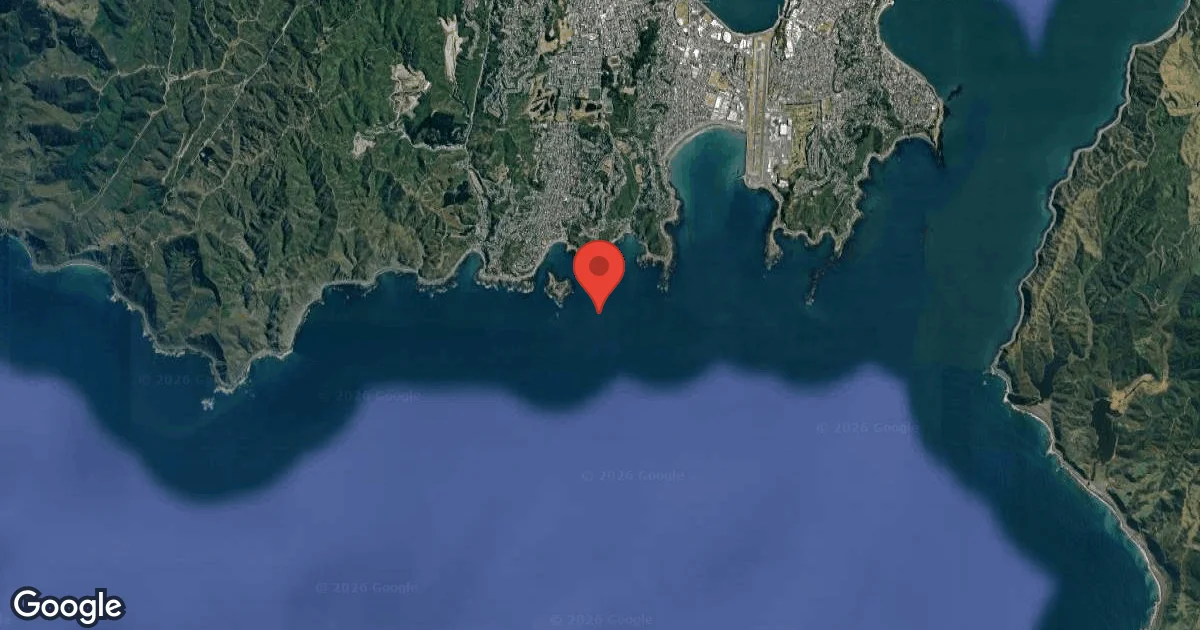
Mermaids Kitchen functions as a shore dive within the Taputeranga Marine Reserve. It's across the street from Dive Wellington in Wellington, New Zealand.
What is the maximum depth at Mermaids Kitchen?
A maximum depth of approximately 18 meters, about 59 feet, defines the site. Divers will find many interesting features at shallower depths, often in the single digits of meters, making it accessible for varied dive profiles.
What are the typical water temperatures?
Water temperatures at Mermaids Kitchen vary seasonally, ranging from 12-19°C / 54-66°F. Divers should plan their exposure protection accordingly.
What kind of marine life can I expect to see?
You can encounter Blue Cod, Blue Moki, and Spotties that often approach divers. Crayfish, octopuses, sea anemones, Moray eels, and even squid eggs are common observations within the reef and sandy areas.
Is Mermaids Kitchen suitable for beginner divers?
With its gradual decline and moderate depth, Mermaids Kitchen is generally suitable for certified PADI Open Water Divers and those with more experience. Local dive shops offer guidance and guided dives.
What is the visibility like?
Visibility at Mermaids Kitchen typically ranges between 5 to 12 meters, and it can vary depending on the season and recent weather conditions. Winter months are often reported to offer better visibility.
Can I dive Mermaids Kitchen at night?
Yes, Mermaids Kitchen is a popular night diving spot. At night, the site comes alive with various species, including crayfish, emerging from their daytime hiding places to hunt across the seafloor.
Planning to dive Mermaids Kitchen?
Send one inquiry and receive offers directly from the best verified local dive operators.
Conditions are Poor
High Wind Advisory (48km/h). Unsafe surface.
Current conditions near Mermaids Kitchen show 14° air, 14° sea temperature, 2.0 m waves, and 48 km/h wind. Forecast data is refreshed regularly to ensure accuracy.