
Diving at F69 Wreck (New Zealand)
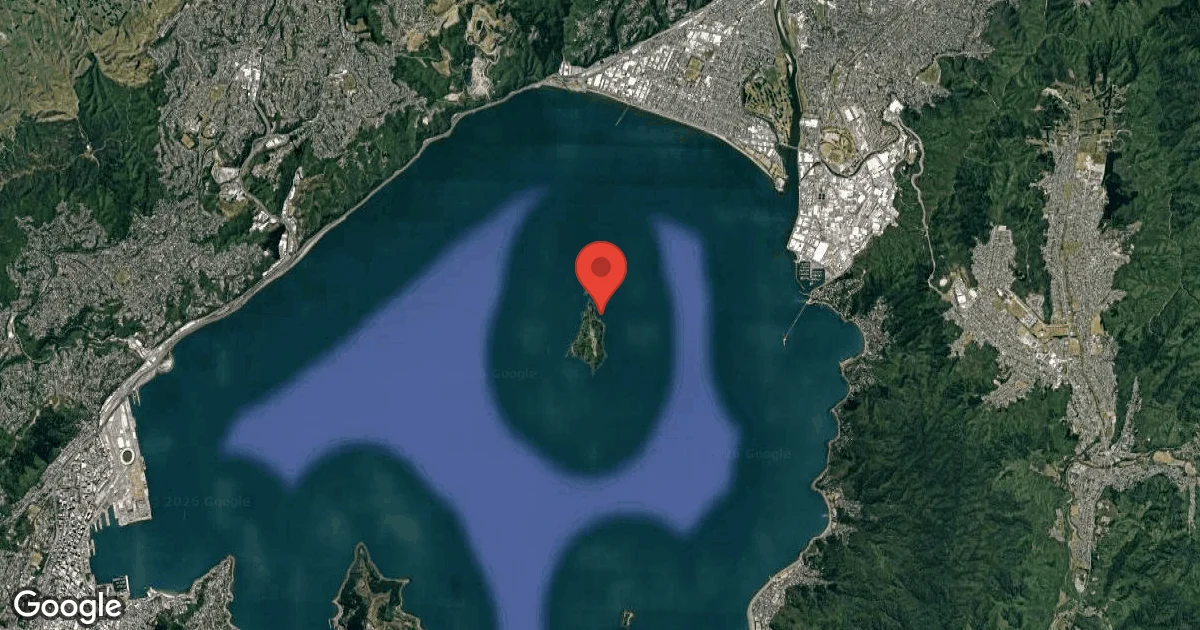
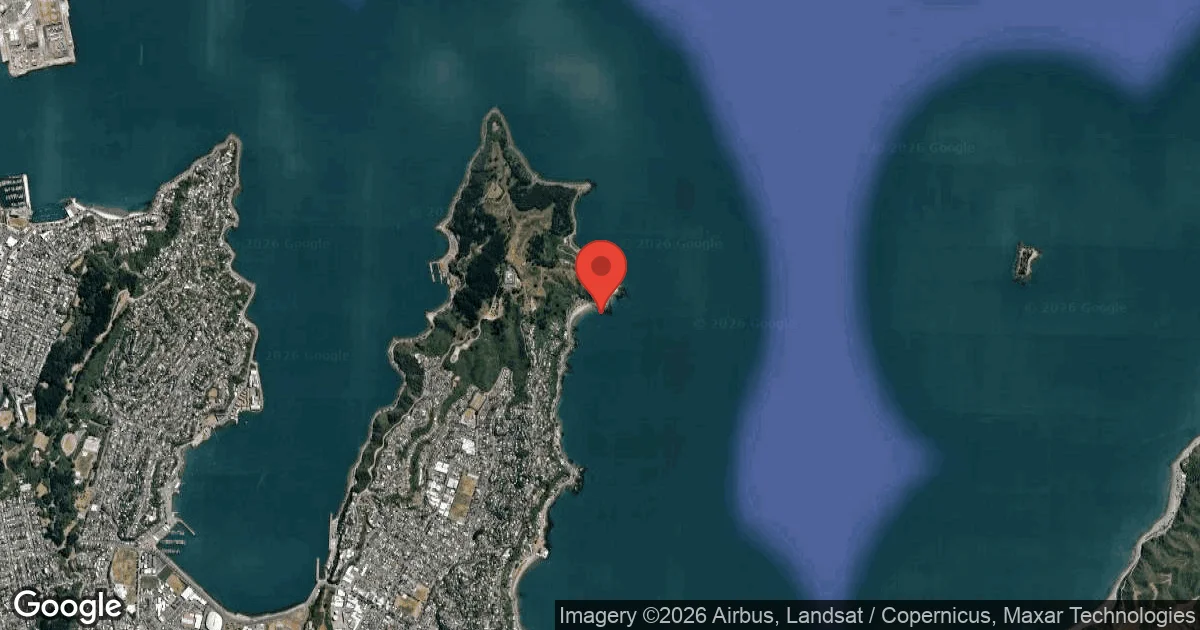
HMNZS Wellington (F69), a former Leander-class frigate, was intentionally scuttled in 2005, creating an artificial reef near Island Bay, New Zealand. Deliberate sinking transformed the naval vessel into a dynamic underwater environment. It now serves as a significant dive site, preserving a piece of maritime history. Wreckage offers diverse exploration opportunities for certified divers.
Tonight's objective overview for F69 Wreck shows an air temperature of 9.5°C. The measured surface conditions include wave heights around 1.7 m. This environmental data is logged for the close of the day.
Dive Site Location & Key Facts
Dive Site Overview
HMNZS Wellington's wreck rests on the seabed in two distinct sections, a separation caused by a massive storm in February 2006 that broke its bow clean off. Divers typically begin exploration at the bow section, found lying on its side, still displaying its imposing 4.5" guns and anchors.
Close by, the bridge and midship area invite further investigation, presenting opportunities to navigate former command spaces. This sprawling layout often requires multiple dives to fully appreciate its scale and intricacies, as each section holds unique features. The keel of the main section rests at approximately 21-22 meters / 69-72 feet, making the site generally accessible for recreational divers.
Scattered wreckage extends towards the stern, while key areas like the bridge and Captain's toilet offer fascinating explorable spaces. Inside the more intact parts, an engine room and a helipad are among the substantial features awaiting discovery, offering a tangible glimpse into the vessel's original operational structure.
Divers holding advanced training and experience can investigate specific interior compartments, revealing more layers of its naval past.
Conditions are Poor
High Swell Advisory. Not recommended.
Current conditions near F69 Wreck show 9° air, 14° sea temperature, 2.2 m waves, and 51 km/h wind. Forecast data is refreshed regularly to ensure accuracy.
Best Time to Dive
Optimal conditions for diving F69 Wreck generally align with New Zealand's summer and autumn months, from January to April and November to December, when dive scores are typically moderate. During these periods, average air temperatures range from 14.5°C / 58°F in November to a high of 17°C / 63°F in February, making surface intervals more comfortable. Rainfall tends to be lower in these months, averaging between 1.6-4.0 mm, which can contribute to better visibility days. In contrast, cooler winter months, particularly June through October, often present more challenging conditions, marked by lower air temperatures, sometimes dropping to 10°C / 50°F in August, and higher wave activity, leading to "Poor" dive scores. Dive planning should prioritize stable weather windows.
PEAK SEASON SCORE
Scores combine air & water temps, waves, wind & rainfall for overall conditions.
BEST MONTHS TO DIVE
Monthly records compiled from satellite and marine observation nodes over the last 3 years. Data provided by Open-Meteo and MET Norway.
Dive Experience & Conditions
Descending onto F69 Wreck, divers encounter a significant artificial reef attracting a diverse range of marine life. Visibility here is quite variable, commonly ranging from 2 to 12 meters. This range generally translates to approximately 7 to 39 feet, influenced by prevailing currents and recent weather. Water temperature isn't consistently reported, but typical New Zealand conditions mean a drysuit or a thick wetsuit is often needed for comfort. Intact forward guns and anchors on the bow section immediately draw attention, providing a dramatic entry point into the site's history. Exploring inside the wreck requires appropriate training and experience due to potential overhead environments and limited light penetration. Observing various cabins and engine room areas offers a tangible connection to the ship's past, revealing how quickly a naval vessel transforms into a complex habitat.
Dive Difficulty & Safety Guidelines
Approaching F69 Wreck necessitates careful planning, particularly due to its depth and the potential for challenging visibility. While diving the wreck is accessible for certified divers, an experienced guide is recommended for Open Water Divers or those with limited wreck experience, especially given its scattered two-section layout. Diving this ocean site implies exposure to currents and variable conditions common in the Cook Strait.
No specific hazards are reported beyond standard wreck diving considerations like entanglement or overhead environments, which training helps mitigate. Always ensure proper buoyancy control.
Recommended Equipment
Overhead / entanglement risk. Wreck penetration requires proper training.
- Dive Computer
- DSMB
- Primary & Backup Lights
- Wreck Reel
- Cutting Tool
This gear list is based on verified equipment signals for F69 Wreck, New Zealand. Always confirm final gear choices with your dive operator, guide, or liveaboard.
Recommended Dive Suit
In conditions like these, many divers prefer diving with 7mm wetsuit or semidry. Consider warmer surface protection (like a boat coat) due to brisk winds. Strong cold advisory: dress warmly immediately after exiting the water.
Current readings at F69 Wreck show water temperatures near 14°C (57°F). Surface air temperatures are resting at 9°C (49°F).
Environmental conditions appear stable for the near future.
Due to technical issues with our weather providers, live updates are temporarily delayed. The data above reflects the conditions at the time of the last successful fetch.
Emergency & Medical Support
Essential information to help you plan your dive trip to F69 Wreck.

Hyperbaric chambers are a critical part of dive safety infrastructure. Availability varies significantly by region, and not all dive areas have immediate access.
Before diving, it's recommended to:
- confirm nearest medical facilities
- check emergency procedures with local dive operators
- ensure dive insurance covers evacuation if required
Divers Alert Network
Diving emergency assistance available through DAN World.
+1-919-684-9111- 24/7 emergency hotline
- Diving medical assistance
- Evacuation coordination
Emergency contacts are provided for reference. Always verify local emergency services before diving.
Marine Life at F69 Wreck
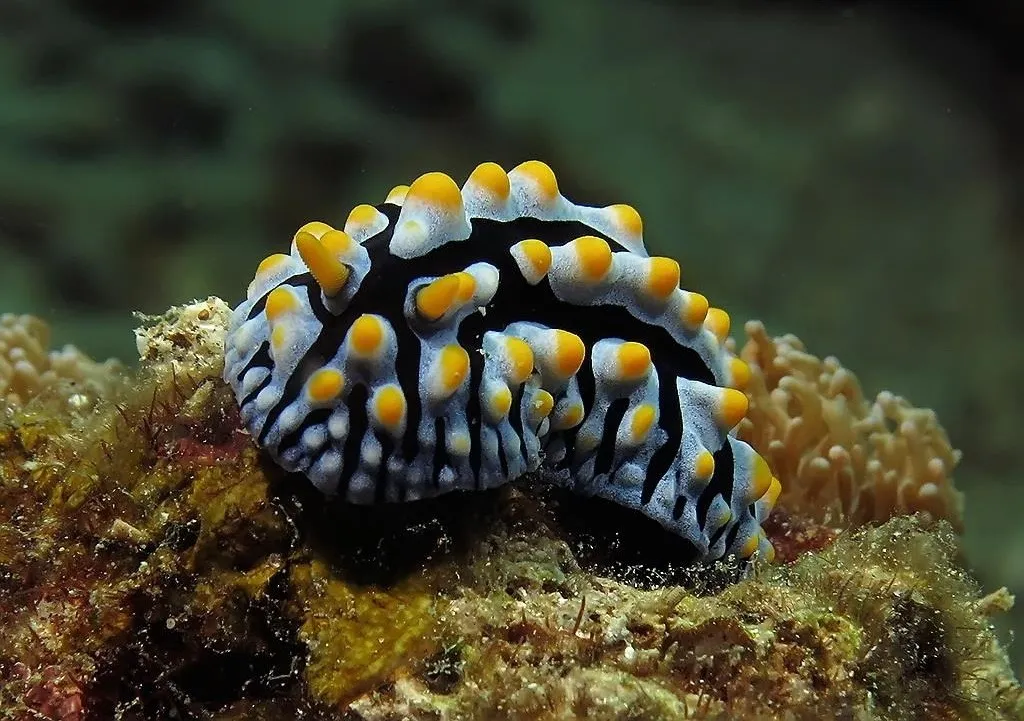
Exploring F69 Wreck reveals a vibrant array of smaller marine inhabitants colonizing the structure. Nudibranchs are a common sight, adding bursts of color to metal surfaces.
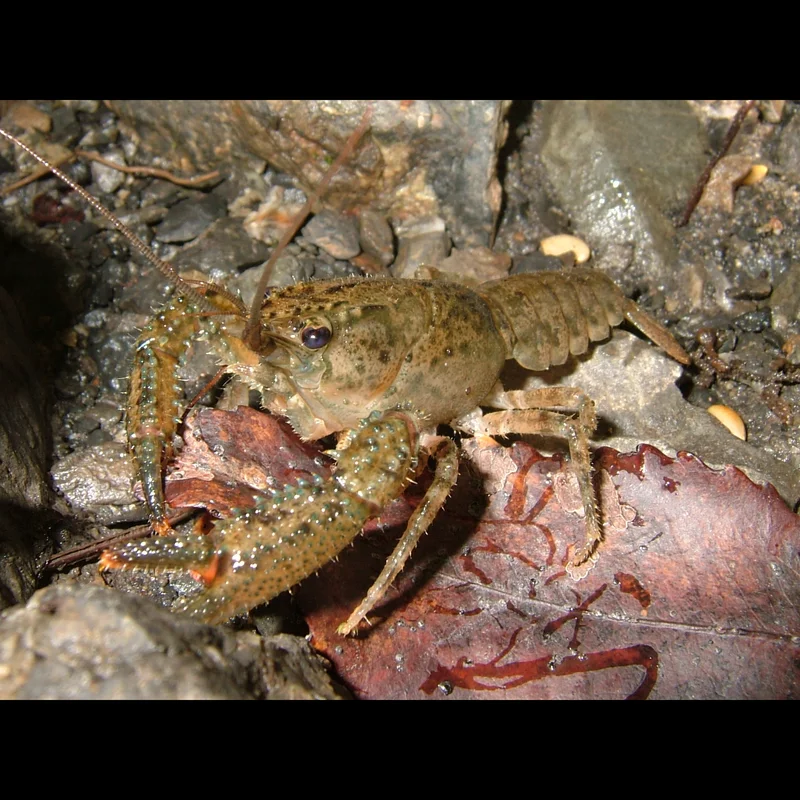
Crayfish often shelter within crevices and beneath plates of scattered wreckage. Schooling terakihi and blue moki are regularly seen moving amongst the sections, adapting to the artificial reef environment.
This blend of reef and pelagic fish demonstrates how quickly a scuttled vessel can become a thriving ecosystem.
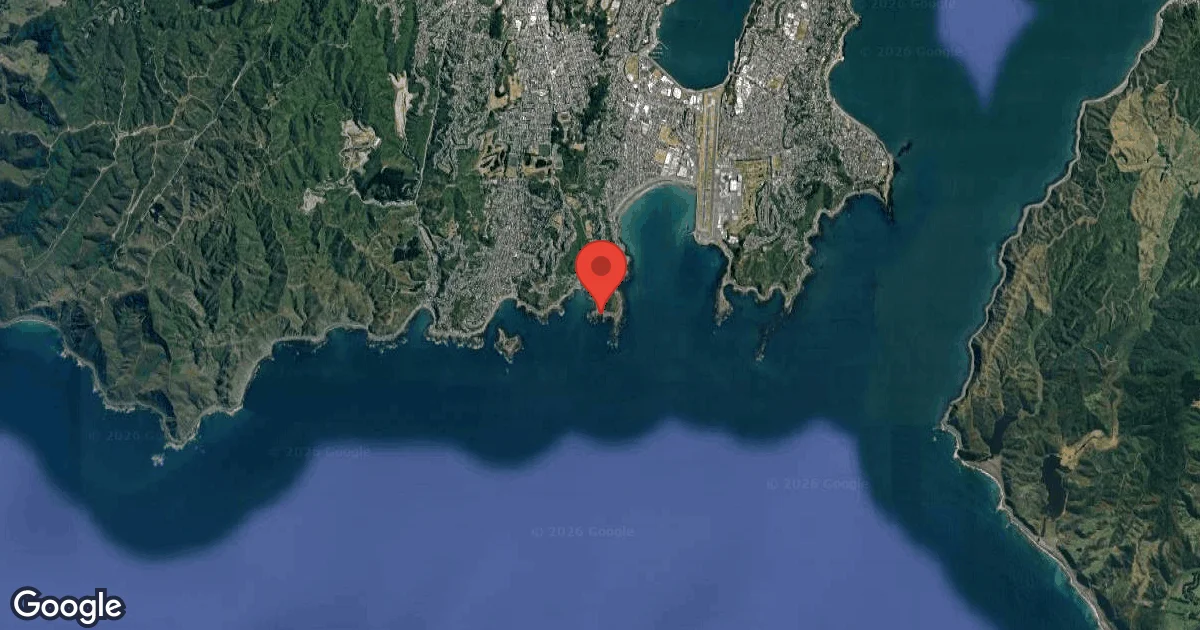
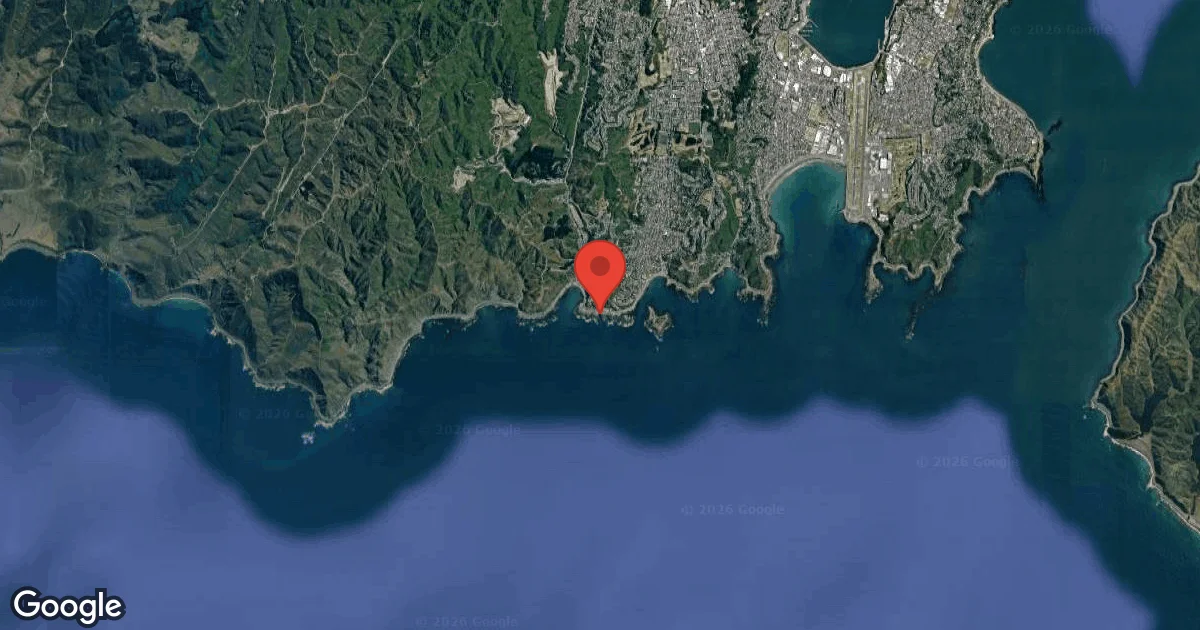
Dive Sites Near F69 Wreck
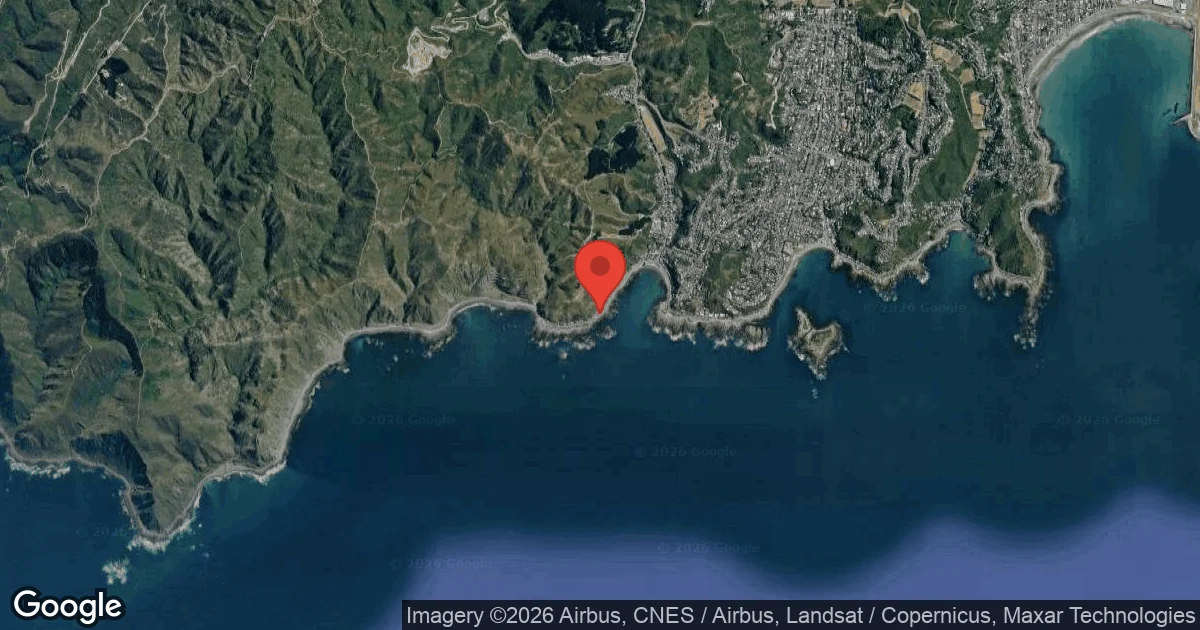
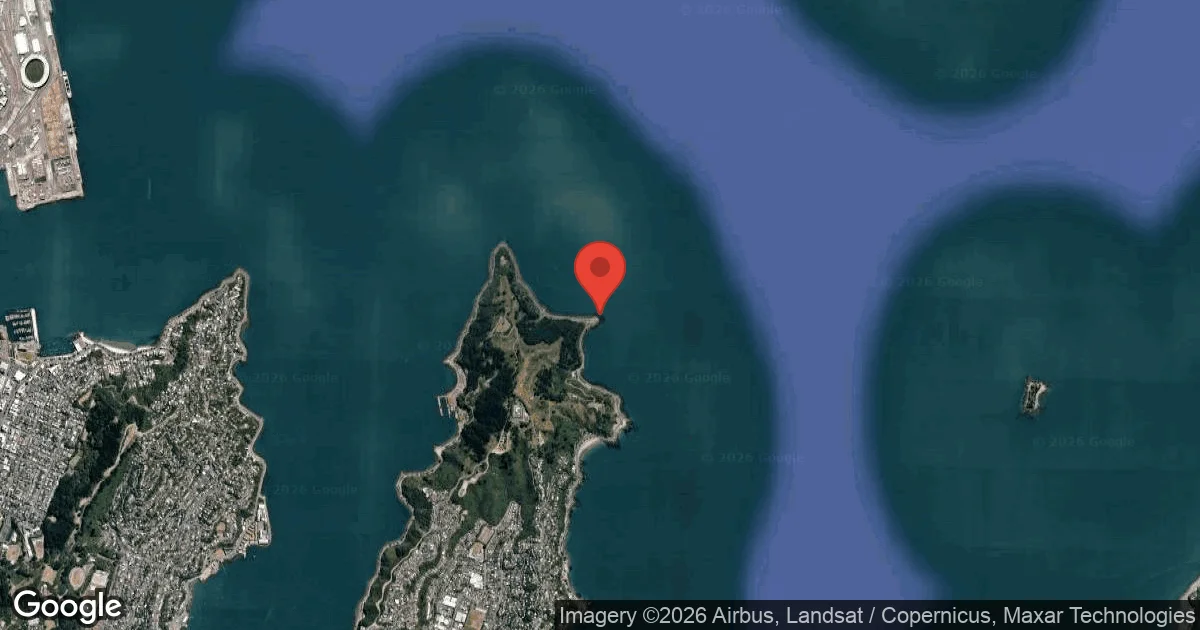
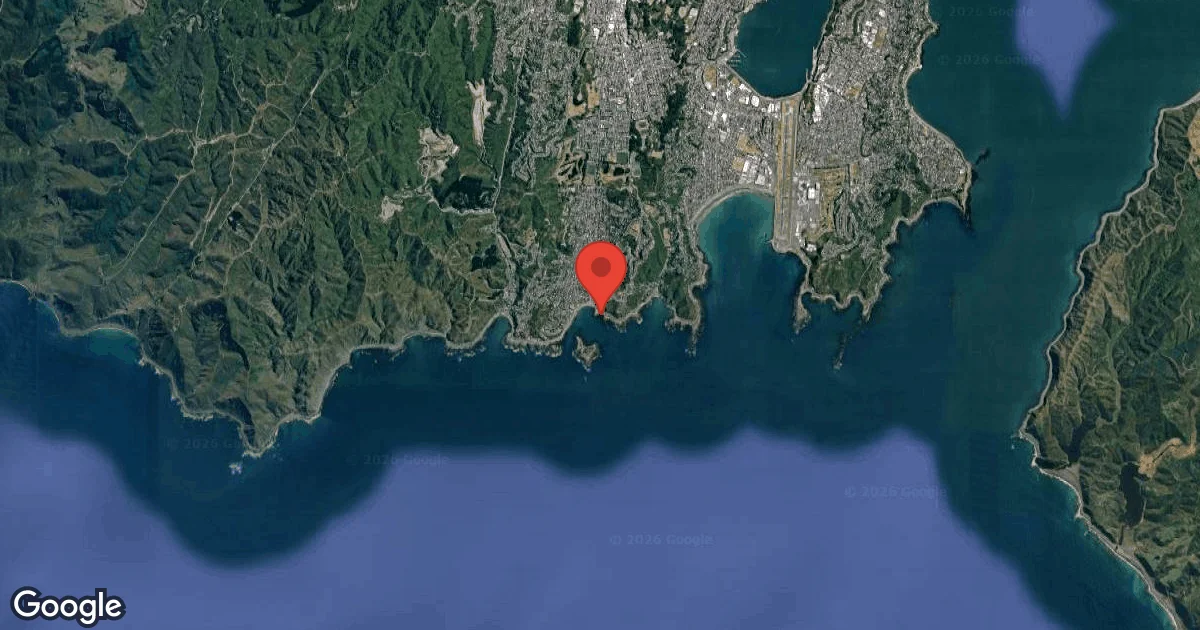
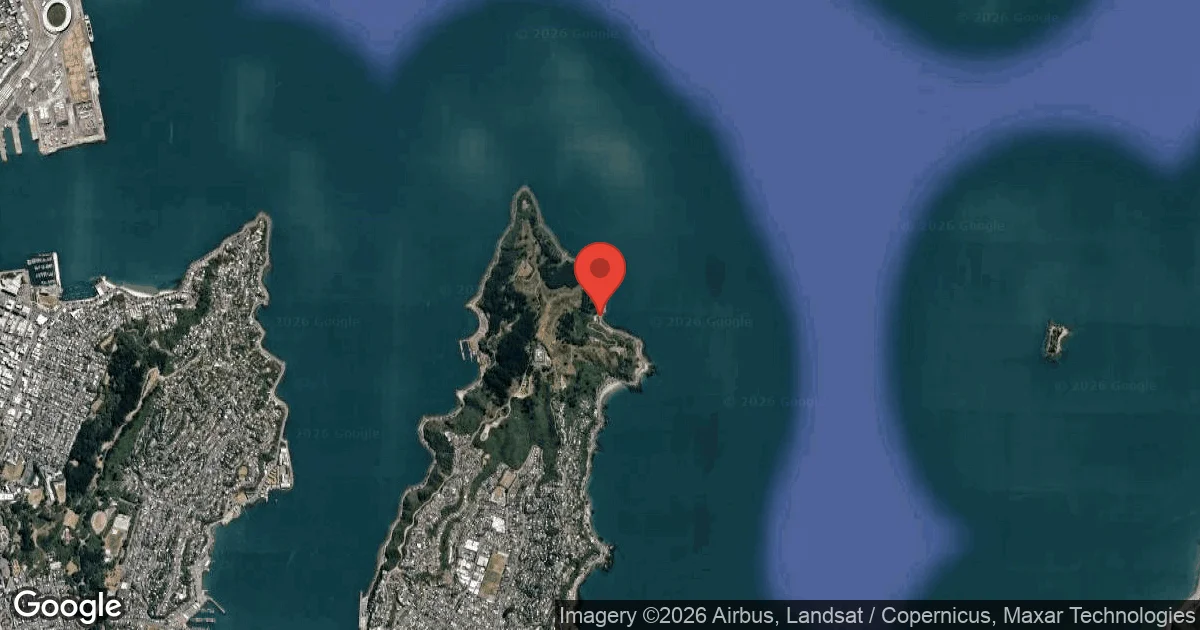
View all dive sites in New ZealandDiscover more underwater gems in this area.
Dive Centers Near F69 Wreck
Today: 09:00 - 16:00
Nearest Airports
Nearest airports to help plan travel to this dive area.
Search Flights
Check available flights and routes on Expedia, using the nearby airports listed in this section.
Search Flights on ExpediaFrequently Asked Questions
What type of vessel was the F69 Wellington?
F69 Wellington was a Leander-class frigate of the Royal New Zealand Navy. It was scuttled in 2005 to serve as an artificial reef and remains a popular dive site.
What is the maximum depth of the F69 Wreck?
Maximum depth for diving F69 Wreck is approximately 22 meters / 72 feet. At this depth, it suits Open Water certified divers with appropriate guidance.
Is the wreck intact?
No, the wreck isn't fully intact. After a significant storm in 2006, vessel broke into two main sections: bow lies on its side, and bridge and midship area are nearby.
What kind of marine life can be seen on the F69 Wreck?
F69 Wreck hosts various marine species, including nudibranchs, crayfish, and schooling fish like terakihi and blue moki. Artificial reef structure attracts a diverse ecosystem.
Is special training required to dive the F69 Wreck?
While Open Water certification is a prerequisite, a guide is recommended for less experienced divers. Specialized training such as PADI Wreck Diver is beneficial, particularly for exploring interior sections.
How is the visibility at the F69 Wreck?
Visibility at the F69 Wreck varies depending on conditions, typically ranging from 2 to 12 meters. Divers often experience clarity between 7 and 39 feet, though this fluctuates with currents and recent weather.
Can divers go inside the F69 Wreck?
Yes, divers with appropriate training and experience, such as a PADI Wreck Diver certification, can explore certain interior areas. Features like the engine room and some cabins are accessible.
Planning to dive F69 Wreck?
Send one inquiry and receive offers directly from the best verified local dive operators.
Conditions are Poor
High Swell Advisory. Not recommended.
Current conditions near F69 Wreck show 9° air, 14° sea temperature, 2.2 m waves, and 51 km/h wind. Forecast data is refreshed regularly to ensure accuracy.