
Diving at Princess Bay (New Zealand)
For divers approaching Princess Bay on Wellington's South Coast, expect a picturesque sandy bay that transitions into a protected marine reserve. This site is well-regarded for its accessibility and opportunities for exploring coastal marine life. With amenities like car parks and changing facilities, planning a dive here is straightforward. Be prepared for cooler water temperatures year-round, which makes an exposure suit a key component of your dive plan.
Evening condition tracking at Princess Bay features an air temperature of 10°C. We have recorded wave heights measuring 1.9 m during this period. These figures outline the environmental parameters currently present.
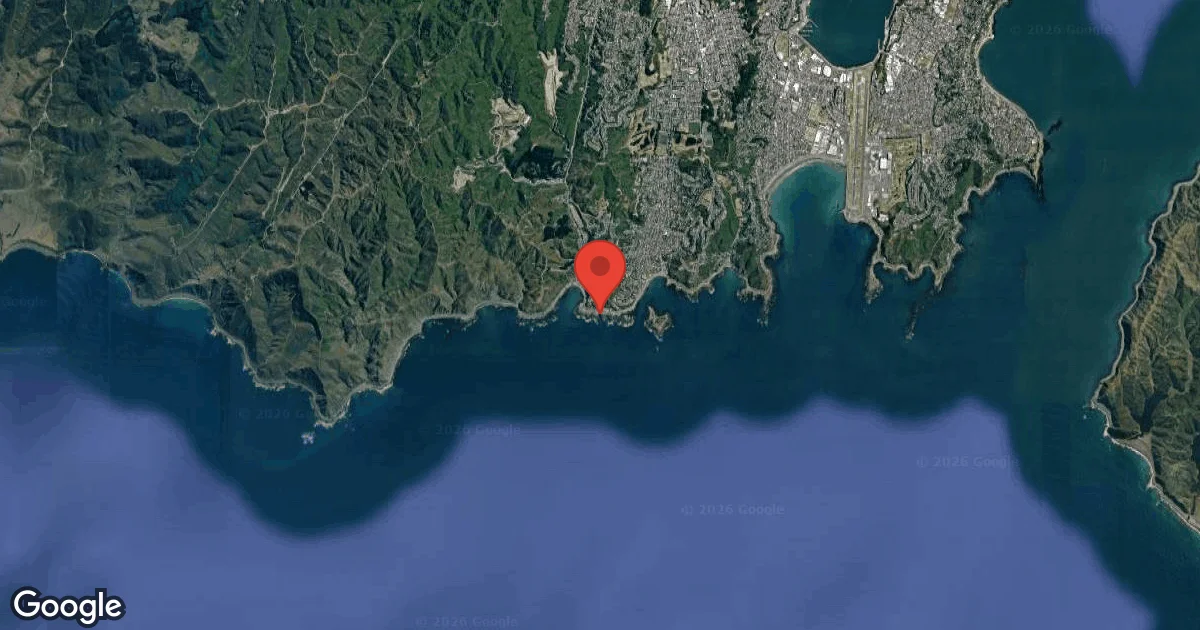
Dive Site Location & Key Facts
Dive Site Overview
Approaching the water at Princess Bay offers distinct topographical choices for divers. This site benefits significantly from its marine reserve designation, fostering a rich aquatic environment.
Two primary entry points shape the dive experience here. On the right side of the main car park, an accessible entry point guides divers over a gentle, rocky reef system that gradually transitions into a sprawling sandy bottom, typically reaching depths of 8-10 m / 26-33 ft.
This particular zone is often bustling with various fish species, making it an engaging area for observation. Alternatively, a more rugged path winds between the prominent rock formations, granting access to a different sector of the bay.
This side reveals more intricate reef structures and a deeper profile, attracting divers keen on exploring more complex underwater landscapes. The presence of both shallower, fish-rich areas and deeper, structurally diverse sections ensures that the bay caters to a range of experience levels, from beginners looking for accessible reef exploration to more seasoned divers seeking intricate habitats.
Planning for either entry allows divers to tailor their experience to the specific features they wish to investigate.
Conditions are Poor
High Swell Advisory. Not recommended.
Current conditions near Princess Bay show 10° air, 14° sea temperature, 2.2 m waves, and 51 km/h wind. Forecast data is refreshed regularly to ensure accuracy.
Best Time to Dive
Planning a dive at Princess Bay benefits from understanding seasonal weather patterns. The months of January and February often present the mildest air temperatures, averaging around 17°C / 63°F, with lower average rainfall of 1.8-2.0 mm / 0.07-0.08 in, contributing to a 'Moderate' dive score. November also shows a 'Moderate' dive score with slightly cooler air temperatures. Winter months, particularly July and August, see air temperatures drop to 10-10.5°C / 50-51°F, and while rain is still relatively low, wave heights can be elevated and wind speeds higher in other months, leading to 'Poor' dive scores. Summer evenings are often highlighted for longer daylight hours and last sun rays.
PEAK SEASON SCORE
Scores combine air & water temps, waves, wind & rainfall for overall conditions.
BEST MONTHS TO DIVE
Monthly records compiled from satellite and marine observation nodes over the last 3 years. Data provided by Open-Meteo and MET Norway.
Dive Experience & Conditions
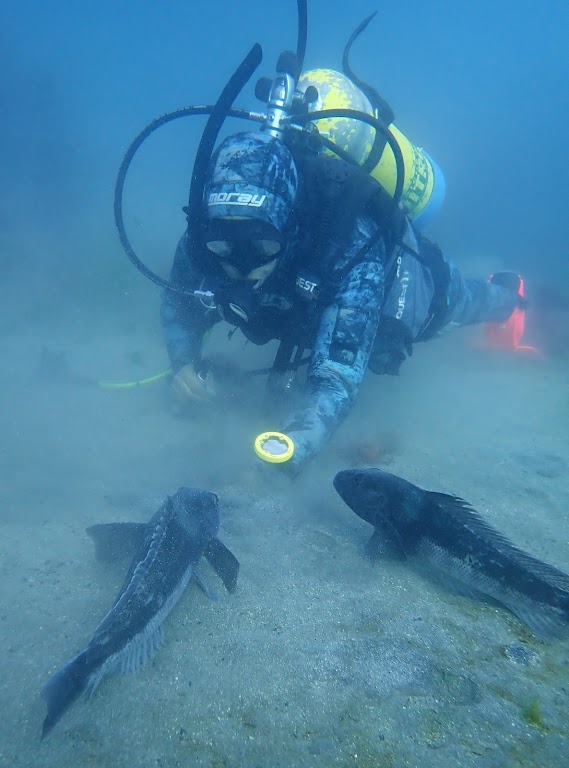
Submerging into Princess Bay, divers encounter an ecosystem characterized by its diverse underwater terrain. Expanses of fine sand give way to rugged rocky reefs and dense patches of weed beds, creating varied habitats. Visibility at this site is generally clear, allowing for excellent observation of marine life and the details of the seabed. This clarity greatly enhances encounters with the creatures inhabiting the protected reserve. Water temperatures remain consistently cool, even during the warmer summer months; specific data isn't always available, but divers should anticipate chilly conditions. Adequate thermal protection, such as a thick wetsuit or drysuit, is therefore critical for comfort and extending bottom time. Currents vary from mild to moderate in certain areas of the bay. These manageable water movements allow divers of different skill levels to explore the environment without significant challenge, though awareness of local conditions is always prudent.
Dive Difficulty & Safety Guidelines
Navigating Princess Bay requires attention to its specific environmental characteristics. Due to the consistently cool South Coast waters, wearing an appropriate exposure suit is essential for thermal comfort and safety during any dive. Divers should always observe, not disturb, the marine life, respecting the site's protected marine reserve status.
While generally accessible, understanding entry and exit points, particularly the path between rocks for the deeper reef side, is crucial for safe operations. Be aware that conditions, including wave height and wind speed, can influence dive suitability.
Recommended Equipment
- Dive Computer
- DSMB
- Hard-soled Dive Boots
This gear list is based on verified equipment signals for Princess Bay, New Zealand. Always confirm final gear choices with your dive operator, guide, or liveaboard.
Recommended Dive Suit
For divers planning standard recreational dives, 7mm wetsuit or semidry is usually a suitable option. Strong winds are present; please take strong precautions against rapid cooling during surface intervals. Strong cold advisory: dress warmly immediately after exiting the water. Divers vary widely in how quickly they feel cold underwater.
At the moment, divers exploring Princess Bay will likely experience water temperatures near 14°C (57°F). Surface air temperatures are resting at 10°C (50°F).
The upcoming forecast points to generally steady conditions in the area.
Due to technical issues with our weather providers, live updates are temporarily delayed. The data above reflects the conditions at the time of the last successful fetch.
Emergency & Medical Support
Essential information to help you plan your dive trip to Princess Bay.

Hyperbaric chambers are a critical part of dive safety infrastructure. Availability varies significantly by region, and not all dive areas have immediate access.
Before diving, it's recommended to:
- confirm nearest medical facilities
- check emergency procedures with local dive operators
- ensure dive insurance covers evacuation if required
Divers Alert Network
Diving emergency assistance available through DAN World.
+1-919-684-9111- 24/7 emergency hotline
- Diving medical assistance
- Evacuation coordination
Emergency contacts are provided for reference. Always verify local emergency services before diving.
Marine Life at Princess Bay
The marine reserve status of Princess Bay immediately suggests a vibrant underwater community. Divers can expect to find schools of Blue Moki, Terakihi, mackerel, and spotties congregating near the rocky reefs.
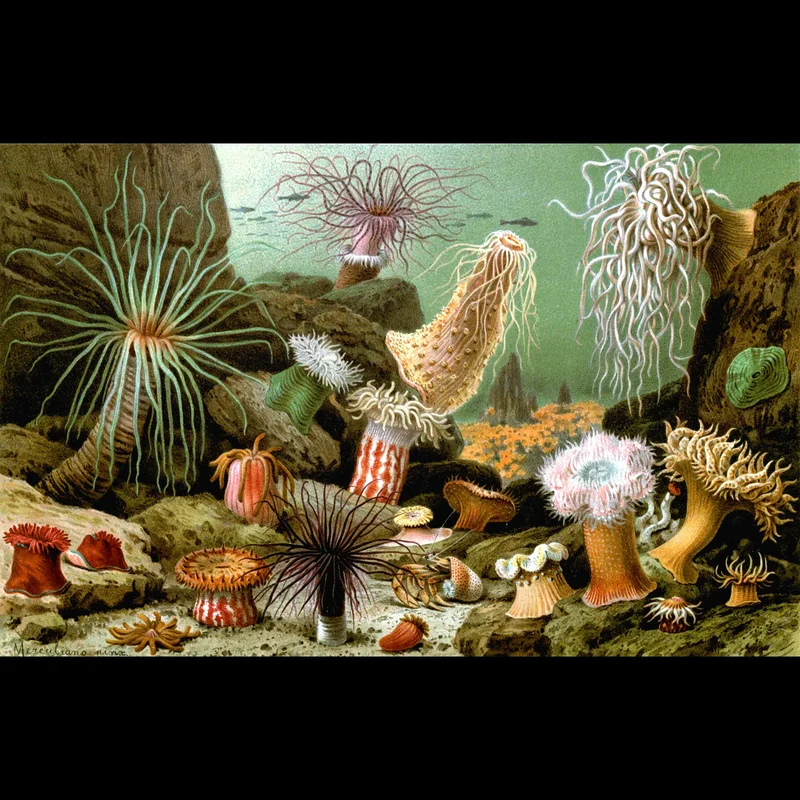
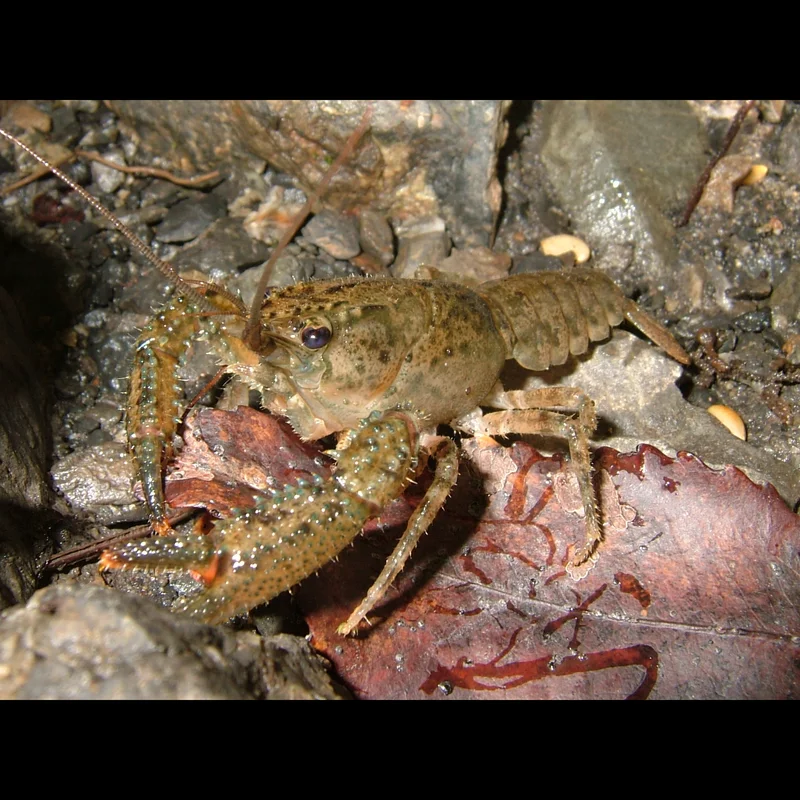
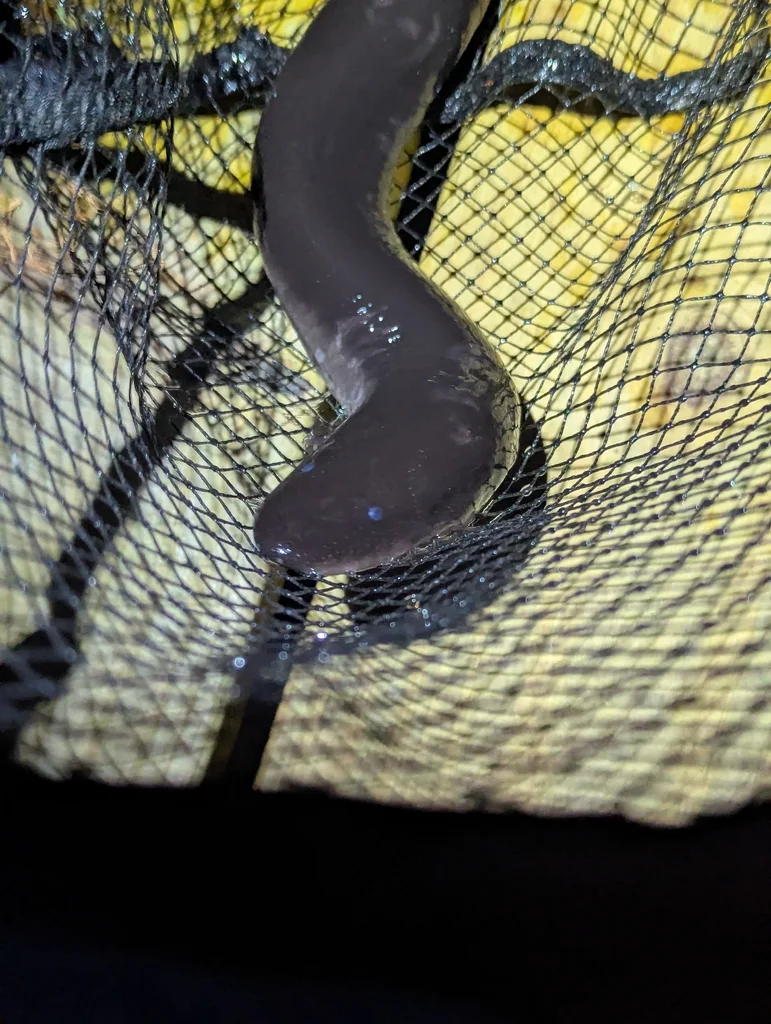
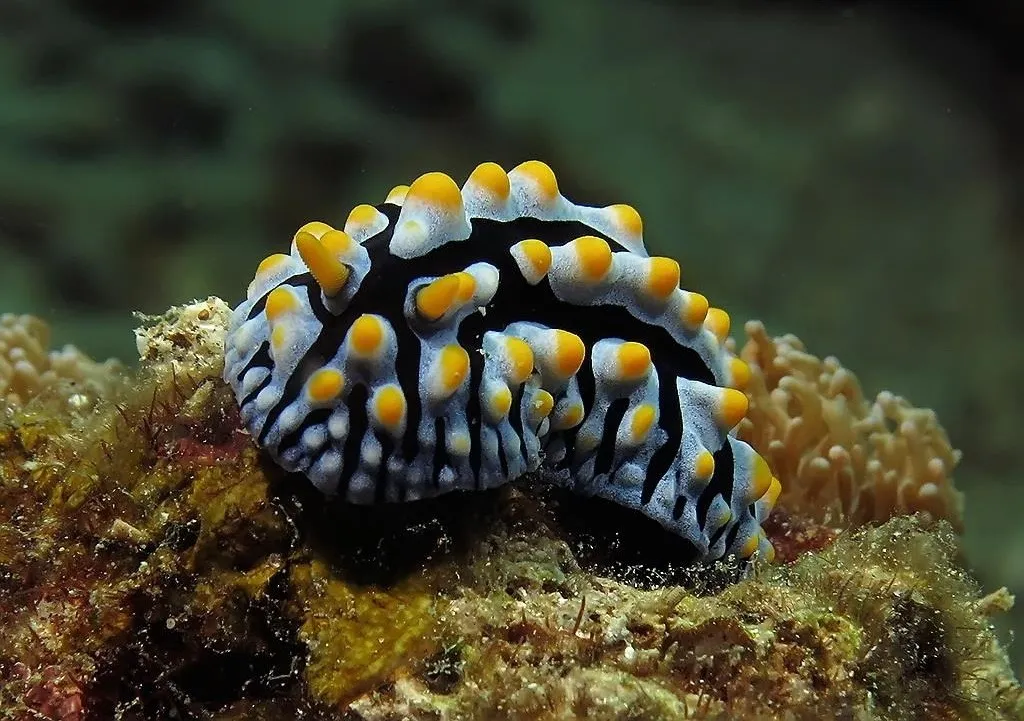
Exploring crevices and weed beds may reveal conger eels, various nudibranchs, and crayfish. Starfish and sea anemones are also observed, adding to the rich biodiversity visible on the reef and in the rock formations, especially during low tide in shallower areas.

Dive Sites Near Princess Bay
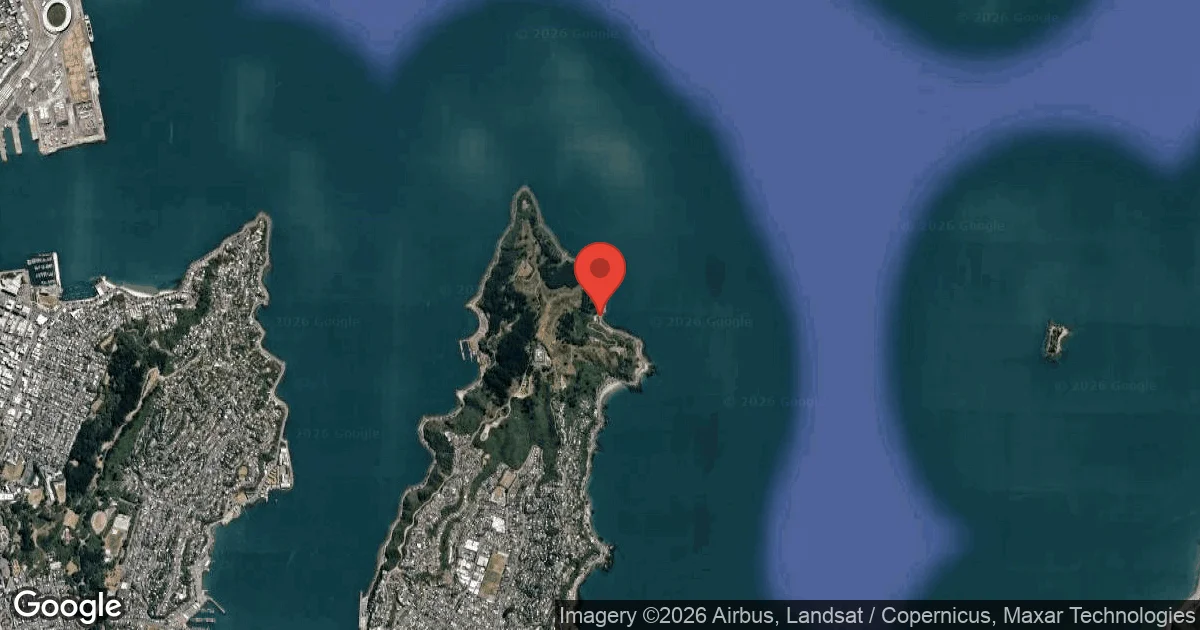
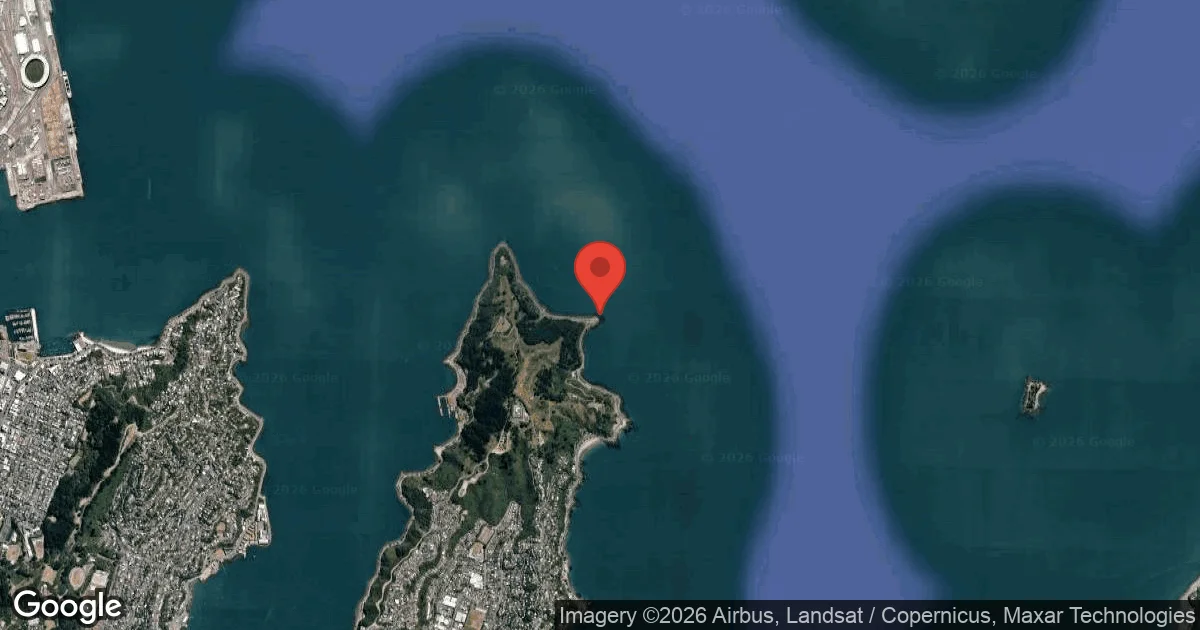
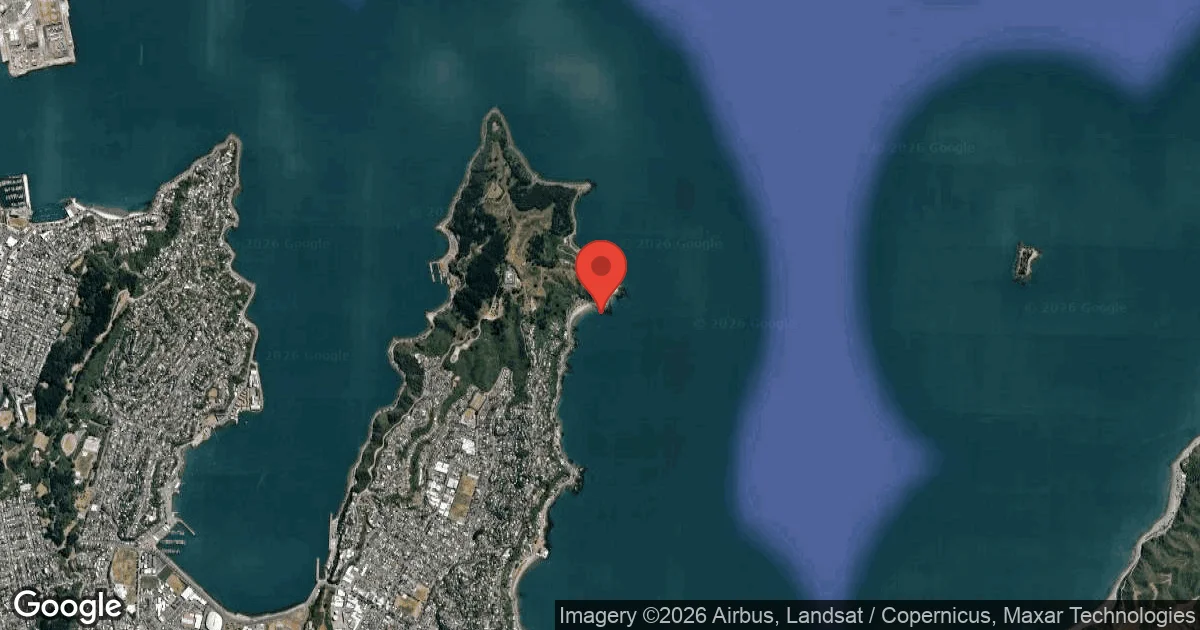
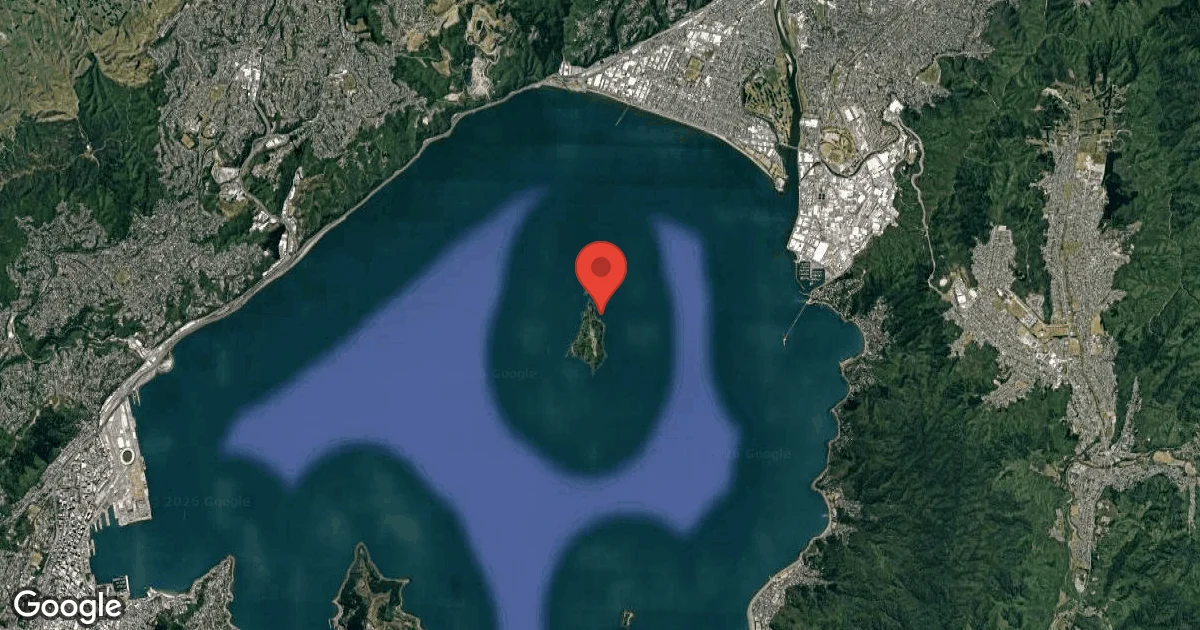
View all dive sites in New ZealandDiscover more underwater gems in this area.
Dive Centers Near Princess Bay
Today: 09:00 - 16:00
Nearest Airports
Nearest airports to help plan travel to this dive area.
Search Flights
Check available flights and routes on Expedia, using the nearby airports listed in this section.
Search Flights on ExpediaFrequently Asked Questions
Is Princess Bay suitable for scuba diving?
Yes, Princess Bay is considered an excellent location for scuba diving due to its status as a marine reserve, which protects a variety of marine life. The clear waters and diverse topography make it an engaging dive site.
What kind of marine life can I expect to see at Princess Bay?
Divers frequently encounter schools of Blue Moki, Terakihi, mackerel, and spotties. Look for conger eels, nudibranchs, and crayfish within the reef structures. Starfish and sea anemones are also common inhabitants.
What are the typical water conditions for diving?
Princess Bay's South Coast waters are known to be quite cool throughout the year, even during summer. Visibility is generally good, and while conditions can vary, currents are typically mild to moderate.
Are there good entry points for divers at Princess Bay?
There are two primary entry points. One is on the right side of the car park, offering easier access to shallower, fishier areas. The other is a path between rocks, leading to areas with more reef structure and greater depth.
Do I need a wetsuit or exposure suit for diving at Princess Bay?
Absolutely. An exposure suit is highly recommended and practically essential for comfortable diving at Princess Bay due to the chilly water temperatures characteristic of the South Coast.
Are there facilities available at Princess Bay?
Yes, Princess Bay provides good toilet facilities and changing rooms, making it convenient for divers and other visitors. A reasonable-sized car park is also available.
Planning to dive Princess Bay?
Send one inquiry and receive offers directly from the best verified local dive operators.
Conditions are Poor
High Swell Advisory. Not recommended.
Current conditions near Princess Bay show 10° air, 14° sea temperature, 2.2 m waves, and 51 km/h wind. Forecast data is refreshed regularly to ensure accuracy.