
Diving at Owhiro Bay (New Zealand)
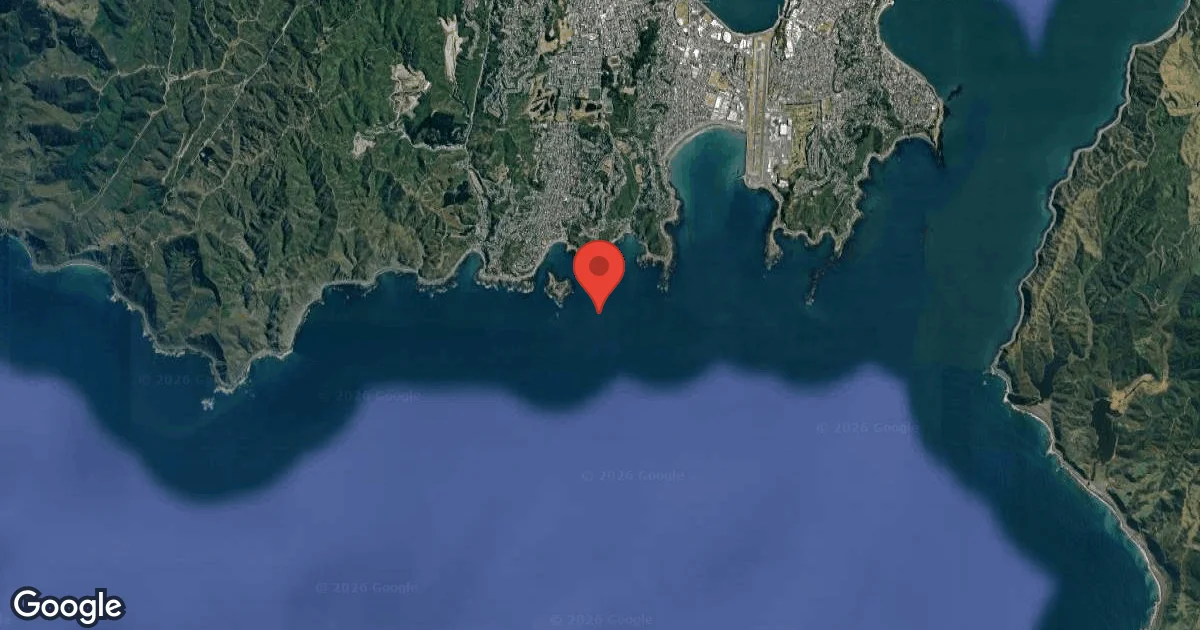
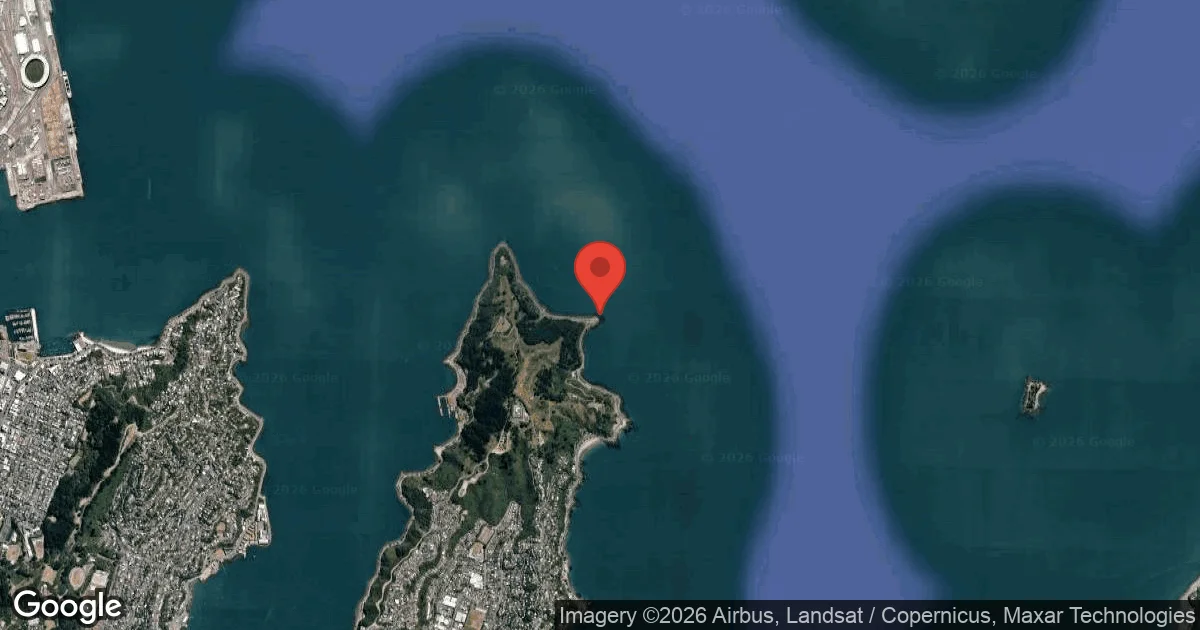
A first impression of Owhiro Bay reveals a captivating underwater landscape defined by multiple historic shipwrecks and intricate reef channels. Within the Taputeranga Marine Reserve, it offers divers a diverse environment. Its four wrecks, dating from 1874 to 1982, lie at depths of 5-12 m (16-39 ft) on a mix of rock and shingle, presenting varied levels of decay and encrustation. It's a shore-entry location providing accessible exploration.
As evening covers Owhiro Bay, the local air temperature is measured at 9.5°C. The current wave height at the surface is recorded at 1.4 m. These late-day readings characterize the surface conditions for the night.
Dive Site Location & Key Facts
Dive Site Overview
Owhiro Bay's distinctive appeal lies in its compelling blend of historical wreck diving and vibrant reef exploration. It's an area where four separate wrecks—the Yung Penn, Progress, Wellington, and Cyrus—tell stories from different eras, with sinkings spanning 1874 to 1982.
The Yung Penn, a Taiwanese Squid Boat, rests out front in a channel at around 7 m (23 ft); its flipped hull, now heavily encrusted with growth, can easily be mistaken for a natural reef formation. Beyond the wrecks, numerous channels cut through the reef, providing interesting navigational routes. Situated within the Taputeranga Marine Reserve, the site contributes to a good variety of marine life.
Maximum depth extends to about 16 m (52 ft) here, making it approachable for various certification levels. Divers can explore remnants like anchors and donkey boilers from older wooden vessels which, being on an exposed coast, have scattered considerably over time.
Wreckage is often covered in seaweed, requiring careful observation to identify structural components. Some areas, like the "Fishbowl," offer specific routes through overhangs and cracks, rewarding those who navigate attentively.
Varied decay of the ships ensures each wreck dive presents a different experience, from relatively intact hulls to scattered debris providing habitats for local marine species. A popular local spot for Wellington divers, it's appreciated for accessibility and consistent points of interest.
Conditions are Poor
High Wind Advisory (49km/h). Unsafe surface.
Current conditions near Owhiro Bay show 10° air, 14° sea temperature, 2.0 m waves, and 49 km/h wind. Forecast data is refreshed regularly to ensure accuracy.
Best Time to Dive
Planning a dive at Owhiro Bay often hinges on regional weather patterns, as conditions significantly influence site accessibility and enjoyment. Dive scores indicate "Moderate" conditions are most common from January through February, then April, June, November, and December, with "Poor" scores dominating other months, particularly during winter. Air temperatures are warmest in January and February, averaging around 17°C (63°F) and 17°C (63°F) respectively. These months also see moderate wave heights, averaging 1.9 m (6.2 ft), and consistent wind speeds around 33.4 km/h (20.7 mph). Rain levels are generally low year-round, typically ranging from 1.5 to 4.1 mm (0.06-0.16 inches) per month, which rarely impacts underwater visibility as much as wave action or wind. While not consistently reported for this specific site, water temperatures generally align with regional patterns, feeling coldest during the winter months (June-August). For a more comfortable experience and potentially calmer seas, aiming for the late spring and summer months (November to February) is generally advised, though checking local forecasts for wave and wind conditions remains crucial given the exposed nature of the coast.
PEAK SEASON SCORE
Scores combine air & water temps, waves, wind & rainfall for overall conditions.
BEST MONTHS TO DIVE
Monthly records compiled from satellite and marine observation nodes over the last 3 years. Data provided by Open-Meteo and MET Norway.
Dive Experience & Conditions
Navigating Owhiro Bay presents an engaging experience, largely shaped by its underwater topography and currents. A typical shore entry leads into its saltwater environment. Divers will find themselves exploring rock and shingle bottoms, often weaving through numerous natural channels that crisscross the reef structure. Wrecks, such as the Yung Penn, are found at various depths, with some significant pieces of wreckage lying in the 8-10 m (26-33 ft) range. As some of the wooden wrecks have been exposed for well over a century, their remains are widely scattered, requiring careful observation to identify. For example, parts like the anchor and donkey boiler from the Cyrus can be found by following specific navigation cues through channels and over reef sections. Visibility here varies depending on surge and recent weather, but it's important to be prepared for conditions that might demand good buoyancy control and navigation skills through the encrusted, seaweed-covered wreckage.
Dive Difficulty & Safety Guidelines
An expert approach to diving Owhiro Bay emphasizes preparedness for varying coastal conditions. Given its exposed position, strong winds and waves can impact dive safety and access. Before entering the water, a thorough check of local weather forecasts and sea conditions is essential.
With multiple wrecks present, some dating back to 1874, divers should be aware that structural integrity varies greatly. While penetration isn't the primary focus due to decay, careful navigation around and through reef channels is common.
Diving here is suitable for PADI Open Water Divers, though good buoyancy control is beneficial when exploring close to the heavily encrusted wreckage and reef. Always dive with a buddy and carry a surface marker buoy, especially if currents are present, to ensure visibility to boat traffic and shore.
Recommended Equipment
Overhead / entanglement risk. Wreck penetration requires proper training.
- Dive Computer
- Primary & Backup Lights
- Wreck Reel
- Cutting Tool
- Hard-soled Dive Boots
This gear list is based on verified equipment signals for Owhiro Bay, New Zealand. Always confirm final gear choices with your dive operator, guide, or liveaboard.
Recommended Dive Suit
Environmental conditions are expected to remain consistent in the short-term outlook.
Even in warm destinations, extended dives can gradually draw heat away from the body. Stronger winds may also make surface intervals feel cooler than usual. Surface intervals may feel noticeably cooler once you exit the water.
Exposure protection such as 7mm wetsuit or semidry is commonly used when diving in waters of this temperature. Consider warmer surface protection (like a boat coat) due to brisk winds. Strong cold advisory: dress warmly immediately after exiting the water. The surrounding waters at Owhiro Bay are currently registering temperatures of roughly 14°C (57°F). Surface air temperatures are resting at 10°C (49°F).
Emergency & Medical Support
Essential information to help you plan your dive trip to Owhiro Bay.

Hyperbaric chambers are a critical part of dive safety infrastructure. Availability varies significantly by region, and not all dive areas have immediate access.
Before diving, it's recommended to:
- confirm nearest medical facilities
- check emergency procedures with local dive operators
- ensure dive insurance covers evacuation if required
Divers Alert Network
Diving emergency assistance available through DAN World.
+1-919-684-9111- 24/7 emergency hotline
- Diving medical assistance
- Evacuation coordination
Emergency contacts are provided for reference. Always verify local emergency services before diving.
Marine Life at Owhiro Bay
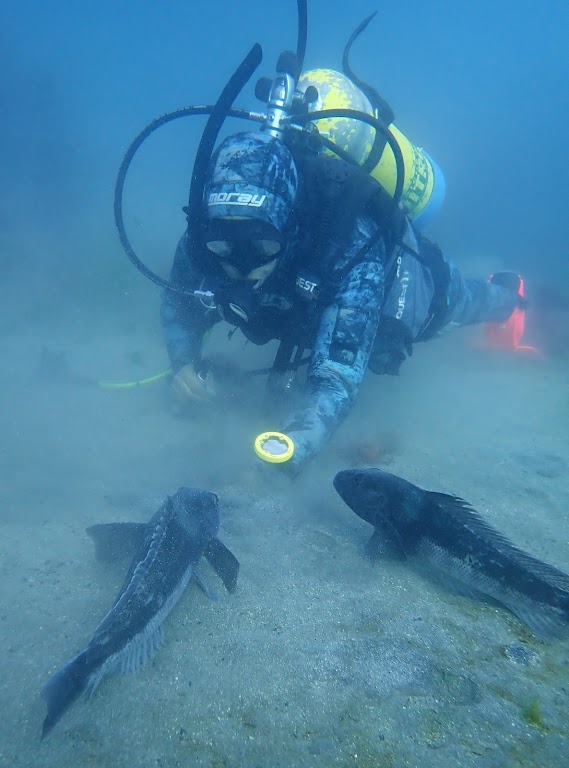
Owhiro Bay's lively marine environment is supported by its status within the Taputeranga Marine Reserve. Divers frequently encounter friendly Blue Cod, a species often observed interacting with visitors.
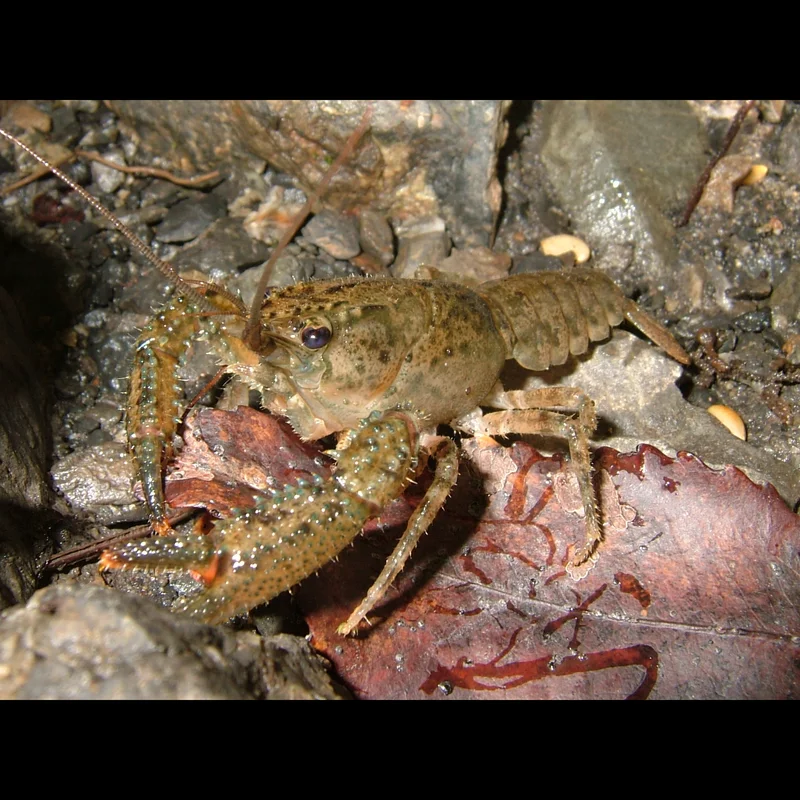
Crayfish are a common sight, thriving among the wreckage and reef structures; healthy populations, including juveniles, suggest a robust ecosystem. You might also spot moki, adding to the diversity of fish life.
Encrusted wrecks and rocky channels provide ample habitat for these local underwater critters, making each exploration an opportunity for discovery.

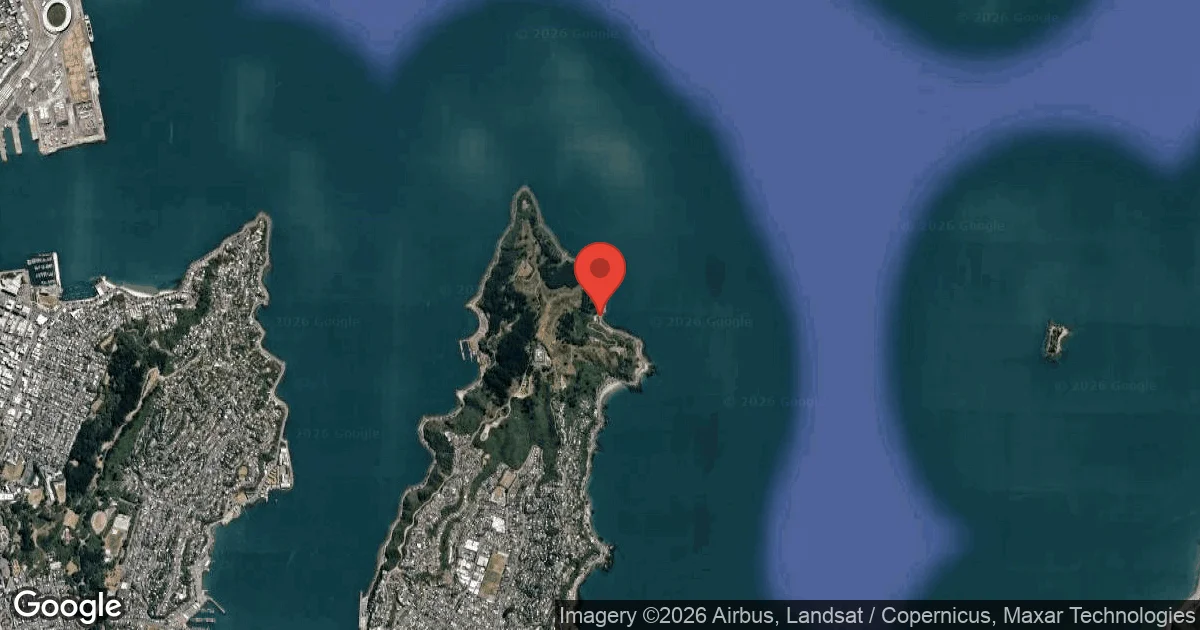
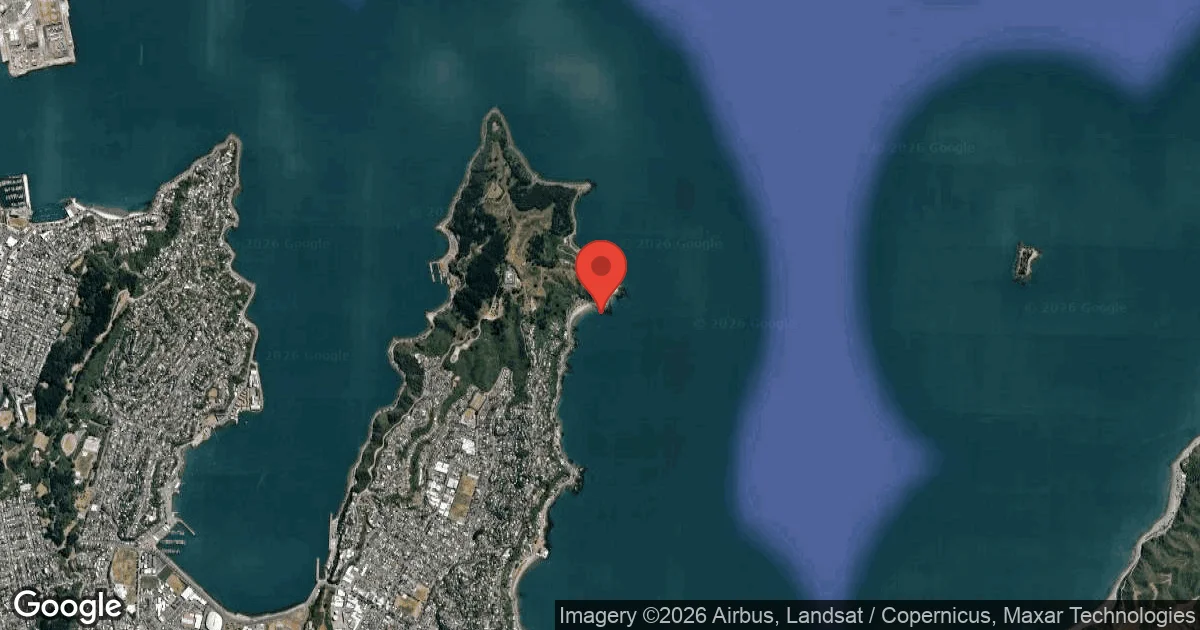
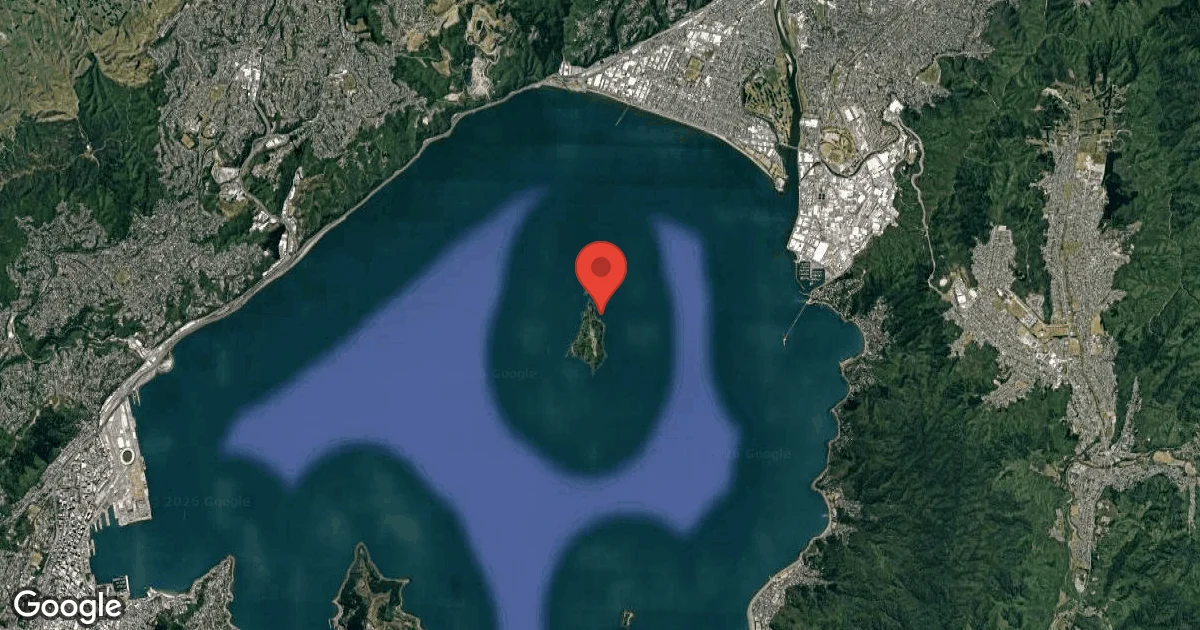
Dive Sites Near Owhiro Bay
View all dive sites in New ZealandDiscover more underwater gems in this area.
Dive Centers Near Owhiro Bay
Today: 09:00 - 16:00
Nearest Airports
Nearest airports to help plan travel to this dive area.
Search Flights
Check available flights and routes on Expedia, using the nearby airports listed in this section.
Search Flights on ExpediaFrequently Asked Questions
What is the maximum diving depth at Owhiro Bay?
The maximum diving depth at Owhiro Bay is approximately 16 meters (52 ft). Wrecks and reef channels are typically found in shallower ranges, from 5-12 meters (16-39 ft).
What types of diving can I do here?
Owhiro Bay is known for wreck diving and reef exploration. Its underwater landscape features four historical shipwrecks and numerous natural reef channels.
How many wrecks are located at Owhiro Bay?
There are four known wrecks at Owhiro Bay: the Yung Penn, Progress, Wellington, and Cyrus. They date from 1874 to 1982 and are in varying states of decay.
What marine life might I encounter?
Divers frequently encounter Blue Cod, which are often described as friendly. Crayfish and moki are also commonly seen thriving among the wrecks and reef.
Is Owhiro Bay suitable for beginner divers?
Yes, Owhiro Bay is suitable for PADI Open Water Divers. Good buoyancy control and navigation skills are beneficial due to the varied underwater terrain and wreckage.
What is the typical entry method for dives at this site?
Owhiro Bay is primarily a shore entry dive site. Divers access the water directly from the beach into the saltwater environment.
When is the best time to dive Owhiro Bay?
The most favorable conditions generally occur during the late spring and summer months, from November to February. Air temperatures are warmer, and moderate dive scores are reported.
Planning to dive Owhiro Bay?
Send one inquiry and receive offers directly from the best verified local dive operators.
Conditions are Poor
High Wind Advisory (49km/h). Unsafe surface.
Current conditions near Owhiro Bay show 10° air, 14° sea temperature, 2.0 m waves, and 49 km/h wind. Forecast data is refreshed regularly to ensure accuracy.