
Diving at Island Bay (New Zealand)
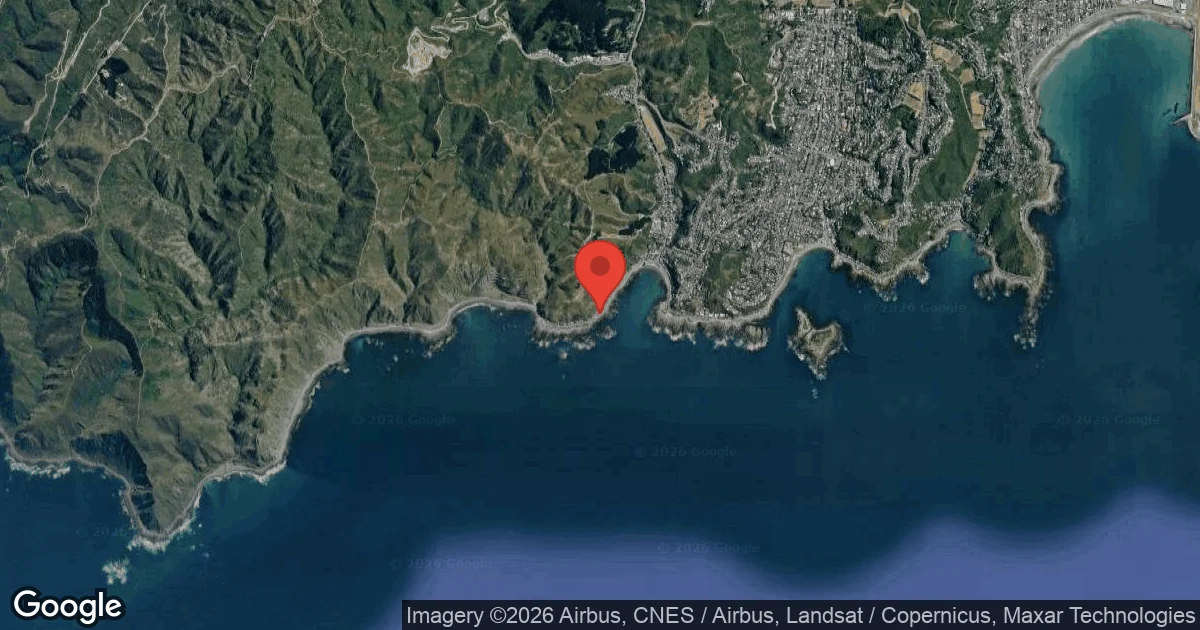
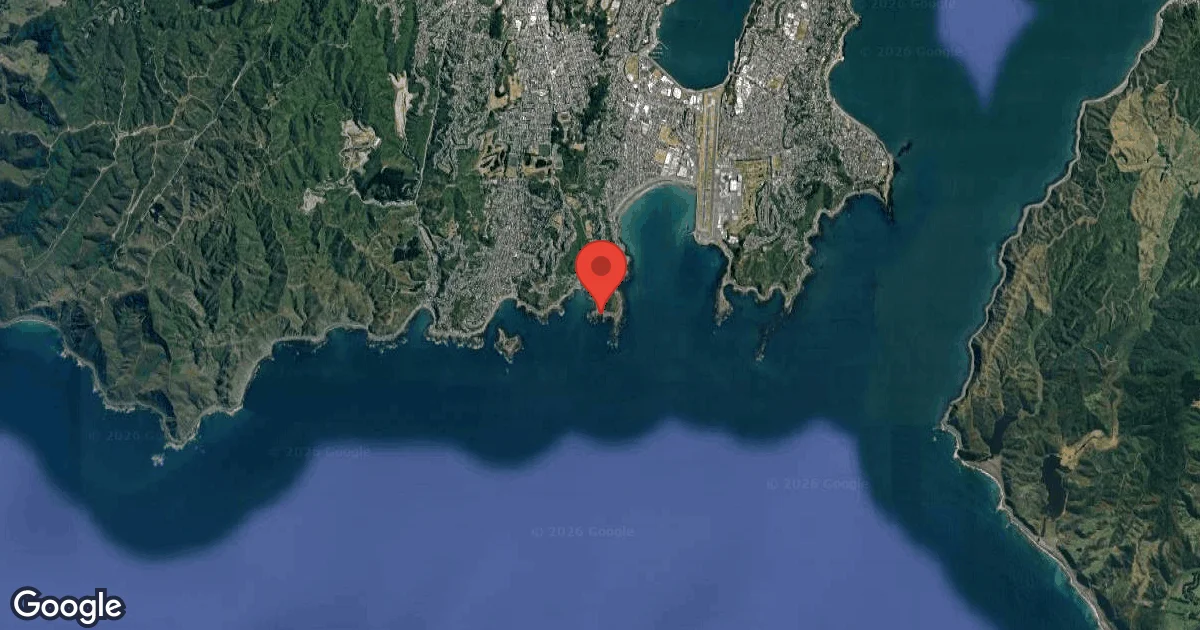
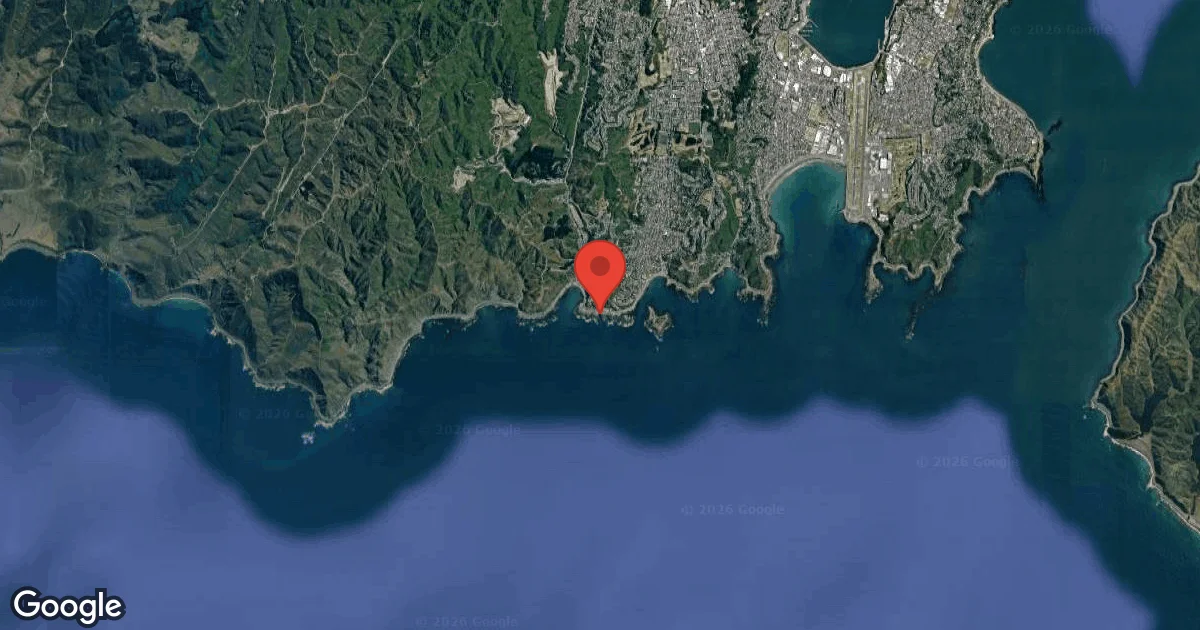
Island Bay distinguishes itself as a premier New Zealand dive destination, uniquely set within the capital city's Taputeranga Marine Reserve. Its rocky coastline provides a rich habitat bordering the deep, dynamic waters of Cook Strait. This accessible shore diving location is celebrated for its abundant marine life and varied underwater topography, drawing divers to experience the vibrant ecosystem near Wellington.
As evening covers Island Bay, the local air temperature is measured at 12°C. The current wave height at the surface is recorded at 1.4 m. These late-day readings characterize the surface conditions for the night.
Dive Site Location & Key Facts
Dive Site Overview
Diving at Island Bay delivers a truly distinctive experience within Wellington's Taputeranga Marine Reserve, a site recognized for its vibrant marine activity. This shore-entry destination provides access to diverse habitats, all within a short distance of the capital.
Divers explore a varied underwater topography that includes impressive walls dropping to depths of approximately 12 meters, intricate reef systems, and areas of sandy bottom, alongside occasional pinnacles. These diverse structures create a rich environment supporting a wide array of marine life. Expect water temperatures to fluctuate seasonally, generally between 10-17°C (50-63°F).
Visibility can range significantly, from 2-10 meters (6-30 feet) in sheltered areas, occasionally reaching up to 15 meters (45 feet) further offshore during optimal conditions. The maximum practical dive depth for recreational divers here is around 16 meters (52 feet).
Its proximity to the Cook Strait influences conditions; local operators prioritize safety by closely monitoring weather and sea states. This allows for a flexible approach, often finding suitable dive opportunities despite changeable regional weather, leveraging Wellington's extensive coastline.
It's a prime spot for both novice and experienced divers seeking temperate water biodiversity without extensive travel, with local club dives often exploring different sites weekly.
Conditions are Poor
High Swell Advisory. Not recommended.
Current conditions near Island Bay show 12° air, 14° sea temperature, 2.0 m waves, and 46 km/h wind. Forecast data is refreshed regularly to ensure accuracy.
Best Time to Dive
For an optimal dive experience, consider the warmer months when air temperatures are highest and dive scores are generally moderate. January and February typically see air temperatures around 17°C, with moderate dive scores, despite average wave heights of 1.8-1.9 meters and wind speeds around 33-33.5 km/h. November and December also offer moderate dive scores and pleasant air temperatures, ranging from 14.5-16°C, with rain levels relatively low during these periods, averaging 1.6-2.7 mm. Water temperatures themselves will be at the higher end of the 10-17°C range during these periods. Conversely, the winter months, particularly July and August, present lower air temperatures (around 10-10.5°C) and often feature 'poor' dive scores due to increased wave height and wind. Local dive shops update forecasts for 'divable conditions,' suggesting flexibility is key given Wellington's 360-degree coastline. Booking ahead is advised, as departure dates are weather-dependent.
PEAK SEASON SCORE
Scores combine air & water temps, waves, wind & rainfall for overall conditions.
BEST MONTHS TO DIVE
Monthly records compiled from satellite and marine observation nodes over the last 3 years. Data provided by Open-Meteo and MET Norway.
Dive Experience & Conditions
The dive profile at Island Bay primarily involves shore entries, leading to varied topography. Depths typically descend to a maximum of 16 meters (52 feet), with key features like walls reaching down to 12 meters. These walls serve as excellent habitat for a variety of crustaceans and cephalopods. Water temperatures in these New Zealand waters generally sit between 10°C and 17°C (50-63°F) throughout the year. Visibility is variable, ranging from 2 meters (6 feet) to 10 meters (30 feet) inshore, though it can extend to 15 meters (45 feet) offshore. Divers will navigate reef structures, sandy areas, and rocky features, often encountering specific species like Blue Moki and Blue Cod off the walls. Given the cooler water temperatures, most divers choose 7mm wetsuits, frequently paired with parka jackets, or opt for drysuits for extended comfort.
Dive Difficulty & Safety Guidelines
Approaching Island Bay diving requires awareness of local conditions, which can be dynamic due to its exposure to the Cook Strait. Divers should note that weather can quickly influence sea states and visibility. It's highly recommended to consult local dive operators, such as Island Bay Divers, who provide current forecasts and guidance, often posting updates on social media.
They organize club dives every Saturday morning, an excellent way to gain site-specific knowledge and meet other divers. Booking trips in advance is crucial, as departure dates are often weather-dependent.
Ensure all scuba cylinders have a current annual test tag; this is a mandatory safety check. Divers interested in "kai moana" collection should confirm they are outside the Taputeranga Marine Reserve boundaries.
Recommended Equipment
- Dive Computer
- Hard-soled Dive Boots
This gear list is based on verified equipment signals for Island Bay, New Zealand. Always confirm final gear choices with your dive operator, guide, or liveaboard.
Recommended Dive Suit
In conditions like these, many divers prefer diving with 7mm wetsuit or semidry. Strong winds are present; please take strong precautions against rapid cooling during surface intervals. A thermal robe or jacket is recommended between dives.
Divers entering the water at Island Bay today can expect temperatures near 14°C (57°F) beneath the surface. Surface air temperatures are resting at 12°C (54°F).
Forecast models indicate that diving conditions should remain largely unchanged.
Due to technical issues with our weather providers, data hasn't been fetched for over 48 hours. The data above reflects the conditions at the time of the last successful fetch.
Emergency & Medical Support
Essential information to help you plan your dive trip to Island Bay.

Hyperbaric chambers are a critical part of dive safety infrastructure. Availability varies significantly by region, and not all dive areas have immediate access.
Before diving, it's recommended to:
- confirm nearest medical facilities
- check emergency procedures with local dive operators
- ensure dive insurance covers evacuation if required
Divers Alert Network
Diving emergency assistance available through DAN World.
+1-919-684-9111- 24/7 emergency hotline
- Diving medical assistance
- Evacuation coordination
Emergency contacts are provided for reference. Always verify local emergency services before diving.
Marine Life at Island Bay
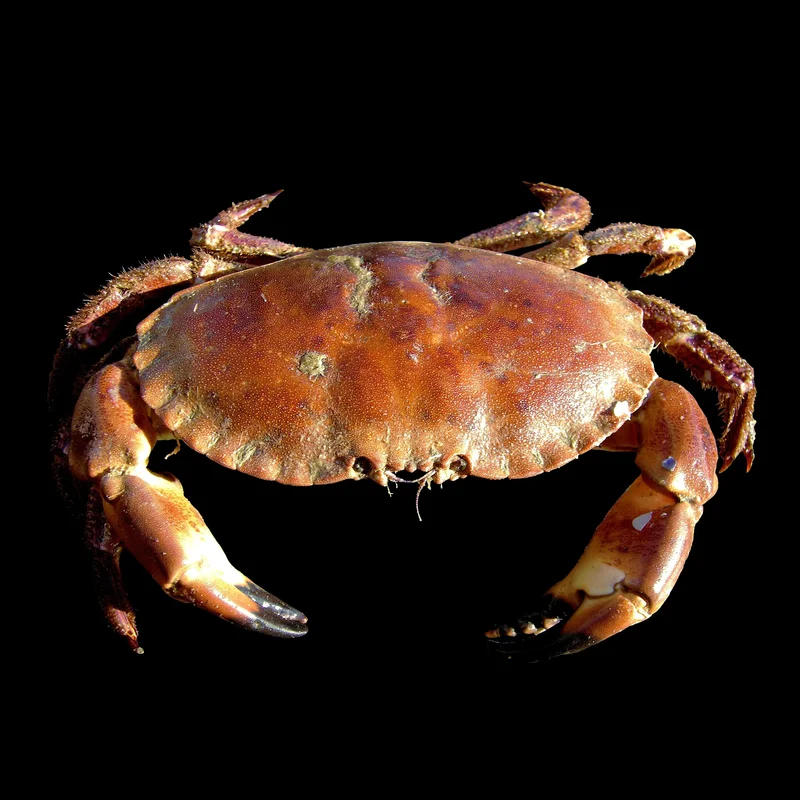
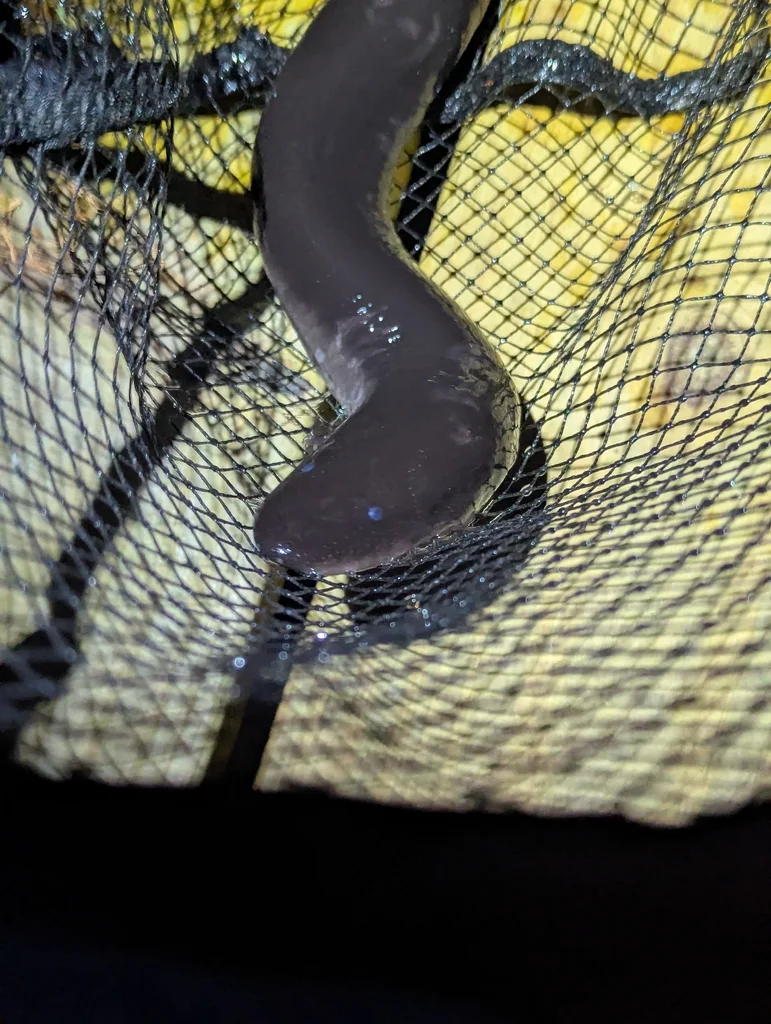
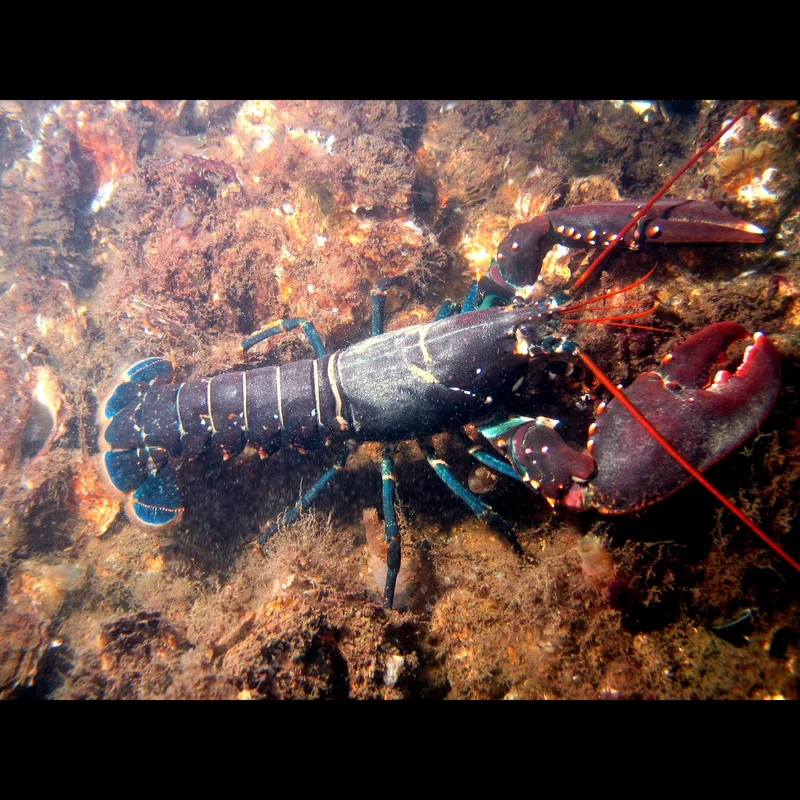
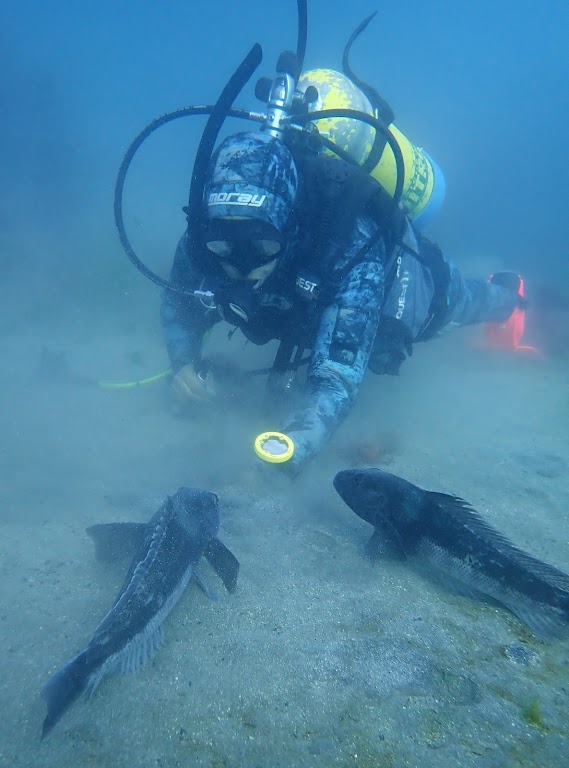
The first impression at Island Bay is often the sheer abundance of fish, earning it a reputation as Wellington's "fishiest site." Divers frequently encounter large Blue Moki and Blue Cod, especially around the drop-offs and along the walls. Crayfish, octopus, and conger eels are common residents within the crevices and along the deeper sections of the wall.
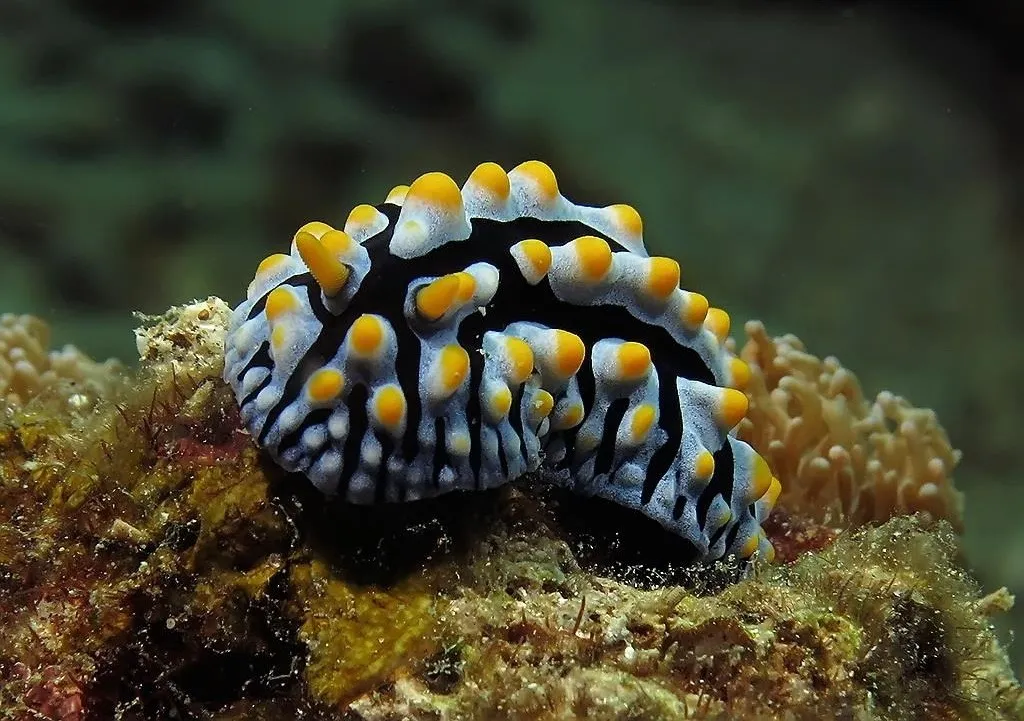
Taking time to observe the smaller details reveals nudibranchs, cleverly camouflaged masking crabs, and elusive crested weedfish. Keep an eye out for seahorses, which are a special treat.

Dive Sites Near Island Bay
View all dive sites in New ZealandDiscover more underwater gems in this area.
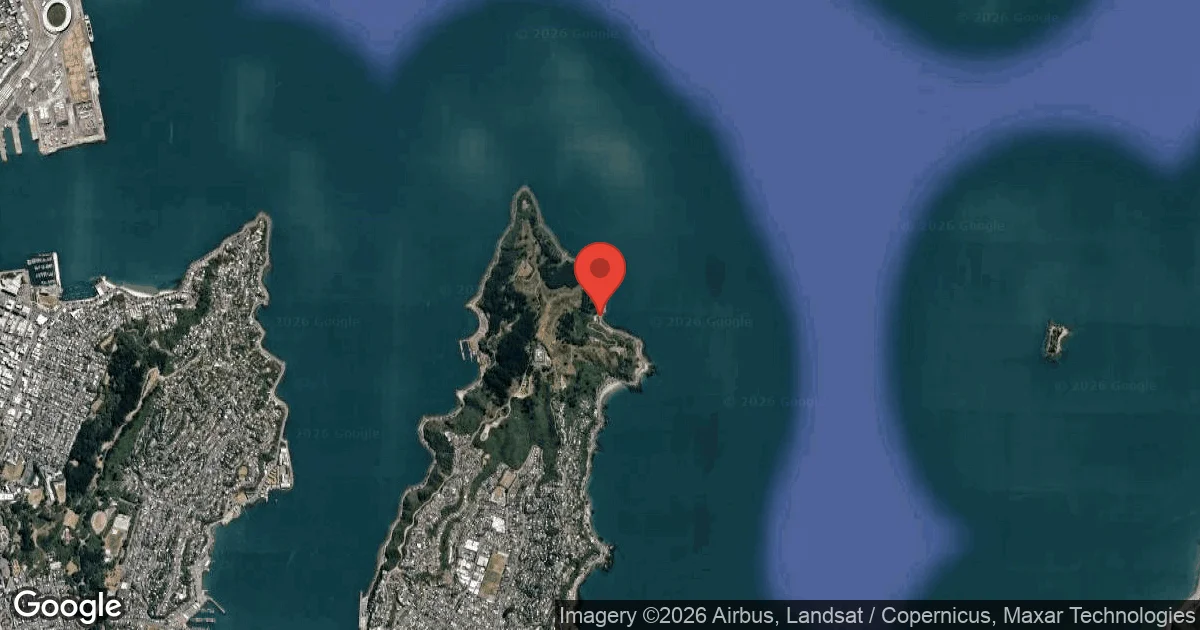
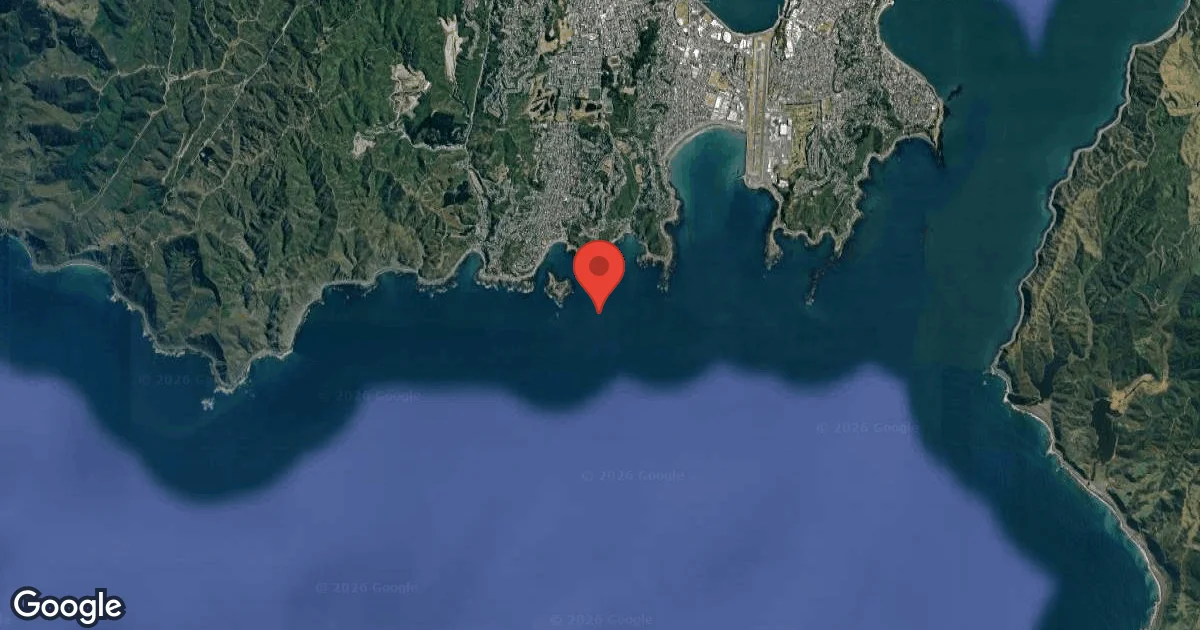
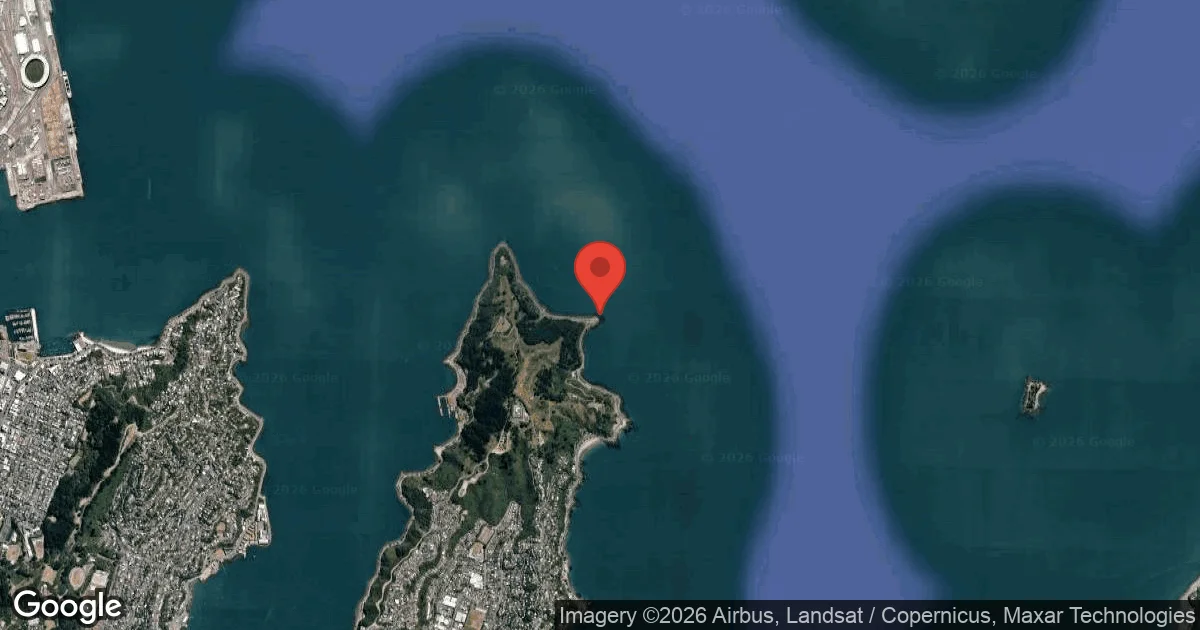
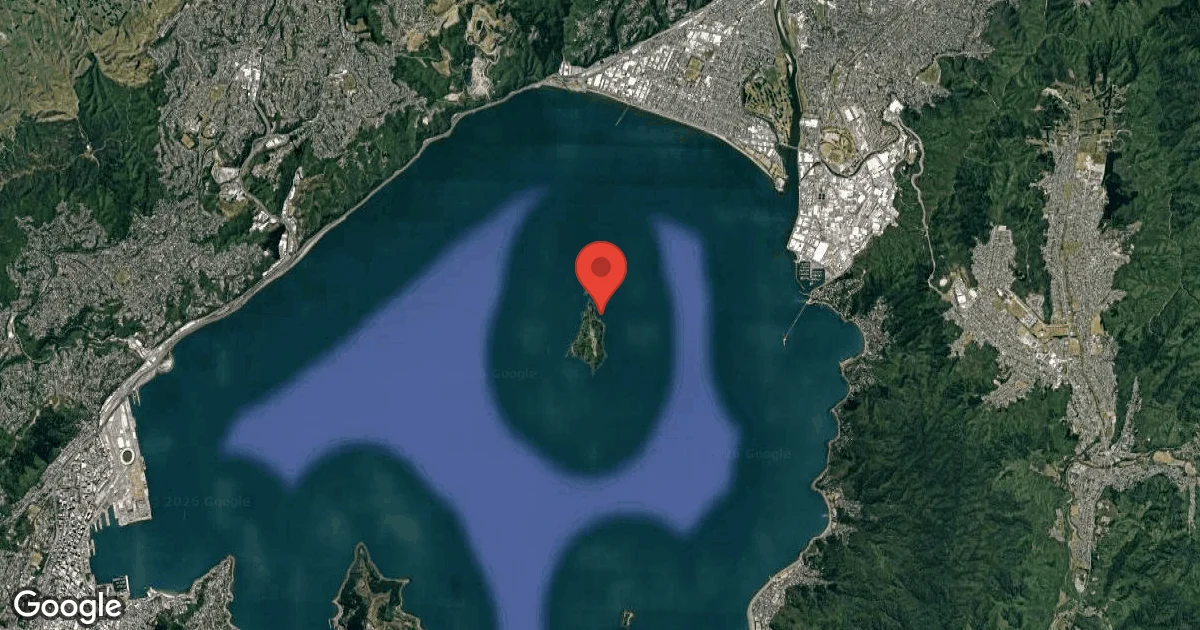
Dive Centers Near Island Bay
Today: 09:00 - 16:00
Nearest Airports
Nearest airports to help plan travel to this dive area.
Search Flights
Check available flights and routes on Expedia, using the nearby airports listed in this section.
Search Flights on ExpediaFrequently Asked Questions
What is the maximum dive depth at Island Bay?
The maximum practical dive depth for recreational divers at Island Bay is approximately 16 meters (52 feet). Notably, a prominent wall feature descends to around 12 meters, providing excellent exploration opportunities.
What are the typical water temperatures here?
Water temperatures at Island Bay generally range from 10°C to 17°C (50-63°F) throughout the year. Thermal protection, such as a 7mm wetsuit or drysuit, is recommended for comfort.
What kind of visibility can divers expect?
Visibility varies significantly, typically ranging from 2 meters (6 feet) to 10 meters (30 feet) inshore. Offshore conditions can often extend to 15 meters (45 feet) on clearer days.
Is Island Bay suitable for shore diving?
Yes, Island Bay is primarily a shore entry dive site, making it easily accessible for divers. Local club dives frequently depart from the shore on Saturday mornings.
Can divers collect seafood ("kai moana") at this site?
Collection of "kai moana" is permissible, provided divers ensure they are operating outside the designated boundaries of the Taputeranga Marine Reserve. It's important to understand the reserve's limits.
What marine life is commonly seen at Island Bay?
The site is known for large Blue Moki and Blue Cod, especially off the walls. Crayfish, octopus, conger eels, nudibranchs, masking crabs, and crested weedfish are also frequently encountered, with seahorses being a special find.
When are the best months to dive Island Bay?
The warmer months, particularly January, February, November, and December, often offer more moderate dive scores and higher air temperatures. However, local conditions are highly weather-dependent, so checking forecasts closer to the dive date is essential.
What type of thermal protection is recommended for diving here?
Given the cooler water temperatures, most divers prefer a 7mm wetsuit, often supplemented with a parka jacket for surface intervals. A drysuit is also a popular choice for extended comfort, especially during cooler seasons.
Planning to dive Island Bay?
Send one inquiry and receive offers directly from the best verified local dive operators.
Conditions are Poor
High Swell Advisory. Not recommended.
Current conditions near Island Bay show 12° air, 14° sea temperature, 2.0 m waves, and 46 km/h wind. Forecast data is refreshed regularly to ensure accuracy.