
Diving at Whale Rock (New Zealand)
Whale Rock demands a precise understanding of its exposed nature and dynamic conditions. Divers must align plans with calm seas and minimal current, ensuring a rewarding experience within its intricate underwater architecture. When conditions align, a dramatic topography of sloping ridges and sheer walls makes the effort worthwhile.
Tonight's objective overview for Whale Rock shows an air temperature of 17°C. The measured surface conditions include wave heights around 1.3 m. This environmental data is logged for the close of the day.
Dive Site Location & Key Facts
Dive Site Overview
A unique underwater landscape defines Whale Rock, offering a distinct New Zealand dive experience. An exposed rock formation, it features varied topography; its eastern flank reveals covered ridges gradually descending to significant depths, often around 45 meters / 148 feet.
This side provides a complex environment with numerous ledges and overhangs. In stark contrast, a dramatic wall on the western side drops more steeply, generally bottoming out between 20 to 25 meters / 65 to 82 feet, creating excellent opportunities for wall diving.
Intricate networks of cracks and crevices riddle the entire formation, inviting closer inspection and harboring a rich array of smaller marine life. Divers find natural navigation points inherent in the rock's structure, making underwater orientation straightforward once surface conditions are stable.
Beyond topography, abundant reef fish constantly school along rock faces. During warmer summer months, encounters with pelagic species making appearances in open water surrounding the rock increase, adding an exciting dimension as divers scan the blue. Careful planning and good conditions reward exploration of its dynamic, vibrant ecosystem.
Conditions are Moderate
High Wind Advisory (53km/h). Unsafe surface.
Current conditions near Whale Rock show 17° air, 16° sea temperature, 1.1 m waves, and 53 km/h wind. Forecast data is refreshed regularly to ensure accuracy.
Best Time to Dive
While New Zealand offers year-round diving, Whale Rock truly reveals its potential during the summer and early autumn months, particularly February and March. Our climate data indicates these periods often present the most favorable conditions, with average air temperatures peaking around 20°C / 68°F in February and 18.5°C / 65°F in March. Rain levels are also at their lowest then, averaging just 2.09 mm in February. Good dive scores are consistently reported during these months, reflecting calmer seas and less wind, which is crucial for an exposed site. Divers should note that water temperatures vary, typically reaching around 18-19°C / 64-66°F during the warmer months, necessitating appropriate thermal protection.
PEAK SEASON SCORE
Scores combine air & water temps, waves, wind & rainfall for overall conditions.
BEST MONTHS TO DIVE
Monthly records compiled from satellite and marine observation nodes over the last 3 years. Data provided by Open-Meteo and MET Norway.
Dive Experience & Conditions
Whale Rock's exposed nature directly shapes the dive experience, making weather and tidal currents primary considerations. Diving here requires careful timing to avoid prevailing winds exceeding 15 knots or swells above 1 meter. Strong tidal currents can be a significant factor, so planning a dive around slack tide is essential for a safe and enjoyable experience. When conditions are calm, the site becomes accessible, allowing for straightforward navigation along its distinct geological features. Varying depths, from shallower western wall to deeper eastern ridges, allow for different dive profiles within a single location. A dynamic environment, it demands divers remain aware of their surroundings and any changes in water movement.
Dive Difficulty & Safety Guidelines
Prioritizing diver safety at Whale Rock means vigilant attention to environmental conditions. Highly susceptible to weather and currents, avoiding dives when prevailing winds exceed 15 knots, swells are above 1 meter, or strong tidal currents are present is crucial.
Due to its exposed nature and potential for deeper sections, a PADI Advanced Open Water Diver certification or equivalent is recommended for comfortable exploration. Always conduct thorough dive planning, including checking local forecasts and tides.
Maintaining proper buoyancy control is vital, especially when navigating sloping walls and crevices, to protect the reef and ensure a safe ascent.
Recommended Equipment
Deep dive hazard. Increased narcosis and gas consumption risk.
- Dive Computer
- DSMB
- Primary & Backup Lights
- Hard-soled Dive Boots
This gear list is based on verified equipment signals for Whale Rock, New Zealand. Always confirm final gear choices with your dive operator, guide, or liveaboard.
Recommended Dive Suit
The coming days appear slightly cooler according to the latest forecast. Cooler days are ahead; you might want a warmer option for later in the week. Divers planning multiple dives may appreciate having a warmer option available.
Factors such as dive duration, depth, and activity level can influence how warm a diver feels underwater. Surface intervals may feel noticeably cooler once you exit the water. Divers planning trips later in the week may want to consider bringing a slightly warmer suit.
5-7mm wetsuit typically balances flexibility and thermal protection in these temperatures. Divers preparing to enter the water at Whale Rock will likely find temperatures around 16°C (60°F) today. Surface air temperatures are resting at 17°C (63°F).
Emergency & Medical Support
Essential information to help you plan your dive trip to Whale Rock.

Hyperbaric chambers are a critical part of dive safety infrastructure. Availability varies significantly by region, and not all dive areas have immediate access.
Before diving, it's recommended to:
- confirm nearest medical facilities
- check emergency procedures with local dive operators
- ensure dive insurance covers evacuation if required
Divers Alert Network
Diving emergency assistance available through DAN World.
+1-919-684-9111- 24/7 emergency hotline
- Diving medical assistance
- Evacuation coordination
Emergency contacts are provided for reference. Always verify local emergency services before diving.
Marine Life at Whale Rock
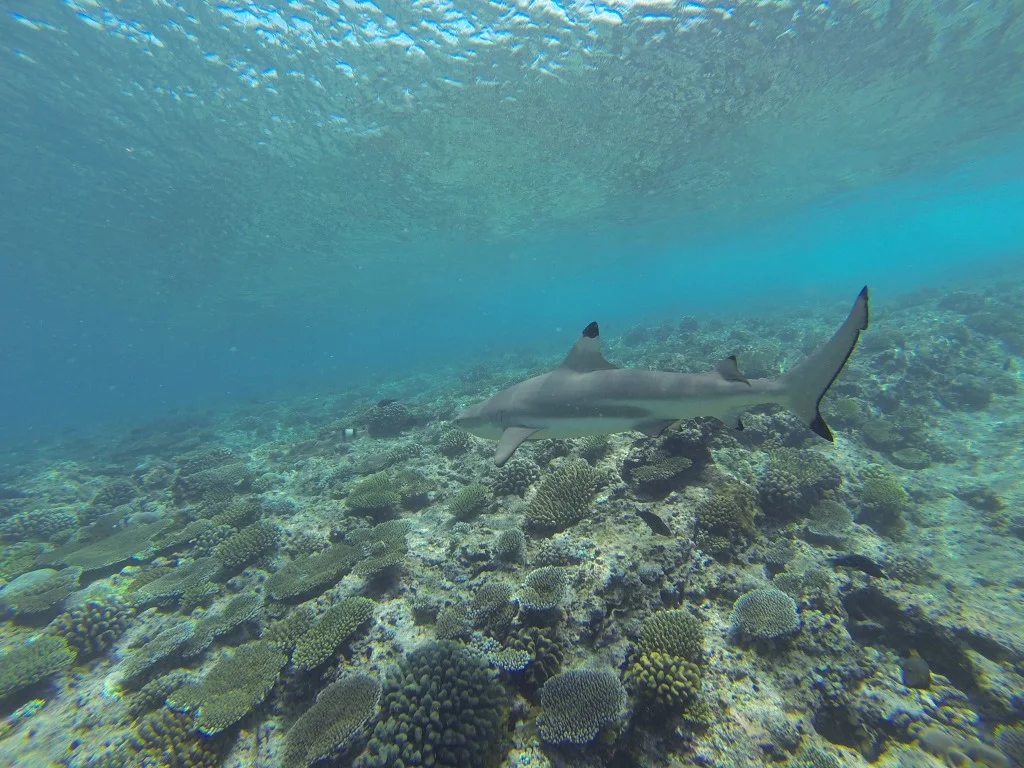
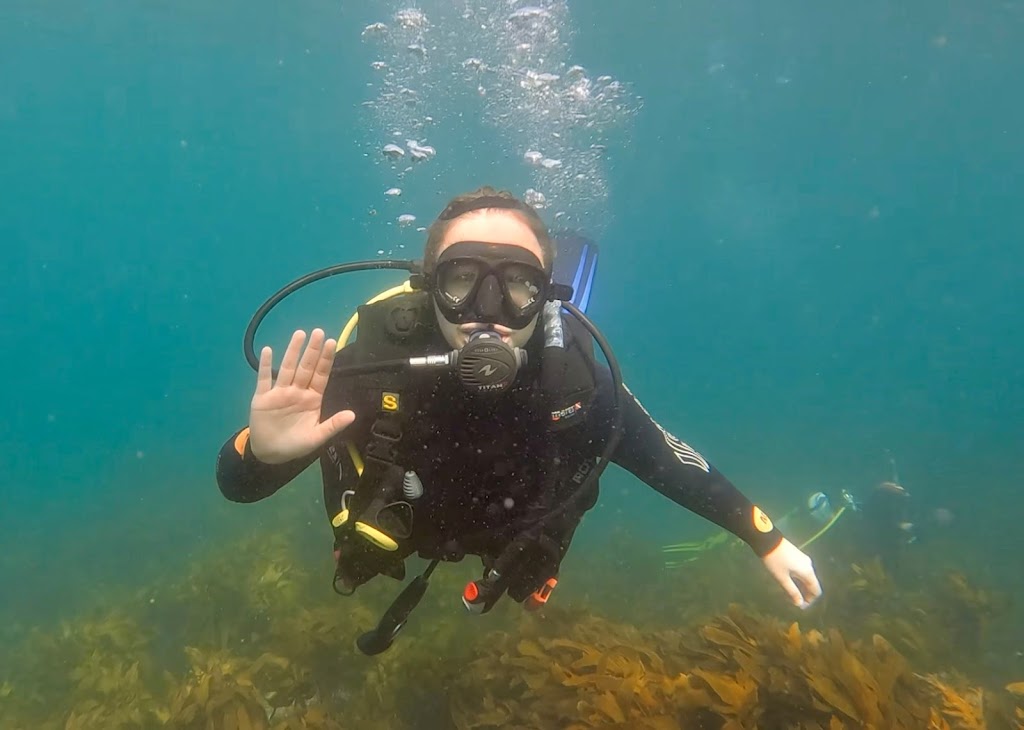
Upon initial descent at Whale Rock, a vibrant tapestry of reef fish quickly reveals itself, consistently observed inhabiting cracks and sloping walls. During warmer summer months, chances of encountering pelagic species increase significantly, adding an exciting dive dimension. While divers often report sightings of sharks, dolphins, and turtles in the general area, a key draw remains an abundant and diverse reef ecosystem surrounding the rock itself.
Dive Sites Near Whale Rock
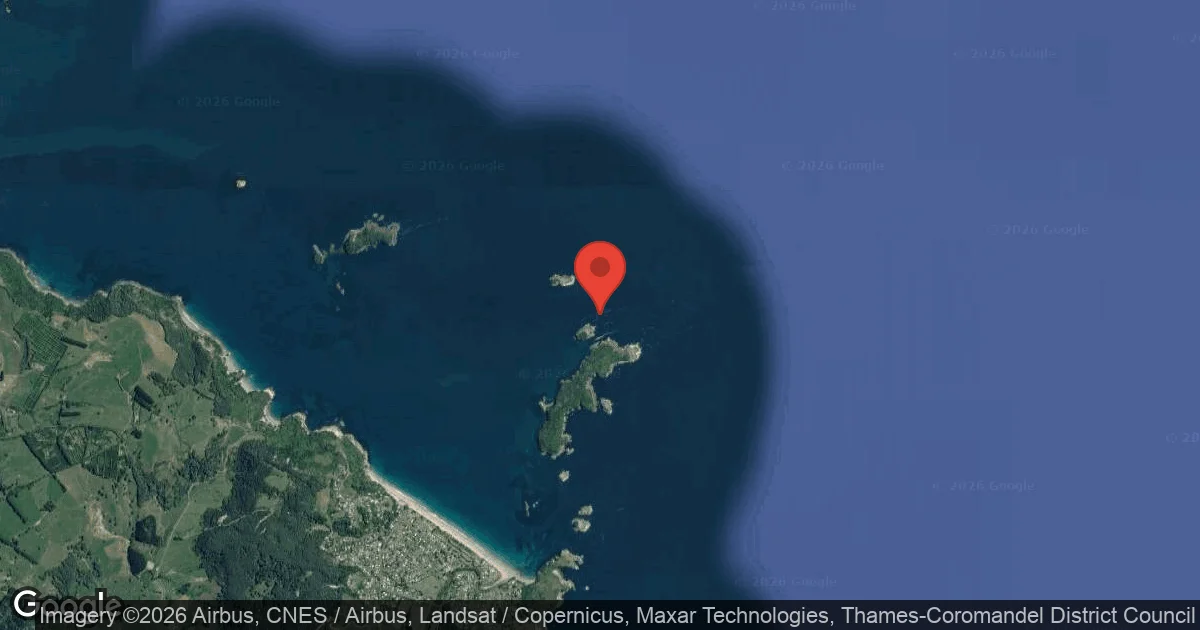
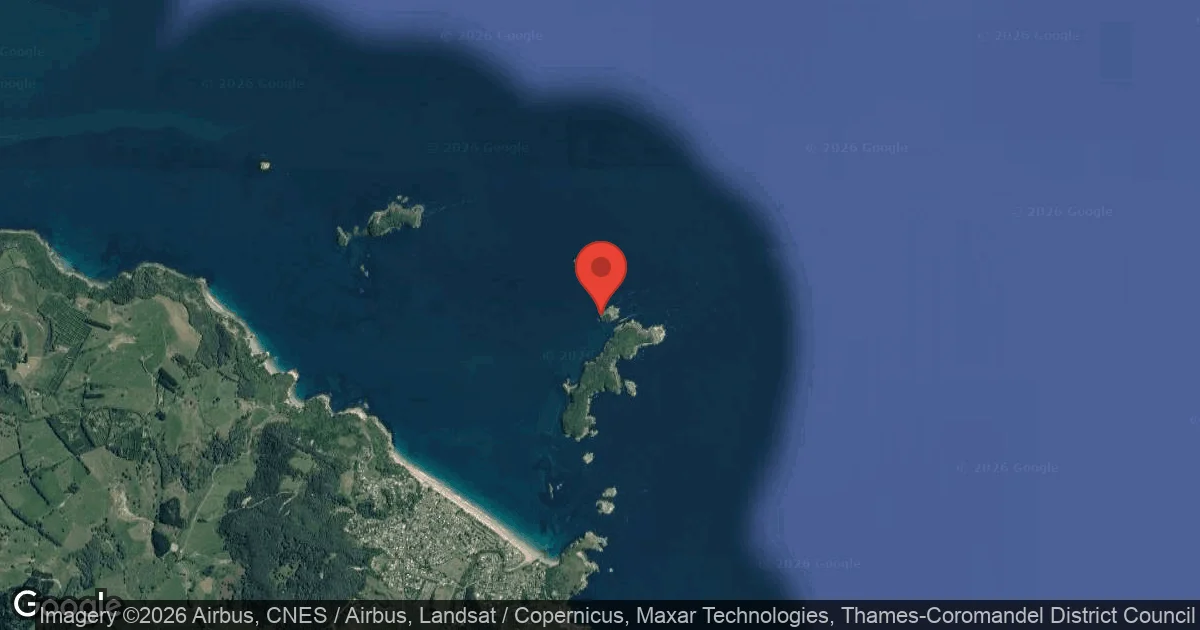
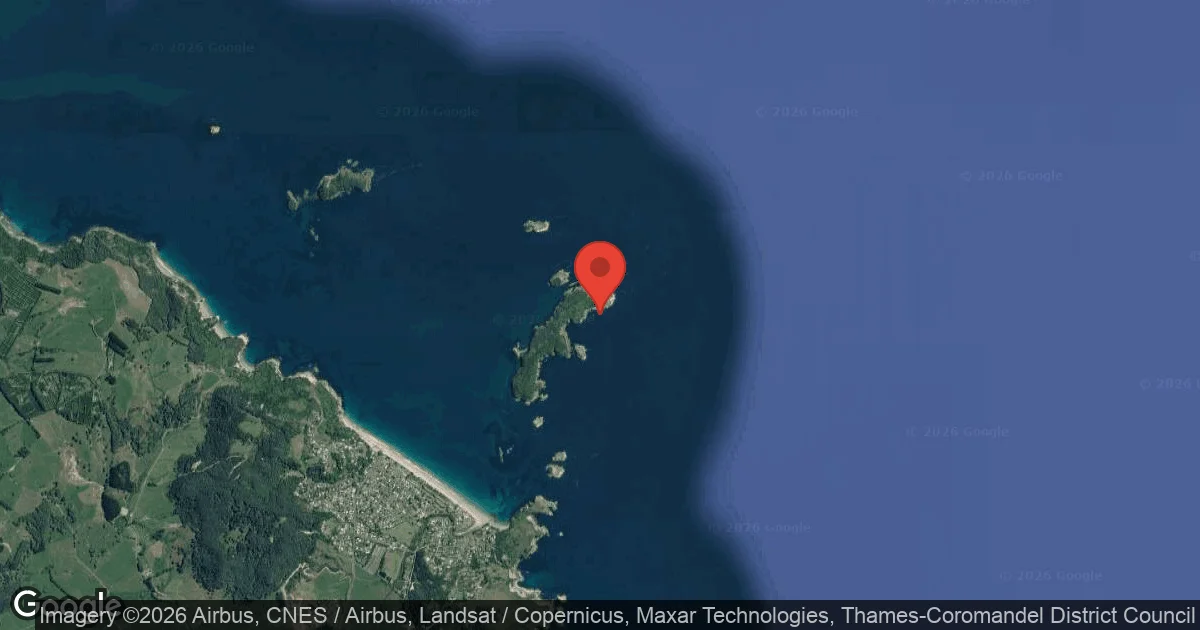
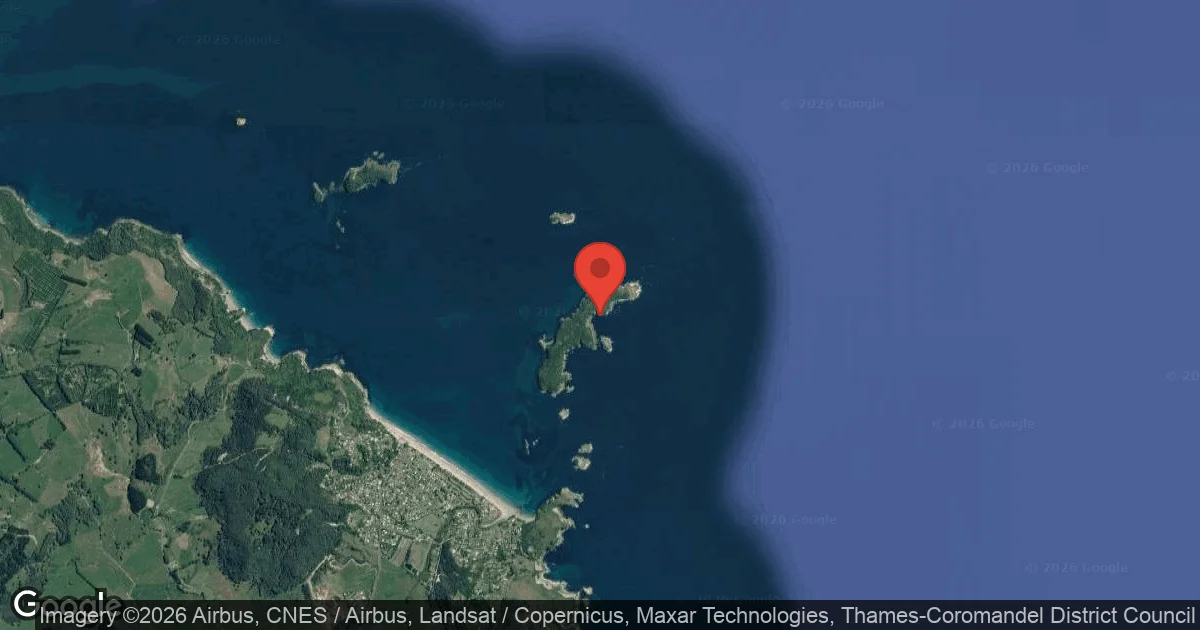
View all dive sites in New ZealandDiscover more underwater gems in this area.
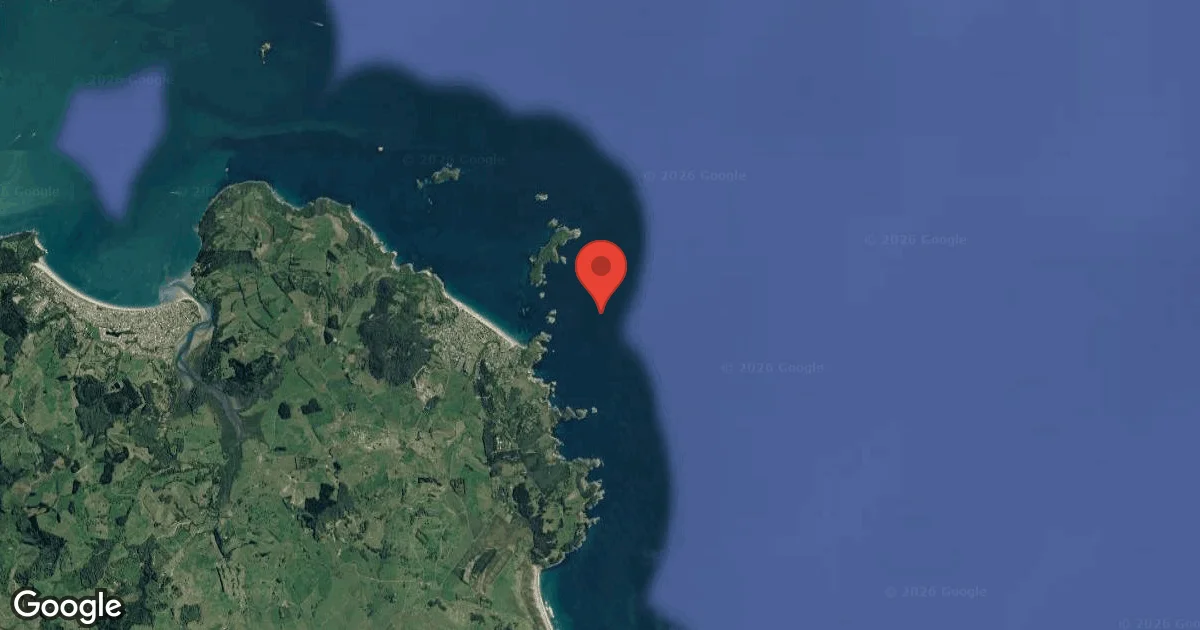
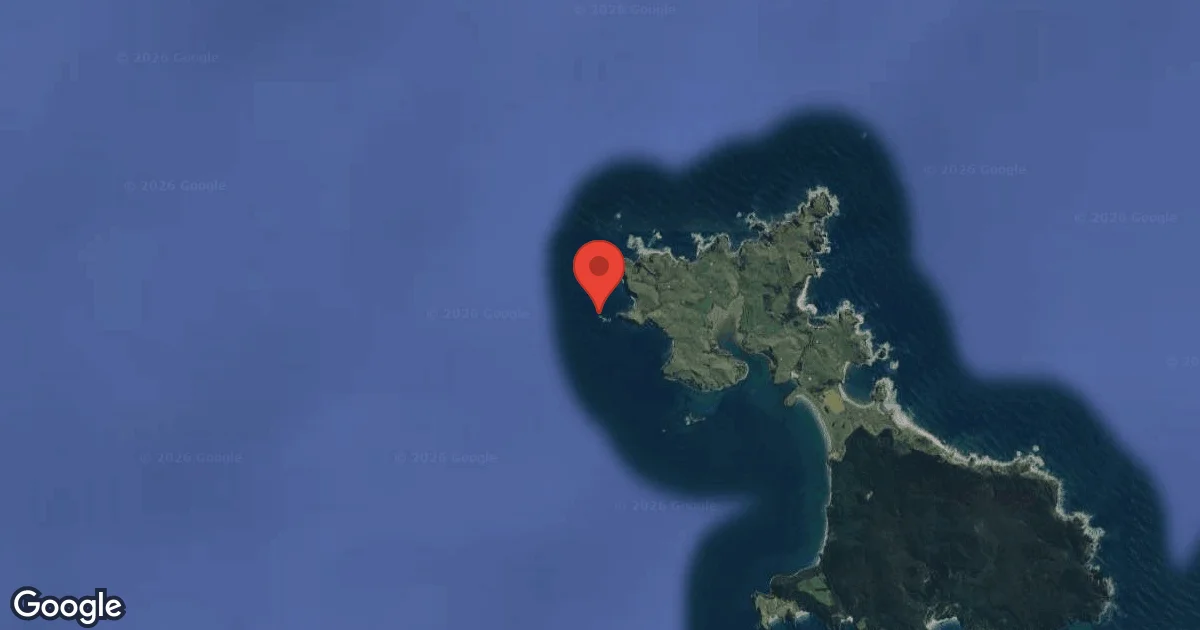
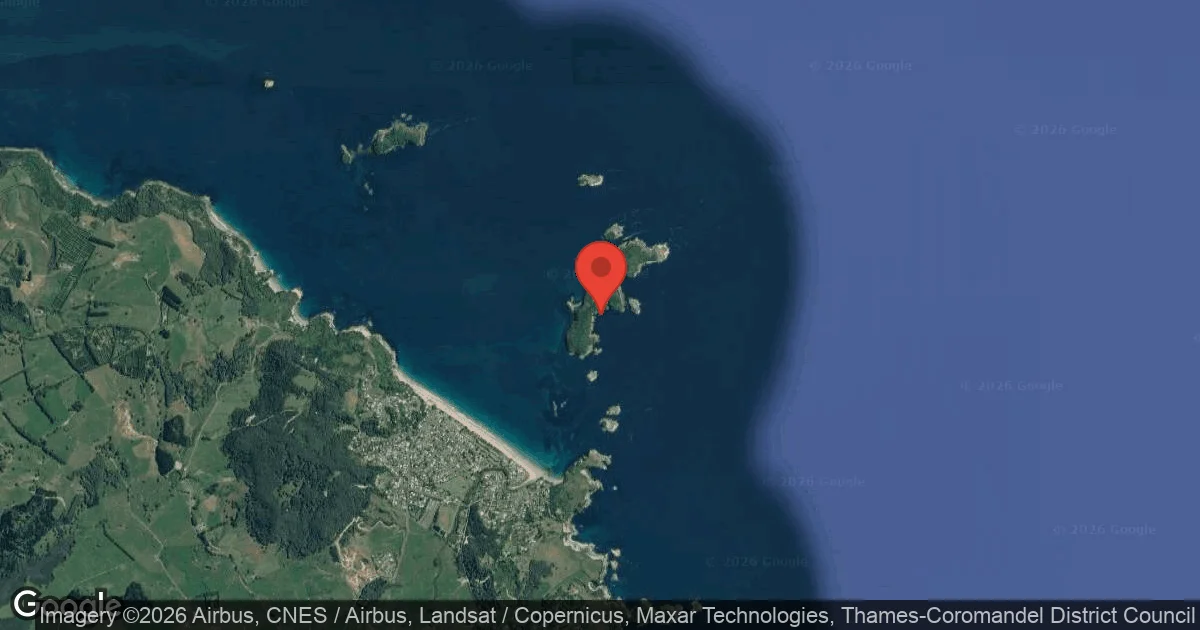
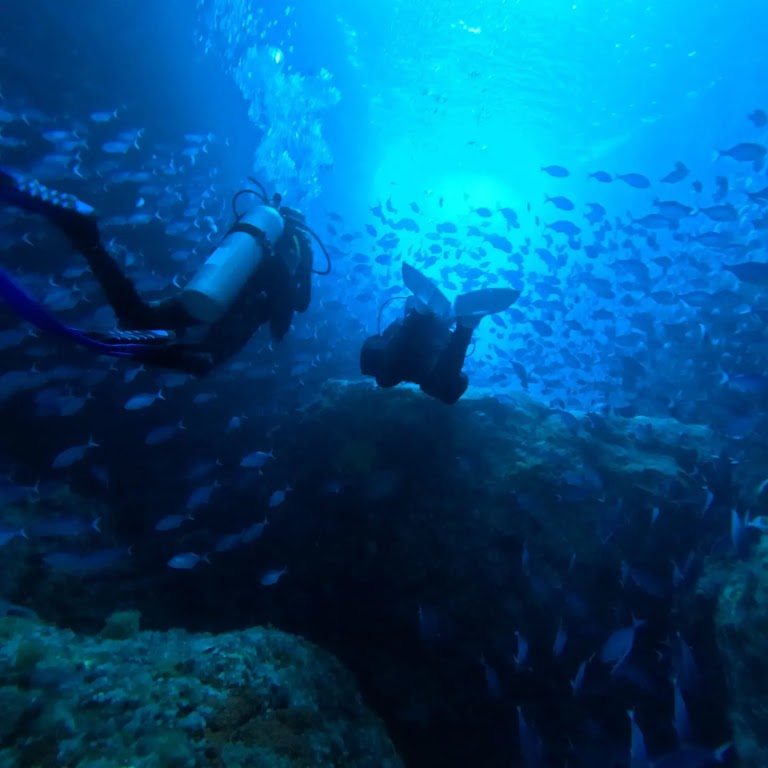
Dive Centers Near Whale Rock
Nearest Airports
Nearest airports to help plan travel to this dive area.
Search Flights
Check available flights and routes on Expedia, using the nearby airports listed in this section.
Search Flights on ExpediaFrequently Asked Questions
What is the best time of year to dive Whale Rock?
Most favorable conditions for diving Whale Rock typically occur during New Zealand's summer and early autumn, specifically February and March. These months generally offer highest air temperatures, less rain, and calmer sea conditions, as indicated by good dive scores.
What are the typical depth ranges at Whale Rock?
Whale Rock offers a diverse depth profile. Its eastern flank descends gradually, reaching over 40 meters, while a steep wall on the western side typically bottoms out in the 20-25 meter range. Divers can explore varied sections from shallower reef tops to deeper rocky slopes.
What kind of underwater structure does Whale Rock feature?
Whale Rock is characterized by big sloping walls, along with numerous cracks and crevices. Its eastern side has covered ridges, while a steep, dramatic wall defines the western side.
Are there specific weather conditions to avoid when planning a dive?
Yes, it is crucial to avoid diving Whale Rock when prevailing winds exceed 15 knots or when swells are above 1 meter. Strong tidal currents can also be present, making careful timing around slack tide essential for safety.
What marine life can divers expect to see at Whale Rock?
Divers can expect to see amazing reef fish surrounding the rock throughout the year. During warmer summer months, there's an increased chance of encountering pelagic fish. Sharks, dolphins, and turtles are also commonly sighted in the broader region.
Is Whale Rock a suitable dive site for beginner divers?
Given its exposed nature, potential for deeper sections, and sensitivity to currents, Whale Rock is generally recommended for certified Advanced Open Water Divers or those with equivalent experience. Conditions can be challenging, requiring good dive planning and awareness.
Is Whale Rock primarily a shore or boat dive?
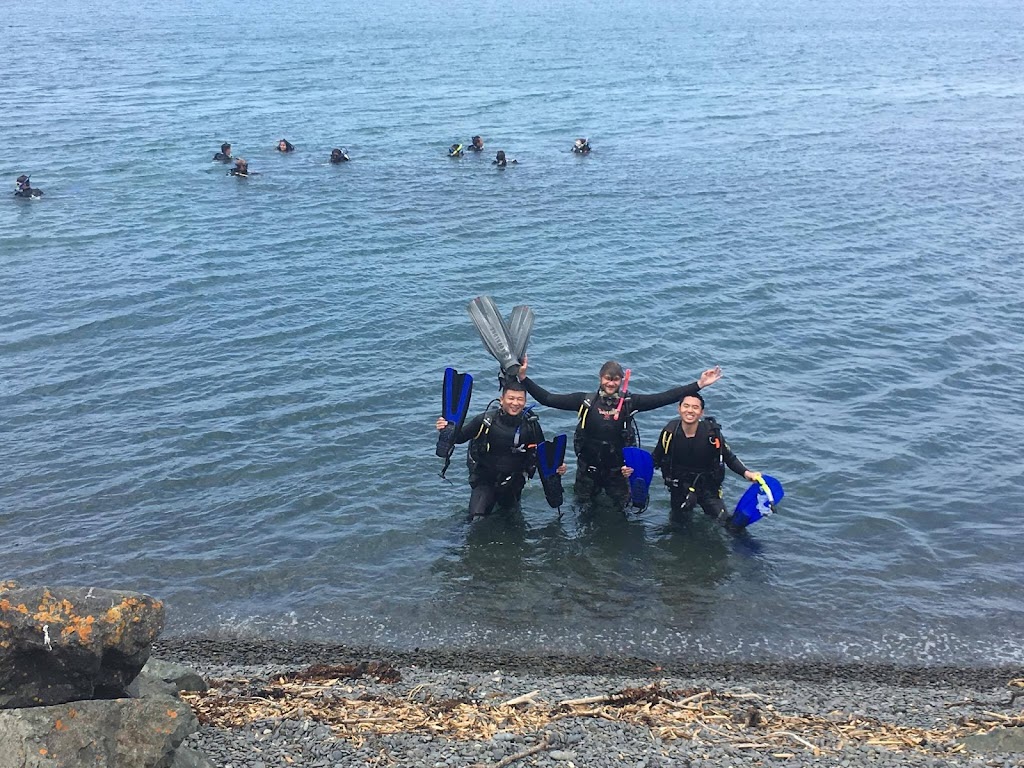
Whale Rock is accessible as a shore dive. Divers can enter the water directly from the beach or coastline, though local guidance is always advisable.
Planning to dive Whale Rock?
Send one inquiry and receive offers directly from the best verified local dive operators.
Conditions are Moderate
High Wind Advisory (53km/h). Unsafe surface.
Current conditions near Whale Rock show 17° air, 16° sea temperature, 1.1 m waves, and 53 km/h wind. Forecast data is refreshed regularly to ensure accuracy.