
Diving at Okorotere Island (New Zealand)
Around Okorotere Island, divers encounter a varied underwater landscape, transitioning from sheltered reef sections to dramatic seaward drop-offs. Main island areas allow exploration up to 20 m (65 ft), while an exposed pinnacle, known as 'The Long Drop,' plunges to a maximum depth of 30 m (98 ft). A protected marine reserve, it offers accessible dives for various experience levels.
Tonight's objective overview for Okorotere Island shows an air temperature of 13°C. The measured surface conditions include wave heights around 0.8 m. This environmental data is logged for the close of the day.
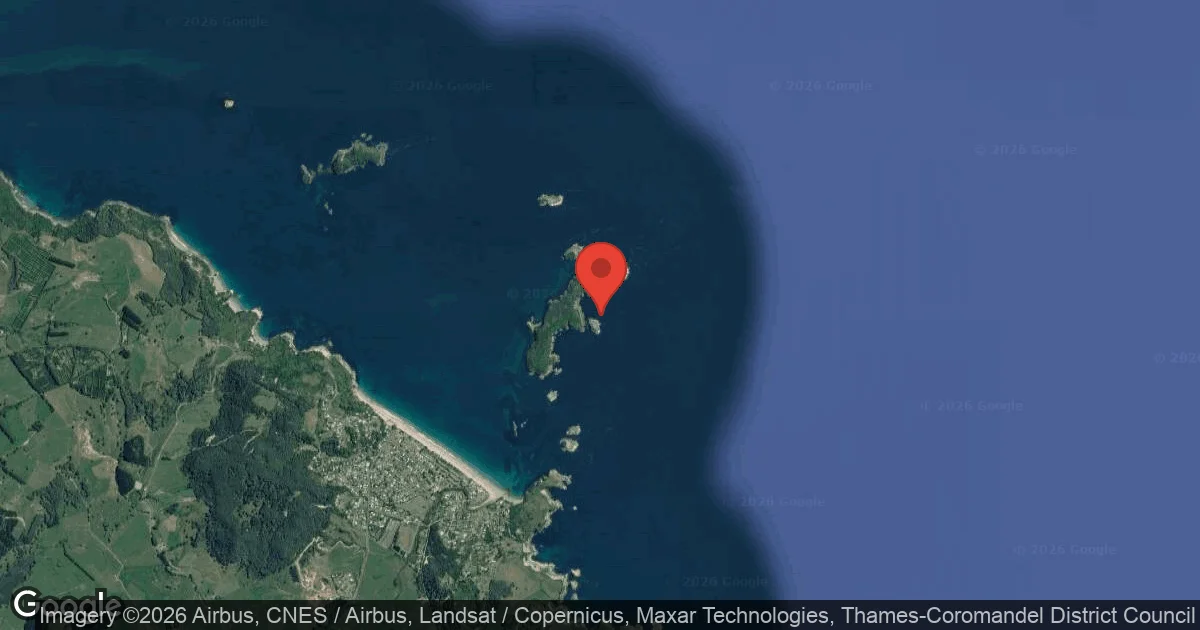
Dive Site Location & Key Facts
Dive Site Overview
Okorotere Island's underwater topography presents a dynamic environment, primarily characterized as a reef, wall, and sandy-bottom dive site within a protected marine reserve. Its structure often transitions from sheltered, shallower bays to more exposed, deeper pinnacles.
Exploring the main island typically reveals extensive boulder terrain, providing a complex network of habitats. Alongside these, divers find walls and numerous sheltered sections where they can remain at shallower depths of 15 m (50 ft) or less. These varied depths cater to a range of experience levels, from novice to advanced.
Further out, on the seaward side, 'The Long Drop' pinnacle offers a distinct dive profile. This prominent feature rises to around 7 m (23 ft) from the surface before descending sharply with impressive drop-offs down to a maximum depth of 30 m (98 ft).
Such dramatic formations create diverse habitats for marine life, often providing shelter from currents. Both areas are notable for their abundant encrusting sponges, varied kelp beds, as well as vibrant jewel anemones that adorn the rock faces in striking patches of color. Entry to these dive sites is exclusively by boat, requiring comfort with vessel-based operations.
Conditions are Moderate
High Wind Advisory (48km/h). Unsafe surface.
Current conditions near Okorotere Island show 13° air, 16° sea temperature, 0.8 m waves, and 48 km/h wind. Forecast data is refreshed regularly to ensure accuracy.
Best Time to Dive
Optimizing visibility at Okorotere Island typically aligns with months scoring 'Good' for diving, generally from August through March. February, March, August, and September often present the most favorable conditions, reflected in higher dive scores. During these periods, air temperatures are milder, ranging from approximately 11.5°C (53°F) in August to 20°C (68°F) in February, contributing to more comfortable surface conditions. Rainfall tends to be lower in these peak months, which can indirectly influence water clarity. While specific water temperature data is not consistently reported, understanding the air temperature trends provides a general seasonal indication. Wave heights typically remain below 1.3 m (4.3 ft), and average wind speeds range between 20-27 km/h (12-17 mph), factors that can affect overall surface conditions and, consequently, underwater visibility.
PEAK SEASON SCORE
Scores combine air & water temps, waves, wind & rainfall for overall conditions.
BEST MONTHS TO DIVE
Monthly records compiled from satellite and marine observation nodes over the last 3 years. Data provided by Open-Meteo and MET Norway.
Dive Experience & Conditions
Diving Okorotere Island provides a sensory experience characterized by diverse underwater textures and colors. Many parts offer sheltered diving, allowing for relaxed exploration of the vibrant shallow-water ecosystem. As you descend, boulder terrain gives way to walls covered in yellow, red, and grey encrusting sponges, alongside distinctive orange and pink golfball sponges. Patches of jewel anemones and swaying fronds of eclonia kelp enhance the visual spectacle. Navigating cracks and crevices within the rock formations often reveals hidden marine life. Water temperatures are not consistently reported, but the temperate New Zealand environment suggests a need for appropriate thermal protection. Boat entry ensures access to prime dive spots around the island.
Dive Difficulty & Safety Guidelines
While specific hazards are not consistently reported for Okorotere Island, divers should be aware of the varied depth profiles available. Main island areas offer recreational diving within typical Open Water depth limits, generally around 20 m. For 'The Long Drop' pinnacle, deeper profiles extend towards 30 m.
Such deeper profiles may require advanced diving skills and appropriate certification. As a marine reserve, adherence to environmental guidelines is crucial; divers must avoid disturbing marine life or collecting specimens.
Boat entry is standard, so divers should be comfortable with boat procedures and potential surface chop.
Recommended Equipment
- Dive Computer
- DSMB
This gear list is based on verified equipment signals for Okorotere Island, New Zealand. Always confirm final gear choices with your dive operator, guide, or liveaboard.
Recommended Dive Suit
For dives of average duration, 5-7mm wetsuit usually provides sufficient protection from heat loss. A hood or vest is suggested for sensitive divers due to surface winds. A thermal robe or jacket is recommended between dives.
Current readings at Okorotere Island show water temperatures near 16°C (60°F). Surface air temperatures are resting at 13°C (56°F).
A modest cooling trend is expected in the upcoming forecast. Cooler days are ahead; you might want a warmer option for later in the week. Having a second exposure option available is often a good precaution.
Due to technical issues with our weather providers, live updates are temporarily delayed. The data above reflects the conditions at the time of the last successful fetch.
Emergency & Medical Support
Essential information to help you plan your dive trip to Okorotere Island.

Hyperbaric chambers are a critical part of dive safety infrastructure. Availability varies significantly by region, and not all dive areas have immediate access.
Before diving, it's recommended to:
- confirm nearest medical facilities
- check emergency procedures with local dive operators
- ensure dive insurance covers evacuation if required
Divers Alert Network
Diving emergency assistance available through DAN World.
+1-919-684-9111- 24/7 emergency hotline
- Diving medical assistance
- Evacuation coordination
Emergency contacts are provided for reference. Always verify local emergency services before diving.
Marine Life at Okorotere Island
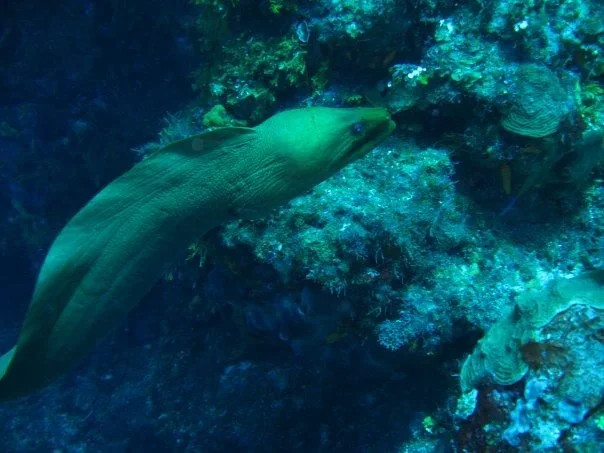
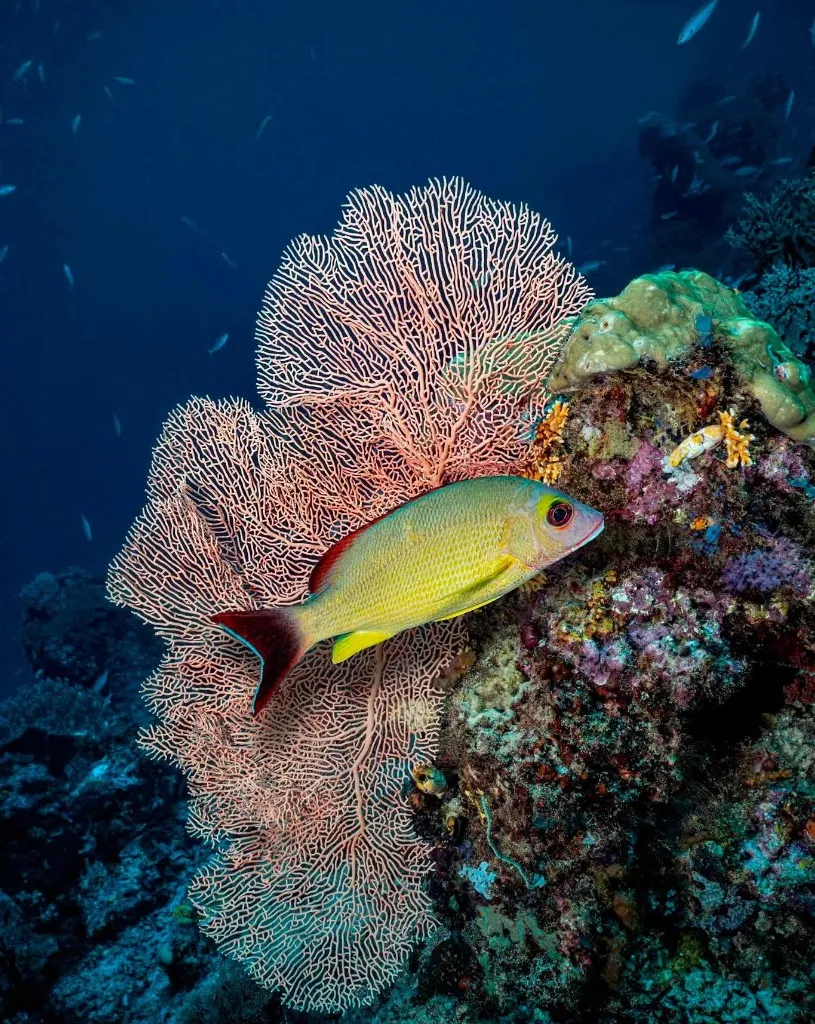
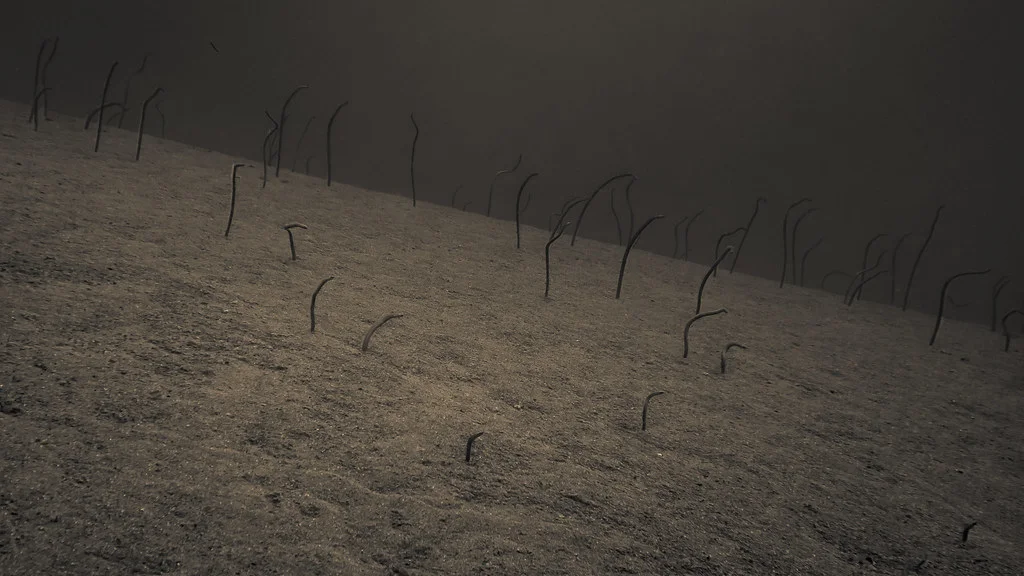
Waters surrounding Okorotere Island host a variety of fascinating marine creatures. Divers commonly encounter Moray Eels peeking from crevices, alongside schools of snapper.
Look for distinct Garden Eels swaying from sandy bottom sections. Additionally, the site hosts pelagic fish, particularly during warmer summer months, and you might spot goatfish and octopus.
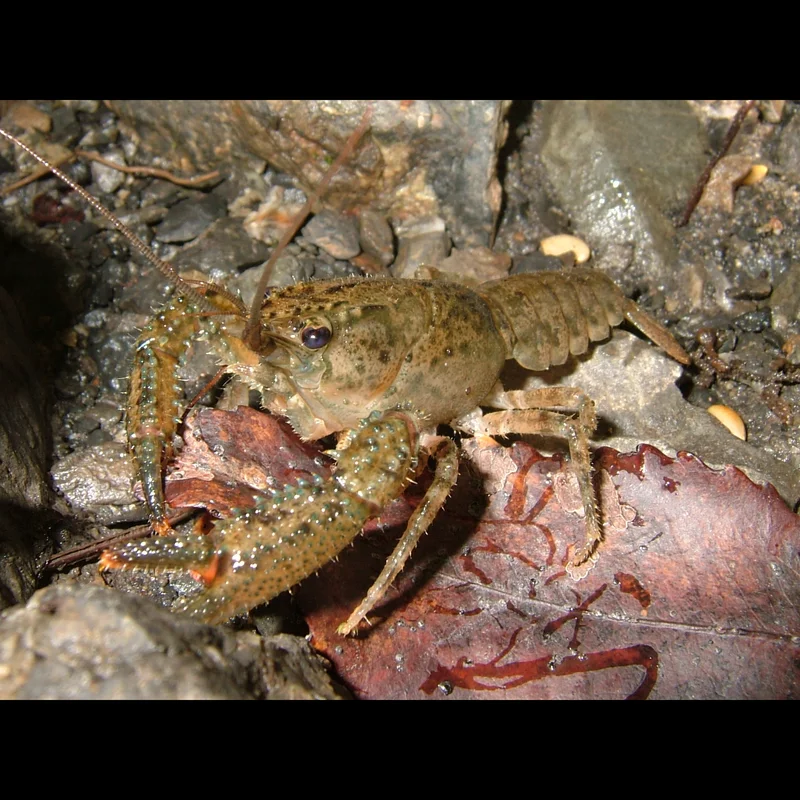
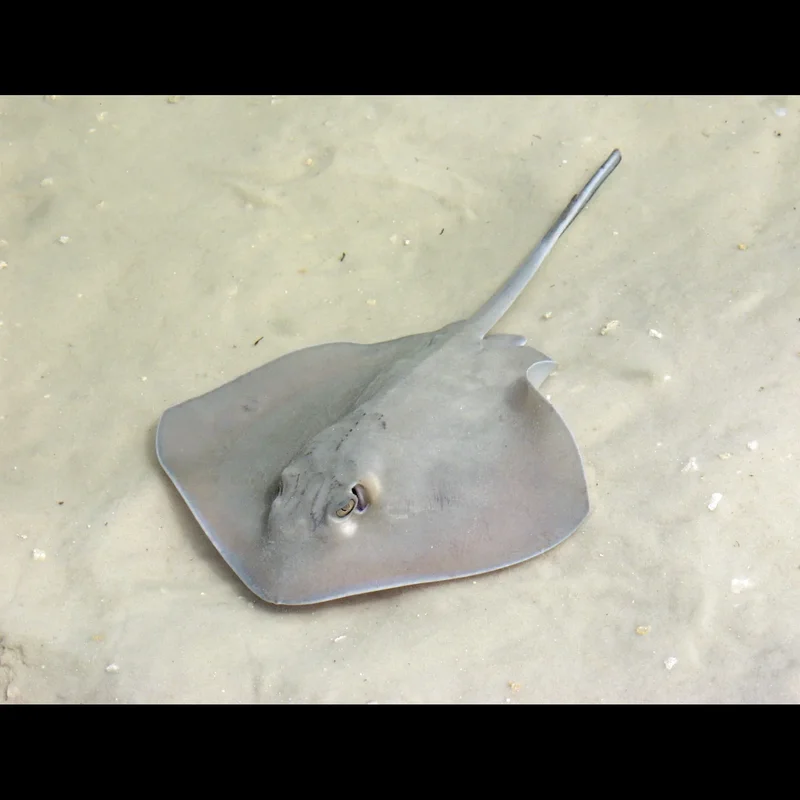
Crayfish hide within rocky structures, while stingrays are frequently observed gliding over sandy patches. Abundant invertebrate life includes vibrant yellow sponges, enhancing the colorful underwater tapestry.
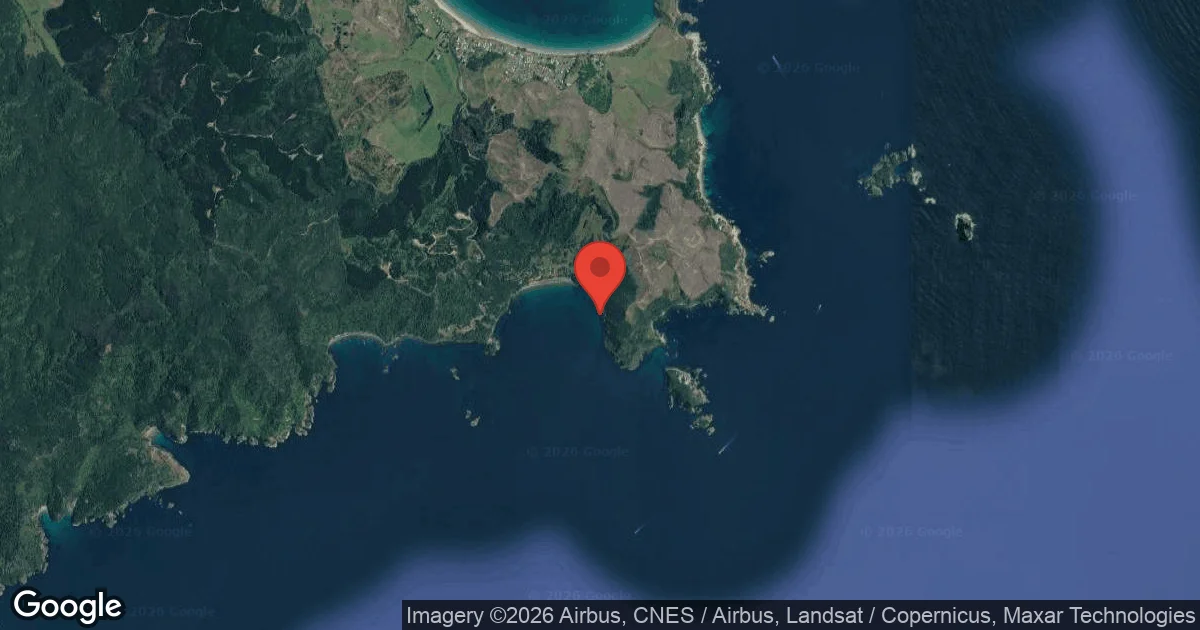
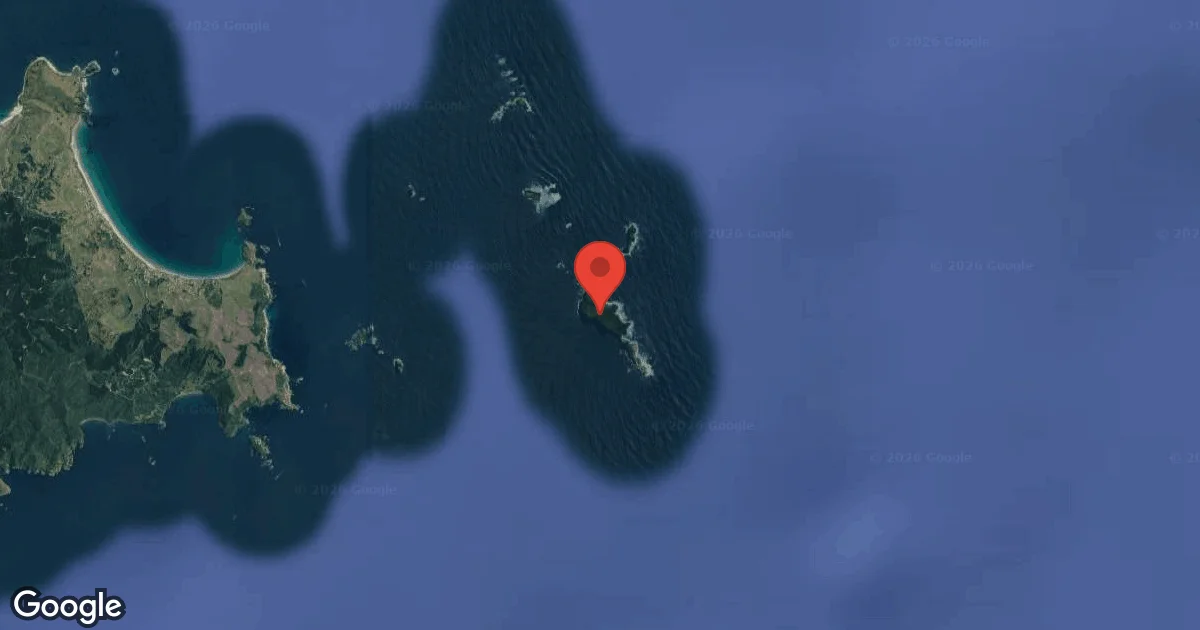
Dive Sites Near Okorotere Island
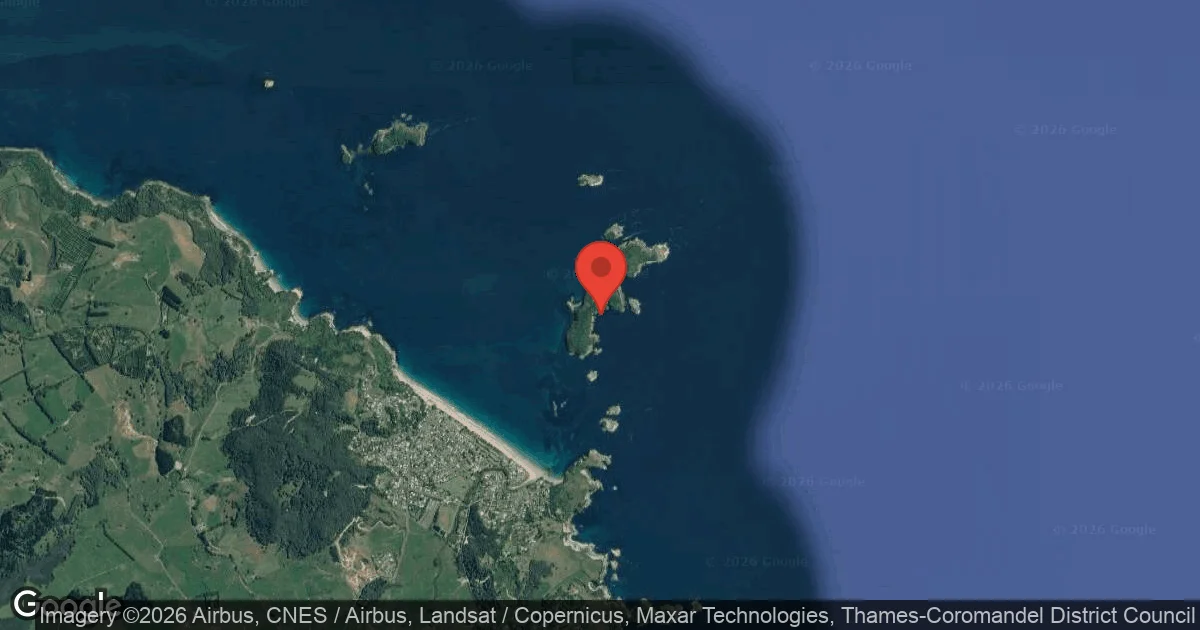
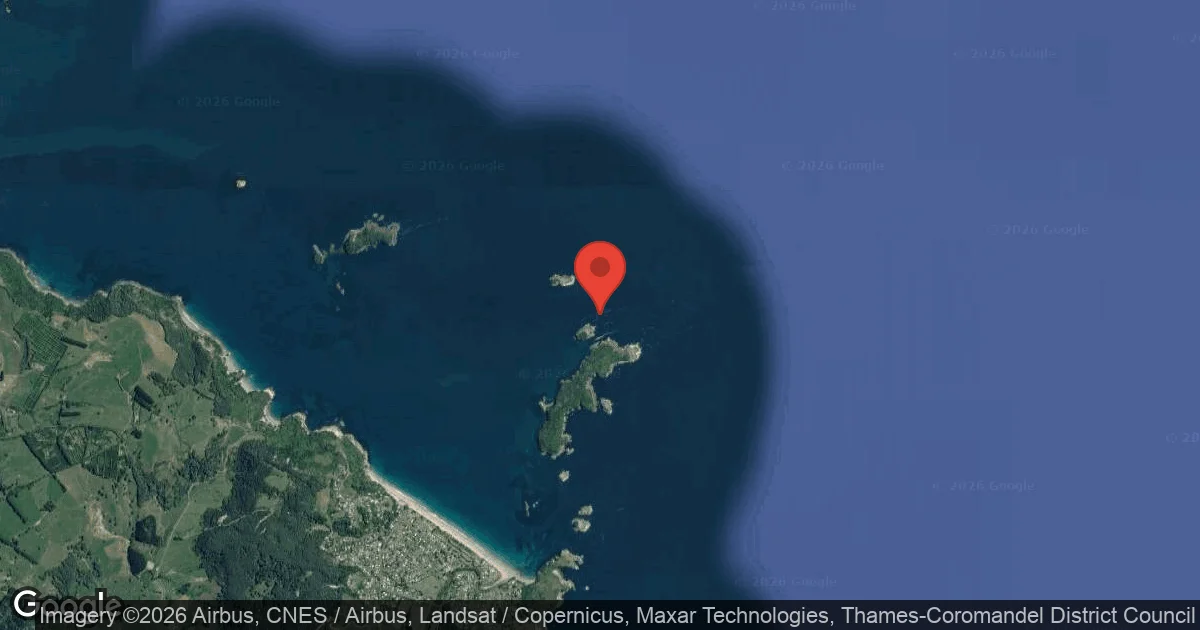
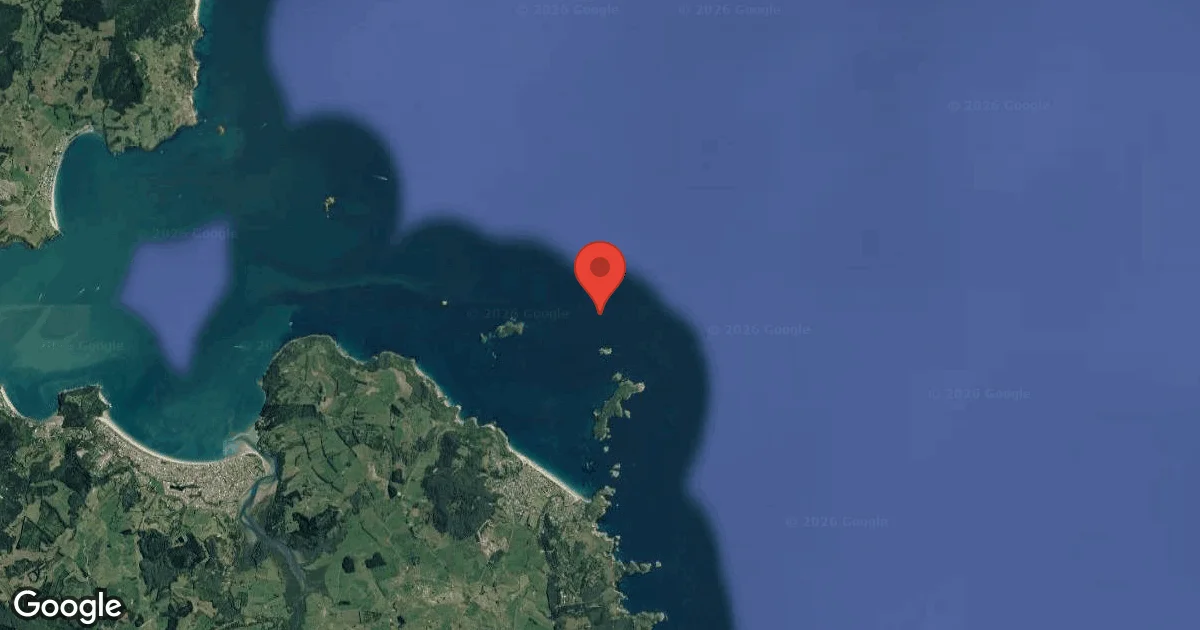
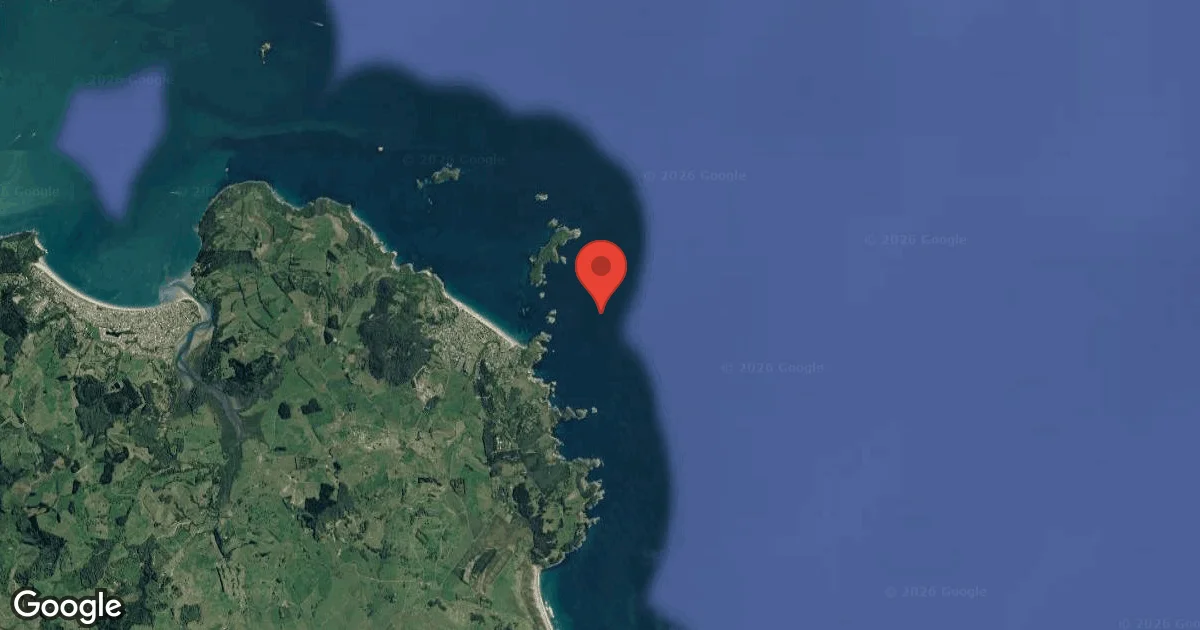
View all dive sites in New ZealandDiscover more underwater gems in this area.
Dive Centers Near Okorotere Island
Nearest Airports
Nearest airports to help plan travel to this dive area.
Search Flights
Check available flights and routes on Expedia, using the nearby airports listed in this section.
Search Flights on ExpediaFrequently Asked Questions
What is the maximum diving depth at Okorotere Island?
The main area of Okorotere Island offers a maximum depth of 20 m. However, the associated site 'The Long Drop,' a pinnacle dive on the seaward side, reaches depths of up to 30 m.
Is Okorotere Island suitable for beginner divers?
Yes, the shallower, sheltered sections of Okorotere Island, with depths of 15 m or less, are suitable for Open Water divers. The deeper areas like 'The Long Drop' are better suited for more experienced divers.
What kind of marine life can I expect to see?
Divers frequently observe Moray Eels, snapper, and Garden Eels. You might also spot pelagic fish, goatfish, crayfish, octopus, and stingrays. The site is rich in sponges and jewel anemones too.
When is the best time of year to dive here?
The period from August through March generally offers the best diving conditions, with February, March, August, and September often scoring highest for favorable conditions and comfortable air temperatures.
Is Okorotere Island part of a marine reserve?
Yes, Okorotere Island is located within a marine reserve. This status means divers must adhere to specific guidelines to protect the local ecosystem and its inhabitants.
What are the entry conditions for this dive site?
Entry to Okorotere Island dive sites is exclusively by boat. Divers should be prepared for boat departures and returns, which can sometimes involve mild surface chop depending on the day's conditions.
Planning to dive Okorotere Island?
Send one inquiry and receive offers directly from the best verified local dive operators.
Conditions are Moderate
High Wind Advisory (48km/h). Unsafe surface.
Current conditions near Okorotere Island show 13° air, 16° sea temperature, 0.8 m waves, and 48 km/h wind. Forecast data is refreshed regularly to ensure accuracy.