
Diving at Crayfish Bay (New Zealand)
Crayfish Bay in New Zealand is primarily suited for certified Advanced Open Water Divers seeking an exhilarating dive. Its quickly dropping depths and intricate underwater formations present a rewarding challenge. Exploring these long valleys, big caves, and amazing shelf-like rock formations requires experience with advanced buoyancy control and navigation in varying conditions.
Tonight's objective overview for Crayfish Bay shows an air temperature of 13°C. The measured surface conditions include wave heights around 0.8 m. This environmental data is logged for the close of the day.
Dive Site Location & Key Facts
Dive Site Overview
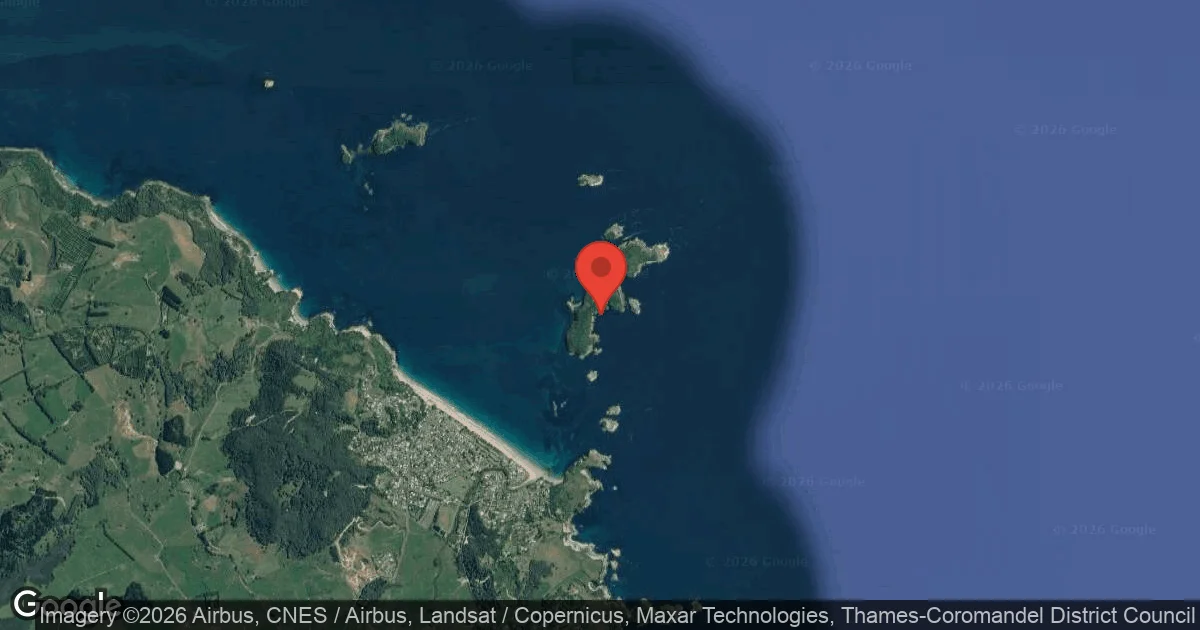
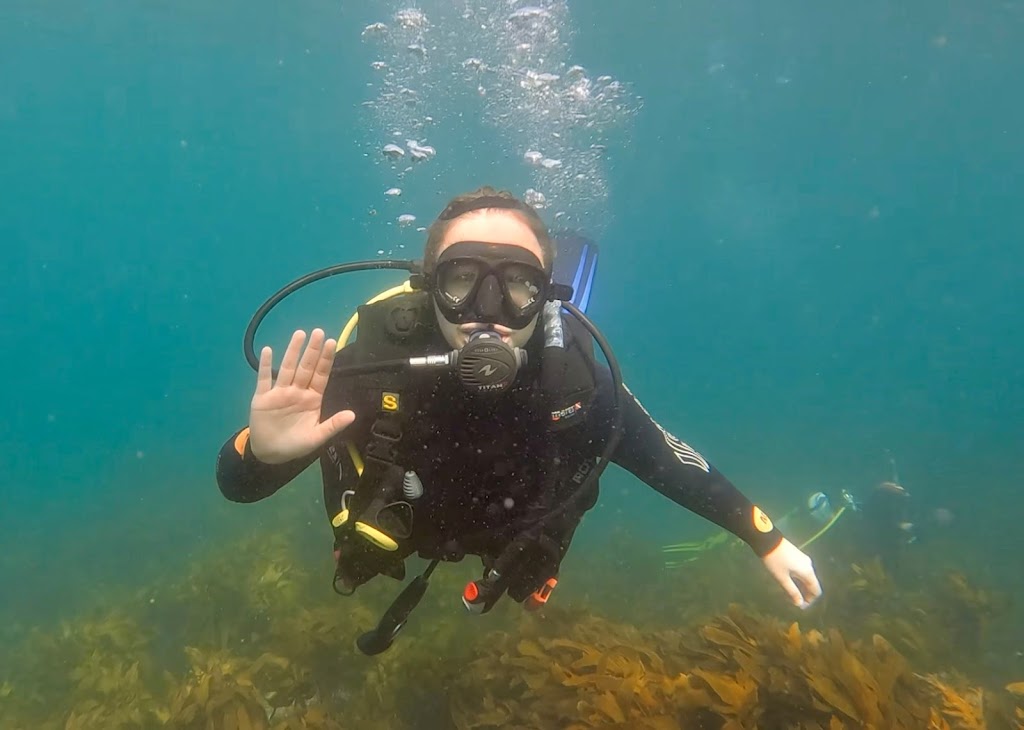
An exploration of Crayfish Bay reveals a dynamic underwater landscape on the Coromandel’s East Coast of New Zealand. Divers here encounter long valleys and expansive caves, complemented by striking shelf-like rock formations that sculpt the environment.
These geological features create dramatic swim-throughs and hidden corners for observation. Beyond these impressive formations, the site quickly drops off to 30 m (98 ft), where scattered rocks blend into a sandy bottom, inviting deeper exploration and highlighting the Ocean dive characteristics.
As a Reef dive with significant topographical variety, it provides a diverse habitat, offering different experiences at various depths. Situated within Te Whanganui-a-Hei Marine Reserve, the site maintains a thriving ecosystem, appealing to those keen on significant underwater topography and varied marine encounters.
Its deep sections and complex structure make it a compelling destination for certified divers looking for more than a straightforward reef experience.
Conditions are Moderate
High Wind Advisory (55km/h). Unsafe surface.
Current conditions near Crayfish Bay show 13° air, 16° sea temperature, 0.8 m waves, and 55 km/h wind. Forecast data is refreshed regularly to ensure accuracy.
Best Time to Dive
For a generally favorable dive experience, consider visiting Crayfish Bay between December and March, when conditions are often at their most hospitable. During these months, average air temperatures hover around 19-20°C (66-68°F), contributing to more comfortable surface intervals and overall expedition planning. Rainfall tends to be lower compared to other periods, minimizing runoff and potentially enhancing visibility. Dive conditions are consistently rated "Good" for January, February, and March, with relatively lower average wave heights, suggesting calmer waters for entry and ascent. The early spring to late autumn months, specifically August to November, also frequently offer "Good" diving opportunities. Conditions during April through July are typically rated "Moderate," characterized by cooler air temperatures and potentially higher wave activity, which might influence visibility or surface comfort, making these periods better suited for more experienced or flexible dive plans.
PEAK SEASON SCORE
Scores combine air & water temps, waves, wind & rainfall for overall conditions.
BEST MONTHS TO DIVE
Monthly records compiled from satellite and marine observation nodes over the last 3 years. Data provided by Open-Meteo and MET Norway.
Dive Experience & Conditions
Accessing Crayfish Bay typically involves a shore entry. Upon entering the `Salt` water, divers navigate an environment that descends rapidly to a maximum depth of 30 m (98 ft). This site is characterized by significant topographical features, including intricate valleys and substantial caves, along with impressive shelf-like rock formations. At its deeper sections, beyond 18 meters, the rocky structures give way to scattered rock formations set within a `Sandy bottom`. Current conditions are not consistently reported but can vary depending on local weather patterns and tides, necessitating careful planning for navigation, particularly within the deeper valleys and caves.
Dive Difficulty & Safety Guidelines
Approaching Crayfish Bay requires a diver who holds PADI Advanced Open Water Diver certification or equivalent experience due to its challenging characteristics. With depths reaching 30 m (98 ft) and the presence of intricate cave systems, advanced buoyancy control and navigational skills are essential. Prior to any dive, consulting with local dive professionals familiar with the site and its present conditions is crucial.
These deeper sections and potential overhead environments necessitate careful air management and the use of appropriate safety procedures. Awareness of one's limits and staying within no-decompression limits is always paramount.
Recommended Equipment
- Dive Computer
- DSMB
- Hard-soled Dive Boots
This gear list is based on verified equipment signals for Crayfish Bay, New Zealand. Always confirm final gear choices with your dive operator, guide, or liveaboard.
Recommended Dive Suit
5-7mm wetsuit is often considered an appropriate level of exposure protection for conditions like these. Consider warmer surface protection (like a boat coat) due to brisk winds. A thermal robe or jacket is recommended between dives.
Current readings at Crayfish Bay show water temperatures near 16°C (60°F). Surface air temperatures are resting at 13°C (55°F).
The upcoming forecast points to generally steady conditions in the area.
Emergency & Medical Support
Essential information to help you plan your dive trip to Crayfish Bay.

Hyperbaric chambers are a critical part of dive safety infrastructure. Availability varies significantly by region, and not all dive areas have immediate access.
Before diving, it's recommended to:
- confirm nearest medical facilities
- check emergency procedures with local dive operators
- ensure dive insurance covers evacuation if required
Divers Alert Network
Diving emergency assistance available through DAN World.
+1-919-684-9111- 24/7 emergency hotline
- Diving medical assistance
- Evacuation coordination
Emergency contacts are provided for reference. Always verify local emergency services before diving.
Marine Life at Crayfish Bay
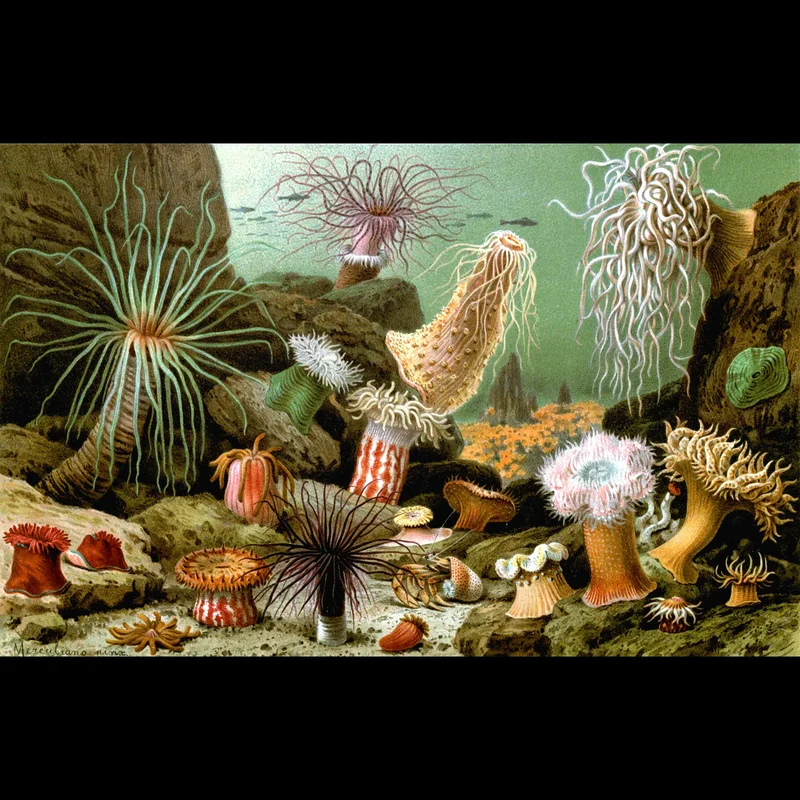
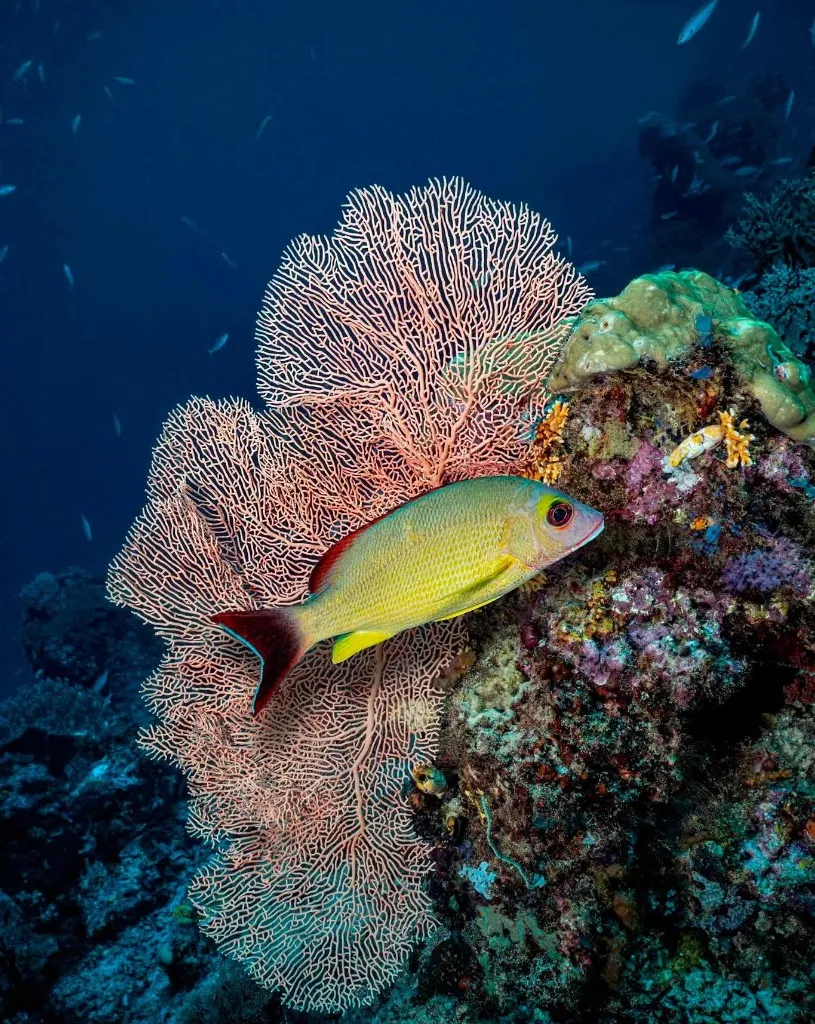
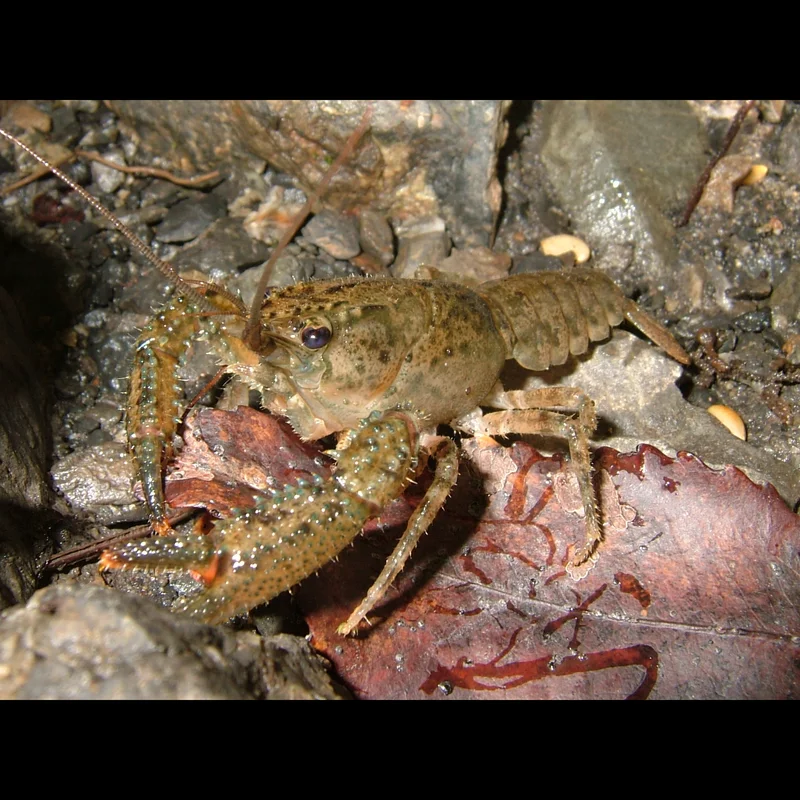
Upon entering the water, divers are often immediately drawn to the vibrant presence of massive crayfish, frequently found amidst anemones. Exploring the Reef structures and Sandy bottom areas, you'll likely observe huge snapper patrolling the waters.
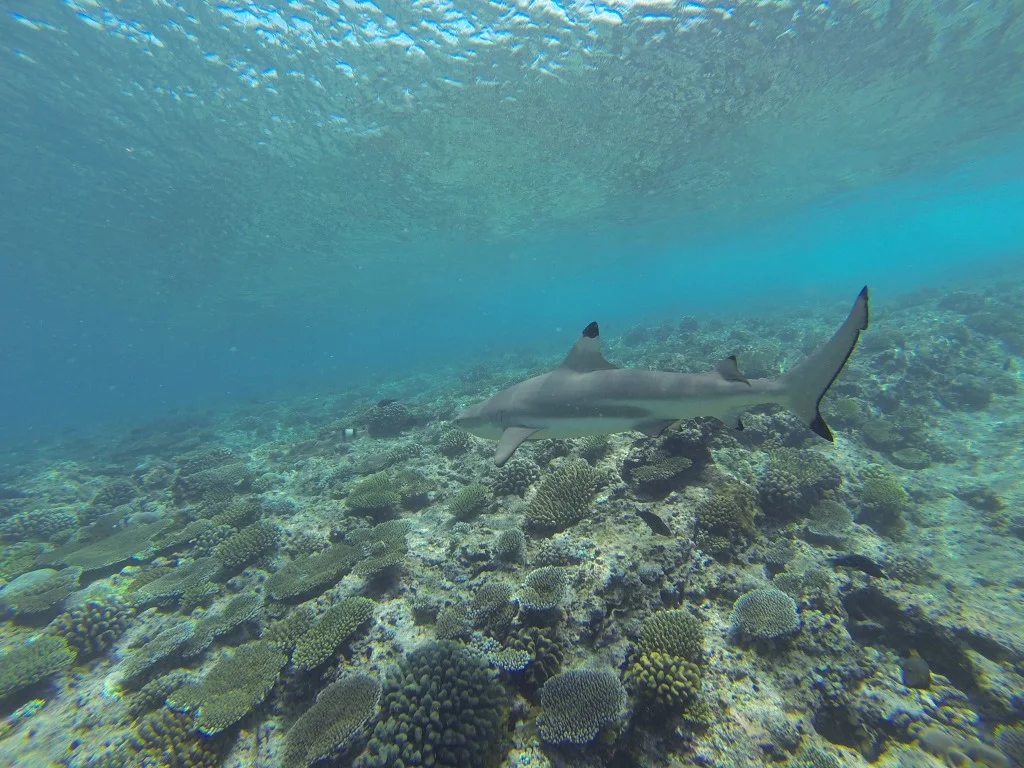
Crayfish Bay is also noted for occasional sightings of larger pelagic species. Divers might encounter various sharks, and less frequently, whales, dolphins, or turtles, especially in the broader Ocean areas of the marine reserve.
Dive Sites Near Crayfish Bay
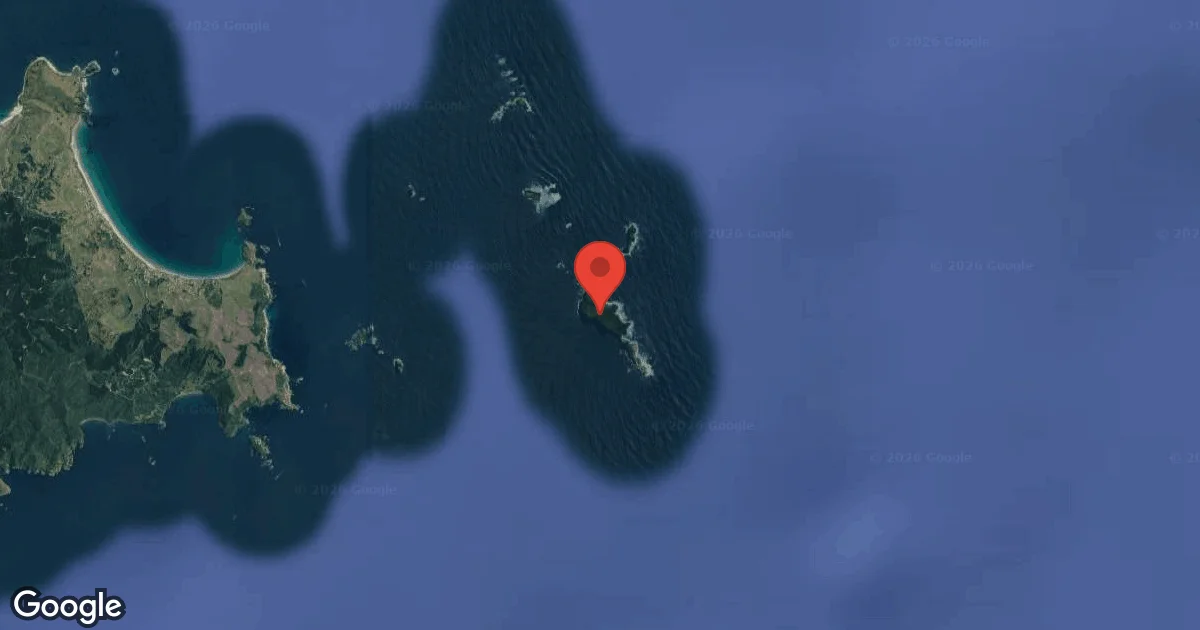
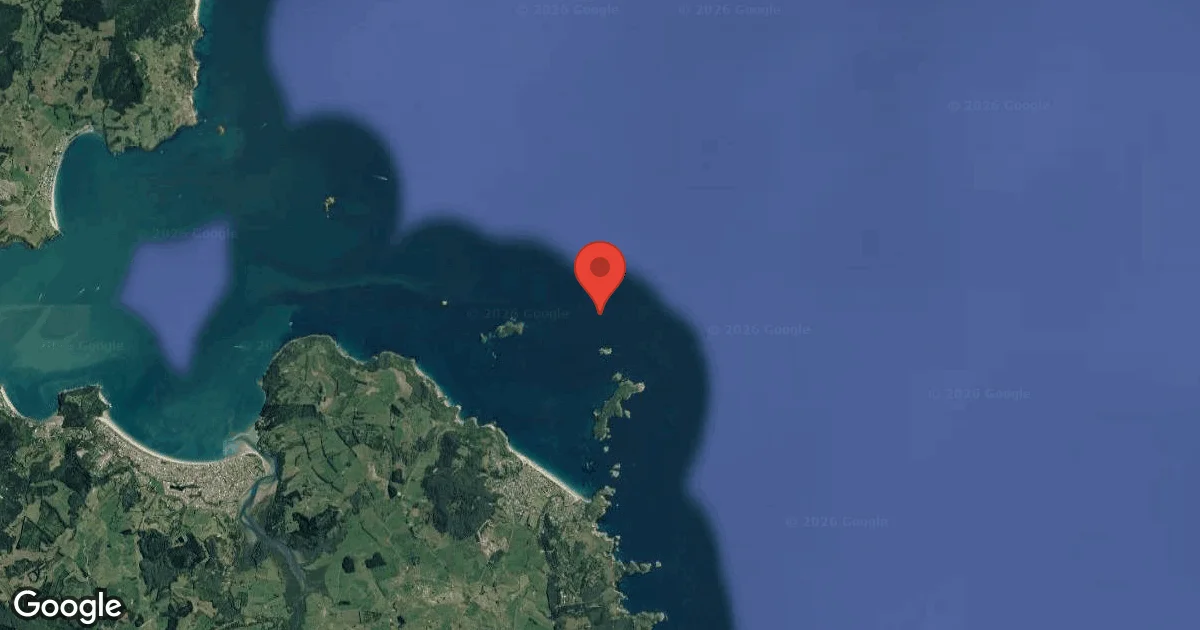
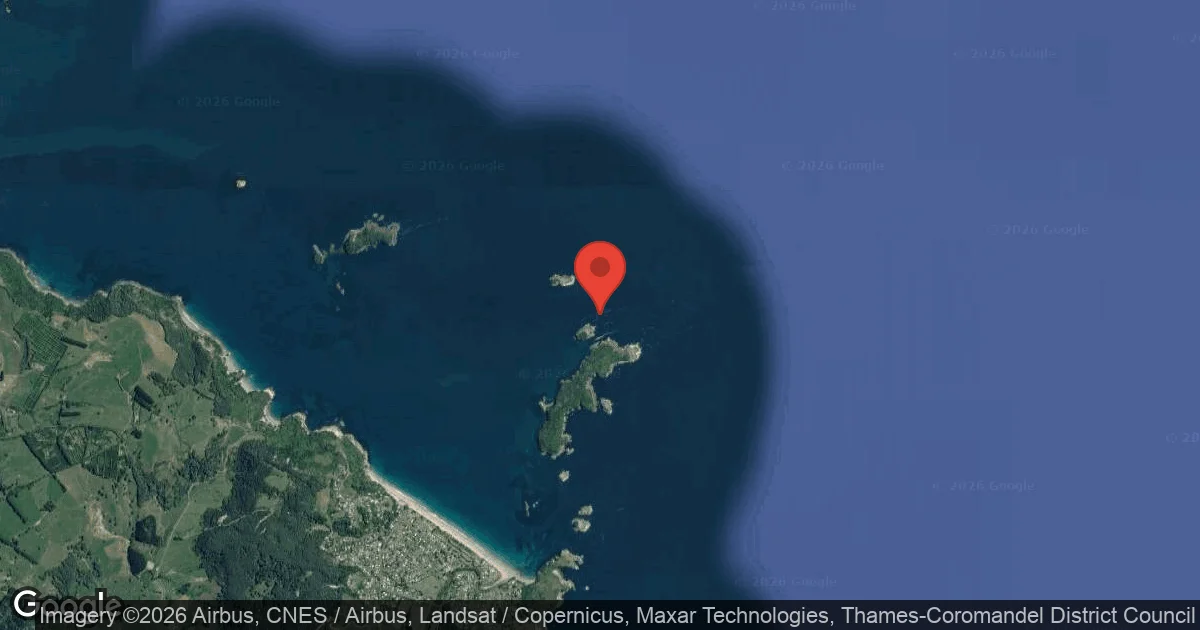
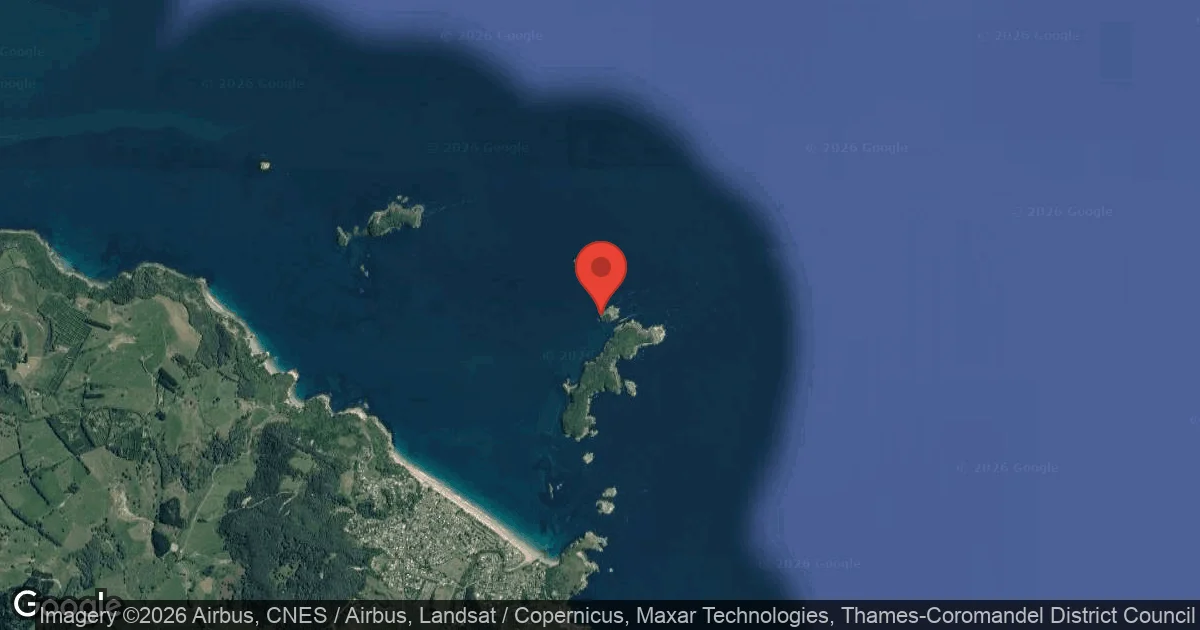
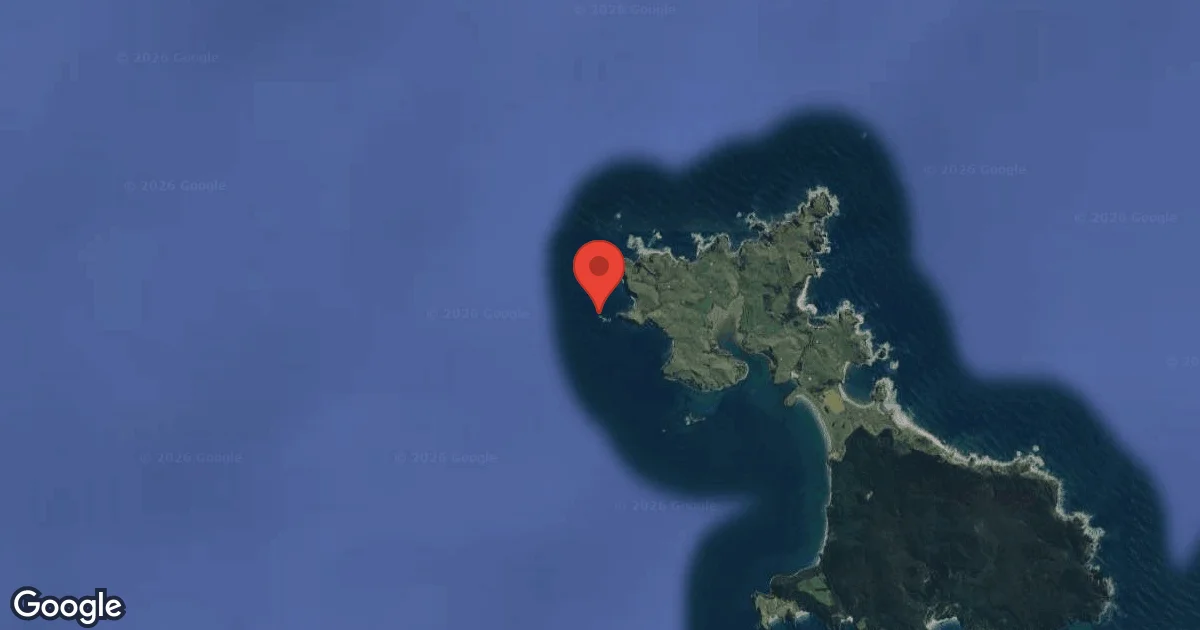
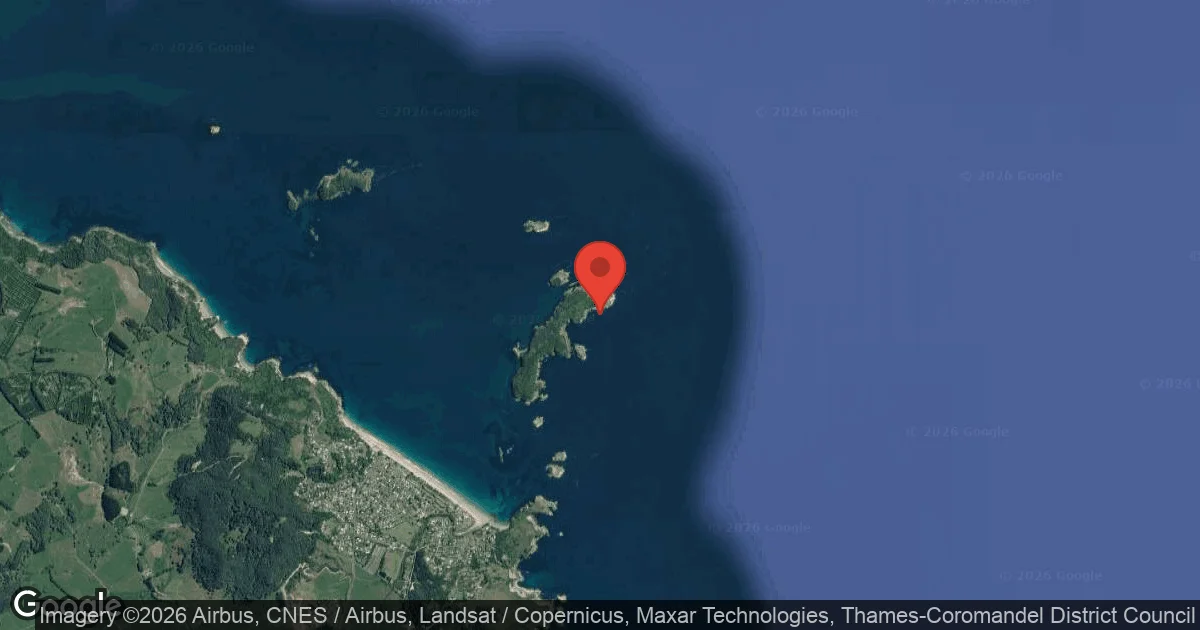
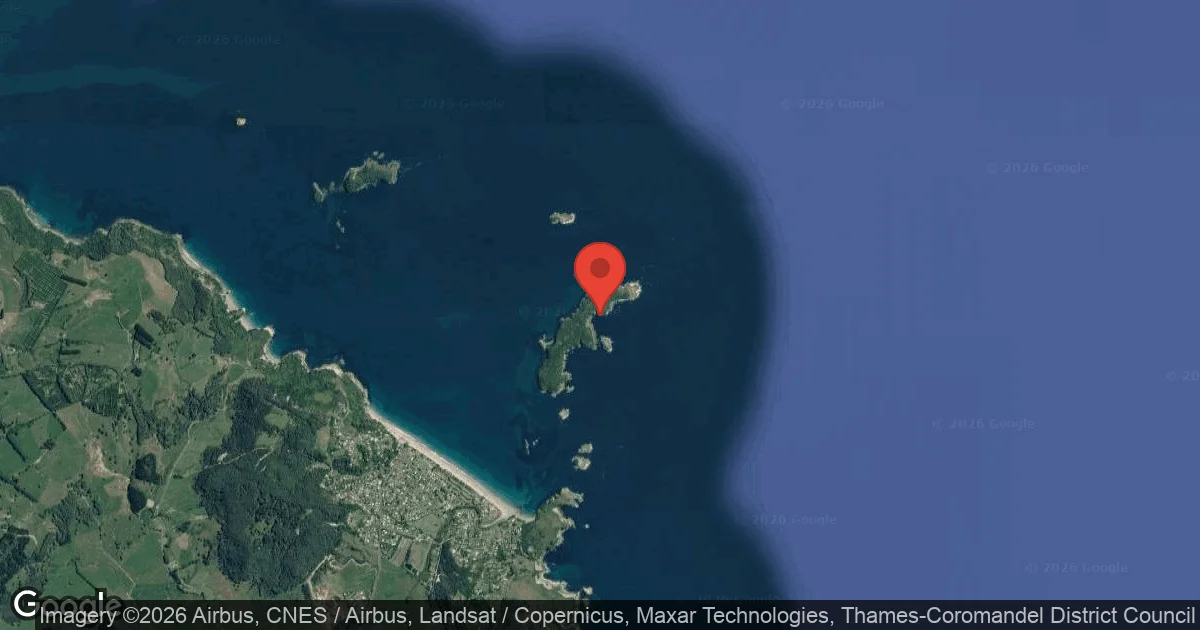
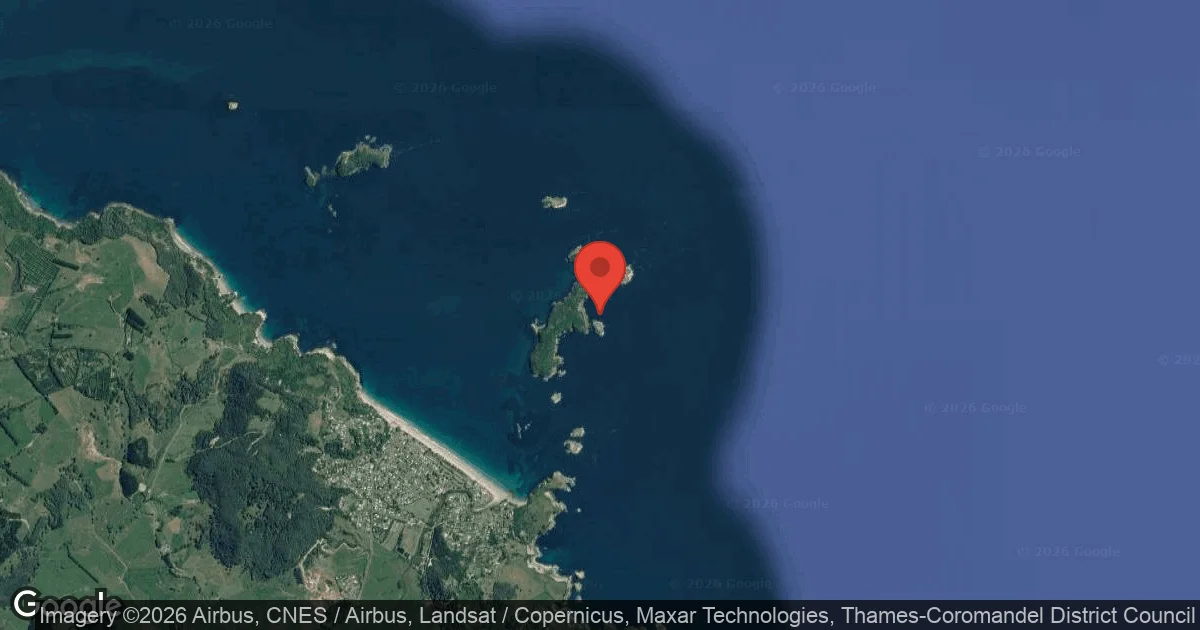
View all dive sites in New ZealandDiscover more underwater gems in this area.
Dive Centers Near Crayfish Bay
Nearest Airports
Nearest airports to help plan travel to this dive area.
Search Flights
Check available flights and routes on Expedia, using the nearby airports listed in this section.
Search Flights on ExpediaFrequently Asked Questions
What is the recommended certification level for Crayfish Bay?
The site is described as very exciting for the more advanced diver. A PADI Advanced Open Water Diver certification or equivalent experience is recommended due to its deeper sections and complex underwater topography.
What is the maximum depth at Crayfish Bay?
Crayfish Bay drops off quite quickly to a maximum depth of 30 m (98 ft), where scattered rocks transition into a sandy bottom. Divers venturing deeper than 18 meters will experience these sections.
What kind of underwater terrain can I expect?
Expect a varied landscape featuring long valleys, big caves, and impressive shelf-like rock formations. Deeper areas reveal scattered rocks intermingled with a sandy bottom, characteristic of its Reef and Ocean environment.
What marine life might I see while diving here?
Common sightings include massive crayfish and huge snapper. The site also has potential for encounters with larger marine animals such as sharks, whales, dolphins, and turtles, particularly within the marine reserve.
Is shore entry the typical way to access Crayfish Bay?
Yes, accessing Crayfish Bay usually involves a shore entry. This method allows divers to gradually descend into the site's dynamic underwater environment.
Are there local dive operators that service Crayfish Bay?
Yes, local dive shops like Cathedral Dive & Snorkel in Hahei operate in the Coromandel area and can provide personalized service and local knowledge for diving at Crayfish Bay and nearby sites.
Planning to dive Crayfish Bay?
Send one inquiry and receive offers directly from the best verified local dive operators.
Conditions are Moderate
High Wind Advisory (55km/h). Unsafe surface.
Current conditions near Crayfish Bay show 13° air, 16° sea temperature, 0.8 m waves, and 55 km/h wind. Forecast data is refreshed regularly to ensure accuracy.