
Diving at South Sunk (New Zealand)
Divers approaching South Sunk can anticipate a descent into a vibrant underwater environment off New Zealand's North Island. South Sunk features a classic pinnacle, reef, and wall dive, inviting exploration up to its recreational maximum depth. Its underwater terrain supports a diverse range of marine life, making it a rewarding experience for those seeking encounters with local species. It's a boat-entry dive, indicating a degree of offshore exposure.
Evening condition tracking at South Sunk features an air temperature of 13°C. We have recorded wave heights measuring 0.9 m during this period. These figures outline the environmental parameters currently present.
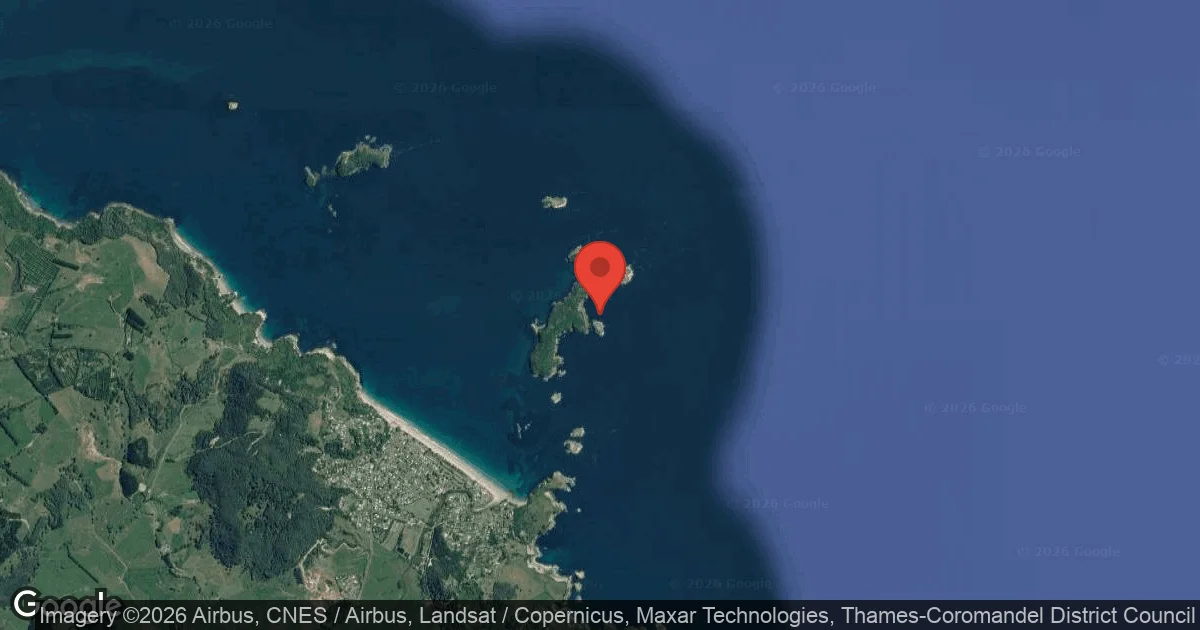
Dive Site Location & Key Facts
Dive Site Overview
South Sunk is characterized by a prominent pinnacle, reef, and wall system that plunges to a maximum depth of 30 m (98 ft). Topography here creates varied habitats, from shallower reef flats to vertical drop-offs that define the site.
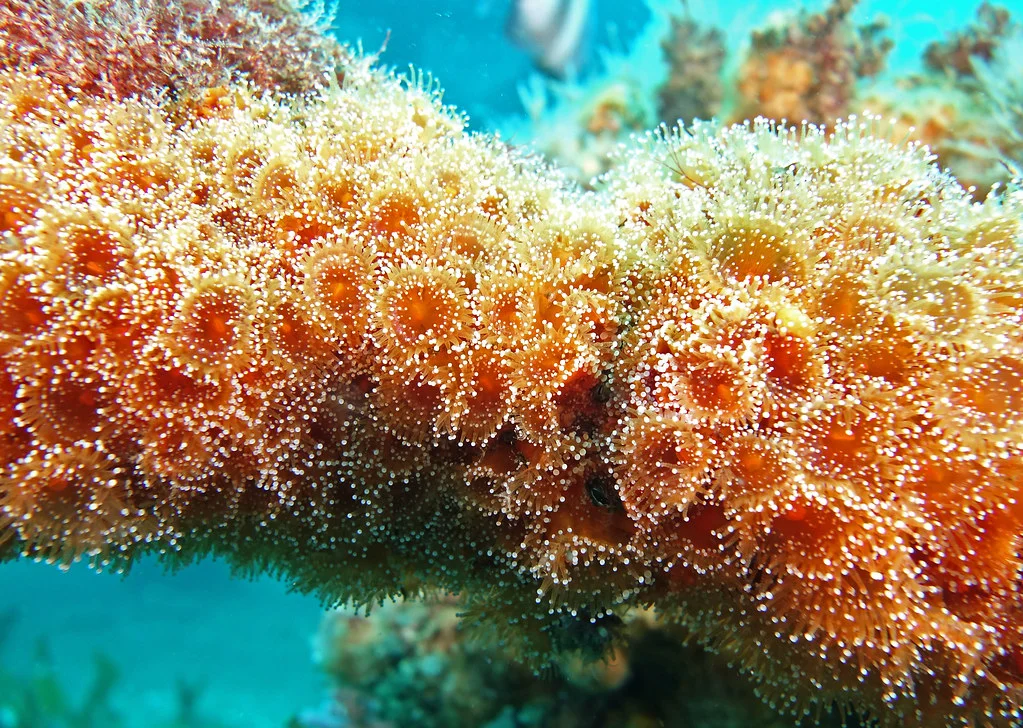
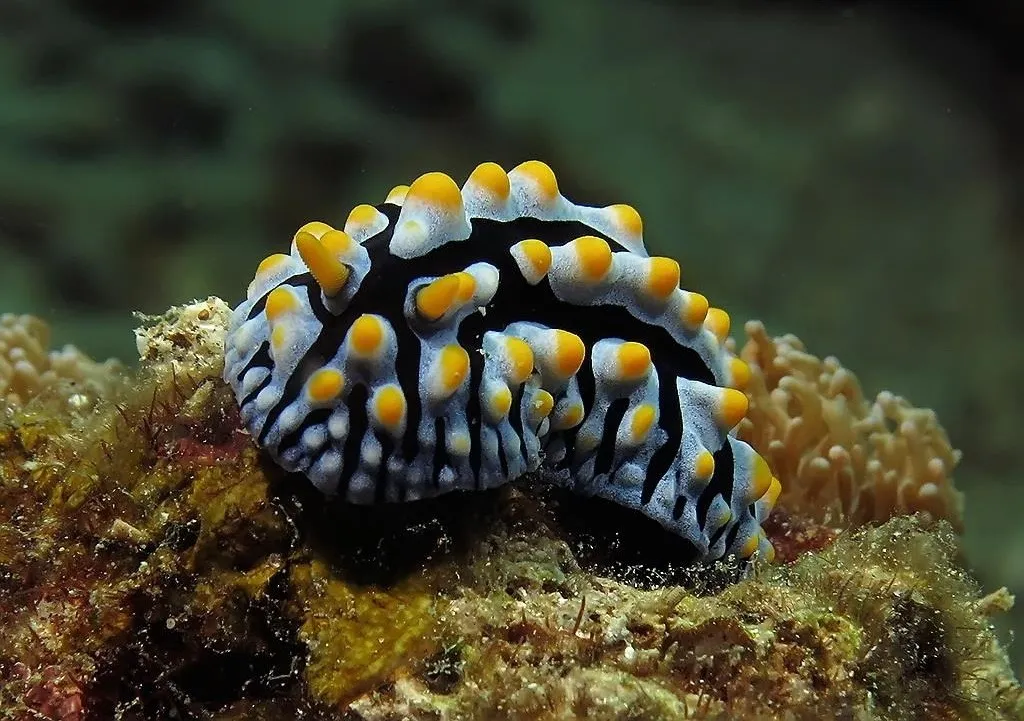
Boulders are often covered with a rich tapestry of red, yellow, and grey sponges, along with vibrant jewel anemones and various nudibranchs, providing intricate foreground detail for macro photography enthusiasts. This specific biodiversity enriches the overall dive. Oceanic exposure means conditions can shift, influencing the dive experience.
As water temperatures fluctuate seasonally, pelagic species such as Koheru, Mackerel, Kahawai, and Kingfish are observed moving through the area. These diverse features combine to form a complex and dynamic dive, offering varied points of interest for different skill levels within its recreational depth limits. It is primarily accessed via boat, reflecting its offshore location in the Coromandel region.
Conditions are Moderate
High Wind Advisory (45km/h). Unsafe surface.
Current conditions near South Sunk show 13° air, 16° sea temperature, 0.8 m waves, and 45 km/h wind. Forecast data is refreshed regularly to ensure accuracy.
Best Time to Dive
Seasonal shifts influence the optimal diving periods for South Sunk, with favorable conditions generally extending from late winter through autumn. August and September, for example, report consistently high dive scores, though August sees cooler air temperatures averaging 11.5°C (53°F) and moderate rain. Conversely, the summer months like January and February provide the highest air temperatures, averaging around 20°C (68°F), which may attract more pelagic activity. While January and February typically have good dive scores, January's wave heights can be slightly more variable. March consistently offers good dive scores, accompanied by pleasant air temperatures and minimal rainfall, making it a favorable period. Divers should monitor local forecasts, as wind speeds and wave patterns, which average 0.8-1.2 meters (2.6-3.9 feet) year-round, can significantly affect site accessibility and underwater visibility, especially given its open ocean nature.
PEAK SEASON SCORE
Scores combine air & water temps, waves, wind & rainfall for overall conditions.
BEST MONTHS TO DIVE
Monthly records compiled from satellite and marine observation nodes over the last 3 years. Data provided by Open-Meteo and MET Norway.
Dive Experience & Conditions
A substantial depth profile awaits divers at South Sunk, with walls and pinnacles extending down to 30 m (98 ft). Starting shallower on reef structures, the dive gradually descends to this maximum recreational depth. Conditions typically allow for good visibility, though this can vary with localized currents and recent weather events. Water temperatures are not consistently reported in available system data; however, divers should anticipate temperatures typical for New Zealand's temperate waters, necessitating appropriate thermal protection. Wave heights average below 1 meter (3.3 feet) for much of the year, yet strong winds could create choppier surface conditions, making boat entry and exit more challenging. Experience with drift diving may be useful if currents are present.
Dive Difficulty & Safety Guidelines
While South Sunk doesn't report specific inherent hazards in available data, divers should always approach this oceanic site with appropriate caution. Planning boat-based entries and exits requires attentiveness to surface conditions, especially when moderate waves are present. Wall and pinnacle diving exposes divers to potential currents, which can vary in strength and direction.
Maintaining good buoyancy control is essential to prevent accidental contact with and damage to the delicate sponge and anemone coverings on the boulders. All divers must adhere to standard safe diving practices and consider their training level for recreational depths up to 30 m (98 ft).
Consulting local dive professionals before diving is always recommended to obtain the most current site conditions and operational guidance.
Recommended Equipment
- Dive Computer
- DSMB
This gear list is based on verified equipment signals for South Sunk, New Zealand. Always confirm final gear choices with your dive operator, guide, or liveaboard.
Recommended Dive Suit
The latest conditions reported around South Sunk place the water temperature close to 16°C (60°F). Surface air temperatures are resting at 13°C (55°F).
For the majority of recreational dives here, 5-7mm wetsuit should provide suitable protection. Consider warmer surface protection (like a boat coat) due to brisk winds. A thermal robe or jacket is recommended between dives.
Forecasts suggest a slight cooling pattern in the days ahead. Cooler days are ahead; you might want a warmer option for later in the week. Some divers prefer carrying a slightly thicker suit as a backup.
Due to technical issues with our weather providers, live updates are temporarily delayed. The data above reflects the conditions at the time of the last successful fetch.
Emergency & Medical Support
Essential information to help you plan your dive trip to South Sunk.

Hyperbaric chambers are a critical part of dive safety infrastructure. Availability varies significantly by region, and not all dive areas have immediate access.
Before diving, it's recommended to:
- confirm nearest medical facilities
- check emergency procedures with local dive operators
- ensure dive insurance covers evacuation if required
Divers Alert Network
Diving emergency assistance available through DAN World.
+1-919-684-9111- 24/7 emergency hotline
- Diving medical assistance
- Evacuation coordination
Emergency contacts are provided for reference. Always verify local emergency services before diving.
Marine Life at South Sunk
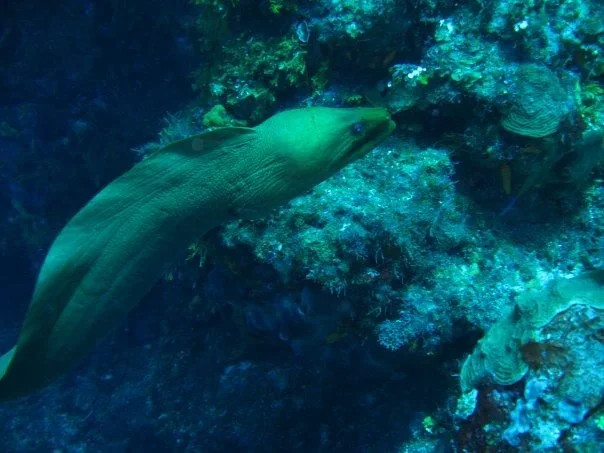
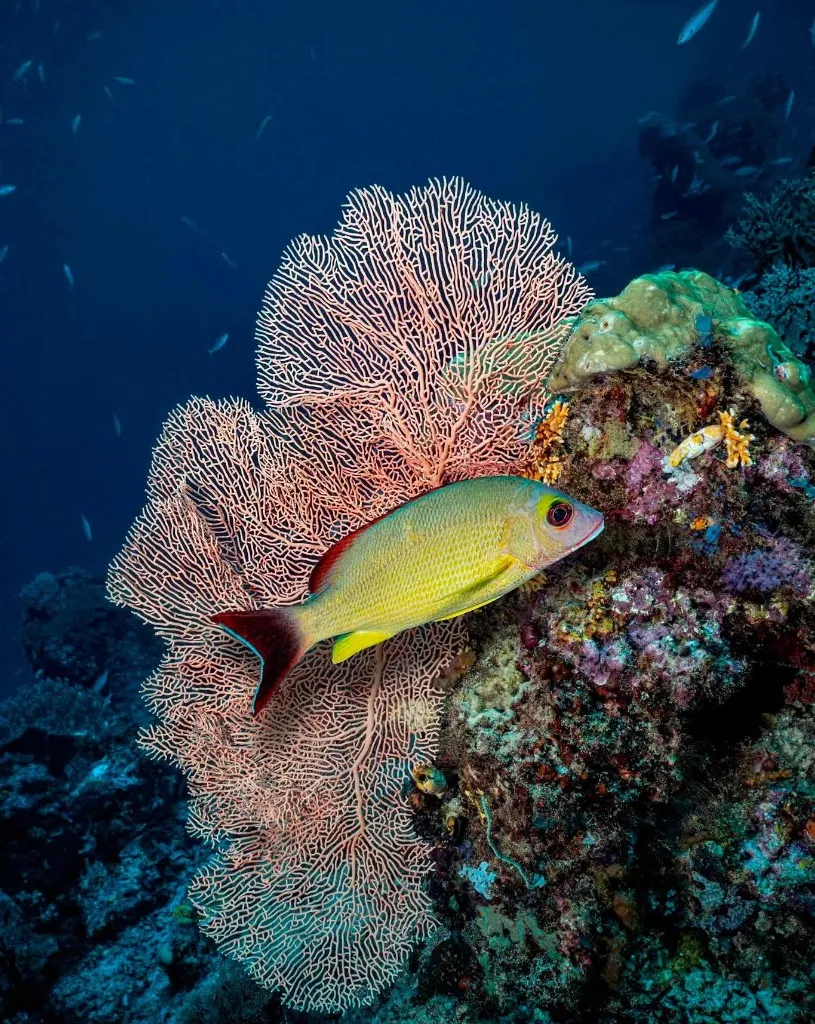
South Sunk's marine ecosystem presents a diverse array of species for observation. Expect to encounter large snapper and the elusive moray eel inhabiting the rocky crevices and reef structures.
Beyond these, the site hosts marble fish, blue maomao, red cod, demoiselles, and leather jackets, frequently seen navigating among the vibrant sponge-covered boulders. Seasonal changes bring pelagic fish such as Koheru, Mackerel, Kahawai, and Kingfish into the area as water temperatures increase.
Jewel anemones and various nudibranchs also make it a rewarding spot for macro photographers and keen observers.

Dive Sites Near South Sunk
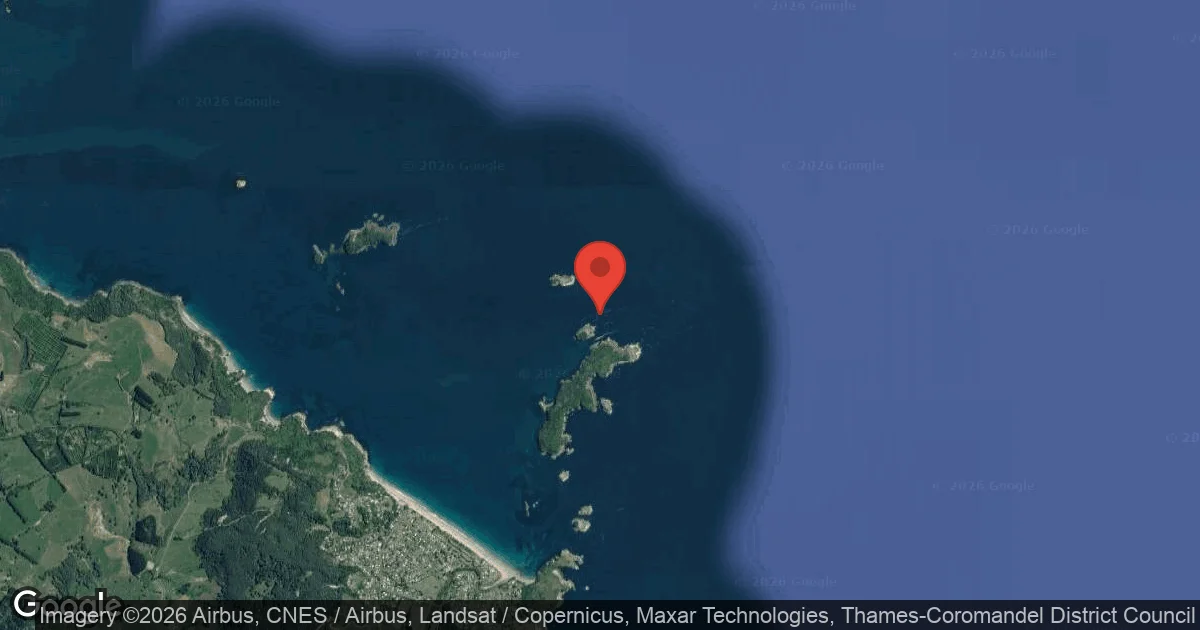
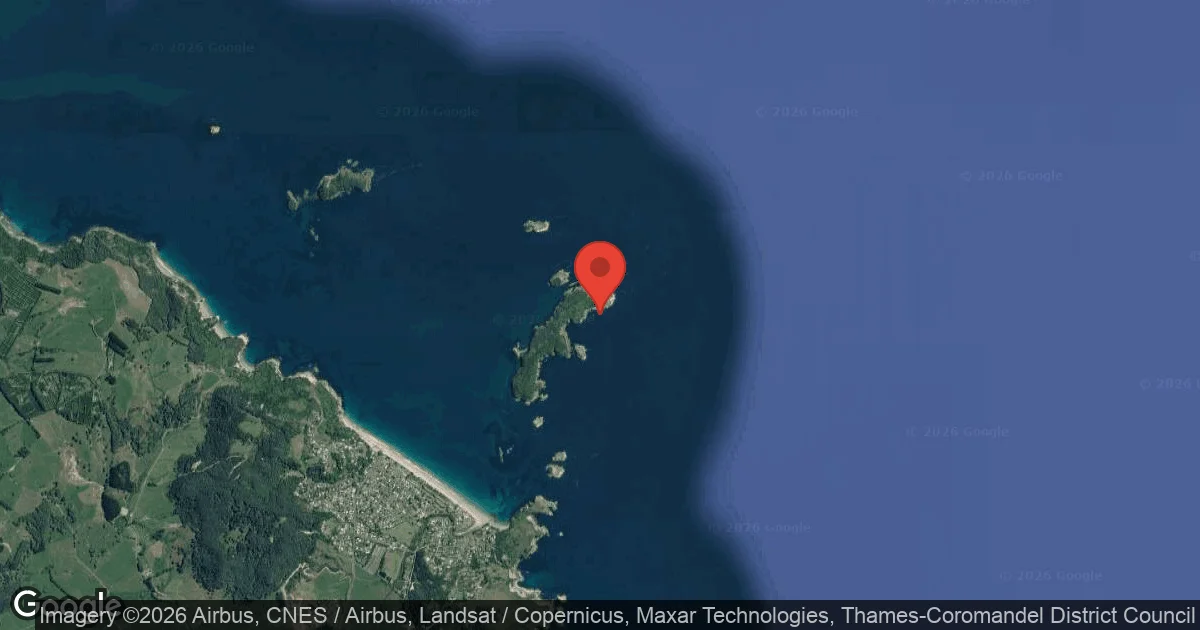
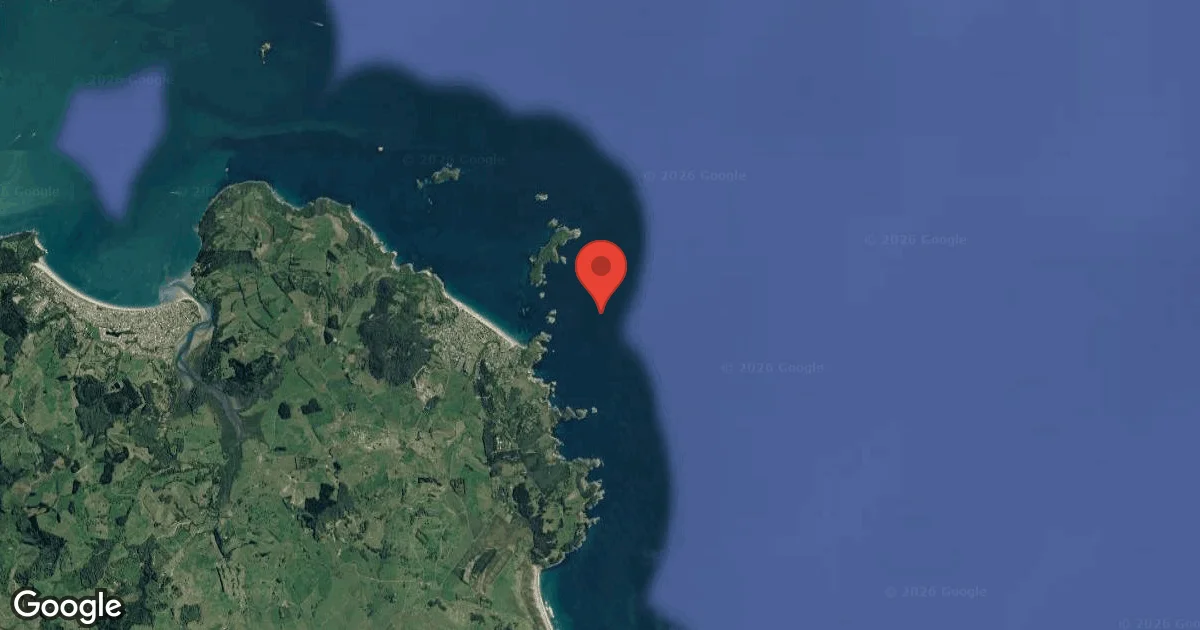
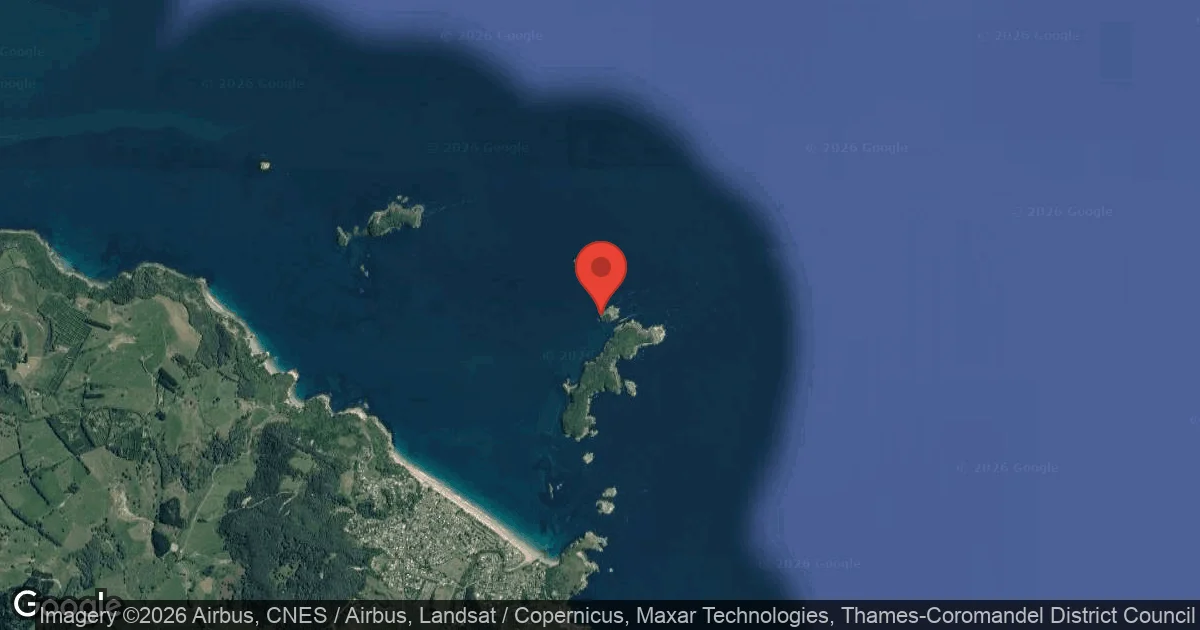
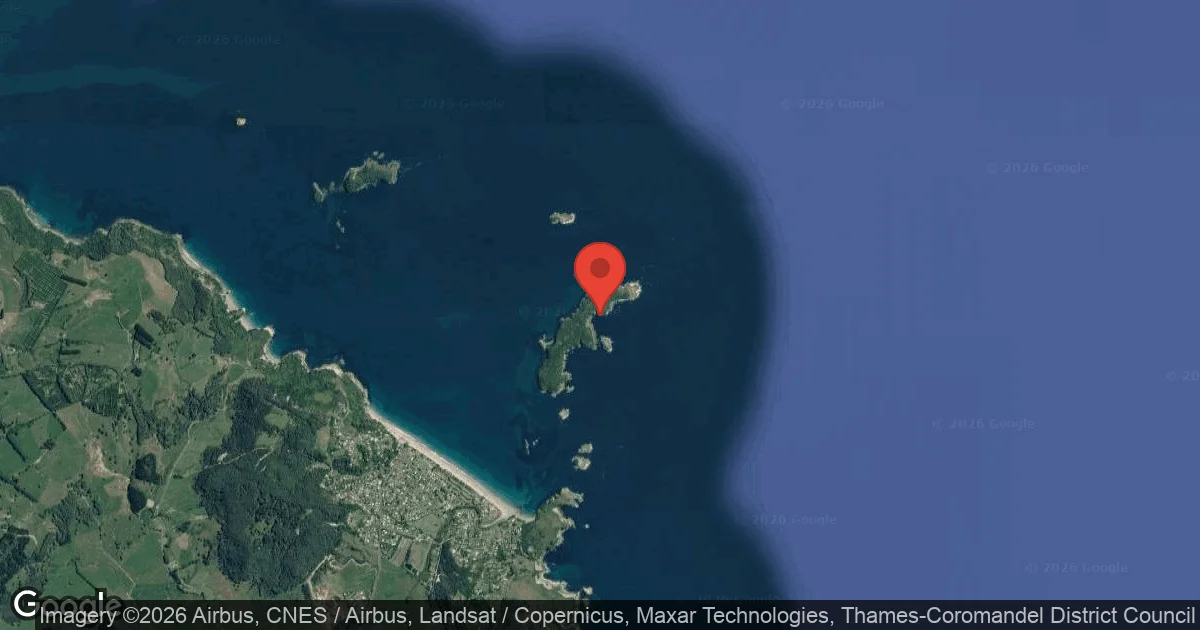
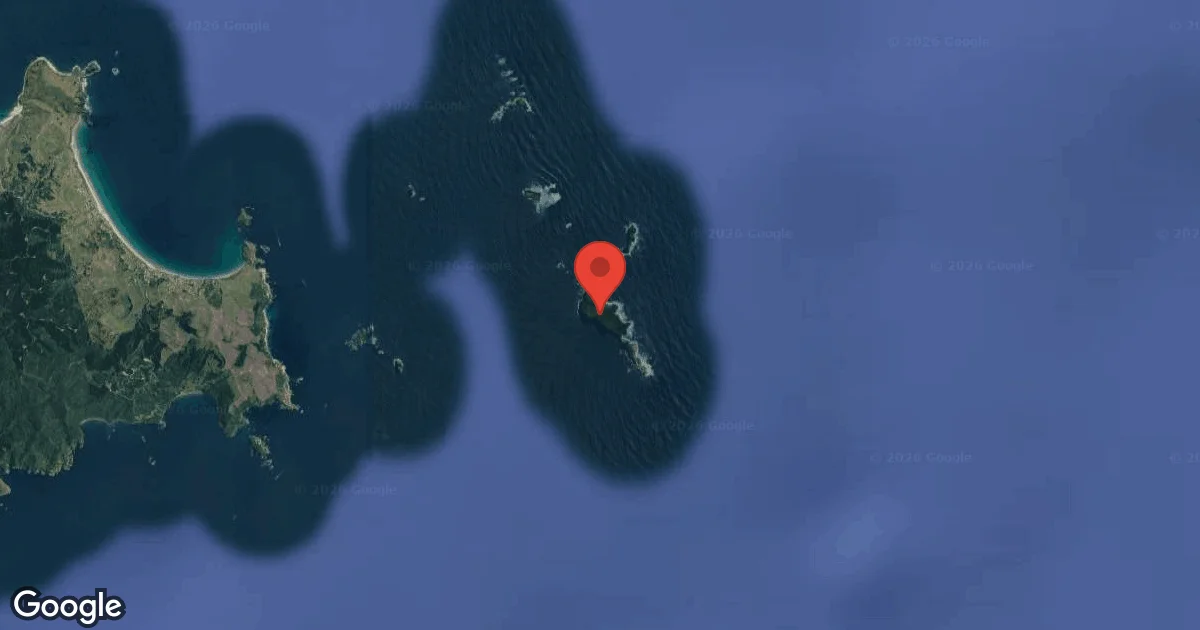
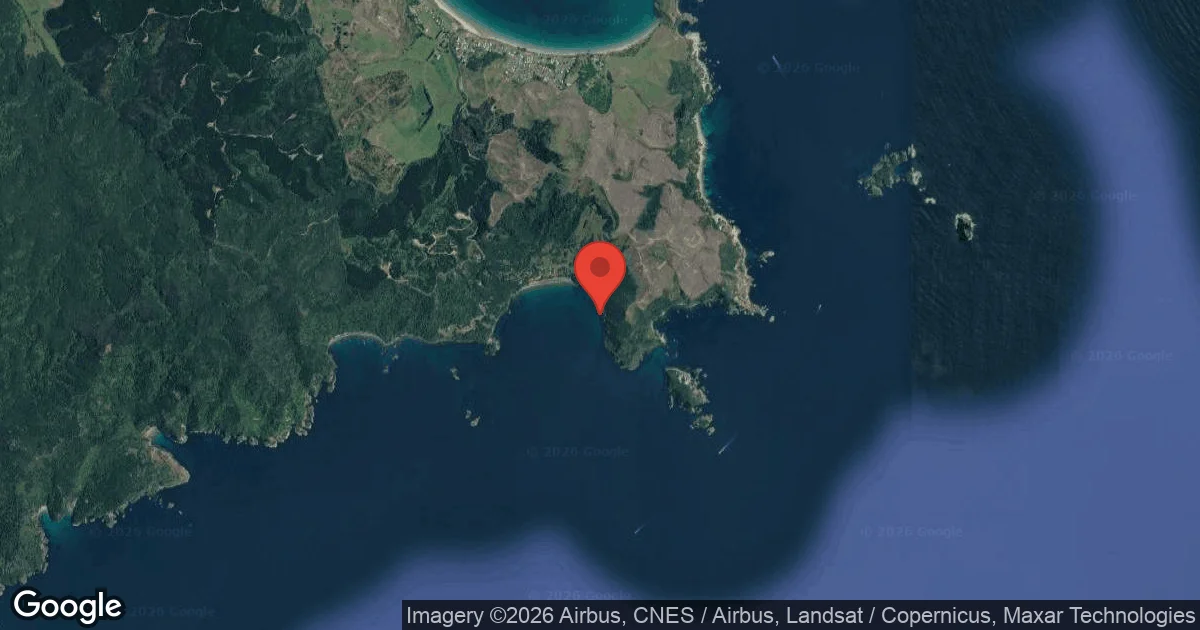
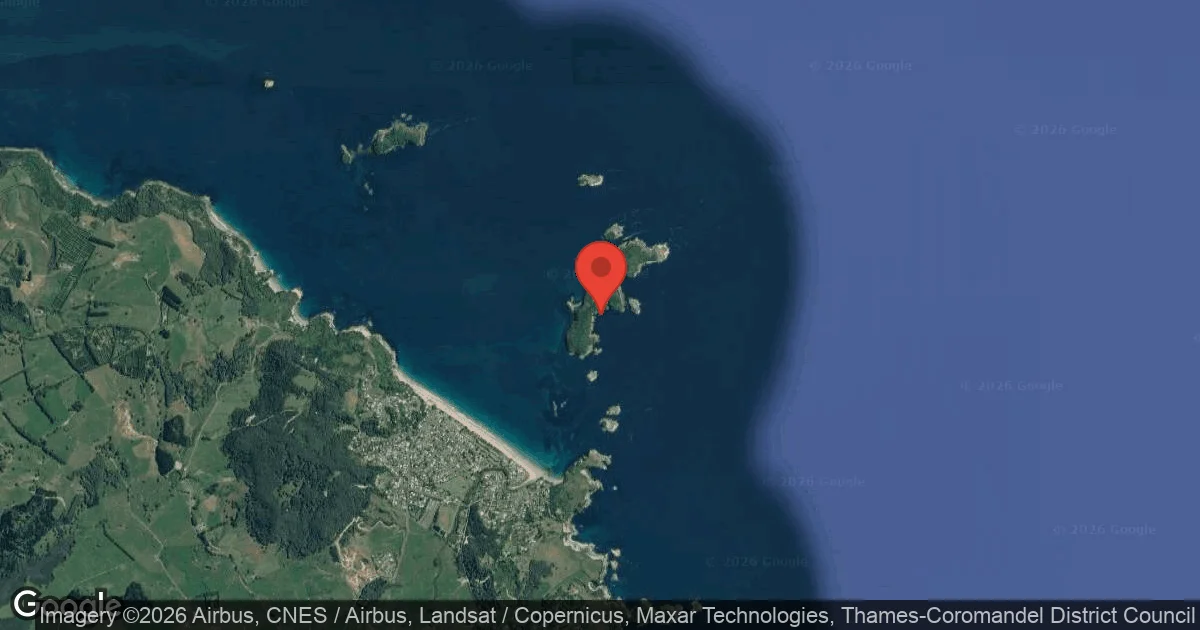
View all dive sites in New ZealandDiscover more underwater gems in this area.
Dive Centers Near South Sunk
Nearest Airports
Nearest airports to help plan travel to this dive area.
Search Flights
Check available flights and routes on Expedia, using the nearby airports listed in this section.
Search Flights on ExpediaFrequently Asked Questions
What type of dive site is South Sunk?
South Sunk is characterized as an ocean dive, featuring prominent pinnacles, reefs, and walls. These diverse underwater structures create a dynamic environment for exploration, offering various depths and habitats.
What is the maximum depth at South Sunk?
Divers at South Sunk can explore down to a maximum depth of 30 m (98 ft), a range suitable for certified recreational divers.
What training is recommended for diving South Sunk?
For those looking to fully experience South Sunk, PADI Advanced Open Water Diver certification is recommended. Additional courses like PADI Underwater Photographer and PADI Fish Identification can enhance your dive by improving your ability to document and identify the diverse marine life.
How do you access the South Sunk dive site?
South Sunk is a boat-entry dive site. Divers will typically travel by boat from a local dive operator to reach the offshore location.
What marine life can be commonly seen at South Sunk?
Divers frequently encounter large snapper, moray eels, marble fish, blue maomao, red cod, demoiselles, and leather jackets. Depending on the season, pelagic species like Koheru, Mackerel, Kahawai, and Kingfish may also be present as water temperatures warm.
Are there strong currents at South Sunk?
As an oceanic site, South Sunk can experience varying currents. While not consistently reported as hazardous, divers should be prepared for potential current conditions and practice good buoyancy control, especially along the walls.
Planning to dive South Sunk?
Send one inquiry and receive offers directly from the best verified local dive operators.
Conditions are Moderate
High Wind Advisory (45km/h). Unsafe surface.
Current conditions near South Sunk show 13° air, 16° sea temperature, 0.8 m waves, and 45 km/h wind. Forecast data is refreshed regularly to ensure accuracy.