
Diving at The Long Drop (New Zealand)
A prominent pinnacle at The Long Drop rises to about 7 m (23 ft) from the surface, establishing its distinct depth profile. From this shallower summit, steep drop-offs plunge to a maximum depth of 30 m (98 ft), creating a significant vertical exploration range. This structure shapes the site's challenging yet rewarding character.
As evening covers The Long Drop, the local air temperature is measured at 11.5°C. The current wave height at the surface is recorded at 0.8 m. These late-day readings characterize the surface conditions for the night.
Dive Site Location & Key Facts
Dive Site Overview
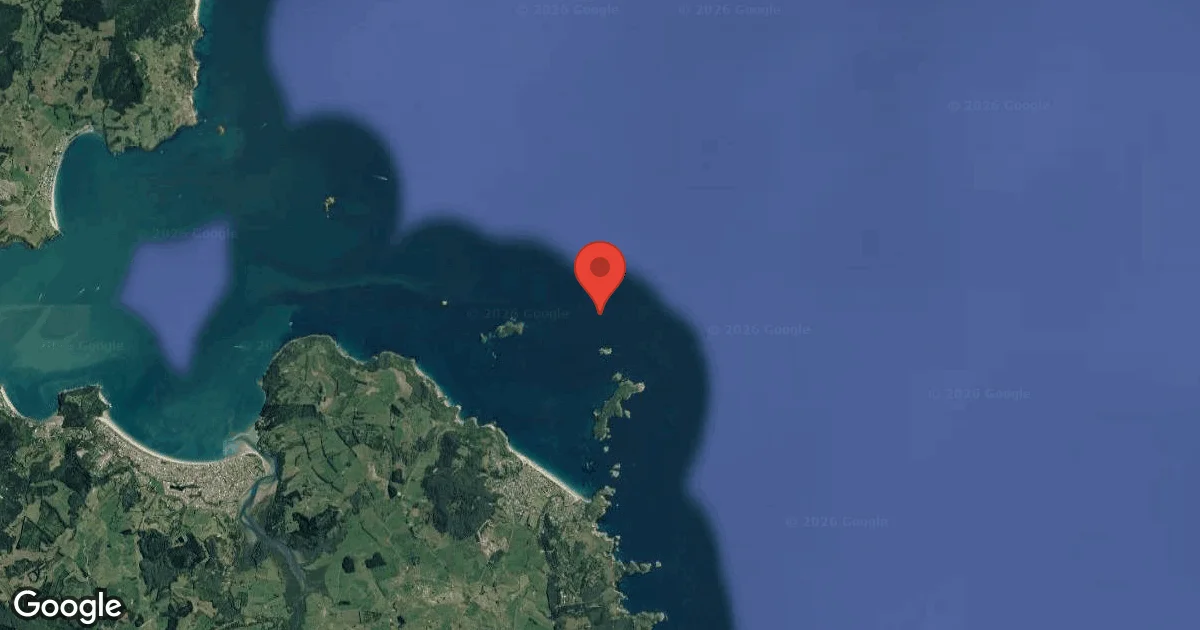
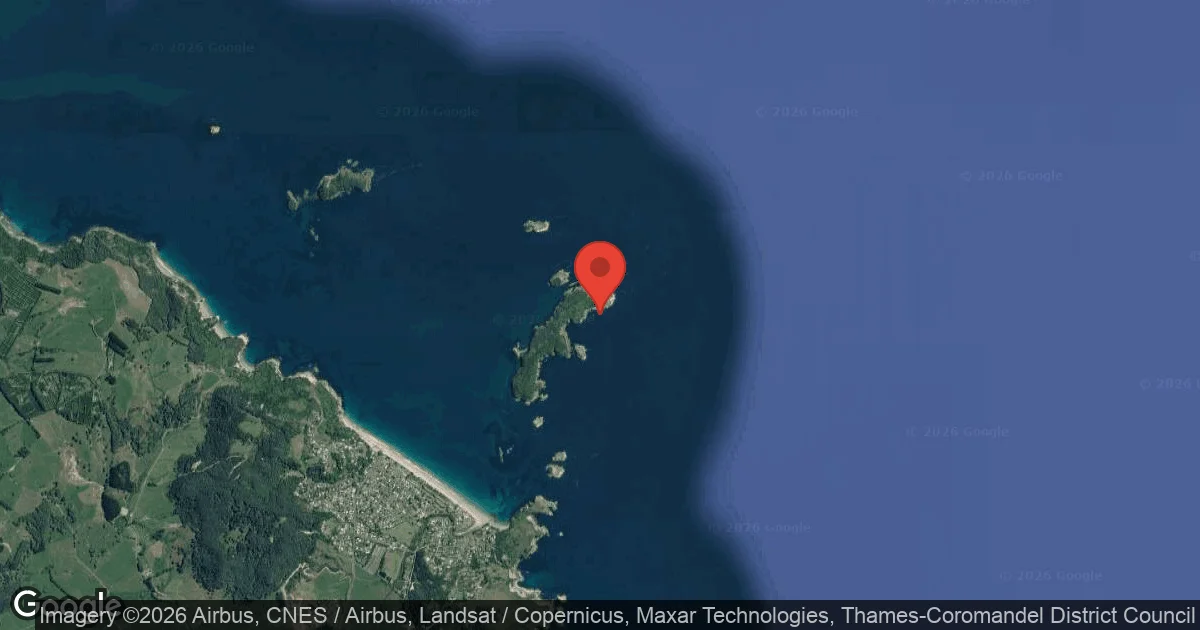
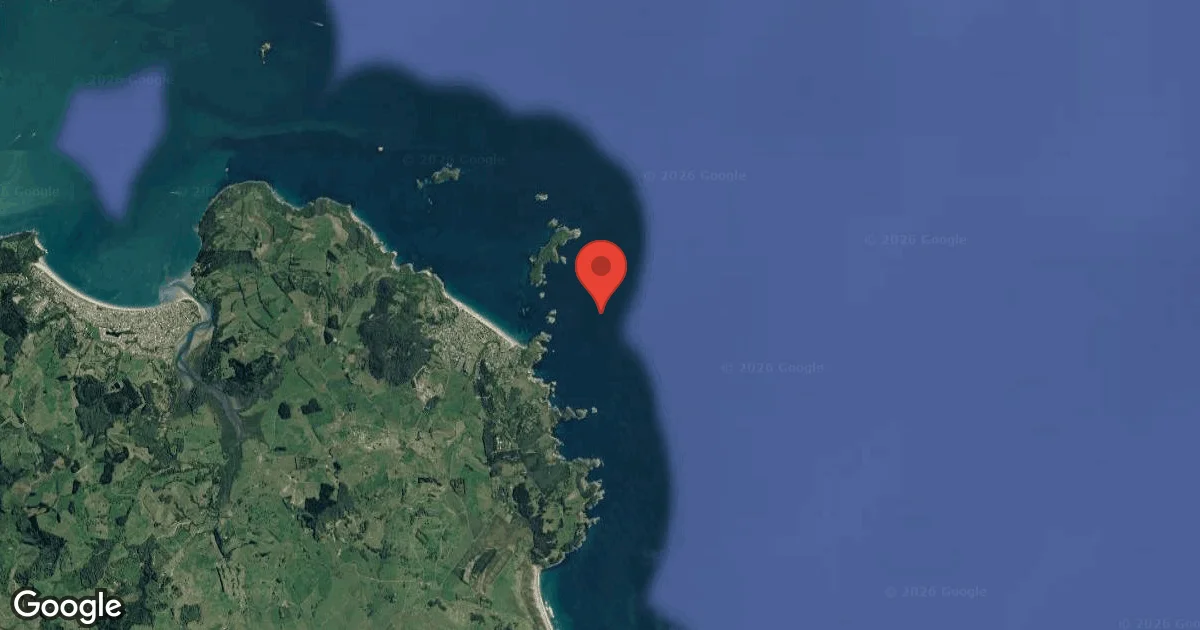
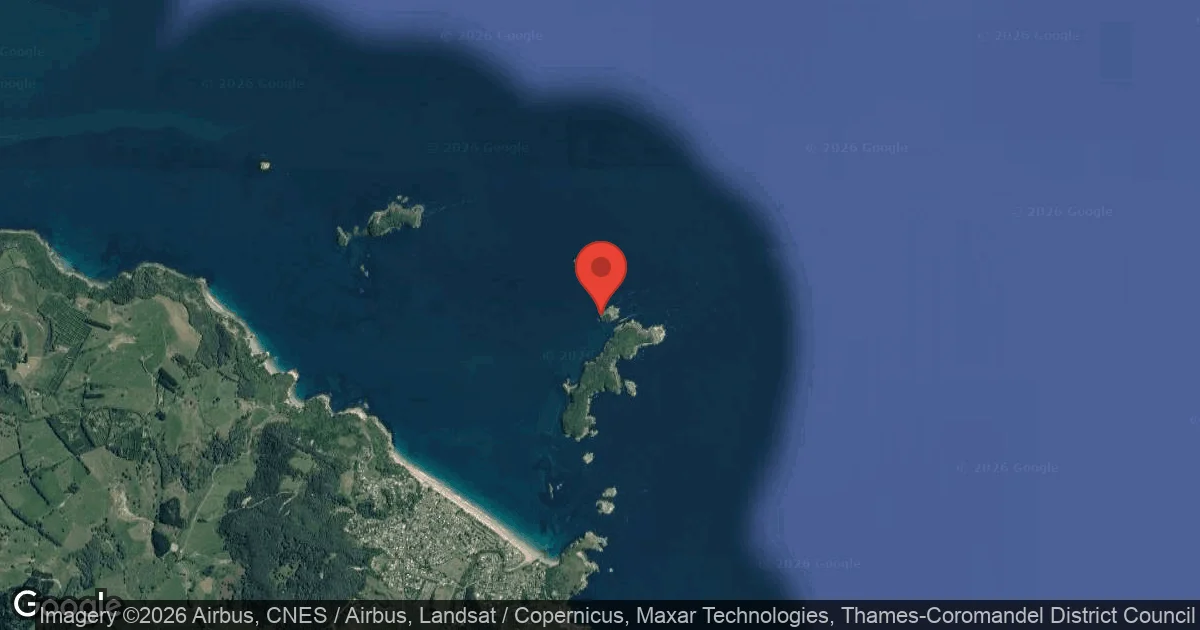
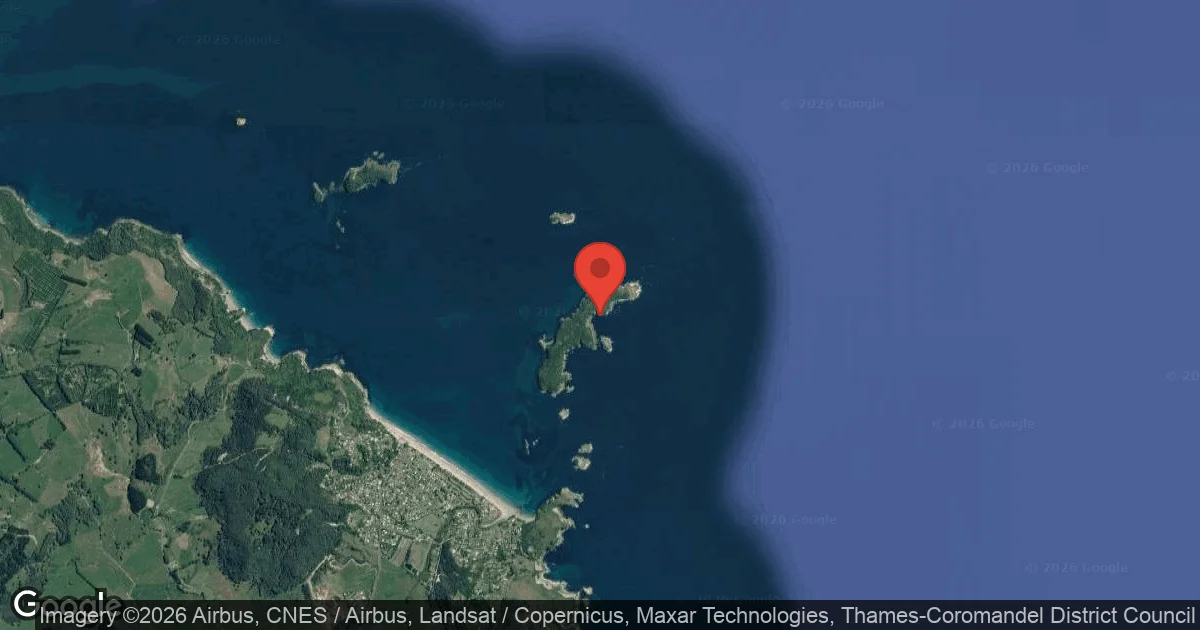
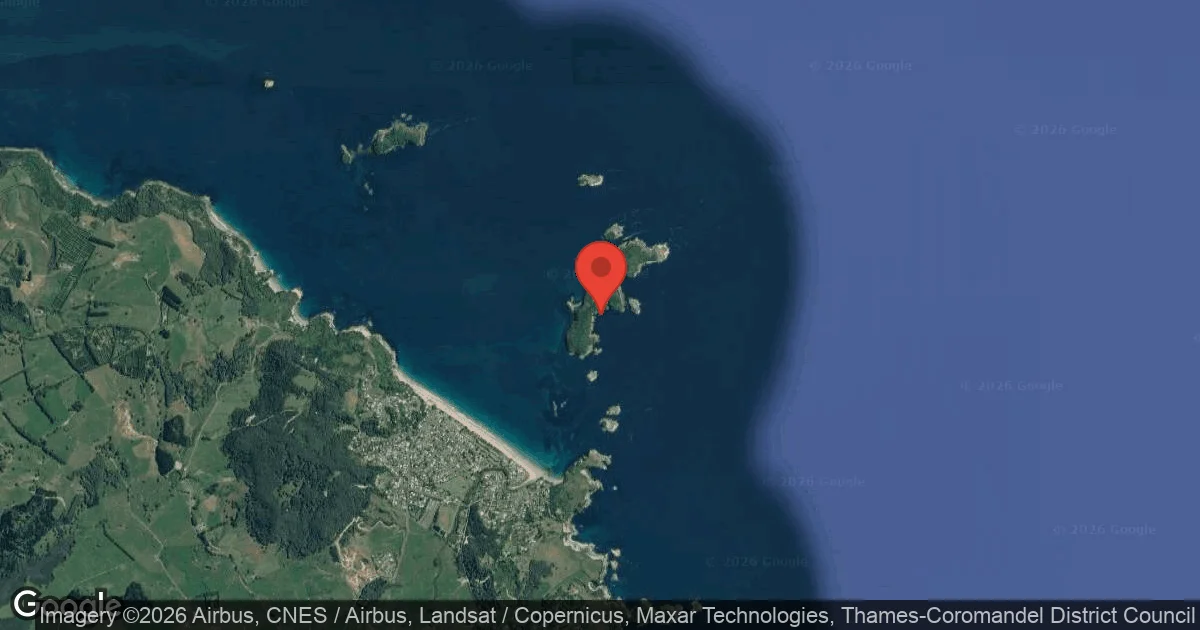
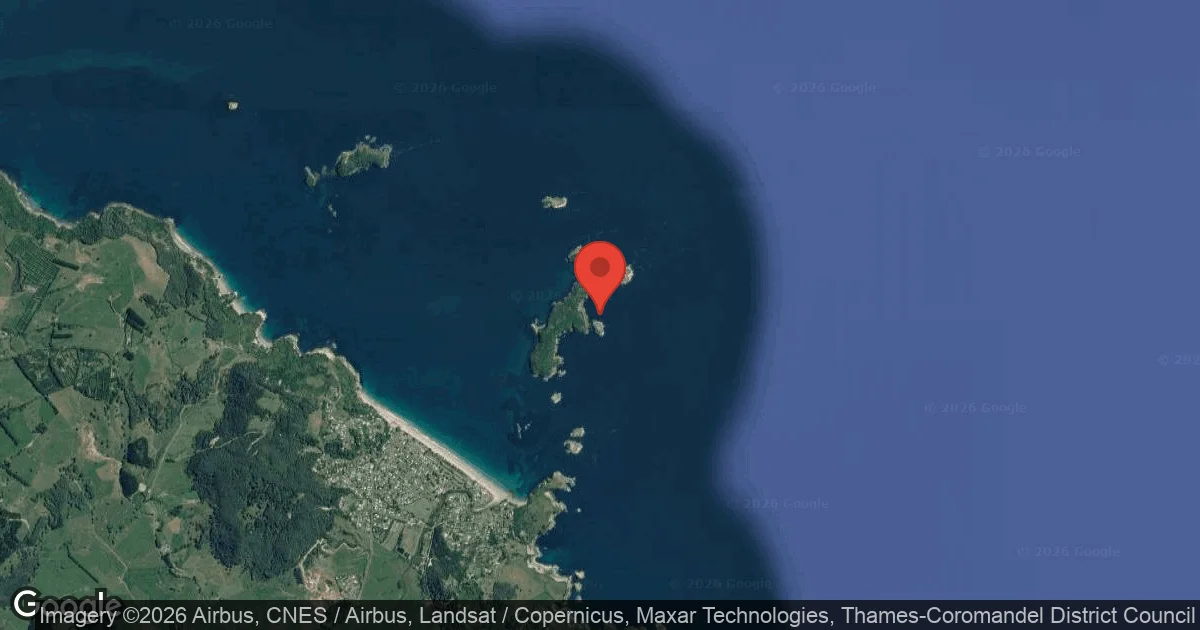
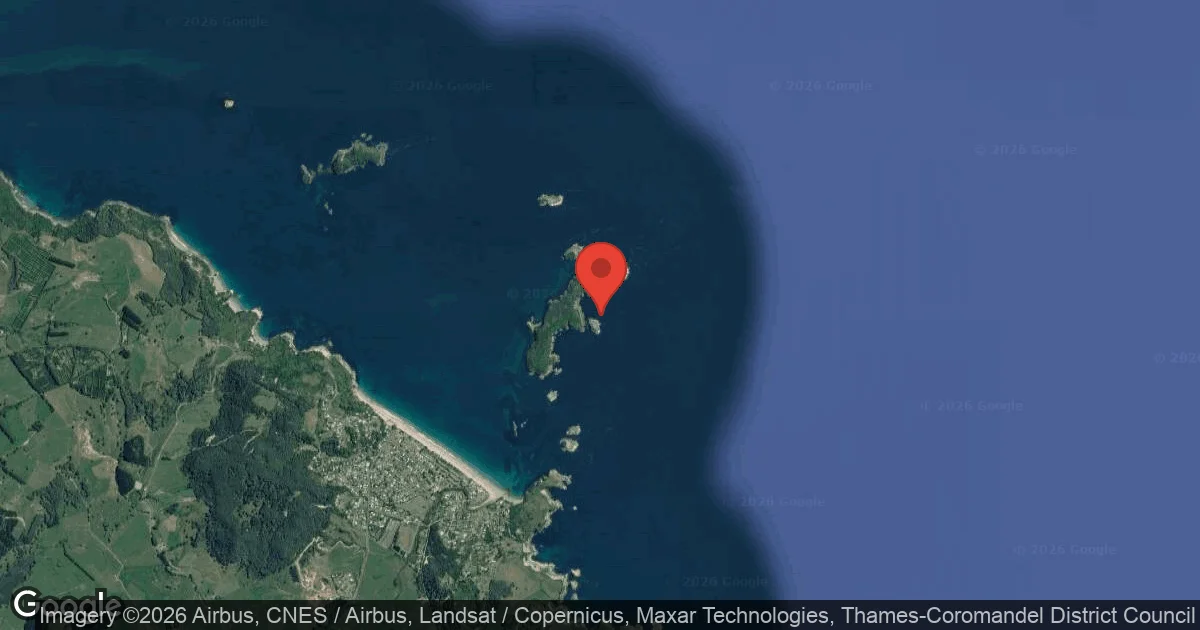
The Long Drop, a prominent pinnacle dive on the seaward side of Okorotere Island, delivers a varied underwater landscape. It features a vast area of large boulders near shallower sections, gradually transitioning into dramatic drop-offs.
This site classification covers pinnacle, reef, wall, and ocean dive aspects, allowing for exploration of diverse underwater environments, from its shallower pinnacle to deeper, vertical walls. Divers can expect terrain that descends from approximately 7 meters to its maximum depth, offering extensive vertical exploration. Boat entry facilitates access to this specific offshore location, integrating marine life closely with vertical structures and expansive rock formations.
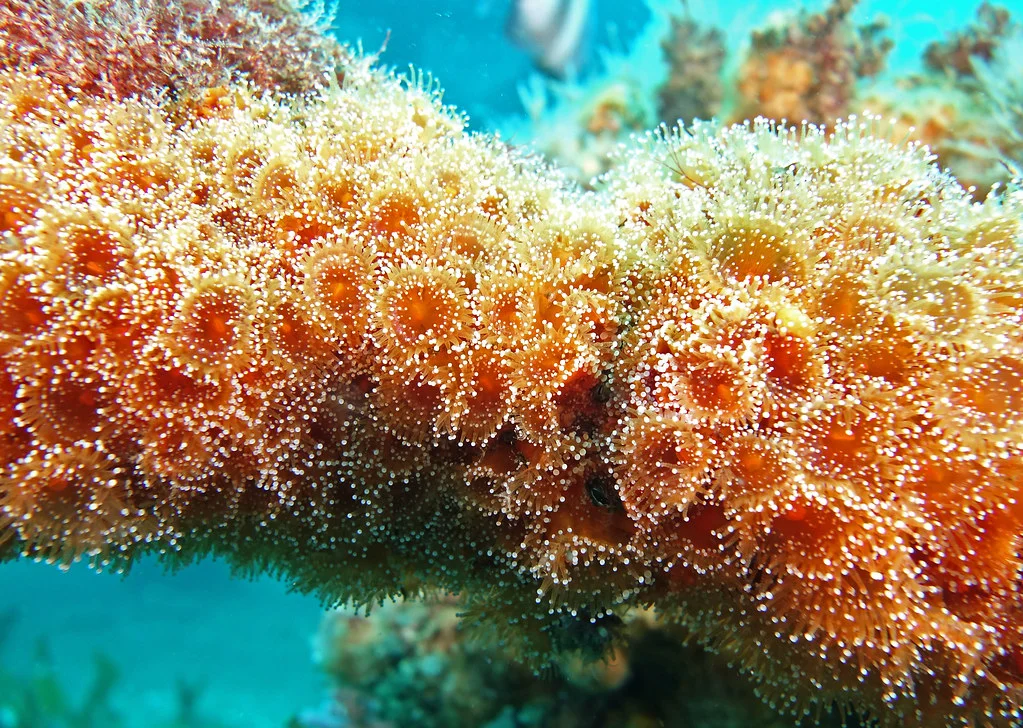
Summer often reveals walls covered in vibrant jewel anemones and schools of pelagic fish, offering dynamic visual experiences. Currents can be present here, influencing the dive profile and requiring awareness.
Observing the intricate wall ecosystems demands careful buoyancy control, especially in deeper zones, where light penetration diminishes.
Conditions are Moderate
Optimal conditions expected
Current conditions near The Long Drop show 12° air, 16° sea temperature, 0.8 m waves, and 40 km/h wind. Forecast data is refreshed regularly to ensure accuracy.
Best Time to Dive
Optimal conditions for diving at The Long Drop tend to emerge during New Zealand's warmer months, typically from January through March, and again from August to December. During these periods, dive scores are consistently rated as 'Good'. February, often having minimal rainfall around 2.1 mm (0.08 in) and lower wave heights averaging 0.9 m (3.0 ft), stands out for potentially calmer seas. Conversely, conditions shift to 'Moderate' between April and July, with increased wave heights averaging over 1.0 m (3.3 ft) and higher wind speeds. Air temperatures during the 'Good' dive score months are generally pleasant, ranging from approximately 14°C (57°F) in September to 20°C (68°F) in February, though water temperatures are not consistently reported.
PEAK SEASON SCORE
Scores combine air & water temps, waves, wind & rainfall for overall conditions.
BEST MONTHS TO DIVE
Monthly records compiled from satellite and marine observation nodes over the last 3 years. Data provided by Open-Meteo and MET Norway.
Dive Experience & Conditions
Boat access is required for The Long Drop, which typically involves dives into its deeper sections. Divers of varied experience levels can engage with this location's depth range, from the shallower pinnacle top at around 7 meters to significant drop-offs reaching the recreational depth limits. Expect to encounter diverse topography, including large boulders and steep walls that create compelling vertical environments. Visibility varies, as with any open ocean site, but summer presence of pelagic fish suggests clear enough water for observing marine life in the water column. Its classification as an ocean and wall dive often implies exposure to currents, which fluctuate with daily conditions and warrant careful planning to maximize exploration time.
Dive Difficulty & Safety Guidelines
No specific hazards are consistently reported for The Long Drop, suggesting a generally manageable dive environment for certified divers.
However, given its classification as a pinnacle and wall dive with significant drop-offs, careful depth management is essential. Divers must maintain awareness of bottom time and air consumption, especially when exploring deeper sections.
Planning for potential currents, common in open ocean and pinnacle sites, is also advisable. Always dive within certification limits and consider the added safety of a reliable buddy and proper surface support.
Recommended Equipment
- Dive Computer
- DSMB
This gear list is based on verified equipment signals for The Long Drop, New Zealand. Always confirm final gear choices with your dive operator, guide, or liveaboard.
Recommended Dive Suit
Forecast trends indicate little change in overall diving conditions during the next few days.
Two divers in the same water temperature may experience very different comfort levels. Surface intervals may feel noticeably cooler once you exit the water.
Many divers find that 5-7mm wetsuit offers the right level of insulation for conditions like these. A hood or vest is suggested for sensitive divers due to surface winds. Strong cold advisory: dress warmly immediately after exiting the water. The surrounding waters at The Long Drop are currently registering temperatures of roughly 16°C (60°F). Surface air temperatures are resting at 12°C (53°F).
Emergency & Medical Support
Essential information to help you plan your dive trip to The Long Drop.

Hyperbaric chambers are a critical part of dive safety infrastructure. Availability varies significantly by region, and not all dive areas have immediate access.
Before diving, it's recommended to:
- confirm nearest medical facilities
- check emergency procedures with local dive operators
- ensure dive insurance covers evacuation if required
Divers Alert Network
Diving emergency assistance available through DAN World.
+1-919-684-9111- 24/7 emergency hotline
- Diving medical assistance
- Evacuation coordination
Emergency contacts are provided for reference. Always verify local emergency services before diving.
Marine Life at The Long Drop
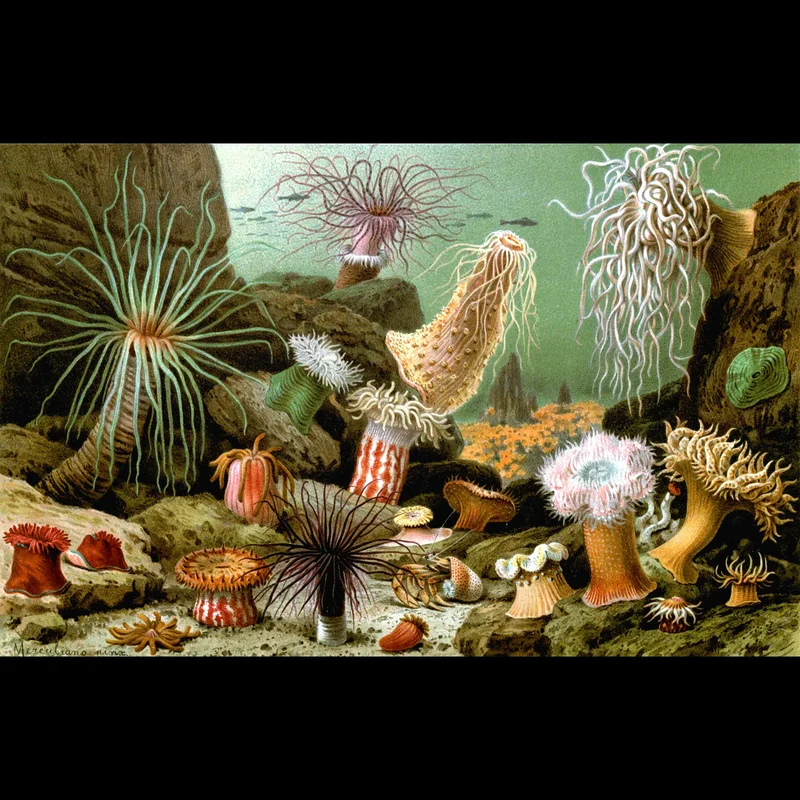
At The Long Drop, the underwater landscape supports diverse marine life, particularly along its vibrant walls and among the large boulders. Jewel anemones adorn walls, creating striking patches of color, especially noted during summer.
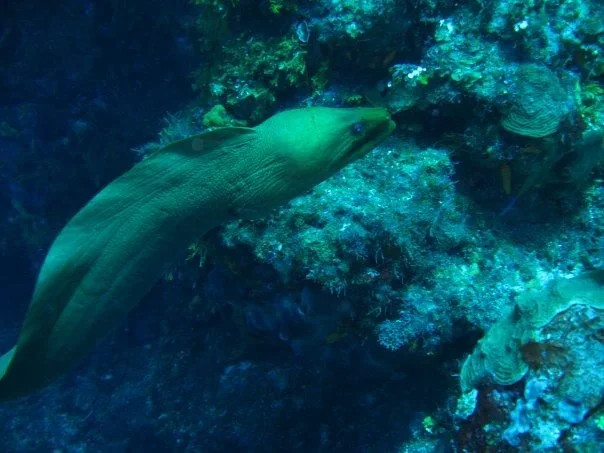
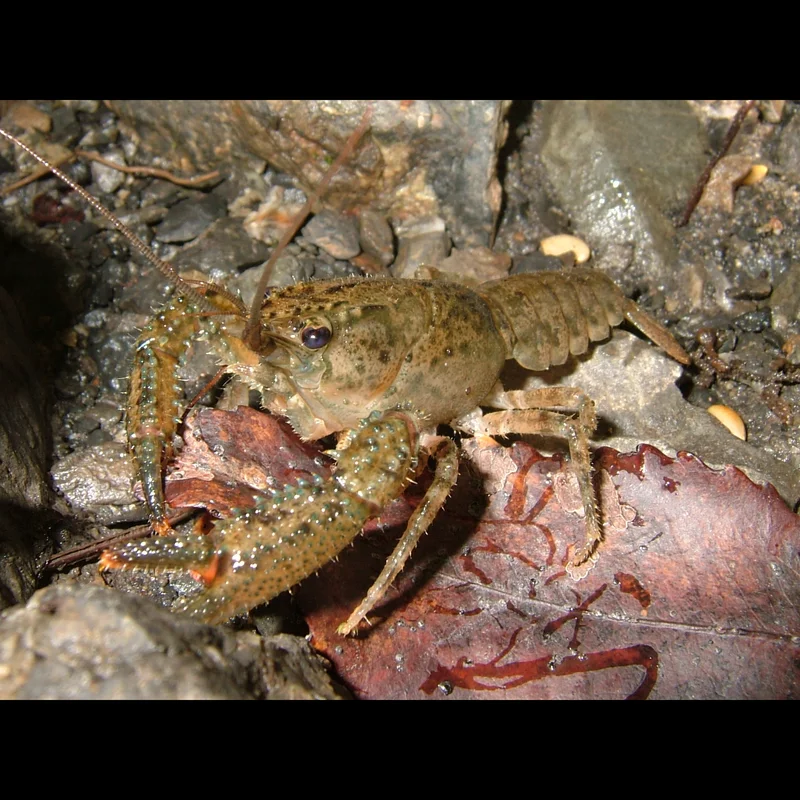
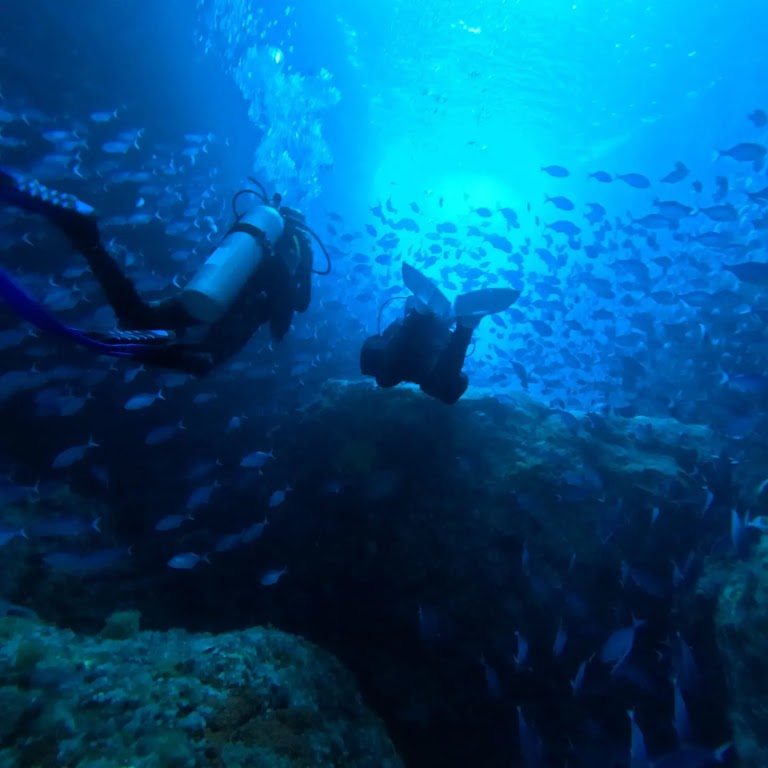
Pelagic fish are a common sight, often schooling in the open water surrounding the pinnacle. Divers may also encounter moray eels, often hidden within crevices, and crayfish seeking shelter among rocks.
Sea anemones, beyond the jewel variety, contribute to the varied invertebrate life across different depths.
Dive Sites Near The Long Drop
View all dive sites in New ZealandDiscover more underwater gems in this area.
Dive Centers Near The Long Drop
Nearest Airports
Nearest airports to help plan travel to this dive area.
Search Flights
Check available flights and routes on Expedia, using the nearby airports listed in this section.
Search Flights on ExpediaFrequently Asked Questions
What is the maximum depth at The Long Drop?
Drop-offs at The Long Drop descend to a maximum depth of 30 m (98 ft), suitable for advanced open water divers or those with deeper experience.
What kind of dive site is The Long Drop?
The site primarily functions as a pinnacle dive, also exhibiting characteristics of a reef, wall, and open ocean environment. It features large boulders and significant vertical drop-offs.
How do divers access The Long Drop?
Access to The Long Drop is exclusively by boat. It is located on the seaward side of Okorotere Island, requiring transportation to the site.
What marine life can be seen at The Long Drop?
Divers often observe jewel anemones covering the walls, along with pelagic fish, moray eels, and crayfish. General sea anemones are also common throughout the site.
Are there specific hazards to be aware of?
No specific hazards are consistently reported for The Long Drop. However, general considerations for pinnacle and wall diving, such as depth and potential currents, should always be factored into dive planning.
What are the best months to dive at The Long Drop?
Optimal diving periods are typically from January to March, and August to December, generally offering 'Good' dive conditions. February often presents favorable conditions with lower rainfall and wave heights.
Planning to dive The Long Drop?
Send one inquiry and receive offers directly from the best verified local dive operators.
Conditions are Moderate
Optimal conditions expected
Current conditions near The Long Drop show 12° air, 16° sea temperature, 0.8 m waves, and 40 km/h wind. Forecast data is refreshed regularly to ensure accuracy.