
Diving at Cabilao Island (Philippines)
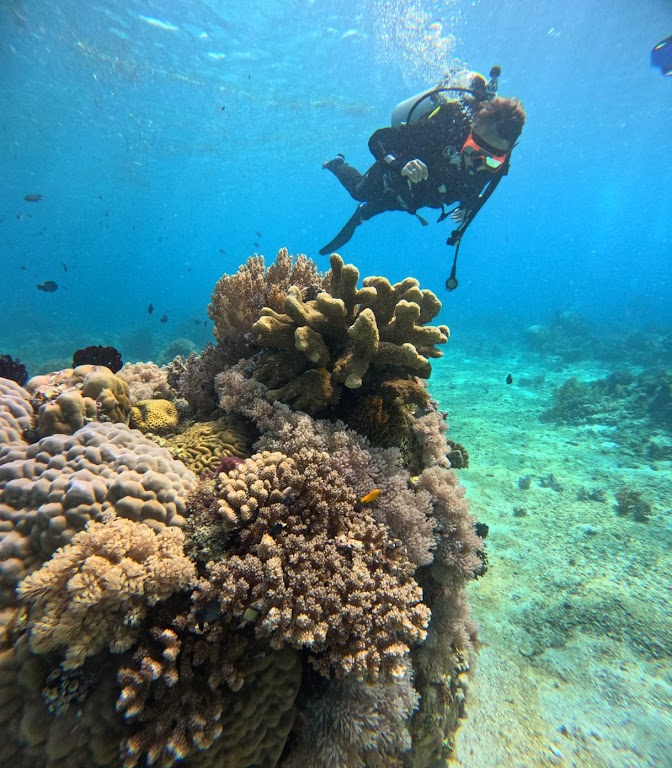
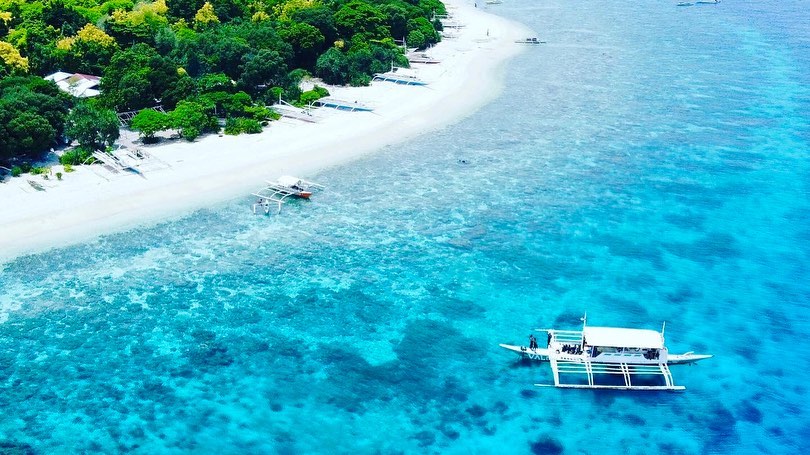
Cabilao Island stands as a premier dive destination, found between Cebu and Bohol, consistently drawing divers to its pristine underwater environments. Exceptional hard coral formations, particularly along its southern coast, distinguish this site from other Visayan locations. A tranquil escape, the island primarily dedicates itself to marine treasures rather than extensive land-based activities.
Tonight's objective overview for Cabilao Island shows an air temperature of 31°C. The measured surface conditions include wave heights around 0.1 m. This environmental data is logged for the close of the day.
Dive Site Location & Key Facts
Dive Site Overview
Underwater topography around Cabilao Island is remarkably diverse, transitioning from shallow reef flats into dramatic drop-offs and extensive wall systems. Along the southern coast, walls impressively begin around 12 to 18 meters (40 to 60 feet) and continue their descent to significant depths, often reaching 40 to 45 meters (130 to 150 feet) near the lighthouse.
Deeper sections also include an intriguing, partially explored cave at approximately 60 meters (200 feet), offering a challenge for technical divers. Exploring various sites reveals vibrant hard and soft coral gardens, which serve as critical habitats for numerous species of shoaling fish. Specific locations like 'The Lighthouse' and 'Current View' are known for strong currents and pelagic encounters, while 'Talisay Tree' offers a more sheltered experience with abundant macro life.
Reef crests themselves are alive with smaller invertebrates and juvenile fish, providing endless observational opportunities. Interaction between currents and topography has sculpted an environment rich in ecological complexity and visual drama throughout the island's perimeter.
Such a diverse range of dive profiles ensures Cabilao offers something for every certification level, from easy reef explorations to demanding deep wall dives.
Conditions are Good
07:00 - 14:00
Optimal conditions expected
Current conditions near Cabilao Island show 31° air, 30° sea temperature, 0.2 m waves, and 25 km/h wind. Forecast data is refreshed regularly to ensure accuracy.
Best Time to Dive
Optimizing a Cabilao Island dive trip centers on achieving peak visibility and stable sea conditions, generally excellent year-round. From January through May, dry season months consistently offer the most favorable weather. During this period, rainfall is notably low, with averages recorded at 2.8 mm in April and 5.7 mm in May, contributing significantly to underwater clarity. Air temperatures during peak months are comfortably warm, typically ranging from 26-28°C (79-82°F), enhancing surface comfort between dives. Water temperatures across these months stay consistently inviting, generally around 27-29°C (81-84°F), allowing for pleasant, long dives without excessive thermal protection. While the island provides good diving conditions for much of the year, a slight increase in rainfall and corresponding wave height is typically observed in June. The earlier part of the year, particularly late winter and spring, emerges as the prime window for experiencing Cabilao's unparalleled underwater clarity and calmest seas, ideal for exploring its diverse sites.
PEAK SEASON SCORE
Scores combine air & water temps, waves, wind & rainfall for overall conditions.
BEST MONTHS TO DIVE
Monthly records compiled from satellite and marine observation nodes over the last 3 years. Data provided by Open-Meteo and MET Norway.
Dive Experience & Conditions
Cabilao offers a versatile diving experience, suitable for a wide range of certification levels, from foundational Open Water divers exploring shallow reefs to technical divers pushing deeper limits. Underwater clarity is consistently impressive, frequently reaching up to 25 meters (85 feet), especially around the house reef. Excellent visibility enhances appreciation of vibrant ecosystems. Divers should anticipate drift conditions along extensive wall systems; these currents define many Cabilao dive sites and often facilitate exhilarating glides past intricate coral formations. Along these walls, a rich tapestry of large gorgonians and diverse sponges flourishes, creating a visually stunning and ecologically complex habitat. Shallower reef areas, by contrast, are a macro enthusiast's dream, offering an abundance of small, fascinating critters that reward patient observation. Water temperatures remain comfortably warm year-round, typically between 27-29°C / 81-84°F, allowing for extended bottom times without significant thermal concerns. Varied topography, predictable currents, and rich biodiversity ensure a dynamic and rewarding dive every time.
Dive Difficulty & Safety Guidelines
Diver safety at Cabilao requires adherence to standard precautions, especially given the site's deeper profiles and potential for significant drift currents. Dive operators consistently ensure essential safety equipment, including O2 tanks and comprehensive first aid kits, are readily accessible on all dive boats. Group sizes typically maintain a minimum of two divers, ensuring buddy system integrity.
For divers considering ventures beyond standard recreational limits, such as exploring the partially mapped cave at approximately 60 meters (200 feet), strict adherence to technical diving protocols is absolutely paramount. Proper training, specialized equipment, and diving under the guidance of experienced technical instructors are essential.
Understanding current patterns before entry and maintaining conservative dive profiles, particularly on deeper wall dives, are key practices for all divers to mitigate risks effectively. Always plan your dives thoroughly and communicate any concerns with your dive guide.
Recommended Equipment
Current and surface separation risk. Local briefing strongly recommended.
- Dive Computer
- DSMB
- Reel / Spool
This gear list is based on verified equipment signals for Cabilao Island, Philippines. Always confirm final gear choices with your dive operator, guide, or liveaboard.
Recommended Dive Suit
In conditions like these, many divers prefer diving with dive skin or rash guard.
Current readings at Cabilao Island show water temperatures near 30°C (87°F). Surface air temperatures are resting at 31°C (88°F).
A modest cooling trend is expected in the upcoming forecast. Cooler days are ahead; you might want a warmer option for later in the week. Having a second exposure option available is often a good precaution.
Emergency & Medical Support
Essential information to help you plan your dive trip to Cabilao Island.

Hyperbaric chambers are a critical part of dive safety infrastructure. Availability varies significantly by region, and not all dive areas have immediate access.
Before diving, it's recommended to:
- confirm nearest medical facilities
- check emergency procedures with local dive operators
- ensure dive insurance covers evacuation if required
Divers Alert Network
Diving emergency assistance available through DAN World.
+1-919-684-9111- 24/7 emergency hotline
- Diving medical assistance
- Evacuation coordination
Emergency contacts are provided for reference. Always verify local emergency services before diving.
Marine Life at Cabilao Island
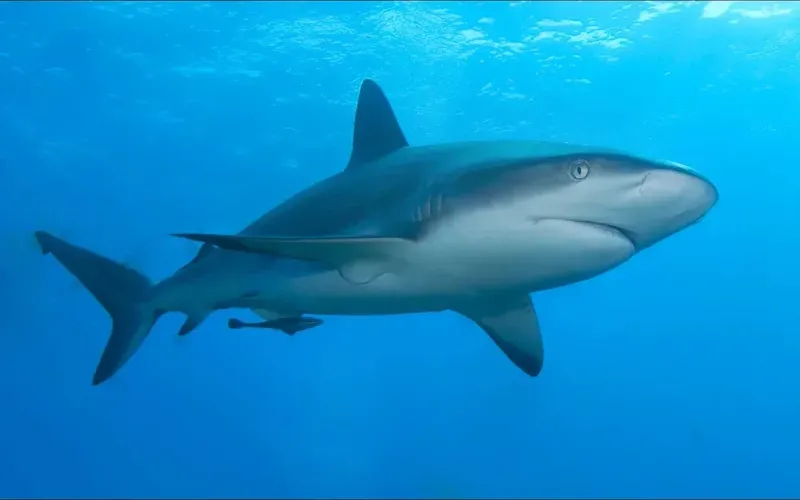
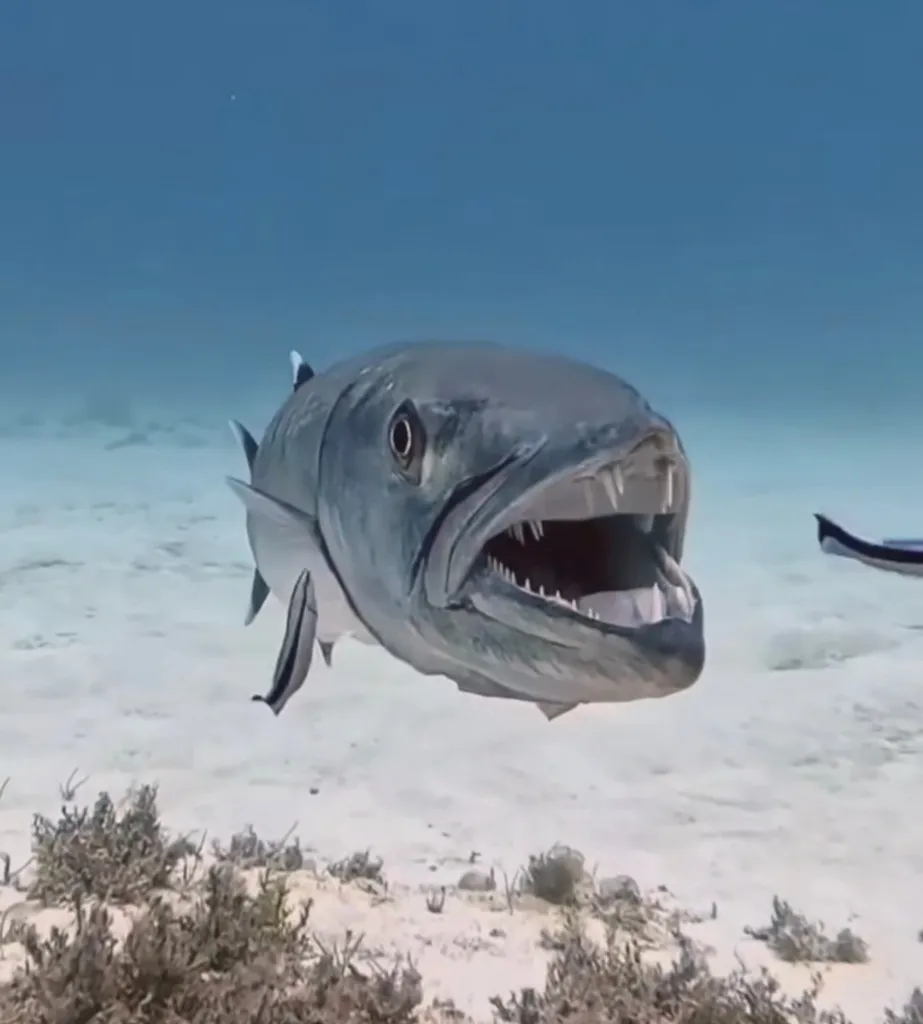
Against a vibrant backdrop of diverse corals, Cabilao's underwater landscape teems with a variety of marine inhabitants. Encounters often include reef sharks, such as white tips and black tips, along with impressive schools of jacks and barracudas.
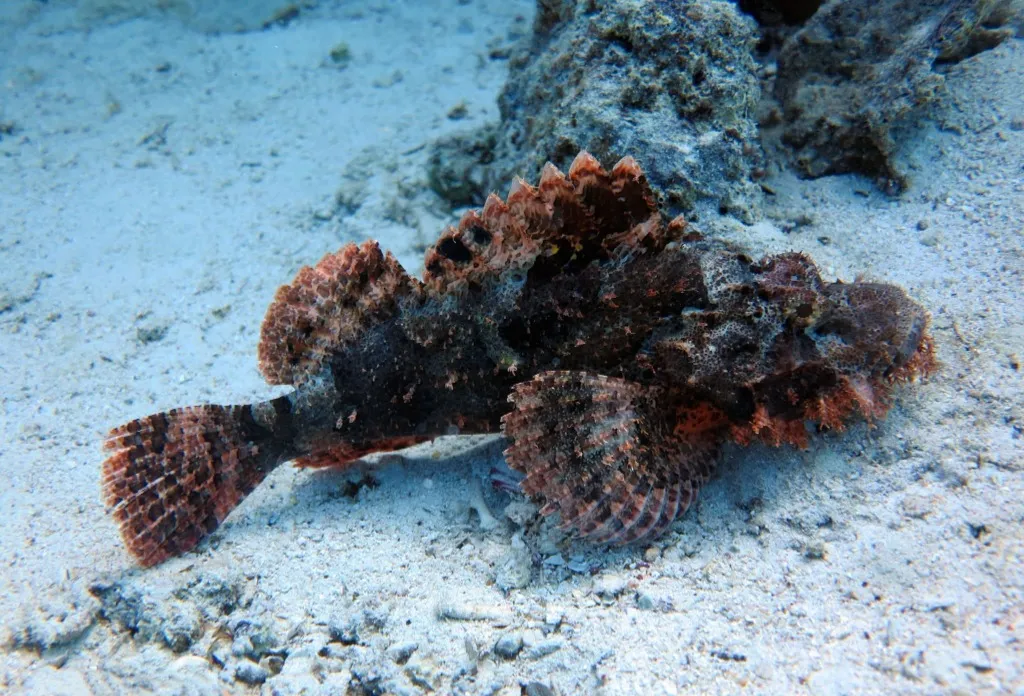
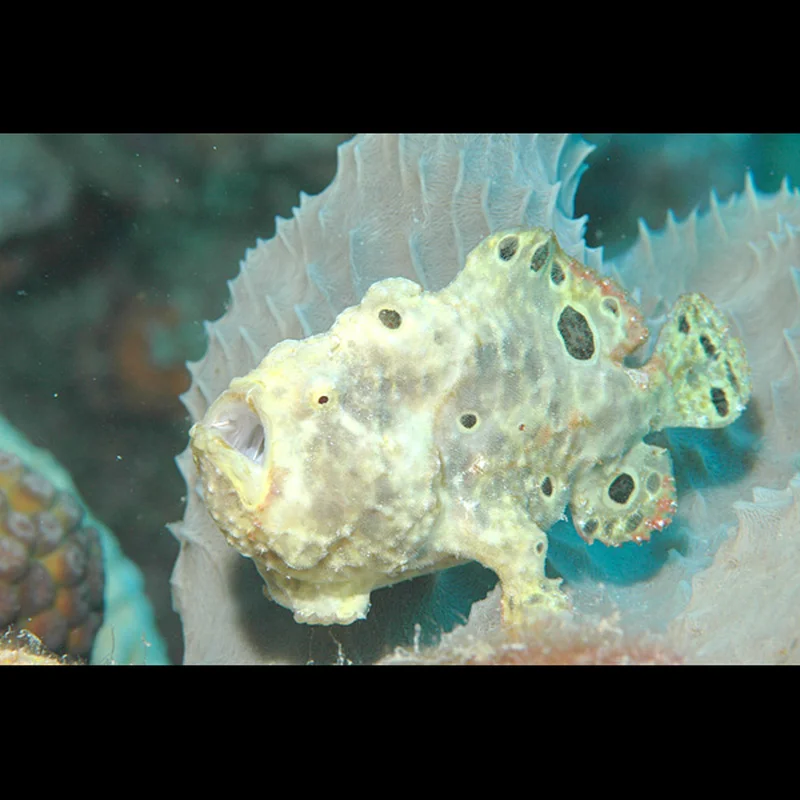
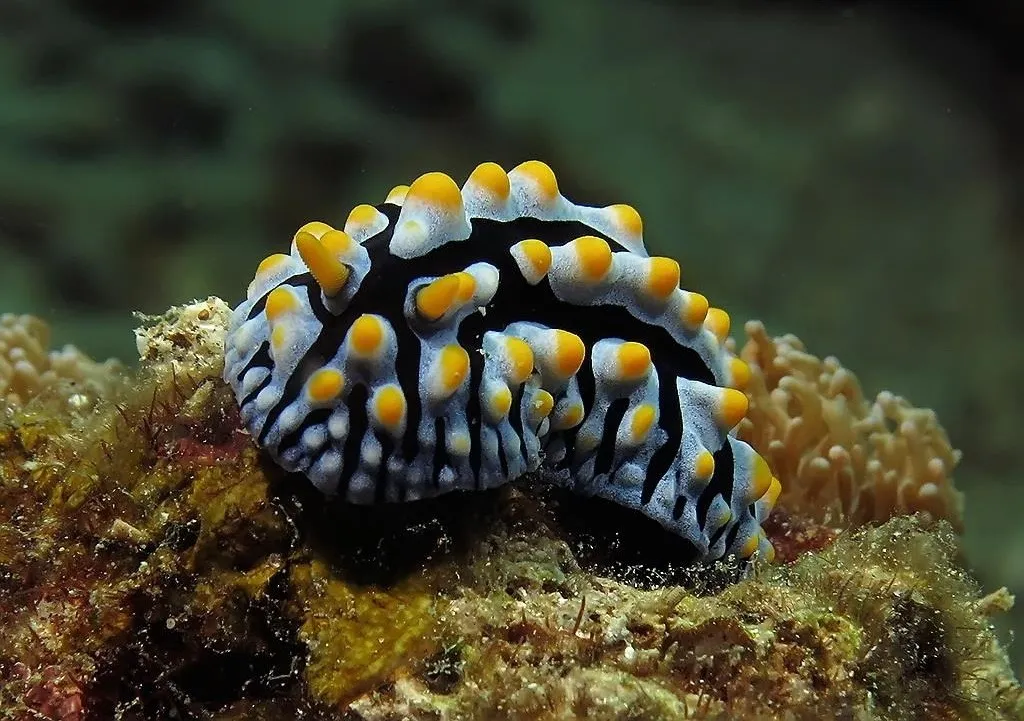
As a macro photographer's delight, the site offers consistent sightings of seahorses, including pygmy seahorses, alongside numerous nudibranch species. You might also spot scorpionfish, frogfish, ghost pipefish, and leaf fish, adding to the rich biodiversity.
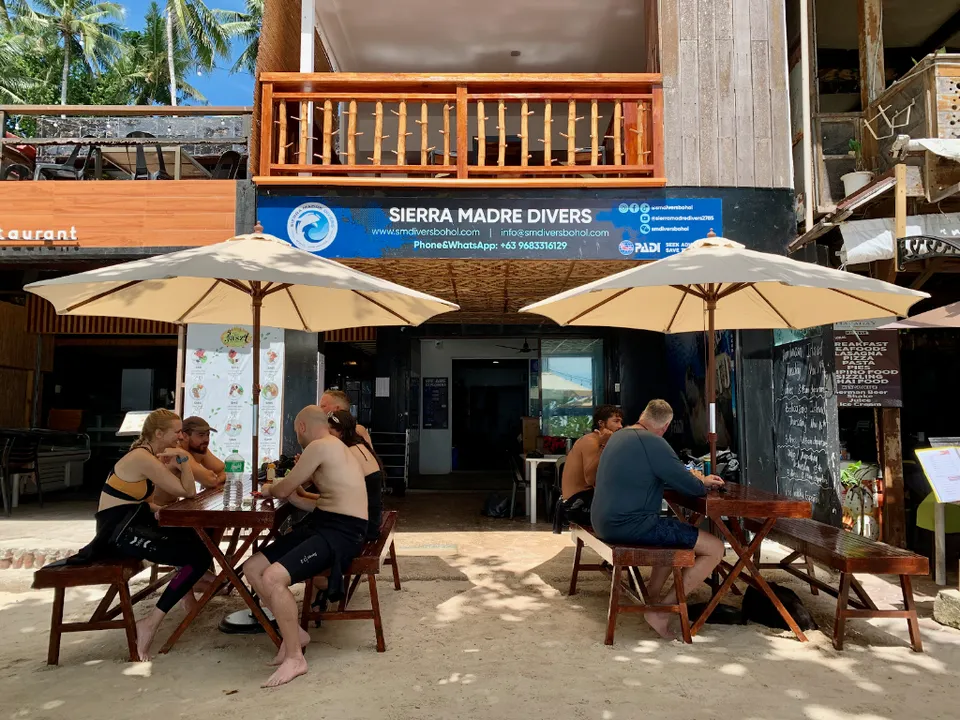
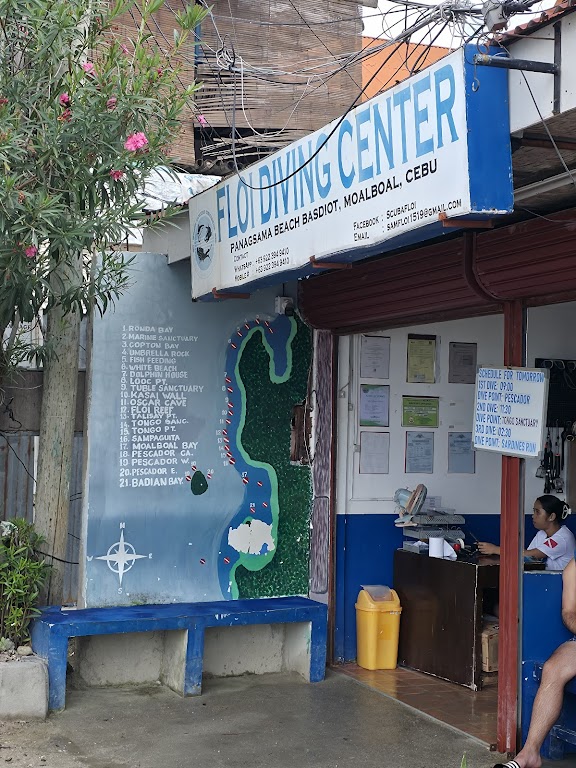
Dive Centers Near Cabilao Island
Today: 08:00 - 17:30


Nearest Airports
Nearest airports to help plan travel to this dive area.
Search Flights
Check available flights and routes on Expedia, using the nearby airports listed in this section.
Search Flights on ExpediaFrequently Asked Questions
What is the typical visibility at Cabilao Island?
Visibility at Cabilao Island is generally very good, often reaching up to 25 meters (85 feet), even when surface conditions are wavy. Such clarity makes it an excellent site for underwater photography and marine life observation.
What kind of marine life can be seen around Cabilao?
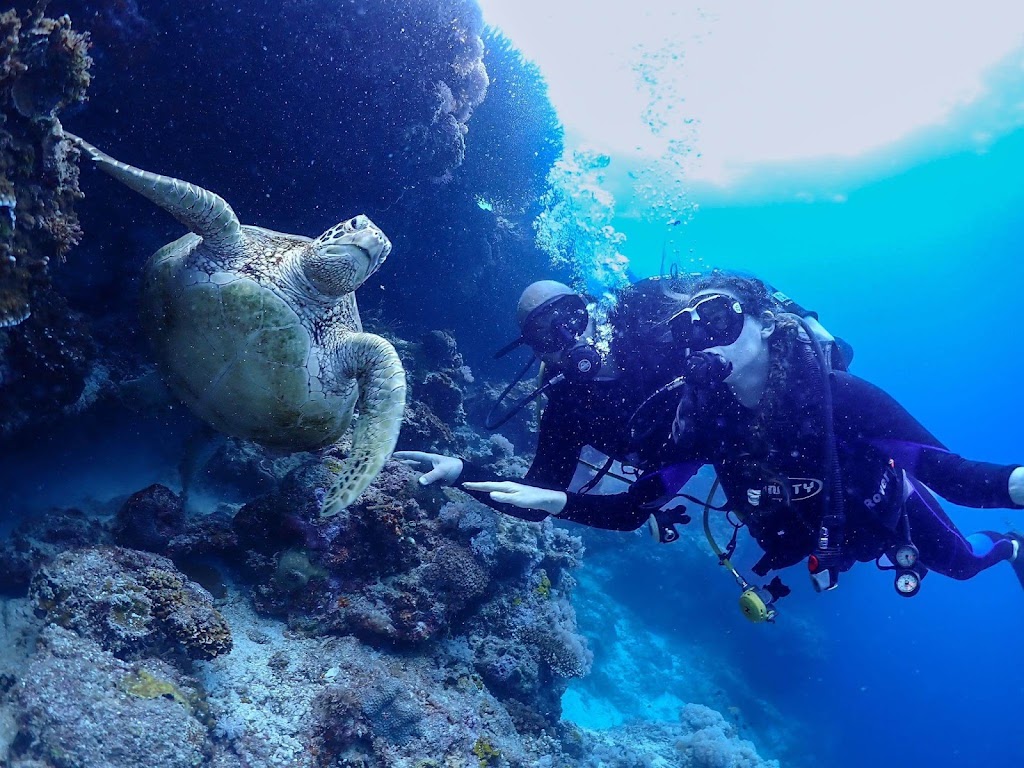
Divers regularly encounter reef sharks (white tip and black tip), large schools of jacks and barracudas. Its waters are also rich in macro life, including seahorses, nudibranchs, frogfish, ghost pipefish, and various scorpionfish species. Turtles, sea snakes, and rock lobsters are also common sightings.
Is Cabilao Island suitable for all levels of divers?
Yes, Cabilao offers diverse dive sites suitable for all levels of certified divers. Shallow reefs are perfect for beginners, while experienced divers can explore impressive walls that drop to significant depths, and even a cave for technical divers.
Are there any deeper or more advanced dive opportunities at Cabilao?
Absolutely. Walls on the island descend to 40-45 meters (130-150 feet) and a partially explored cave exists at 60 meters (200 feet). Such sites cater to advanced and technical divers seeking deeper exploration.
How long does a typical day trip to Cabilao Island last?
A full day diving trip to Cabilao Island typically includes three dives. Depending on your departure point (e.g., Mactan or Panglao), you can expect to return by late afternoon, around 17:00 (5 PM).
What distinguishes Cabilao from other dive locations in the Visayas?
Cabilao is particularly known for its pristine hard coral formations, especially along its southern coast, which sets it apart. It also boasts consistently good visibility and a high biodiversity, appealing strongly to underwater photographers and marine life enthusiasts.
Planning to dive Cabilao Island?
Send one inquiry and receive offers directly from the best verified local dive operators.
Conditions are Good
07:00 - 14:00
Optimal conditions expected
Current conditions near Cabilao Island show 31° air, 30° sea temperature, 0.2 m waves, and 25 km/h wind. Forecast data is refreshed regularly to ensure accuracy.