
Diving at Landing Craft (Philippines)
The Landing Craft in Subic Bay presents a dynamic wreck dive, influenced by the currents filtering into Triboa Bay. While generally protected, localized currents around the wreck can add to the experience, making dives feel active. Resting on its starboard side, this artificial reef continually changes as marine life colonizes its structure, reflecting the ongoing interaction between the static wreck and the surrounding aquatic environment. Visibility can vary, shaping how divers perceive the scale of the wreck on any given day.
Evening condition tracking at Landing Craft features an air temperature of 26°C. We have recorded wave heights measuring 0.3 m during this period. These figures outline the environmental parameters currently present.
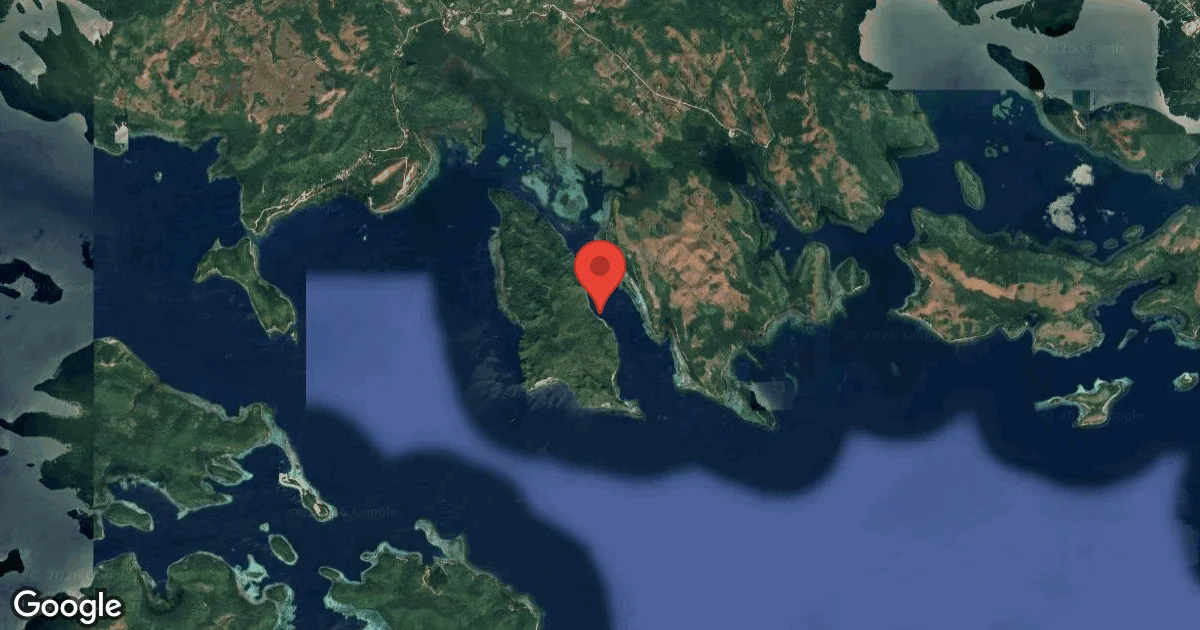
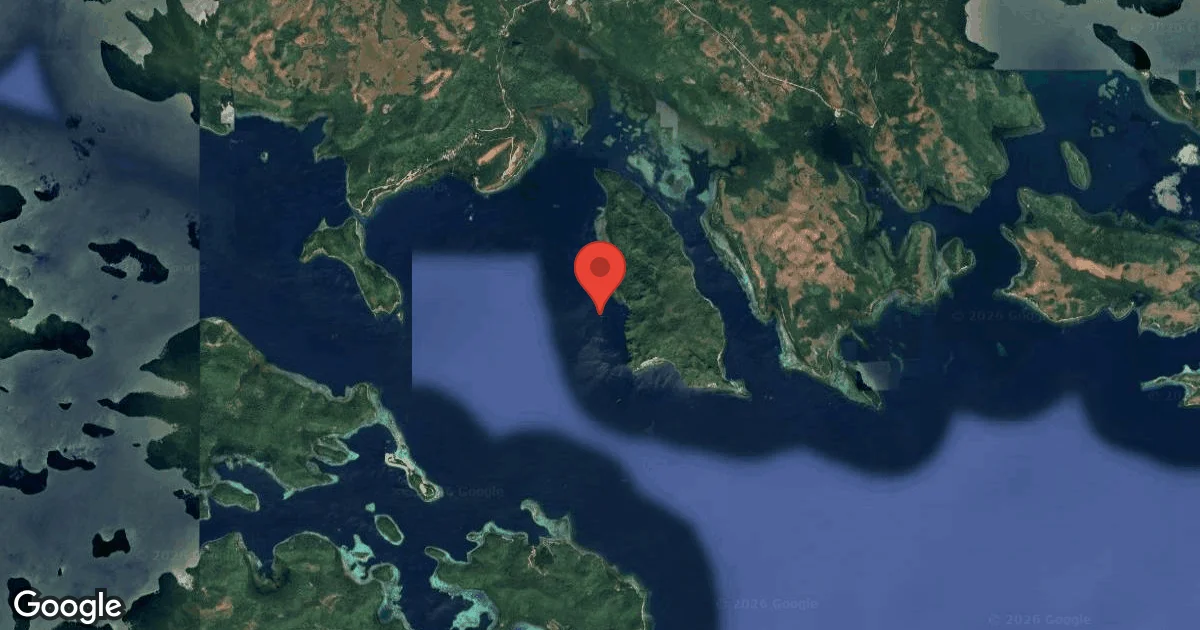
Dive Site Location & Key Facts
Dive Site Overview
What sets the Landing Craft apart as a dive destination is its unique history as a post-WWII vessel, now transformed into a thriving underwater habitat accessible to a broad range of certified divers. Believed to have sunk during a storm, this Landing Craft Utility (LCU) wreck lies within Triboa Bay, leaning significantly on its starboard side.
Descending here reveals a structure that serves both as a historical artifact and a vibrant artificial reef. Divers will find the LCU inviting, with opportunities for limited penetration into sections like the galley and smaller rooms, where lionfish are often found lurking. The wreck's maximum depth typically reaches 22 m (72 ft), making it suitable for open water certification and above.
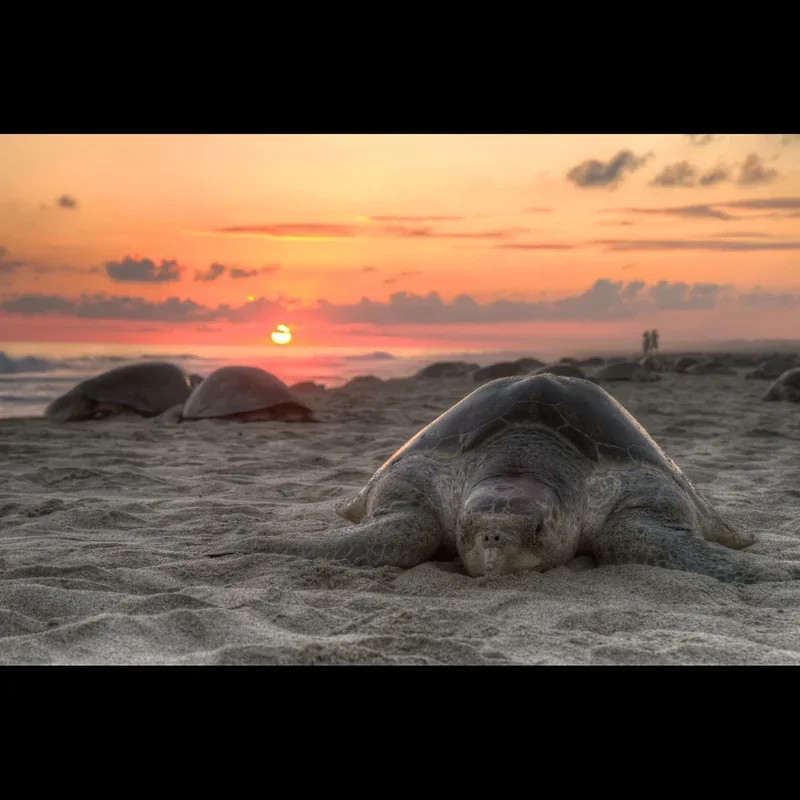
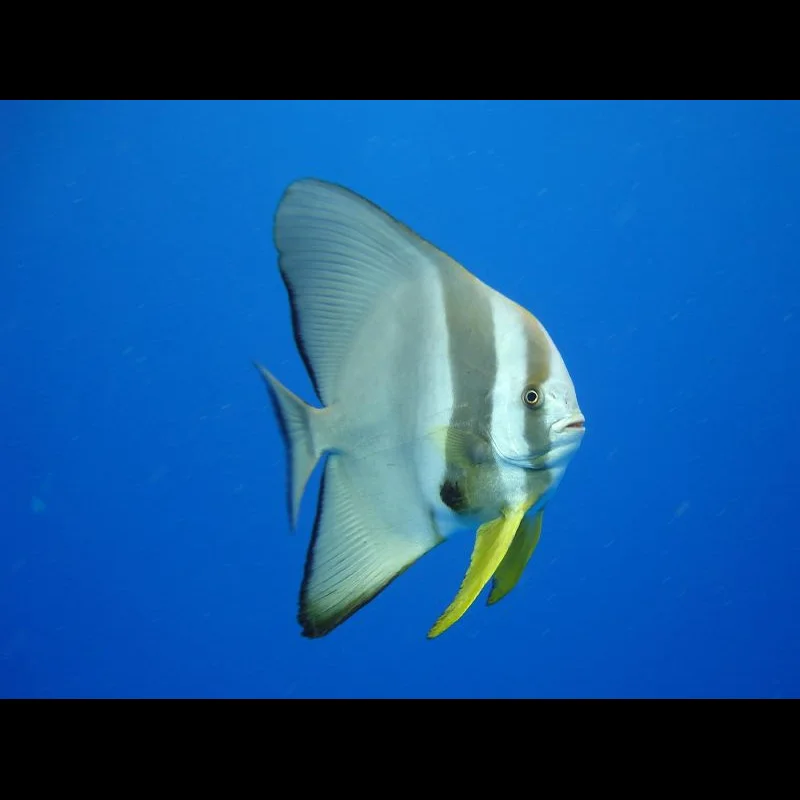
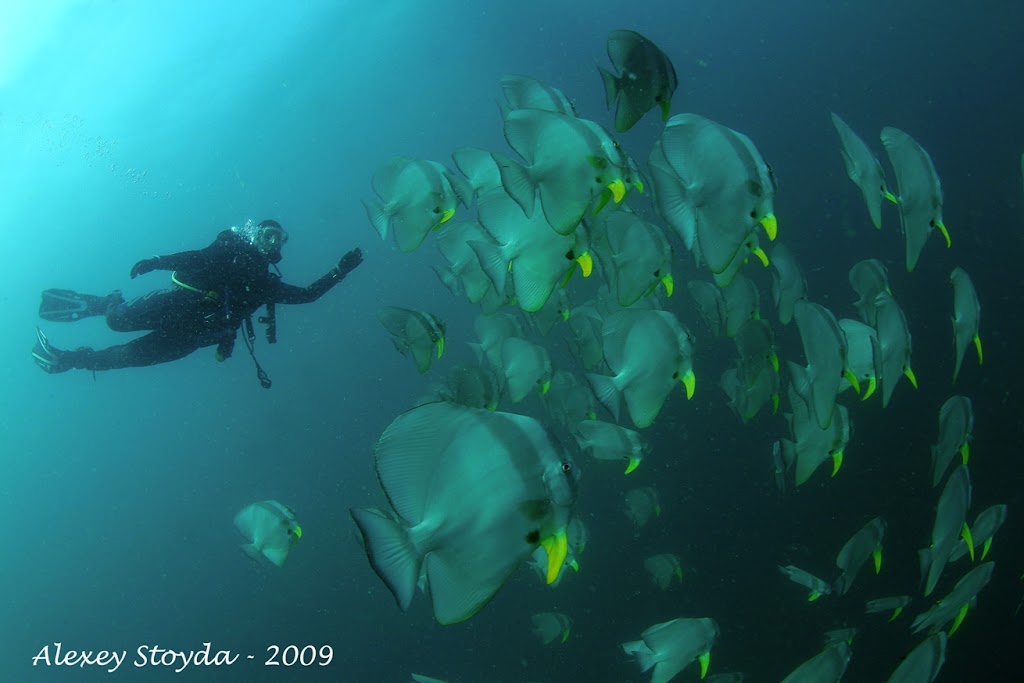
Its conversion into an ecosystem has drawn abundant marine life, including schools of batfish, angelfish, and numerous soft corals and sponges that encrust its metal hull. Exploring the exterior, one might spot a resident sea turtle, while inside, large schools of glassfish often part to allow passage.
This combination of historical intrigue, manageable depth, and rich biodiversity creates a compelling dive, balancing wreck exploration with vibrant reef encounters within Subic Bay's calm waters.
Conditions are Good
Optimal conditions expected
Current conditions near Landing Craft show 26° air, 30° sea temperature, 0.2 m waves, and 25 km/h wind. Forecast data is refreshed regularly to ensure accuracy.
Best Time to Dive
Optimal diving conditions at the Landing Craft generally align with the drier, cooler months, when surface conditions are typically more stable. From March to May, dive scores are consistently rated 'Excellent', driven by lower average wave heights, minimal rain, and comfortable air temperatures. During this period, air temperatures average around 28.5-29.5°C (83-85°F), offering warm surface intervals. Rain averages are particularly low, ranging from 2.0 to 6.6 mm, which often translates to better visibility underwater as less runoff enters the bay. Beyond these peak months, the site remains very accessible. The period from January through February and November through December also offers 'Good' diving scores, with slightly higher wind speeds but still favorable air temperatures around 27-28°C (81-82°F) and low rainfall. Water temperatures at this site are not consistently reported in available data but generally follow the warm tropical air patterns. While July to October sees increased rainfall (up to 17.5 mm) and higher wave heights, dives are still rated 'Good', indicating the site's overall resilience. Planning a dive during the drier periods tends to maximize underwater clarity and overall comfort.
PEAK SEASON SCORE
Scores combine air & water temps, waves, wind & rainfall for overall conditions.
BEST MONTHS TO DIVE
Monthly records compiled from satellite and marine observation nodes over the last 3 years. Data provided by Open-Meteo and MET Norway.
Dive Experience & Conditions
Diving this wreck involves a gradual descent to its maximum depth of approximately 22 m (72 ft), with shallower sections of the structure starting around 15 m (50 ft). This depth profile makes it suitable for divers of varying experience levels, from Open Water to advanced. Visibility typically ranges, but can be good, allowing for clear views of the vessel's starboard lean and surrounding marine life. Its angle enhances visual interest. Currents inside Triboa Bay are generally mild; however, localized flows around the wreck can be present, adding a dynamic element to the dive. The LCU provides several swim-throughs, particularly into the galley and other smaller compartments. Opportunities for limited penetration require appropriate training, like a Wreck Diver specialty, due to potential silt and overhead environments. Exploring the exterior, divers navigate the encrusted hull, observing vibrant soft corals and sponges that cover the wreck, making for a compelling visual experience.
Dive Difficulty & Safety Guidelines
Approaching the Landing Craft requires divers to be mindful of their skill level, especially if planning any form of penetration. While the wreck is accessible for recreational divers with an Open Water certification, exploring inside compartments demands advanced training, such as the PADI Wreck Diver specialty, due to enclosed spaces and the potential for stirred silt.
Always maintain proper buoyancy control to avoid contact with the wreck's delicate marine growth and to prevent disturbing sediment, which can significantly reduce visibility for yourself and others. Local operators prioritize safety briefings tailored to current conditions and wreck specifics.
Always dive with a buddy and ensure your equipment is well-maintained for a wreck environment. Although no specific hazards beyond general wreck diving considerations are reported for this site, awareness of surroundings and conservative dive planning are essential.
Adhering to responsible diving practices helps preserve this artificial reef for future exploration.
Recommended Equipment
Overhead / entanglement risk. Wreck penetration requires proper training.
- Dive Computer
- Primary & Backup Lights
- Wreck Reel
- Cutting Tool
This gear list is based on verified equipment signals for Landing Craft, Philippines. Always confirm final gear choices with your dive operator, guide, or liveaboard.
Recommended Dive Suit
Recent conditions suggest the water at Landing Craft remains near 30°C (86°F), offering typical conditions for the area. Surface air temperatures are resting at 26°C (79°F).
The forecast outlook suggests that temperatures will stay close to current levels.
Divers who prefer moderate insulation typically choose dive skin or rash guard in similar environments. Many experienced divers adjust their exposure protection depending on the type of dive planned.
Due to technical issues with our weather providers, data hasn't been fetched for over 48 hours. The data above reflects the conditions at the time of the last successful fetch.
Emergency & Medical Support
Essential information to help you plan your dive trip to Landing Craft.

Hyperbaric chambers are a critical part of dive safety infrastructure. Availability varies significantly by region, and not all dive areas have immediate access.
Before diving, it's recommended to:
- confirm nearest medical facilities
- check emergency procedures with local dive operators
- ensure dive insurance covers evacuation if required
Divers Alert Network
Diving emergency assistance available through DAN World.
+1-919-684-9111- 24/7 emergency hotline
- Diving medical assistance
- Evacuation coordination
Emergency contacts are provided for reference. Always verify local emergency services before diving.
Marine Life at Landing Craft
The Landing Craft has transitioned into a bustling artificial reef, attracting a rich variety of marine species that thrive on its structure. Expect to encounter schools of batfish circling the wreck, often accompanied by vibrant angelfish and lionfish, which frequently hide within the wreck's recesses.
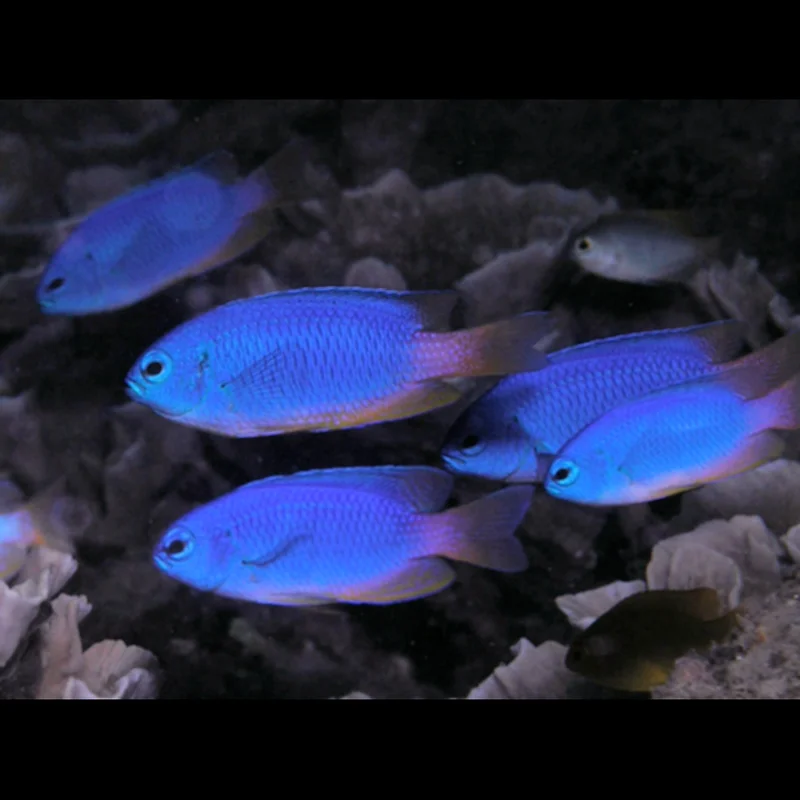
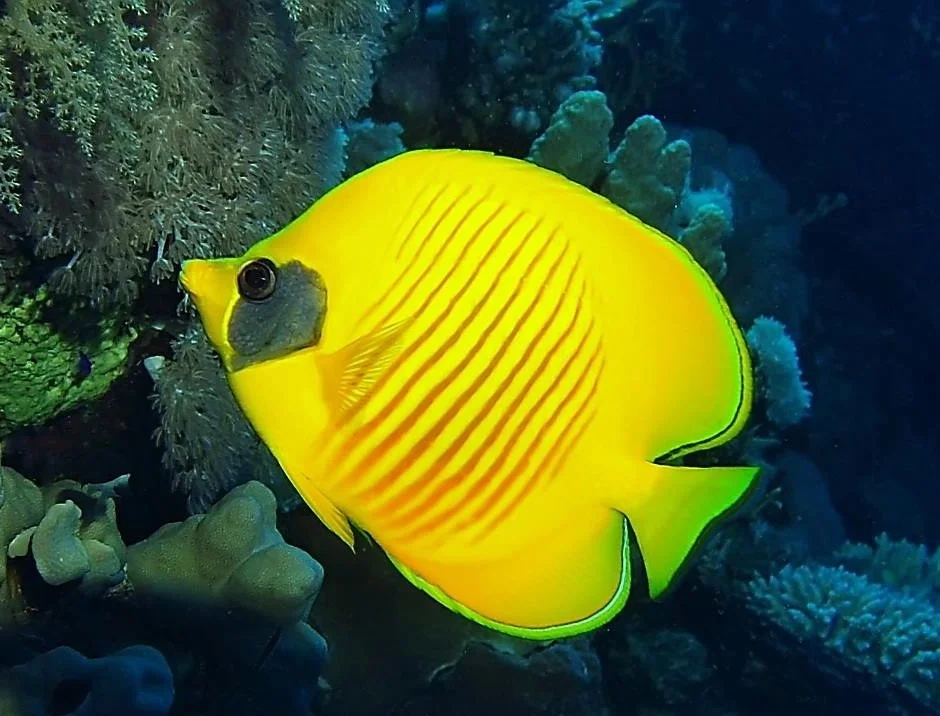
Divers might also spot a resident sea turtle gracefully navigating the site. Wreck surfaces are extensively covered in soft corals and sponges, providing shelter and feeding grounds for smaller reef fish like anemonefish, damselfish, and butterflyfish.
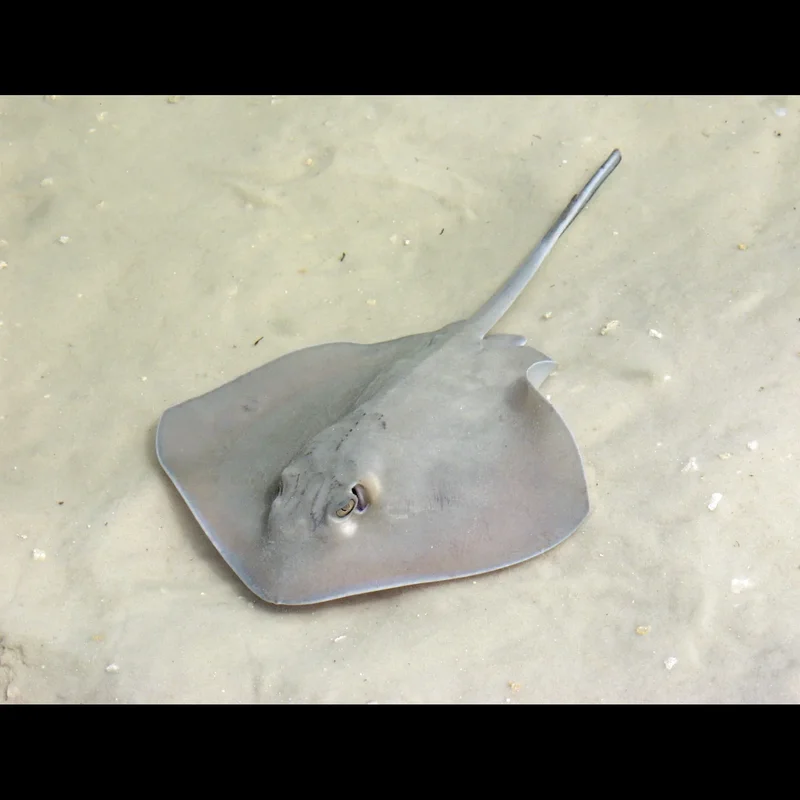
Large schools of glassfish create shimmering curtains within the wreck's interior. Around the sandy bottom areas near the stern, there's a chance to observe stingrays. Such abundance transforms the wreck from a mere metal structure into a lively underwater garden.
Dive Sites Near Landing Craft
View all dive sites in PhilippinesDiscover more underwater gems in this area.
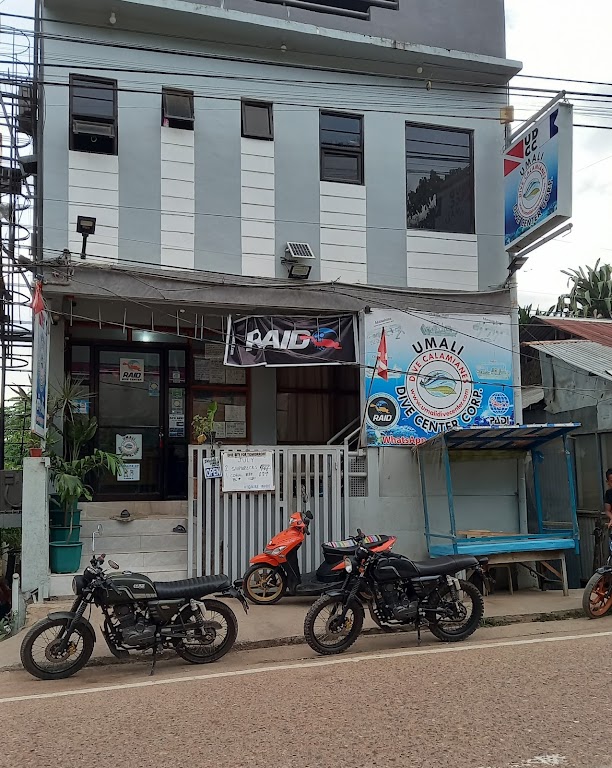
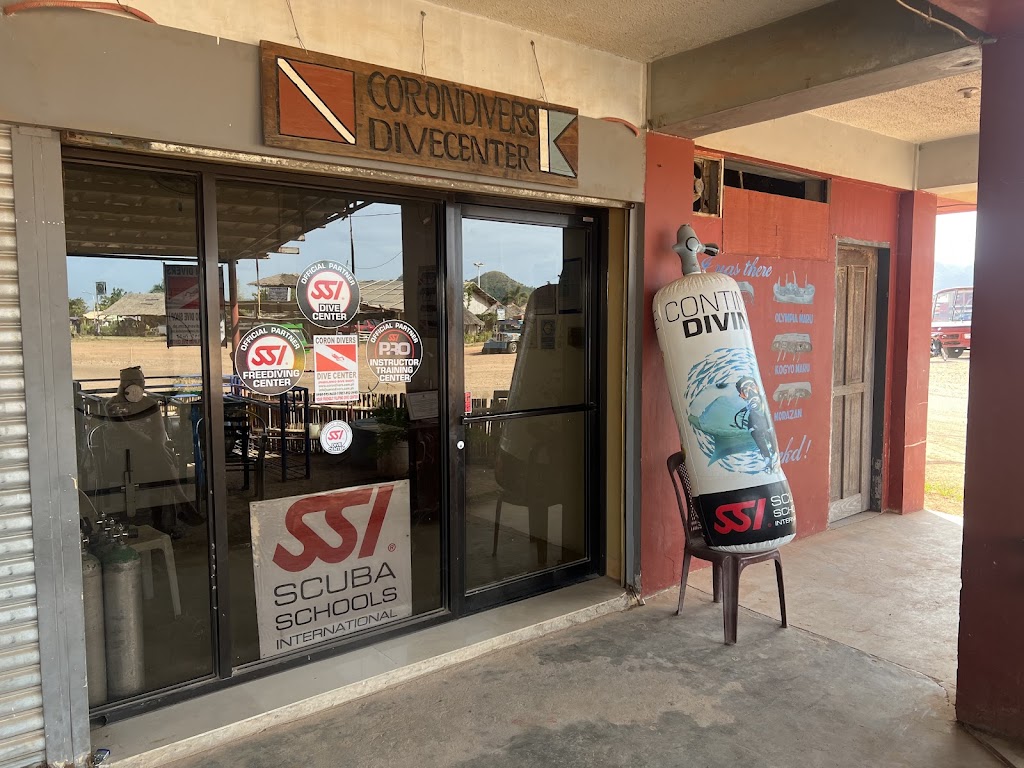
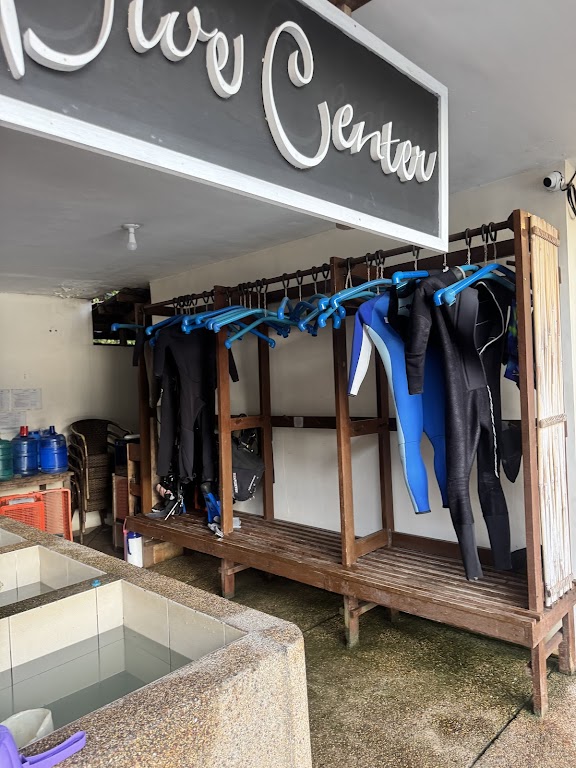
Dive Centers Near Landing Craft
Today: 08:00 - 17:00
Nearest Airports
Nearest airports to help plan travel to this dive area.
Search Flights
Check available flights and routes on Expedia, using the nearby airports listed in this section.
Search Flights on ExpediaFrequently Asked Questions
What type of wreck is the Landing Craft?
The Landing Craft is an amphibious assault vessel, specifically a Landing Craft Utility (LCU) believed to have sunk after World War II. It was designed to transport personnel and small vehicles to beaches, and now rests on its starboard side in Triboa Bay.
How deep is the Landing Craft wreck?
Shallower sections of the wreck typically start around 15 m (50 ft), with its deepest parts reaching approximately 22 meters. This depth range makes it accessible for recreational divers.
Is wreck penetration possible at this site?
Yes, the Landing Craft offers opportunities for limited penetration into areas like the galley and smaller rooms. Divers should only attempt penetrations with appropriate wreck diving training and equipment.
What marine life can be seen on the Landing Craft?
The wreck is an artificial reef home to batfish, angelfish, lionfish, and a resident sea turtle. Soft corals, sponges, and schools of glassfish also thrive here, along with various reef fish and occasional stingrays on the surrounding sand.
What are the typical water conditions?
Water temperatures for this specific site are not consistently reported in available data but are generally warm, aligning with the tropical climate of the Philippines. Visibility can vary, influenced by local currents and recent weather conditions.
Is this dive site suitable for beginners?
Yes, the Landing Craft is accessible and enjoyable for certified divers of all levels, especially those with an Open Water certification. While the exterior is suitable for beginners, any internal wreck penetration requires advanced training.
Planning to dive Landing Craft?
Send one inquiry and receive offers directly from the best verified local dive operators.
Conditions are Good
Optimal conditions expected
Current conditions near Landing Craft show 26° air, 30° sea temperature, 0.2 m waves, and 25 km/h wind. Forecast data is refreshed regularly to ensure accuracy.