
Diving at Akitsushima (Philippines)
Descending onto the Akitsushima wreck offers a profound journey into a historical maritime relic in Coron Bay, Palawan. This Japanese seaplane tender, resting on its port side, challenges experienced wreck divers with its depth and intricate structure. Exploring this site provides a direct engagement with World War II history beneath the waves.
As evening covers Akitsushima, the local air temperature is measured at 26.5°C. The current wave height at the surface is recorded at 0.2 m. These late-day readings characterize the surface conditions for the night.
Dive Site Location & Key Facts
Dive Site Overview
The Akitsushima is a compelling wreck dive in Coron Bay, Philippines, representing a significant piece of World War II history. This 118 m (387 ft) long Japanese seaplane tender, sunk during an American air attack on September 24, 1944, now lies on its port side.
The wreck's shallowest point is around 22 m (72 ft), descending to a maximum depth of 38 m (125 ft). Its most iconic feature is the substantial crane, once used for hoisting seaplanes aboard, which remains a prominent structure. Divers can also locate an anti-aircraft gun near the seabed.
The site is accessible by boat from Coron, Busuanga Island, and exploring its full extent requires careful dive planning. Penetration possibilities exist, particularly into the engine room to observe machinery and four engines, though this should only be attempted by divers with appropriate wreck diving certifications.
Conditions are Good
Optimal conditions expected
Current conditions near Akitsushima show 26° air, 30° sea temperature, 0.3 m waves, and 20 km/h wind. Forecast data is refreshed regularly to ensure accuracy.
Best Time to Dive
Optimizing your dive trip to Akitsushima means considering the prevailing conditions. The best months for diving generally occur between March and May, and again in October, when dive scores are rated 'Excellent'. During these periods, air temperatures typically range from 28°C to 29°C (82-84°F) and rain is minimal, often below 1 mm to 5 mm (0.04-0.2 inches) monthly. While diving is possible year-round, months like July and September experience higher rainfall, averaging 13 mm to 14 mm (0.5-0.55 inches), and increased wave heights, potentially impacting surface conditions. Wind speeds vary, but generally remain manageable, peaking around 21 km/h (13 mph) in February and July. Planning outside the heaviest rain seasons generally provides a more comfortable experience both on and off the dive boat.
PEAK SEASON SCORE
Scores combine air & water temps, waves, wind & rainfall for overall conditions.
BEST MONTHS TO DIVE
Monthly records compiled from satellite and marine observation nodes over the last 3 years. Data provided by Open-Meteo and MET Norway.
Dive Experience & Conditions
Navigating the Akitsushima wreck presents a distinct dive experience, primarily due to its unique orientation and depth profile. The wreck rests on its port side, with the shallowest sections starting at approximately 22 m (72 ft) and extending down to 38 m (125 ft). Visibility ranges from 10 m to 20 m (33-66 ft), with an average of 15 m (49 ft), allowing for good appreciation of the wreck's scale. Currents here can sometimes be strong and unpredictable, particularly around the mast and the signature crane structure. These conditions necessitate careful planning and situational awareness throughout the dive. Divers typically begin at the bow and progress toward the mast and crane for the most engaging exploration.
Dive Difficulty & Safety Guidelines
Diving the Akitsushima requires a specific skill set, making it suitable for experienced and advanced wreck divers only. With depths reaching 38 m (125 ft), and occasionally strong, unpredictable currents near the mast and crane, advanced training is essential.
If you plan to explore internal sections, such as the engine room, proper wreck diving certification is crucial. Always bring a dive light for internal penetration or illuminating darker exterior sections.
A reel is also vital for safe entry and exit from overhead environments. Using Nitrox is recommended to maximize bottom time, given the depth and complexity, enabling more thorough exploration of this historical vessel.
Recommended Equipment
Deep dive hazard. Increased narcosis and gas consumption risk.
Overhead / entanglement risk. Wreck penetration requires proper training.
- Dive Computer
- DSMB
- Primary & Backup Lights
- Wreck Reel
- Cutting Tool
This gear list is based on verified equipment signals for Akitsushima, Philippines. Always confirm final gear choices with your dive operator, guide, or liveaboard.
Recommended Dive Suit
With water temperatures around 30°C (86°F), many divers find a dive skin or rash guard provides comfortable protection.
Being prepared with flexible exposure options is a common approach among experienced divers.
Current forecasts indicate relatively stable conditions for the coming days.
Emergency & Medical Support
Essential information to help you plan your dive trip to Akitsushima.

Hyperbaric chambers are a critical part of dive safety infrastructure. Availability varies significantly by region, and not all dive areas have immediate access.
Before diving, it's recommended to:
- confirm nearest medical facilities
- check emergency procedures with local dive operators
- ensure dive insurance covers evacuation if required
Divers Alert Network
Diving emergency assistance available through DAN World.
+1-919-684-9111- 24/7 emergency hotline
- Diving medical assistance
- Evacuation coordination
Emergency contacts are provided for reference. Always verify local emergency services before diving.
Marine Life at Akitsushima
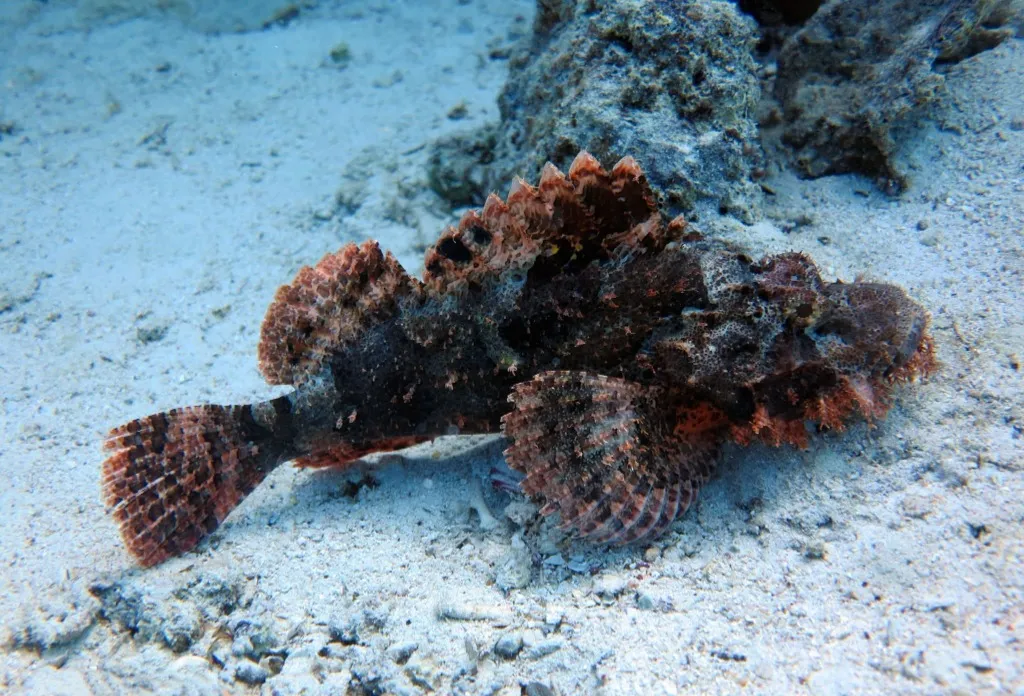
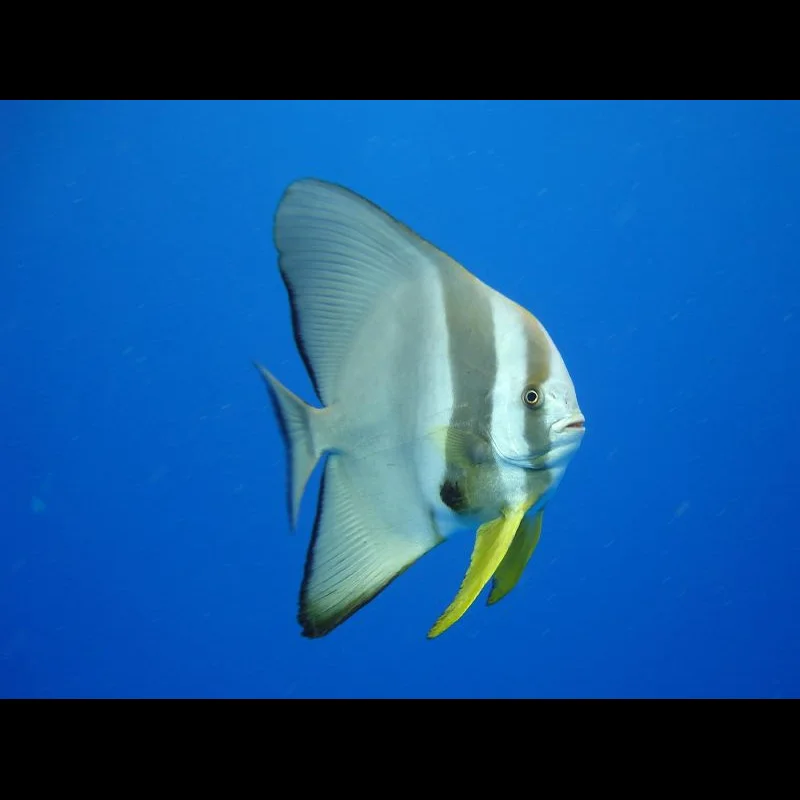
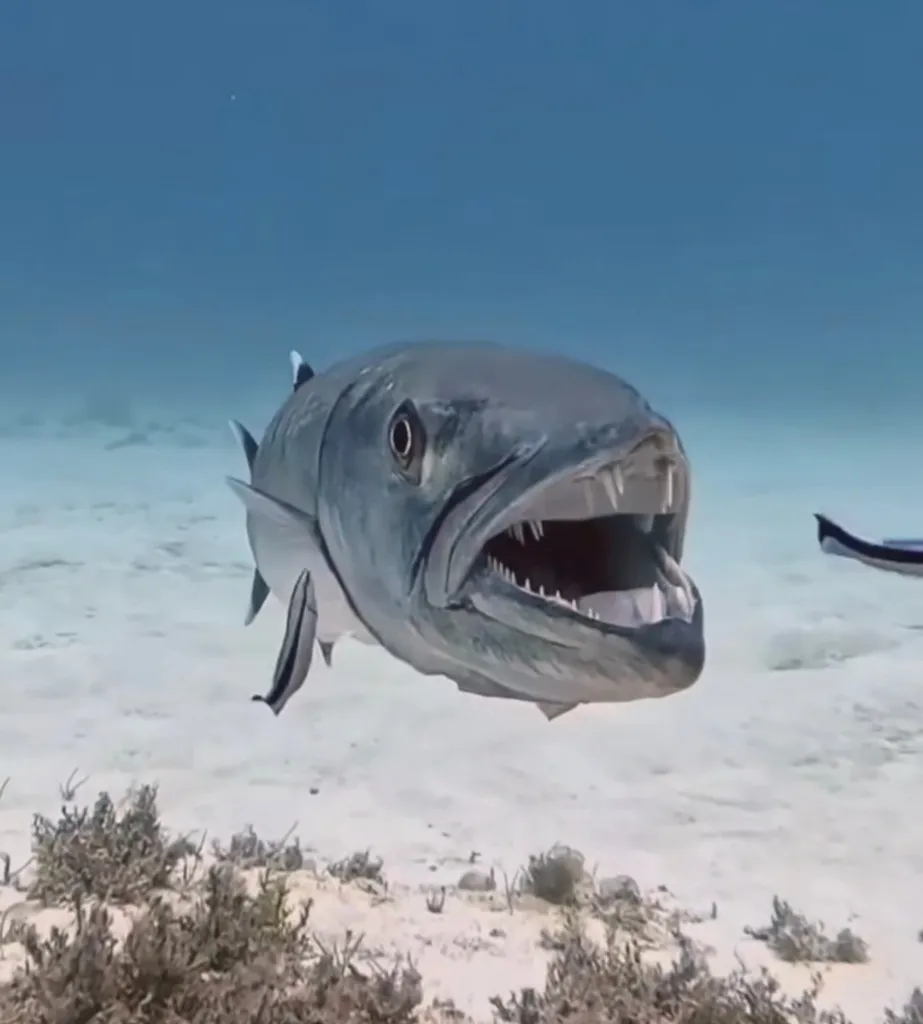
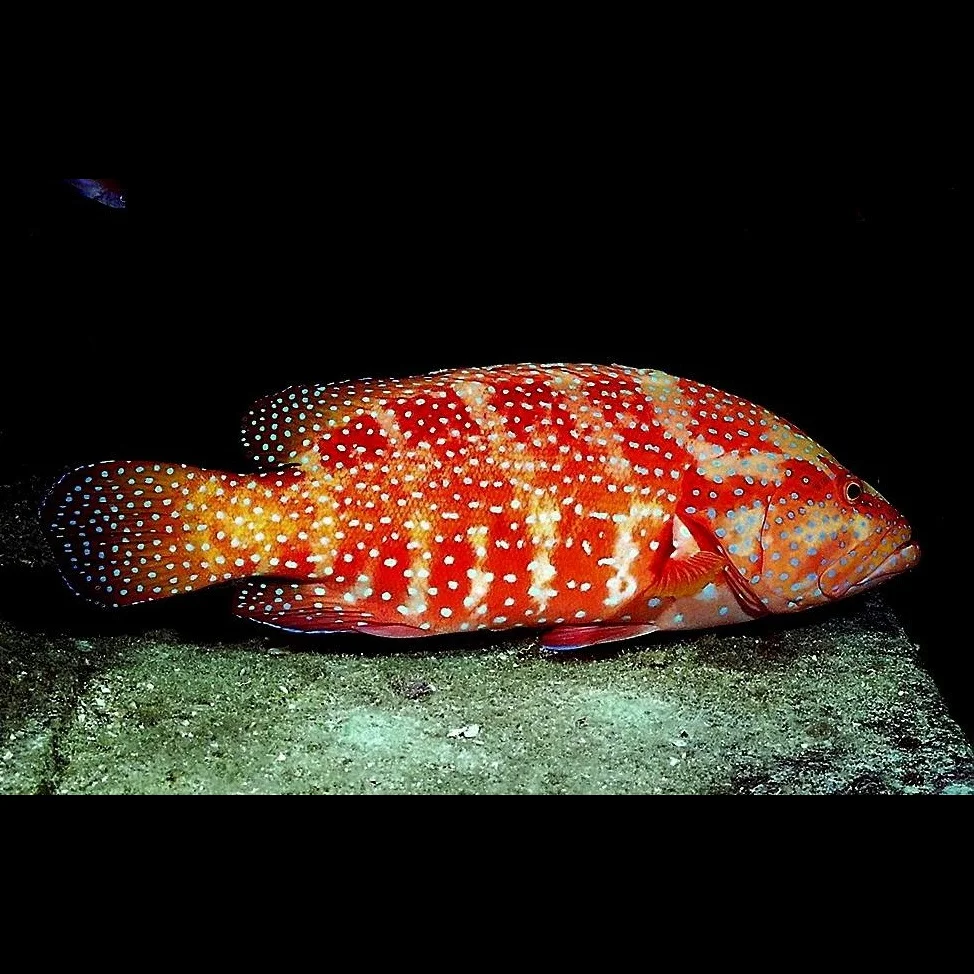
While the wreck itself is the primary attraction, the Akitsushima hosts an interesting array of marine life. Schools of barracudas and jacks frequently patrol around the ship's remains, creating active scenes.
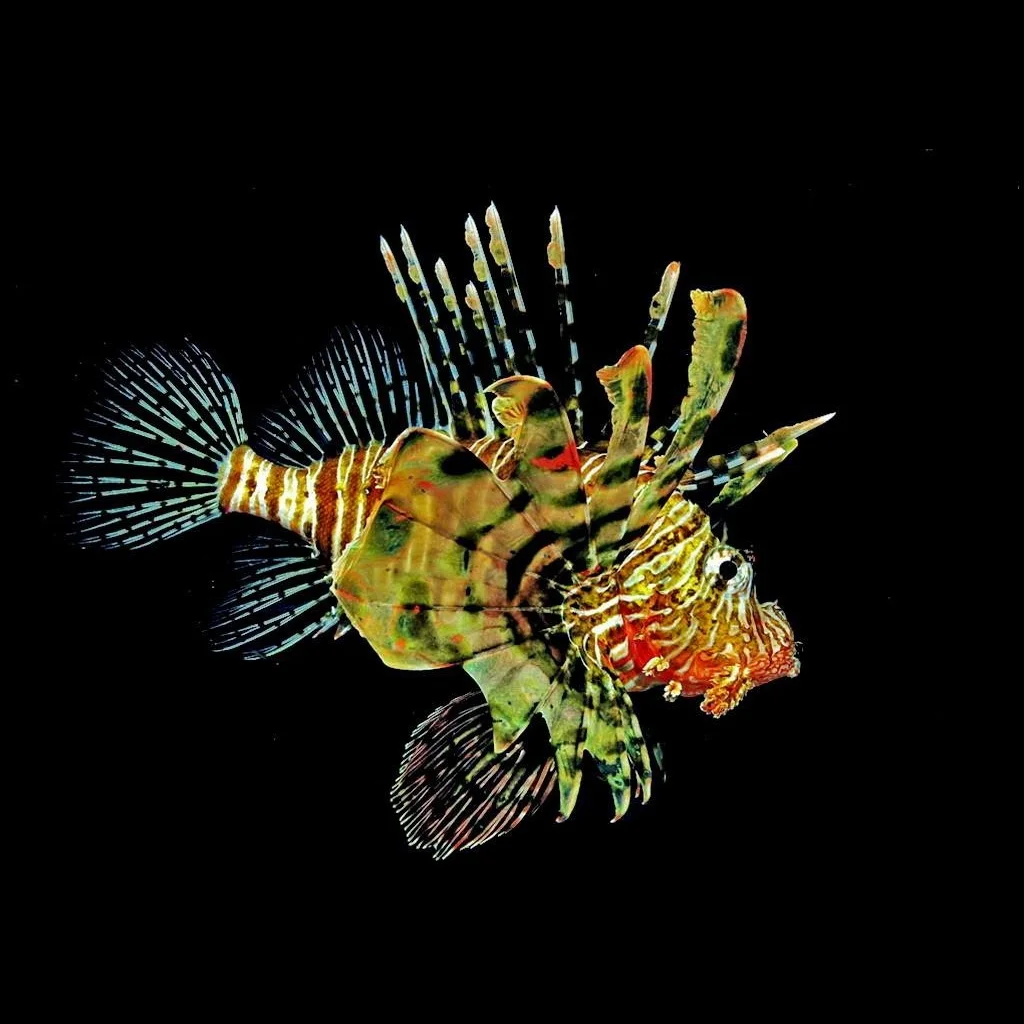
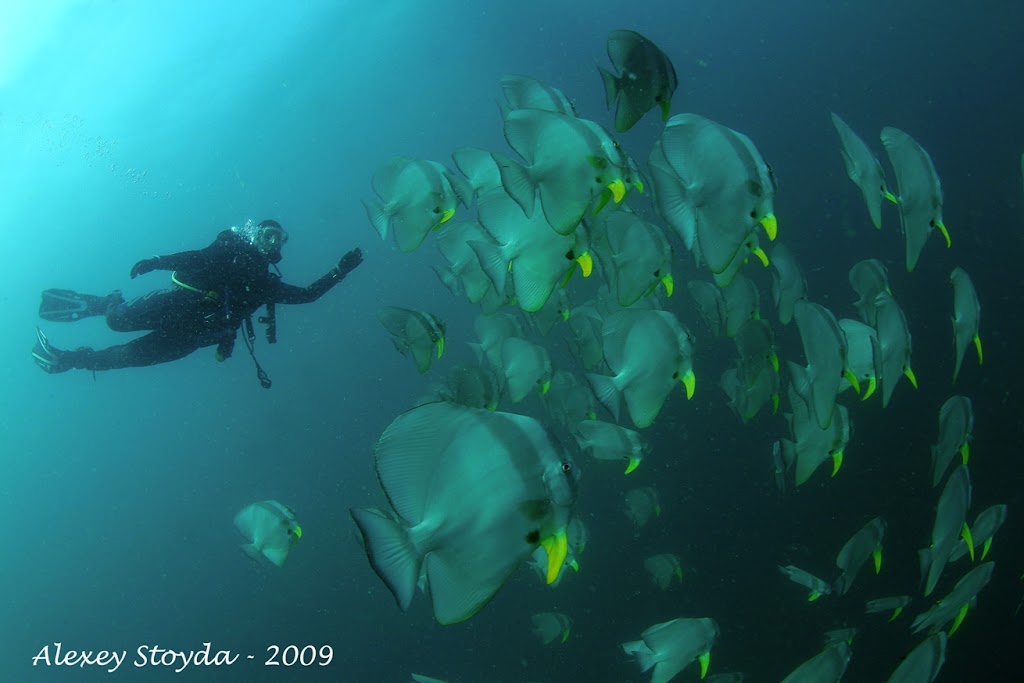
Groupers are often spotted sheltering deep within the wreck's intricate structure, using it as refuge. Additionally, various smaller species like lionfish, mackerel, scorpionfish, tuna, and batfishes are encountered, adding a dynamic and colorful element to the historical setting of the vessel.
Dive Sites Near Akitsushima
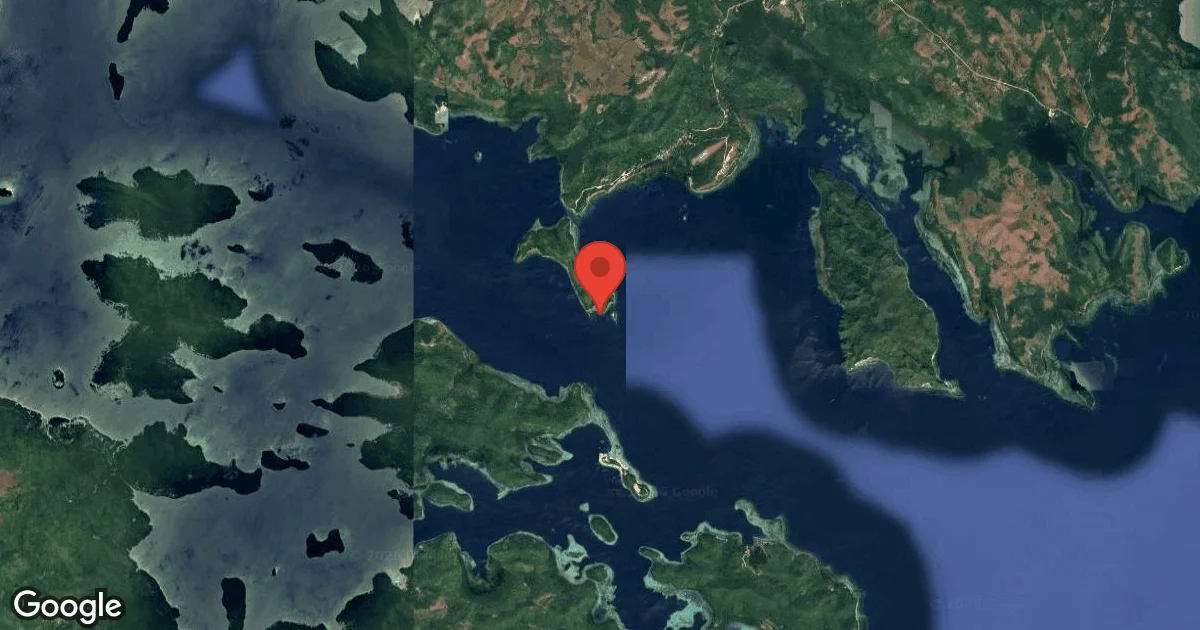
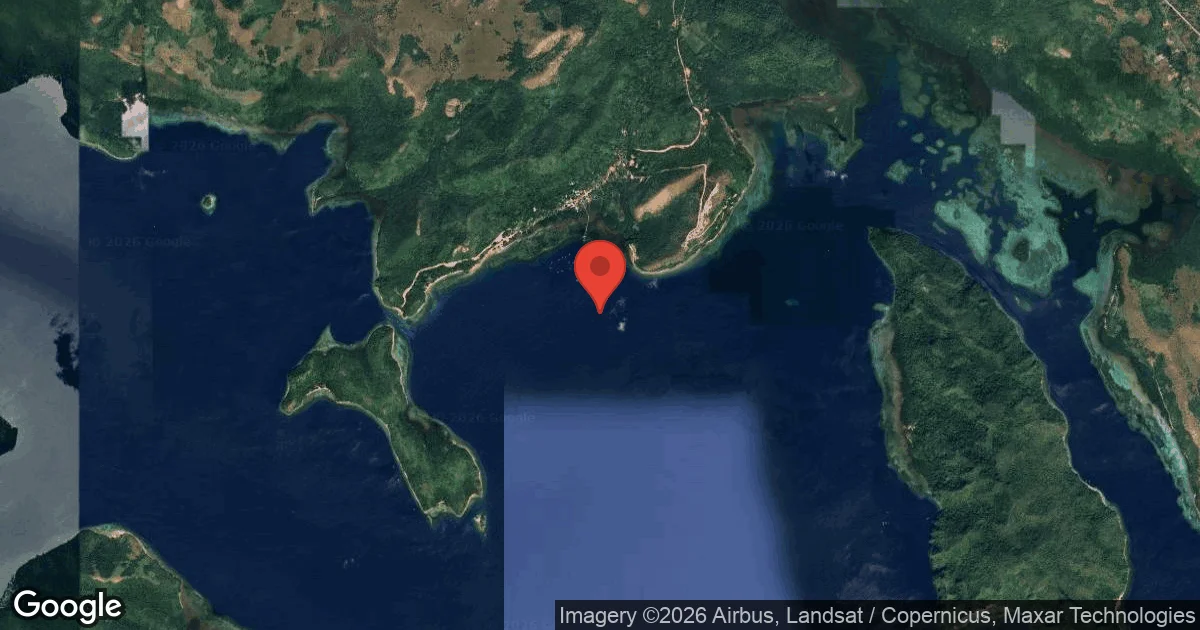
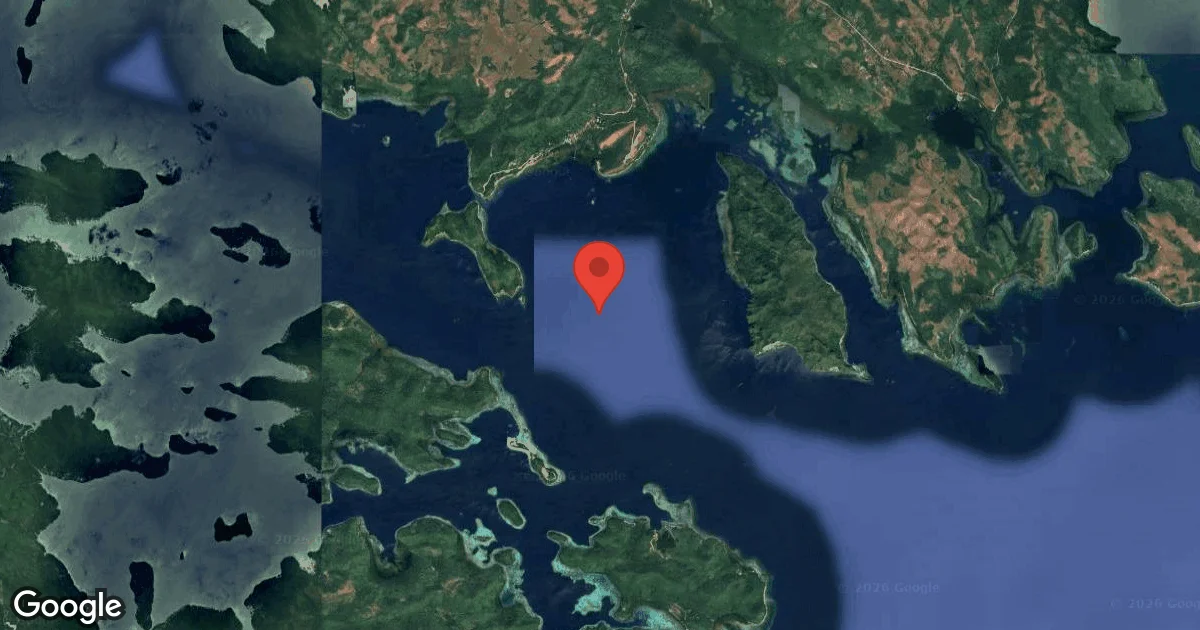
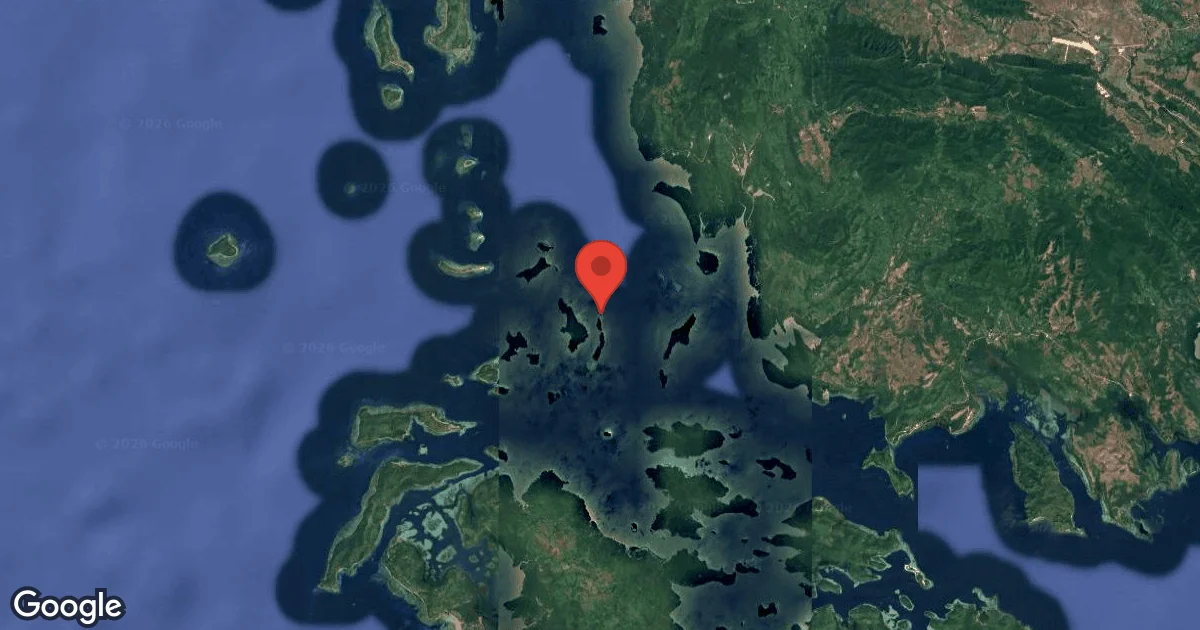
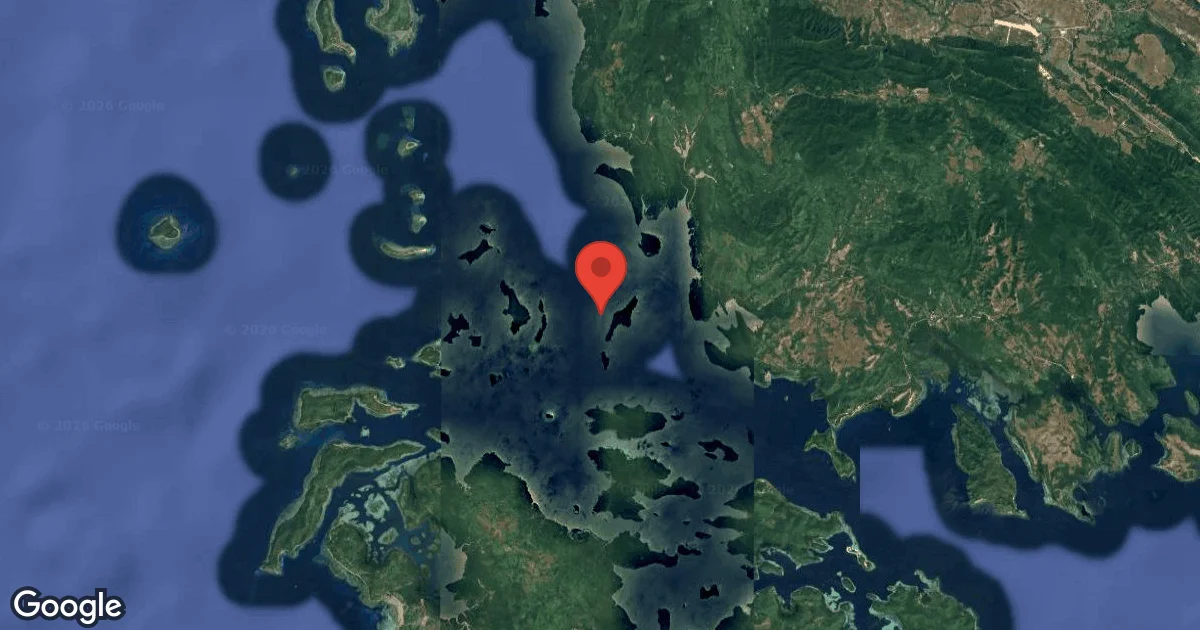
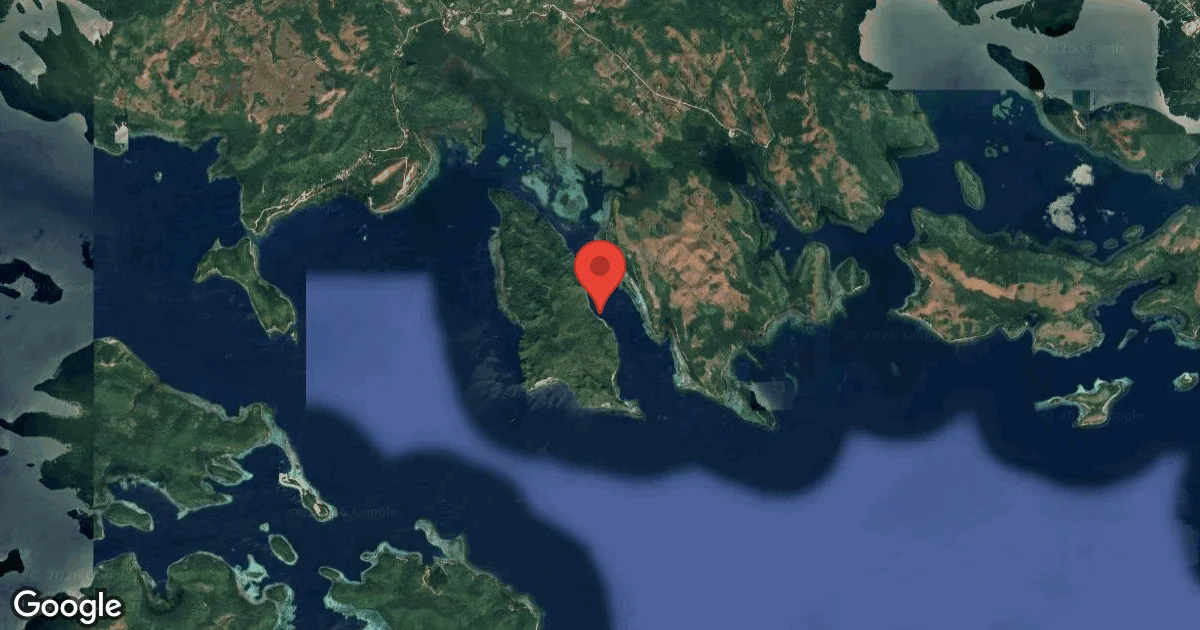
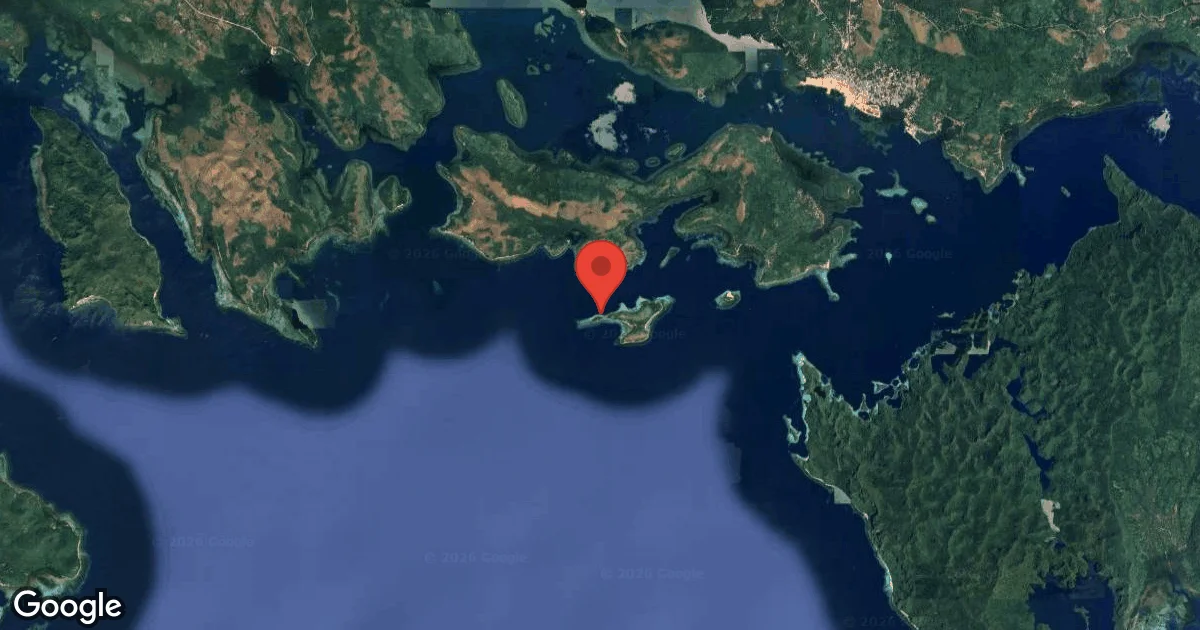
View all dive sites in PhilippinesDiscover more underwater gems in this area.
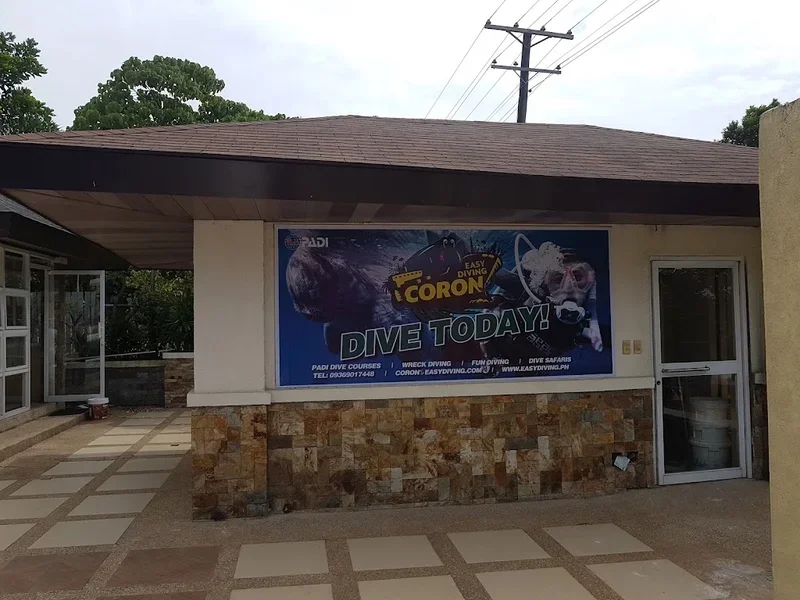
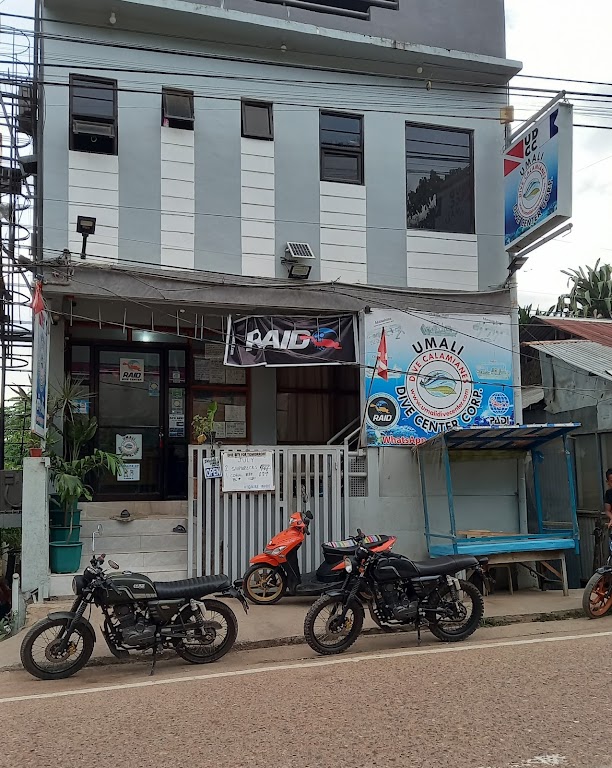
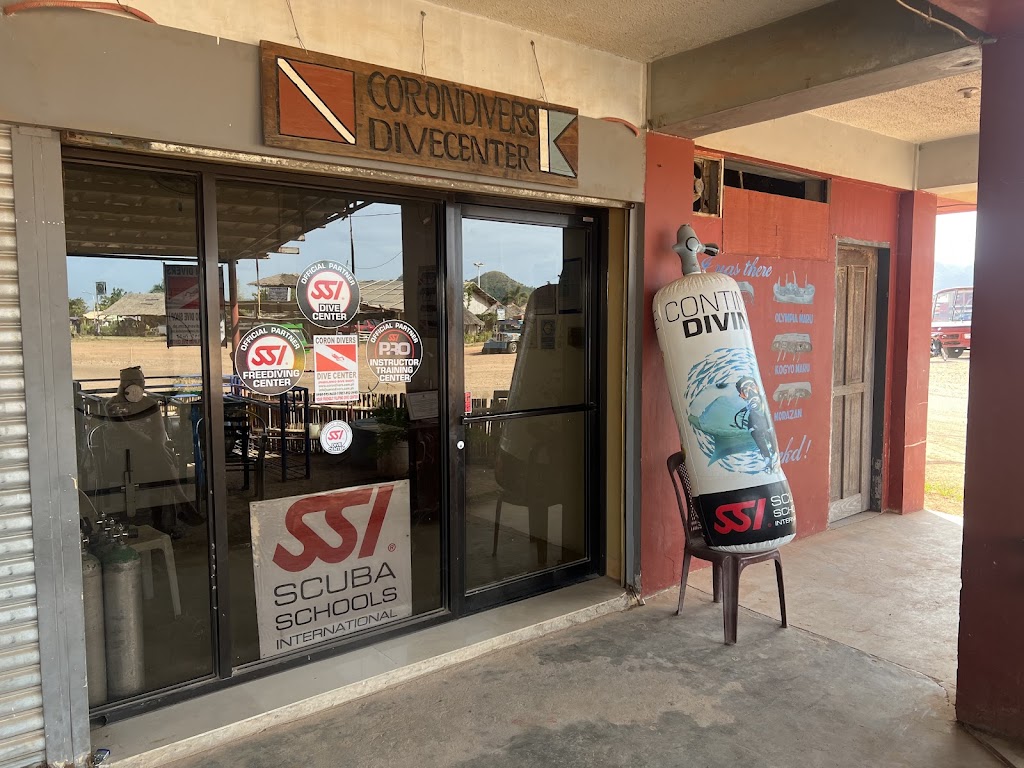
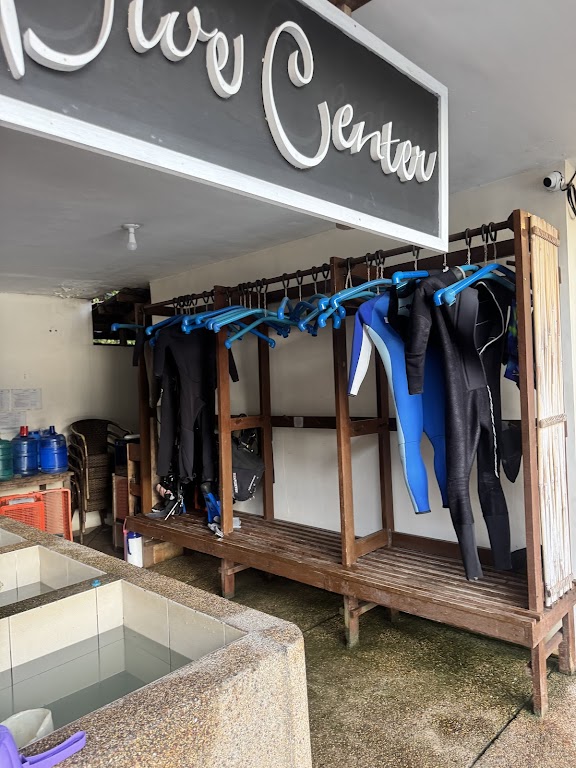
Dive Centers Near Akitsushima
Today: 08:00 - 17:00
Nearest Airports
Nearest airports to help plan travel to this dive area.
Search Flights
Check available flights and routes on Expedia, using the nearby airports listed in this section.
Search Flights on ExpediaFrequently Asked Questions
What kind of dive is the Akitsushima?
The Akitsushima is primarily a wreck dive in Coron Bay, Philippines. It's the wreck of a Japanese seaplane tender from World War II, offering extensive exploration for experienced divers.
What is the typical depth range for diving the Akitsushima?
The Akitsushima wreck begins at a shallowest point of approximately 22 m (72 ft) and descends to a maximum depth of 38 m (125 ft). This makes it a deep dive requiring advanced training.
What are the common conditions at the Akitsushima dive site?
Visibility at the Akitsushima typically ranges from 10-20 m (33-66 ft), with an average of 15 m (49 ft). Currents can sometimes be strong and unpredictable, especially around the mast and crane.
What marine life can I expect to see at Akitsushima?
You can anticipate seeing large pelagic species such as barracudas, jacks, and groupers. Other notable sightings include lionfish, mackerel, scorpionfish, tuna, and batfishes.
Is the Akitsushima wreck suitable for all divers?
No, the Akitsushima is recommended for experienced wreck divers only. Its depth, potential for strong currents, and opportunities for penetration require advanced skill and training.
When is the best time of year to dive Akitsushima?
The best times to dive Akitsushima are typically from March to May and in October, when conditions are generally more favorable with less rain and stable air temperatures. Diving is possible year-round, but certain months may have higher rainfall and wave activity.
Can divers penetrate the Akitsushima wreck?
Yes, there are penetration possibilities, particularly into the engine room. However, only divers with specific wreck diving certifications should attempt internal exploration due to the complexity and overhead environment.
Planning to dive Akitsushima?
Send one inquiry and receive offers directly from the best verified local dive operators.
Conditions are Good
Optimal conditions expected
Current conditions near Akitsushima show 26° air, 30° sea temperature, 0.3 m waves, and 20 km/h wind. Forecast data is refreshed regularly to ensure accuracy.