
Diving at Okikawa Maru (Philippines)
Descending onto the Okikawa Maru plunges you directly into the history of one of Coron Bay's most significant wrecks. This vast Japanese tanker, spanning 160 to 168 m / 525 to 551 ft in length, settles upright on the seabed. Its expansive main deck is accessible between 10 to 16 meters (33 to 52 feet). The initial view reveals a ship completely encrusted in vibrant coral, inviting immediate exploration from the moment you arrive.
As evening covers Okikawa Maru, the local air temperature is measured at 29°C. The current wave height at the surface is recorded at 0.3 m. These late-day readings characterize the surface conditions for the night.
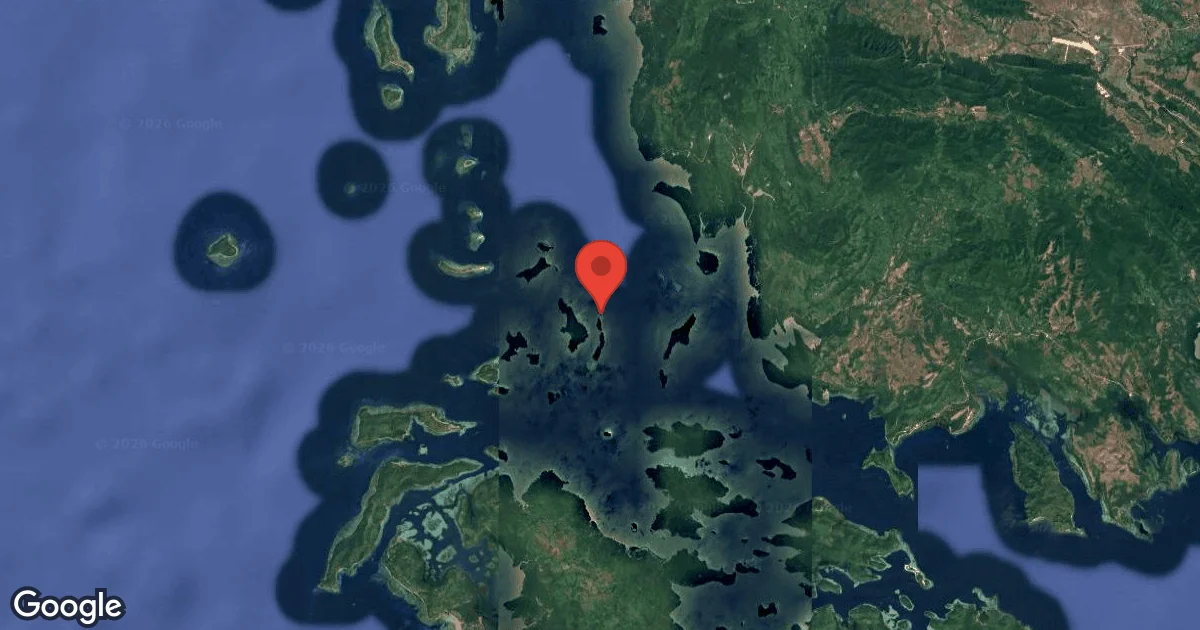
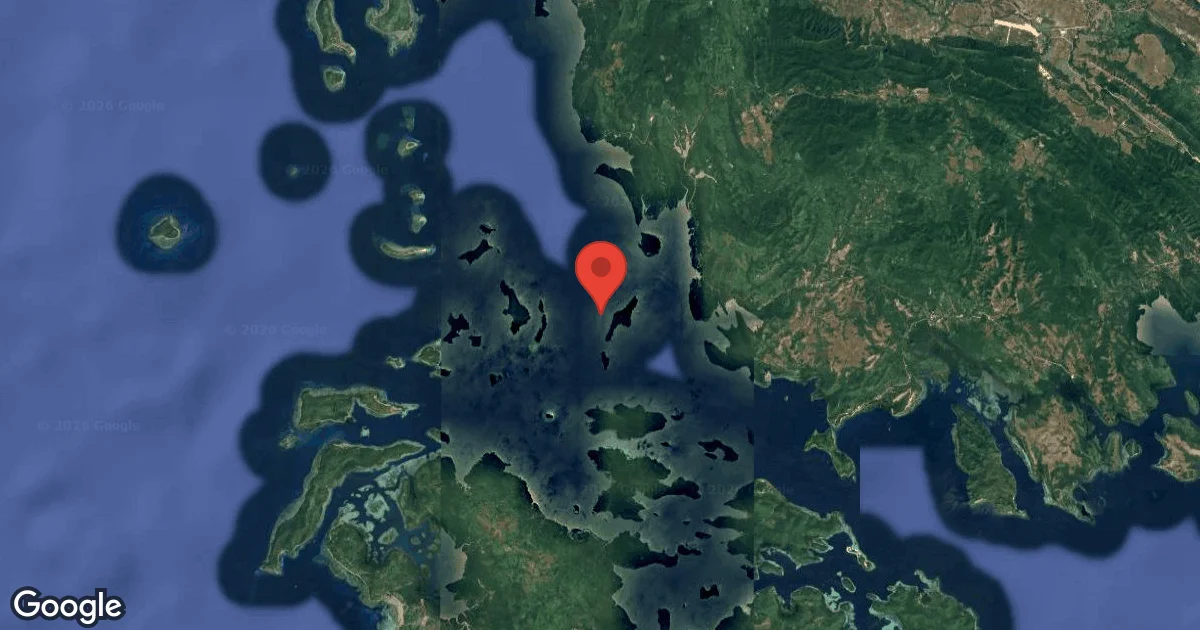
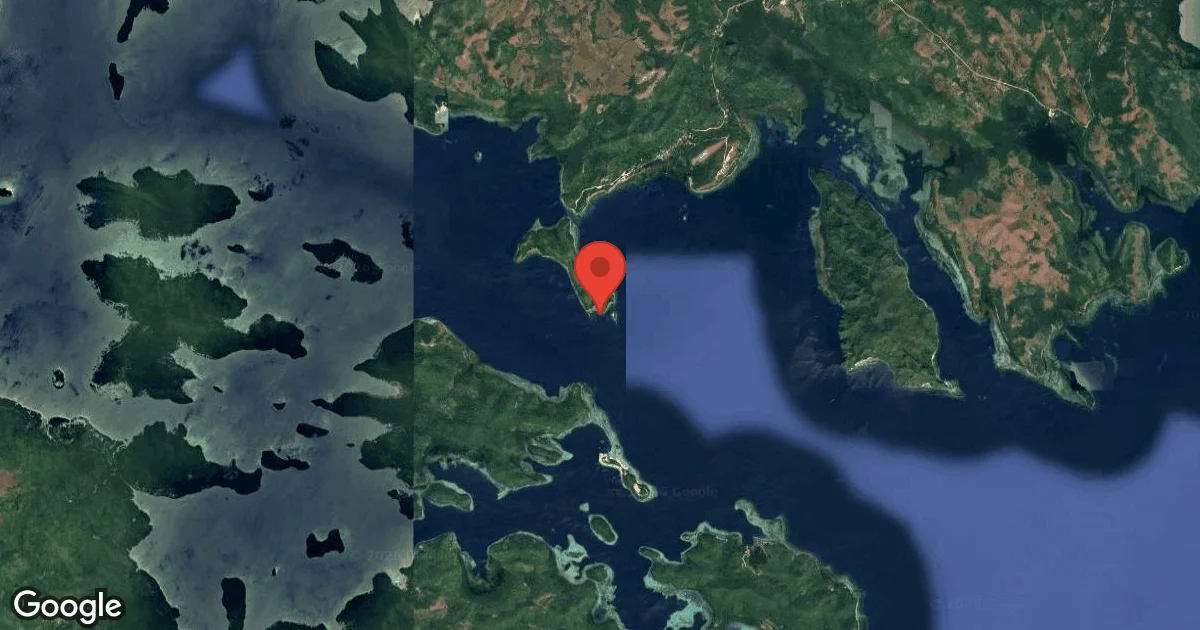
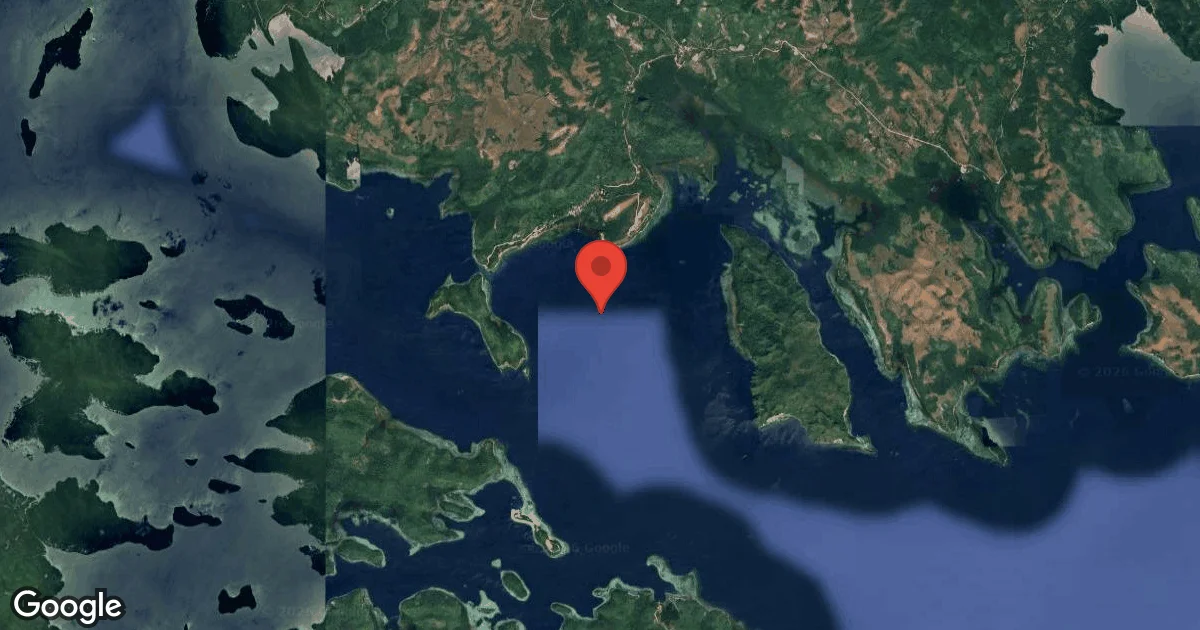
Dive Site Location & Key Facts
Dive Site Overview
An upright behemoth of the sea, the Okikawa Maru presents itself as one of the largest and most explored wrecks within Coron Bay. This former Japanese tanker, spanning an impressive 160 to 168 meters in length, rests firmly on its keel, its highest points reaching a main deck depth of 10 to 16 meters.
The wreck's entire structure is now a vibrant canvas of the underwater world, thoroughly draped in a diverse array of hard and soft corals and sponges. Descending further, its deepest parts bottom out at approximately 26 m / 85 ft. This range allows for varied dive profiles, appealing to a broad spectrum of certified divers.
For those new to wreck diving, the expansive, coral-covered exterior and shallow deck offer ample opportunities for discovery. Experienced wreck divers, however, will find a labyrinth of safe penetration options, from navigating its spacious holds to exploring passages, including the intricate route through the propeller shaft leading directly into the engine room.
Significant sections, particularly at the bow, feature dramatic swim-throughs formed by wartime damage, adding another layer to the exploration. Its immense size typically requires multiple dives to truly appreciate its complexity and marine inhabitants.
Conditions are Good
Optimal conditions expected
Current conditions near Okikawa Maru show 29° air, 30° sea temperature, 0.3 m waves, and 20 km/h wind. Forecast data is refreshed regularly to ensure accuracy.
Best Time to Dive
Optimal visibility often dictates the best times to experience the Okikawa Maru, which generally aligns with the drier, calmer months. From March through May, divers typically encounter the most favorable conditions, characterized by reduced wave action and minimal rainfall, which helps maintain clearer waters. During this period, the air temperature averages a comfortable 28-29°C / 82-84°F. While diving is possible year-round, conditions can vary; average underwater visibility ranges from 5 to 30 meters, often settling around 10 meters, but with the right tides, it can extend considerably. Water temperatures remain consistently warm, generally between 21-28°C / 70-82°F, ensuring comfortable dives regardless of the season. Less consistent conditions, including higher rainfall, are typically observed from June to September, which might intermittently affect surface conditions and underwater clarity.
PEAK SEASON SCORE
Scores combine air & water temps, waves, wind & rainfall for overall conditions.
BEST MONTHS TO DIVE
Monthly records compiled from satellite and marine observation nodes over the last 3 years. Data provided by Open-Meteo and MET Norway.
Dive Experience & Conditions
As you progress along the Okikawa Maru, divers can spend considerable time exploring the main deck, which lies between 10 and 16 meters, making it accessible for extended bottom times. The sheer scale of this over 160-meter tanker means even staying external to the wreck offers substantial exploration. Currents here are often described as limited, yet strong tidal currents can occasionally affect the site, requiring divers to pay attention to briefing details. Visibility tends to average around 10 meters, but it can fluctuate from 5 to 15 meters depending on daily conditions and tides. For advanced divers, the opportunity to penetrate the wreck's interior, including the engine room, adds another dimension to the dive. The calm surface conditions often reported further enhance the overall dive experience.
Dive Difficulty & Safety Guidelines
Navigating the Okikawa Maru requires a mindful approach, particularly due to occasional strong tidal currents that can affect the wreck. Divers should always consult with their local dive operator for the most up-to-date current predictions. Visibility can also be variable, ranging from 5 to 15 meters, so maintaining situational awareness and buddy contact is essential.
For any internal wreck penetration, proper wreck diving certification and specialized training are mandatory. These sections can be complex, and only certified wreck divers should attempt to enter the holds and passages.
Respecting the wreck and its marine inhabitants helps ensure a safe and enjoyable dive for everyone.
Recommended Equipment
Overhead / entanglement risk. Wreck penetration requires proper training.
- Dive Computer
- DSMB
- Primary & Backup Lights
- Wreck Reel
- Cutting Tool
This gear list is based on verified equipment signals for Okikawa Maru, Philippines. Always confirm final gear choices with your dive operator, guide, or liveaboard.
Recommended Dive Suit
Forecast trends indicate similar diving conditions over the next few days.
Many experienced divers would consider dive skin or rash guard an appropriate choice here. A hood or vest is suggested for sensitive divers due to surface winds.
Recent environmental data from Okikawa Maru indicates water temperatures near 30°C (86°F). Surface air temperatures are resting at 29°C (85°F).
Emergency & Medical Support
Essential information to help you plan your dive trip to Okikawa Maru.

Hyperbaric chambers are a critical part of dive safety infrastructure. Availability varies significantly by region, and not all dive areas have immediate access.
Before diving, it's recommended to:
- confirm nearest medical facilities
- check emergency procedures with local dive operators
- ensure dive insurance covers evacuation if required
Divers Alert Network
Diving emergency assistance available through DAN World.
+1-919-684-9111- 24/7 emergency hotline
- Diving medical assistance
- Evacuation coordination
Emergency contacts are provided for reference. Always verify local emergency services before diving.
Marine Life at Okikawa Maru
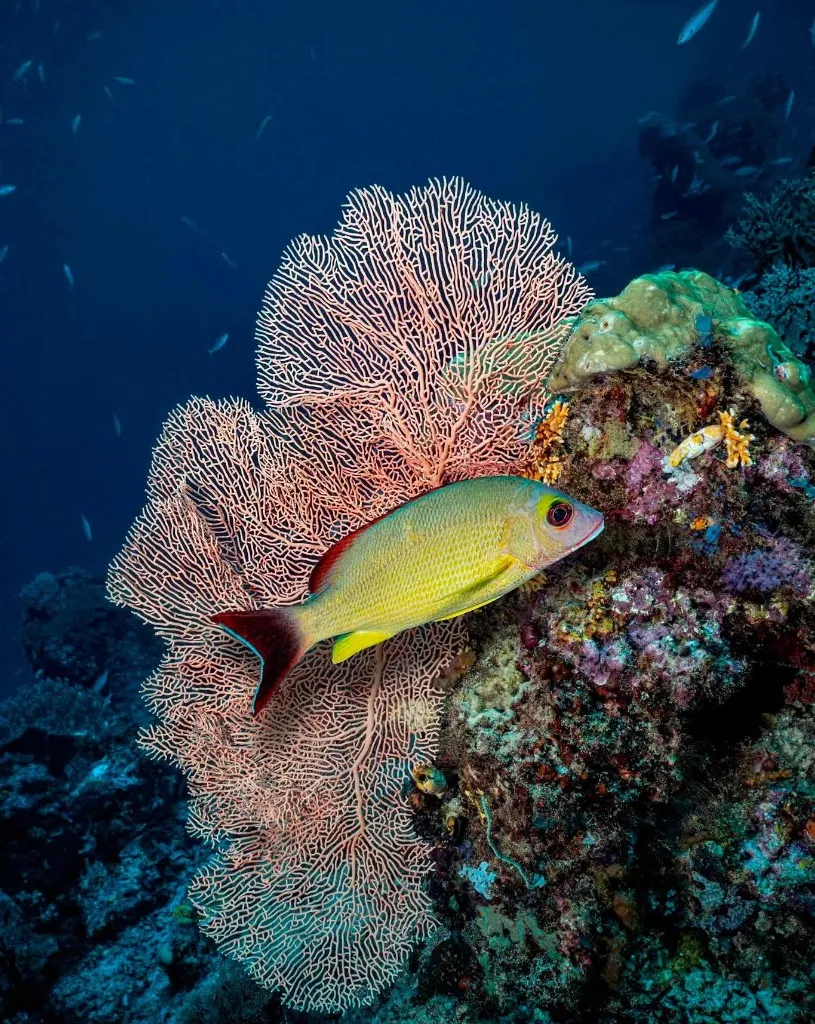
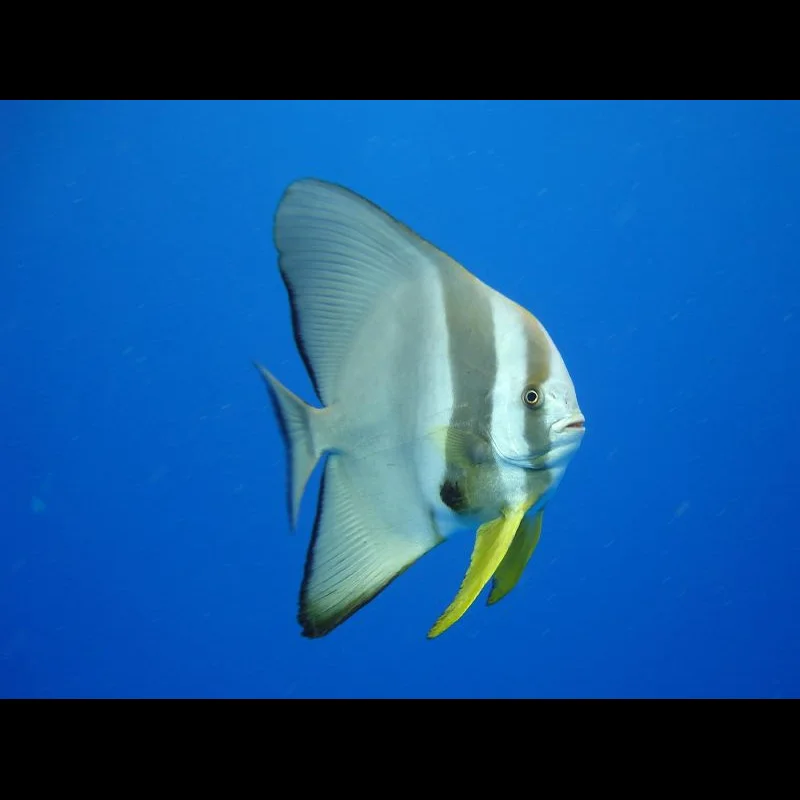
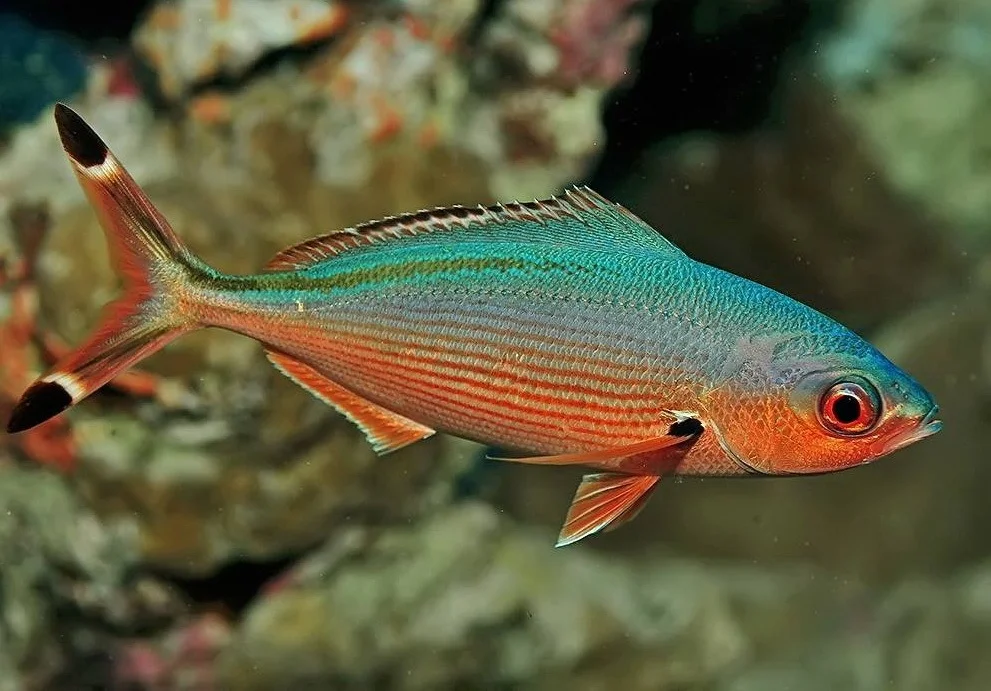
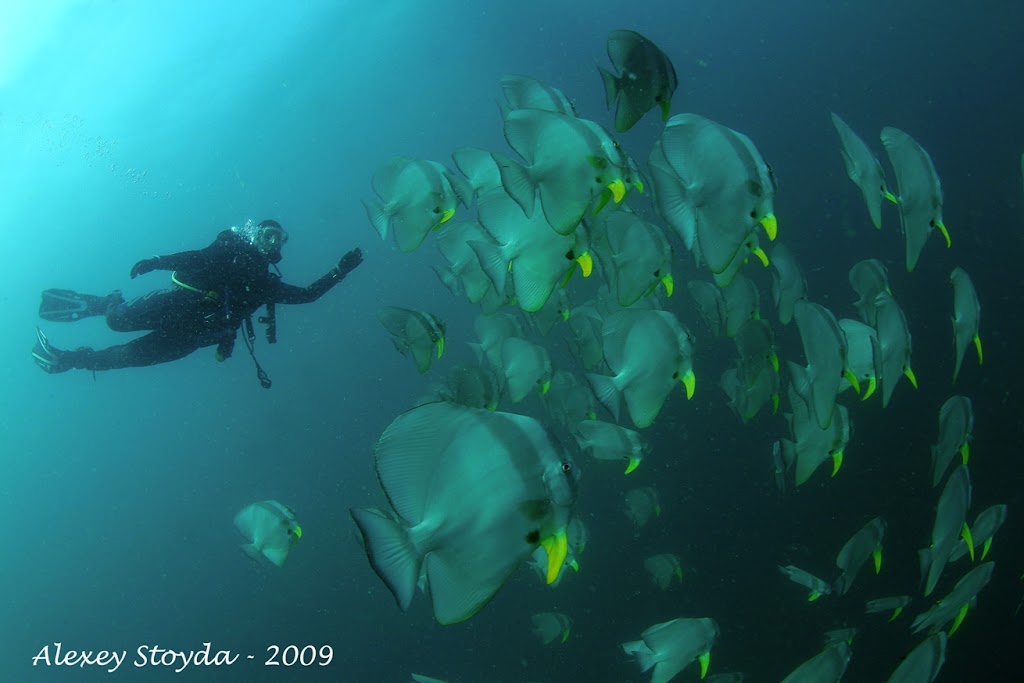
The Okikawa Maru hosts a vibrant ecosystem, with its coral-encrusted hull serving as a habitat for diverse marine life. Divers frequently observe schools of fusiliers and snapper, alongside batfish gracefully circling the structure.
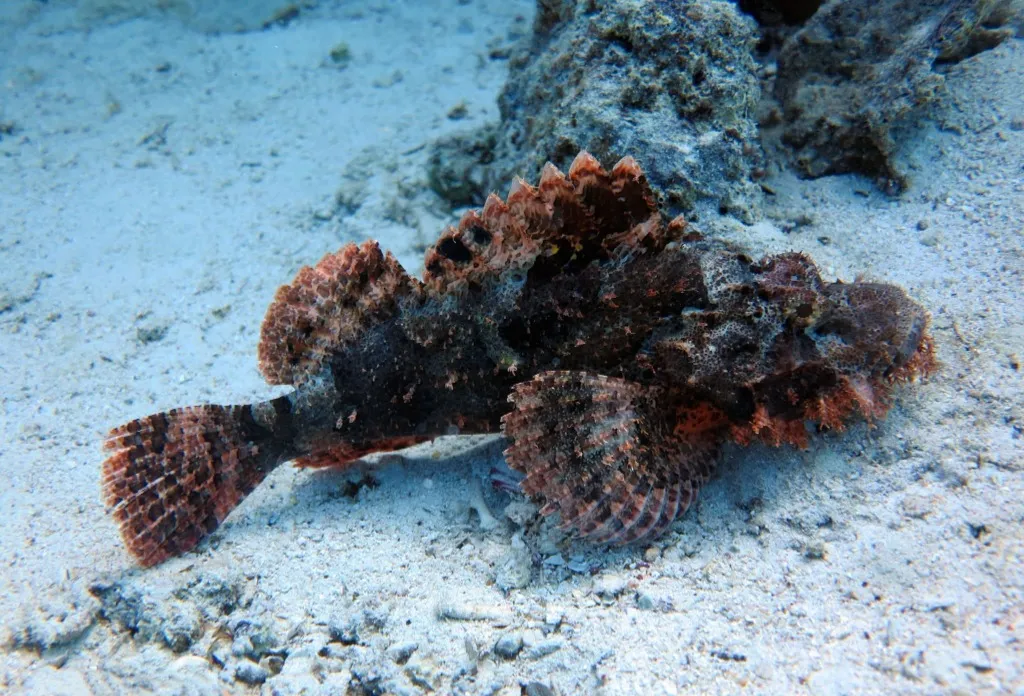
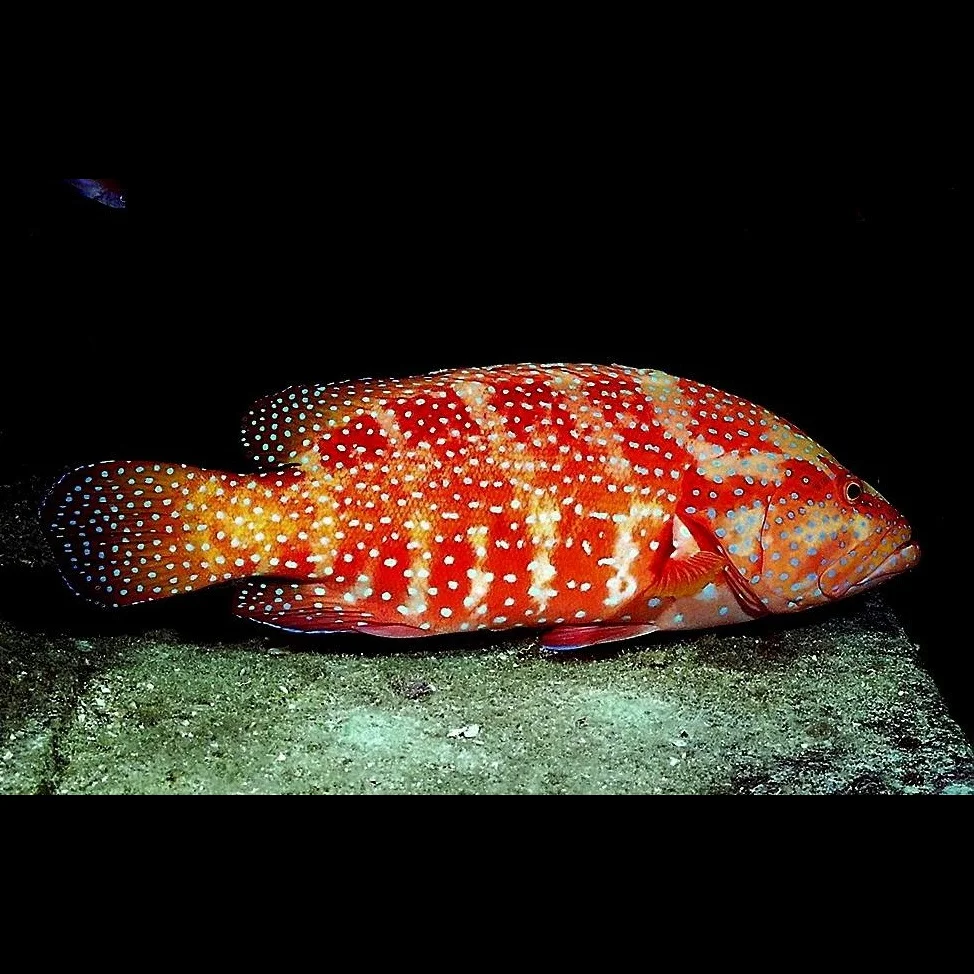
Among the wreck's residents, red lionfish and scorpionfish are commonly spotted, blending in with the vibrant corals. Groupers and sweetlips also make appearances, often found near the wreck's deeper sections or within its nooks.
Macro enthusiasts can search for various nudibranchs amidst the hard and soft corals and sponges that richly adorn the entire vessel.
Dive Sites Near Okikawa Maru
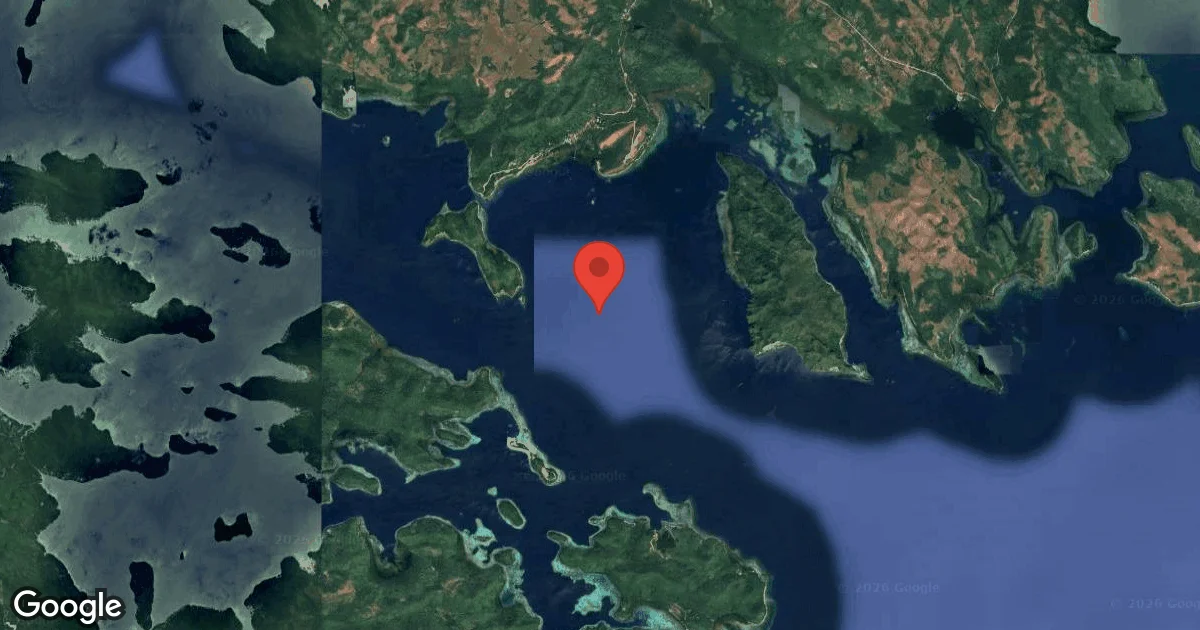
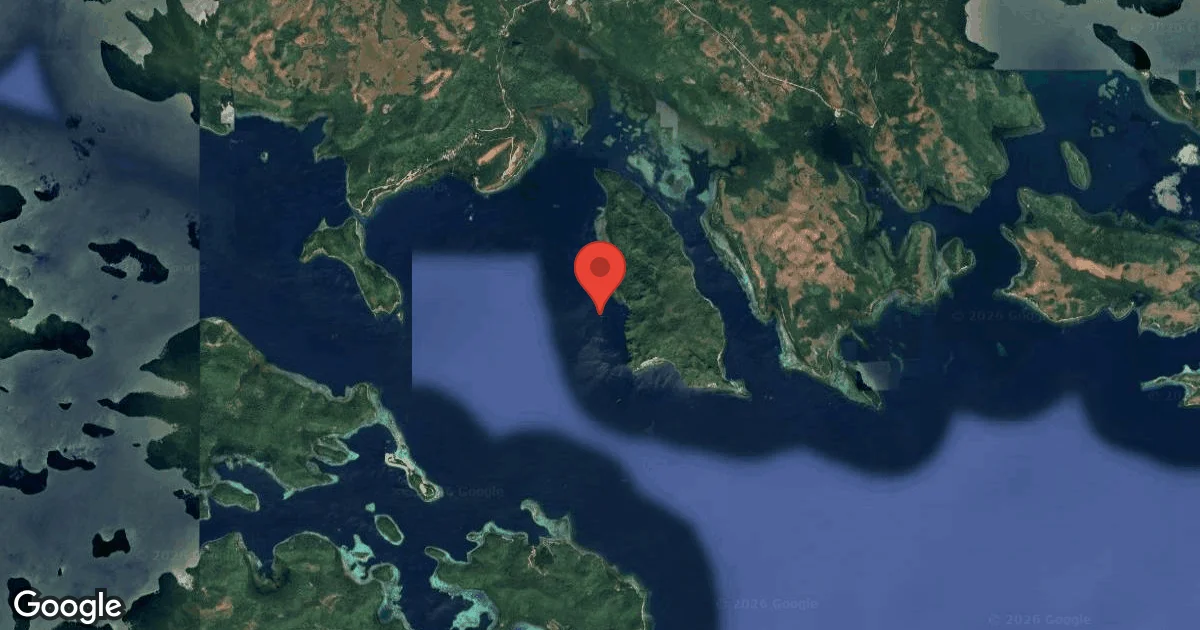
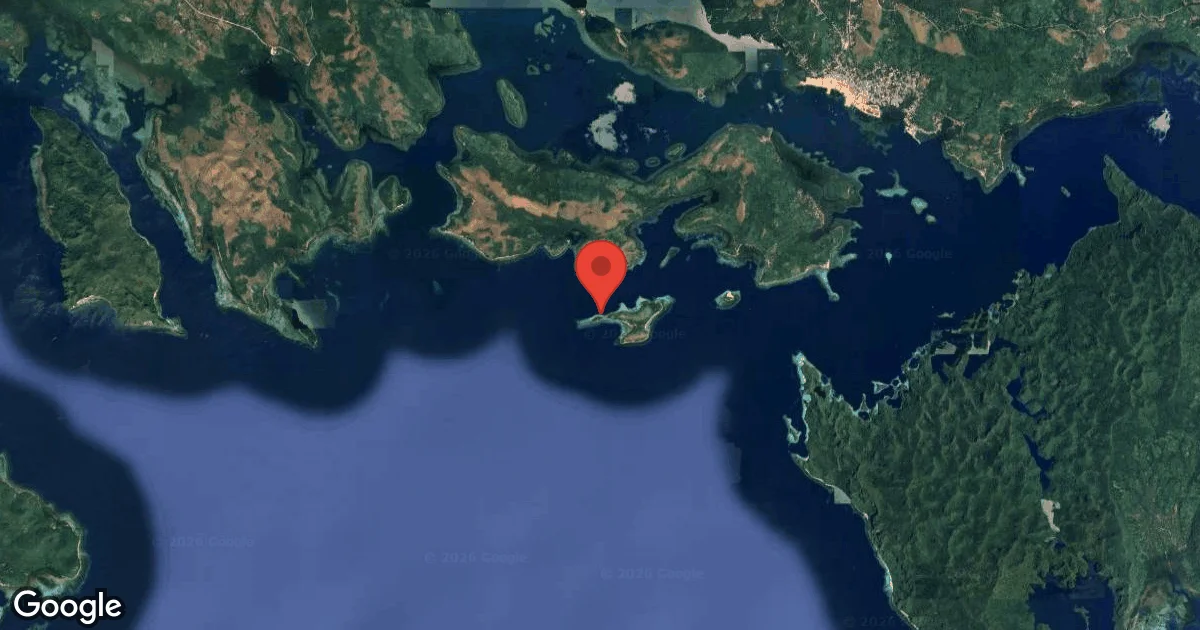
View all dive sites in PhilippinesDiscover more underwater gems in this area.
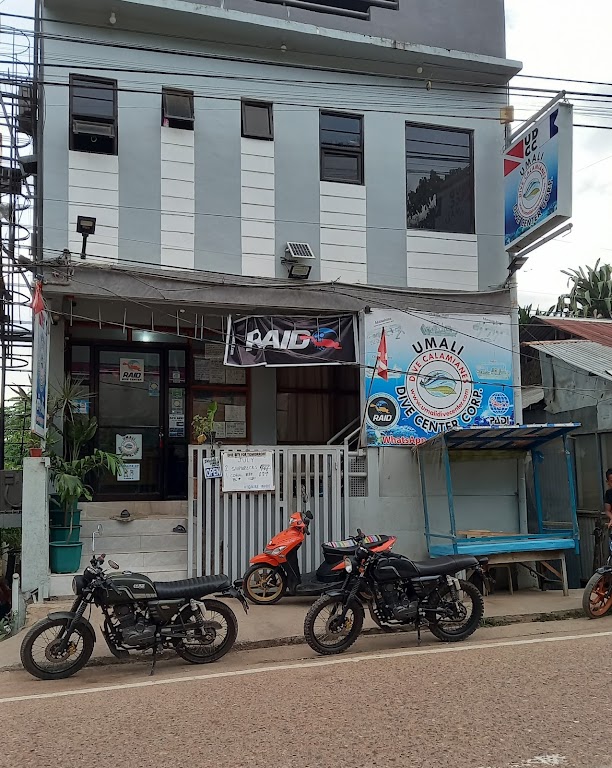
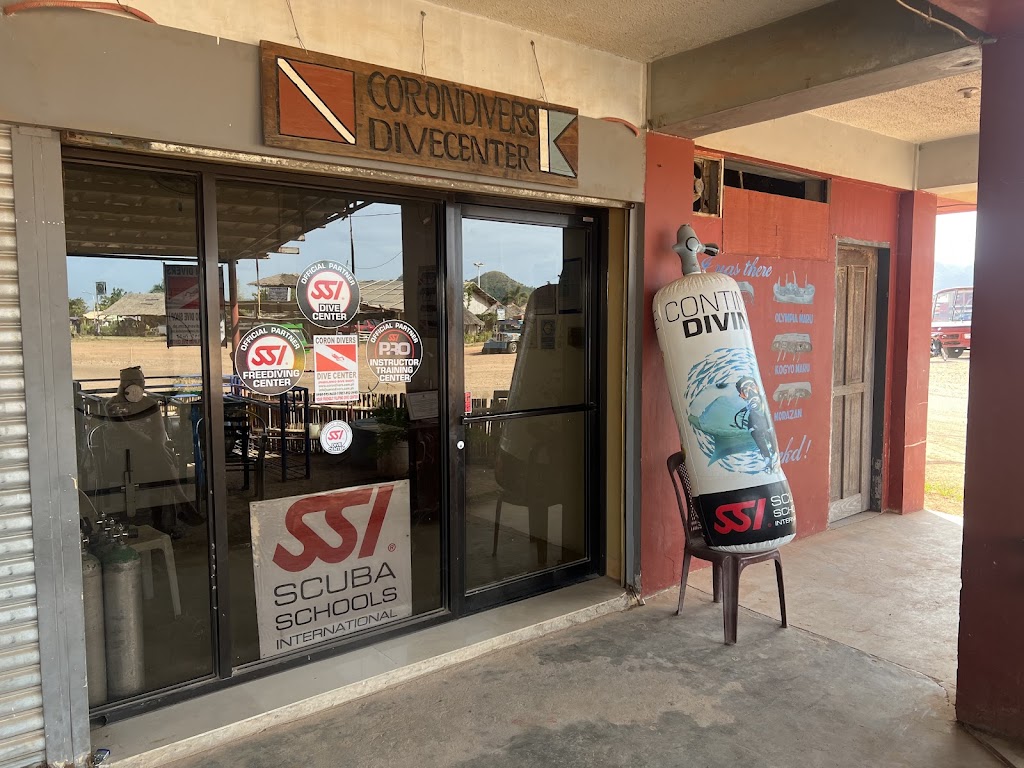
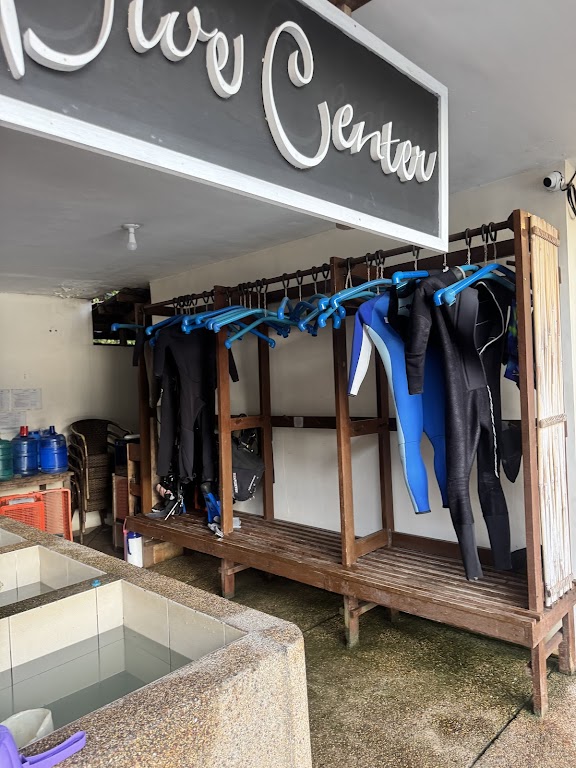
Dive Centers Near Okikawa Maru
Today: 08:00 - 17:00


Nearest Airports
Nearest airports to help plan travel to this dive area.
Search Flights
Check available flights and routes on Expedia, using the nearby airports listed in this section.
Search Flights on ExpediaFrequently Asked Questions
What is the average depth of the Okikawa Maru wreck?
The Okikawa Maru rests upright on the seabed with its main deck typically found between 10 and 16 meters (33 to 52 feet). The deepest parts of the wreck reach approximately 26 meters (85 feet).
Is the Okikawa Maru suitable for beginner divers?
Yes, the Okikawa Maru is suitable for divers of all levels. Beginner divers can enjoy exploring the shallow deck and exterior of the wreck, which are covered in corals, without needing to enter the interior.
What kind of marine life can be seen on the Okikawa Maru?
The wreck is home to lionfish, jacks, groupers, and sweetlips. Divers can also observe schools of fusiliers, snapper, and batfish, as well as a variety of nudibranchs among the extensive coral growth.
Are there currents at the Okikawa Maru dive site?
Currents at the Okikawa Maru are generally limited, but strong tidal currents can occasionally be present. It's advisable to check local conditions and tide charts with your dive operator before diving.
Can divers penetrate the Okikawa Maru wreck?
Yes, the Okikawa Maru offers numerous penetration possibilities for experienced wreck divers, including access to holds, passages, and the engine room via the propeller shaft. Proper wreck diving certification is required for these activities.
What is the typical water temperature at Okikawa Maru?
Water temperatures at the Okikawa Maru are consistently warm, generally ranging between 21-28°C / 70-82°F throughout the year, making for comfortable diving.
How long does it take to get to the Okikawa Maru from Coron?
The Okikawa Maru is typically accessed by boat. Travel time from Coron resorts can be as short as 10 minutes by speedboat, or around 30 minutes depending on the type of boat and departure point.
Planning to dive Okikawa Maru?
Send one inquiry and receive offers directly from the best verified local dive operators.
Conditions are Good
Optimal conditions expected
Current conditions near Okikawa Maru show 29° air, 30° sea temperature, 0.3 m waves, and 20 km/h wind. Forecast data is refreshed regularly to ensure accuracy.