
Diving at Pamilacan Island (Philippines)
While currents around Pamilacan Island are generally mild to moderate, certain areas, notably the Pamilacan Wall, can experience stronger conditions. Divers must remain attentive to guidance from their dive leaders and be prepared for varying water movements. This secluded island, accessible from Bohol, requires a boat journey, establishing its remote appeal. Planning your dives with local operators ensures safe navigation of these dynamic underwater environments, maximizing enjoyment of the island's extensive marine biodiversity. Proper awareness and preparation enhance the overall dive experience.
Tonight's objective overview for Pamilacan Island shows an air temperature of 29°C. The measured surface conditions include wave heights around 0.5 m. This environmental data is logged for the close of the day.
Dive Site Location & Key Facts
Dive Site Overview
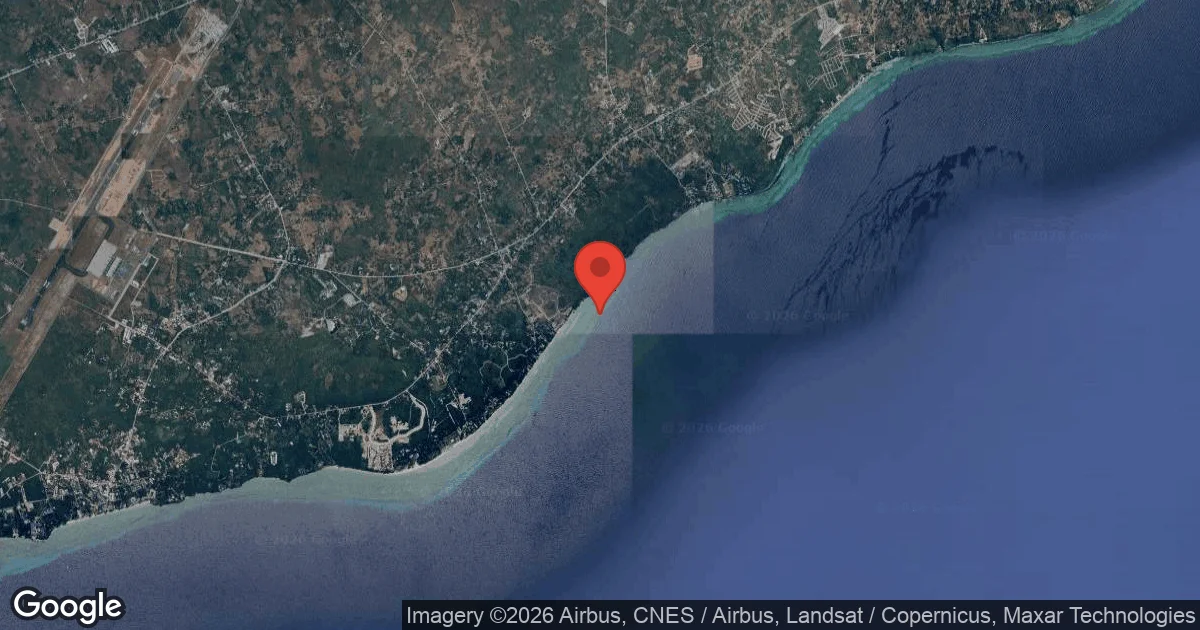
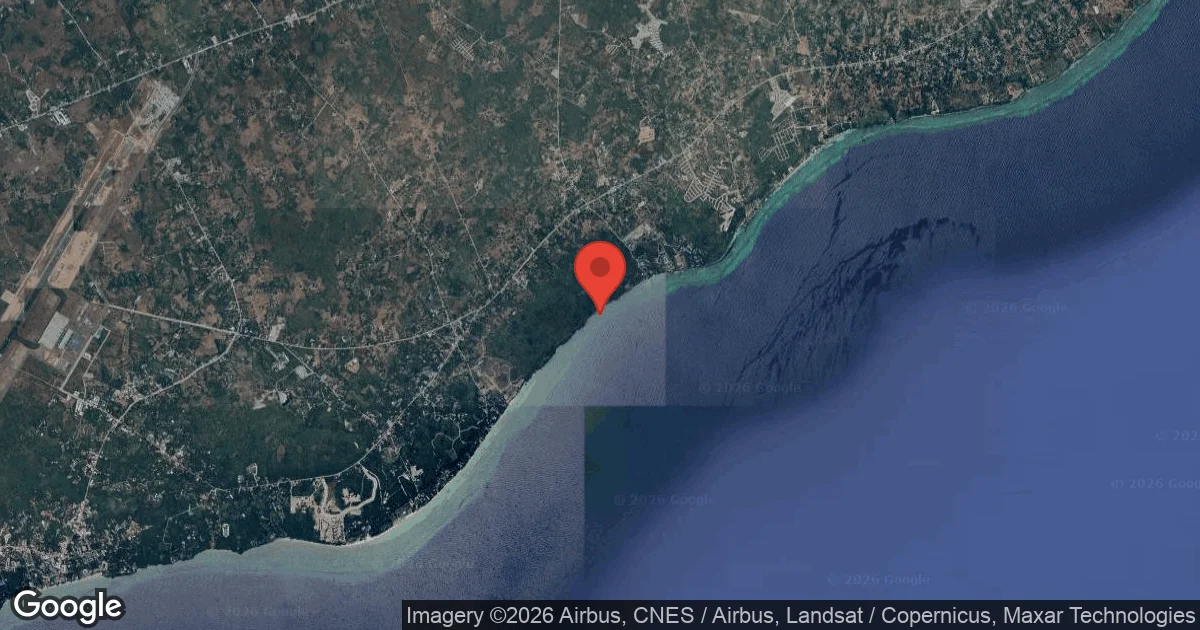
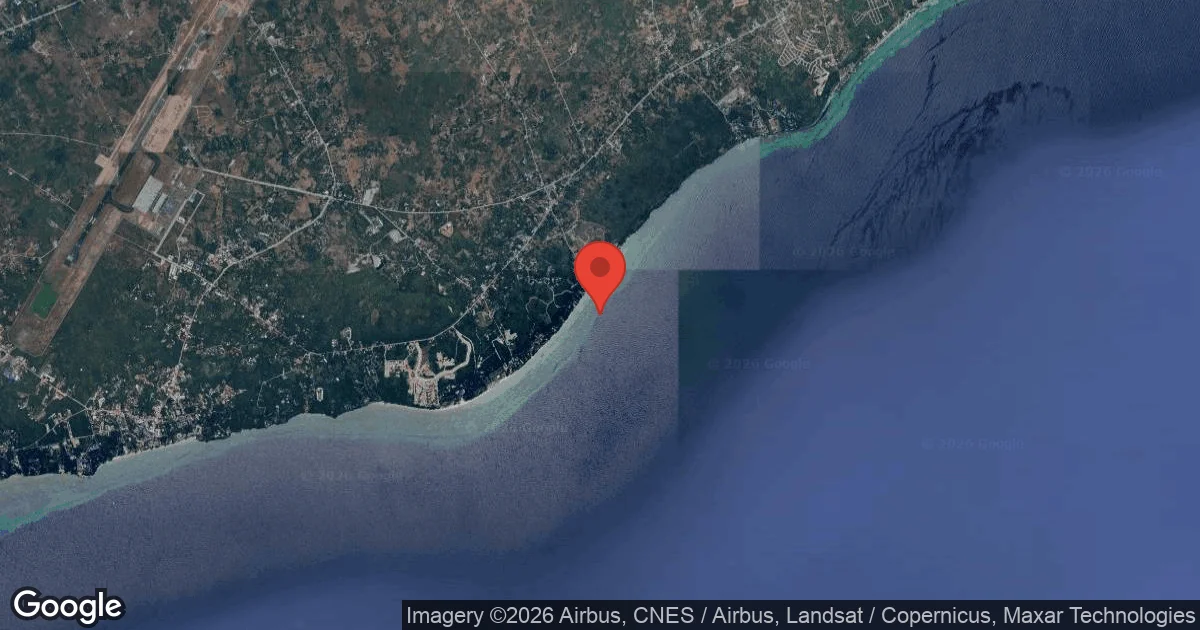
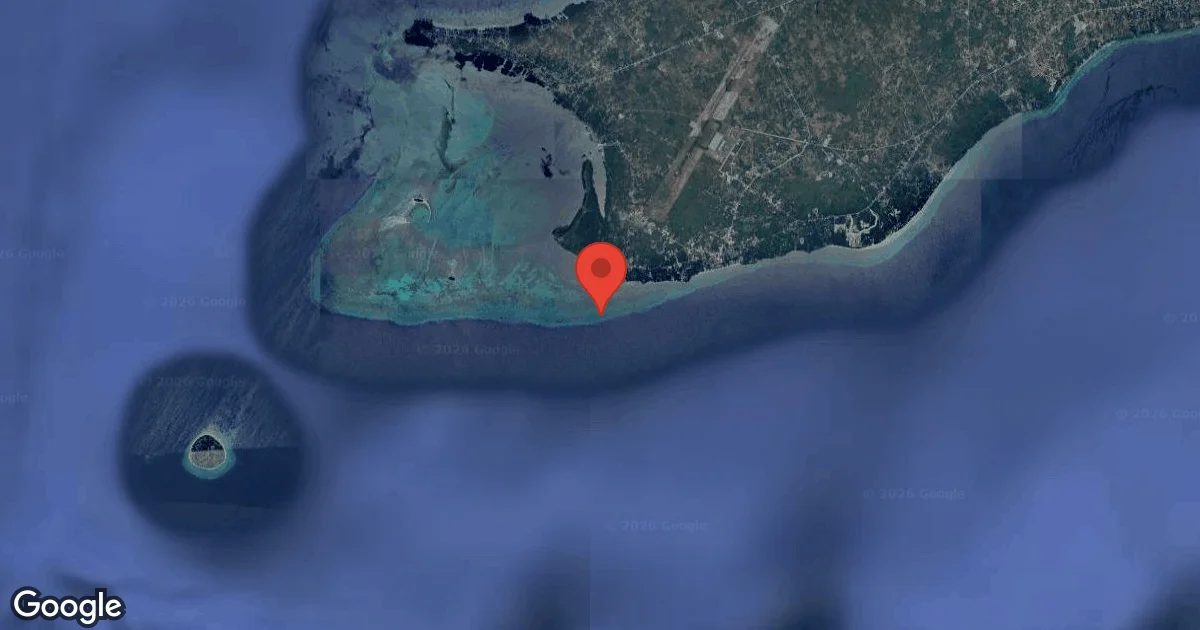
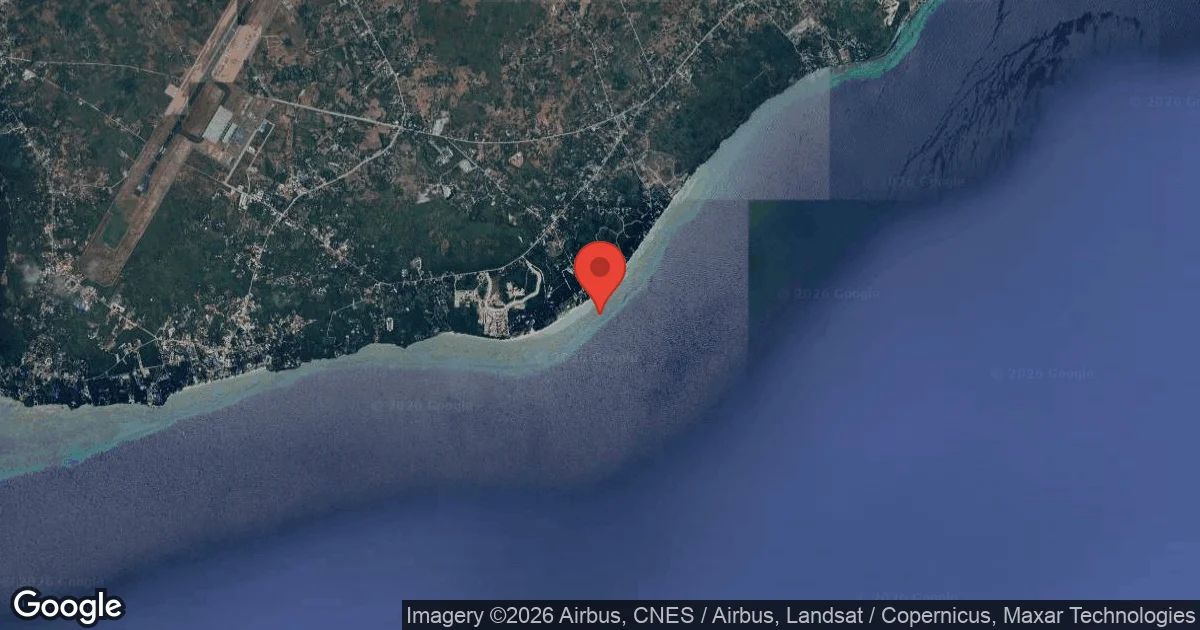
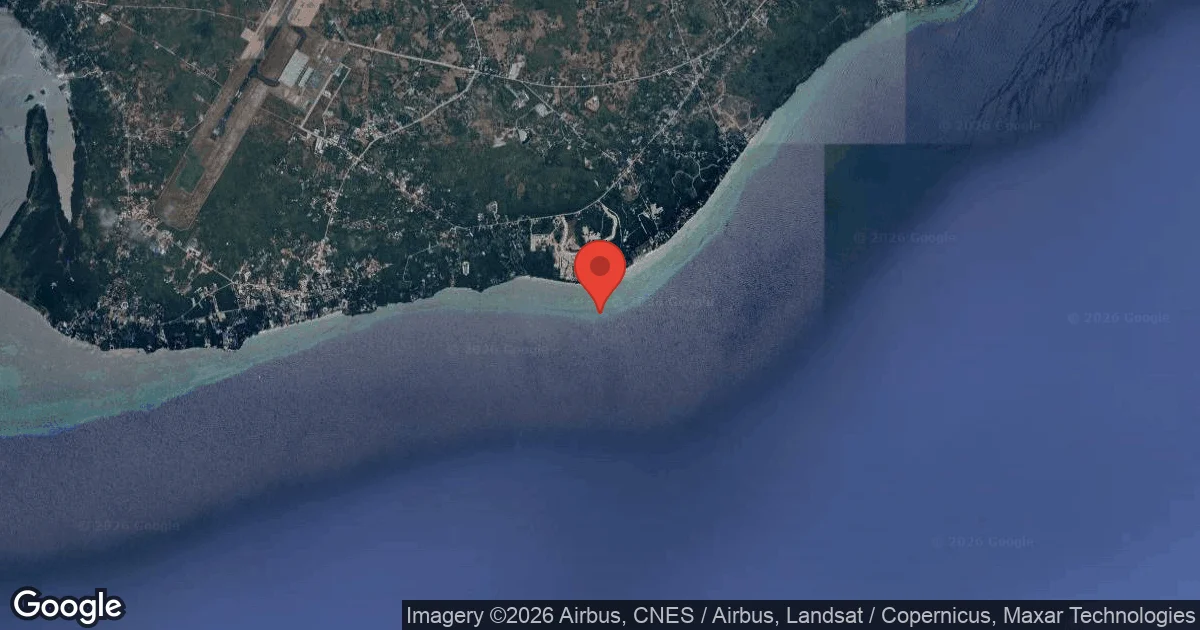
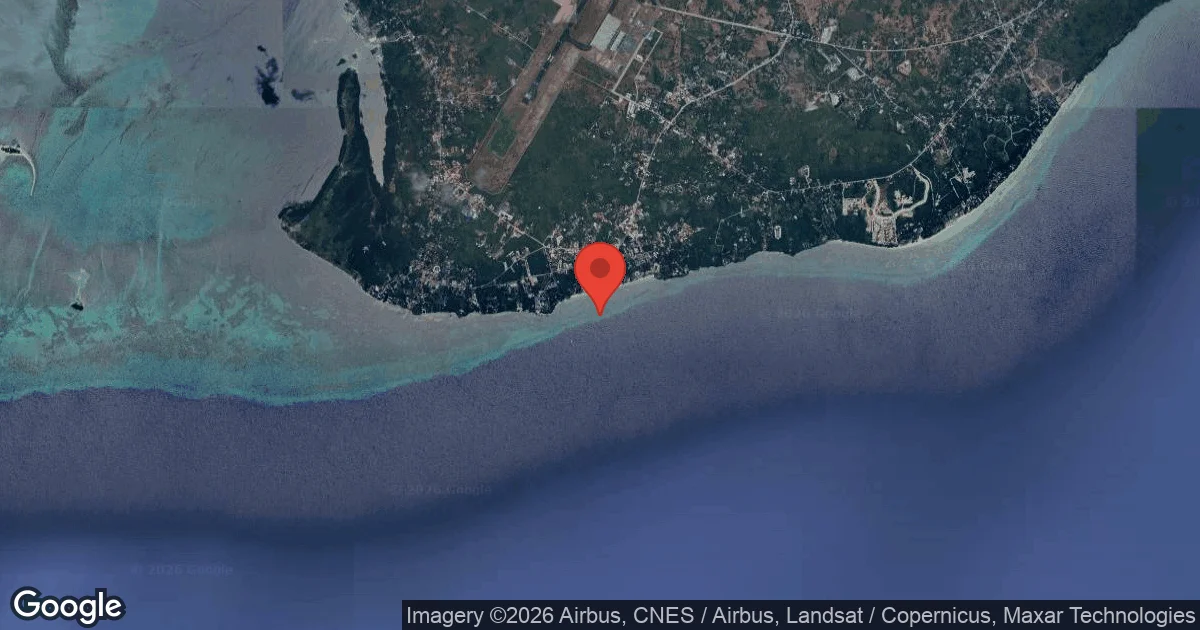
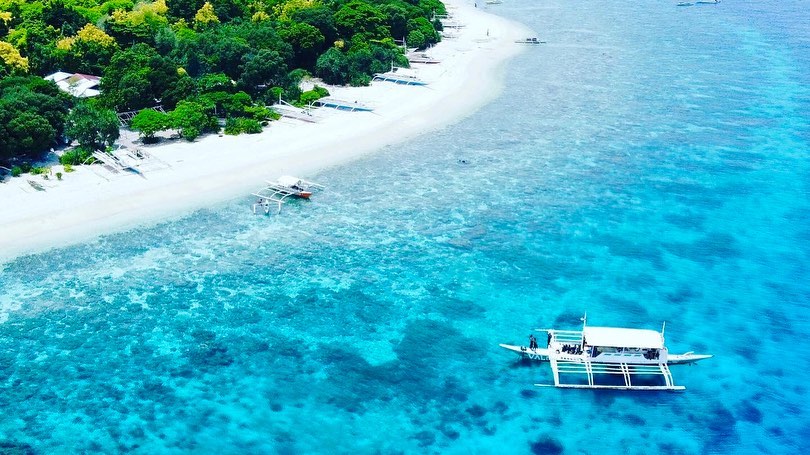
Pamilacan Island, a truly distinct destination, is situated off the coast of Bohol, southeast of Panglao Island. This remote location, often considered comparable to Balicasag Island but offering a more private experience, comprises corals and fossilized shells, forming a unique underwater sloped reef.
Marine sanctuaries protect its vibrant ecosystems, making it a pivotal site for observing large pelagic species alongside diverse reef life. Accessing the island typically involves a 45-minute to one-hour boat ride from Alona Beach in Panglao, often integrated into day trips that include multiple dives and a packed lunch. Divers will find a spectrum of experiences, from shallow coral gardens to deeper wall dives, catering to various skill levels.
The island's strategic placement also makes it a known area for dolphin and whale sightings, adding another dimension to the marine excursion.
Conditions are Good
07:00 - 14:00
Optimal conditions expected
Current conditions near Pamilacan Island show 29° air, 30° sea temperature, 0.4 m waves, and 21 km/h wind. Forecast data is refreshed regularly to ensure accuracy.
Best Time to Dive
Favorable diving conditions persist for much of the year around Pamilacan Island, offering consistently good visibility and comfortable waters. During June and October, the dive scores are rated 'Excellent,' reflecting optimal conditions. Average air temperatures throughout the year range from 27°C to 28.5°C (81-83°F), while the water temperature consistently remains warm, between 26 to 30°C (79 to 86°F). Rainfall is generally moderate, with monthly averages typically ranging from 1.4 mm in April to 7.8 mm in November, meaning dry periods offer particularly clear skies and calmer seas. Planning a trip outside the peak rainy season, which tends to be higher in November and December, will often lead to clearer conditions.
PEAK SEASON SCORE
Scores combine air & water temps, waves, wind & rainfall for overall conditions.
BEST MONTHS TO DIVE
Monthly records compiled from satellite and marine observation nodes over the last 3 years. Data provided by Open-Meteo and MET Norway.
Dive Experience & Conditions
Descending into Pamilacan's waters feels immediately inviting, characterized by warm temperatures ranging from 26 to 30°C (79 to 86°F). Visibility is generally excellent, frequently extending 20 to 30 meters (65 to 100 ft), allowing divers to fully appreciate the intricate coral formations. Currents vary from mild to moderate across different sites; shallower sections like the Marine Sanctuary and Coral Gardens present calm environments ideal for beginners. Meanwhile, deeper wall dives can introduce stronger currents, requiring a more experienced approach. The topography transitions from vibrant shallow reefs to dramatic walls, supporting a rich blend of soft and hard coral biodiversity. This dynamic underwater landscape provides diverse sensory impressions.
Dive Difficulty & Safety Guidelines
Ensuring a safe dive at Pamilacan Island begins with understanding its varied current patterns. While many areas feature mild currents suitable for all levels, some sites, such as the Pamilacan Wall, can experience stronger flows.
Always heed guidance from your dive leader, who possesses localized knowledge of these conditions. Open Water Certification is the minimum requirement to dive here; however, acquiring at least an Advanced Open Water certification is highly recommended to fully enjoy the deeper and more challenging sites.
Booking dives in advance is strongly advised, especially given the site's popularity and limited availability on weekly trips. Prioritize proper briefing and follow all local regulations.
Recommended Equipment
- Dive Computer
This gear list is based on verified equipment signals for Pamilacan Island, Philippines. Always confirm final gear choices with your dive operator, guide, or liveaboard.
Recommended Dive Suit
Water temperatures at Pamilacan Island are currently estimated to be around 30°C (86°F), shaping the overall diving conditions for today. Surface air temperatures are resting at 29°C (85°F).
For the majority of recreational dives here, dive skin or rash guard should provide suitable protection. A hood or vest is suggested for sensitive divers due to surface winds.
Environmental conditions are expected to remain consistent in the short-term outlook.
Emergency & Medical Support
Essential information to help you plan your dive trip to Pamilacan Island.

Hyperbaric chambers are a critical part of dive safety infrastructure. Availability varies significantly by region, and not all dive areas have immediate access.
Before diving, it's recommended to:
- confirm nearest medical facilities
- check emergency procedures with local dive operators
- ensure dive insurance covers evacuation if required
Divers Alert Network
Diving emergency assistance available through DAN World.
+1-919-684-9111- 24/7 emergency hotline
- Diving medical assistance
- Evacuation coordination
Emergency contacts are provided for reference. Always verify local emergency services before diving.
Marine Life at Pamilacan Island
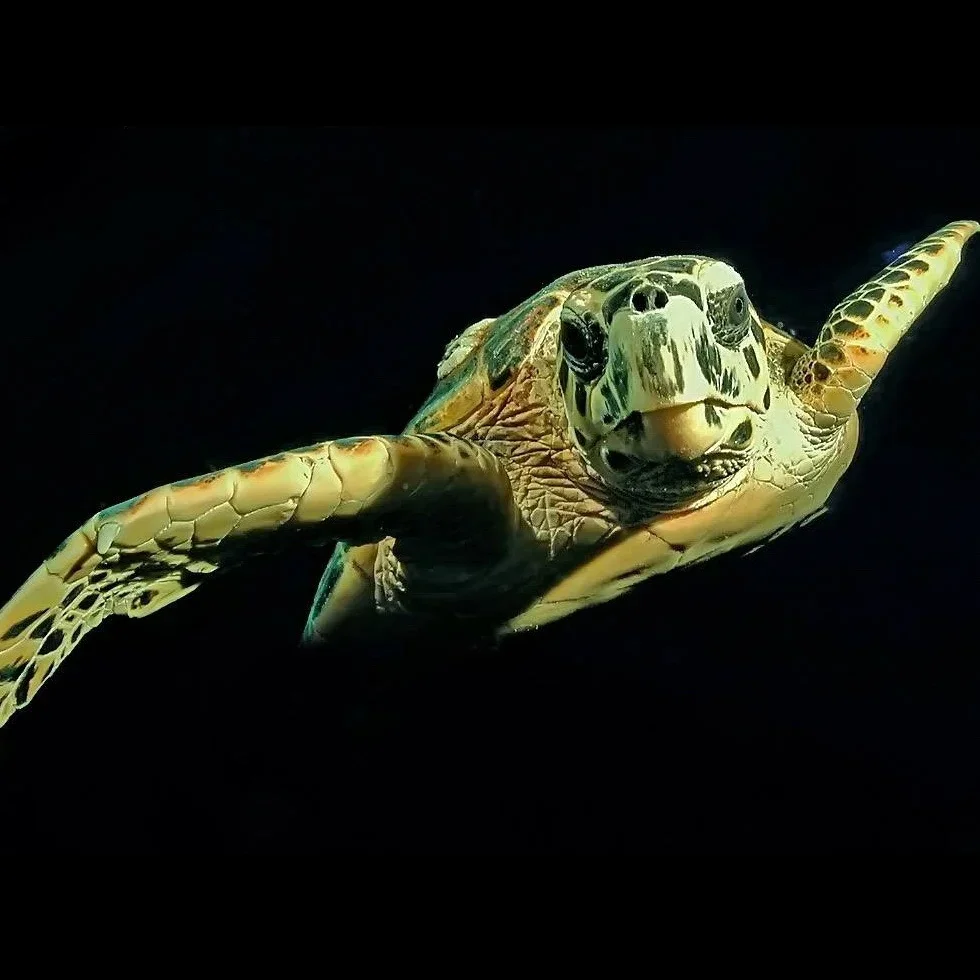
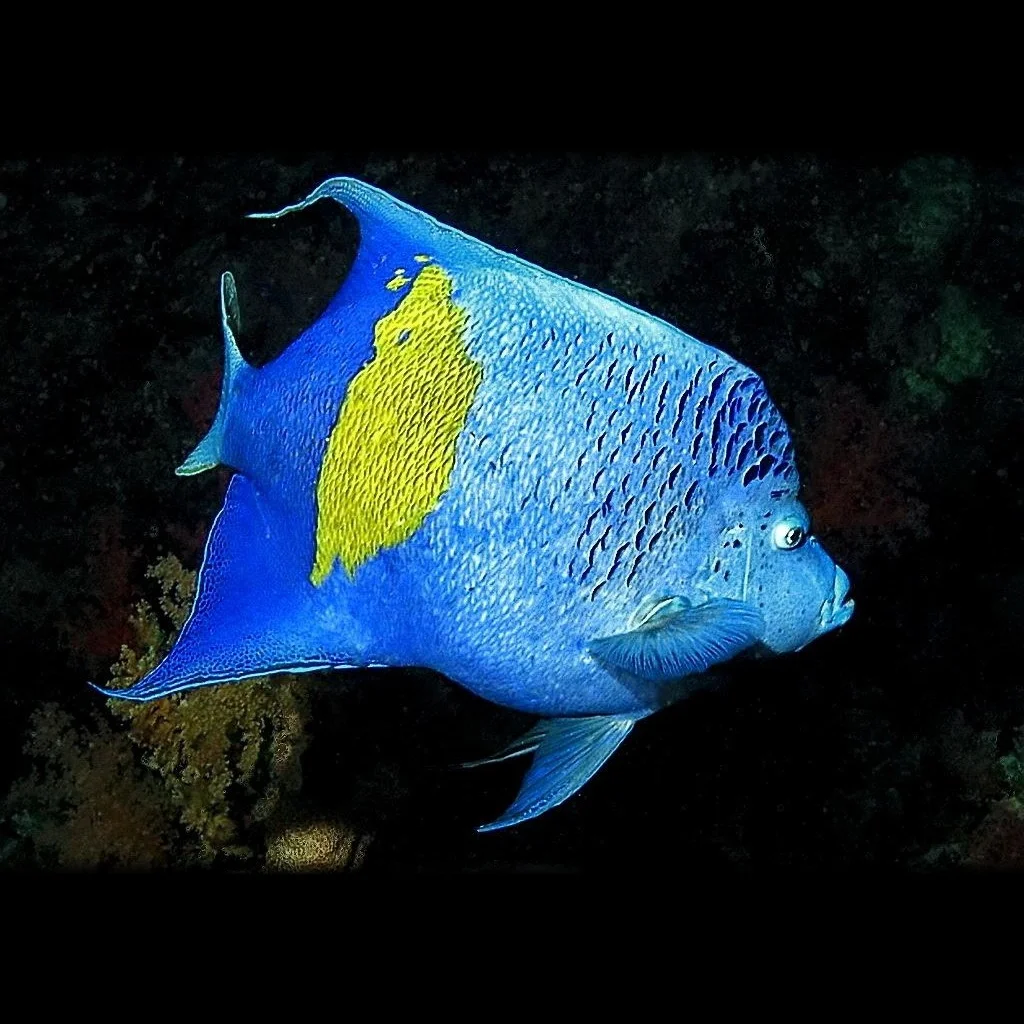
Upon entering the water, divers often first notice the vibrant activity of numerous reef fish, including clownfish, angelfish, and parrotfish, which bring constant motion to the colorful coral ecosystems. Green and hawksbill turtles are frequent visitors, often observed gracefully gliding over coral gardens or resting among the formations.
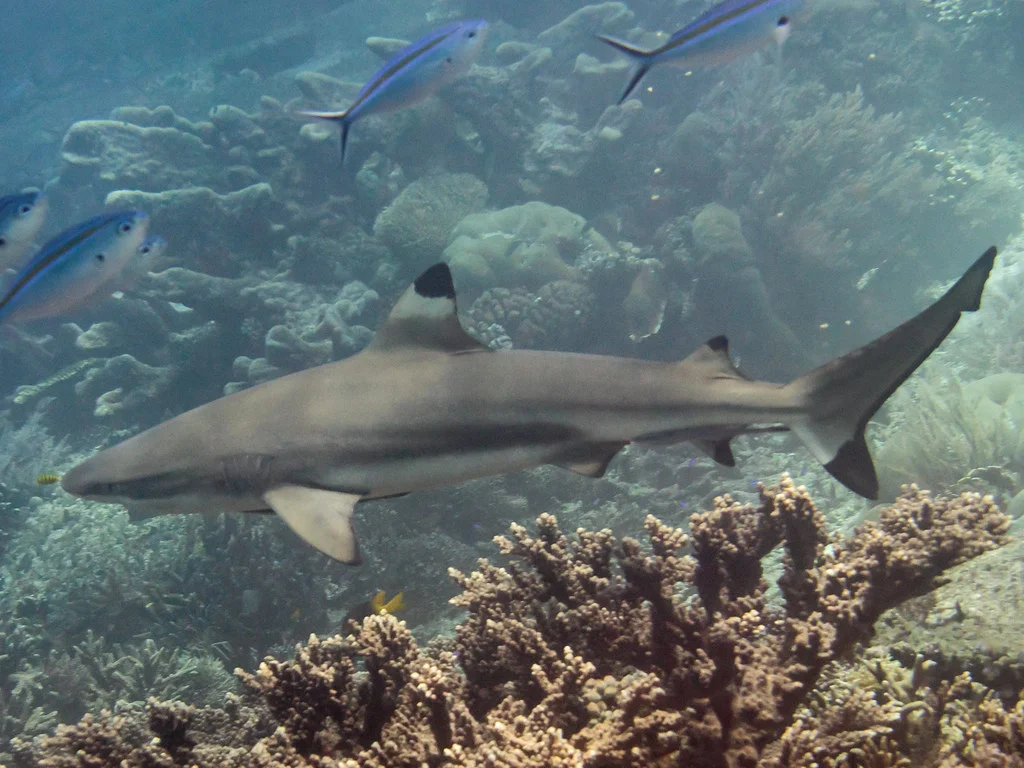
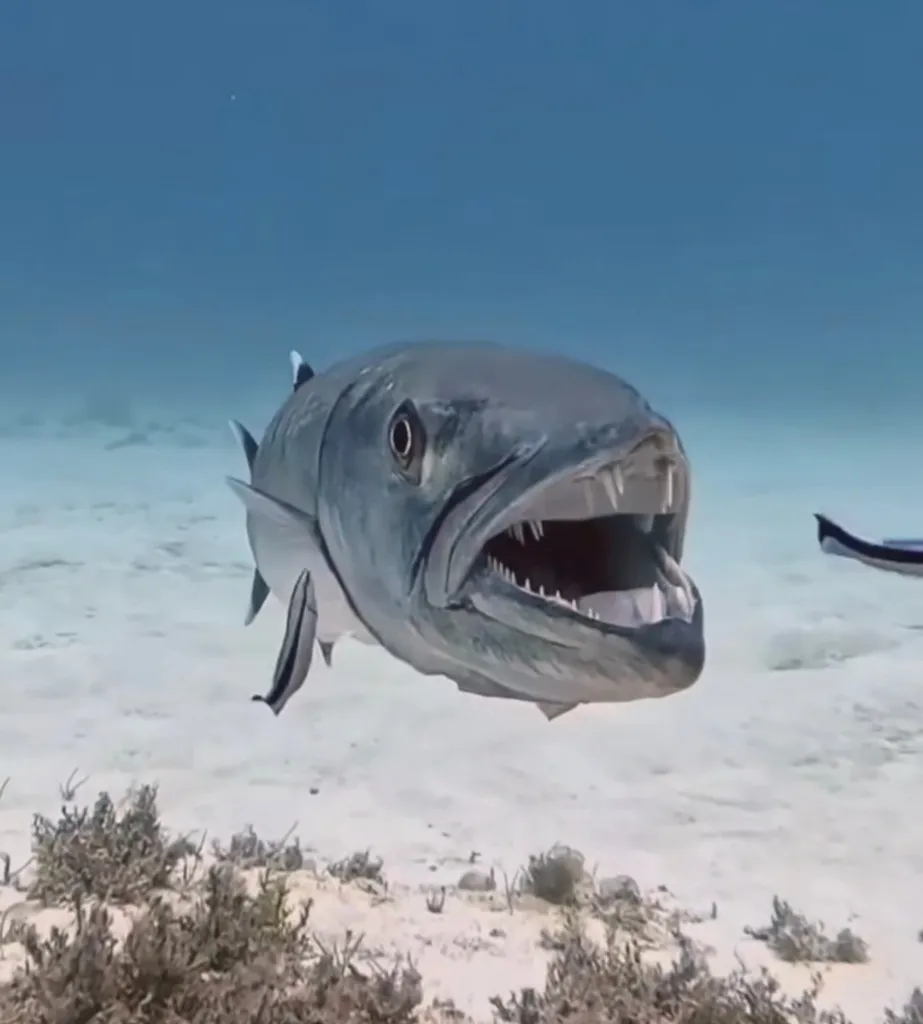
Large schools of barracudas and jacks regularly traverse the waters, creating awe-inspiring synchronized displays. Though less common, lucky divers might spot whitetip and blacktip reef sharks.
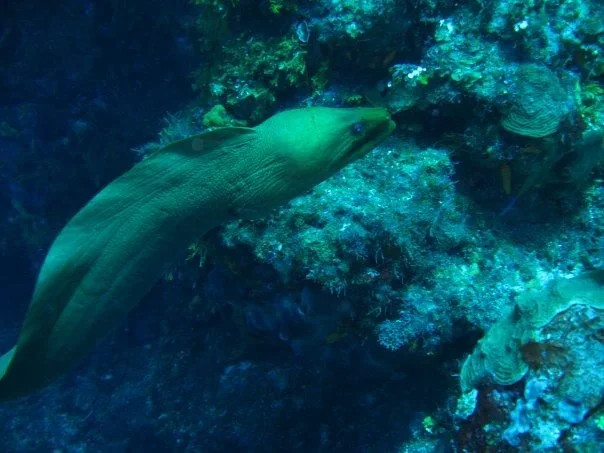
Macro enthusiasts will appreciate the abundance of crustaceans, nudibranchs, tunicates, sponges, and various moray eels found thriving across the sloped reefs and wall sites.
Dive Sites Near Pamilacan Island
View all dive sites in PhilippinesDiscover more underwater gems in this area.
Dive Centers Near Pamilacan Island
Today: 08:00 - 17:30
Nearest Airports
Nearest airports to help plan travel to this dive area.
Search Flights
Check available flights and routes on Expedia, using the nearby airports listed in this section.
Search Flights on ExpediaFrequently Asked Questions
How do I get to Pamilacan Island?
Pamilacan Island is about 12 to 17 kilometers (7 to 9 nautical miles) from Bohol's Panglao Island. The journey typically begins with a boat ride from Alona Beach in Panglao, taking approximately 45 minutes to an hour to reach the island.
What is the water temperature like for diving?
The water temperature around Pamilacan Island is consistently warm, ranging from 26 to 30°C (79 to 86°F). Most divers find a 3mm wetsuit sufficient for comfort during dives.
Are there dive sites suitable for beginners?
Yes, Pamilacan Island offers several dive sites suitable for beginners. The Marine Sanctuary and Coral Gardens, for example, feature shallow waters and minimal currents, making them ideal starting points for new divers.
What kind of marine life can I expect to see?
Pamilacan is known for a diverse array of marine life, including green and hawksbill turtles, schools of barracudas and jacks, and various reef fish like clownfish and angelfish. Occasional sightings of reef sharks, dolphins, and even whale sharks are reported.
Is an Advanced Open Water certification required?
While Open Water Certified is the minimum requirement, an Advanced Open Water certification is highly recommended. This allows divers to access and fully enjoy deeper wall dives and areas where currents may be stronger.
Can Pamilacan dives be combined with other sites?
Yes, diving at Pamilacan is often combined with other nearby sites. Cervera Shoal, also known as Snake Island, is a common addition to Pamilacan diving packages, offering an extended underwater experience.
Planning to dive Pamilacan Island?
Send one inquiry and receive offers directly from the best verified local dive operators.
Conditions are Good
07:00 - 14:00
Optimal conditions expected
Current conditions near Pamilacan Island show 29° air, 30° sea temperature, 0.4 m waves, and 21 km/h wind. Forecast data is refreshed regularly to ensure accuracy.