
Diving at POS (Puerto Rico)
Puerto Rico's underwater appeal has long drawn divers seeking the Caribbean's diverse seascapes. Particularly on the west coast, sites like Crashboat Beach offer glimpses into its structural past through old pier remnants and sunken structures. These locations, alongside natural reef formations and vibrant marine reserves such as Desecheo Island, provide a spectrum of dive experiences. This region maintains a reputation for accessible, pristine underwater exploration.
Evening condition tracking at POS features an air temperature of 28.5°C. We have recorded wave heights measuring 1 m during this period. These figures outline the environmental parameters currently present.
Dive Site Location & Key Facts
Dive Site Overview
The diving landscape off Puerto Rico's west coast presents a remarkable variety of underwater topographies. Sites range from the structural complexities found at Crashboat Beach, where remnants of an old pier and other sunken structures create an intricate habitat over a sandy bottom, to the expansive coral reefs of El Natural.
Here, massive coral formations dominate the shallow seascape, ideal for observing diverse reef fish and larger inhabitants. Further offshore, Desecheo Island, a protected marine reserve, reveals dramatic underwater caves, winding tunnels, and sheer wall formations plunging to deeper recreational limits.
Depths across these sites vary considerably. El Natural offers a relatively shallow experience, typically around 12 m (40 ft), making it suitable for all certification levels.
Dives around Desecheo Island can extend from these shallower depths down to its recreational limits, appealing to advanced divers while still offering less demanding sections. Deeper areas at Desecheo Island can reach 30 m (100 ft).
The area's consistent warm waters, generally remaining above 27°C (81°F), mean no drysuit is needed. Each location provides distinct visual and environmental characteristics, from the gentle currents near shore to the more exposed conditions encountered at remote islands.
Conditions are Moderate
Optimal conditions expected
Current conditions near POS show 29° air, 30° sea temperature, 0.8 m waves, and 31 km/h wind. Forecast data is refreshed regularly to ensure accuracy.
Best Time to Dive
Optimizing visibility is key when planning a dive trip to Puerto Rico's west coast, with the period from December to April generally offering the best conditions. During these months, the waters are typically calmer, and underwater visibility reaches its peak. Air temperatures during this timeframe consistently hover around 25.5-26°C (78-79°F), providing comfortable surface conditions. Rainfall remains minimal, with averages as low as 0.9 mm in January and 1.2 mm in March, contributing to clearer ocean conditions. Divers primarily interested in encounters with larger pelagic species, such as eagle rays and various sharks, might consider the summer months. While overall visibility may not be at its absolute peak compared to winter, these warmer periods see air temperatures rising to 28-29°C (82-84°F) and a slight increase in rainfall, up to 3.9 mm in August or 5.4 mm in October. Despite these seasonal shifts, the region typically maintains a "Moderate" dive score for much of the year, with April occasionally scoring "Good" for overall conditions.
PEAK SEASON SCORE
Scores combine air & water temps, waves, wind & rainfall for overall conditions.
BEST MONTHS TO DIVE
Monthly records compiled from satellite and marine observation nodes over the last 3 years. Data provided by Open-Meteo and MET Norway.
Dive Experience & Conditions
The prevailing current dynamics across Puerto Rico's west coast dive sites vary, shaping the experience for divers. Nearshore locations like Crashboat Beach typically present gentle currents, creating an ideal environment for beginners and those seeking a relaxed exploration of the pier structures and associated marine life. This calm nature makes buoyancy control straightforward. El Natural, a popular shore dive, also experiences generally manageable conditions, though local guidance is recommended to ensure proper entry and exit points due to its unmarked nature. Further offshore, around Desecheo Island, currents can be more noticeable, reflecting its exposed position in a marine reserve. Visibility here is frequently excellent, often extending for impressive distances, allowing for expansive views of the underwater caves, tunnels, and wall formations. Water temperatures are consistently warm, generally ranging between 27-29°C (81-84°F), making a 3mm wetsuit or shorty sufficient for most divers. Averaged wave heights typically range between 1.0-1.3 meters (3.3-4.3 feet), but specific site conditions on any given day can fluctuate.
Dive Difficulty & Safety Guidelines
Navigating specific sites responsibly is crucial for diver safety in Puerto Rico. El Natural, while a rewarding shore dive, is an unmarked location; accessing it effectively and safely often requires guidance from a local dive professional. This ensures divers enter at appropriate points and understand any localized conditions.
When exploring Desecheo Island, particularly its deeper sections and dramatic wall formations, divers should possess advanced certification and experience suitable for deeper recreational limits. While beginner-friendly sites exist around the island, understanding personal limits is paramount.
Adhering to marine reserve regulations is also essential, especially within protected areas like Desecheo Island. These rules help preserve the untouched nature and vibrant ecosystems encountered underwater.
Divers must practice excellent buoyancy control to avoid contact with delicate coral formations and refrain from disturbing marine life. Always dive within your training and with a buddy. There are no other specific hazards reported for these sites.
Recommended Equipment
Current and surface separation risk. Local briefing strongly recommended.
- Dive Computer
- DSMB
- Reel / Spool
This gear list is based on verified equipment signals for POS, Puerto Rico. Always confirm final gear choices with your dive operator, guide, or liveaboard.
Recommended Dive Suit
Forecast models show minimal temperature variation in the coming days.
Thermal protection such as dive skin or rash guard is commonly used in similar temperatures. A hood or vest is suggested for sensitive divers due to surface winds.
At POS, the water is currently sitting around 30°C (85°F). Surface air temperatures are resting at 29°C (84°F).
Emergency & Medical Support
Essential information to help you plan your dive trip to POS.

Hyperbaric chambers are a critical part of dive safety infrastructure. Availability varies significantly by region, and not all dive areas have immediate access.
Before diving, it's recommended to:
- confirm nearest medical facilities
- check emergency procedures with local dive operators
- ensure dive insurance covers evacuation if required
Divers Alert Network
Diving emergency assistance available through DAN World.
+1-919-684-9111- 24/7 emergency hotline
- Diving medical assistance
- Evacuation coordination
Emergency contacts are provided for reference. Always verify local emergency services before diving.
Marine Life at POS
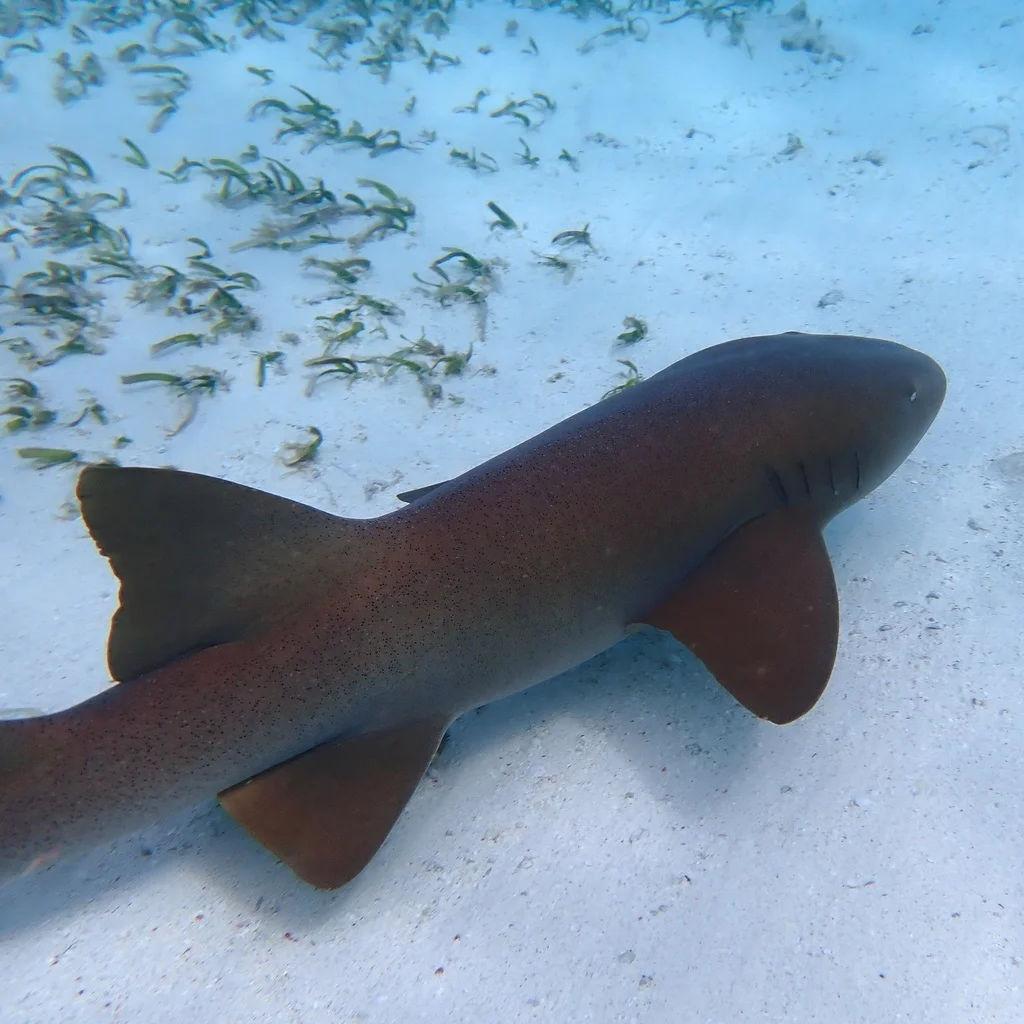
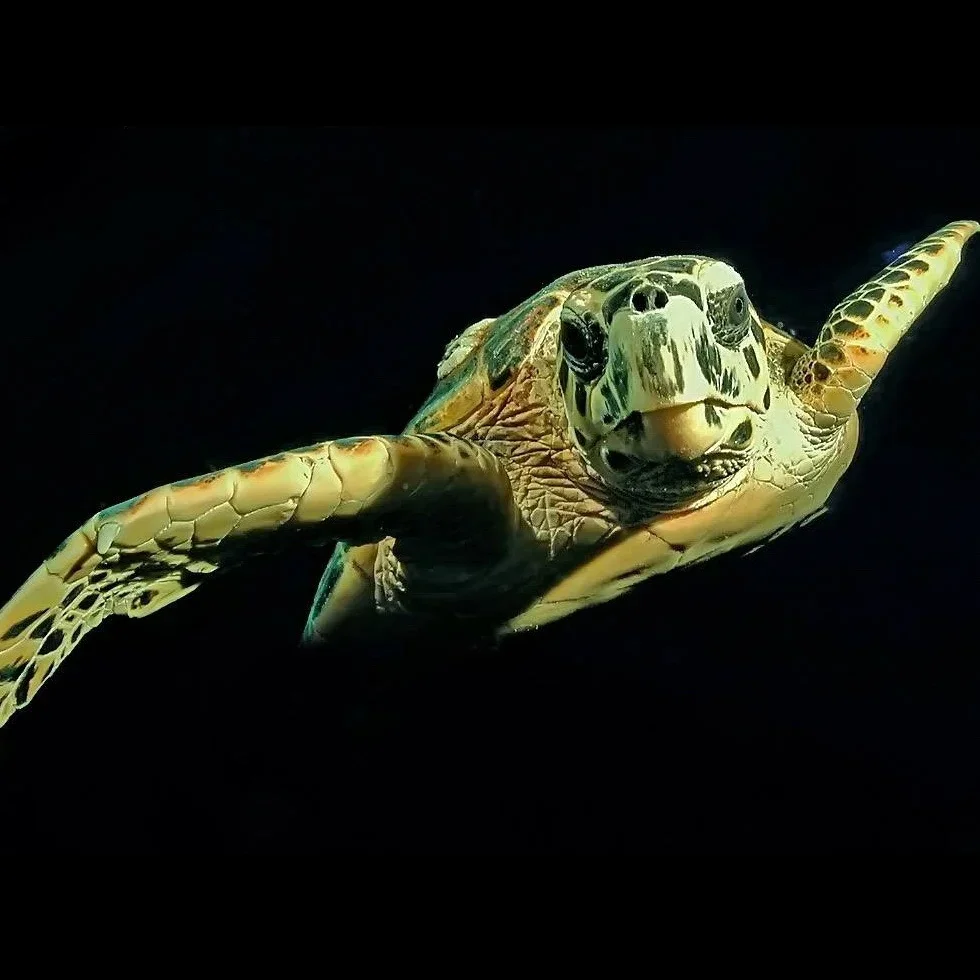
Upon descending into Puerto Rico's western waters, divers immediately notice the abundance of colorful reef fish populating the massive coral formations at sites like El Natural. Hawksbill turtles are frequent visitors, gracefully gliding through the reef, often alongside resting stingrays and nurse sharks.
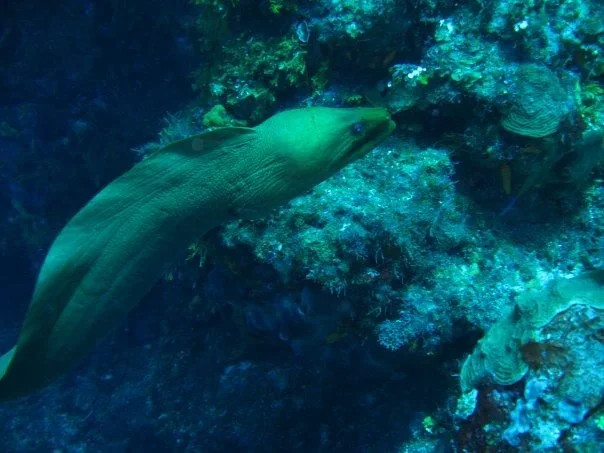
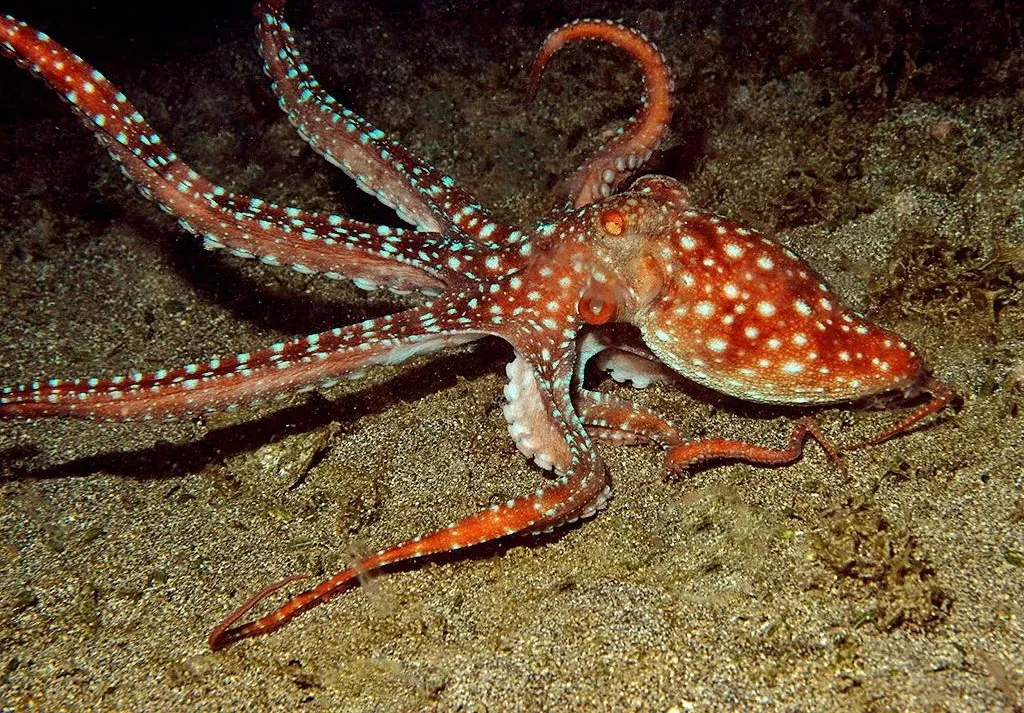
At Crashboat Beach, moray eels and octopuses can be spotted hidden among the sunken structures and pier pilings, while schools of tropical fish navigate the intricate environment. Venturing to Desecheo Island brings opportunities to observe larger species.
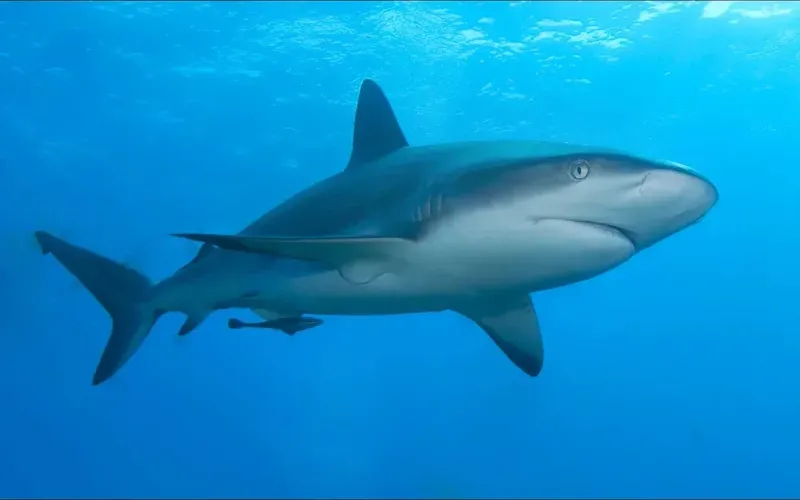
Reef sharks patrol the vibrant walls, and eagle rays are occasionally seen soaring in the open water. Massive schools of fish provide spectacular displays, particularly around the island's more exposed sections. Summer months tend to increase the likelihood of encountering these larger pelagic species.
Dive Centers Near POS
Today: 08:00 - 17:00
Nearest Airports
Nearest airports to help plan travel to this dive area.
Search Flights
Check available flights and routes on Expedia, using the nearby airports listed in this section.
Search Flights on ExpediaFrequently Asked Questions
What are the main types of dive sites found on Puerto Rico's west coast?
The west coast features a mix of dive environments, including structural dives around old pier remnants at Crashboat Beach, extensive coral reefs at El Natural, and dramatic offshore sites with caves, tunnels, and wall formations near Desecheo Island. There's something for nearly every diver's preference.
Is Desecheo Island suitable for all diver levels?
Desecheo Island offers a diverse range of depths. While some shallower sites cater to beginners, many of its deeper, more extensive formations, reaching depths up to 30 m (100 ft), are best explored by advanced divers. Always check with a local guide for site-specific recommendations.
What is the typical water temperature for diving in this region?
Water temperatures around Puerto Rico's west coast are consistently warm, generally ranging between 27-29°C (81-84°F). This means most divers find a 3mm wetsuit or a shorty sufficient for comfort.
Are there any specific recommendations for diving at El Natural?
El Natural is a spectacular shore dive with massive coral formations. However, it's an unmarked site, so going with a local dive guide is strongly recommended. This ensures safe entry and exit and helps maximize your experience.
What kind of marine life can I expect to see?
Divers can anticipate seeing colorful reef fish, moray eels, octopuses, and frequently hawksbill turtles, stingrays, and nurse sharks. Offshore sites may reveal reef sharks, eagle rays, and impressive schools of fish, especially during summer.
How clear is the visibility generally?
Visibility on the west coast is generally excellent, particularly from December to April when waters are calmest. At Desecheo Island, it's common to experience impressive clarity, offering extensive views of the underwater topography.
Planning to dive POS?
Send one inquiry and receive offers directly from the best verified local dive operators.
Conditions are Moderate
Optimal conditions expected
Current conditions near POS show 29° air, 30° sea temperature, 0.8 m waves, and 31 km/h wind. Forecast data is refreshed regularly to ensure accuracy.