
Diving at 6 Mile Reef (South Africa)
Descending into 6 Mile Reef offers a sensory journey, with varied topography ranging from reef systems to deeper, more intricate formations. Divers explore an underwater realm recognized for its substantial depth, reaching down to 47 m (154 ft). This location provides an immersive experience, inviting exploration of its unique structures and diverse marine inhabitants. Distinct character emerges from its layered corals and the specific dive areas named Snappers College and Gotham.
At 6 Mile Reef, the ambient air temperature is currently recorded at 18°C. This dive site in South Africa is operating under normal seasonal weather patterns. Familiarize yourself with the local topography prior to navigating.
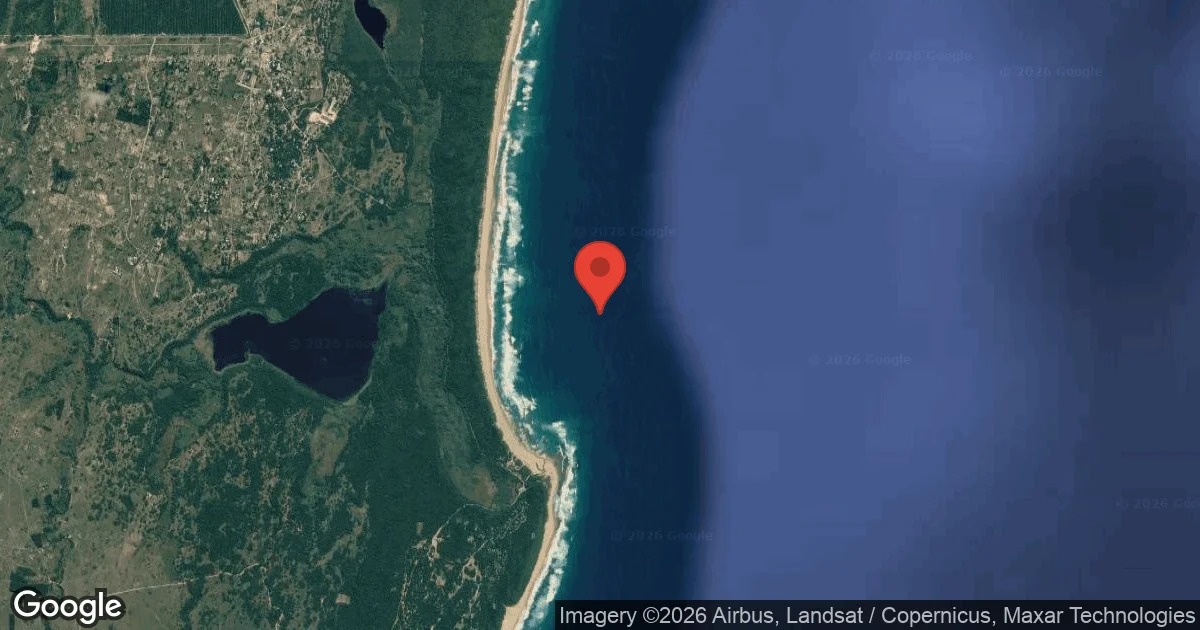
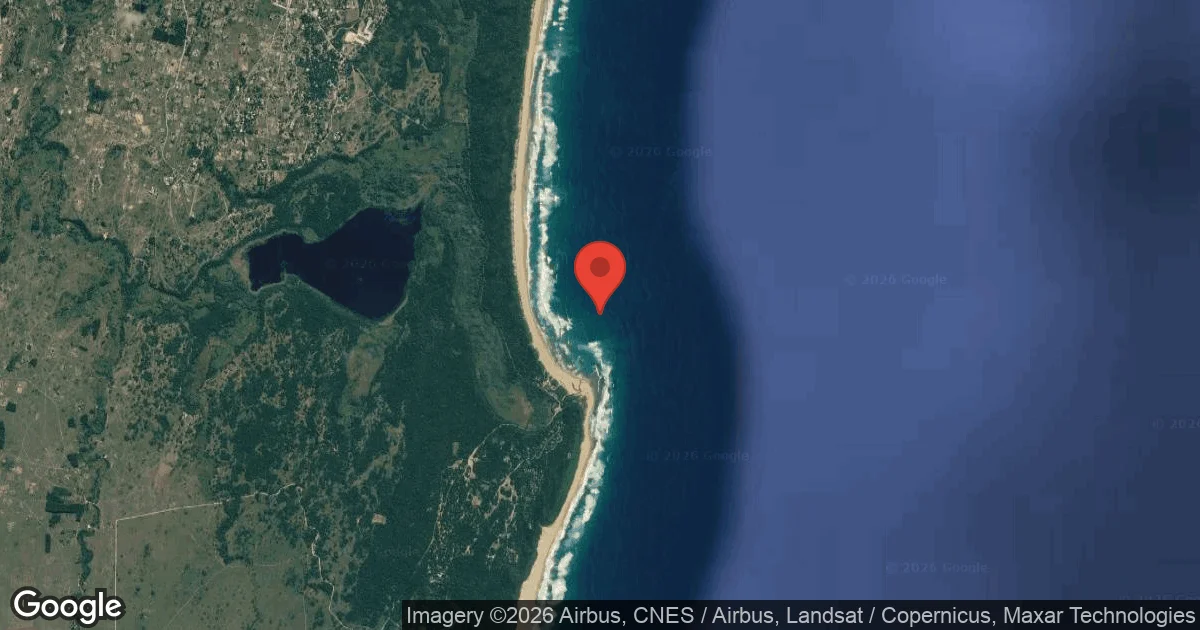
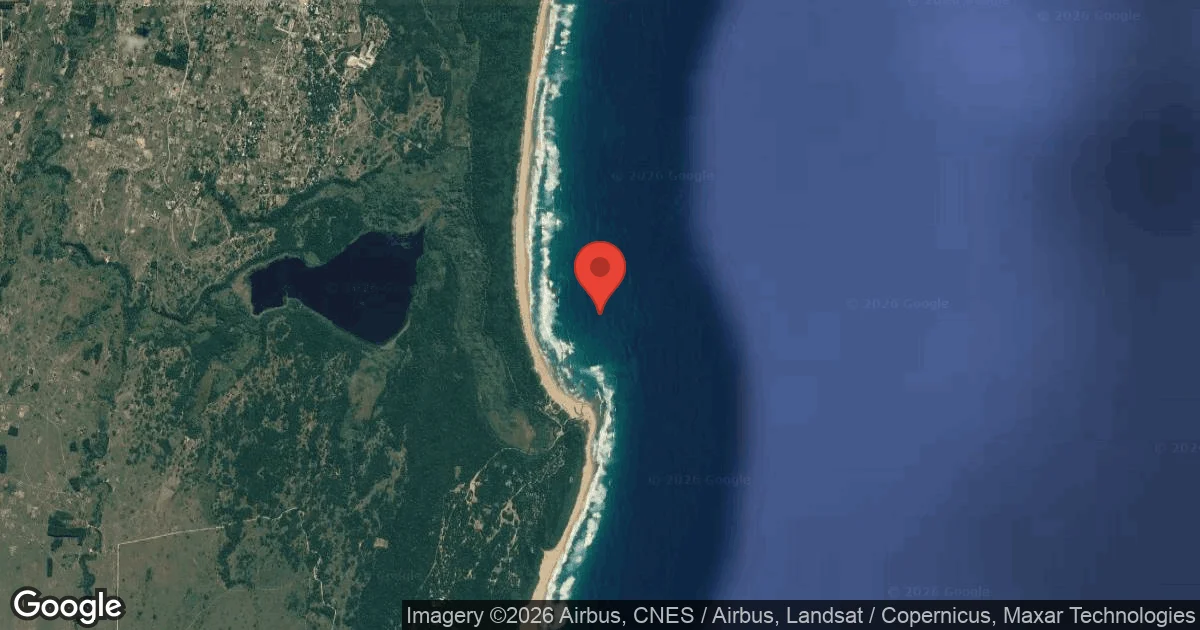
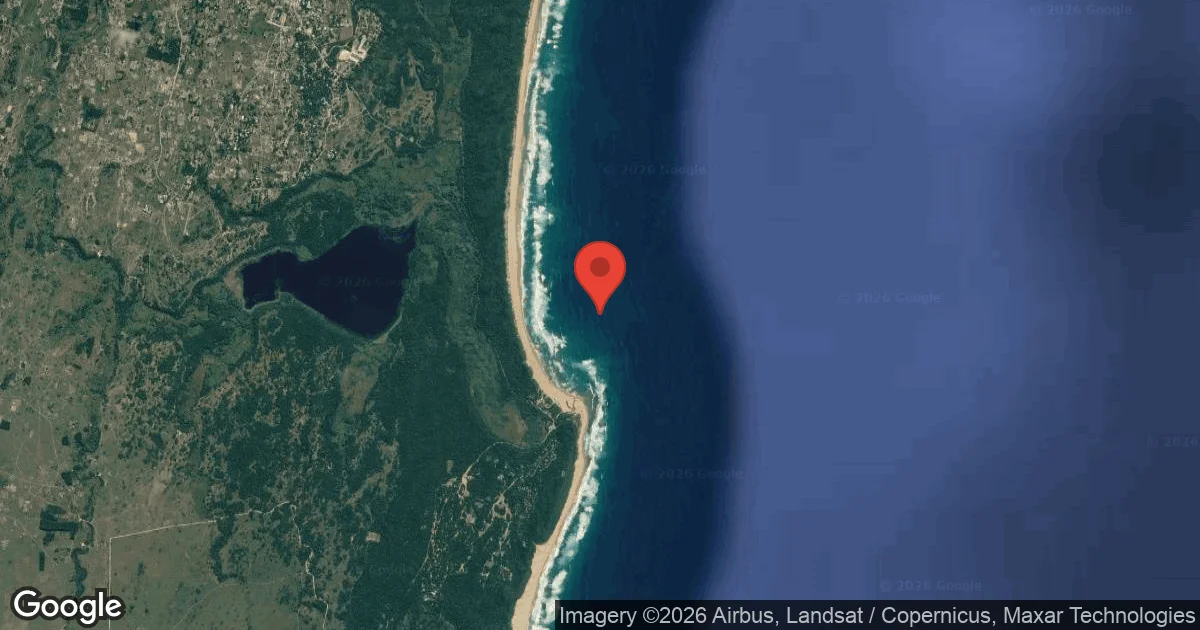
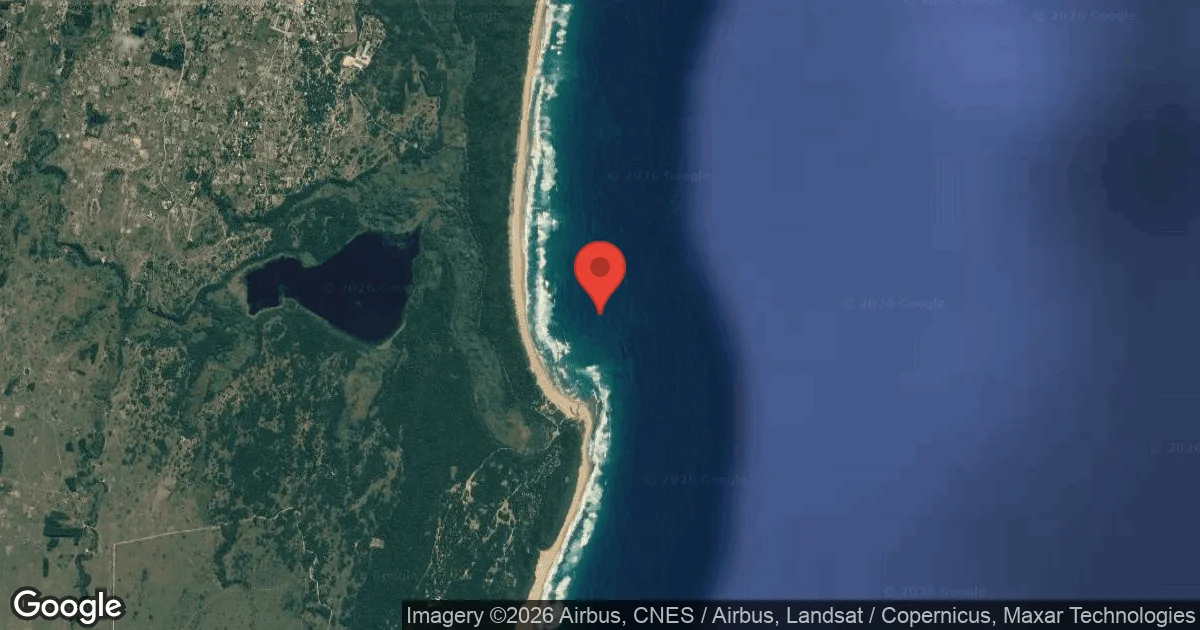
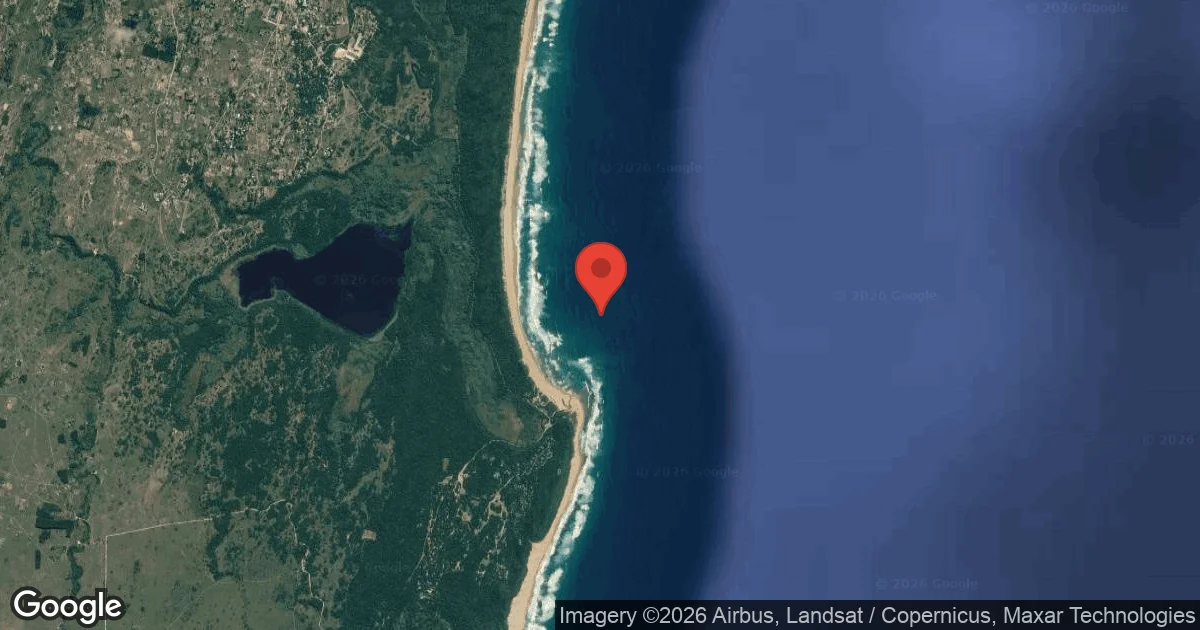
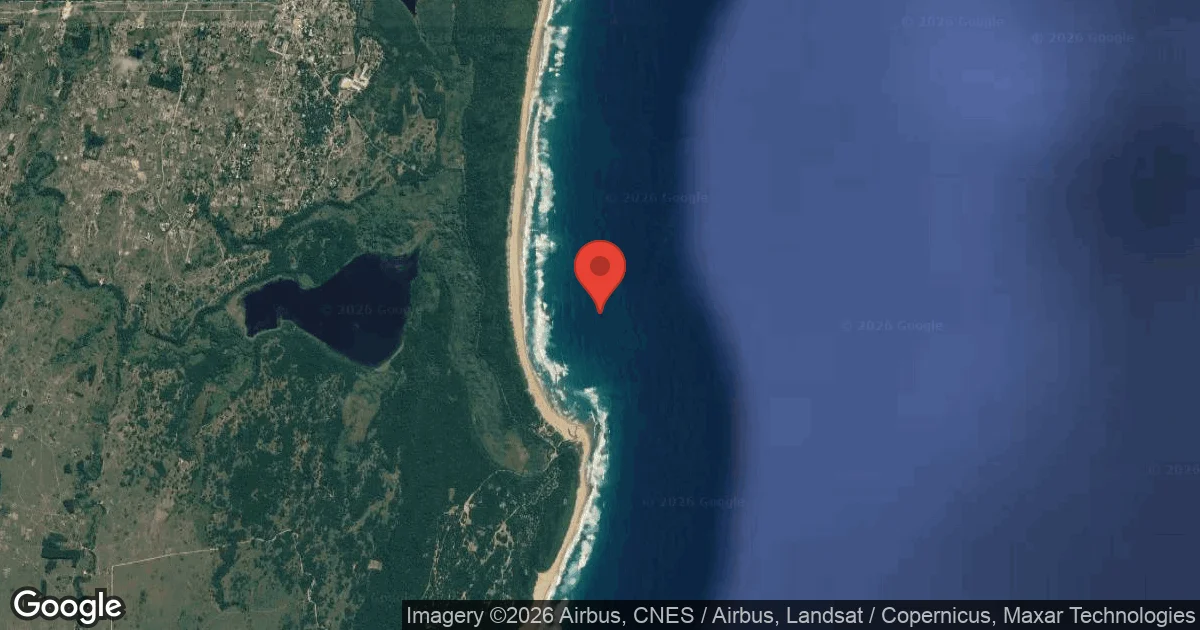
Dive Site Location & Key Facts
Dive Site Overview
Six Mile Reef distinguishes itself within Sodwana Bay's extensive reef network by its significant depth and specialized dive profiles. Comprised of several distinct smaller reef systems, it notably includes Snappers College and Gotham.
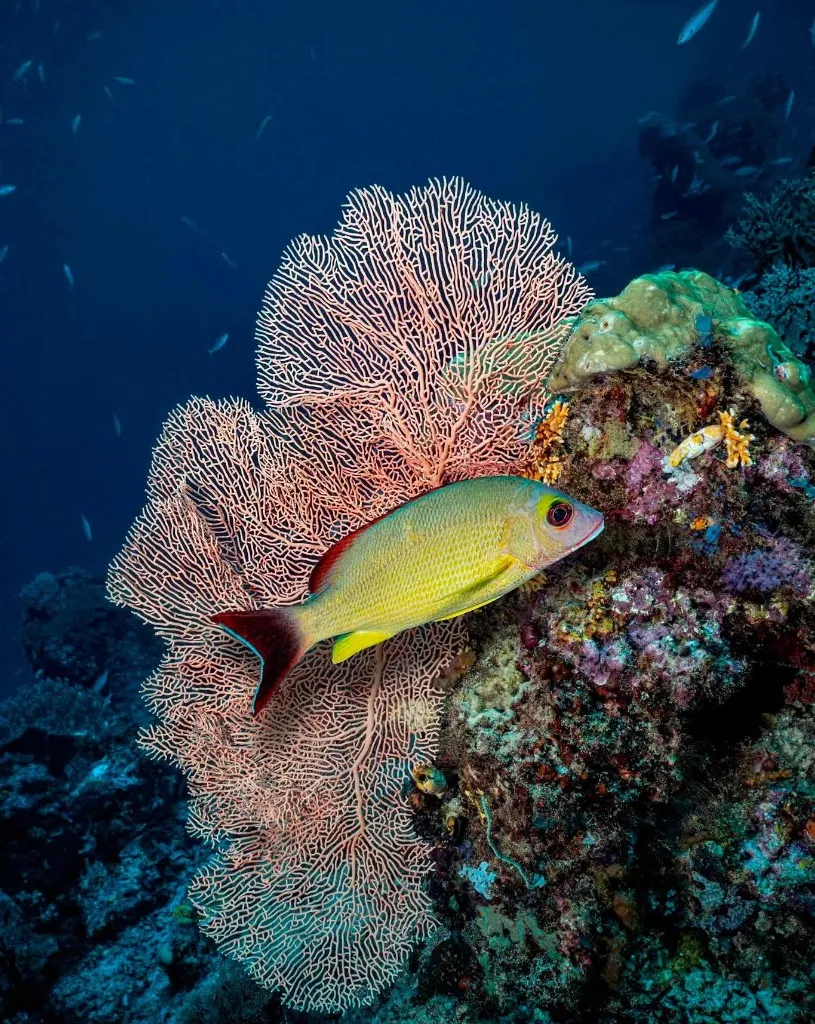
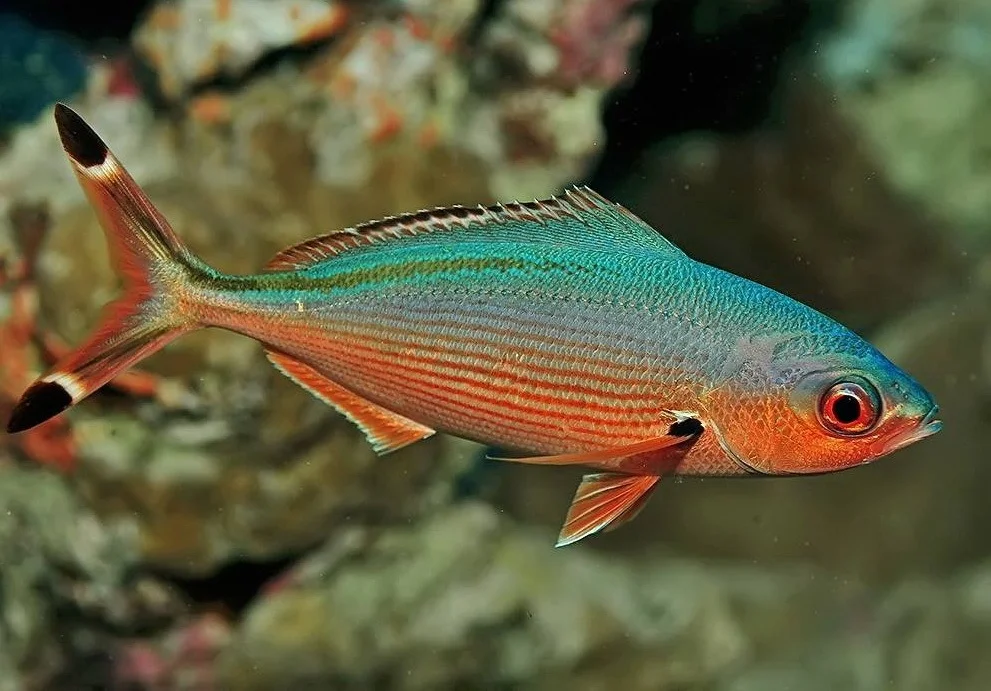
Snappers College, a more recently charted section of the reef, earned its name from the impressive shoals of Blue Banded Snappers. Divers here frequently encounter these Snappers alongside schools of Slingers, Goatfish, and Fusiliers, creating a dynamic scene ideal for wide-angle photography.
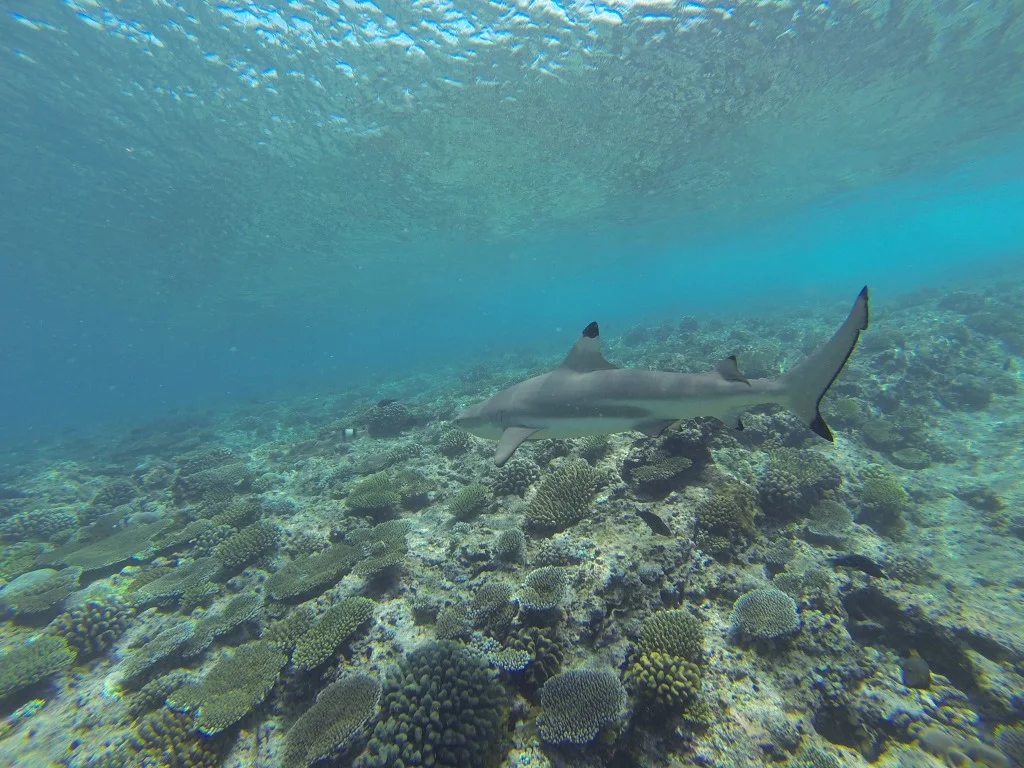
Further adding to its allure, Gotham appeals to those seeking deeper encounters, presenting opportunities for sightings of larger pelagic species. Its structure itself is a geological marvel, characterized by layers upon layers of Pachyseris Coral, which form a unique backdrop to its vibrant ecosystems.
With depths starting around 18 m (59 ft) and plunging to a maximum of 47 m (154 ft), 6 Mile Reef serves as a rewarding destination for divers equipped to explore its advanced ocean environment.
Conditions are Good
Optimal conditions expected
Current conditions near 6 Mile Reef show 18° air, 23° sea temperature, N/A waves, and 17 km/h wind. Forecast data is refreshed regularly to ensure accuracy.
Best Time to Dive
Optimizing a dive trip to 6 Mile Reef often means considering the region's generally favorable conditions. Dry winter months, particularly July, typically offer excellent dive scores. Air temperatures during this period are cooler, averaging around 18°C (64°F), accompanied by minimal rainfall, which averages about 0.55 mm. Such conditions frequently lead to calmer seas and improved visibility, which are crucial for accessing a deeper, more exposed site like 6 Mile Reef. While specific water temperatures are not consistently reported, the warmer summer months from January through March see air temperatures between 25-26°C (77-79°F), though with slightly higher, yet still moderate, rainfall figures.
PEAK SEASON SCORE
Scores combine air & water temps, waves, wind & rainfall for overall conditions.
BEST MONTHS TO DIVE
Monthly records compiled from satellite and marine observation nodes over the last 3 years. Data provided by Open-Meteo and MET Norway.
Dive Experience & Conditions
Commencing a dive at 6 Mile Reef, divers are greeted by a descent into increasingly complex and diverse reef structures. Site topography, built upon ancient sandstone dunes, features extensive coral formations and the unique layering of Pachyseris Coral. Exploring the deeper sections, particularly around Gotham, caters to those with advanced certifications, where the maximum depth can reach 47 m. Shallower areas, like Snappers College, still present depths of at least 18 m and are known for schooling fish. Visibility can vary, but generally, good conditions reveal a rich underwater panorama. The experience shifts from observing intricate coral details to scanning the blue for larger, more elusive creatures inhabiting this vibrant reef system.
Dive Difficulty & Safety Guidelines
Approaching 6 Mile Reef requires careful planning and appropriate qualifications due to its considerable depth range. Given the site reaches a maximum depth of 47 m, it's primarily suited for Advanced divers or those with technical certifications. A strong understanding of decompression theory and gas management is necessitated by its depth profile.
Divers often benefit from specialized training, such as PADI Enriched Air Diver, Tec 40/45/50, or PADI Discover Rebreather, to safely explore its deeper sections. Maintaining excellent buoyancy control is crucial across the diverse reef environment to protect delicate coral structures and navigate safely.
Although no specific hazards were reported, the presence of larger marine life, including various shark species, warrants situational awareness.
Recommended Equipment
Technical depth range. Advanced planning, gas management, and appropriate certification required.
- Dive Computer
- DSMB
- Primary & Backup Lights
This gear list is based on verified equipment signals for 6 Mile Reef, South Africa. Always confirm final gear choices with your dive operator, guide, or liveaboard.
Recommended Dive Suit
A warming trend is expected over the next few days. A warming trend is expected over the next few days.
Some divers prefer slightly warmer exposure protection simply for additional comfort. Surface intervals may feel noticeably cooler once you exit the water.
3-5mm wetsuit usually works well for maintaining comfort during standard dive profiles in these conditions. A hood or vest is suggested for sensitive divers due to surface winds. Divers preparing to enter the water at 6 Mile Reef will likely find temperatures around 23°C (74°F) today. Surface air temperatures are resting at 18°C (64°F).
Emergency & Medical Support
Essential information to help you plan your dive trip to 6 Mile Reef.

Hyperbaric chambers are a critical part of dive safety infrastructure. Availability varies significantly by region, and not all dive areas have immediate access.
Before diving, it's recommended to:
- confirm nearest medical facilities
- check emergency procedures with local dive operators
- ensure dive insurance covers evacuation if required
Divers Alert Network
Diving emergency assistance available through DAN Southern Africa.
+27828106010- 24/7 emergency hotline
- Diving medical assistance
- Evacuation coordination
Emergency contacts are provided for reference. Always verify local emergency services before diving.
Marine Life at 6 Mile Reef
An underwater landscape at 6 Mile Reef teems with a fascinating array of marine inhabitants, integrating seamlessly with its unique topography. Around Snappers College, vast shoals of Blue Banded Snappers, Slingers, Goatfish, and Fusiliers create spectacular schooling displays.
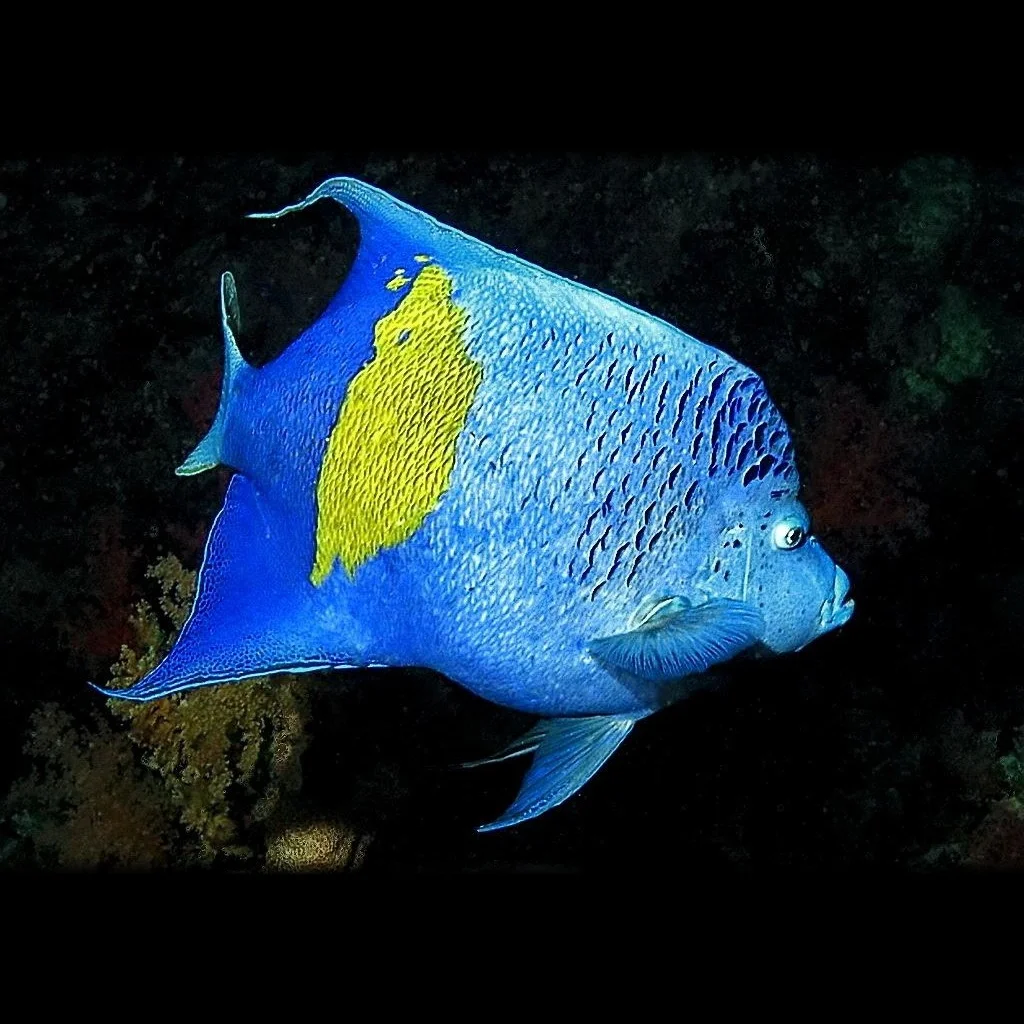
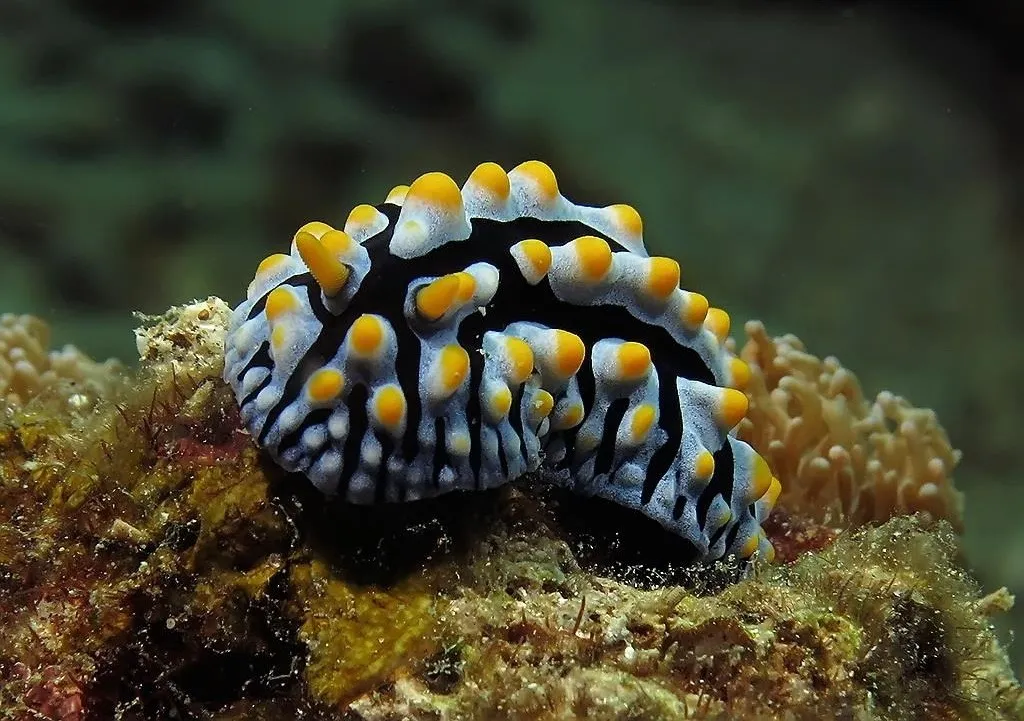
Deep sections, particularly Gotham, are known for encounters with significant pelagic species, including Bull Sharks and even schooling Hammerheads. Divers might spot a variety of smaller creatures too, from the minute Bornella Valdae Nudibranch to specific fish like Tiger and Swallowtail Angelfish, Smooth Rock Cod, and Gilded Triggerfish. Occasional sightings of Dolphins, Whales, and Turtles add to the site's rich biodiversity.
Dive Sites Near 6 Mile Reef
View all dive sites in South AfricaDiscover more underwater gems in this area.
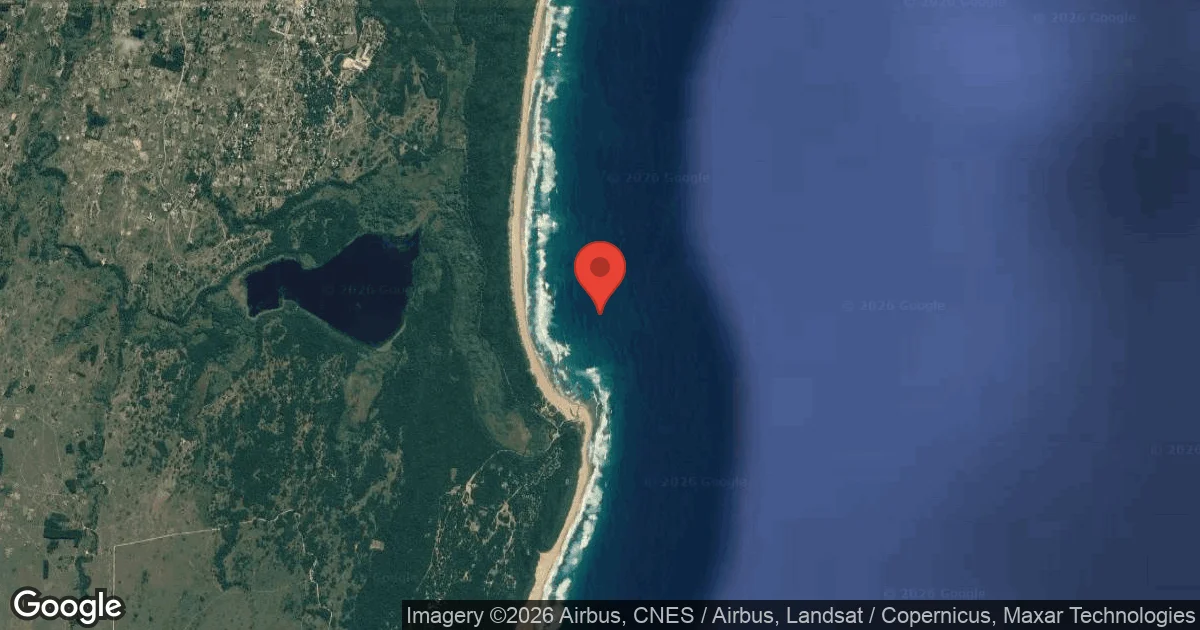
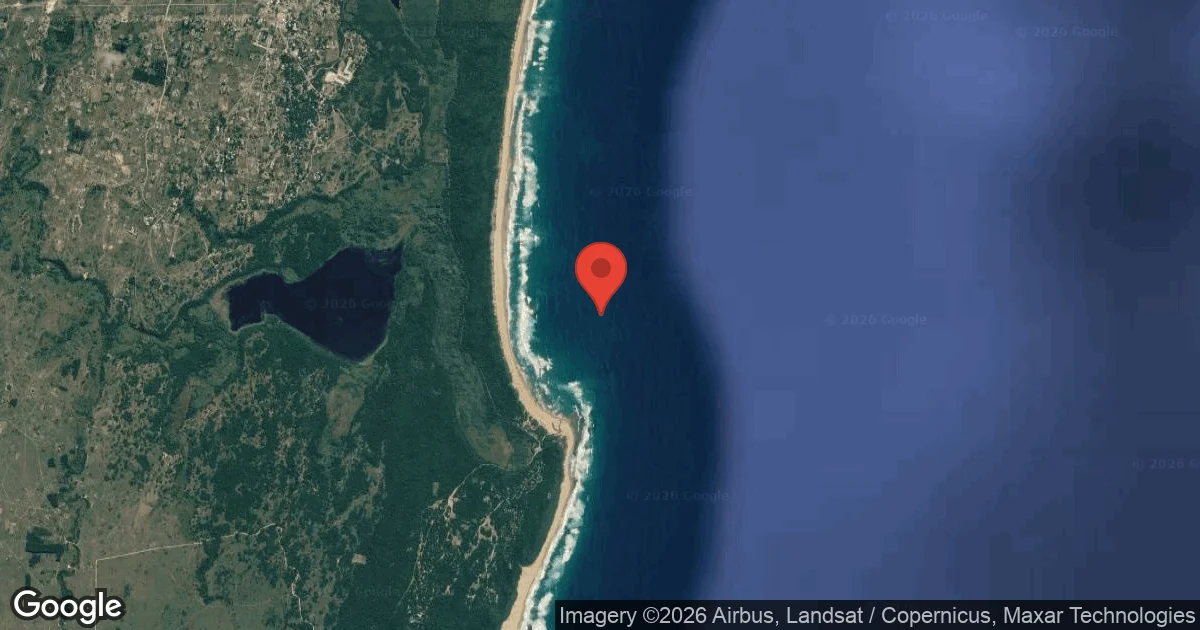
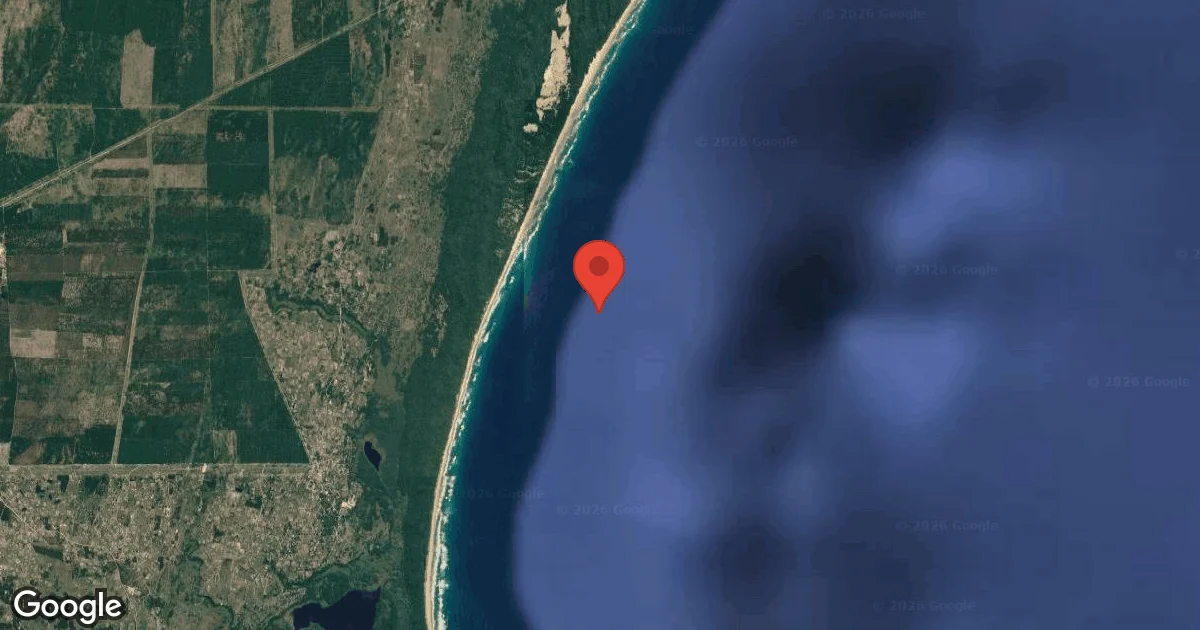
Dive Centers Near 6 Mile Reef
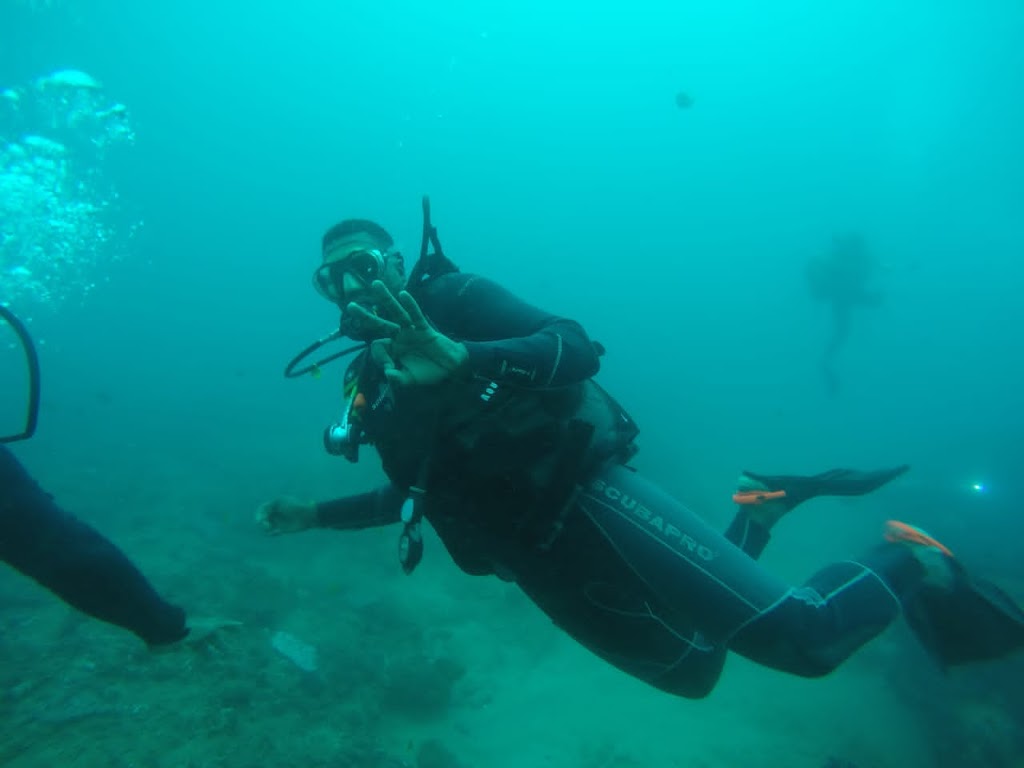
Today: 07:00 - 18:00

Nearest Airports
Nearest airports to help plan travel to this dive area.
Search Flights
Check available flights and routes on Expedia, using the nearby airports listed in this section.
Search Flights on ExpediaFrequently Asked Questions
What is 6 Mile Reef known for?
6 Mile Reef is primarily known for its two distinct dive areas: Snappers College, a newer discovery abundant with schooling fish, and Gotham, which caters to deep divers seeking encounters with larger marine life like sharks. Its substantial depth and layered Pachyseris Coral also define the site.
What is the typical depth range at 6 Mile Reef?
Offering a considerable depth range, the reef's shallower sections, like Snappers College, start around 18 m. Deeper areas, such as Gotham, can reach a maximum depth of 47 m (154 ft).
What specific marine life can be seen at Snappers College?
Snappers College is named for its large shoals of Blue Banded Snappers. These are often joined by other schooling fish, including Slingers, Goatfish, and Fusiliers, creating excellent opportunities for wide-angle photography.
Is 6 Mile Reef suitable for all levels of divers?
No, 6 Mile Reef is not suitable for all divers. Its considerable depth, reaching up to 47 m, means it's best suited for advanced divers or those with technical diving certifications who are qualified for deeper profiles.
What kind of coral structures are found at 6 Mile Reef?
A defining feature of 6 Mile Reef is its unique layered coral structures. In part, its name comes from the extensive layers of Pachyseris Coral that form a significant part of its topography.
What training is recommended for diving 6 Mile Reef?
Due to the depth and nature of the dives, recommended training includes PADI Enriched Air Diver for extended bottom times, and advanced certifications like Tec 40/45/50 or PADI Discover Rebreather for exploring its maximum depths safely.
When is the best time to dive 6 Mile Reef?
Dry winter months, particularly July, generally provide excellent diving conditions with cooler air temperatures averaging around 18°C (64°F) and minimal rainfall. Such conditions often lead to calmer seas and better visibility for accessing deeper reefs.
Planning to dive 6 Mile Reef?
Send one inquiry and receive offers directly from the best verified local dive operators.
Conditions are Good
Optimal conditions expected
Current conditions near 6 Mile Reef show 18° air, 23° sea temperature, N/A waves, and 17 km/h wind. Forecast data is refreshed regularly to ensure accuracy.