
Diving at 9 Mile Reef (South Africa)
Tackling 9 Mile Reef presents a rewarding challenge for advanced divers seeking one of Sodwana Bay's most remote and vibrant sites. A dive here demands proficiency to appreciate its profound beauty, particularly the iconic "Christmas Tree" coral. Reaching average depths of 18-22 m / 59-72 ft, the journey rewards with encounters with diverse marine life and spectacular reef structures. It's a destination where preparation meets unparalleled underwater discovery.
Evening condition tracking at 9 Mile Reef features an air temperature of 21.5°C. We have recorded wave heights measuring 3.2 m during this period. These figures outline the environmental parameters currently present.
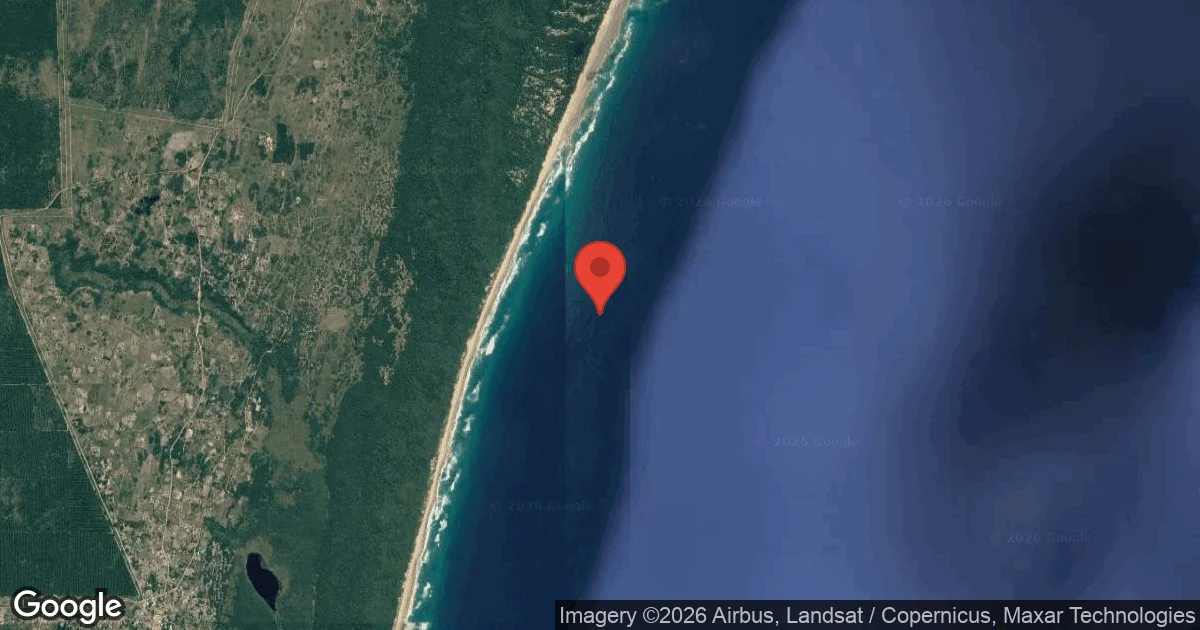
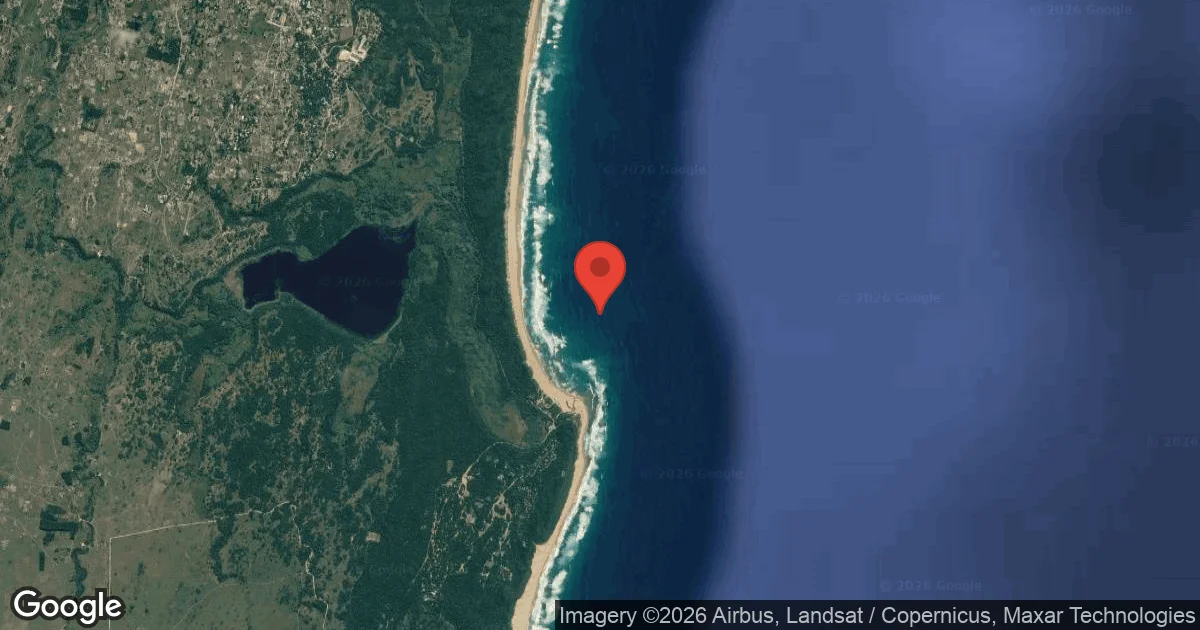
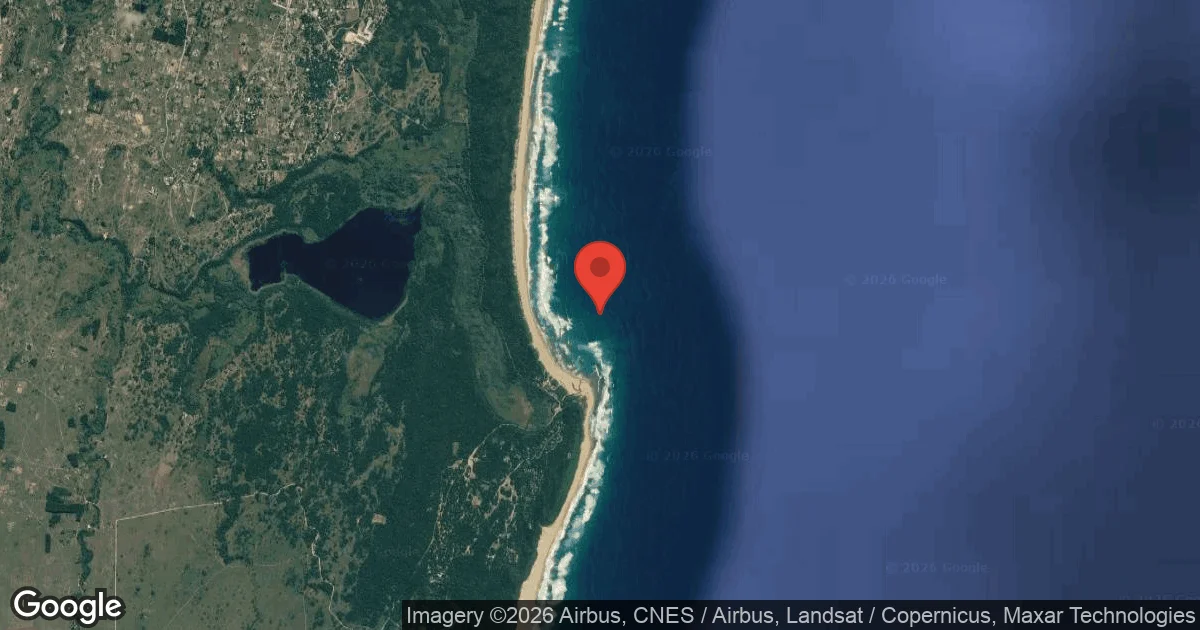
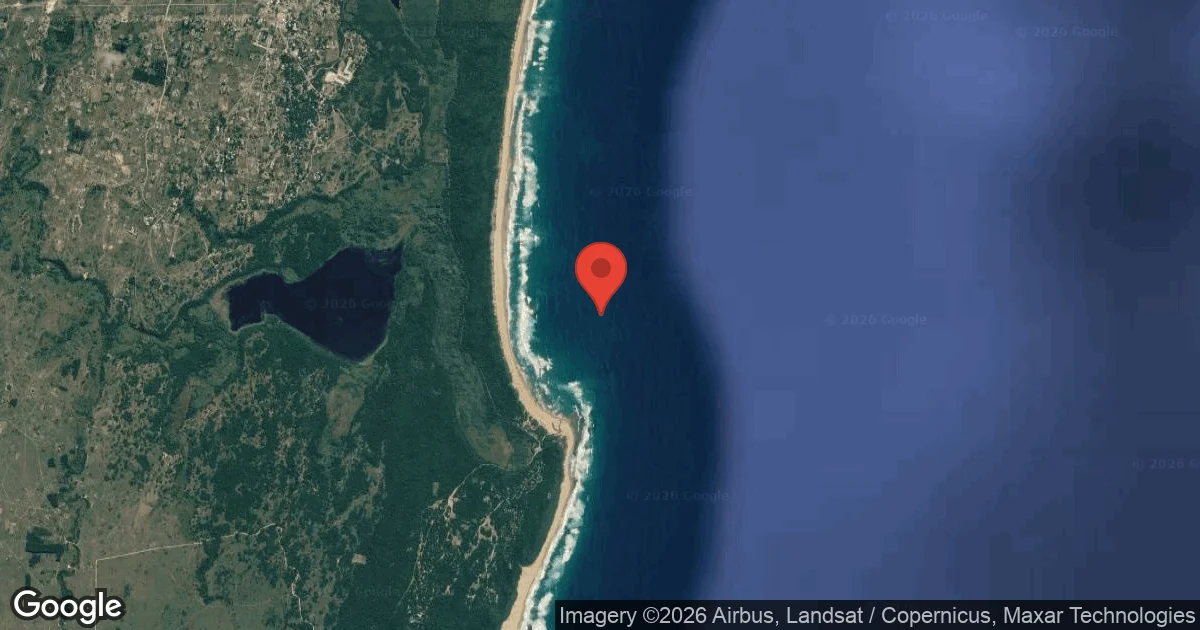
Dive Site Location & Key Facts
Dive Site Overview
9 Mile Reef, the furthest major reef site within Sodwana Bay, truly distinguishes itself with intricate topography and a lively, diverse ecosystem. Divers explore a landscape rich with extensive coral formations, discovering a fascinating series of caves, overhangs, and natural swim-throughs.
A colossal Green Tree Coral stands out as a focal point, affectionately termed the 'Christmas Tree.' It towers at about 2.5 meters / 8 feet and is consistently enveloped by swirling 'clouds' of Goldies and other brightly colored reef fish. Engaging with this site is predominantly a drift experience, allowing prevailing currents to carry divers effortlessly past the vibrant tapestry of hard and soft corals. Depths here typically range from 18-22 m / 59-72 ft, though portions of the reef plunge deeper, reaching up to 30 m / 100 ft.
Such depths mean the site particularly caters to advanced certifications. Access depends heavily on surface conditions; however, on calm days, exceptional clarity and sheer abundance of marine life more than justify the journey.
Constant vigilance often reveals something new to observe, from macro life tucked into crevices to larger pelagics passing through.
Conditions are Poor
High Swell Advisory. Not recommended.
Current conditions near 9 Mile Reef show 22° air, 23° sea temperature, 3.4 m waves, and 26 km/h wind. Forecast data is refreshed regularly to ensure accuracy.
Best Time to Dive
Optimizing your visit to 9 Mile Reef involves considering seasonal variations in both air and water temperatures, as well as rainfall. From March to November, conditions are generally considered ideal for diving, coinciding with more stable weather. Winter months, from June to August, offer cooler water temperatures, typically ranging from 20-24°C / 68-75°F, with minimal rainfall averaging just 0.5-1.0 mm. Conversely, summer, from December to February, sees warmer water at 24-28°C / 75-82°F, though air temperatures can rise to 25-26°C / 77-79°F, accompanied by slightly increased, but still low, rainfall of around 2-5 mm. Visibility at the reef is generally good, often 10-30 m / 33-100 ft, but can vary with ocean currents and plankton blooms, while average wave heights remain around 1.8-2.2 m / 6-7 ft year-round.
PEAK SEASON SCORE
Scores combine air & water temps, waves, wind & rainfall for overall conditions.
BEST MONTHS TO DIVE
Monthly records compiled from satellite and marine observation nodes over the last 3 years. Data provided by Open-Meteo and MET Norway.
Dive Experience & Conditions
The clarity of the water at 9 Mile Reef often provides exceptional visibility, frequently ranging from 10-30 m / 33-100 ft. This offers expansive views of its extensive coral gardens and complex reef structures. Divers here typically experience mild currents, ideal for drift diving, where the prevailing flow effortlessly guides you along the vibrant reef tapestry. However, conditions can include moderate surge, demanding attentive buoyancy control and a practiced fin kick to navigate effectively. Water temperatures fluctuate seasonally, ranging from 20-24°C / 68-75°F in winter to 24-28°C / 75-82°F during summer. Exploring the varied terrain, including deep overhangs, intricate crevices, and captivating swim-throughs, provides a continuous visual feast. Being carried effortlessly past the iconic "Christmas Tree" coral, consistently teeming with Goldies and other reef fish, marks a profound highlight of this advanced reef dive. Such dynamic interactions with the environment make each descent uniquely rewarding for proficient divers.
Dive Difficulty & Safety Guidelines
Diving at 9 Mile Reef is strictly reserved for Advanced Open Water Divers or higher, due to its depth, exposure, and potential for moderate surge and mild currents. All access to the site is via boat, emphasizing the importance of coordinated dive planning with local operators. Obtaining the necessary permits before diving is mandatory; these are typically available through local dive centers.
Always prioritize a surface marker buoy (SMB) for drift dives, ensuring your visibility to the boat crew, especially given the site's remote location. Careful attention to bottom time and decompression limits is crucial, particularly when exploring depths that can reach 30 m / 100 ft.
Recommended Equipment
Current and surface separation risk. Local briefing strongly recommended.
- Dive Computer
- DSMB
- Reel / Spool
This gear list is based on verified equipment signals for 9 Mile Reef, South Africa. Always confirm final gear choices with your dive operator, guide, or liveaboard.
Recommended Dive Suit
Recent conditions suggest the water at 9 Mile Reef remains near 23°C (73°F), offering typical conditions for the area. Surface air temperatures are resting at 22°C (71°F).
Forecasts suggest rising temperatures later this week. A warming trend is expected over the next few days.
Most divers exploring waters at this temperature rely on 3-5mm wetsuit for effective insulation. Consider warmer surface protection (like a boat coat) due to brisk winds. Surface intervals may feel cooler. Water temperature is only one factor influencing overall comfort during a dive. Stronger winds may also make surface intervals feel cooler than usual.
Emergency & Medical Support
Essential information to help you plan your dive trip to 9 Mile Reef.

Hyperbaric chambers are a critical part of dive safety infrastructure. Availability varies significantly by region, and not all dive areas have immediate access.
Before diving, it's recommended to:
- confirm nearest medical facilities
- check emergency procedures with local dive operators
- ensure dive insurance covers evacuation if required
Divers Alert Network
Diving emergency assistance available through DAN Southern Africa.
+27828106010- 24/7 emergency hotline
- Diving medical assistance
- Evacuation coordination
Emergency contacts are provided for reference. Always verify local emergency services before diving.
Marine Life at 9 Mile Reef
Dazzling marine life at 9 Mile Reef concentrates around its magnificent Green Tree Coral. The vibrant structure acts as a magnet for 'clouds' of Goldies and other brightly colored reef fish, creating a dazzling, active display.
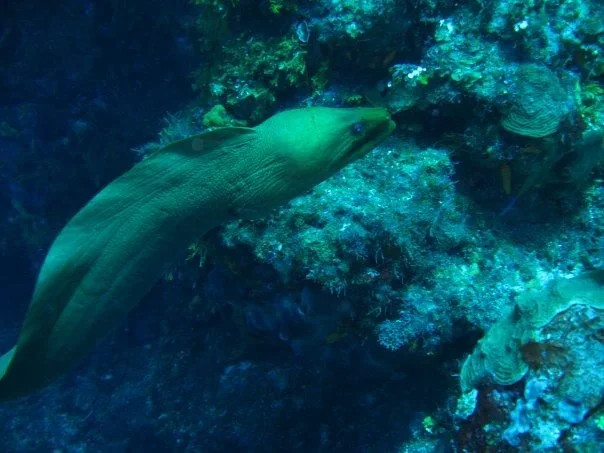
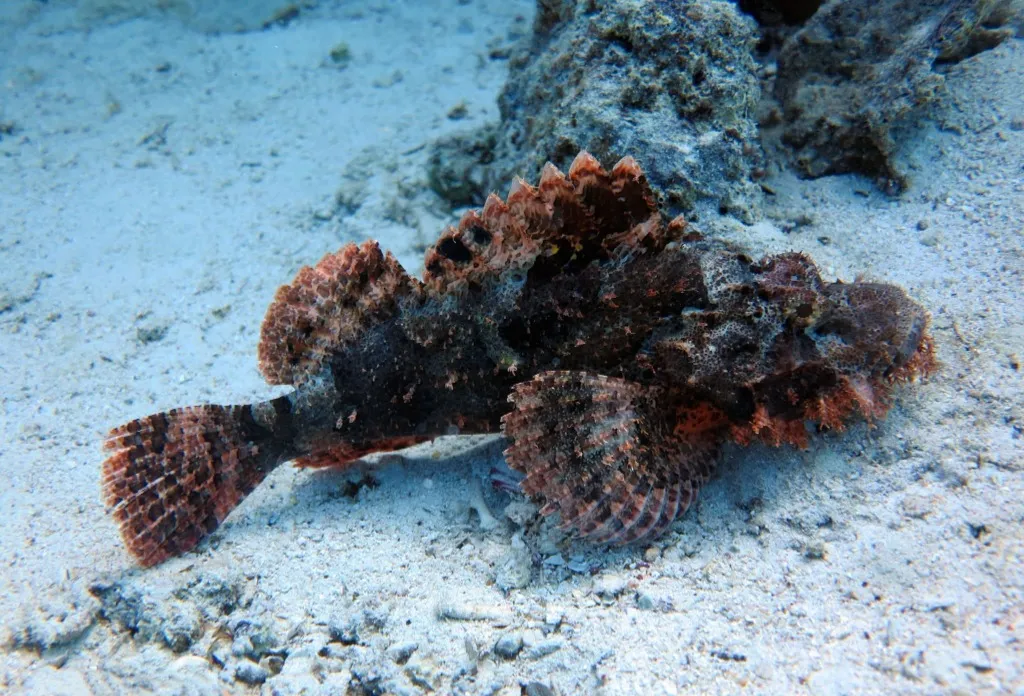
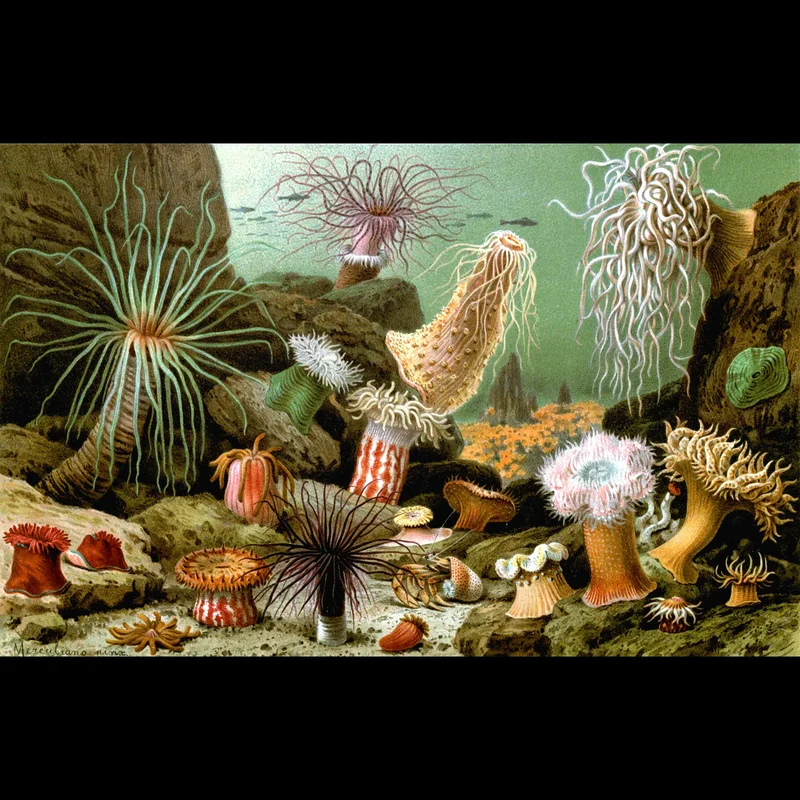
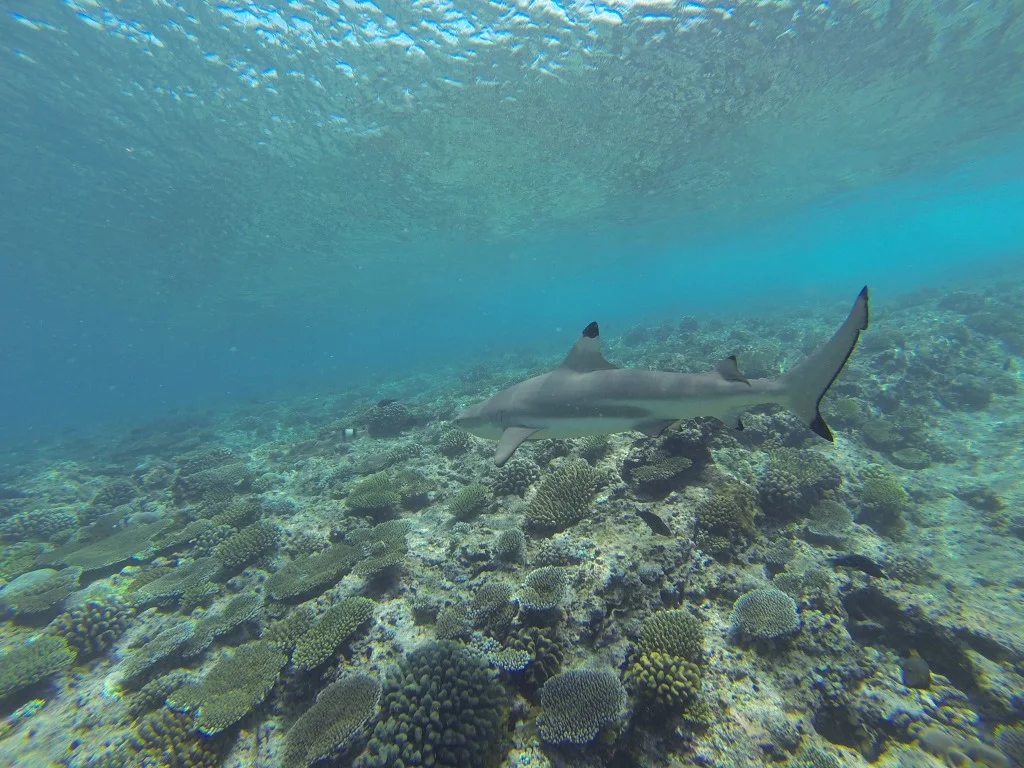
Larger pelagic species, including sharks, whales, and dolphins, are common sightings in the area. Impressive potato bass and brindle bass frequent the reef, alongside a variety of moray eels, tube anemones, frogfish, and scorpionfish, showcasing the site's rich biodiversity. Every dive reveals a new detail.
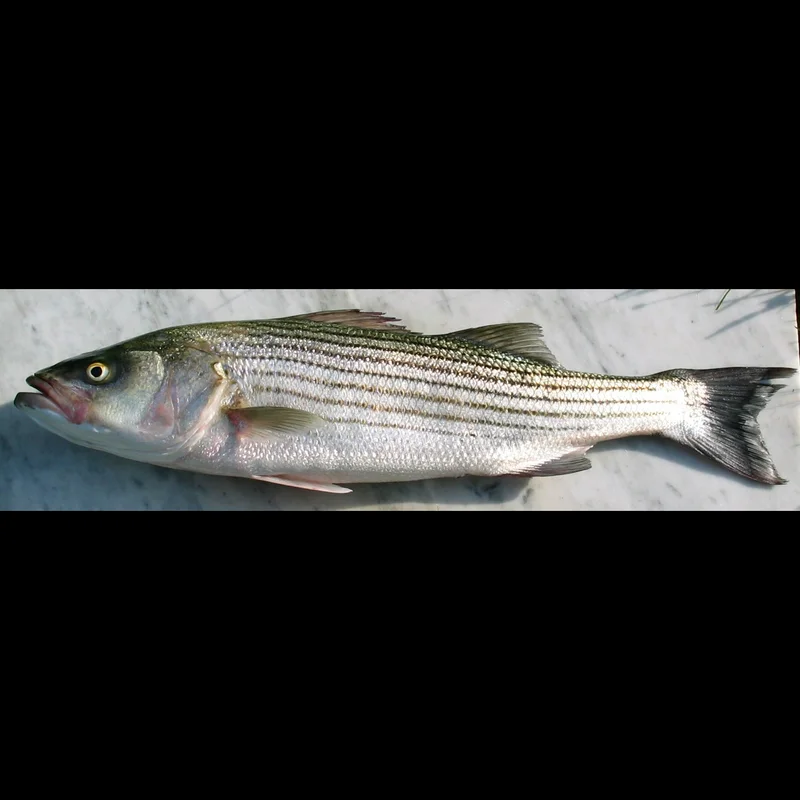
Dive Sites Near 9 Mile Reef
View all dive sites in South AfricaDiscover more underwater gems in this area.
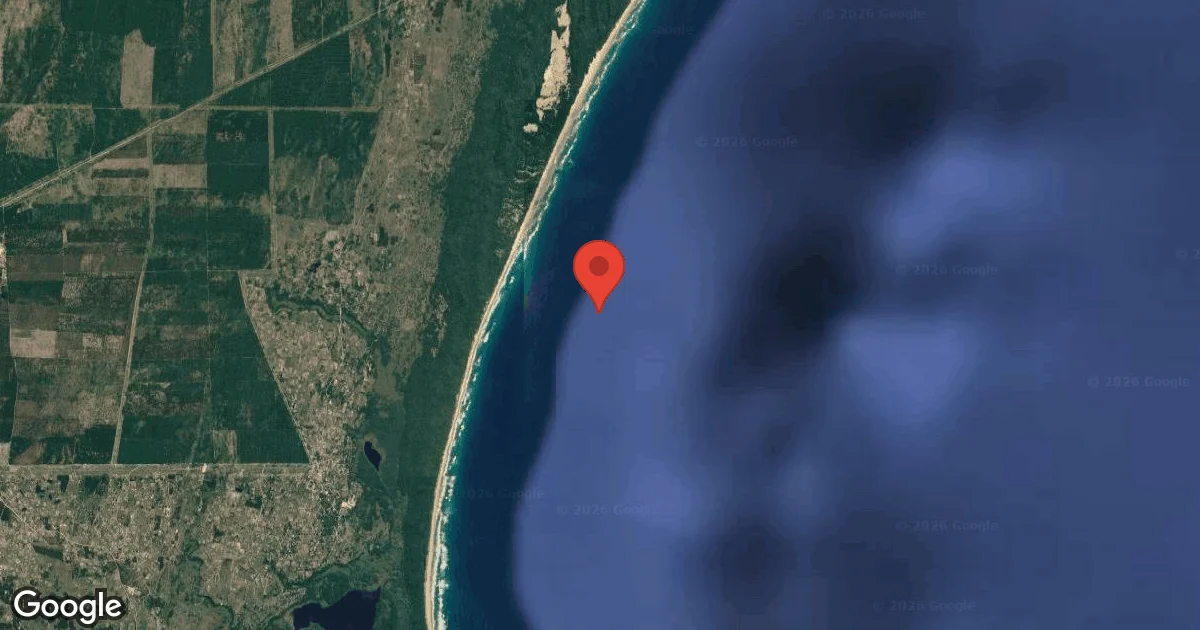
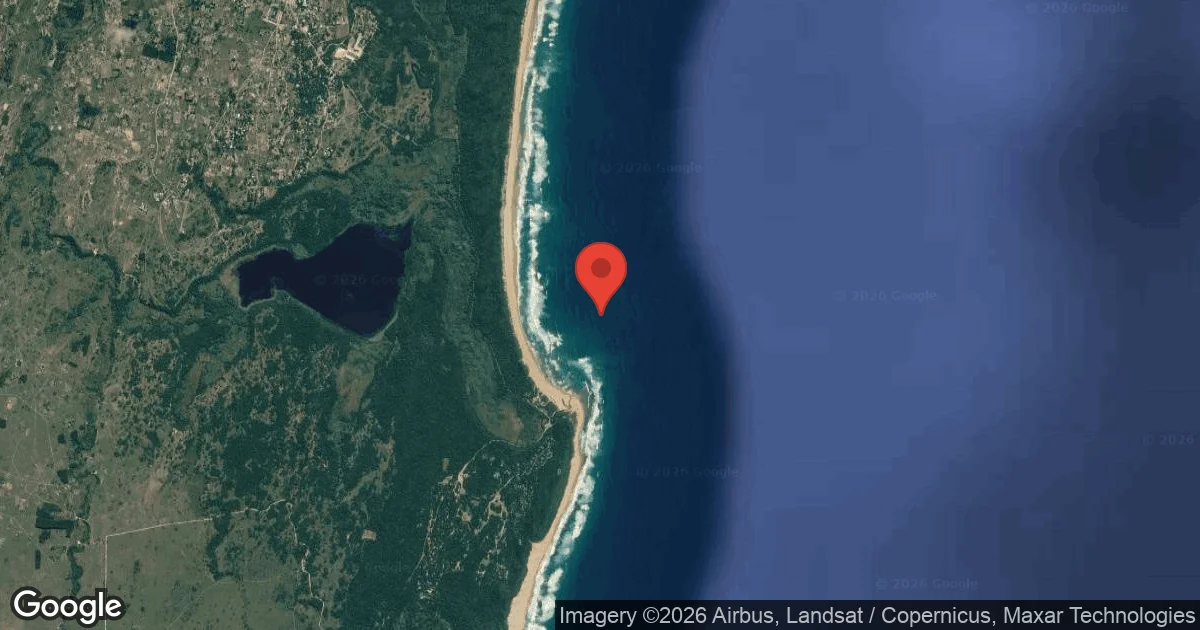
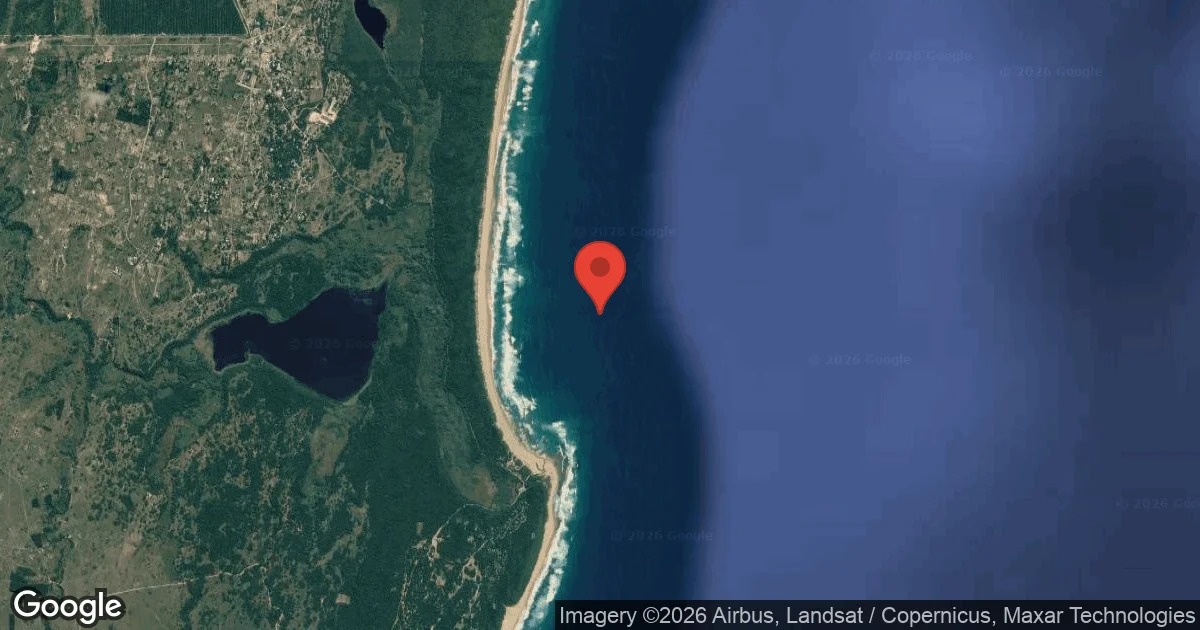
Dive Centers Near 9 Mile Reef
Today: 07:00 - 18:00
Nearest Airports
Nearest airports to help plan travel to this dive area.
Search Flights
Check available flights and routes on Expedia, using the nearby airports listed in this section.
Search Flights on ExpediaFrequently Asked Questions
What is the typical depth range at 9 Mile Reef?
The average diving depth at 9 Mile Reef is typically around 18-22 m / 59-72 ft. However, the reef extends to a maximum depth of 30 m / 100 ft in certain areas, suitable for appropriately certified divers.
What certification level is required for 9 Mile Reef?
This dive site is intended for Advanced Open Water Divers or higher. The conditions, including moderate surge and mild currents, require a greater level of experience and proficiency.
What are the water temperatures like at 9 Mile Reef?
Water temperatures at the reef vary seasonally. Expect temperatures between 20-24°C / 68-75°F during winter and warmer conditions ranging from 24-28°C / 75-82°F in the summer months.
What kind of marine life can I expect to see?
Divers frequently encounter large schools of Goldies around the prominent Green Tree Coral. Other sightings include sharks, whales, dolphins, turtles, potato bass, brindle bass, moray eels, and various macro life like frogfish and scorpionfish.
What type of dive is 9 Mile Reef?
9 Mile Reef is primarily a reef dive, often experienced as a drift dive due to the prevailing mild currents. Its structure also features caves, overhangs, and swim-throughs.
Is 9 Mile Reef accessible from shore?
No, 9 Mile Reef is only accessible by boat. Due to its distance as the furthest reef in Sodwana Bay, boat transfers arranged through local dive operators are mandatory.
Are permits required to dive at 9 Mile Reef?
Yes, permits are required to dive at 9 Mile Reef. These can typically be obtained directly from dive centers in the Sodwana Bay area before your dive.
Planning to dive 9 Mile Reef?
Send one inquiry and receive offers directly from the best verified local dive operators.
Conditions are Poor
High Swell Advisory. Not recommended.
Current conditions near 9 Mile Reef show 22° air, 23° sea temperature, 3.4 m waves, and 26 km/h wind. Forecast data is refreshed regularly to ensure accuracy.