
Diving at Bajo de la Esponja (Spain)
Bajo de la Esponja presents an impressive underwater topography, with a substantial rock rising dramatically from the seabed. Divers begin their exploration at depths reaching approximately 32 m (105 ft), ascending in a natural spiral around this massive formation. A pinnacle of rock surfaces close to 12 m (40 ft) deep, making observations of surface wave impact possible on calmer days. Divers experience a distinct vertical journey here.
As evening covers Bajo de la Esponja, the local air temperature is measured at 23.5°C. The current wave height at the surface is recorded at 0.4 m. These late-day readings characterize the surface conditions for the night.
Dive Site Location & Key Facts
Dive Site Overview
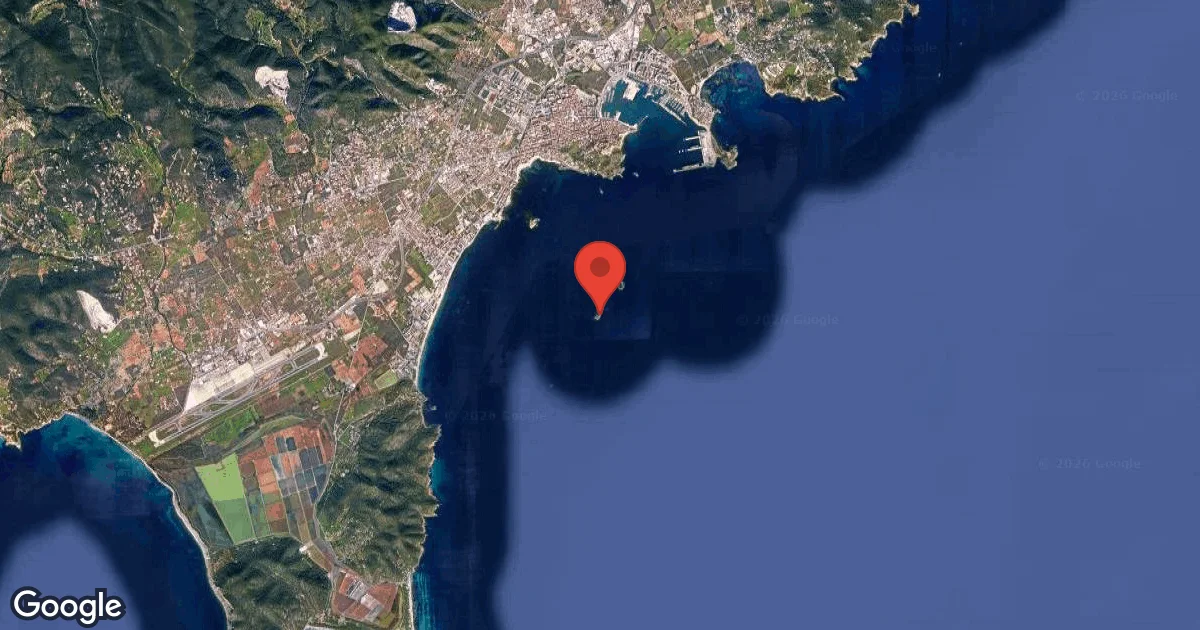
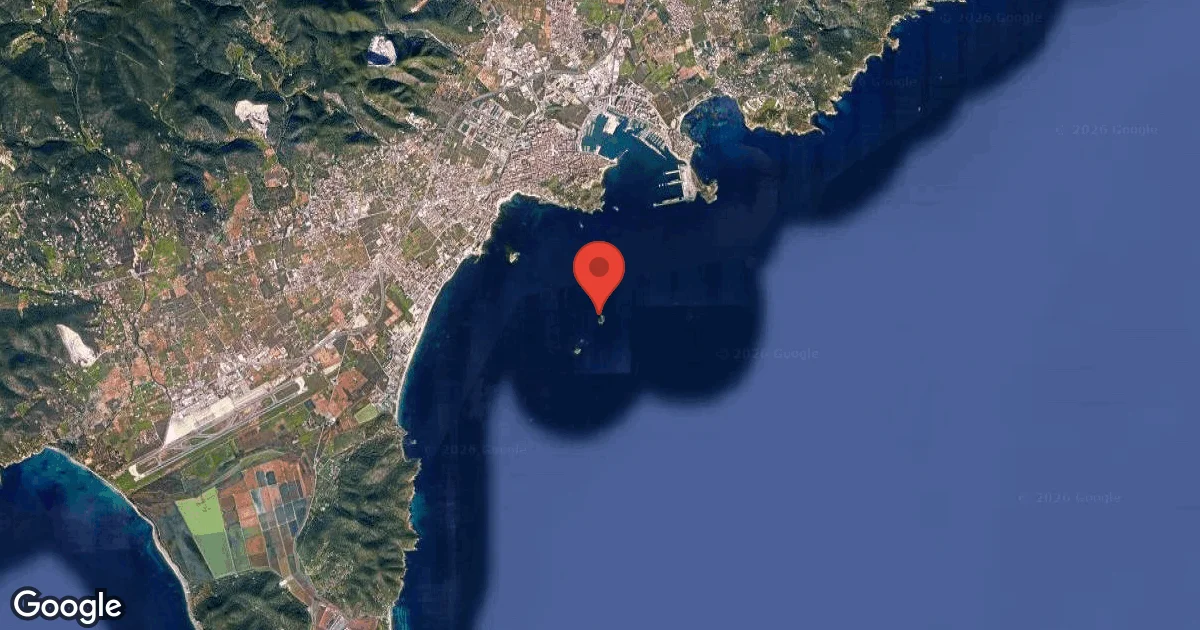
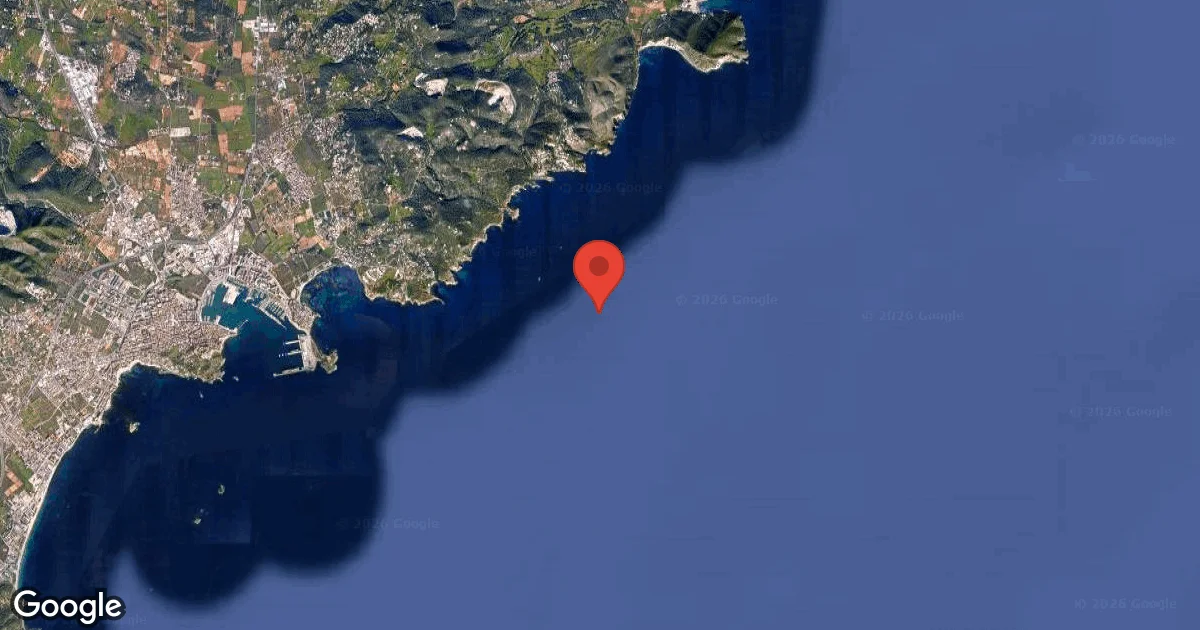
A prominent underwater mountain, Bajo de la Esponja, defines this dive, rising sharply from deeper waters. Situated about 150 meters from Isla Esponja (Sponge Island), its structure creates an intricate reef and wall dive experience.
A central rock originates from around 32 meters and ascends to a shallow point of roughly 12 meters below the surface. Some areas within the larger site reach maximum depths of up to 50 meters, offering diverse routes depending on diver certification and experience. Dives here commonly involve a gradual upward spiral around the main rock.
Such a progression allows for a comprehensive viewing of different ecological zones as light increases and topography shifts. Divers using a boat entry will find themselves traversing a varied landscape of rocky formations.
Large stones at the prominent wall's base shelter an array of marine life. As one ascends towards the northern slope, a rock platform between 12-15 meters provides a natural conclusion to the dive, suitable even for less experienced divers.
Its sheer scale and multi-level structure make Bajo de la Esponja a compelling site for exploring varying depths.
Conditions are Good
Optimal conditions expected
Current conditions near Bajo de la Esponja show 24° air, 27° sea temperature, 0.8 m waves, and 27 km/h wind. Forecast data is refreshed regularly to ensure accuracy.
Best Time to Dive
Diving at Bajo de la Esponja is favorable throughout much of the year, with optimal conditions typically observed from May through November. During these months, average air temperatures range comfortably from 19.5°C to 27°C (67-81°F), paired with minimal rainfall, often less than 1.8 mm. Generally, these months bring calmer seas, with average wave heights usually staying below 0.9 meters, which can contribute to better visibility and easier boat entries. While the summer and autumn months are highly recommended, the winter and early spring period still presents viable opportunities. From December to April, average air temperatures cool to between 13.5°C and 17°C (56-62°F). Although rainfall can be slightly higher, peaking at around 1.85 mm in March, dive scores remain consistently good (7-8 out of 10). Divers can expect average wave heights between 0.8-1.2 meters during these cooler months. Planning for the calmer summer season often means more predictable surface conditions, but the site remains accessible and rewarding in other times too.
PEAK SEASON SCORE
Scores combine air & water temps, waves, wind & rainfall for overall conditions.
BEST MONTHS TO DIVE
Monthly records compiled from satellite and marine observation nodes over the last 3 years. Data provided by Open-Meteo and MET Norway.
Dive Experience & Conditions
Descending along the impressive rock face of Bajo de la Esponja, divers typically encounter excellent visibility, often extending up to 30 meters (100 ft). Such clarity is largely attributed to expansive Posidonia oceanica seagrass meadows nearby, which help maintain water quality. For typical recreational dives, maximum depth here is about 30 meters, though the site's overall structure extends much deeper. Water temperatures are not consistently reported for this specific site, but generally reflect regional seasonal variations. Divers should anticipate cooler conditions in winter and warmer waters during summer and early autumn. Currents vary depending on local weather patterns and tidal influences; they are usually manageable but can occasionally pick up, especially in more exposed areas or deeper sections. Navigating around the substantial rock characterizes dives here, which provides some natural shelter, but deeper sections might experience more exposure to surge or current.
Dive Difficulty & Safety Guidelines
While no specific inherent hazards are consistently reported for Bajo de la Esponja, adhering to general safe diving practices is paramount. Proper buoyancy control is essential, particularly when navigating the rock's crevices and formations, to protect the delicate marine environment and avoid accidental contact. Divers must be mindful of boat traffic, especially when surfacing, and utilize surface marker buoys as a standard safety measure.
The site is accessible to divers of various experience levels, with shallower sections suitable for beginners, particularly the rock platform at 12-15 meters.
However, venturing into deeper parts of the site, extending past 30 meters, requires appropriate advanced certification and experience. Operators in the area are diligent about careful anchoring practices to prevent damage to valuable Posidonia beds. Always dive within your training limits and with a qualified buddy or guide.
Recommended Equipment
- Dive Computer
- DSMB
This gear list is based on verified equipment signals for Bajo de la Esponja, Spain. Always confirm final gear choices with your dive operator, guide, or liveaboard.
Recommended Dive Suit
Temperatures look set to gradually increase over the next several days. A warming trend is expected over the next few days.
Thermal protection such as 2-3mm shorty or light wetsuit is commonly used in similar temperatures. A hood or vest is suggested for sensitive divers due to surface winds.
Recent environmental data from Bajo de la Esponja indicates water temperatures near 27°C (80°F). Surface air temperatures are resting at 24°C (75°F).
Emergency & Medical Support
Essential information to help you plan your dive trip to Bajo de la Esponja.

Hyperbaric chambers are a critical part of dive safety infrastructure. Availability varies significantly by region, and not all dive areas have immediate access.
Before diving, it's recommended to:
- confirm nearest medical facilities
- check emergency procedures with local dive operators
- ensure dive insurance covers evacuation if required
Divers Alert Network
Diving emergency assistance available through DAN Europe.
+39 0642115685- 24/7 emergency hotline
- Diving medical assistance
- Evacuation coordination
Emergency contacts are provided for reference. Always verify local emergency services before diving.
Closest Listed Hyperbaric Chambers
Showing listed hyperbaric chamber facilities within 200 km of this dive site.
Distances are approximate straight-line distances and may not reflect emergency travel time.
Underwater and Hyperbaric Medicine
Palma de Mallorca, Spain•Approx. 129 km straight-line
Underwater and Hyperbaric Medicine
Information is provided for reference and planning purposes only. Dive Navigator does not verify operational status, staffing, availability, or quality of care at listed facilities. In an emergency, contact local emergency services, DAN, your dive operator, or the chamber directly. Do not travel to a facility without calling ahead.
Unidad Hiperbarica Hospital de Castellon UTH-HGUCS
24/7 ListedICU CapableCastellon, Spain•Approx. 178 km straight-line
Unidad Hiperbarica Hospital de Castellon UTH-HGUCS
24/7 ListedICU CapableInformation is provided for reference and planning purposes only. Dive Navigator does not verify operational status, staffing, availability, or quality of care at listed facilities. In an emergency, contact local emergency services, DAN, your dive operator, or the chamber directly. Do not travel to a facility without calling ahead.
Marine Life at Bajo de la Esponja
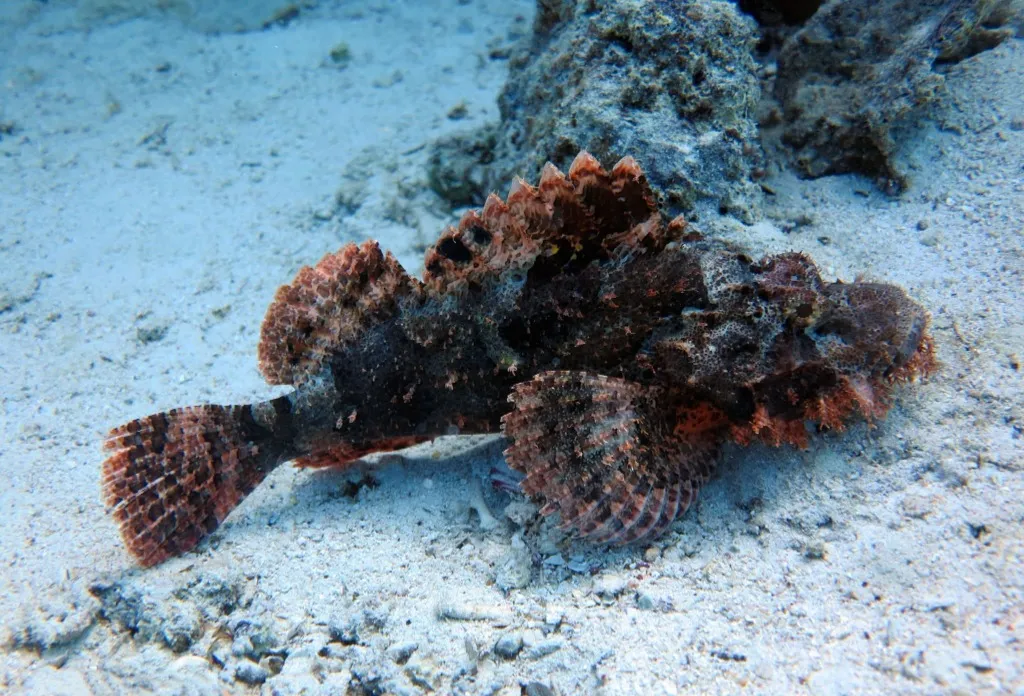
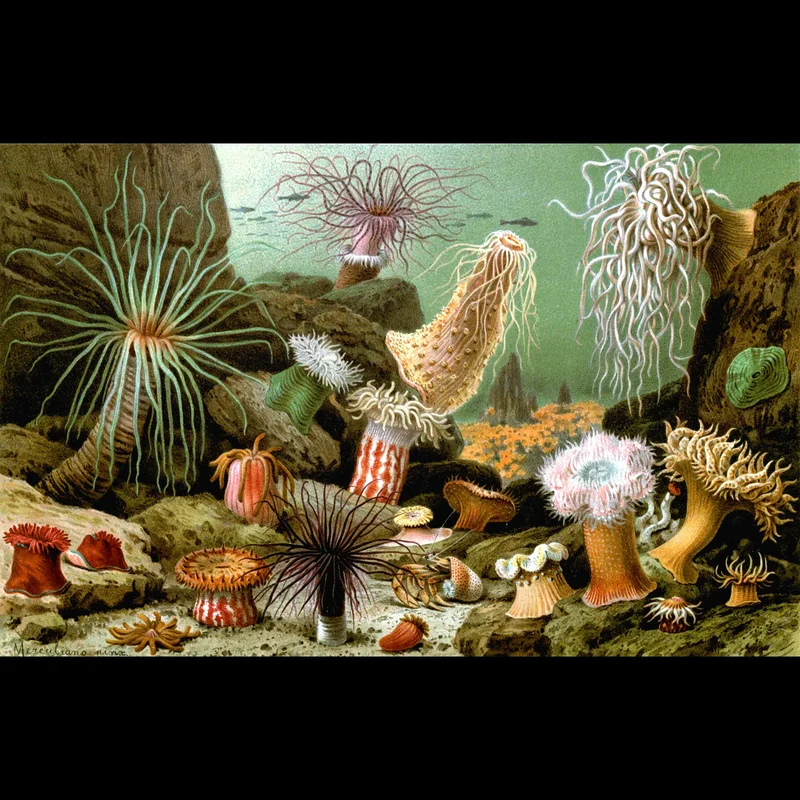
Approaching rock formations, divers often first notice encrusting yellow anemones and Mediterranean madrepora adorning the walls. Look closely within cracks and under ledges around the islet, as sea cicadas and scorpionfish are frequently observed sheltering there.
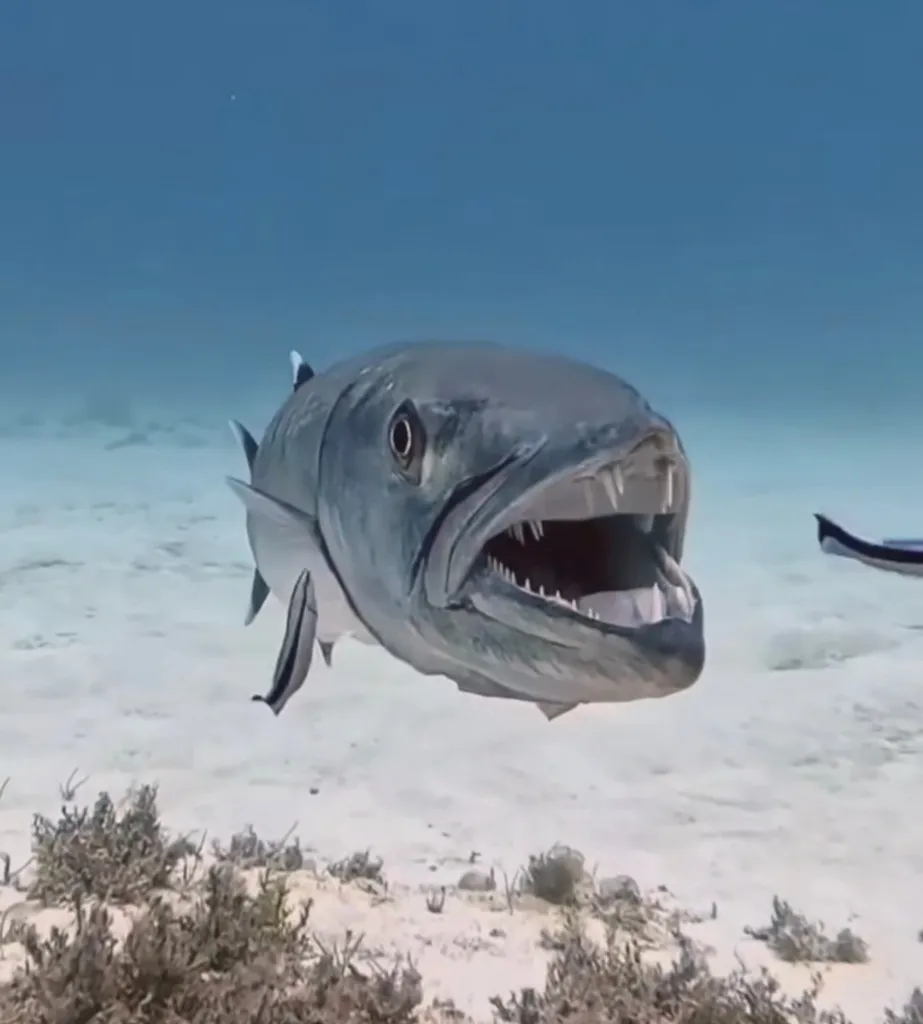
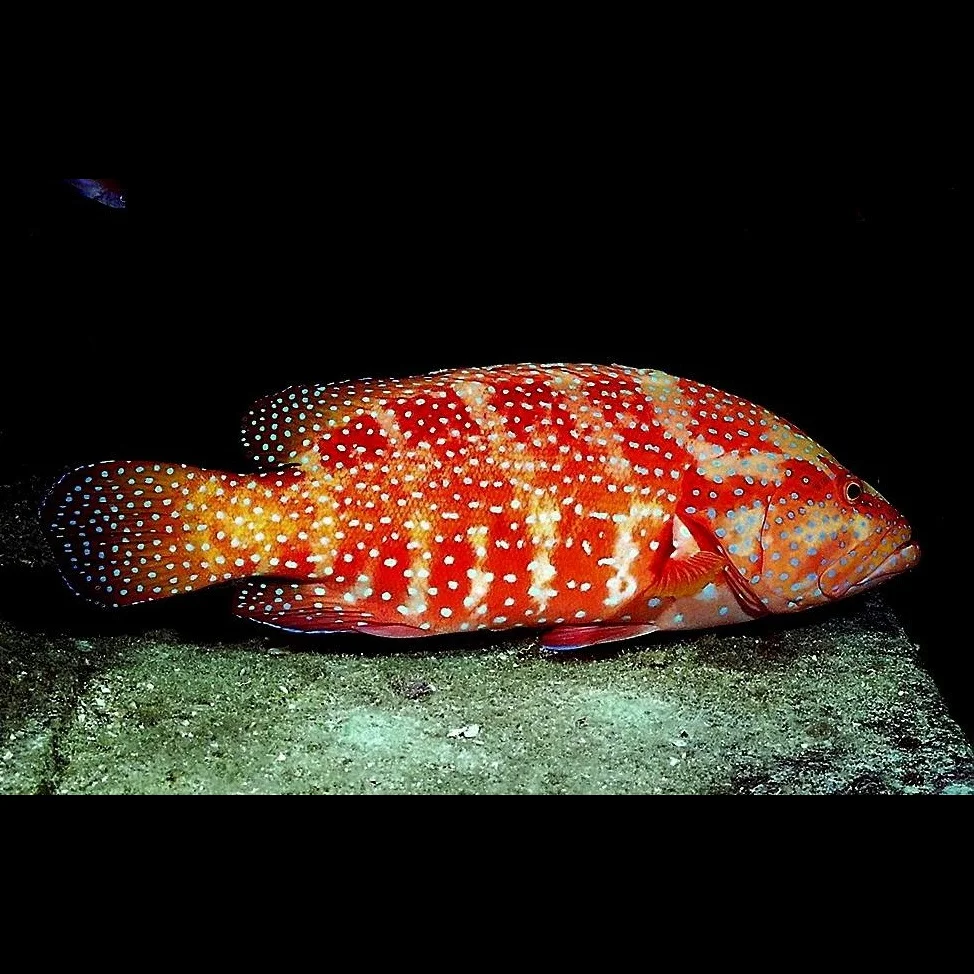
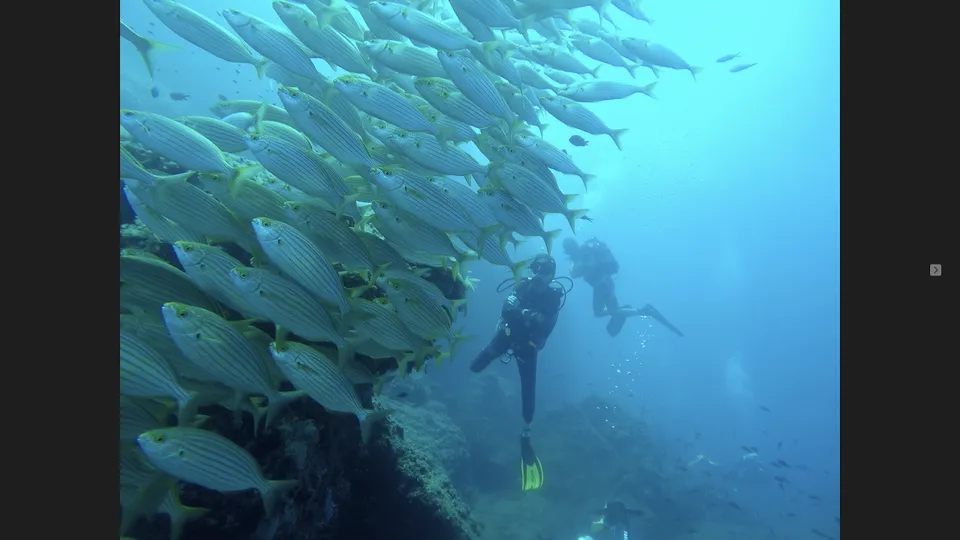
Schools of fredís and salpas, and sometimes barracudas, patrol open water sections. As you explore deeper, particularly between 15 and 32 meters, keep an eye out for badger groupers, which inhabit rocky crevices.
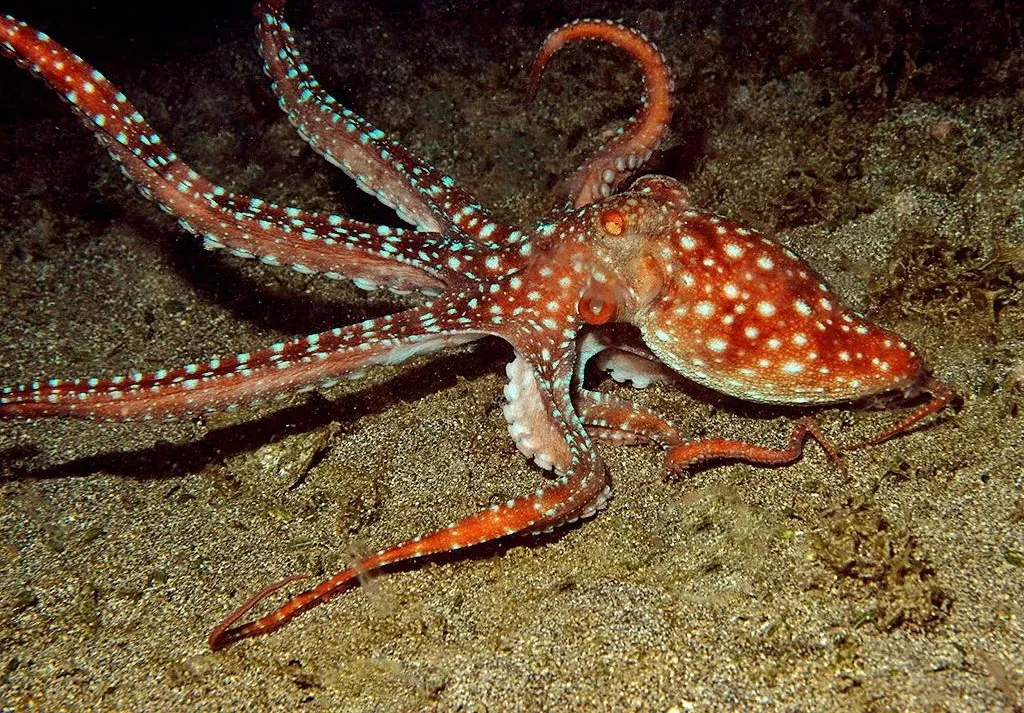
Octopuses are also known to hide amongst stones at the base of the walls. A variety of sponges further contributes to the site's biodiversity, providing shelter and sustenance for smaller organisms.
Dive Sites Near Bajo de la Esponja
View all dive sites in SpainDiscover more underwater gems in this area.
Dive Centers Near Bajo de la Esponja
Today: 08:30 - 17:30
Nearest Airports
Nearest airports to help plan travel to this dive area.
Search Flights
Check available flights and routes on Expedia, using the nearby airports listed in this section.
Search Flights on ExpediaFrequently Asked Questions
What type of dive is Bajo de la Esponja?
Bajo de la Esponja is primarily a reef and wall dive centered around a massive underwater rock. Divers typically explore it by ascending in a spiral pattern from deeper sections towards its shallower peak. It provides a dynamic environment with varied topography.
What are the typical depths at this dive site?
The main rock structure rises from approximately 32 m (105 ft) to about 12 m (40 ft) below the surface. While recreational dives often stay within the 30-meter limit, some deeper areas of the overall site can extend to 50 meters, requiring advanced certifications.
What is the visibility generally like?
Visibility at Bajo de la Esponja is generally excellent, often reaching up to 30 meters (100 ft). The clear waters are partly due to the nearby protected Posidonia seagrass meadows which play a crucial role in maintaining good water quality.
Are there currents to be aware of?
Currents at Bajo de la Esponja vary depending on local weather conditions and tidal movements. While often mild and manageable, divers should be prepared for potential stronger currents, particularly in more exposed areas or at greater depths. It's always advisable to check current reports before diving.
What kind of marine life can I expect to see?
Divers can anticipate seeing marine life such as sea cicadas, scorpionfish, and octopuses hiding in crevices. Look for encrusting yellow anemones and Mediterranean madrepora on the rock faces, and watch for schools of fredís, salpas, or barracudas in the blue. Badger groupers are also found in deeper rocky sections.
Is Bajo de la Esponja suitable for beginner divers?
Yes, parts of Bajo de la Esponja, particularly the shallower rock platform at 12-15 meters, are considered suitable for beginners. However, exploring the full extent of the site, especially its deeper sections, requires appropriate certification and experience.
What kind of special equipment might be useful here?
A dive torch is highly recommended for exploring the numerous cracks and crevices, helping to reveal hidden marine life and vibrant colors. Depending on the season, an appropriate wetsuit and a reliable dive computer are also essential for comfort and safety.
Planning to dive Bajo de la Esponja?
Send one inquiry and receive offers directly from the best verified local dive operators.
Conditions are Good
Optimal conditions expected
Current conditions near Bajo de la Esponja show 24° air, 27° sea temperature, 0.8 m waves, and 27 km/h wind. Forecast data is refreshed regularly to ensure accuracy.