
Diving at Bau de la Ferrera (Spain)
Descending into the waters of Bau de la Ferrera feels like entering a realm where ancient wrecks and vibrant marine life coexist. Boulders covered in lush posidonia grass create an intricate landscape, while sandy stretches invite exploration. Overhangs offer dark, intriguing hideouts, drawing divers deeper into the site's natural architecture. It's an immersive experience for those seeking diverse underwater topography.
As evening covers Bau de la Ferrera, the local air temperature is measured at 19.5°C. The current wave height at the surface is recorded at 0.6 m. These late-day readings characterize the surface conditions for the night.
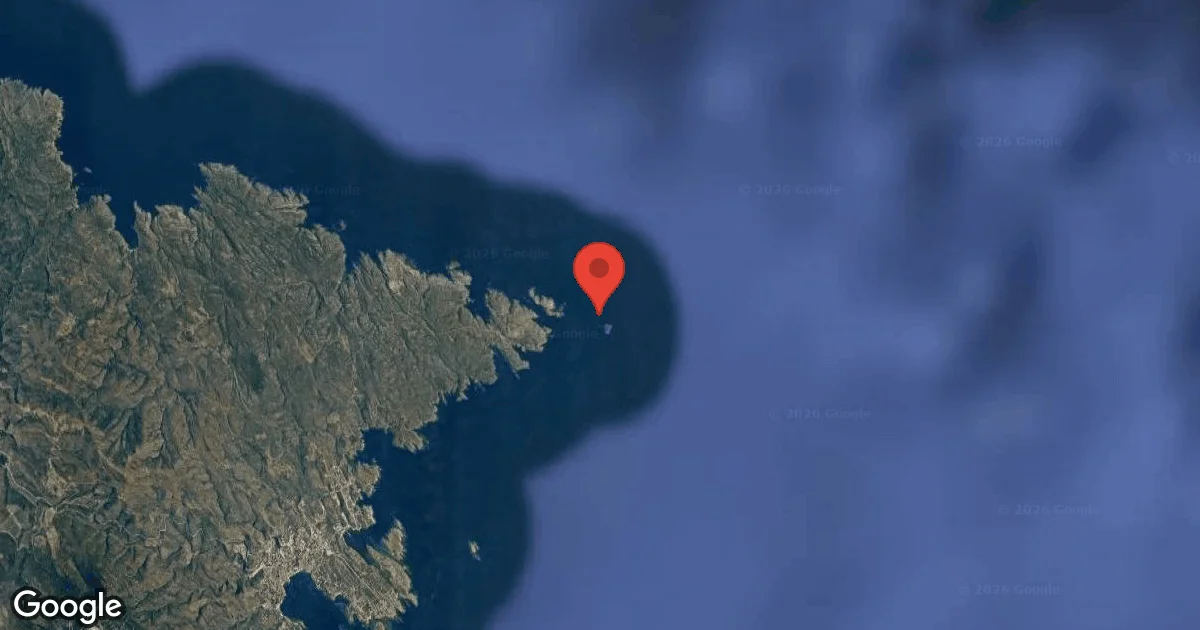
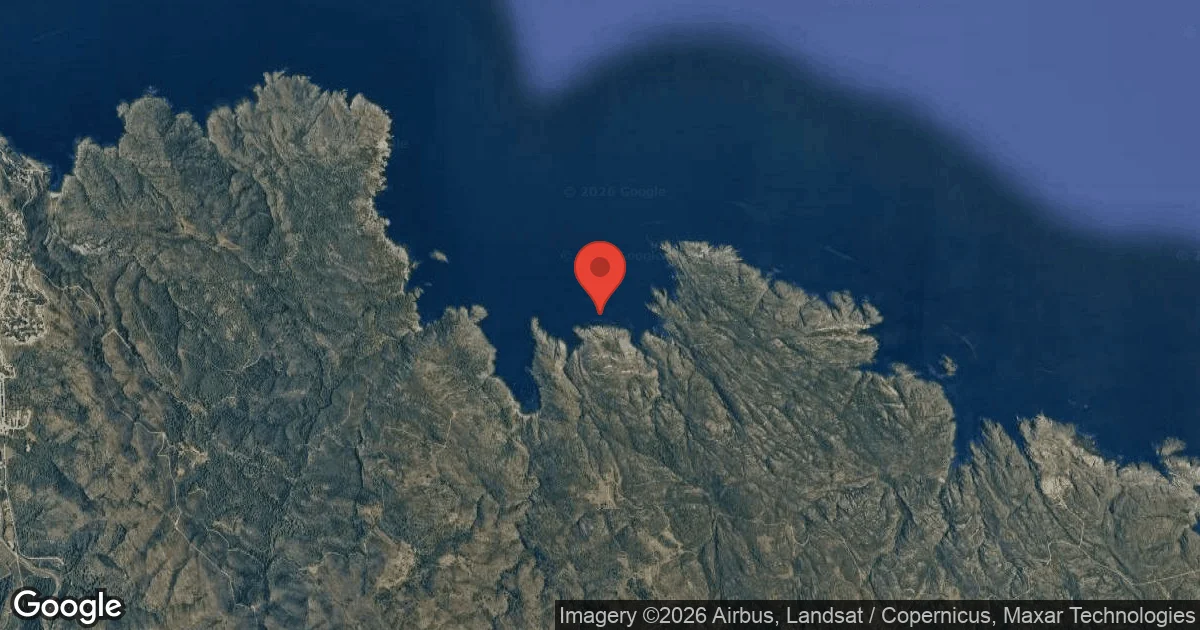
Dive Site Location & Key Facts
Dive Site Overview
Bau de la Ferrera presents a captivating blend of natural formations and historical remnants, establishing itself as a compelling destination for various dive profiles. Its core features a substantial boulder, richly adorned with posidonia grass, providing intricate cover for smaller marine creatures and offering an intricate landscape for navigation.
Navigating the site reveals the 60-meter long Brigantine wreck, an old 100-ton vessel resting on the seabed. This wreck gently slopes from a shallow 4 m (13 ft) down to around 20 meters, with scattered debris creating an archaeological trail. Further exploration unveils the remains of a second, 50-meter long unknown wreck, offering additional insights into the area's maritime past.
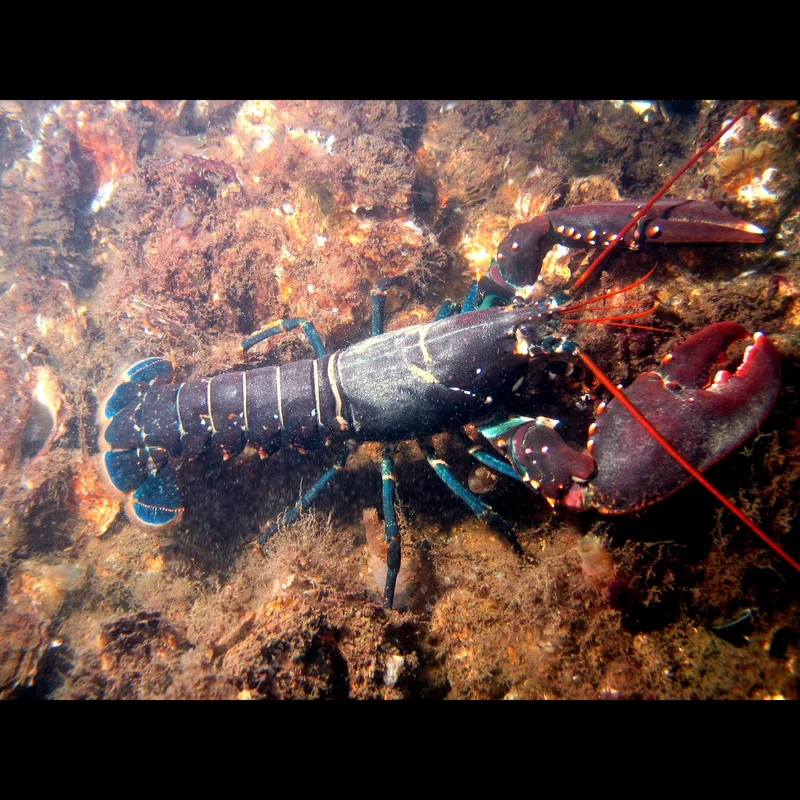
A dedicated lobster zone, situated in very shallow waters, specifically appeals to macro enthusiasts observing crustaceans. With average visibility typically around 20 meters, and a maximum recorded depth reaching 32 m (105 ft), this boat-accessed site caters to a wide spectrum of certifications, inviting thorough exploration of its diverse underwater topography.
Conditions are Excellent
07:00 - 14:00
Optimal conditions expected
Current conditions near Bau de la Ferrera show 20° air, 24° sea temperature, 0.4 m waves, and 28 km/h wind. Forecast data is refreshed regularly to ensure accuracy.
Best Time to Dive
Planning your dive to Bau de la Ferrera is best done during the extended period from February through November, when dive scores consistently rate as 'Good'. The most comfortable conditions typically occur between May and September, aligning with higher air temperatures averaging 18°C (64°F) to 26°C (79°F). During these warmer months, average wave heights also tend to be lower, which can contribute to smoother boat access and better underwater visibility. While there's no specific water temperature data, the air temperatures suggest a pleasant summer diving experience. Rainfall remains low throughout this peak season, minimizing surface disruptions and maintaining clear conditions.
PEAK SEASON SCORE
Scores combine air & water temps, waves, wind & rainfall for overall conditions.
BEST MONTHS TO DIVE
Monthly records compiled from satellite and marine observation nodes over the last 3 years. Data provided by Open-Meteo and MET Norway.
Dive Experience & Conditions
Underwater conditions at Bau de la Ferrera generally present limited currents, which makes navigating the site manageable for divers of all experience levels. Visibility here averages around 20 m (66 ft), though it can range significantly, from 10 to 30 meters, depending on prevailing conditions. Site references vary; some cite a maximum depth around 28 meters, while others indicate deeper sections reaching up to 32 meters, accommodating varied recreational profiles. Exploring the gently sloping wrecks, like the Brigantine, requires careful depth management, particularly when venturing into their lower reaches. This saltwater site, accessed exclusively by boat, typically offers calm conditions conducive to detailed exploration of its unique rock formations and historical remnants.
Dive Difficulty & Safety Guidelines
Even though suitable for all levels, a few safety considerations are vital when diving Bau de la Ferrera. Significant boat traffic can occur, especially in areas like El Bisbal, necessitating vigilance upon surfacing. Divers should always inflate a surface marker buoy if they cannot immediately locate their boat, enhancing visibility for surface vessels.
When exploring the Brigantine wreck, it's important to monitor bottom time and depth, as the wreck gently slopes to deeper waters, which can lead to unintentional extended dives. For those looking to enhance their skills for this site, useful training includes PADI Open Water Diver, Advanced Open Water Diver, and Deep Diver certifications.
Recommended Equipment
- Dive Computer
- DSMB
This gear list is based on verified equipment signals for Bau de la Ferrera, Spain. Always confirm final gear choices with your dive operator, guide, or liveaboard.
Recommended Dive Suit
3-5mm wetsuit is frequently recommended by dive operators for conditions like these. Consider warmer surface protection (like a boat coat) due to brisk winds. Surface intervals may feel cooler. Those diving at Bau de la Ferrera today will likely encounter water temperatures in the region of 24°C (74°F). Surface air temperatures are resting at 20°C (67°F).
Forecasts suggest rising temperatures later this week. A warming trend is expected over the next few days.
Even small thermoclines can occasionally cause noticeable changes in water temperature.
Emergency & Medical Support
Essential information to help you plan your dive trip to Bau de la Ferrera.

Hyperbaric chambers are a critical part of dive safety infrastructure. Availability varies significantly by region, and not all dive areas have immediate access.
Before diving, it's recommended to:
- confirm nearest medical facilities
- check emergency procedures with local dive operators
- ensure dive insurance covers evacuation if required
Divers Alert Network
Diving emergency assistance available through DAN Europe.
+39 0642115685- 24/7 emergency hotline
- Diving medical assistance
- Evacuation coordination
Emergency contacts are provided for reference. Always verify local emergency services before diving.
Closest Listed Hyperbaric Chambers
Showing listed hyperbaric chamber facilities within 200 km of this dive site.
Distances are approximate straight-line distances and may not reflect emergency travel time.
Unitat de Medicina Hiperbàrica (UMH)
24/7 ListedPalamos (Girona), Spain•Approx. 45 km straight-line
Unitat de Medicina Hiperbàrica (UMH)
24/7 ListedInformation is provided for reference and planning purposes only. Dive Navigator does not verify operational status, staffing, availability, or quality of care at listed facilities. In an emergency, contact local emergency services, DAN, your dive operator, or the chamber directly. Do not travel to a facility without calling ahead.
UTH-CSI
24/7 ListedICU CapableSant Joan Despí, Spain•Approx. 138 km straight-line
UTH-CSI
24/7 ListedICU CapableInformation is provided for reference and planning purposes only. Dive Navigator does not verify operational status, staffing, availability, or quality of care at listed facilities. In an emergency, contact local emergency services, DAN, your dive operator, or the chamber directly. Do not travel to a facility without calling ahead.
Marine Life at Bau de la Ferrera
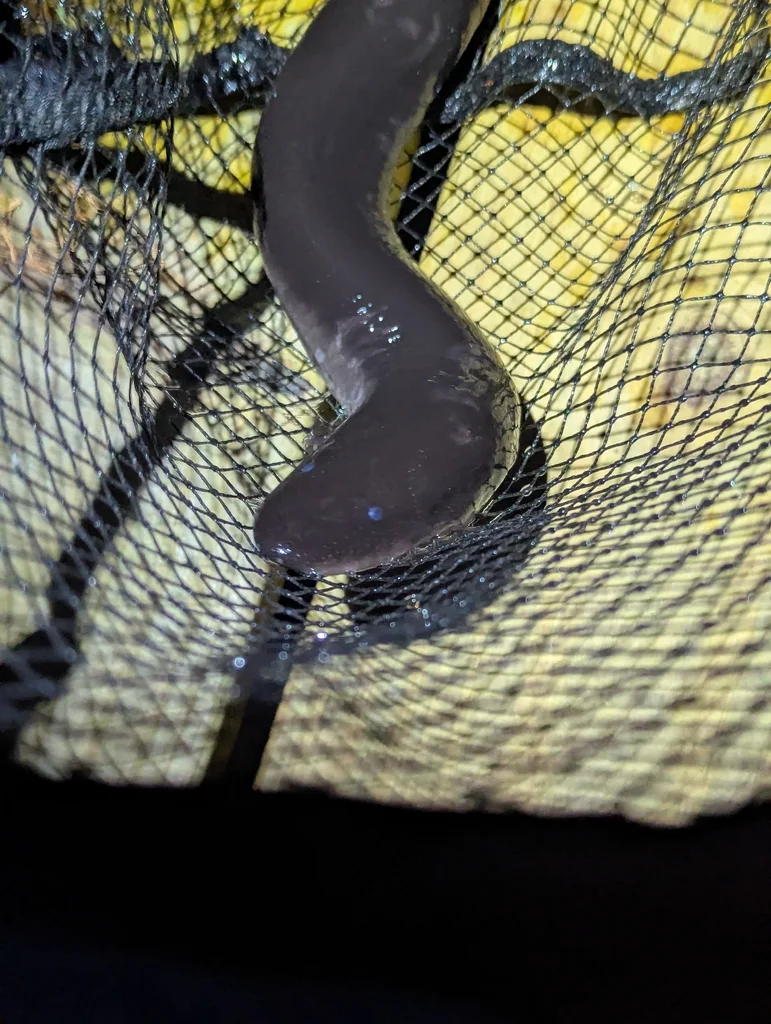
Upon entering the water at Bau de la Ferrera, divers frequently encounter conger eels and rays, often found hidden within the sandy bottom or under the numerous overhangs. Lobsters are a common sight, particularly within the designated shallow lobster zone.
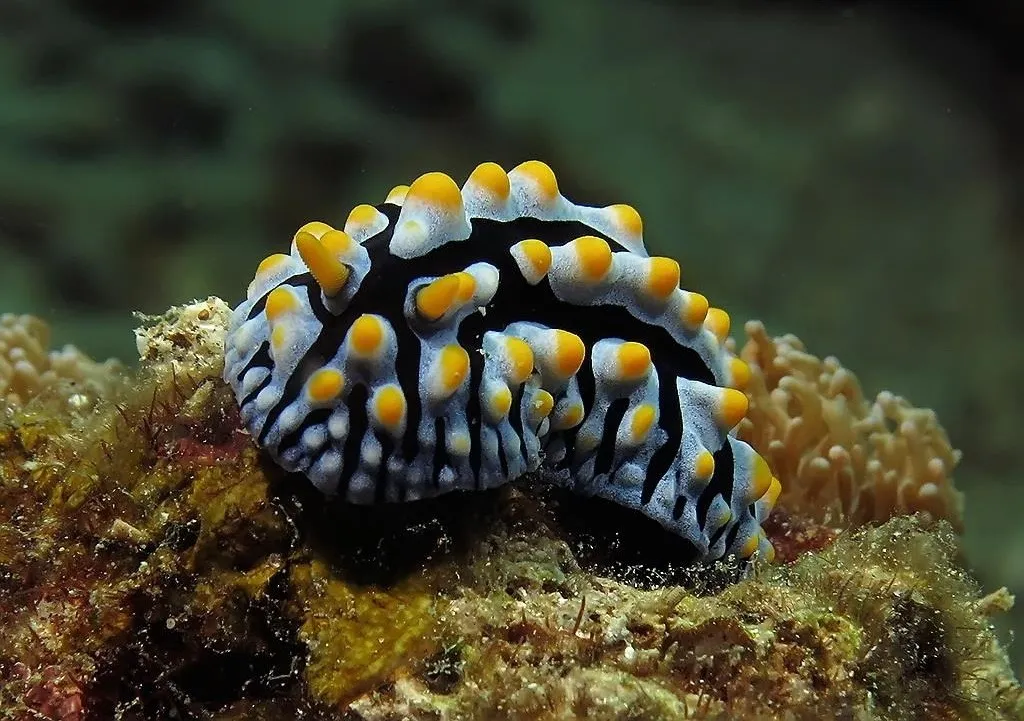
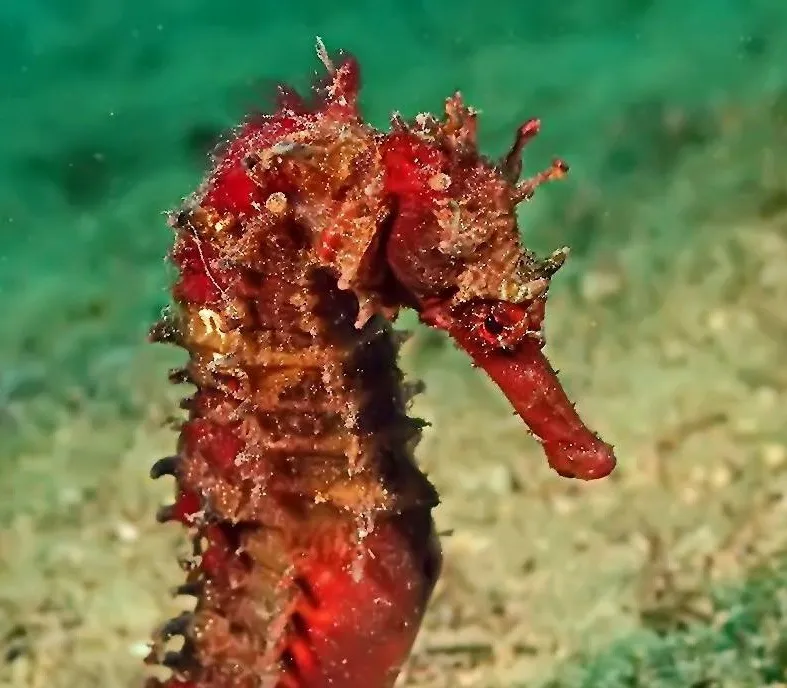
A notable highlight is the cleaning station, which is visited by mola mola, offering a rare encounter with these fascinating sunfish. Keep an eye out for potential seahorse sightings in the posidonia grass meadows, which also harbor various small marine life and nudibranchs. The rocky bottom and surrounding areas teem with diverse aquatic species.

Dive Sites Near Bau de la Ferrera
View all dive sites in SpainDiscover more underwater gems in this area.
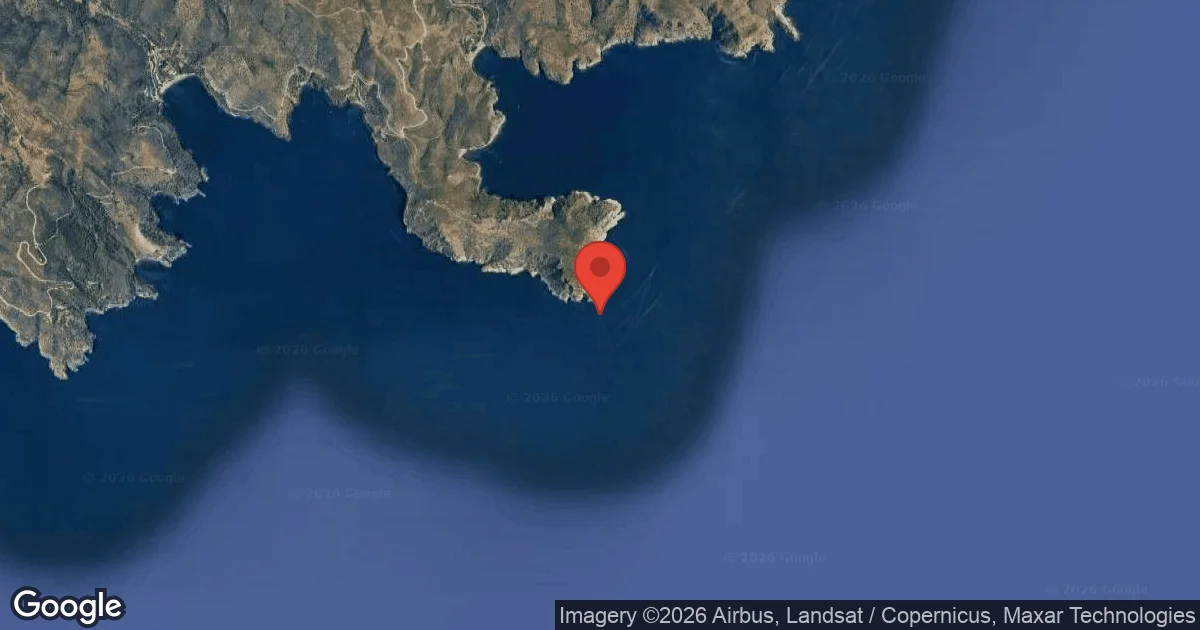
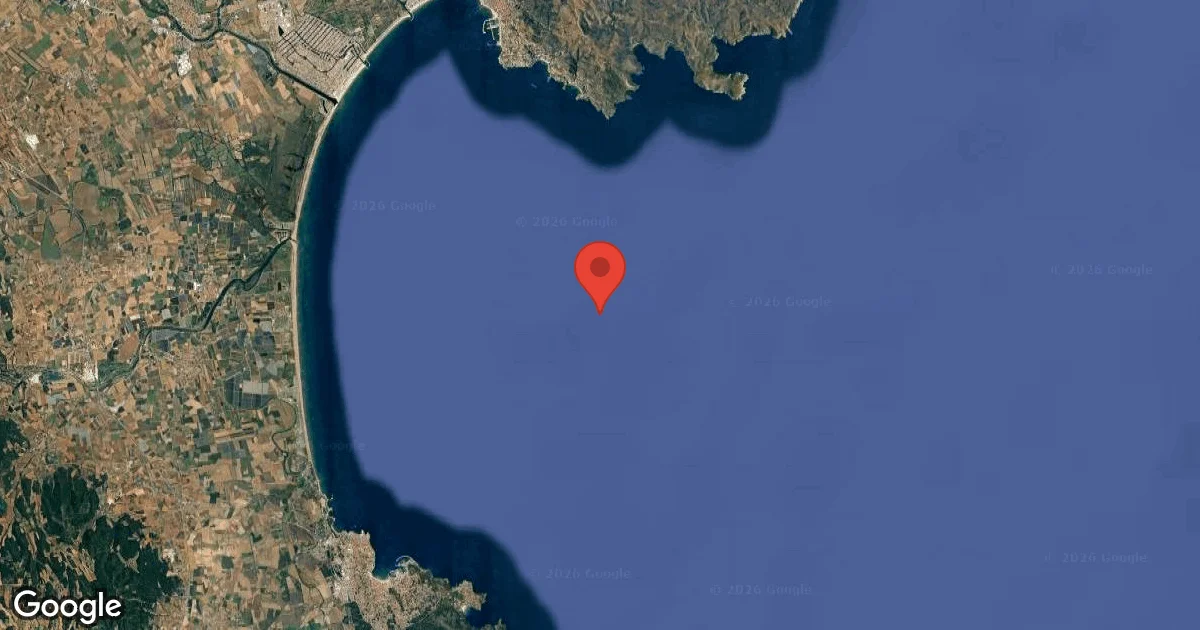
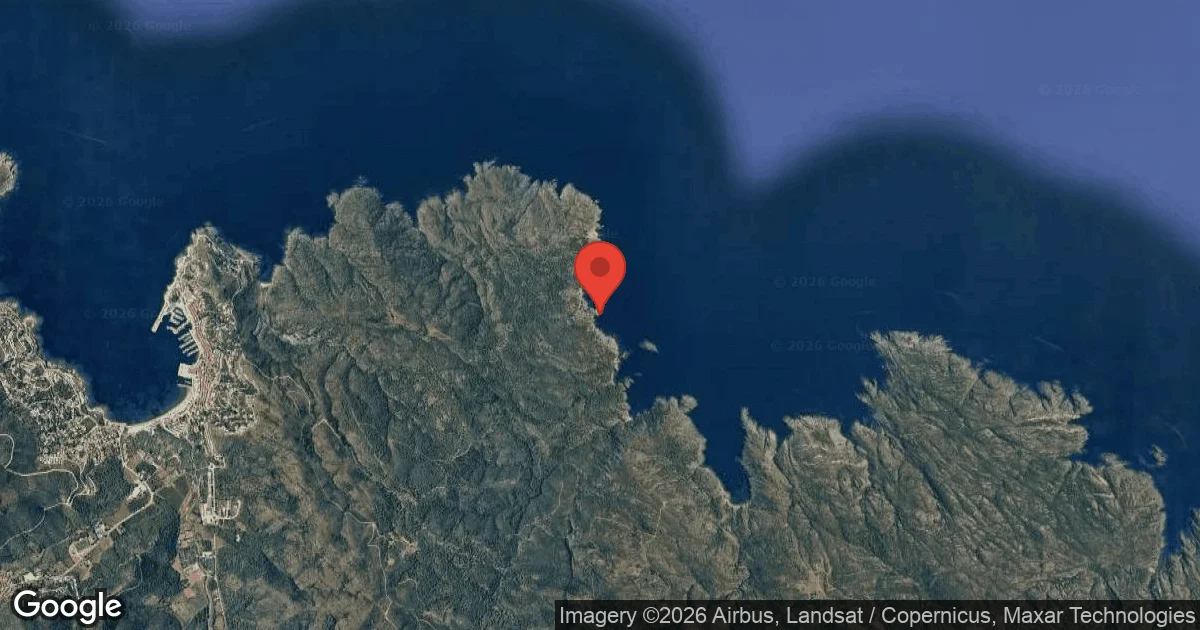
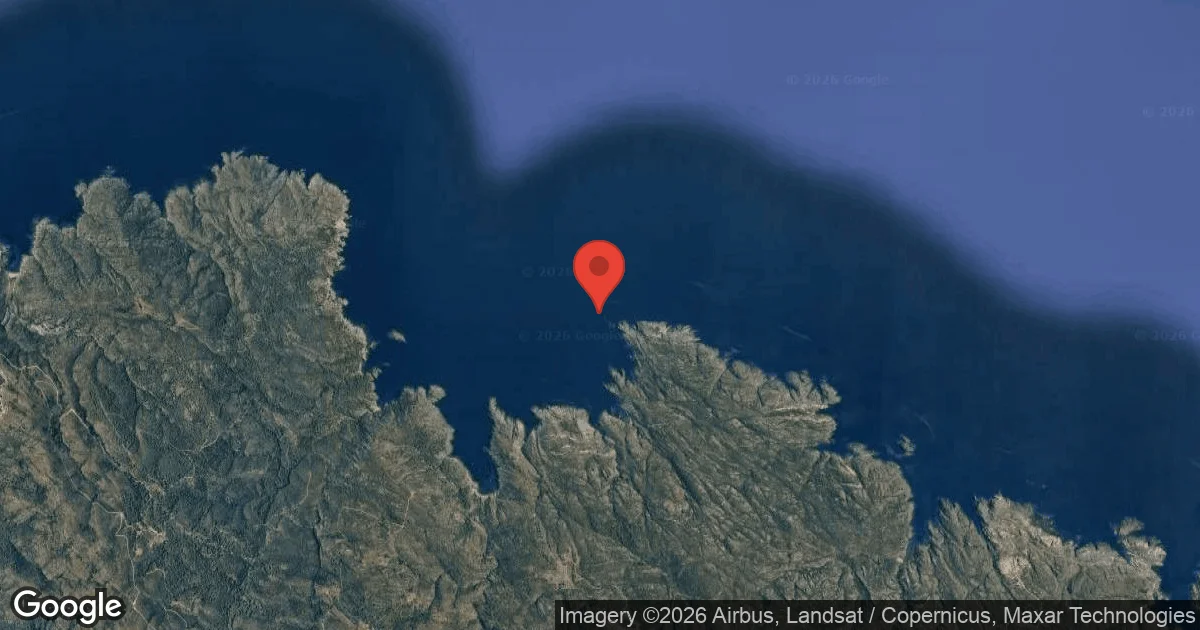
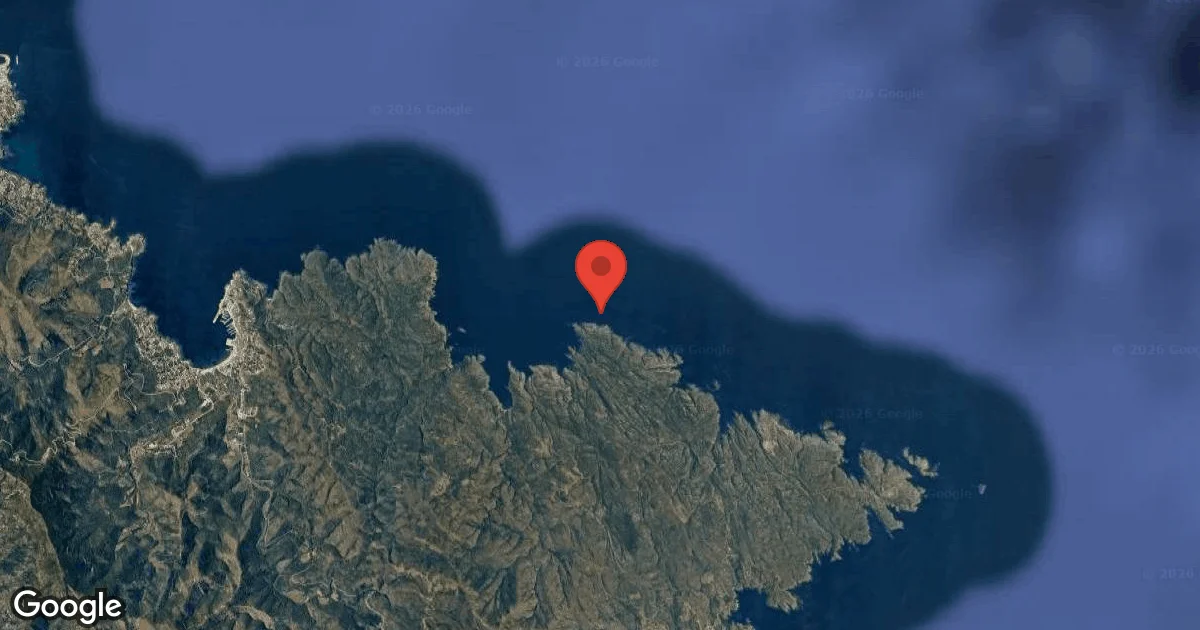
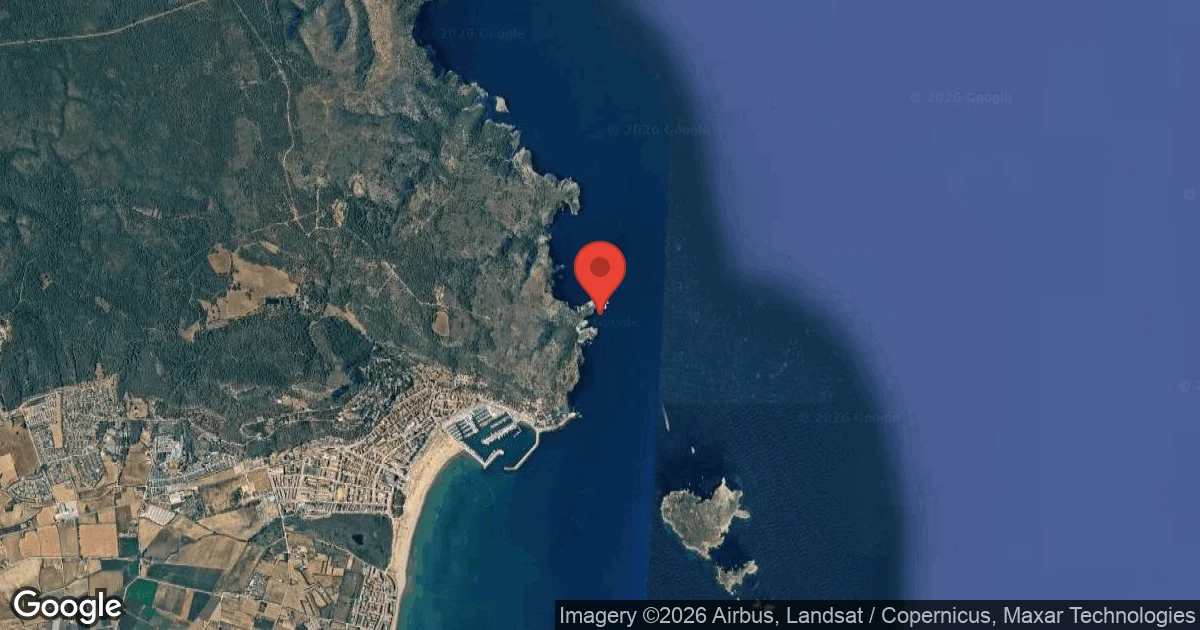
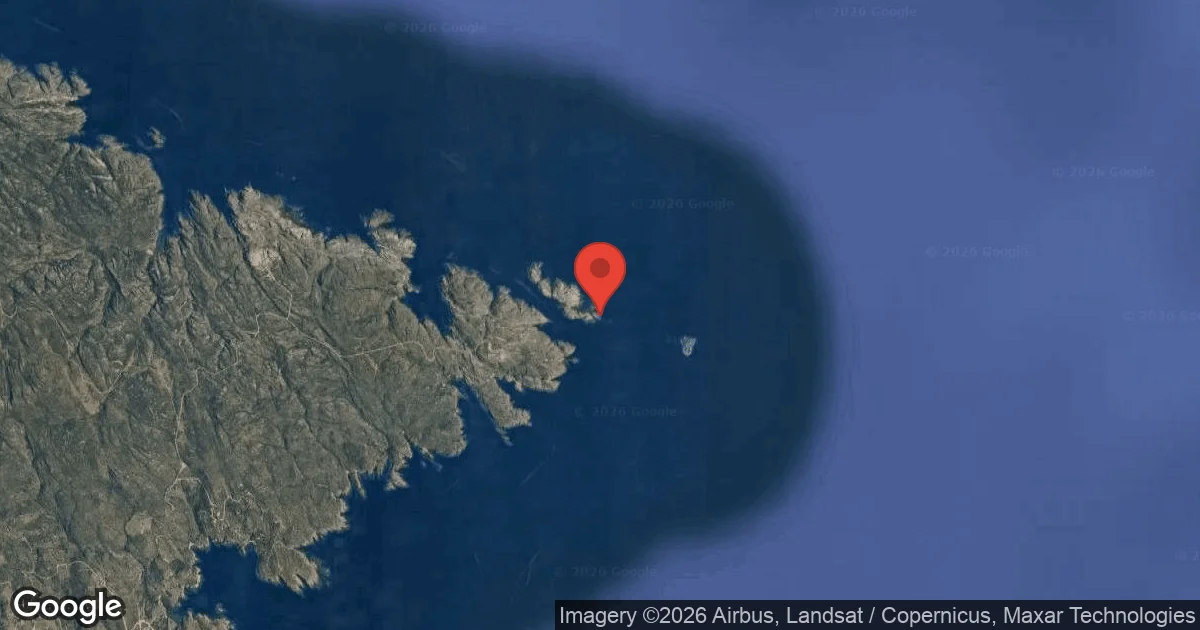
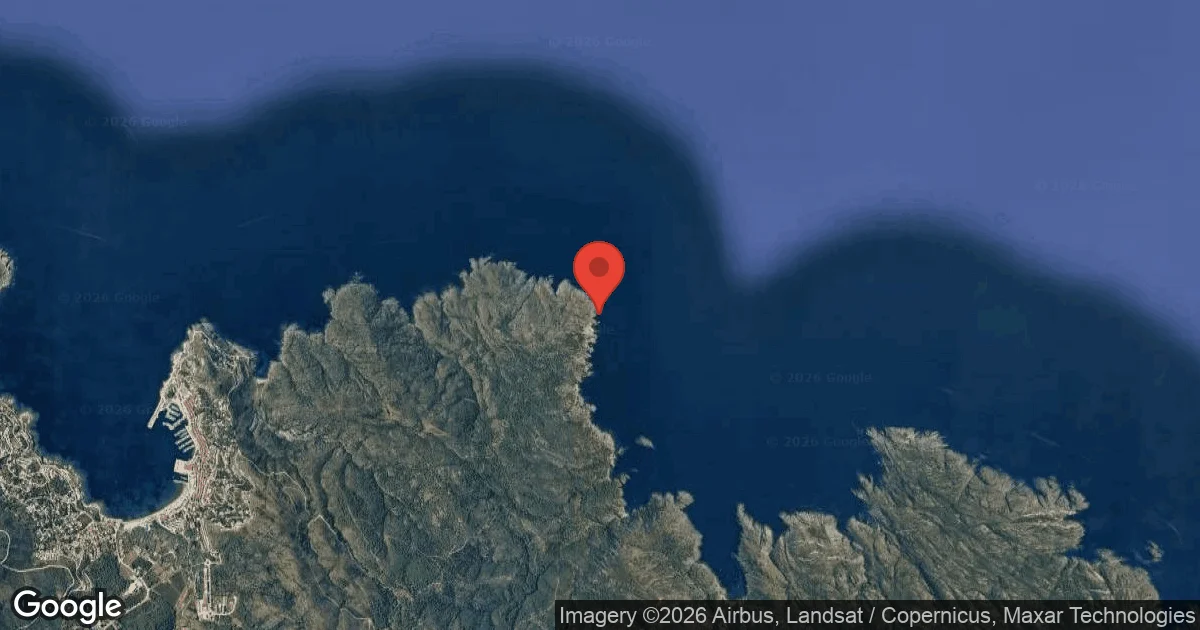
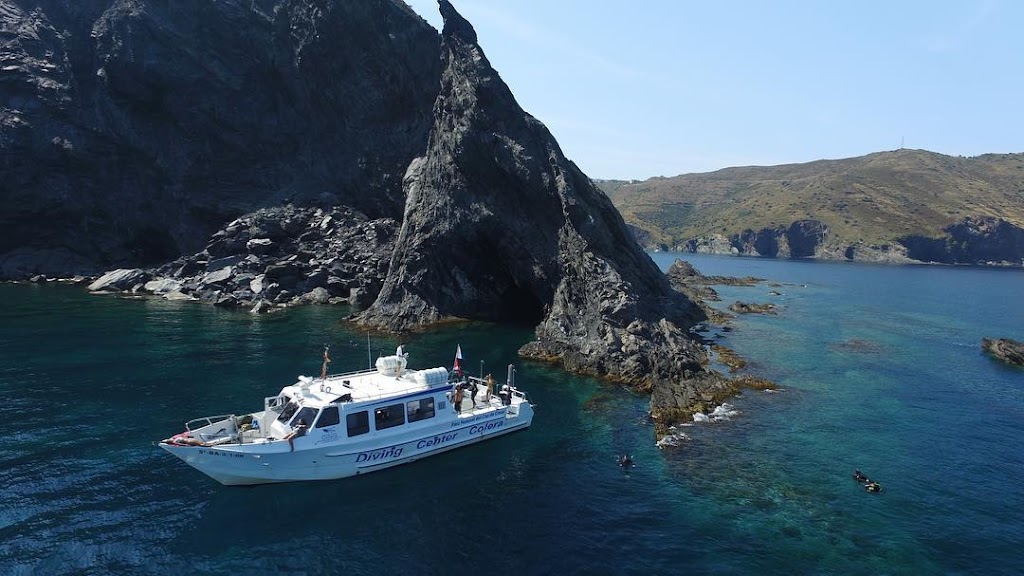
Dive Centers Near Bau de la Ferrera
Today: 08:00 - 18:00

Nearest Airports
Nearest airports to help plan travel to this dive area.
Search Flights
Check available flights and routes on Expedia, using the nearby airports listed in this section.
Search Flights on ExpediaFrequently Asked Questions
How is Bau de la Ferrera accessed for diving?
Bau de la Ferrera is exclusively a boat dive site. You'll need to arrange a boat trip, typically from nearby ports like Roses or Cala Montjoi, to reach the location.
What is the maximum depth at Bau de la Ferrera?
Recreational diving at Bau de la Ferrera can reach depths of 28 m (91 ft), with some areas extending deeper to around 32 meters. The Brigantine wreck, for example, slopes to a maximum depth of approximately 20 meters. Always confirm depths with your dive guide or local dive center.
Are there strong currents at this dive site?
Currents at Bau de la Ferrera are generally described as limited or mild. This contributes to the site being suitable for divers of all experience levels, making navigation relatively straightforward.
What marine life can I expect to see?
You can anticipate seeing conger eels, rays, and lobsters hiding among the boulders and sandy bottom. There's also a cleaning station known for attracting mola mola, and seahorses can sometimes be spotted in the posidonia grass.
Is Bau de la Ferrera suitable for all diver levels?
Yes, Bau de la Ferrera is considered suitable for all diver levels due to its generally limited currents and varied depth profiles. However, careful attention to depth is advised when exploring the deeper sections of the wrecks.
What are the primary safety concerns here?
The main safety concerns include potential boat traffic, particularly in the El Bisbal area, so always carry a surface marker buoy. Also, be mindful of your bottom time when diving the Brigantine wreck, as it gradually slopes deeper.
What is the typical visibility like at Bau de la Ferrera?
Visibility at Bau de la Ferrera is typically good, averaging around 20 meters. It can range from 10 to 30 meters depending on seasonal and daily ocean conditions.
Are there any wrecks to explore at the site?
Yes, Bau de la Ferrera features two notable wrecks. The Brigantine, a 60-meter long vessel, lies parallel to the main boulder. A second, 50-meter long unknown wreck is situated a bit further away on the sandy bottom.
Planning to dive Bau de la Ferrera?
Send one inquiry and receive offers directly from the best verified local dive operators.
Conditions are Excellent
07:00 - 14:00
Optimal conditions expected
Current conditions near Bau de la Ferrera show 20° air, 24° sea temperature, 0.4 m waves, and 28 km/h wind. Forecast data is refreshed regularly to ensure accuracy.