
Diving at Saint Prosper (Spain)
Plunging to a significant maximum depth of 40 m (130 ft), the Saint Prosper wreck offers an advanced diving experience off the coast of Spain. This substantial freighter, measuring 106 meters in length (approximately 348 feet) and weighing 4330 tons, provides a formidable structure for exploration. Its sunken hull presents a deep, challenging environment suitable for experienced wreck divers. The site demands proficiency in deep diving and careful planning due to its inherent characteristics.
Evening condition tracking at Saint Prosper features an air temperature of 19.5°C. We have recorded wave heights measuring 0.4 m during this period. These figures outline the environmental parameters currently present.
Dive Site Location & Key Facts
Dive Site Overview
A substantial freighter built in 1920, the Saint Prosper rests on a bottom of sand and rocks off the Spanish coast. Sunk on March 8, 1939, after striking a floating mine, the vessel forms a poignant historical site and complex underwater structure.
Measuring 106 meters in length (approximately 348 feet) and displacing 4330 tons, the wreck provides ample exploration area for qualified divers. Access is exclusively by boat, requiring precise surface navigation to the site; divers must be prepared for potentially choppy surface conditions depending on the weather. Surrounding topography includes sand and rock features, but the imposing wreck dominates the underwater landscape, offering numerous external exploration possibilities.
Divers can navigate the deck structures, observe the hull integrity, and explore the vast exterior for signs of marine life. Descending to deep ranges, a dive here necessitates appropriate training and gas management protocols.
Visibility typically ranges from 5 to 10 meters, averaging 7 meters, influencing underwater navigation. Medium currents can also be present, requiring divers to manage their positioning actively throughout the dive.
Considered an extremely technical dive, it's reserved for expert divers who possess the necessary experience and equipment.
Conditions are Excellent
07:00 - 14:00
Optimal conditions expected
Current conditions near Saint Prosper show 20° air, 24° sea temperature, 0.4 m waves, and 20 km/h wind. Forecast data is refreshed regularly to ensure accuracy.
Best Time to Dive
Optimal diving conditions for Saint Prosper typically emerge during the warmer, drier months, presenting a stark contrast to the cooler, sometimes choppier winter period. From April through October, dive scores consistently rank as "Good," indicating more favorable surface conditions. Air temperatures during these months range from 15.5 to 26°C (60 to 79°F), making surface intervals more comfortable. Wave heights also tend to be lower, averaging between 0.63 and 1.0 meters (2.1 to 3.2 ft) during this peak season. Rainfall remains minimal, often below 1.5 millimeters, equating to about 0.06 inches per month, which generally correlates with better visibility days. Conversely, the winter months, particularly January, February, and March, see "Moderate" dive scores due to cooler air temperatures, higher wave heights around 1.2 meters, close to 4 feet, and increased wind speeds. While diving is possible year-round for experienced cold-water divers, the period from late spring to early autumn offers the most consistent and pleasant conditions for accessing this deep wreck. Water temperature data is not consistently reported for this location, so divers should be prepared for varying thermal conditions based on the season.
PEAK SEASON SCORE
Scores combine air & water temps, waves, wind & rainfall for overall conditions.
BEST MONTHS TO DIVE
Monthly records compiled from satellite and marine observation nodes over the last 3 years. Data provided by Open-Meteo and MET Norway.
Dive Experience & Conditions
For experienced wreck divers, descending to Saint Prosper presents a challenging yet rewarding experience, reaching its maximum depth. Requiring advanced certifications and precise buoyancy control, a dive here often encounters medium currents. Good finning techniques and situational awareness are essential to maintain position around the substantial structure. Visibility averages around 7 meters, varying between 5 and 10 meters, so divers must be comfortable with less than clear conditions and rely on navigation skills. Water temperatures are not consistently reported; therefore, selecting appropriate thermal protection based on season and personal comfort is important. Given its classification as an "extremely technical" and "expert" dive, paramount skills include deep diving, wreck penetration (if applicable), and emergency procedures. Commencing from a boat, dives here require preparation for potential surface chop during entry and exit, particularly if moderate wave heights are present.
Dive Difficulty & Safety Guidelines
Navigating the Saint Prosper wreck demands careful attention to specific hazards inherent to deep wreck diving. The primary concern is the presence of fishing nets entangled on the wreck, posing a significant entanglement risk. Divers must carry appropriate cutting tools and be proficient in their use.
Given the maximum depth of 40 meters, approximately 130 feet, decompression procedures and gas management are critical; this is not a recreational profile. Medium currents can also affect buoyancy and propulsion, requiring divers to plan their route and entry/exit points strategically.
This site is specifically designated for "experienced wreck divers only" and is considered "extremely technical," underscoring the need for advanced training beyond basic certifications. Adequate training in deep diving, wreck diving, and potentially technical diving, along with robust equipment, is essential.
Always dive with a reliable buddy and ensure emergency protocols are well-rehearsed, particularly concerning deep-water rescues or lost diver procedures on a complex structure.
Recommended Equipment
Overhead / entanglement risk. Wreck penetration requires proper training.
- Dive Computer
- Primary & Backup Lights
- Wreck Reel
- Cutting Tool
This gear list is based on verified equipment signals for Saint Prosper, Spain. Always confirm final gear choices with your dive operator, guide, or liveaboard.
Recommended Dive Suit
Temperatures look set to gradually increase over the next several days. A warming trend is expected over the next few days.
For typical recreational dives, 3-5mm wetsuit generally provides comfortable insulation. A hood or vest is suggested for sensitive divers due to surface winds. Surface intervals may feel cooler.
At Saint Prosper, the water is currently sitting around 24°C (74°F). Surface air temperatures are resting at 20°C (67°F).
Emergency & Medical Support
Essential information to help you plan your dive trip to Saint Prosper.

Hyperbaric chambers are a critical part of dive safety infrastructure. Availability varies significantly by region, and not all dive areas have immediate access.
Before diving, it's recommended to:
- confirm nearest medical facilities
- check emergency procedures with local dive operators
- ensure dive insurance covers evacuation if required
Divers Alert Network
Diving emergency assistance available through DAN Europe.
+39 0642115685- 24/7 emergency hotline
- Diving medical assistance
- Evacuation coordination
Emergency contacts are provided for reference. Always verify local emergency services before diving.
Closest Listed Hyperbaric Chambers
Showing listed hyperbaric chamber facilities within 200 km of this dive site.
Distances are approximate straight-line distances and may not reflect emergency travel time.
Unitat de Medicina Hiperbàrica (UMH)
24/7 ListedPalamos (Girona), Spain•Approx. 38 km straight-line
Unitat de Medicina Hiperbàrica (UMH)
24/7 ListedInformation is provided for reference and planning purposes only. Dive Navigator does not verify operational status, staffing, availability, or quality of care at listed facilities. In an emergency, contact local emergency services, DAN, your dive operator, or the chamber directly. Do not travel to a facility without calling ahead.
UTH-CSI
24/7 ListedICU CapableSant Joan Despí, Spain•Approx. 132 km straight-line
UTH-CSI
24/7 ListedICU CapableInformation is provided for reference and planning purposes only. Dive Navigator does not verify operational status, staffing, availability, or quality of care at listed facilities. In an emergency, contact local emergency services, DAN, your dive operator, or the chamber directly. Do not travel to a facility without calling ahead.
Marine Life at Saint Prosper
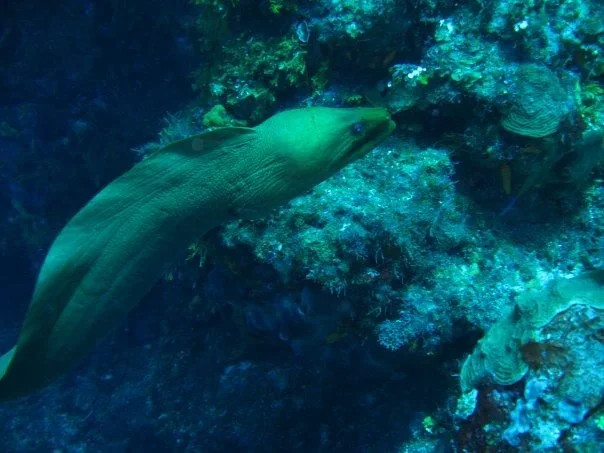
Amidst the deep, structural elements of the Saint Prosper wreck, marine life patterns have begun to establish themselves, utilizing the sunken freighter as an artificial reef. Green morays are commonly observed lurking within the wreck's crevices, showcasing their opportunistic hunting behavior.
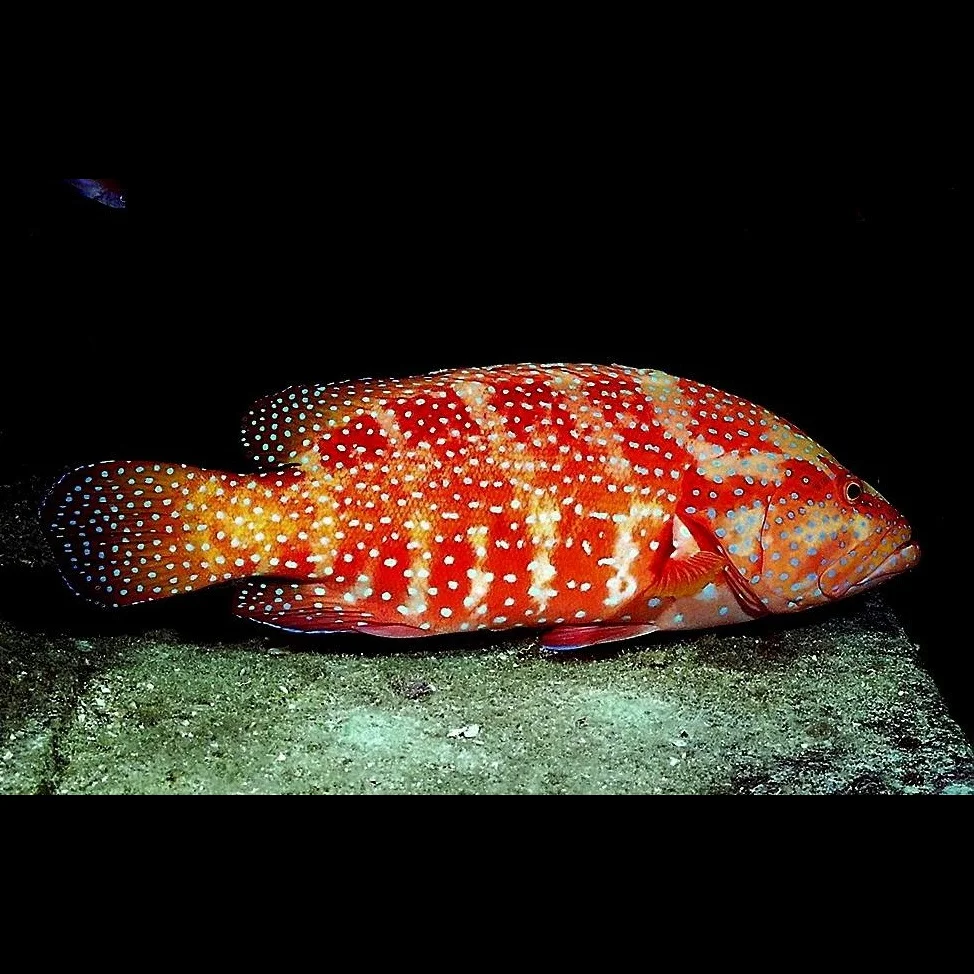
Groupers often patrol the more open sections, benefiting from the shelter and foraging opportunities the vast wreck provides. Schools of smaller fish are drawn to the protection offered by the ship's skeleton, though specific species aren't consistently detailed.
Squid can also be spotted, navigating the wreck's exterior and occasionally approaching divers with curiosity. The wreck's hard surfaces, combined with the sandy and rocky bottom surrounding it, create varied microhabitats that attract a distinct set of deeper-water inhabitants, transforming the historical structure into a thriving ecosystem.

Dive Sites Near Saint Prosper
View all dive sites in SpainDiscover more underwater gems in this area.
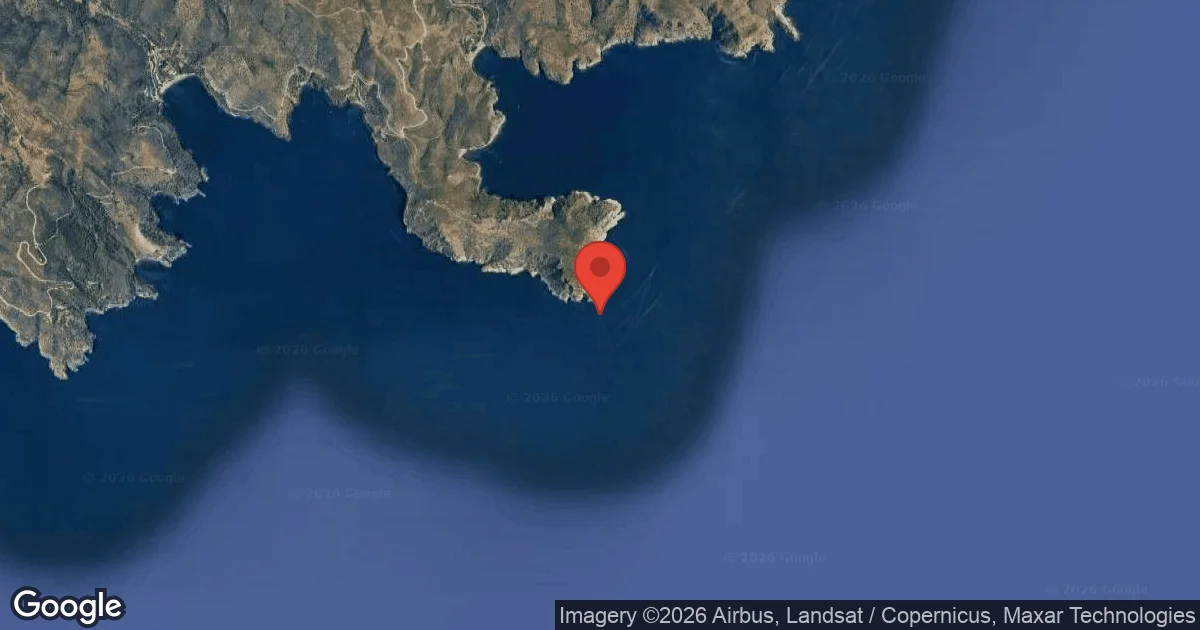
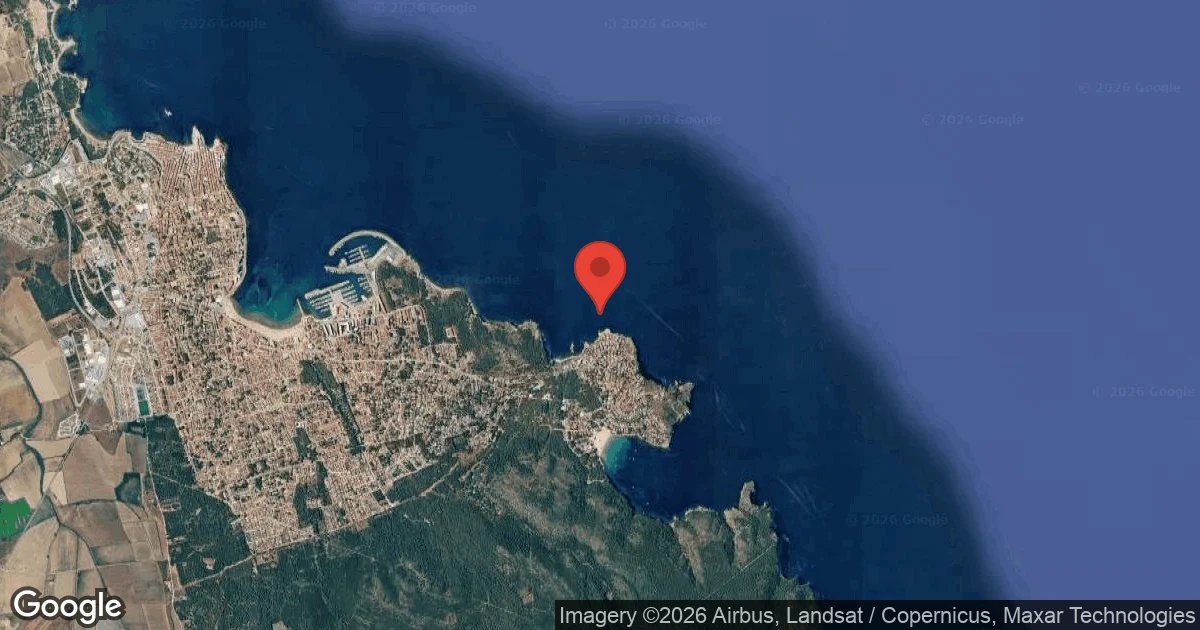
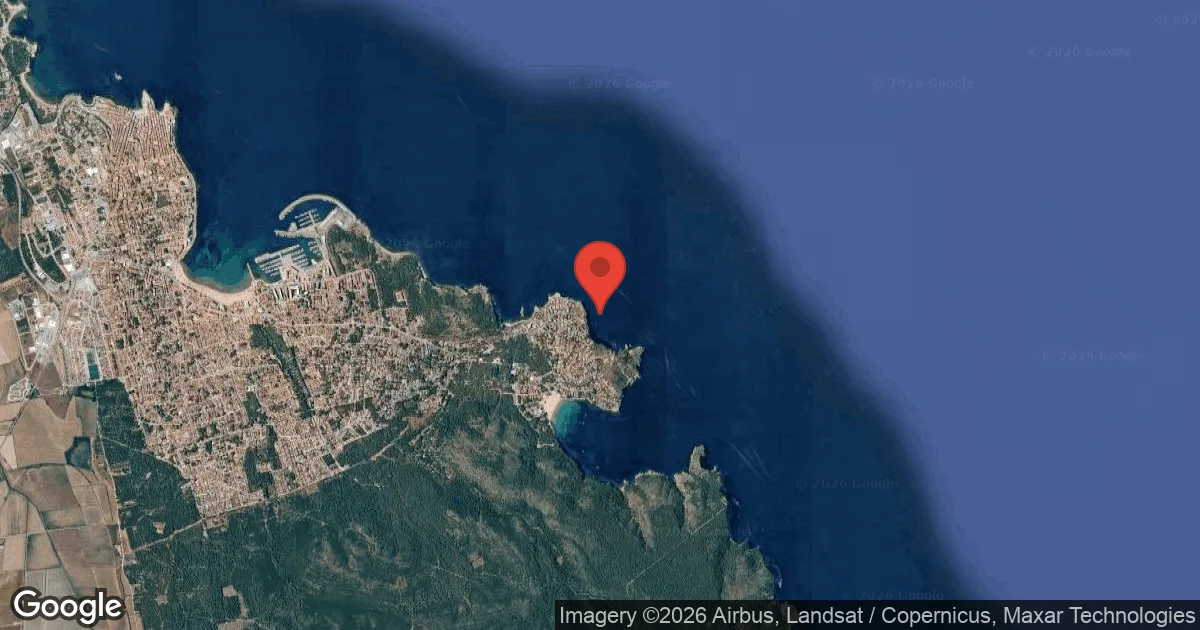
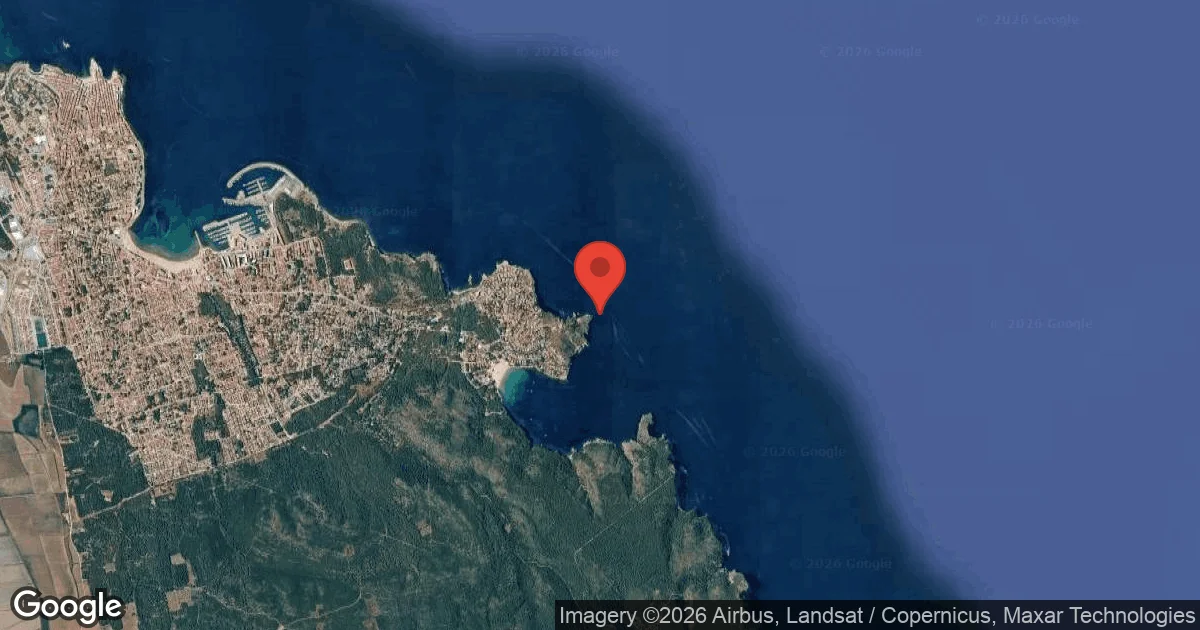
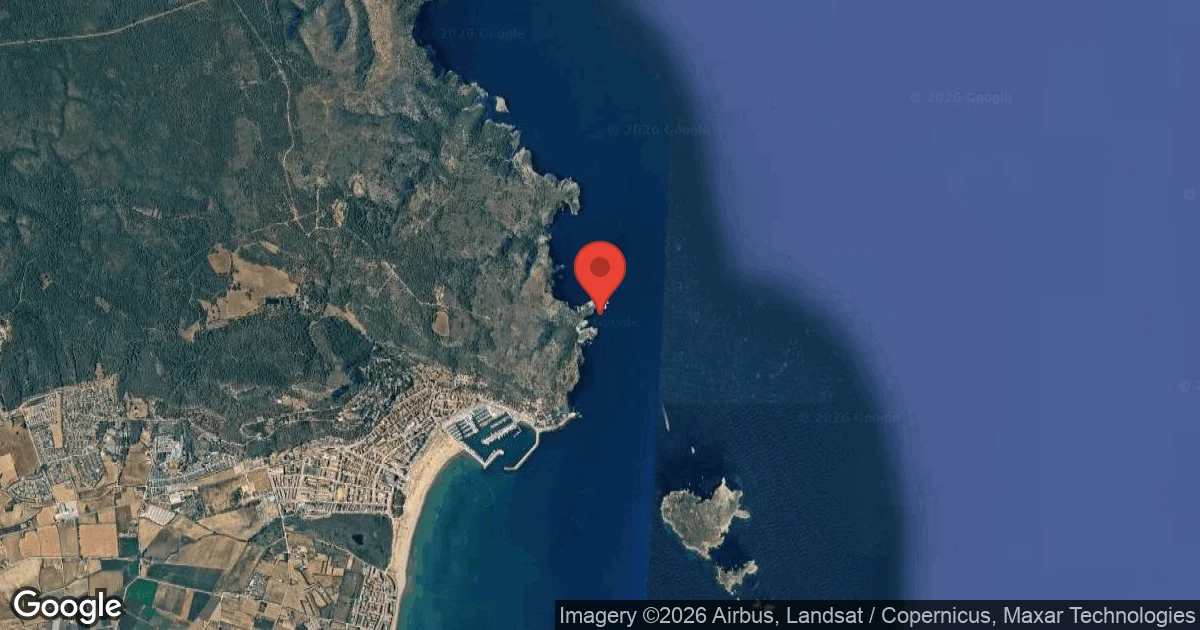
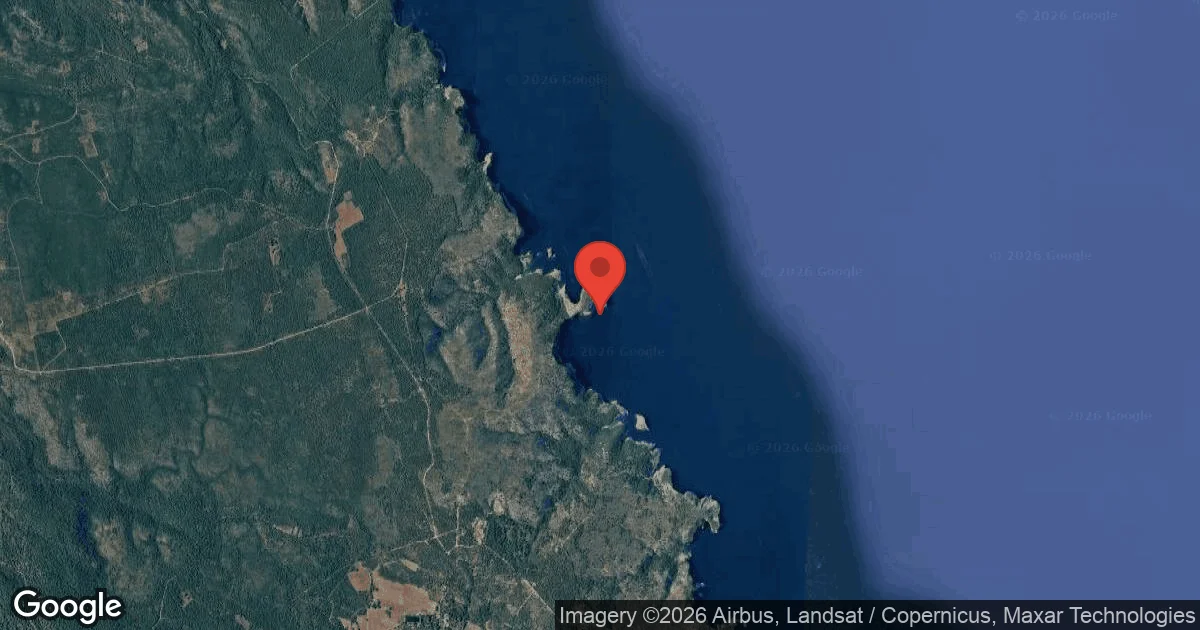
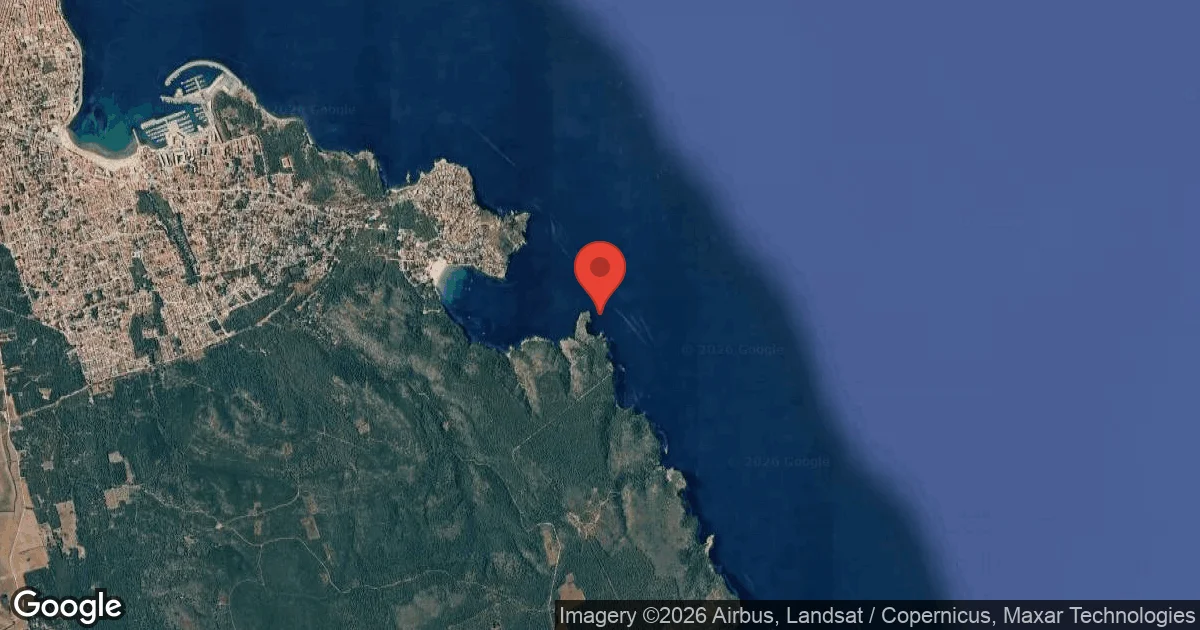
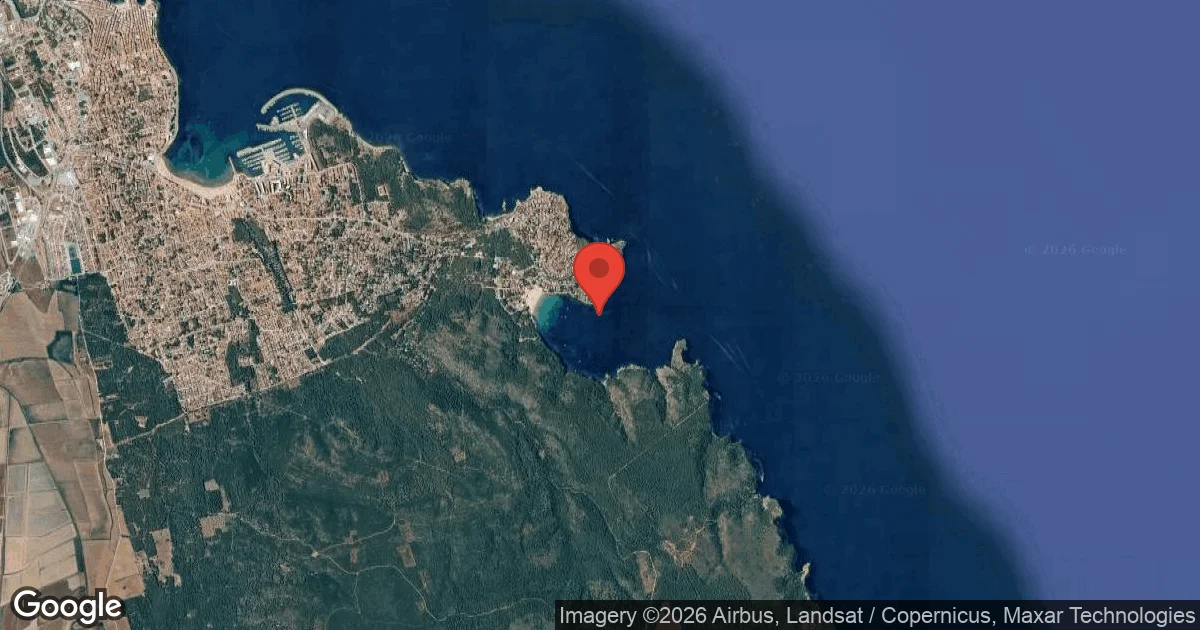
Dive Centers Near Saint Prosper
Today: 08:00 - 18:00

Nearest Airports
Nearest airports to help plan travel to this dive area.
Search Flights
Check available flights and routes on Expedia, using the nearby airports listed in this section.
Search Flights on ExpediaFrequently Asked Questions
What is the history of the Saint Prosper wreck?
The Saint Prosper was a freighter built in 1920. It sank on March 8, 1939, after striking a floating mine, resulting in 27 lives lost. Its remains now form a significant historical dive site.
What is the maximum depth of the Saint Prosper wreck?
The wreck reaches approximately 40 meters. Experienced divers comfortable with deep profiles will find it suitable for exploration.
What level of diving experience is required for Saint Prosper?
This site is designated for experienced wreck divers only and is considered an extremely technical dive. Advanced certifications in deep diving and wreck diving are necessary before attempting this site.
Are there any specific hazards to be aware of at the Saint Prosper wreck?
Divers should be aware of fishing nets on the wreck, which pose an entanglement risk. Medium currents can also be present, requiring careful navigation and strong finning techniques.
What is the typical visibility at the wreck site?
Visibility at the Saint Prosper wreck generally ranges from 5 to 10 meters, or 16 to 33 feet. The average visibility is 7 meters, roughly 23 feet. Divers should be prepared for varying conditions, which can impact situational awareness.
What marine life can be expected around the Saint Prosper?
Divers might encounter green morays and groupers utilizing the wreck for shelter and hunting grounds. Squid are also present, often seen navigating the structure's exterior. The wreck acts as an artificial reef, attracting various species.
Planning to dive Saint Prosper?
Send one inquiry and receive offers directly from the best verified local dive operators.
Conditions are Excellent
07:00 - 14:00
Optimal conditions expected
Current conditions near Saint Prosper show 20° air, 24° sea temperature, 0.4 m waves, and 20 km/h wind. Forecast data is refreshed regularly to ensure accuracy.