
Diving at Cala Punta Santa Ana (Spain)
Cala Punta Santa Ana offers straightforward shore entry, appealing to a broad range of divers. Its nearshore waters generally experience mild to negligible currents, creating a calm environment for exploration. Stronger currents aren't consistently reported, though conditions can shift, particularly further offshore or during specific weather patterns. This site provides a relaxed experience where divers can navigate with ease, suitable for training dives and leisurely exploration.
As evening covers Cala Punta Santa Ana, the local air temperature is measured at 15.5°C. The current wave height at the surface is recorded at 0.1 m. These late-day readings characterize the surface conditions for the night.
Dive Site Location & Key Facts
Dive Site Overview
Underwater, Cala Punta Santa Ana reveals a historical tapestry, largely shaped by an extensive granite rock formation extending from the point. This area is noted for its history of shipwrecks, having left behind various archaeological remains like sixteenth-century falconets and cannons.
Diving here involves exploring a varied seabed transitioning between sandy bottom areas, patches of posidonia, and rocky outcroppings. Primarily operating as a shore dive, depths reach up to 25 m (82 ft). Shore entry simplifies access, making it a viable option for those new to this dive type or seeking a less complex setup.
A prominent granite block forms a profile rising from around 17 meters to shallower sections just a few meters from the surface, providing a natural navigation point. These shallower zones are often vibrant with marine life, offering ample opportunity for observation.
Exploring different rock formations reveals hidden corners and potential encounters with local species. A range of certifications, from Open Water to Wreck Diver, are relevant for maximizing the experience, considering its diverse features and historical elements.
Conditions are Excellent
07:00 - 14:00
Optimal conditions expected
Current conditions near Cala Punta Santa Ana show 16° air, 27° sea temperature, 0.3 m waves, and 20 km/h wind. Forecast data is refreshed regularly to ensure accuracy.
Best Time to Dive
Planning a dive at Cala Punta Santa Ana is often best approached from late spring through early autumn, when conditions are most favorable for overall comfort and ease of access. During these months, average air temperatures range from around 17°C (63°F) in May to highs near 25°C (77°F) in August, creating pleasant surface conditions. Rain activity during this period is typically low, averaging between 1-2 mm, which minimizes run-off and potentially improves visibility. While dive scores are consistently rated "Good" for most of the year, including winter, warmer air temperatures make shore entries and post-dive activities more enjoyable. Wave heights generally remain under 0.8 meters (2.6 feet) from May through September, indicating calmer seas. March experiences slightly more moderate dive conditions, with air temperatures around 12.5°C (54°F) and higher average wave heights near 1.1 meters (3.6 feet), making it a less ideal time for less experienced divers or those sensitive to cooler weather. For the most comfortable experience, target the summer months.
PEAK SEASON SCORE
Scores combine air & water temps, waves, wind & rainfall for overall conditions.
BEST MONTHS TO DIVE
Monthly records compiled from satellite and marine observation nodes over the last 3 years. Data provided by Open-Meteo and MET Norway.
Dive Experience & Conditions
Navigating Cala Punta Santa Ana typically involves a gradual descent across a varied bottom. Maximum depth encountered is generally around 25 meters, though a prominent granite block forms a profile rising from 17 meters to a shallower 3 meters. This offers a multi-level dive opportunity suitable for various certification levels. Visibility here can vary with local conditions and recent weather, but is generally good for Mediterranean shore dives. Divers can expect sandy bottom areas leading to rocky sections and interspersed posidonia meadows. Water temperatures aren't consistently reported, but often mirror seasonal air temperature trends, being warmer in summer. Surge near the shore is usually mild, dependent on wave action, allowing for comfortable entry and exit. During a typical dive, absence of strong currents facilitates unhurried exploration of historical artifacts and natural rock formations. Surface conditions are generally amenable, with average wave heights remaining below a meter for much of the dive season.
Dive Difficulty & Safety Guidelines
Given its shore-based entry and moderate depth profile, Cala Punta Santa Ana is considered accessible for divers with Open Water certification and above. Divers should always prioritize a thorough pre-dive check and familiarize themselves with local entry and exit points, especially for a shore dive. Since strong currents are not a dominant feature, managing buoyancy is generally straightforward, but maintaining good trim is still important, particularly when navigating near archaeological remains.
No specific inherent hazards are consistently reported for this site; however, standard dive safety practices remain paramount. This includes monitoring air consumption, staying within no-decompression limits, and diving with a buddy.
Awareness of local boat traffic, if present, is also advised, and deploying a Delayed Surface Marker Buoy (DSMB) is always a responsible practice upon ascent, particularly in areas with potential vessel activity. A general understanding of Mediterranean marine life behavior will enhance safety, though no dangerous species are commonly cited here.
Recommended Equipment
Overhead / entanglement risk. Wreck penetration requires proper training.
- Dive Computer
- Primary & Backup Lights
- Wreck Reel
- Cutting Tool
This gear list is based on verified equipment signals for Cala Punta Santa Ana, Spain. Always confirm final gear choices with your dive operator, guide, or liveaboard.
Recommended Dive Suit
2-3mm shorty or light wetsuit usually provides adequate warmth in water around this temperature. A thermal robe or jacket is recommended between dives. Those diving at Cala Punta Santa Ana today will likely encounter water temperatures in the region of 27°C (80°F). Surface air temperatures are resting at 16°C (60°F).
Forecasts suggest rising temperatures later this week. A warming trend is expected over the next few days.
Conditions can vary slightly across different parts of the same dive site.
Emergency & Medical Support
Essential information to help you plan your dive trip to Cala Punta Santa Ana.

Hyperbaric chambers are a critical part of dive safety infrastructure. Availability varies significantly by region, and not all dive areas have immediate access.
Before diving, it's recommended to:
- confirm nearest medical facilities
- check emergency procedures with local dive operators
- ensure dive insurance covers evacuation if required
Divers Alert Network
Diving emergency assistance available through DAN Europe.
+39 0642115685- 24/7 emergency hotline
- Diving medical assistance
- Evacuation coordination
Emergency contacts are provided for reference. Always verify local emergency services before diving.
Closest Listed Hyperbaric Chambers
Showing listed hyperbaric chamber facilities within 200 km of this dive site.
Distances are approximate straight-line distances and may not reflect emergency travel time.
Unitat de Medicina Hiperbàrica (UMH)
24/7 ListedPalamos (Girona), Spain•Approx. 34 km straight-line
Unitat de Medicina Hiperbàrica (UMH)
24/7 ListedInformation is provided for reference and planning purposes only. Dive Navigator does not verify operational status, staffing, availability, or quality of care at listed facilities. In an emergency, contact local emergency services, DAN, your dive operator, or the chamber directly. Do not travel to a facility without calling ahead.
UTH-CSI
24/7 ListedICU CapableSant Joan Despí, Spain•Approx. 71 km straight-line
UTH-CSI
24/7 ListedICU CapableInformation is provided for reference and planning purposes only. Dive Navigator does not verify operational status, staffing, availability, or quality of care at listed facilities. In an emergency, contact local emergency services, DAN, your dive operator, or the chamber directly. Do not travel to a facility without calling ahead.
Marine Life at Cala Punta Santa Ana
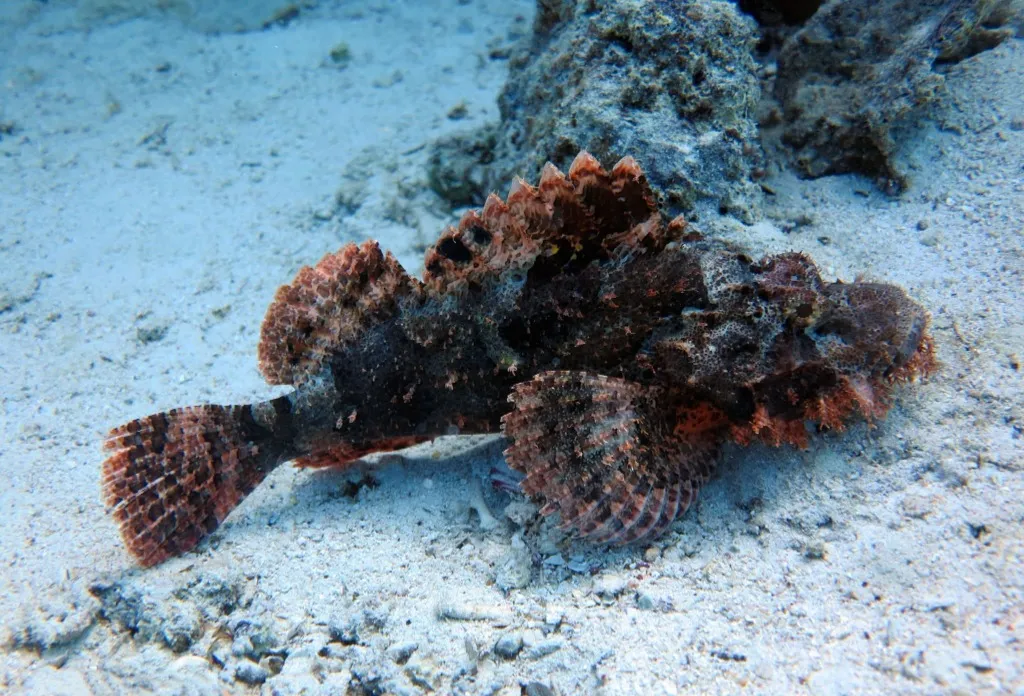
Underwater, Cala Punta Santa Ana's landscape, characterized by sandy bottom, posidonia meadows, and rocky outcroppings, supports a diverse array of Mediterranean marine life. Exploring the granite block formations, divers often spot various fish species, from schools darting among the rocks to individual scorpionfish camouflaged against the seabed.
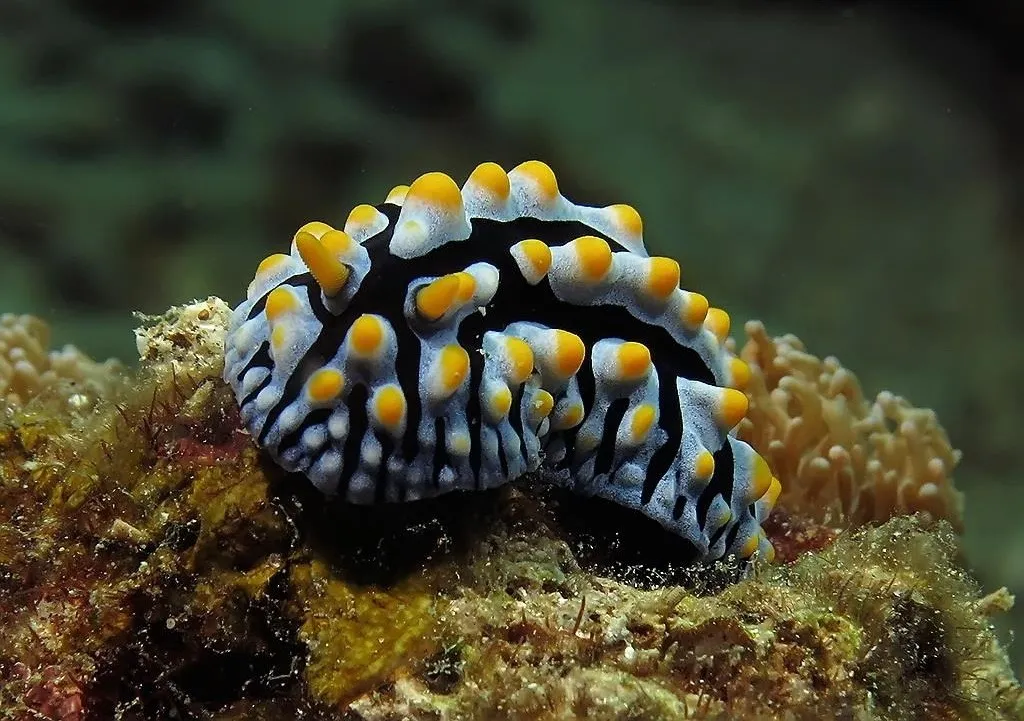
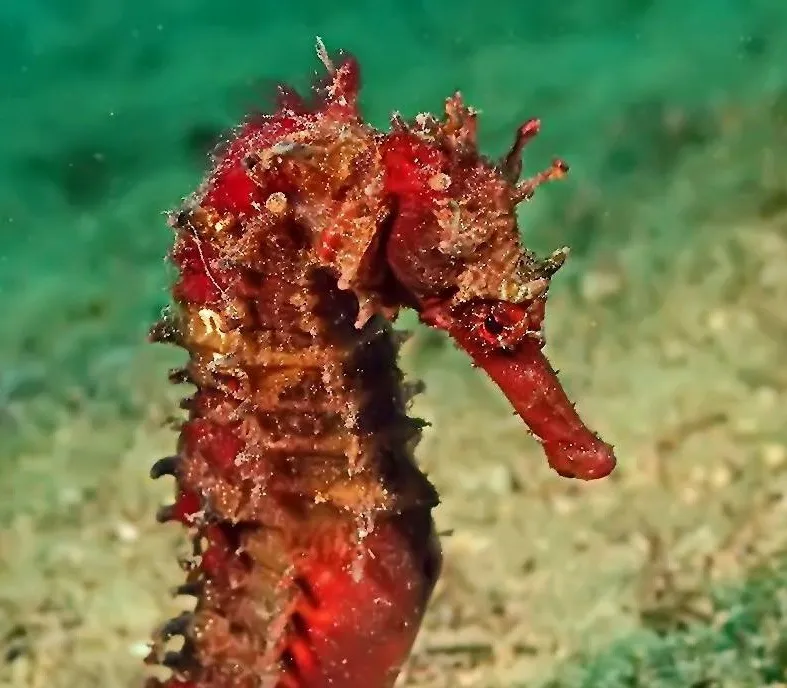
Nudibranchs are regularly observed on rocks and posidonia, adding vibrant splashes of color. Patient observation in calmer, shallower sections may reveal seahorses, known for blending into seagrass.
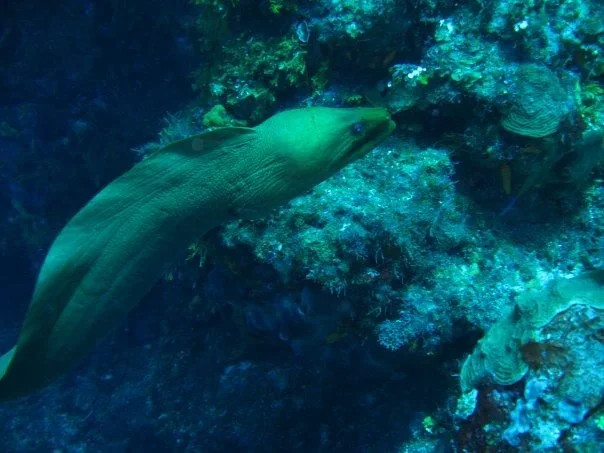
Octopus and moray eels utilize many crevices and small caves within the rock formations for shelter, offering exciting encounters. Rays can occasionally be seen gliding over the sandy bottom, particularly in transition zones.

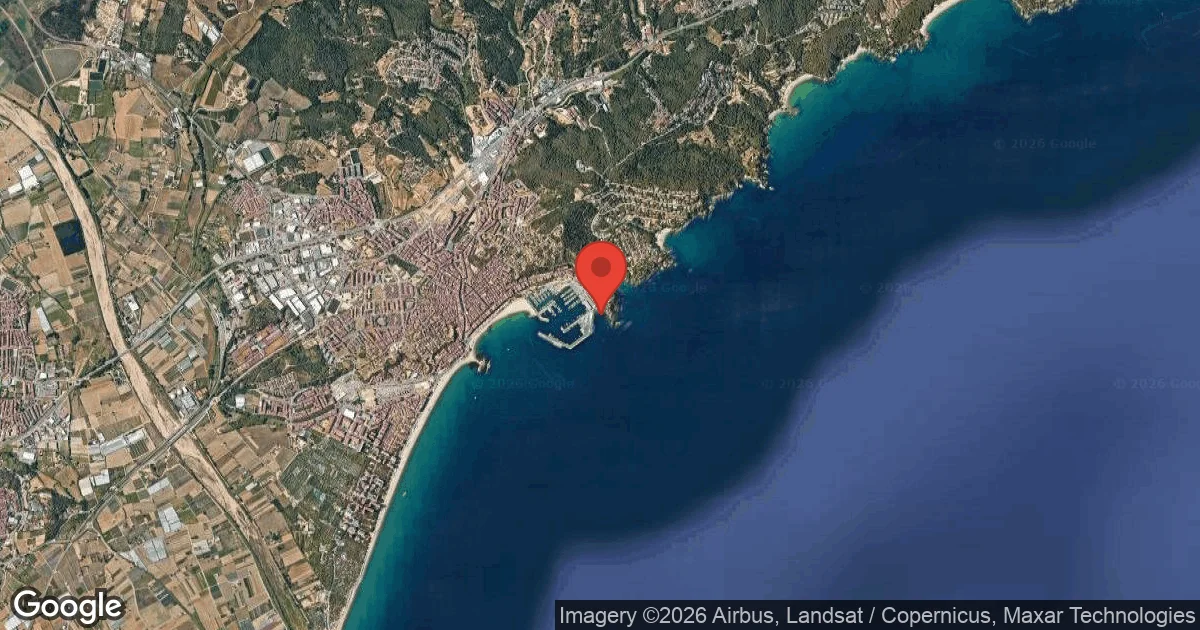
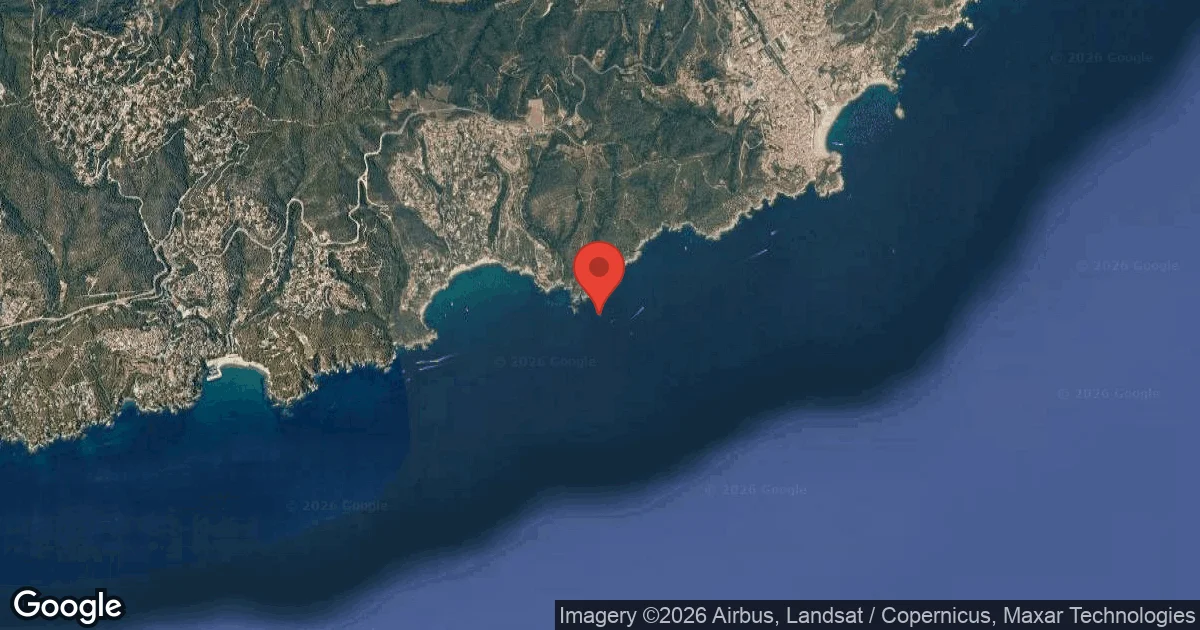
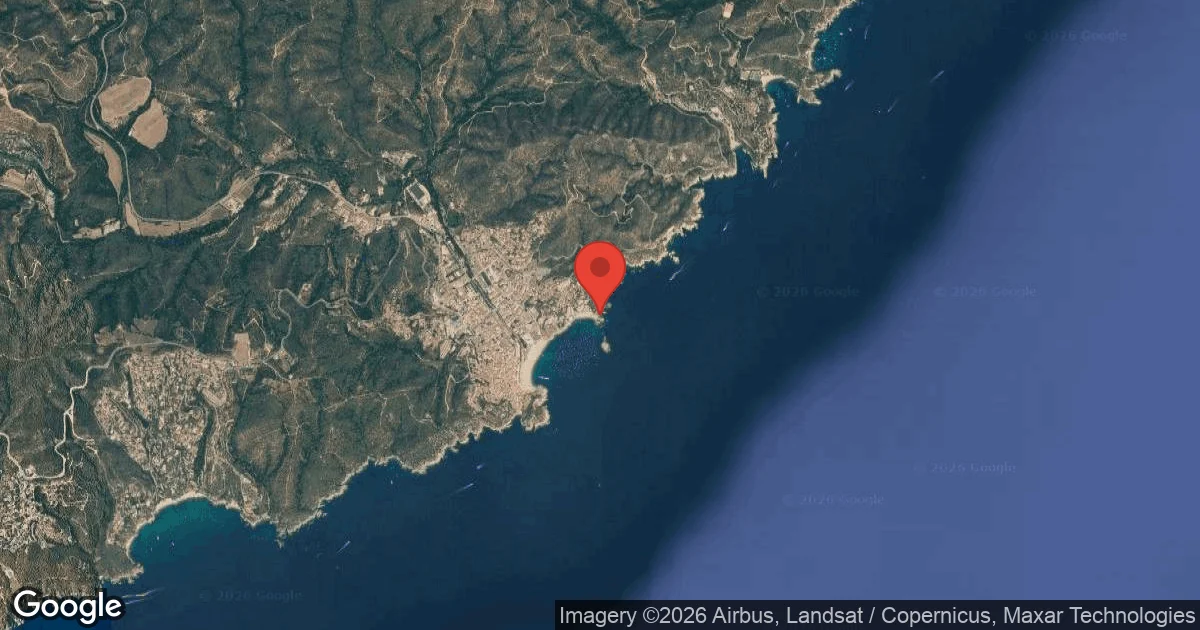
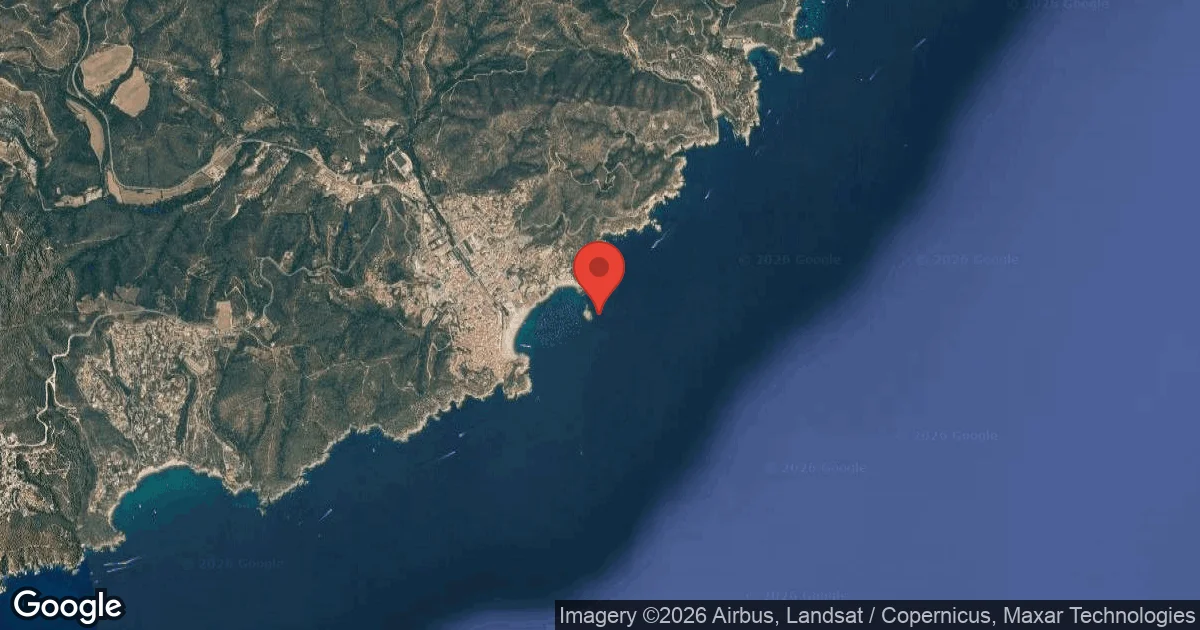
Dive Sites Near Cala Punta Santa Ana
View all dive sites in SpainDiscover more underwater gems in this area.
Dive Centers Near Cala Punta Santa Ana
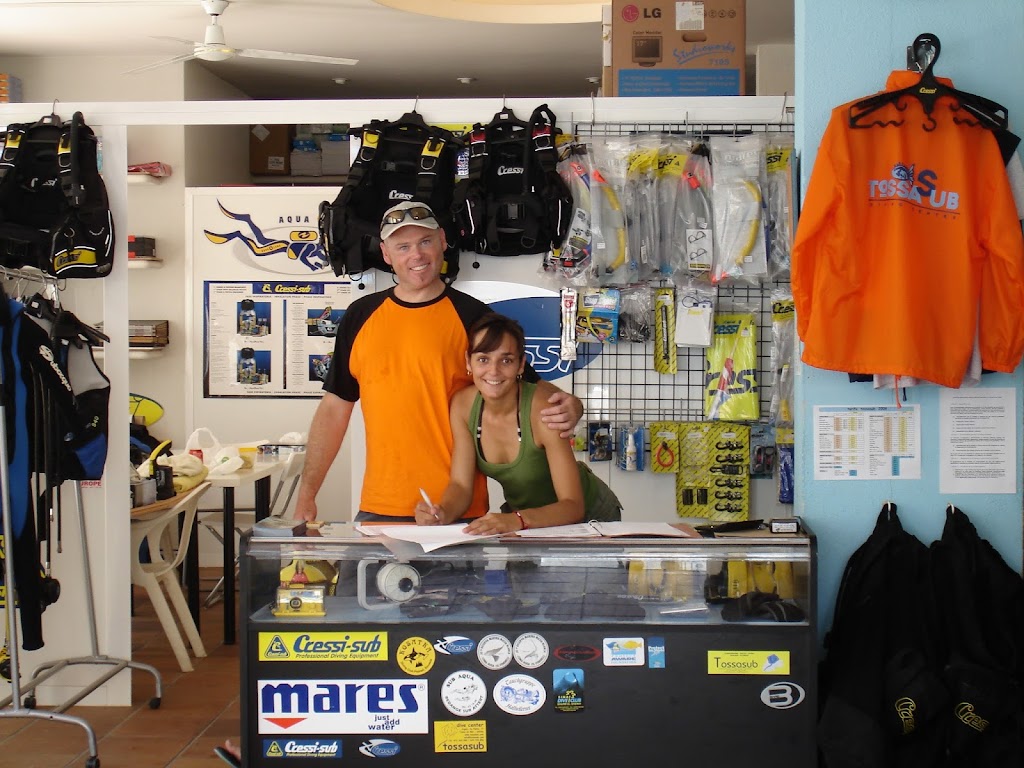
Today: 09:00 - 14:00 • 16:00 - 19:00
Nearest Airports
Nearest airports to help plan travel to this dive area.
Search Flights
Check available flights and routes on Expedia, using the nearby airports listed in this section.
Search Flights on ExpediaFrequently Asked Questions
What is the maximum depth at Cala Punta Santa Ana?
Maximum depth at this site is generally around 25 m (82 ft). A large granite block also presents a varied profile, ranging from around 17 meters to just a few meters from the surface.
Can I see any historical artifacts while diving here?
Yes, this area is historically significant for shipwrecks. Divers may still encounter sixteenth-century archaeological remains, including falconets and cannons, scattered around the site.
What type of marine life commonly inhabits Cala Punta Santa Ana?
Divers often spot a good variety of fish, nudibranchs, octopus, and moray eels utilizing the rocky formations and posidonia beds. Patient divers might also encounter seahorses, especially in the shallower areas.
Is this dive site suitable for beginner divers?
With its accessible shore entry and moderate depth profile up to 25 meters, Cala Punta Santa Ana is generally considered suitable for Open Water certified divers. Its calm conditions and varied terrain make it a good location for skill development.
How are the currents typically at this site?
Nearshore waters generally experience mild to negligible currents. While conditions can vary, strong currents are not consistently reported, allowing for relaxed and unhurried exploration.
Is Cala Punta Santa Ana accessed via shore or boat?
Cala Punta Santa Ana is primarily a shore dive. Divers can access the site directly from the beach, which is convenient for setting up gear and entering the water.
When is the most comfortable time of year to dive at Cala Punta Santa Ana?
Diving is most comfortable from late spring through early autumn, typically May to September. During these months, air temperatures are warmer, and rain is minimal, enhancing the overall dive experience.
Planning to dive Cala Punta Santa Ana?
Send one inquiry and receive offers directly from the best verified local dive operators.
Conditions are Excellent
07:00 - 14:00
Optimal conditions expected
Current conditions near Cala Punta Santa Ana show 16° air, 27° sea temperature, 0.3 m waves, and 20 km/h wind. Forecast data is refreshed regularly to ensure accuracy.