
Diving at Punta Santa Anna (Spain)
Punta Santa Anna is particularly suitable for divers holding an Open Water certification or those new to the sport, given its low difficulty rating. Its accessible profile, typically ranging from shallow depths to about 18 m (59 ft), makes it an ideal location for initial training dives and skill development. This site welcomes both beginner and intermediate divers seeking a straightforward yet engaging underwater experience.
Evening condition tracking at Punta Santa Anna features an air temperature of 17°C. We have recorded wave heights measuring 0.5 m during this period. These figures outline the environmental parameters currently present.
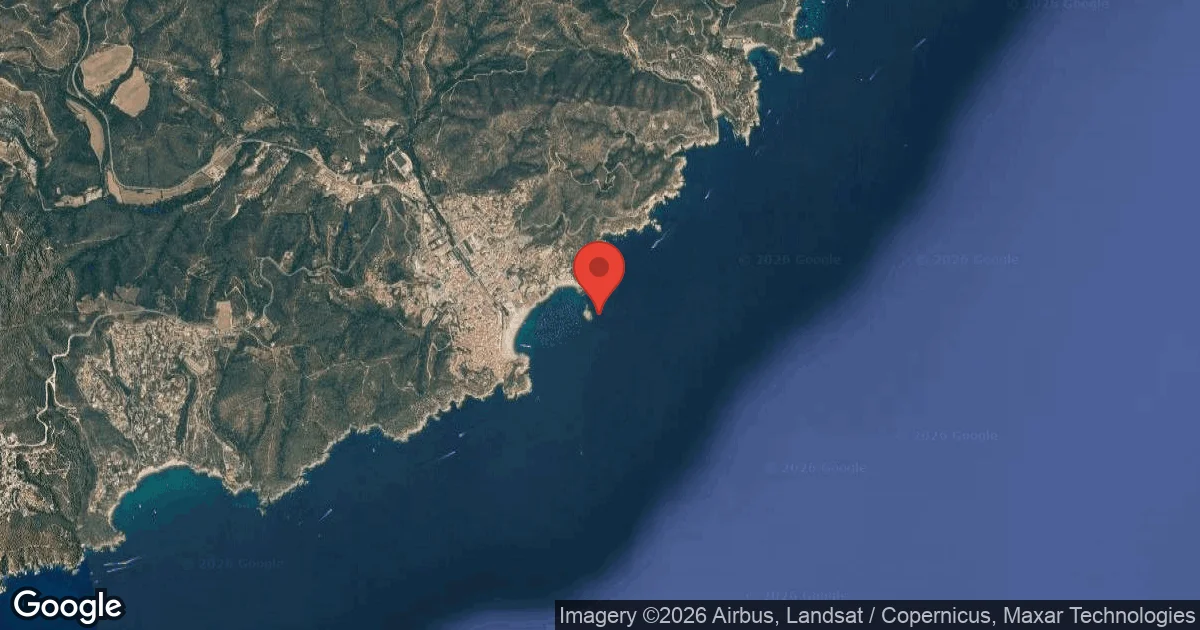
Dive Site Location & Key Facts
Dive Site Overview
An extension of the mainland, Punta Santa Anna reveals a substantial granite block whose profile ranges from 3 to 17 meters (10 to 56 ft) in depth. This formation has historically contributed to numerous shipwrecks, scattering various archaeological remnants across the seafloor.
Divers exploring the site can still encounter distinct pieces of history, including sixteenth-century falconetes and cannons, which serve as poignant reminders of past maritime activity. The presence of these artifacts adds a unique layer to the underwater landscape, merging natural beauty with human history. The dive typically commences as a shore entry, leading into a diverse bottom composition of sand, Posidonia seagrass, and rock formations.
While currents are reported at the site, the overall navigation is generally considered low difficulty, which appeals to divers honing their underwater orientation. Visibility here has been reported as medium, around 8 m (26 ft), though this can fluctuate based on local conditions.
The maximum depth reached at Punta Santa Anna is approximately 25 meters (82 feet), accommodating various certification levels. Its shallower areas are particularly conducive to longer, calmer dives, making it a favorite for underwater photographers and those looking to maximize their time observing marine life.
Conditions are Excellent
07:00 - 14:00
Optimal conditions expected
Current conditions near Punta Santa Anna show 17° air, 26° sea temperature, 0.2 m waves, and 13 km/h wind. Forecast data is refreshed regularly to ensure accuracy.
Best Time to Dive
Divers aiming for optimal comfort and calm conditions will generally find the summer months most accommodating at Punta Santa Anna. July and August typically offer the warmest air temperatures, averaging around 25°C (77°F) and 25.5°C (78°F) respectively, paired with minimal rainfall, often less than 1-2 mm. Wave heights are also at their lowest during this period, averaging about 0.5 meters (1.6 feet), contributing to smoother surface conditions and easier shore entries. Historical data from August indicates water temperatures around 23°C (73°F), providing a comfortable environment for extended dives. While these peak summer months offer the most favorable experience, the shoulder seasons of May-June and September-October also present good diving opportunities. During these times, air temperatures remain pleasant, ranging from 17°C to 21°C (63-70°F), with moderate wave heights. Even winter months from November to February are rated "Good" for diving, though divers should anticipate cooler air temperatures, typically from 10°C to 14°C (50-57°F), and potentially rougher seas with average wave heights closer to 1 meter (3.3 feet). Planning your dive depends largely on your preference for warmth versus the chance of fewer crowds.
PEAK SEASON SCORE
Scores combine air & water temps, waves, wind & rainfall for overall conditions.
BEST MONTHS TO DIVE
Monthly records compiled from satellite and marine observation nodes over the last 3 years. Data provided by Open-Meteo and MET Norway.
Dive Experience & Conditions
Upon entering the water at Punta Santa Anna, divers immediately encounter a gently sloping bottom, transitioning from sand and Posidonia beds to the prominent granite rock formations. The initial descent is typically straightforward, easing into a low-difficulty profile that guides you along the natural contours of the site. Depths generally begin shallow, around 3 meters (10 ft), extending towards the site's maximum reported depth of 25 meters (82 ft) near the granite block extension. Water temperatures, as reported for late summer, can be around 23°C (73°F), though this will vary seasonally. While some currents are present, they are often manageable, making this site suitable for Open Water certified divers. Visibility, generally reported as medium at about 8 meters (26 ft), can offer clear views of the sandy patches and the scattered historical artifacts. As you progress, the interplay of light and structure creates interesting photographic opportunities, especially around the rockier sections. This site is also noted for its potential for night dives, where a different array of marine activity becomes visible.
Dive Difficulty & Safety Guidelines
When planning a dive at Punta Santa Anna, consider the reported presence of currents. While often manageable, understanding local conditions before entry is always a prudent step, particularly for less experienced divers. The site's low difficulty and clear orientation pathways make it suitable for those developing their skills, but complacency should be avoided.
Always review your dive plan, especially if venturing towards deeper sections or attempting a night dive. Due to the historical significance, which includes archaeological remains like falconetes and cannons, divers should practice strict buoyancy control and maintain a respectful distance from artifacts.
Disturbing these historical elements is prohibited and detrimental to their preservation. Good communication with your dive buddy and maintaining awareness of your surroundings are fundamental practices here, ensuring a safe and enjoyable experience for all divers.
Recommended Equipment
- Dive Computer
This gear list is based on verified equipment signals for Punta Santa Anna, Spain. Always confirm final gear choices with your dive operator, guide, or liveaboard.
Recommended Dive Suit
Temperatures look set to gradually increase over the next several days. A warming trend is expected over the next few days.
Many experienced divers would consider 3mm wetsuit an appropriate choice here. A hood or vest is suggested for sensitive divers due to surface winds.
At Punta Santa Anna, the water is currently sitting around 26°C (78°F). Surface air temperatures are resting at 17°C (63°F).
Due to technical issues with our weather providers, live updates are temporarily delayed. The data above reflects the conditions at the time of the last successful fetch.
Emergency & Medical Support
Essential information to help you plan your dive trip to Punta Santa Anna.

Hyperbaric chambers are a critical part of dive safety infrastructure. Availability varies significantly by region, and not all dive areas have immediate access.
Before diving, it's recommended to:
- confirm nearest medical facilities
- check emergency procedures with local dive operators
- ensure dive insurance covers evacuation if required
Divers Alert Network
Diving emergency assistance available through DAN Europe.
+39 0642115685- 24/7 emergency hotline
- Diving medical assistance
- Evacuation coordination
Emergency contacts are provided for reference. Always verify local emergency services before diving.
Closest Listed Hyperbaric Chambers
Showing listed hyperbaric chamber facilities within 200 km of this dive site.
Distances are approximate straight-line distances and may not reflect emergency travel time.
Unitat de Medicina Hiperbàrica (UMH)
24/7 ListedPalamos (Girona), Spain•Approx. 34 km straight-line
Unitat de Medicina Hiperbàrica (UMH)
24/7 ListedInformation is provided for reference and planning purposes only. Dive Navigator does not verify operational status, staffing, availability, or quality of care at listed facilities. In an emergency, contact local emergency services, DAN, your dive operator, or the chamber directly. Do not travel to a facility without calling ahead.
UTH-CSI
24/7 ListedICU CapableSant Joan Despí, Spain•Approx. 71 km straight-line
UTH-CSI
24/7 ListedICU CapableInformation is provided for reference and planning purposes only. Dive Navigator does not verify operational status, staffing, availability, or quality of care at listed facilities. In an emergency, contact local emergency services, DAN, your dive operator, or the chamber directly. Do not travel to a facility without calling ahead.
Marine Life at Punta Santa Anna
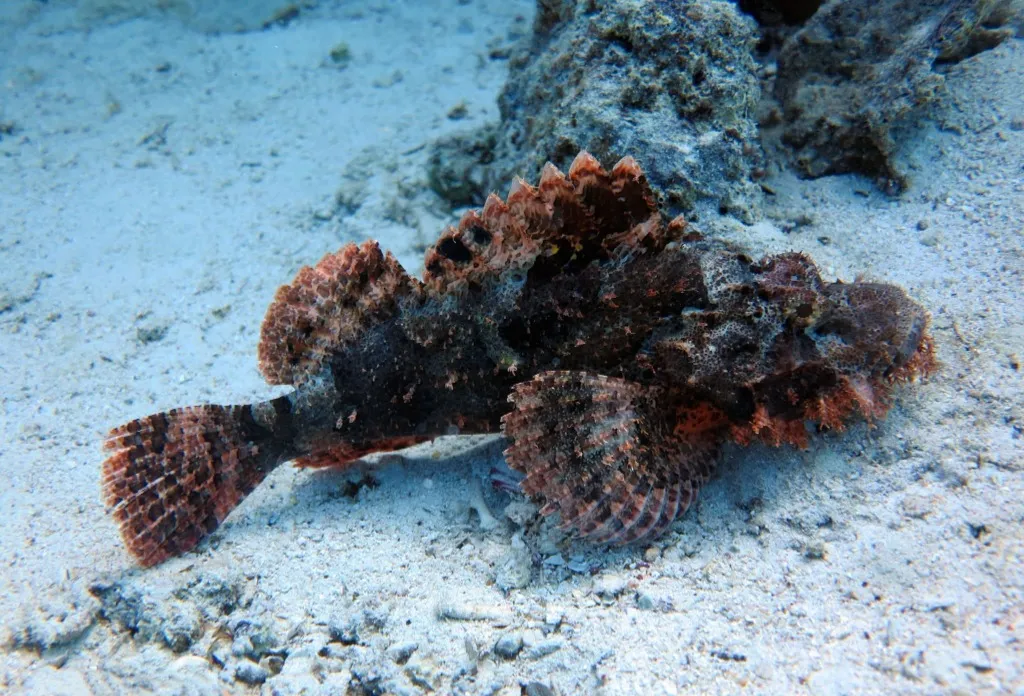
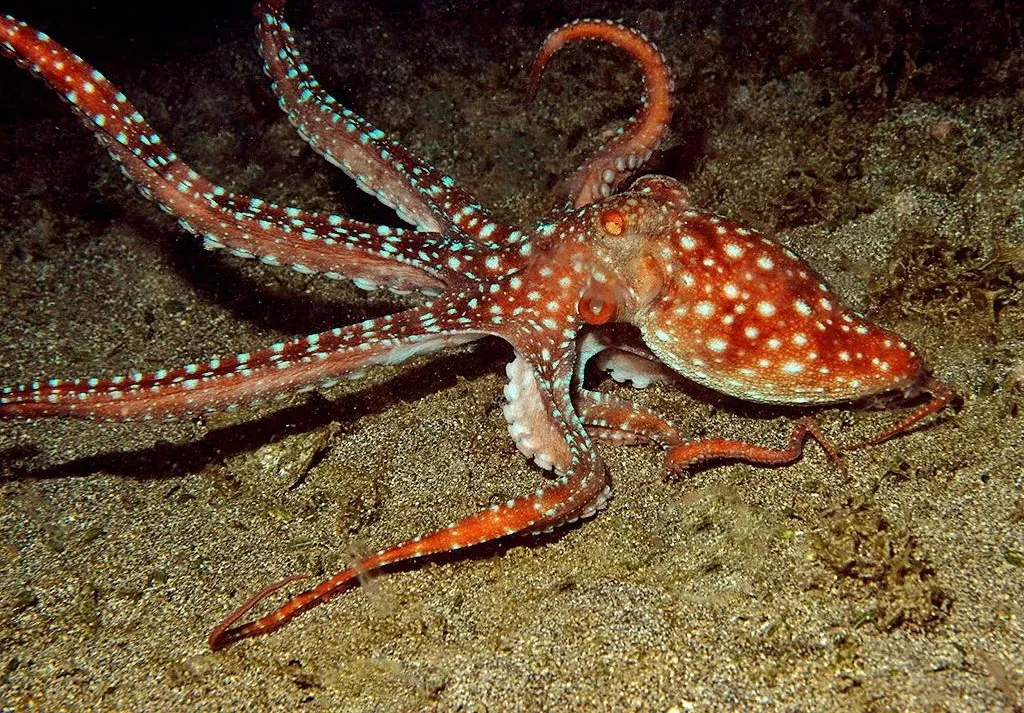
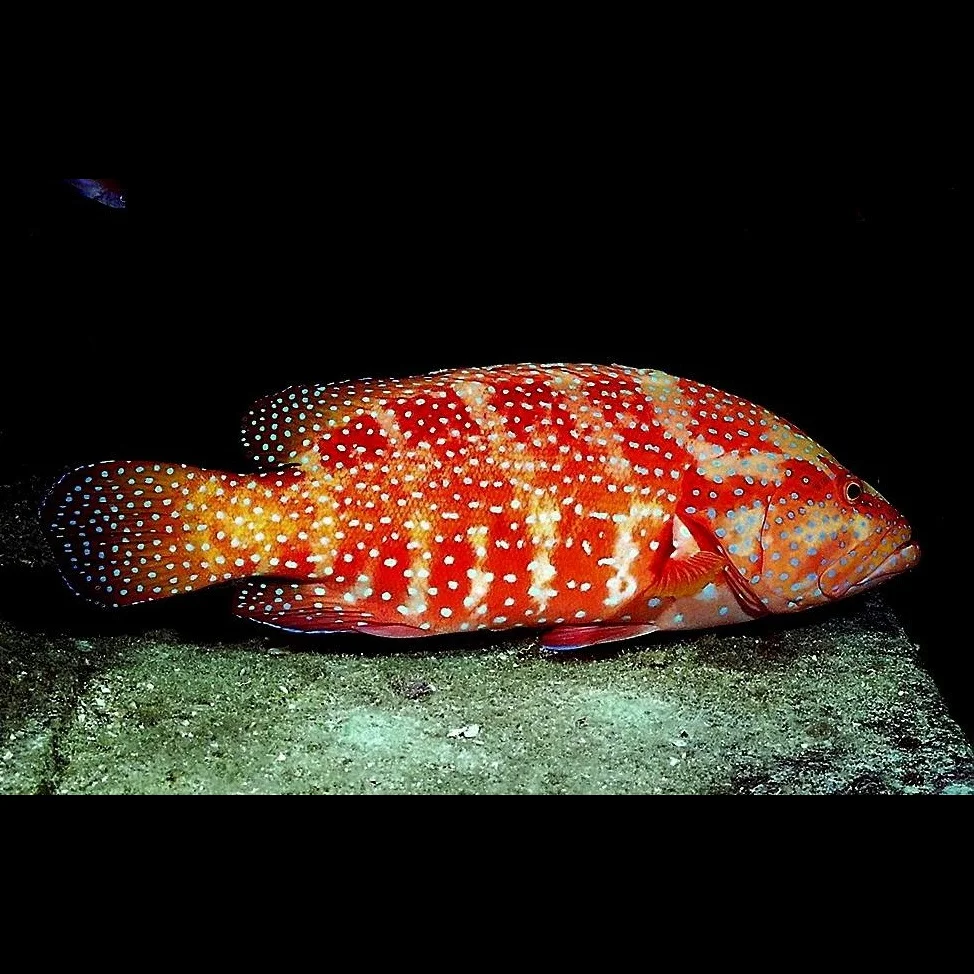
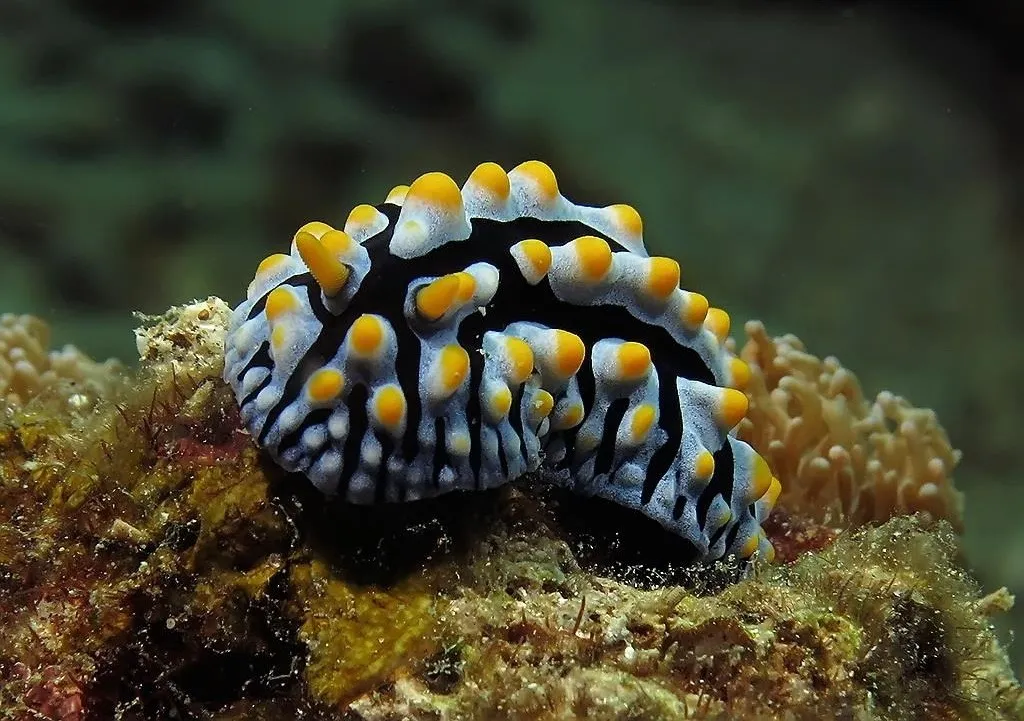
As you explore Punta Santa Anna, one of the first things you'll likely notice are the resident octopuses, often camouflaged among the rocks and sand, alongside various nudibranchs that add vibrant splashes of color. Look closely at the sandy and rocky seabed, as it's home to grouper fish, rays, and scorpionfish.
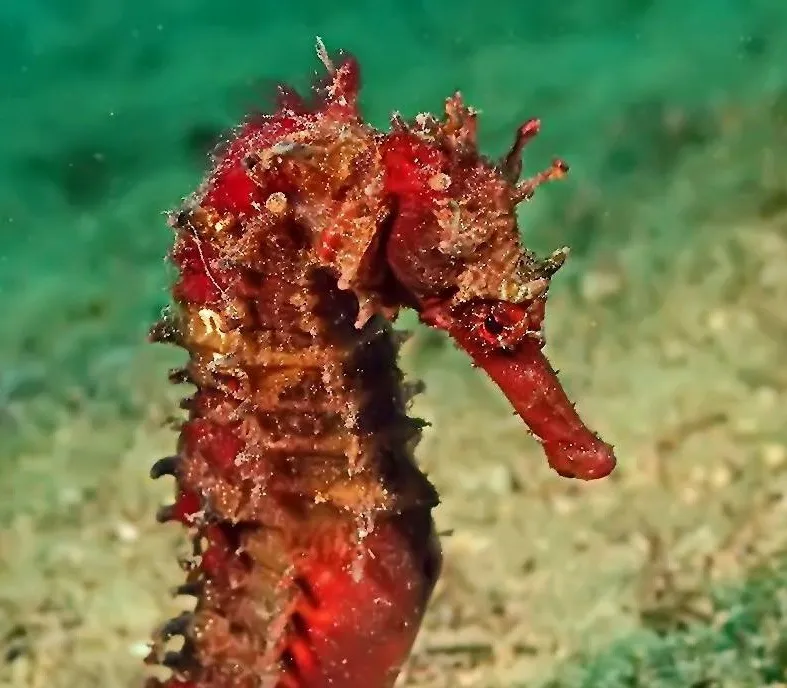
Divers also have the chance to spot seahorses, tucked away in the Posidonia seagrass or near other protected areas. During different seasons, jellyfish may be present, depending on ocean currents and temperatures. This site reveals a consistent array of typical Mediterranean species within its diverse habitats.
Dive Sites Near Punta Santa Anna
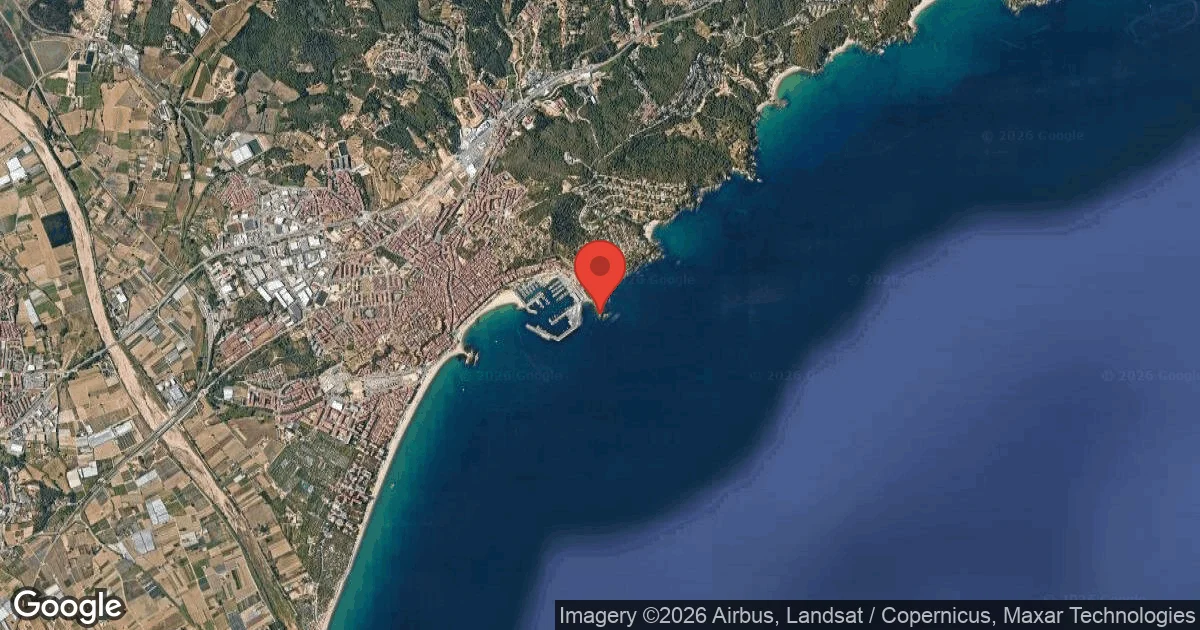
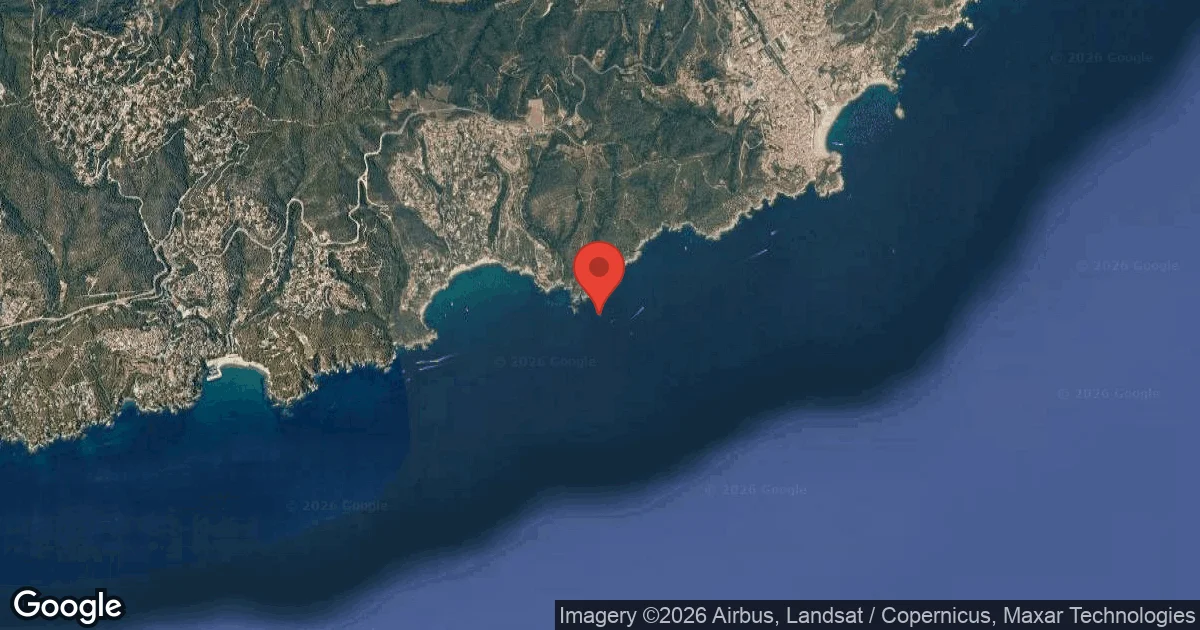
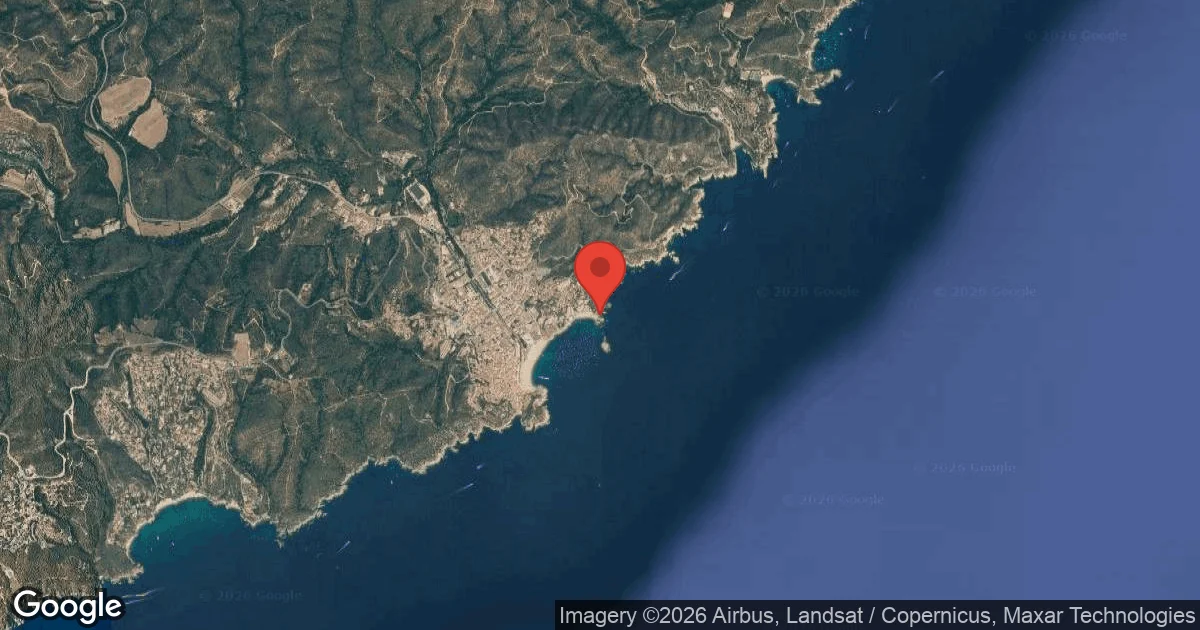
View all dive sites in SpainDiscover more underwater gems in this area.
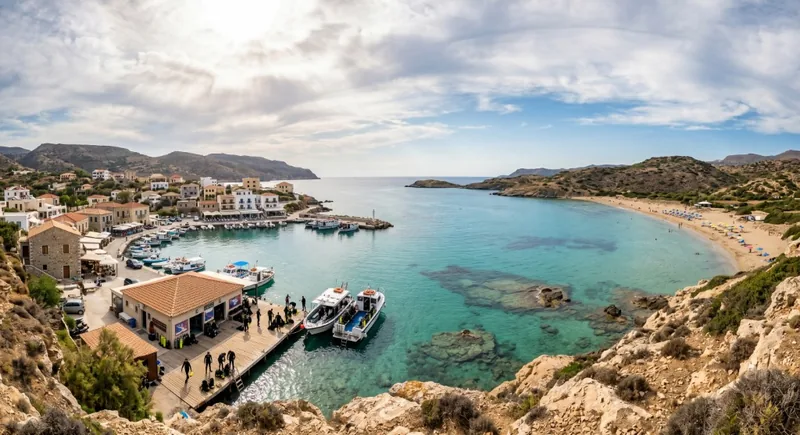
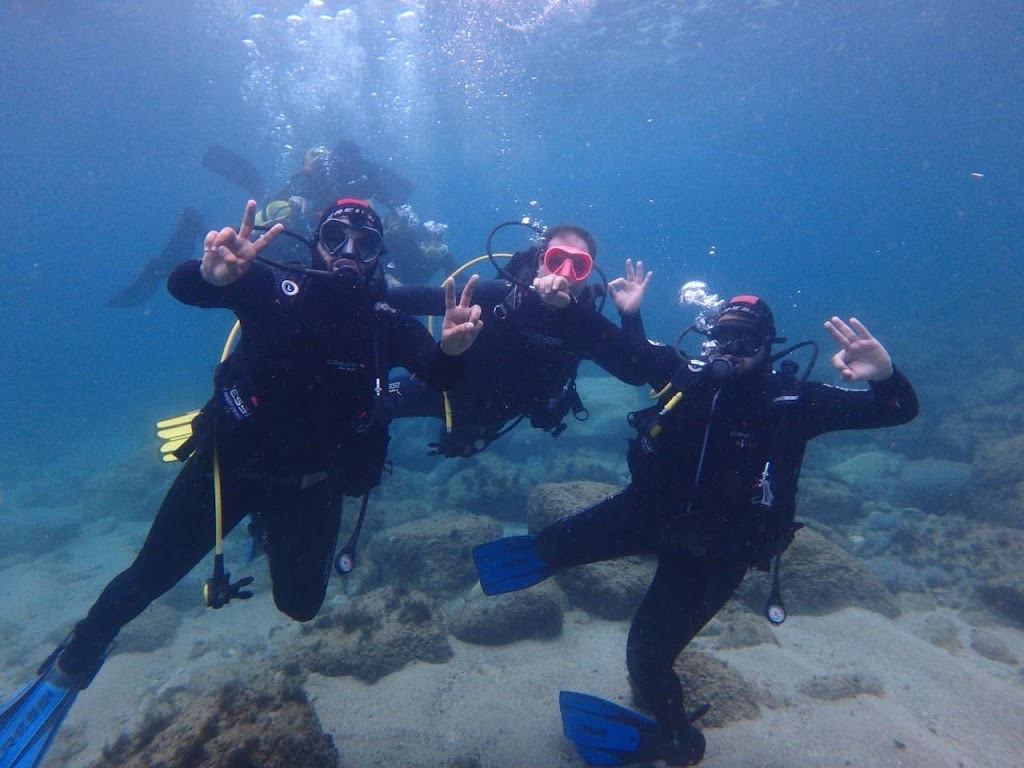
Dive Centers Near Punta Santa Anna
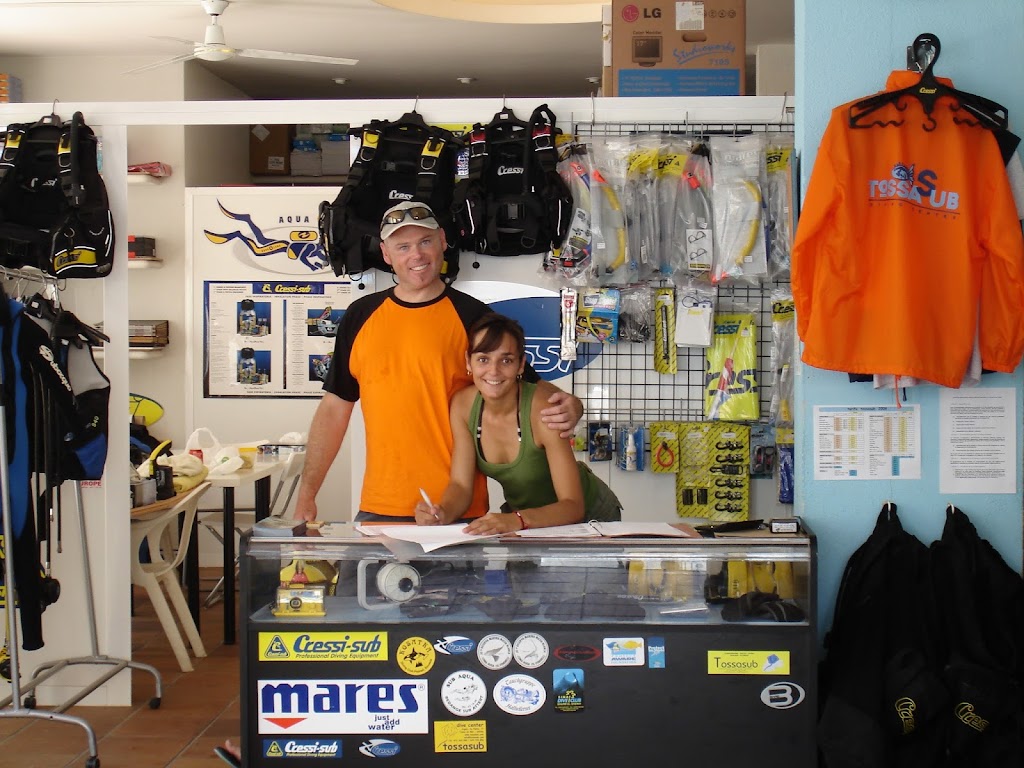
Today: 09:00 - 14:00 • 16:00 - 19:00
Nearest Airports
Nearest airports to help plan travel to this dive area.
Search Flights
Check available flights and routes on Expedia, using the nearby airports listed in this section.
Search Flights on ExpediaFrequently Asked Questions
Is Punta Santa Anna suitable for beginner divers?
Yes, Punta Santa Anna is often described as having low difficulty and easy orientation, making it ideal for Open Water divers and those just starting out. Its shallower depths are perfect for skill development and initial training.
What is the maximum depth at Punta Santa Anna?
The maximum depth reported for diving at Punta Santa Anna is approximately 25 meters (82 feet). However, much of the site, particularly around the granite block, ranges from 3 to 17 meters (10 to 56 feet).
Are there currents at Punta Santa Anna?
Yes, currents have been reported at Punta Santa Anna. While often manageable, divers should be aware and plan accordingly, especially if exploring areas exposed to open sea conditions.
What kind of marine life can I expect to see?
Divers can anticipate seeing octopuses, various nudibranchs, grouper fish, and moray eels. Seahorses are also a notable highlight, often found in the seagrass, alongside scorpionfish and rays.
Are there any historical artifacts at the dive site?
Yes, due to past shipwrecks, Punta Santa Anna features archaeological remains, including sixteenth-century falconetes and cannons scattered around the granite rock formations. Divers should observe these respectfully without disturbance.
What is the water temperature like in Punta Santa Anna?
Water temperatures vary by season; reports for late summer indicate around 23°C (73°F). Cooler temperatures can be expected outside of peak summer months.
Is Punta Santa Anna good for night diving?
Yes, the site is noted as a great place for night dives. The shallow depths and calm conditions, particularly in certain areas, allow for extended bottom times to observe nocturnal marine life.
Planning to dive Punta Santa Anna?
Send one inquiry and receive offers directly from the best verified local dive operators.
Conditions are Excellent
07:00 - 14:00
Optimal conditions expected
Current conditions near Punta Santa Anna show 17° air, 26° sea temperature, 0.2 m waves, and 13 km/h wind. Forecast data is refreshed regularly to ensure accuracy.