
Diving at Santa Anna (Spain)
Santa Anna's dive sites reveal an interesting diversity of marine inhabitants, from intricate macro life to schooling fish. Explorers can anticipate spotting various fish species, nudibranchs displaying vibrant colors, elusive octopuses, and even occasional moray eels. Seahorses are a highlight, particularly in areas rich with posidonia, making careful observation rewarding for those interested in unique marine encounters.
Evening condition tracking at Santa Anna features an air temperature of 16°C. We have recorded wave heights measuring 0.2 m during this period. These figures outline the environmental parameters currently present.
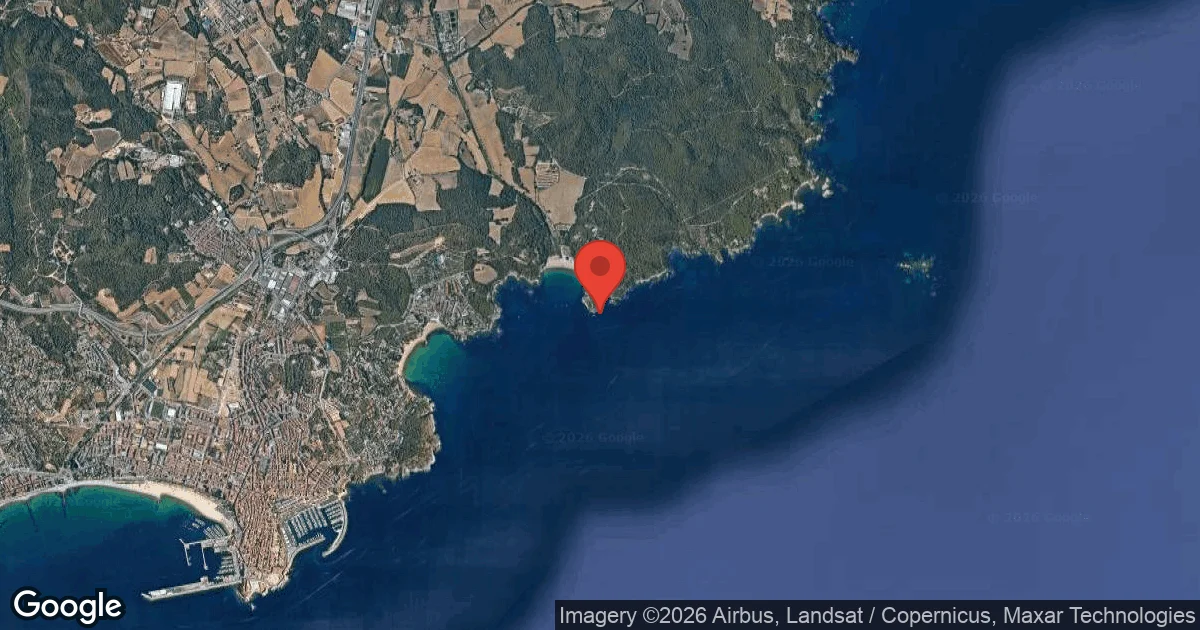
Dive Site Location & Key Facts
Dive Site Overview
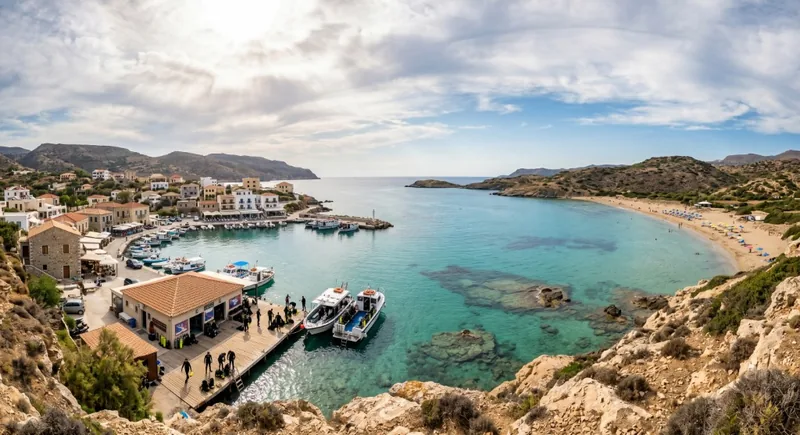
Santa Anna's underwater topography presents a diverse canvas for exploration, encompassing both rugged granite rock formations and expansive sandy seabeds. The prominent granite block, a significant geological feature, descends gracefully from a shallow 3 m (10 ft) to a maximum depth of 17 m (56 ft).
This imposing structure has historically been a perilous obstacle for mariners, leading to numerous shipwrecks over centuries.
Consequently, divers frequently discover tangible archaeological remnants, such as well-preserved 16th-century falconetes and cannons embedded in the seabed, offering a direct connection to maritime history. Further offshore, Roca de Santa Anna emerges as a distinct, pyramid-shaped rock structure, plunging from shallower points to depths between 26 m (85 ft) and 34 m (112 ft).
This site particularly appeals to those seeking more challenging experiences. The area’s multilevel routes cater to a wide range of certifications; while beginners find sheltered, shallower zones ideal for extended bottom times and relaxed exploration, the deeper sections present a demanding environment suited for advanced divers.
Visibility in these waters can fluctuate, often influenced by the presence of freshwater springs at greater depths which may cause a natural blurring effect.
However, clarity generally remains good over the vibrant rock formations and healthy posidonia beds, allowing for clear views of the resident marine life and underwater landscape.
Conditions are Excellent
07:00 - 14:00
Optimal conditions expected
Current conditions near Santa Anna show 16° air, 27° sea temperature, 0.3 m waves, and 22 km/h wind. Forecast data is refreshed regularly to ensure accuracy.
Best Time to Dive
Considering optimal conditions for diving at Santa Anna reveals a clear seasonal preference. The period from May through October consistently offers the best dive scores, largely due to warmer air temperatures ranging from 17°C (63°F) in May to highs around 25°C (77°F) in July and August. During these months, wave heights are typically lower, averaging between 0.5 and 0.7 meters (1.6 to 2.3 ft), and rainfall is minimal, usually below 2.5 mm (0.1 inches) per month. In contrast, the winter months, from December to March, present cooler air temperatures, higher wave activity, and increased rainfall, resulting in moderate to good dive scores but less comfortable surface conditions for divers.
PEAK SEASON SCORE
Scores combine air & water temps, waves, wind & rainfall for overall conditions.
BEST MONTHS TO DIVE
Monthly records compiled from satellite and marine observation nodes over the last 3 years. Data provided by Open-Meteo and MET Norway.
Dive Experience & Conditions
Accessing some areas of Santa Anna is possible as a shore dive, often leading to sandy bottoms, posidonia meadows, and rocky outcroppings. The shallower sections are well-suited for beginner divers due to their straightforward orientation and calm conditions, allowing for extended, relaxed dives. These areas are also ideal for photographers. Conversely, Roca de Santa Anna, with its pyramid shape dropping to 34 m (112 ft), caters to advanced divers and those pursuing Extended Range or Deep Diving certifications. It's not uncommon to experience open sea conditions with the possibility of currents in certain areas. Visibility can sometimes become more blurred at deeper southern points, a natural effect of freshwater springs in the vicinity, so divers should be prepared for varying clarity.
Dive Difficulty & Safety Guidelines
Approaching Santa Anna requires divers to be mindful of varied conditions and potential challenges. Given the deeper sections, particularly at Roca de Santa Anna, advanced certifications for deep diving are essential. Currents can be present in open sea areas, necessitating careful planning and potentially a surface marker buoy.
Divers exploring deeper zones will find a flashlight crucial for illuminating crevices and enhancing visibility, especially where freshwater springs might reduce clarity. Understanding individual limits and diving within them is paramount; beginners should stick to the shallower, more protected areas, which are ideal for ease of orientation and longer bottom times.
Recommended Equipment
Deep dive hazard. Increased narcosis and gas consumption risk.
- Dive Computer
- DSMB
- Primary & Backup Lights
This gear list is based on verified equipment signals for Santa Anna, Spain. Always confirm final gear choices with your dive operator, guide, or liveaboard.
Recommended Dive Suit
The latest conditions reported around Santa Anna place the water temperature close to 27°C (80°F). Surface air temperatures are resting at 16°C (61°F).
2-3mm shorty or light wetsuit is generally considered suitable for water temperatures like this. A thermal robe or jacket is recommended between dives.
Surface conditions are expected to warm up slightly in the coming days. A warming trend is expected over the next few days.
Emergency & Medical Support
Essential information to help you plan your dive trip to Santa Anna.

Hyperbaric chambers are a critical part of dive safety infrastructure. Availability varies significantly by region, and not all dive areas have immediate access.
Before diving, it's recommended to:
- confirm nearest medical facilities
- check emergency procedures with local dive operators
- ensure dive insurance covers evacuation if required
Divers Alert Network
Diving emergency assistance available through DAN Europe.
+39 0642115685- 24/7 emergency hotline
- Diving medical assistance
- Evacuation coordination
Emergency contacts are provided for reference. Always verify local emergency services before diving.
Closest Listed Hyperbaric Chambers
Showing listed hyperbaric chamber facilities within 200 km of this dive site.
Distances are approximate straight-line distances and may not reflect emergency travel time.
Unitat de Medicina Hiperbàrica (UMH)
24/7 ListedPalamos (Girona), Spain•Approx. 21 km straight-line
Unitat de Medicina Hiperbàrica (UMH)
24/7 ListedInformation is provided for reference and planning purposes only. Dive Navigator does not verify operational status, staffing, availability, or quality of care at listed facilities. In an emergency, contact local emergency services, DAN, your dive operator, or the chamber directly. Do not travel to a facility without calling ahead.
UTH-CSI
24/7 ListedICU CapableSant Joan Despí, Spain•Approx. 84 km straight-line
UTH-CSI
24/7 ListedICU CapableInformation is provided for reference and planning purposes only. Dive Navigator does not verify operational status, staffing, availability, or quality of care at listed facilities. In an emergency, contact local emergency services, DAN, your dive operator, or the chamber directly. Do not travel to a facility without calling ahead.
Marine Life at Santa Anna
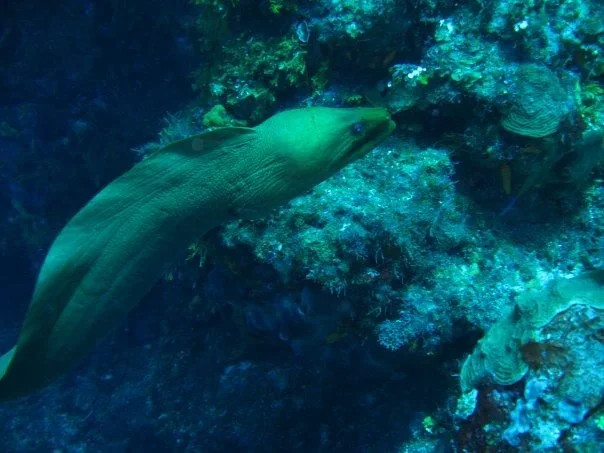
The waters surrounding Santa Anna are home to a varied array of Mediterranean marine life. Divers frequently encounter a range of fish species, alongside vibrant nudibranchs that grace the rocks and posidonia.
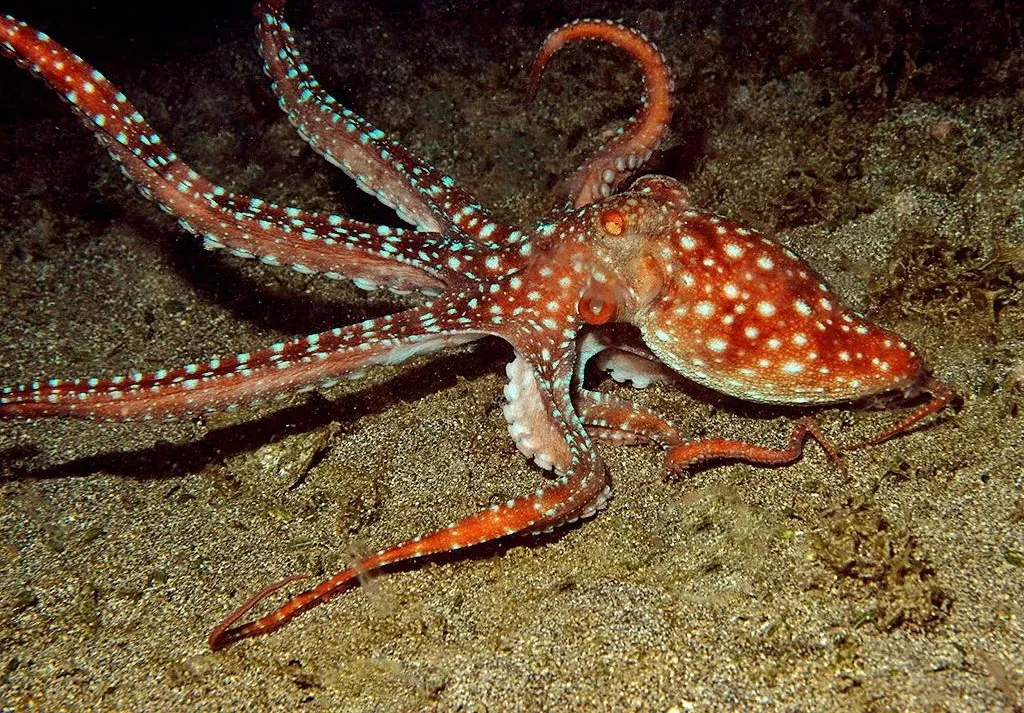
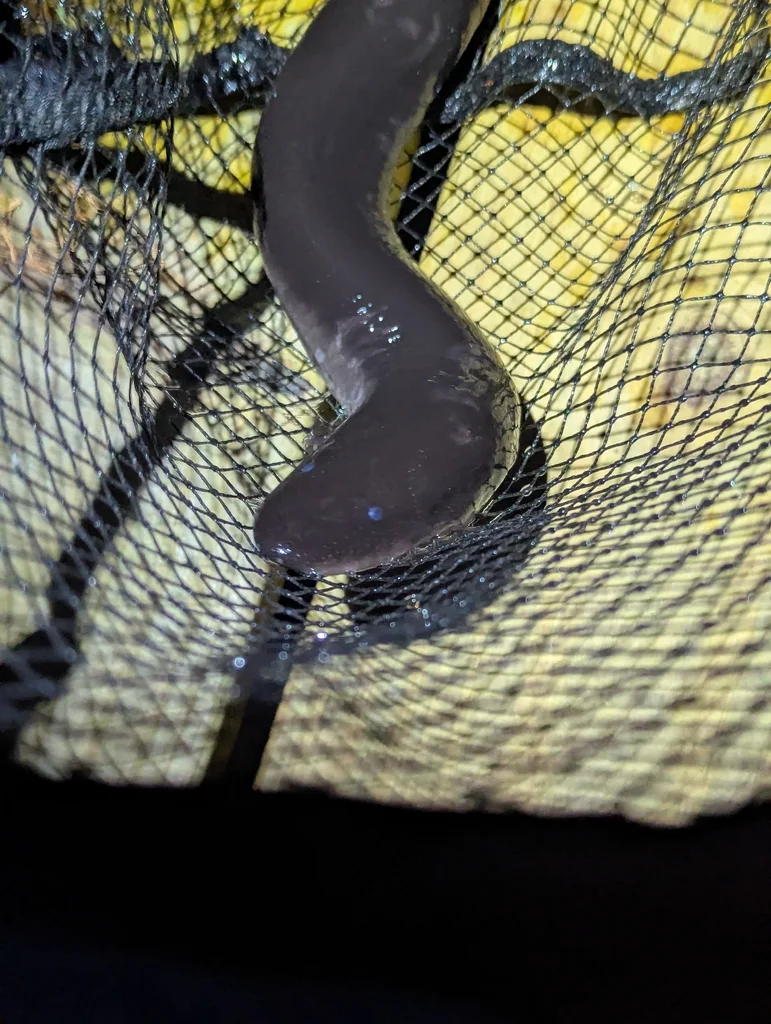
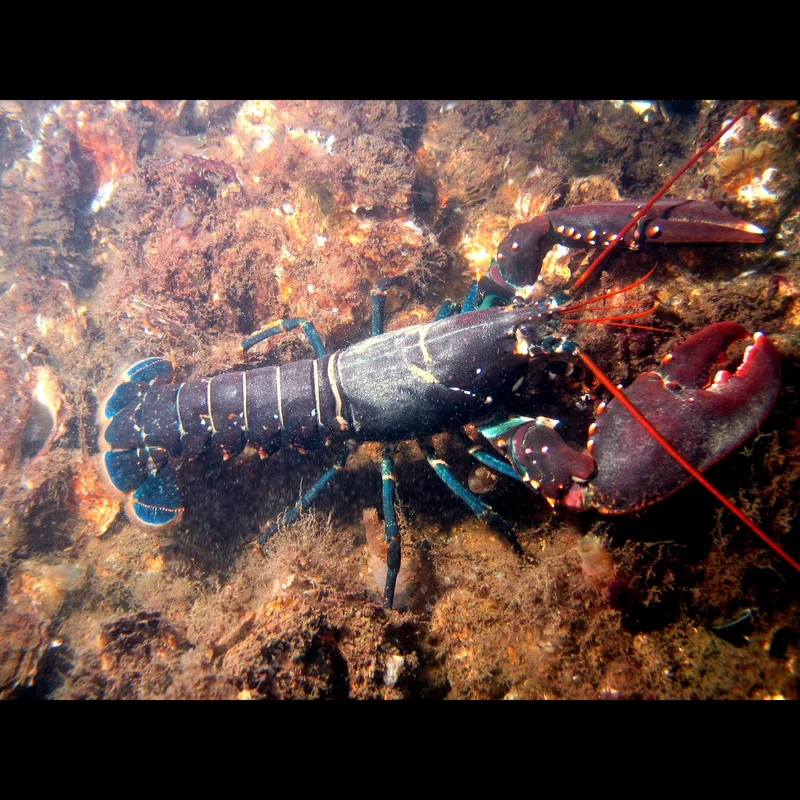
Octopuses are often spotted camouflaged within the rocky terrain, and moray eels peer from their hiding spots. Notable sightings include seahorses, particularly among the seagrass, and various rays patrolling the sandy areas.
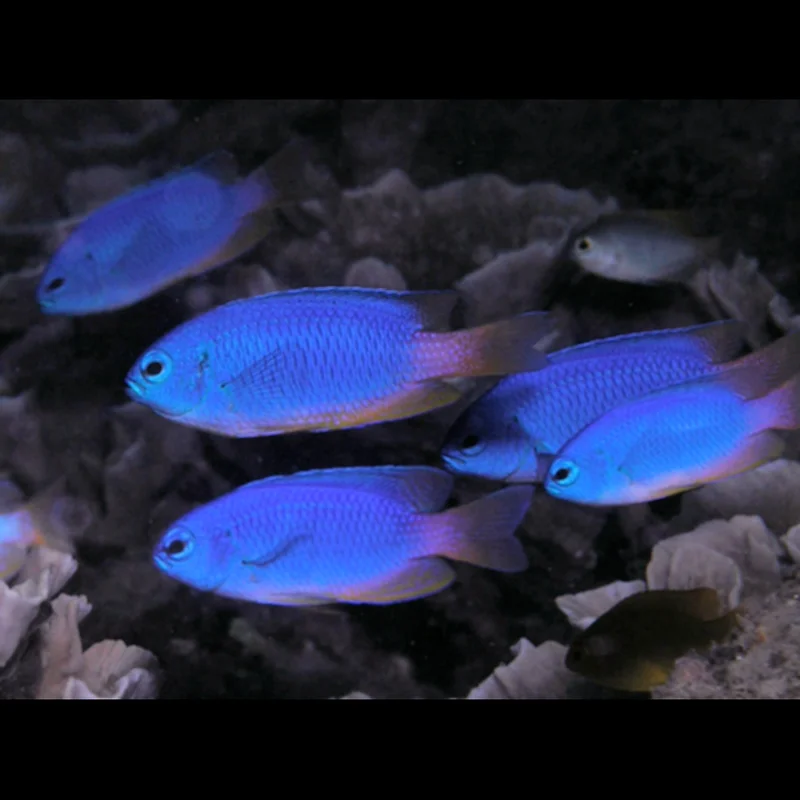
In some sandy bottom sections, shoals of damselfish, salps, and bream are common, with soles and diverse shells adding to the benthic diversity.
Dive Sites Near Santa Anna
View all dive sites in SpainDiscover more underwater gems in this area.
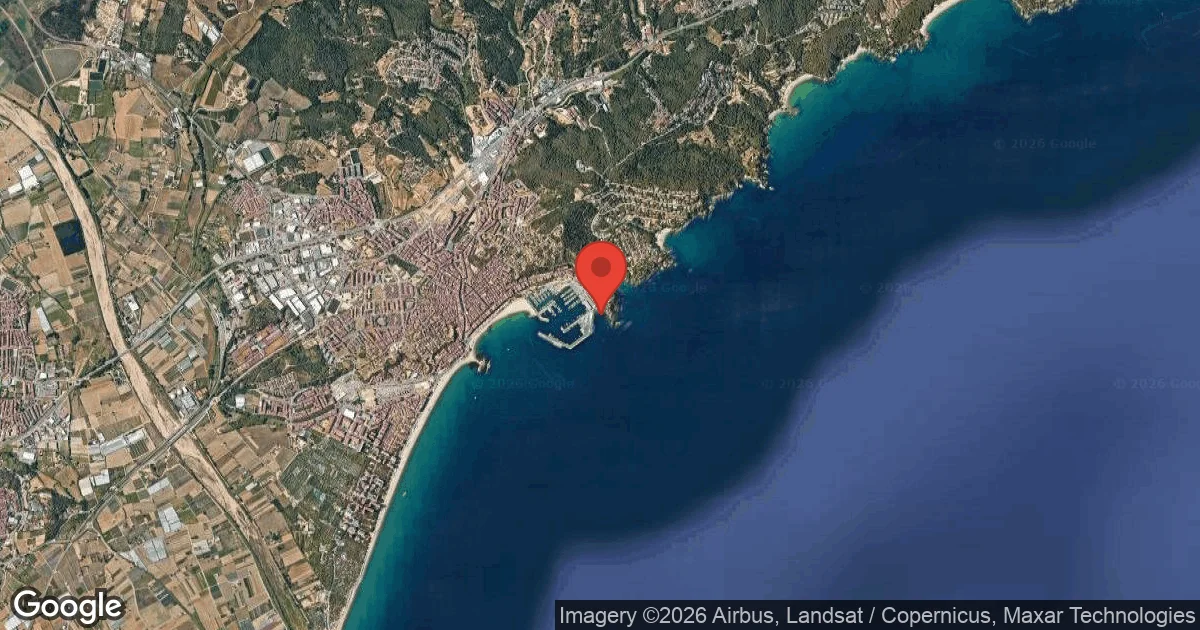
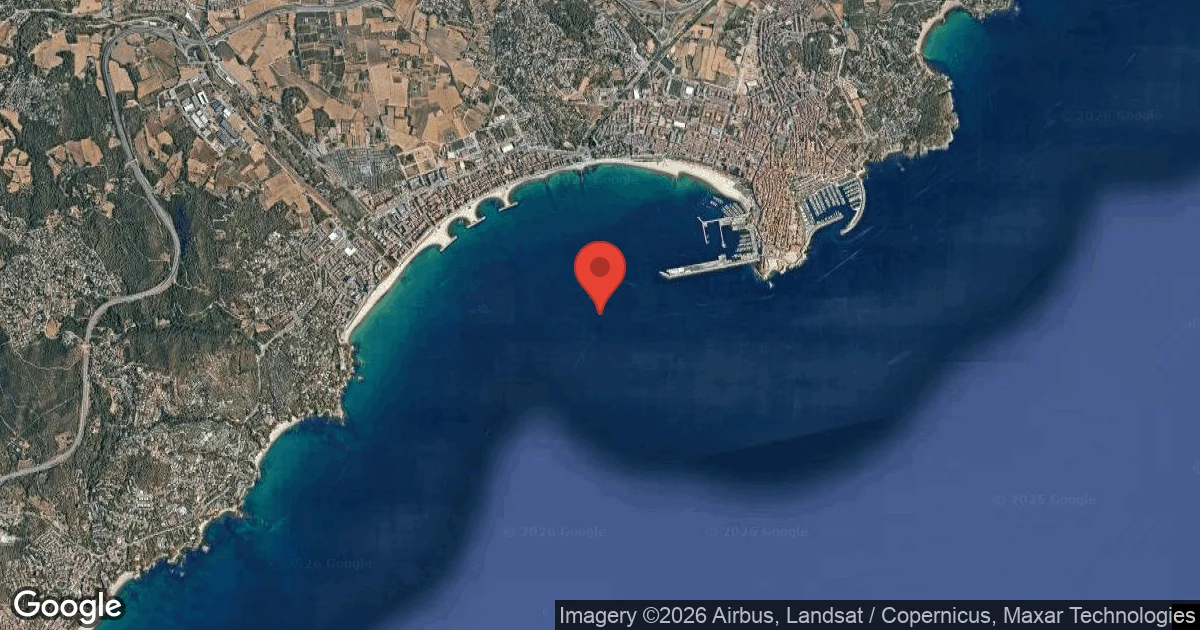
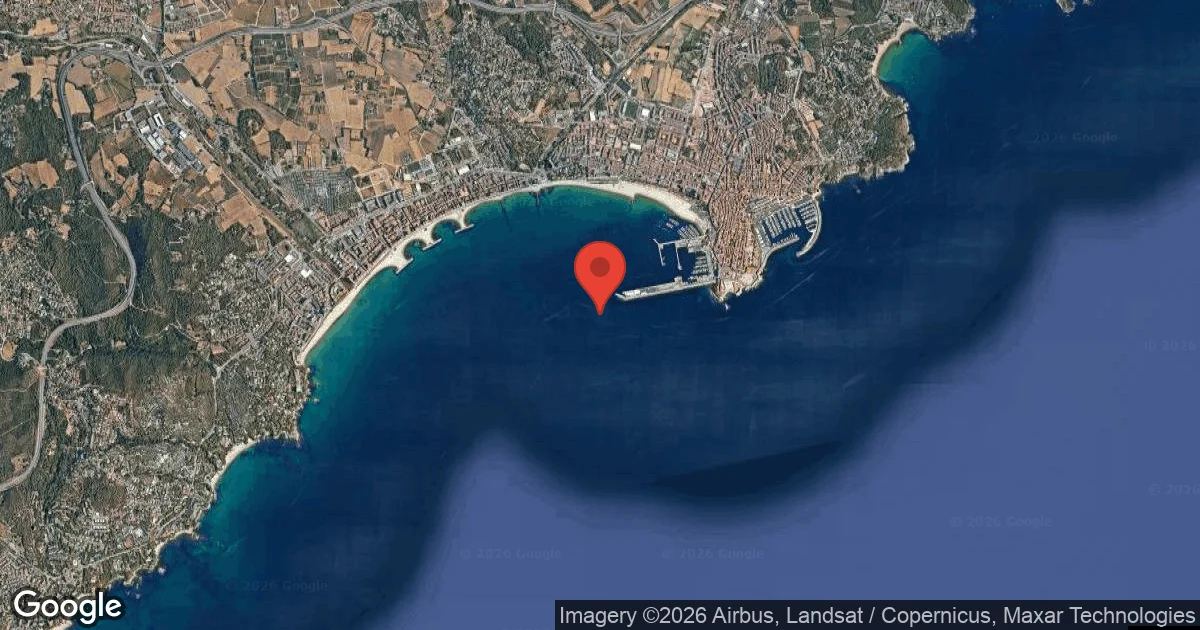
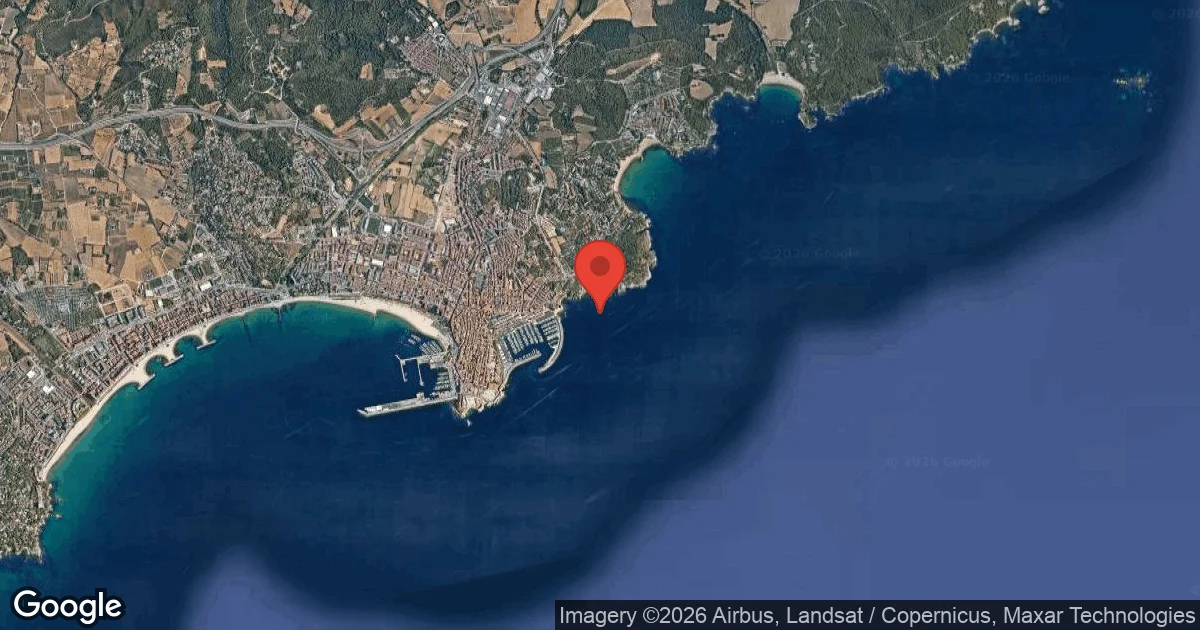
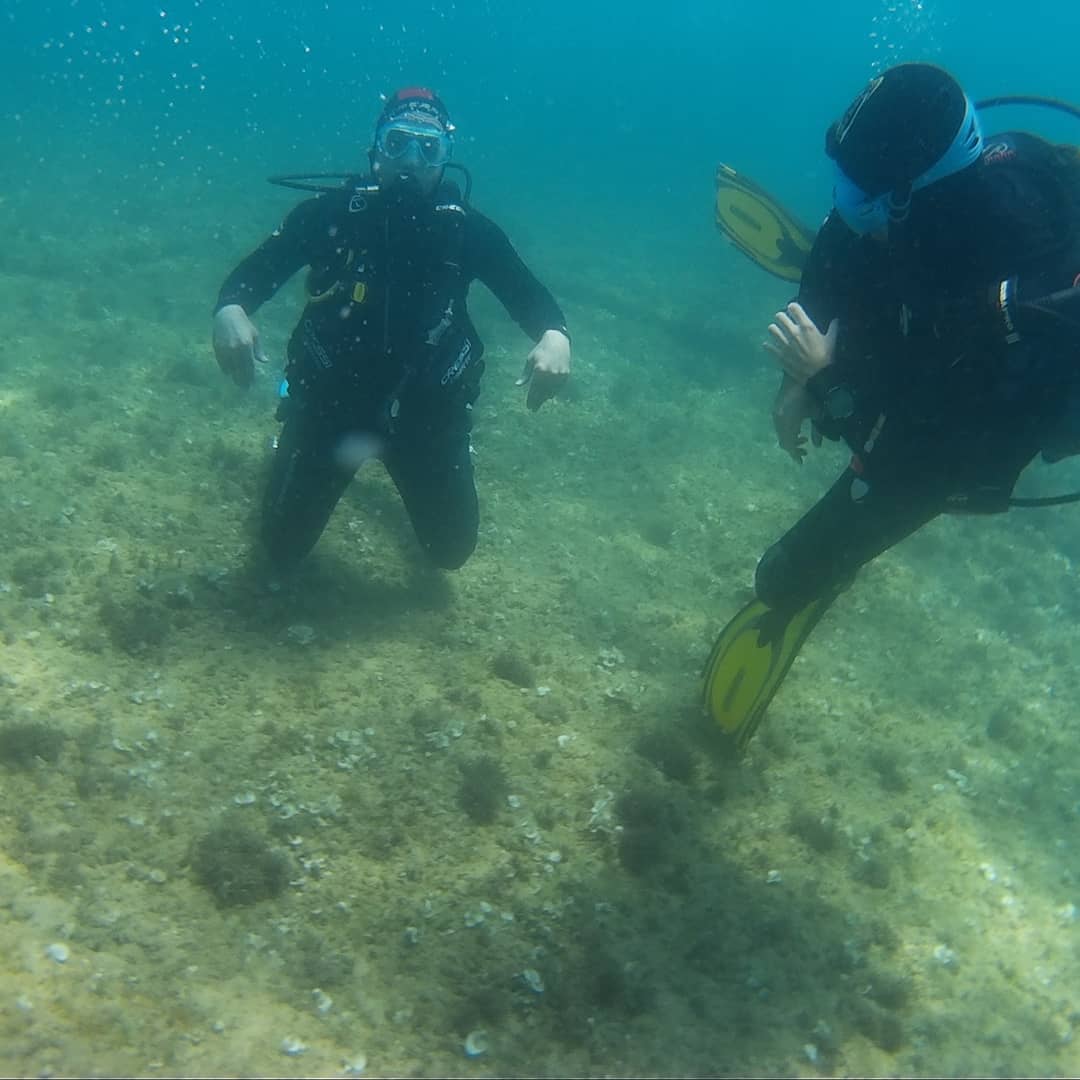
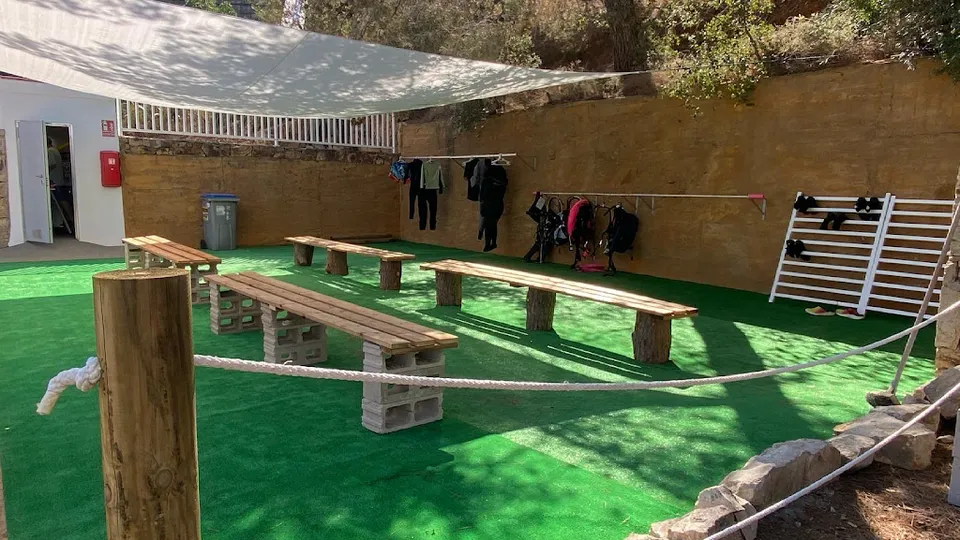
Dive Centers Near Santa Anna
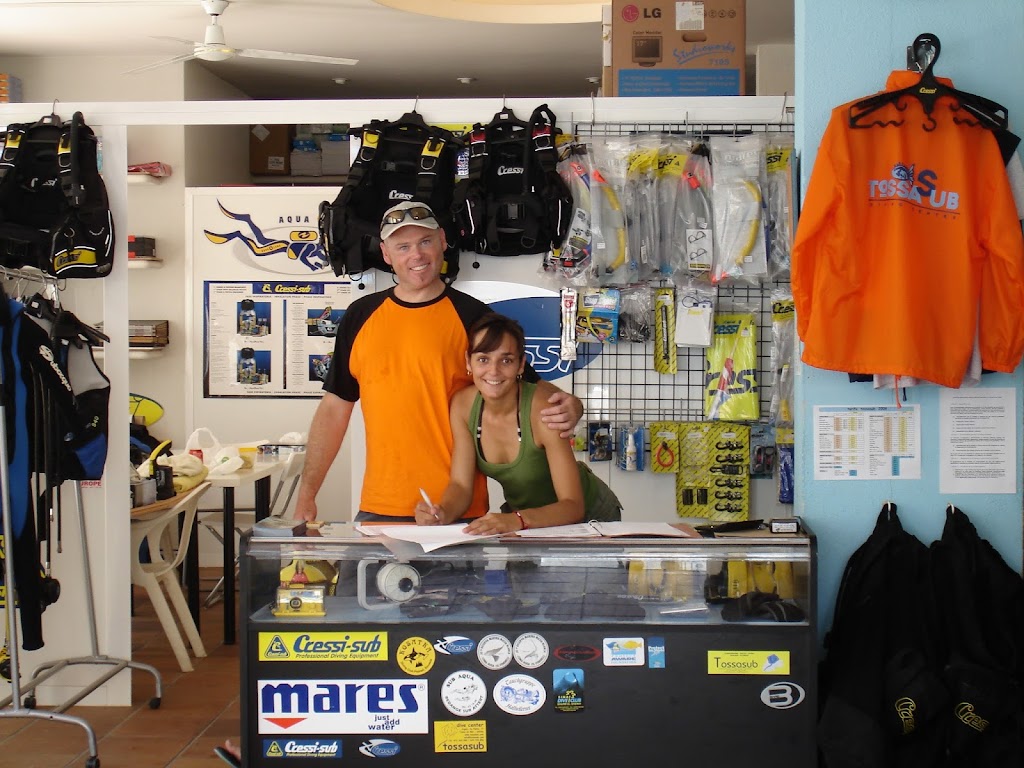
Today: 09:00 - 14:00 • 16:00 - 19:00
Nearest Airports
Nearest airports to help plan travel to this dive area.
Search Flights
Check available flights and routes on Expedia, using the nearby airports listed in this section.
Search Flights on ExpediaFrequently Asked Questions
What is the maximum depth at Santa Anna?
The maximum depth varies across Santa Anna's sites. Punta Santa Anna generally ranges from 3 m (10 ft) to 17 m (56 ft), while Roca de Santa Anna descends to depths between 26 m (85 ft) and 34 m (112 ft).
Is Santa Anna suitable for beginner divers?
Yes, specific areas of Santa Anna, particularly the shallower sections near Punta Santa Anna, are considered excellent for beginner divers. These areas offer easy orientation and calm conditions, ideal for learning or long, relaxed dives.
Are there historical artifacts to see while diving?
Indeed, the site around Punta Santa Anna features archaeological remains from numerous shipwrecks. Divers can still observe 16th-century falconetes and cannons, providing a unique historical element to the dive.
What kind of marine life can I expect to see?
Divers can expect to encounter a variety of fish, nudibranchs, octopuses, moray eels, and occasional seahorses. Shoals of damselfish, salps, and bream are also common, along with soles and various shells on the sandy bottoms.
Are currents a concern at Santa Anna?
In some open sea areas of Santa Anna, the possibility of currents exists. Divers should be aware of conditions and plan accordingly, especially when exploring deeper or more exposed sections of the site.
Is it possible to do night dives here?
Yes, some sections of Santa Anna are considered great for night dives, particularly the shallower, more easily orientable areas. This can offer a different perspective on the site's marine life and topography.
When is the best time of year to dive Santa Anna?
The optimal period for diving at Santa Anna is generally from May through October. These months offer warmer air temperatures, minimal rainfall, and calmer seas, resulting in more comfortable and enjoyable dive conditions.
Planning to dive Santa Anna?
Send one inquiry and receive offers directly from the best verified local dive operators.
Conditions are Excellent
07:00 - 14:00
Optimal conditions expected
Current conditions near Santa Anna show 16° air, 27° sea temperature, 0.3 m waves, and 22 km/h wind. Forecast data is refreshed regularly to ensure accuracy.