
Diving at Calaiza (Spain)
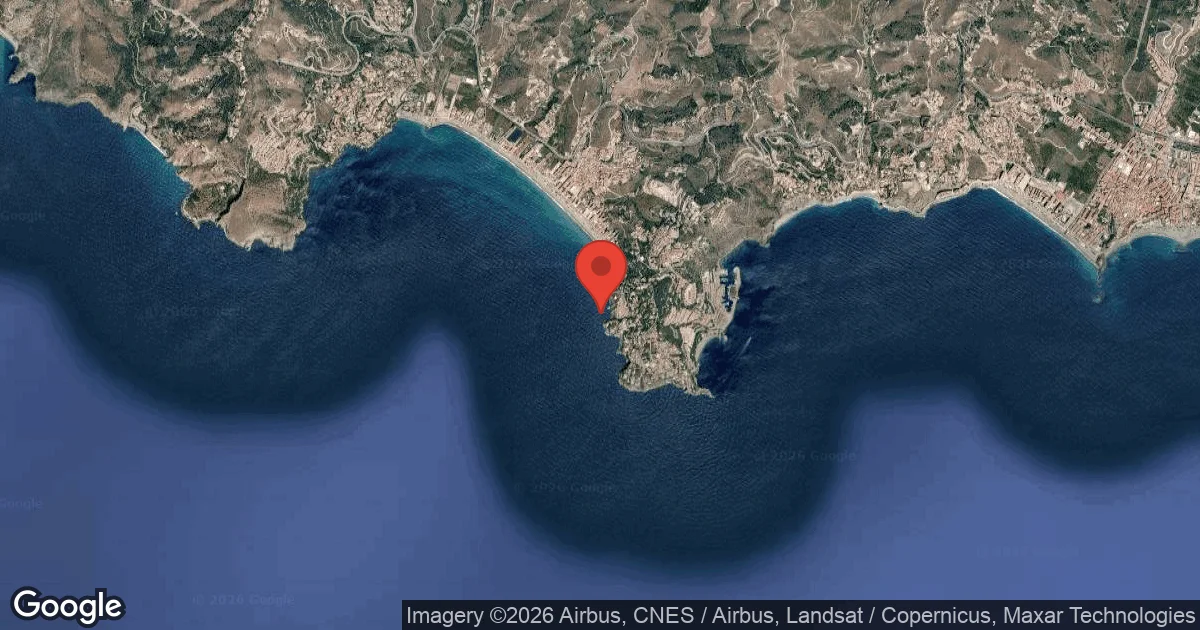
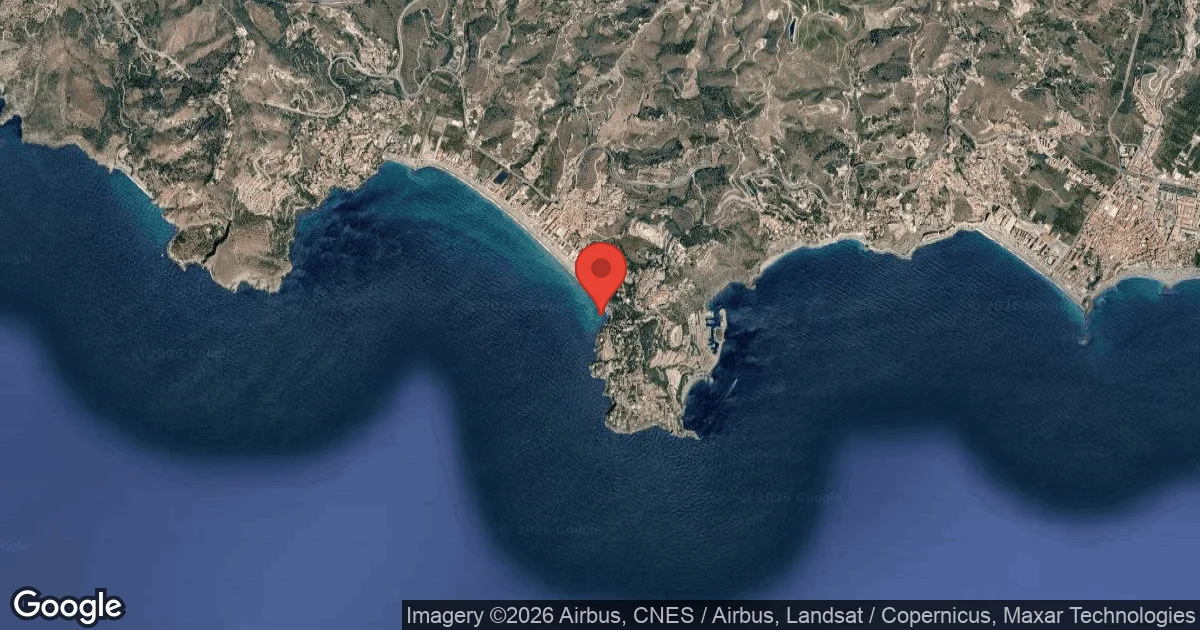
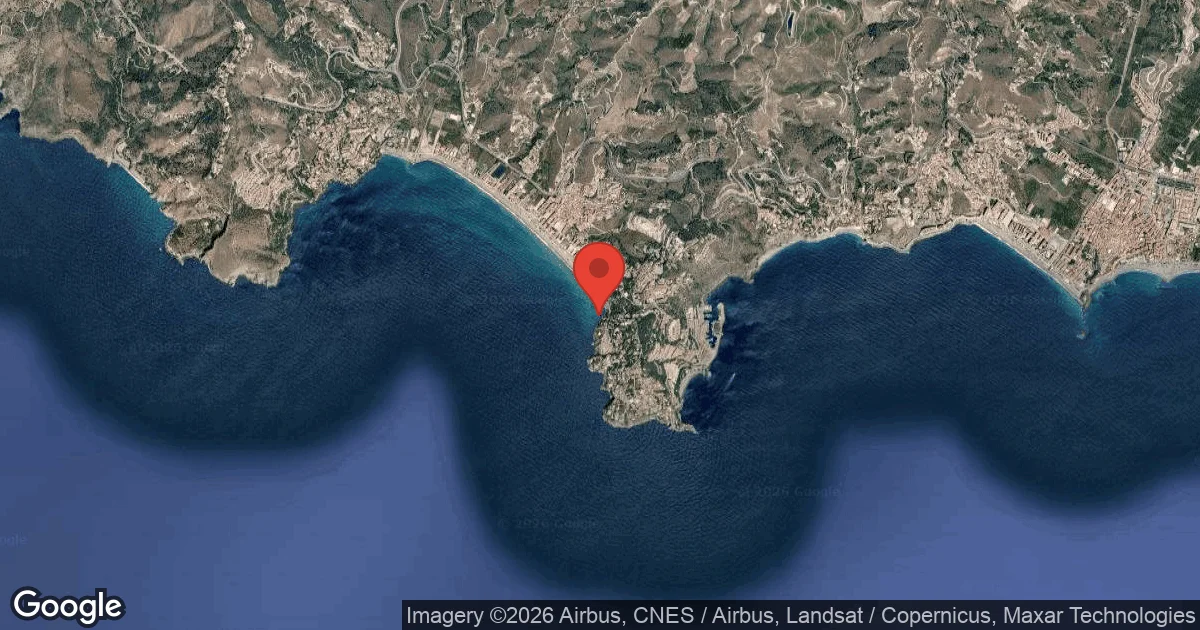
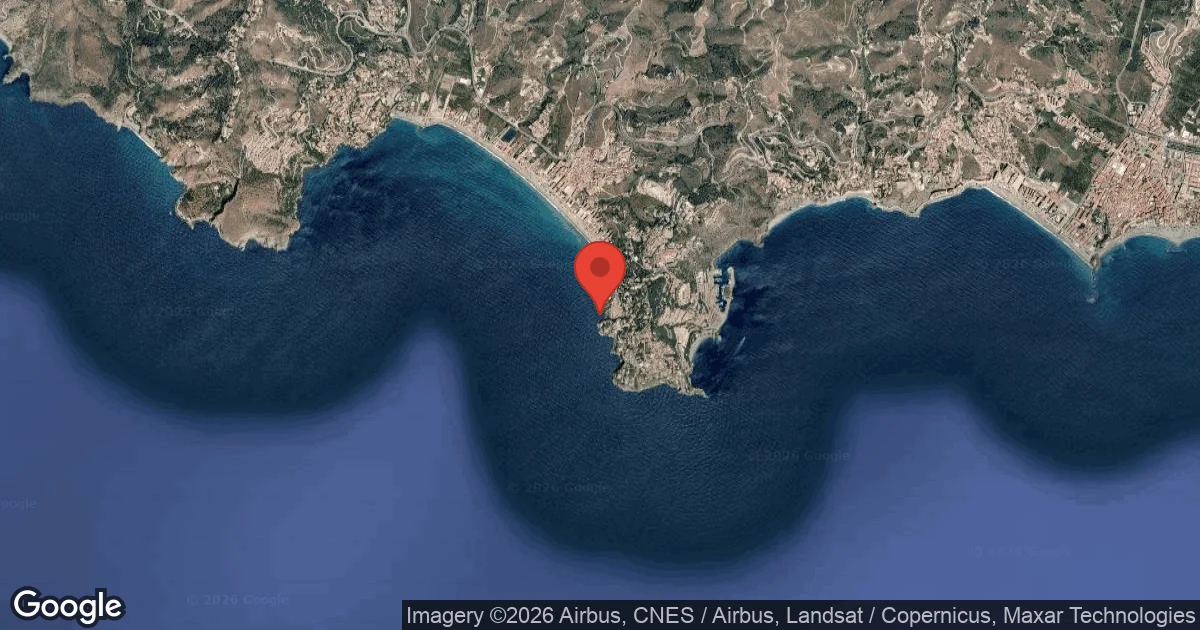
Calaiza, nestled within Spain's La Herradura region, is recognized for its diverse underwater topography and accessibility. This site, part of a recently declared Natural Reserve, offers conditions suitable for various diving levels, from shallow explorations to deeper recreational dives. Divers here encounter clear water unveiling extensive rock formations, vibrant reefs, and sandy expanses, providing a visual feast.
Evening condition tracking at Calaiza features an air temperature of 20.5°C. We have recorded wave heights measuring 0.3 m during this period. These figures outline the environmental parameters currently present.
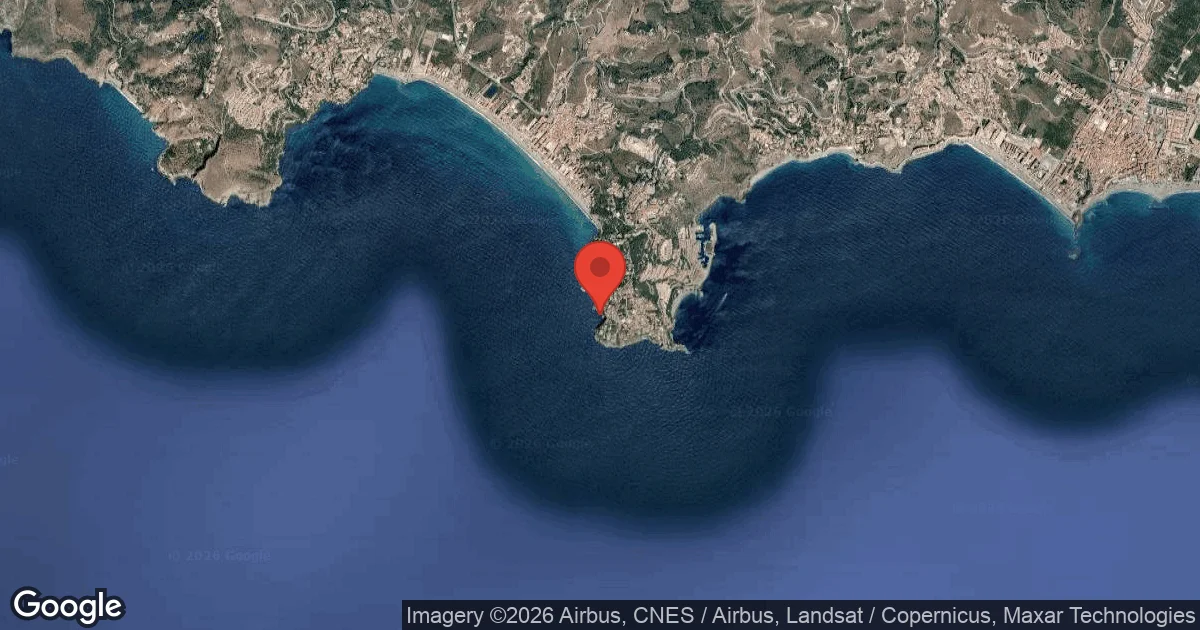
Dive Site Location & Key Facts
Dive Site Overview
Exploring Calaiza reveals a dynamic underwater environment, catering to both new and experienced divers. This site, now benefiting from its designation as a Natural Reserve since January 2025, provides a protected habitat that contributes to a generally healthy ecosystem.
Accessed readily from shore, the bay opens up to distinct diving zones: a reef line to the right, another to the left, and a central sandy seafloor. Descending into these areas, divers typically operate within a range of 8 m (26 ft) to 25 m (82 ft), though shallower sections are ideal for initial experiences and snorkeling. Beyond the initial reefs, the bay extends with fantastic rock formations, which are not merely scenic but also serve as intricate shelters for marine life.
Divers can navigate through natural swim-throughs, adding an interactive element to the exploration. For those seeking varied adventures, Calaiza offers multiple distinct dive sites within its broader area.
The combination of easy entry, diverse depths, and interesting geological features makes it a versatile location for underwater exploration.
Conditions are Good
Optimal conditions expected
Current conditions near Calaiza show 20° air, 22° sea temperature, 1.4 m waves, and 28 km/h wind. Forecast data is refreshed regularly to ensure accuracy.
Best Time to Dive
For optimal visibility and tranquil conditions at Calaiza, the summer months generally offer the clearest water and calmest seas. During July and August, average wave heights are at their lowest, around 0.6 to 0.7 meters (2.0 to 2.3 feet), with light winds averaging 12 km/h (7.5 mph). This period also sees minimal rainfall, typically less than 0.12 mm (0.005 inches) in August, contributing to excellent underwater clarity. Air temperatures during these months are comfortably warm, averaging around 29°C (84°F). Spring and early autumn also present favorable conditions, with air temperatures ranging from 19°C (66°F) in April to 24.5°C (76°F) in September. While water temperature data isn't consistently reported, these air temperatures suggest a pleasant dive experience. Winter months, though still rated 'Good' for diving, may experience slightly higher waves and cooler air temperatures, with an average of 13°C (55°F) in January.
PEAK SEASON SCORE
Scores combine air & water temps, waves, wind & rainfall for overall conditions.
BEST MONTHS TO DIVE
Monthly records compiled from satellite and marine observation nodes over the last 3 years. Data provided by Open-Meteo and MET Norway.
Dive Experience & Conditions
Upon entering the waters of Calaiza, divers typically find a relatively calm environment, especially closer to shore. The initial descent often reveals a clear transition from sandy patches to the rich structure of the surrounding reefs. Water clarity varies depending on recent weather, but generally provides good viewing across the distinct underwater landscapes. Currents are not consistently reported as strong here, suggesting a relaxed diving experience for most levels. As you progress deeper, toward the maximum recreational depth, the intricate rock formations become more pronounced. These formations create numerous small habitats and present opportunities for gentle swim-throughs, suitable for appropriately trained divers. Divers can expect to spend time exploring the shallower sections for macro life or venturing towards the deeper canyons and walls found at nearby sites within the Natural Reserve. Divers explore areas reaching typical recreational limits.
Dive Difficulty & Safety Guidelines
Navigating Calaiza, divers should maintain awareness of their surroundings, particularly when exploring the diverse rock formations and potential swim-throughs. While no specific inherent hazards are consistently reported for this site, general safe diving practices are always essential. Planning your dive within your certification limits is paramount, especially when exploring the deeper sections that can extend to recreational limits.
Monitoring air consumption and no-decompression limits is crucial, particularly on longer dives or when venturing into more complex areas like canyons. As with any coastal site, local conditions like minor currents or changes in visibility can occur; consulting with local dive operators before entry provides the most current information.
Calaiza's protected status as a Natural Reserve emphasizes respectful interaction with marine life and the environment.
Recommended Equipment
- Dive Computer
This gear list is based on verified equipment signals for Calaiza, Spain. Always confirm final gear choices with your dive operator, guide, or liveaboard.
Recommended Dive Suit
With water temperatures around 22°C (72°F), many divers find a 3-5mm wetsuit provides comfortable protection.
Local conditions can vary slightly across different parts of the same dive site.
Surface conditions are expected to warm up slightly in the coming days. A warming trend is expected over the next few days.
Emergency & Medical Support
Essential information to help you plan your dive trip to CALAIZA.

Hyperbaric chambers are a critical part of dive safety infrastructure. Availability varies significantly by region, and not all dive areas have immediate access.
Before diving, it's recommended to:
- confirm nearest medical facilities
- check emergency procedures with local dive operators
- ensure dive insurance covers evacuation if required
Divers Alert Network
Diving emergency assistance available through DAN Europe.
+39 0642115685- 24/7 emergency hotline
- Diving medical assistance
- Evacuation coordination
Emergency contacts are provided for reference. Always verify local emergency services before diving.
Marine Life at Calaiza
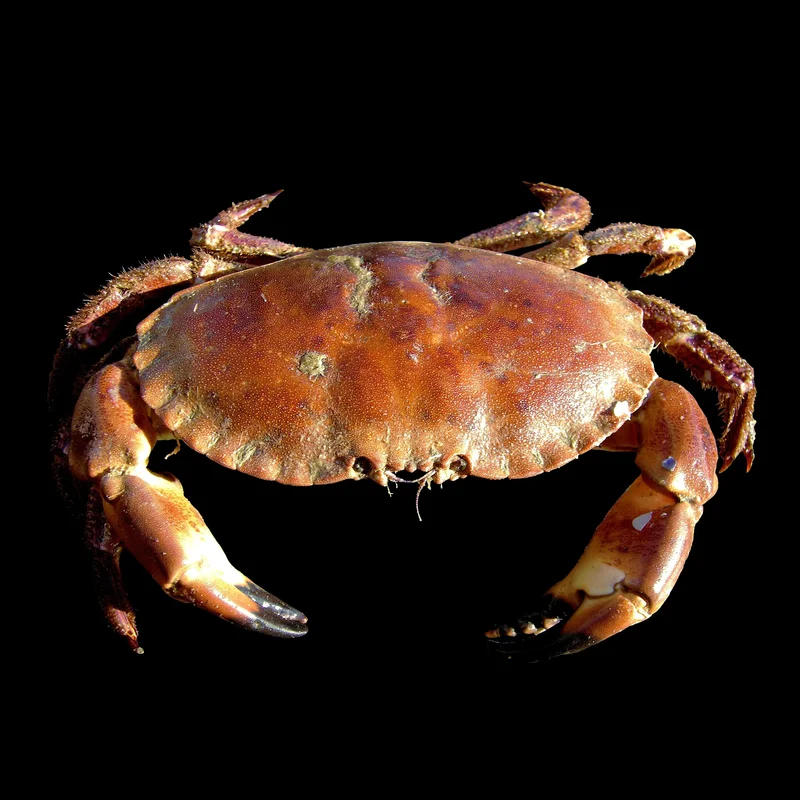
The varied underwater landscape of Calaiza, encompassing both rocky reefs and sandy expanses, supports a diverse array of marine inhabitants. Within the fantastic rock formations and along the reef walls, divers frequently observe schools of sardines, various species of crabs, and intricate sponges, including the distinctive 'Hands of Death' sponges.
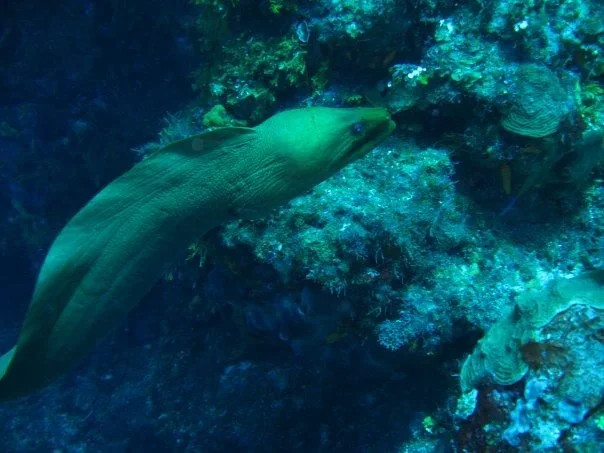
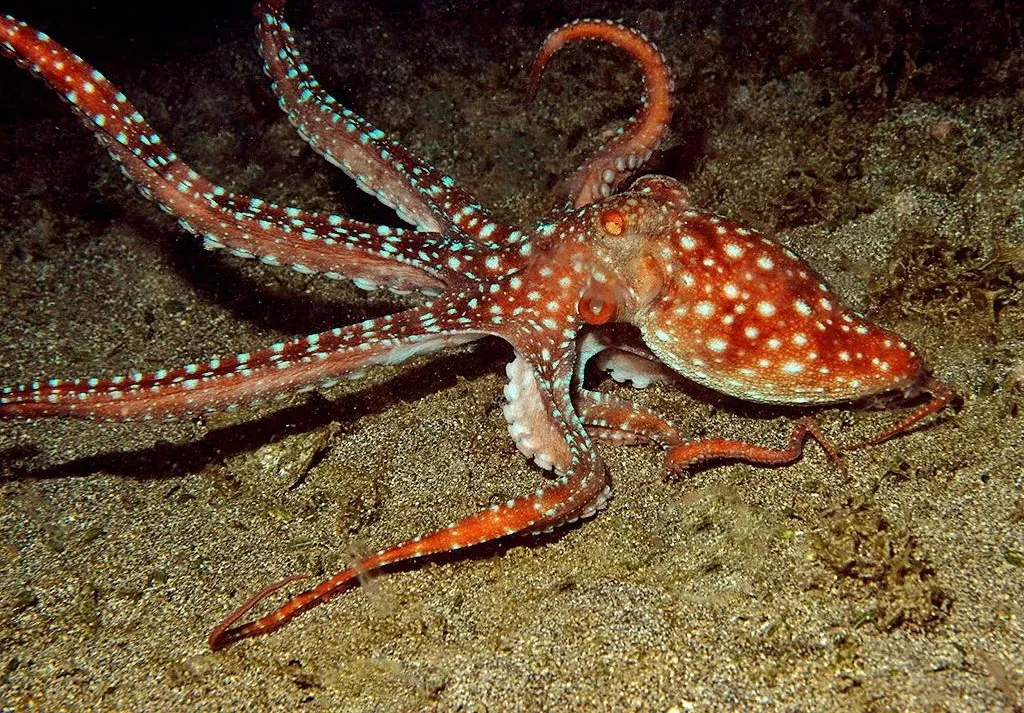
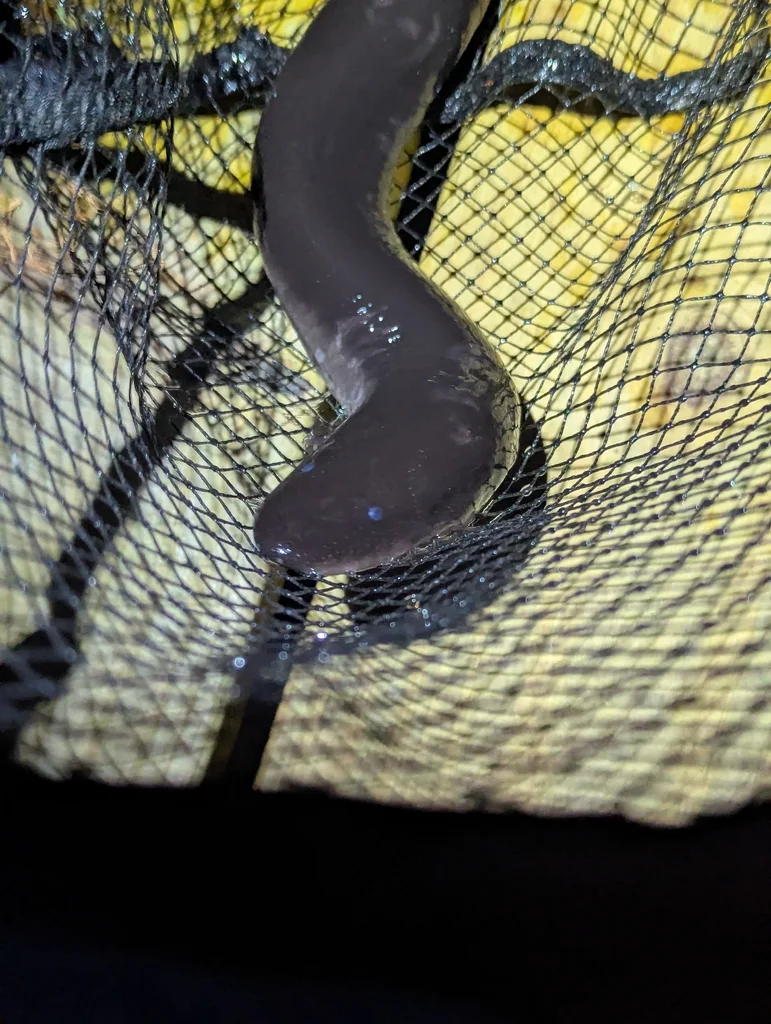
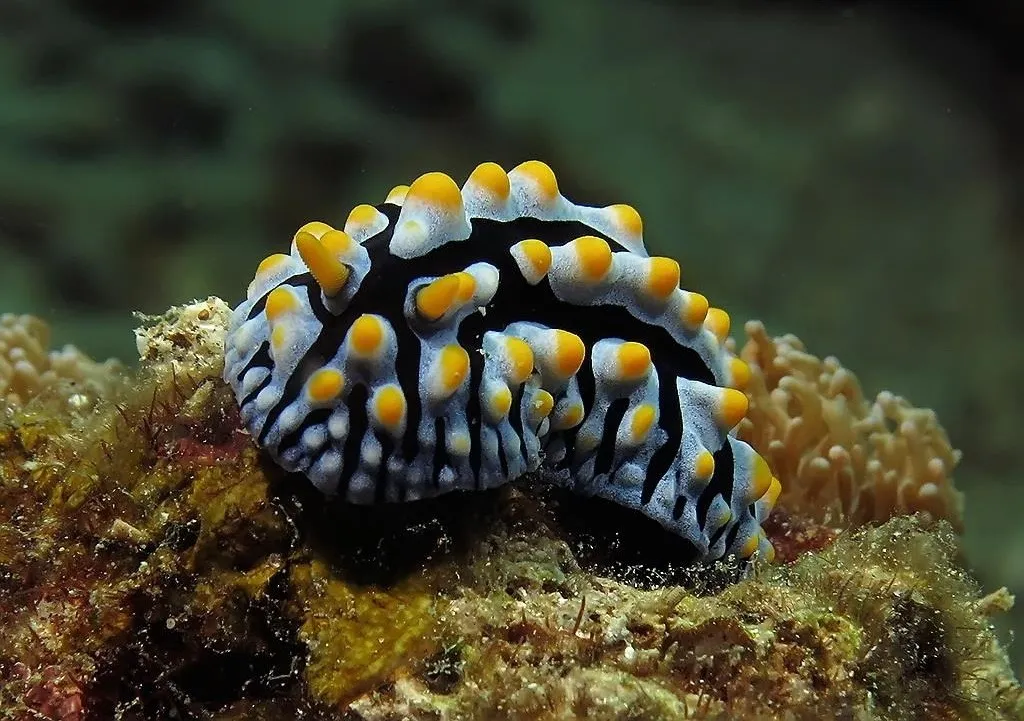
Octopuses are often found tucked into rocky crevices, alongside numerous nudibranchs, with over 40 species identified in the broader area. Larger fish like bream and salemas navigate the open water, while moray eels and conger eels can be spotted within their rocky retreats.
Occasional sightings of mola mola (sunfish) occur, particularly during certain seasons, adding an exciting dimension to the dive.
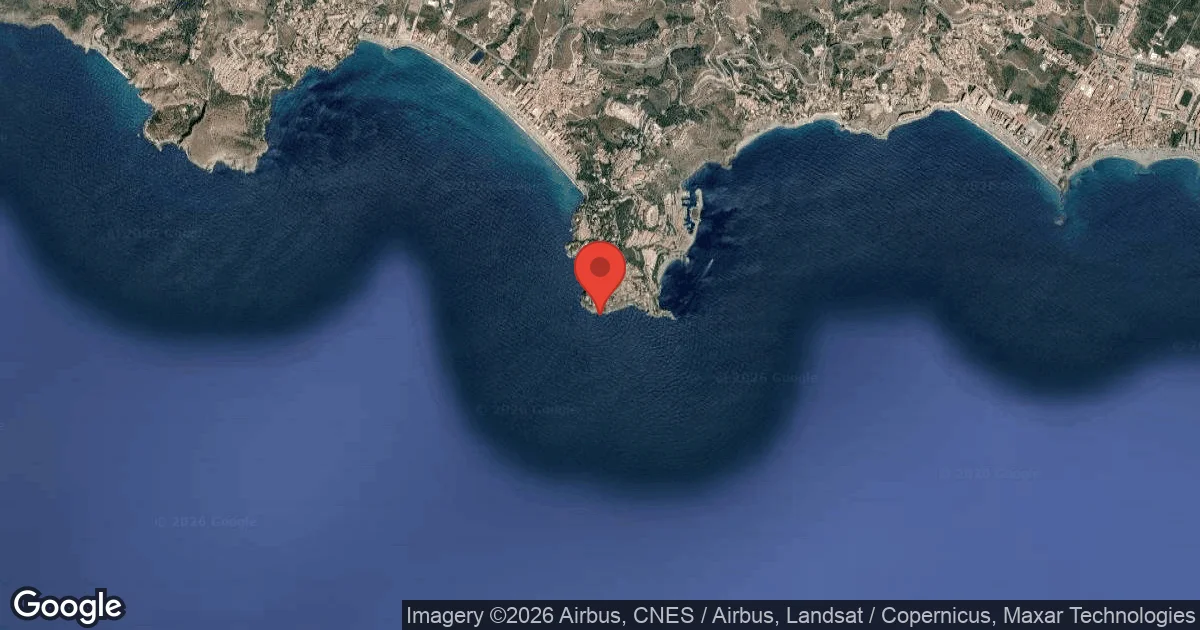
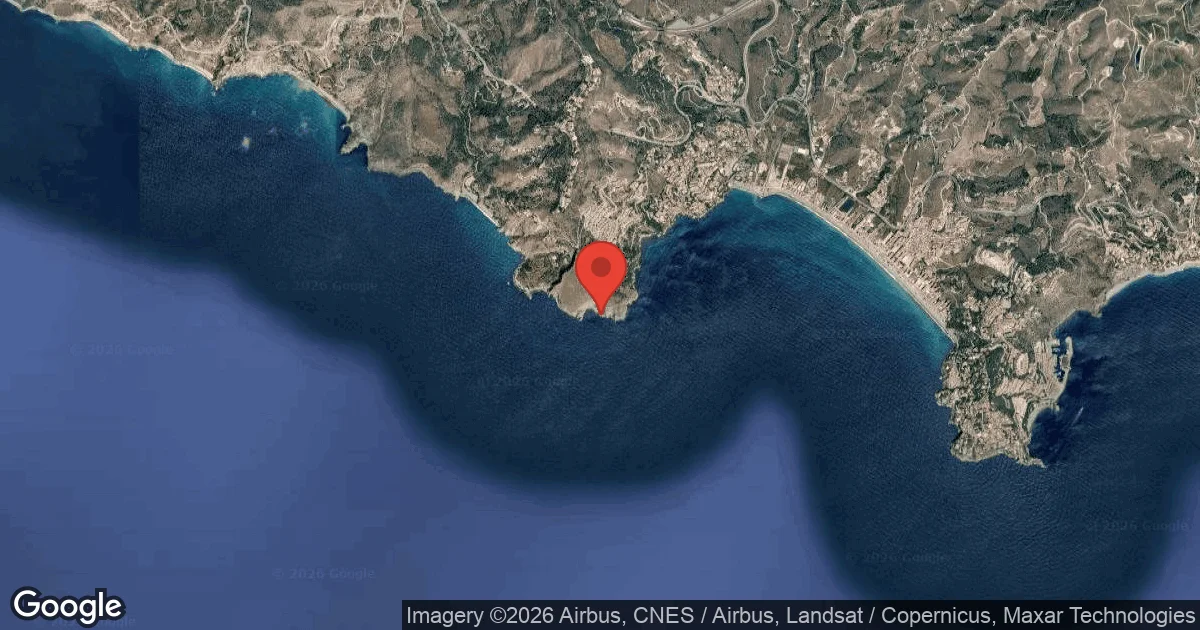
Dive Sites Near Calaiza
View all dive sites in SpainDiscover more underwater gems in this area.
Dive Centers Near Calaiza
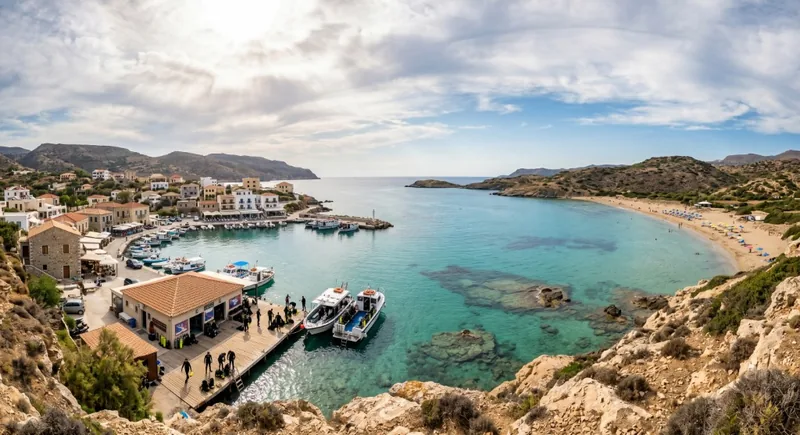
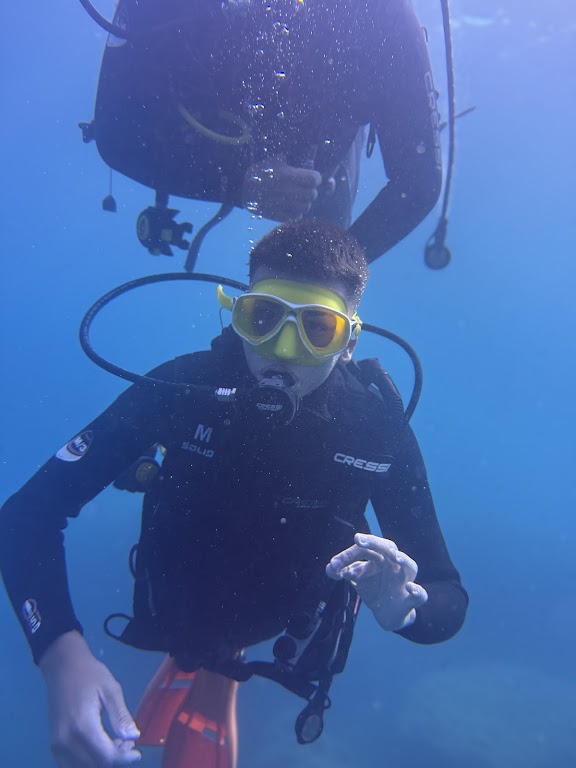

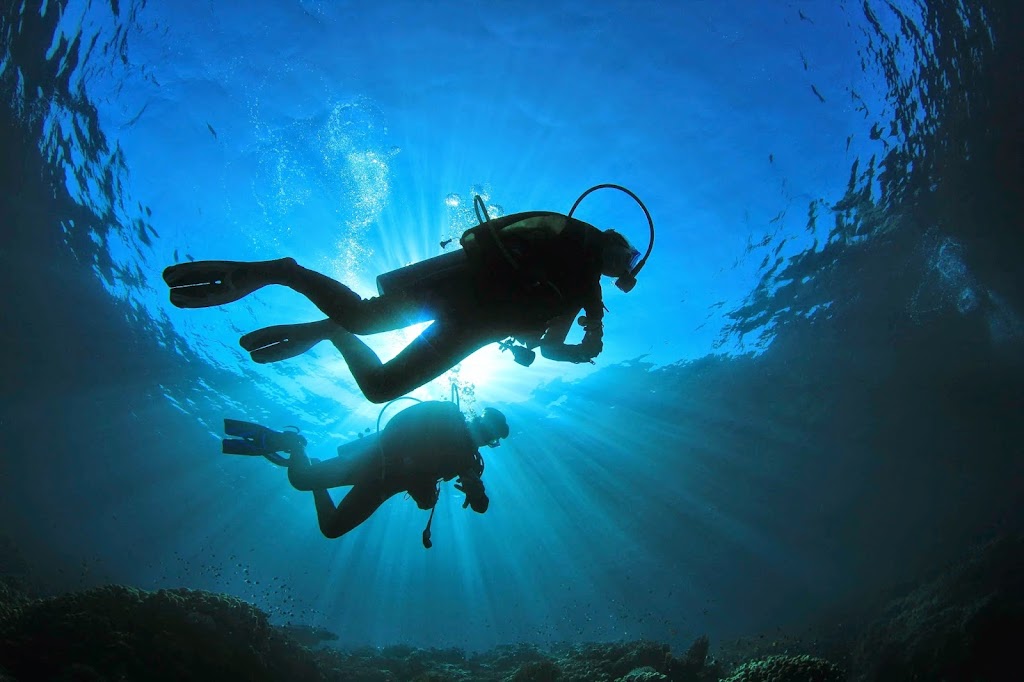
Nearest Airports
Nearest airports to help plan travel to this dive area.
Search Flights
Check available flights and routes on Expedia, using the nearby airports listed in this section.
Search Flights on ExpediaFrequently Asked Questions
What is the significance of Calaiza being a Natural Reserve?
Calaiza, specifically within the Marina del Este area, was declared a Natural Reserve in January 2025. This designation helps protect its marine ecosystems, promoting healthier populations of marine species and preserving the varied underwater habitats for future diving experiences. It underscores the importance of responsible diving practices in this sensitive area.
What is the typical depth range for diving at Calaiza?
Recreational dives at Calaiza generally range from 8 m (26 ft) to 25 m (82 ft). Shallower sections are available for introductory dives and snorkeling. More advanced divers can explore deeper sites within the broader Natural Reserve, with some areas extending below typical recreational limits.
When are conditions usually best for visibility at Calaiza?
Visibility at Calaiza tends to be best during the summer months, particularly from July to September. This period typically sees calmer seas, lower rainfall, and lighter winds, which collectively contribute to clearer underwater conditions. Early mornings are also often cited as optimal for light and clarity.
Can divers access Calaiza from the shore or is a boat required?
Calaiza is primarily known for its accessible shore entries, with reefs on both the right and left sides of the bay. This ease of access makes it convenient for various types of dives and training. Some nearby dive sites, however, may require boat access for exploration.
What kind of marine life can divers expect to see?
Divers often encounter schooling sardines, numerous crab species, octopuses, and a wide variety of nudibranchs within the reef and rock formations. Sponges, including "Hands of Death" sponges, are also common, along with bream, salemas, and occasional sightings of mola mola. Moray and conger eels can be found in rocky crevices.
Is Calaiza suitable for beginner divers?
Yes, Calaiza is well-suited for beginners and those having their first diving experience. Its shallower sections, calm entry, and protected environment provide a safe and approachable setting for learning and enjoyment. Many dive centers utilize this site for training due to its varied yet manageable conditions.
Does the site feature any swim-throughs or unique geological structures?
Calaiza boasts fantastic rock formations throughout the bay, many of which create natural swim-throughs. These geological features not only provide shelter for marine species but also offer an engaging element for divers to explore. The varied terrain includes sandy bottoms, rock corridors, and wall areas.
Planning to dive Calaiza?
Send one inquiry and receive offers directly from the best verified local dive operators.
Conditions are Good
Optimal conditions expected
Current conditions near Calaiza show 20° air, 22° sea temperature, 1.4 m waves, and 28 km/h wind. Forecast data is refreshed regularly to ensure accuracy.