
Diving at Embarcadero del Hornillo (Spain)
Embarcadero del Hornillo in Águilas, Spain, invites divers to explore a compelling blend of historical context and diverse underwater topography. Preparing for these dives involves understanding varied depths and distinct environments, from shallow historical structures to deeper, more rugged rock faces. It demands adaptability for conditions that shift with the seasons, ensuring a well-considered dive plan is in place to fully appreciate its offerings.
Evening condition tracking at Embarcadero del Hornillo features an air temperature of 25.5°C. We have recorded wave heights measuring 0.2 m during this period. These figures outline the environmental parameters currently present.
Dive Site Location & Key Facts
Dive Site Overview
Embarking on a dive at Embarcadero del Hornillo means stepping into an environment shaped by both human history and diverse natural geology. This location offers a collection of distinct dive sites, each presenting unique features and depths.
The Mogote site, for instance, descends along a rock face to around 24 meters, typically with minimal current, allowing for a relaxed exploration where divers might encounter specific macro life. Not far, the historic jetty structure itself, a marvel of industrial engineering, provides an appealing setting for night dives, reaching about 11 meters.
During hours of darkness, this area reveals a different cast of marine life, including active predators. For those seeking shallower options during cooler months, El Cabo Luisma remains popular.
Divers can also explore La Cabeza del Caballo, which transitions from a sandy bank at eight meters to a rock face extending to fifteen meters, populated by abundant fauna. Further out, La Losa descends significantly deeper, to 30 to 34 meters (98 to 112 ft), presenting a more advanced profile with impressive rock formations and unique ecosystems. These varying profiles cater to different certification levels and interests.
Conditions are Good
Optimal conditions expected
Current conditions near Embarcadero del Hornillo show 25° air, 27° sea temperature, 1.2 m waves, and 28 km/h wind. Forecast data is refreshed regularly to ensure accuracy.
Best Time to Dive
Optimizing your dive at Embarcadero del Hornillo often centers on periods when conditions align for clearer underwater visibility, though specific visibility data is not consistently reported. Generally, the warmer months from June to October see the most favorable air temperatures, averaging between 21.5-28°C (71-82°F). These months also tend to have lower wave heights, typically around 0.7-0.8 meters (2.3-2.6 ft), contributing to calmer surface conditions. Rainfall is minimal during this peak season, rarely exceeding 2.5 mm per month. While water temperature data is limited, these periods typically coincide with the warmest ocean conditions in the region. Conversely, winter months, particularly January to March, show slightly higher wave heights, occasionally reaching 1.0-1.1 meters (3.3-3.6 ft), alongside cooler air temperatures around 13-15.5°C (55-60°F), which might influence comfort for surface intervals.
PEAK SEASON SCORE
Scores combine air & water temps, waves, wind & rainfall for overall conditions.
BEST MONTHS TO DIVE
Monthly records compiled from satellite and marine observation nodes over the last 3 years. Data provided by Open-Meteo and MET Norway.
Dive Experience & Conditions
As you descend into the waters around Embarcadero del Hornillo, the environment unfolds into varied underwater landscapes. Initial entry points lead to either sandy bottoms or directly into rocky wall structures. The "Mogote" dive, for example, features a rock face descending to around 24 meters, notable for its typical lack of significant current, providing a more relaxed drift. For those exploring the historic jetty, a shallower descent to approximately 11 meters unveils the remnants of its industrial past. The site "La Cabeza del Caballo" starts with a sandy bank at eight meters before transitioning to a rock face down to fifteen meters, showcasing a progression in topography. Deeper dives like "La Losa" present a distinct challenge, plunging to 30 to 34 meters (98 to 112 ft) into a colder, darker realm. Across these sites, divers will encounter features categorized as sandy-bottom and wall dives.
Dive Difficulty & Safety Guidelines
Successfully navigating the dive sites near Embarcadero del Hornillo requires careful planning and an awareness of the site's unique characteristics. While strong currents are not consistently reported across all areas, the "Mogote" site is specifically noted for its typical lack of current, suggesting other locations might experience varying conditions. Divers should be mindful of depth profiles, particularly for "La Losa," which is a deeper dive descending to 30-34 m (98-112 ft) and demands appropriate training and gas management.
There are no specific marine life hazards reported for this area. It's always advisable to conduct thorough buddy checks and have a contingency plan for varying visibility, which can be inconsistent. Local regulations for diving activities should always be confirmed before entry.
Recommended Equipment
- Dive Computer
This gear list is based on verified equipment signals for Embarcadero del Hornillo, Spain. Always confirm final gear choices with your dive operator, guide, or liveaboard.
Recommended Dive Suit
2-3mm shorty or light wetsuit usually provides adequate warmth in water around this temperature. For divers entering the water at Embarcadero del Hornillo, temperatures are currently hovering around 27°C (81°F). Surface air temperatures are resting at 25°C (78°F).
Environmental conditions are expected to remain consistent in the short-term outlook.
Conditions can vary slightly across different parts of the same dive site.
Due to technical issues with our weather providers, data hasn't been fetched for over 48 hours. The data above reflects the conditions at the time of the last successful fetch.
Emergency & Medical Support
Essential information to help you plan your dive trip to Embarcadero del Hornillo.

Hyperbaric chambers are a critical part of dive safety infrastructure. Availability varies significantly by region, and not all dive areas have immediate access.
Before diving, it's recommended to:
- confirm nearest medical facilities
- check emergency procedures with local dive operators
- ensure dive insurance covers evacuation if required
Divers Alert Network
Diving emergency assistance available through DAN Europe.
+39 0642115685- 24/7 emergency hotline
- Diving medical assistance
- Evacuation coordination
Emergency contacts are provided for reference. Always verify local emergency services before diving.
Marine Life at Embarcadero del Hornillo
The underwater world around Embarcadero del Hornillo presents a diverse array of marine encounters depending on the specific dive site and time of day. Near the "Mogote," divers might spot needlefish and, on occasion, seahorses.
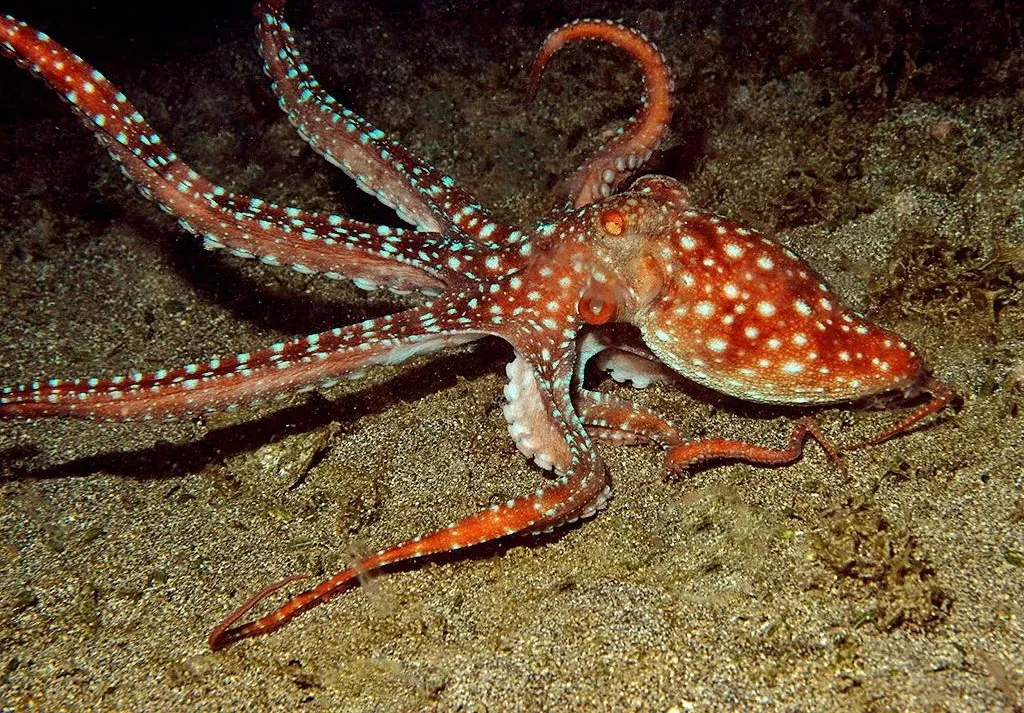
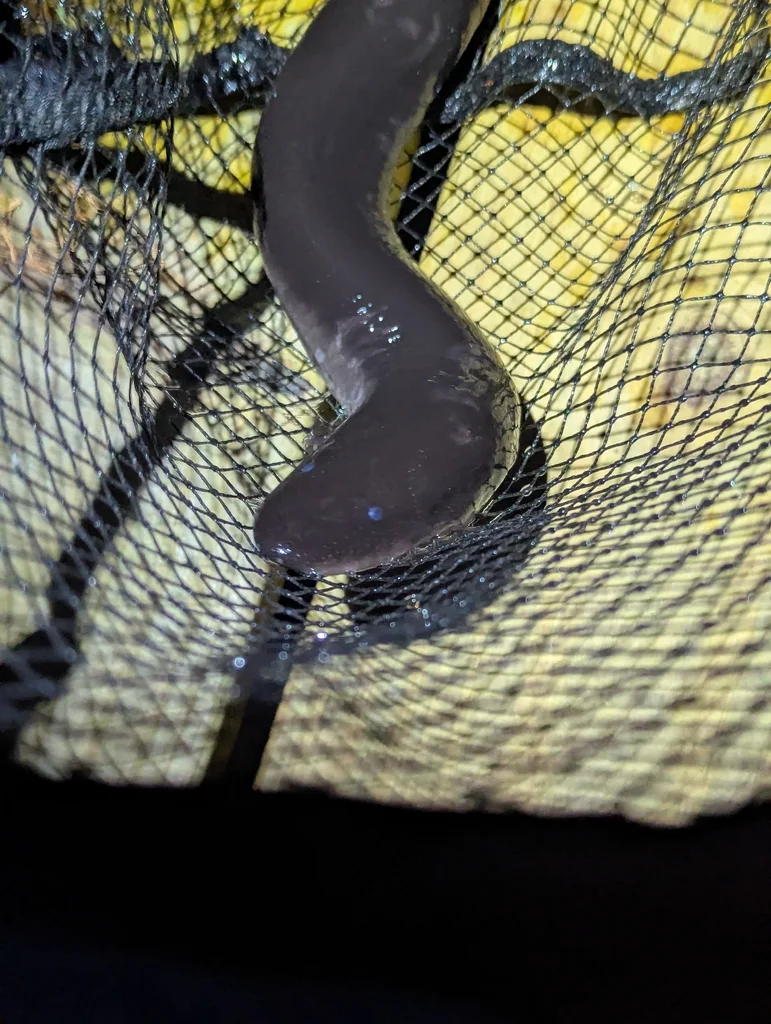
The historical jetty itself transforms into a hunting ground during night dives, where squid, cuttlefish, and conger eels actively forage. Deeper explorations at "La Losa" reveal a richer ecosystem; this horseshoe-shaped rock formation is home to large groupers, various sea snails, and both rainbow and ornate wrasse.
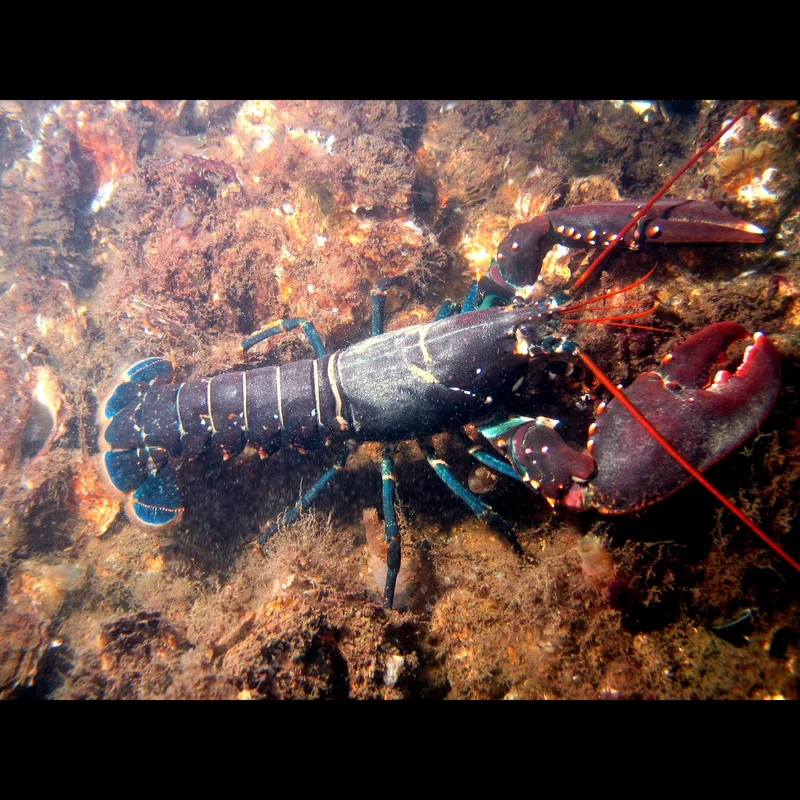
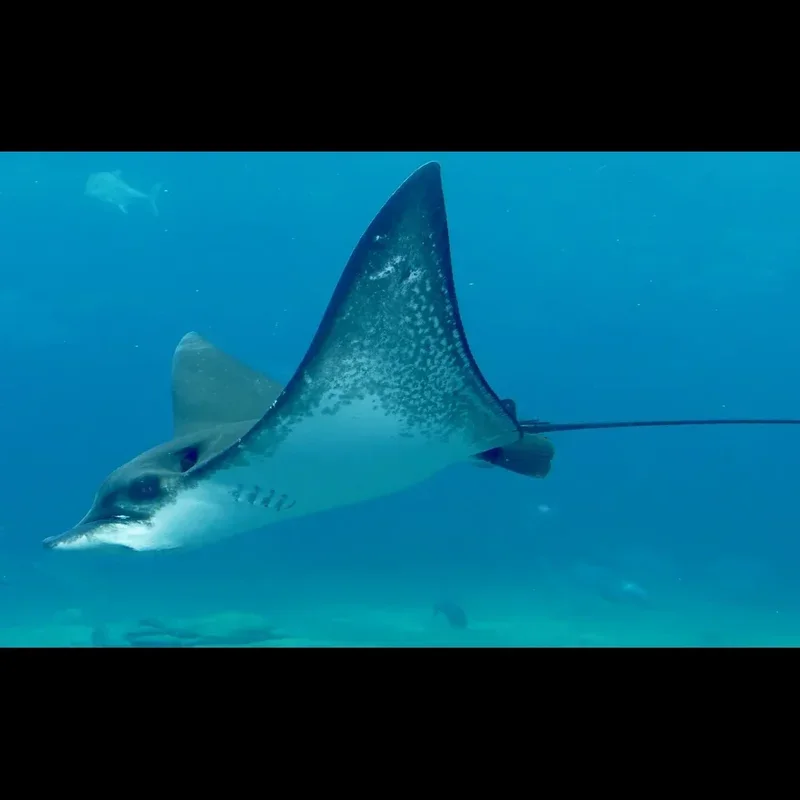
Lobsters are also frequently encountered in these deeper zones, with the possibility of observing deep-sea fish, and even occasional eagle rays or sunfish passing by.
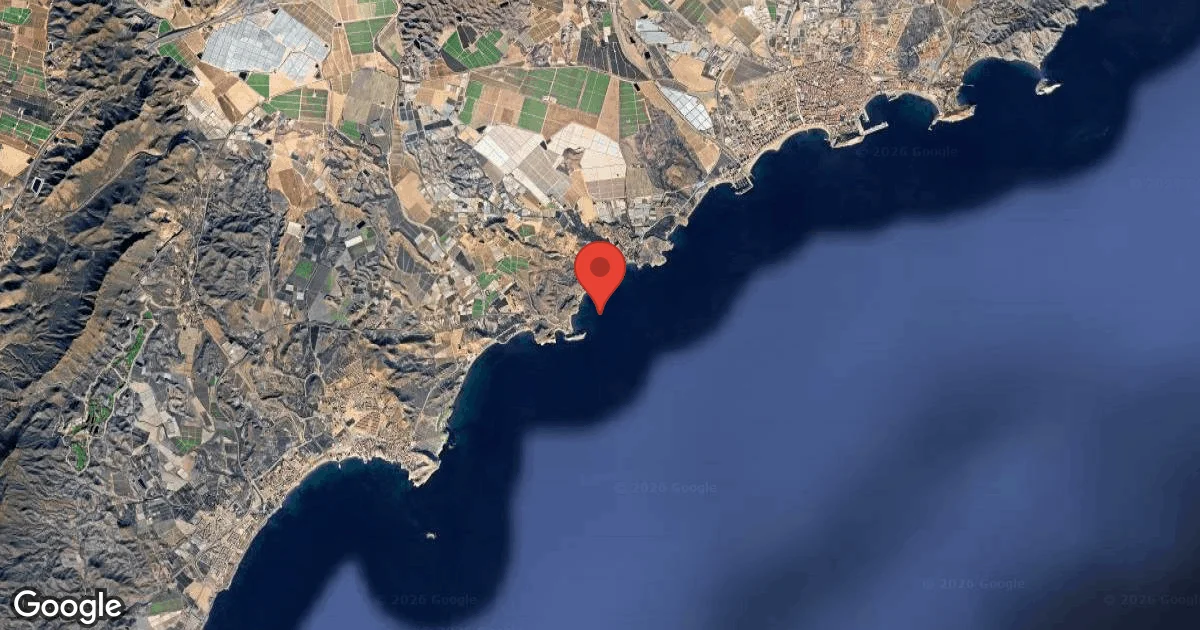
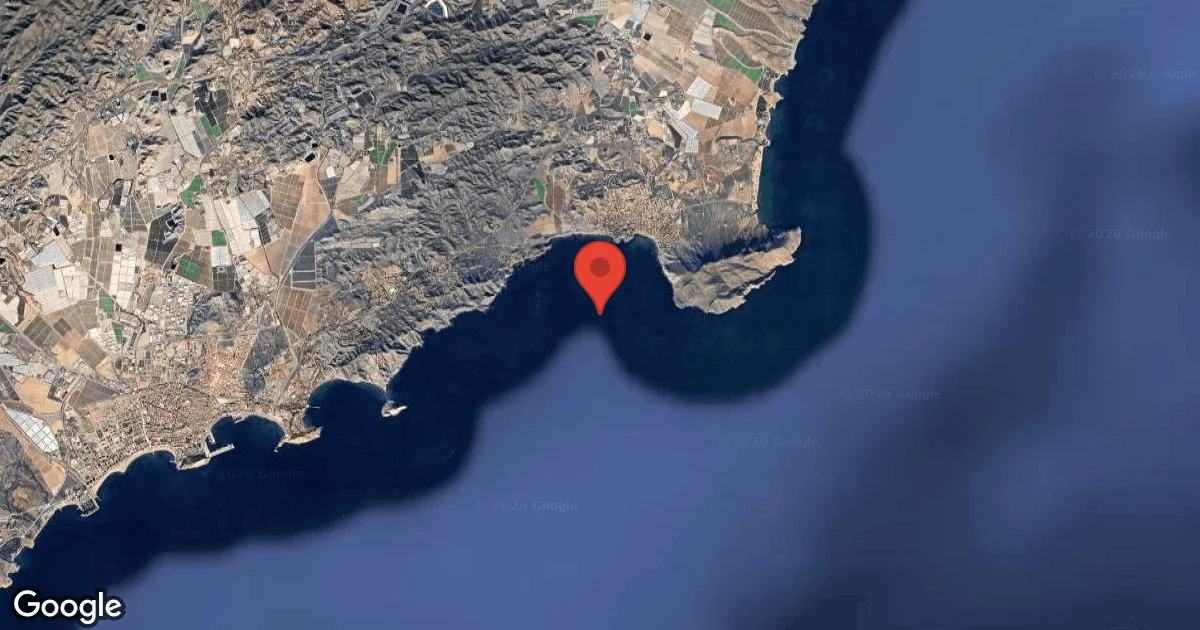
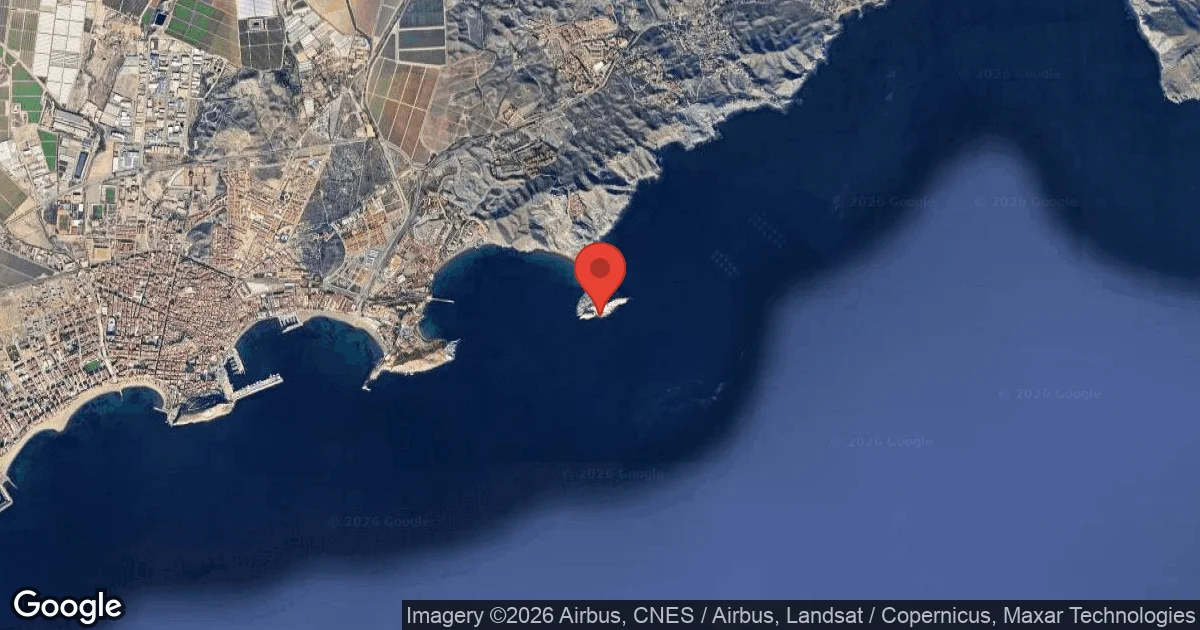
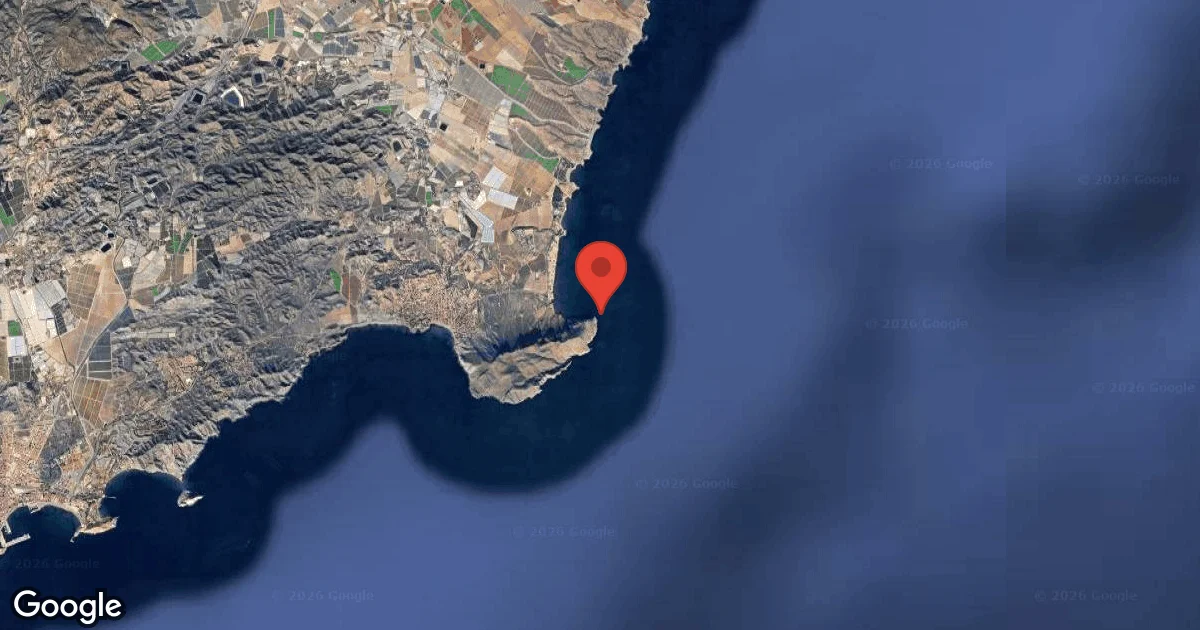
Dive Sites Near Embarcadero del Hornillo
View all dive sites in SpainDiscover more underwater gems in this area.
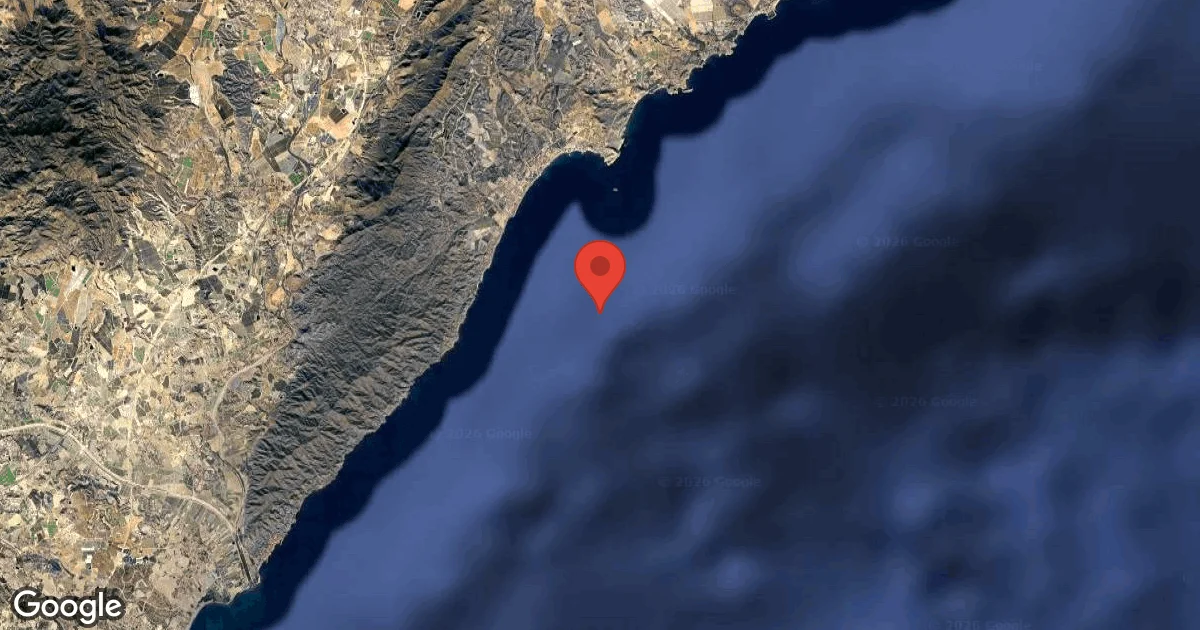
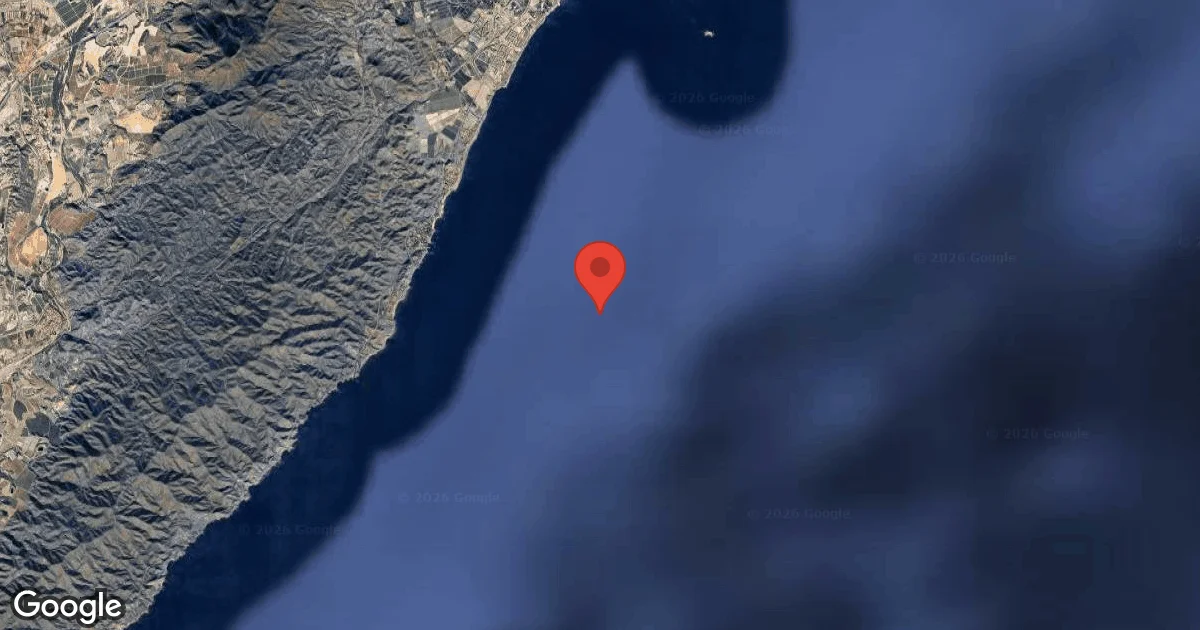
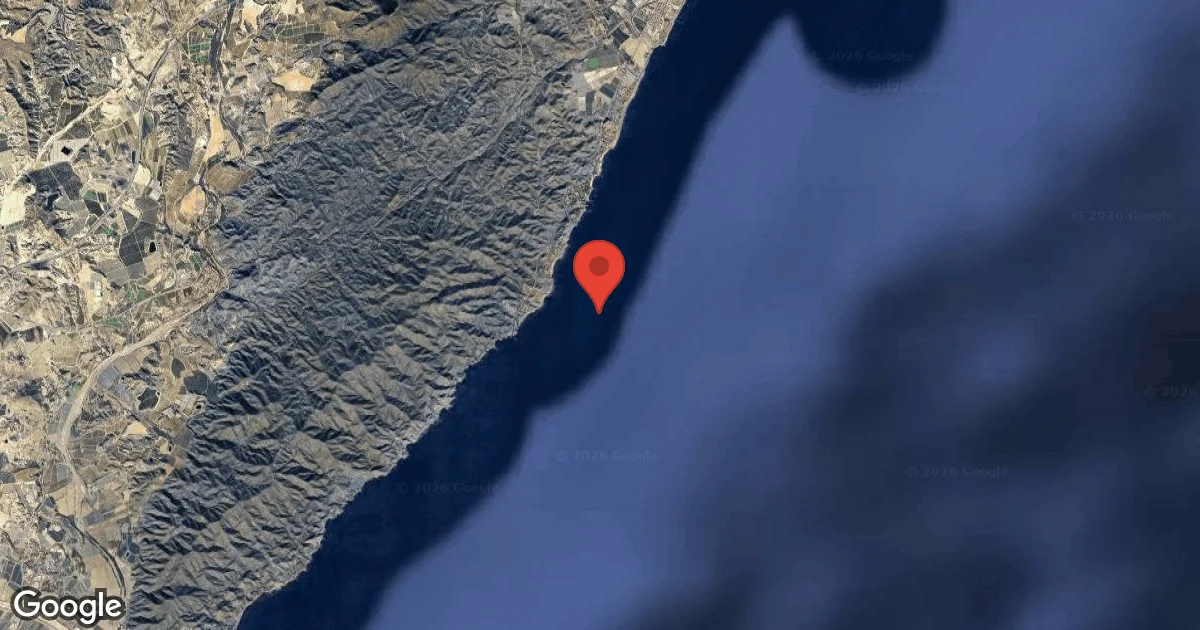
Dive Centers Near Embarcadero del Hornillo
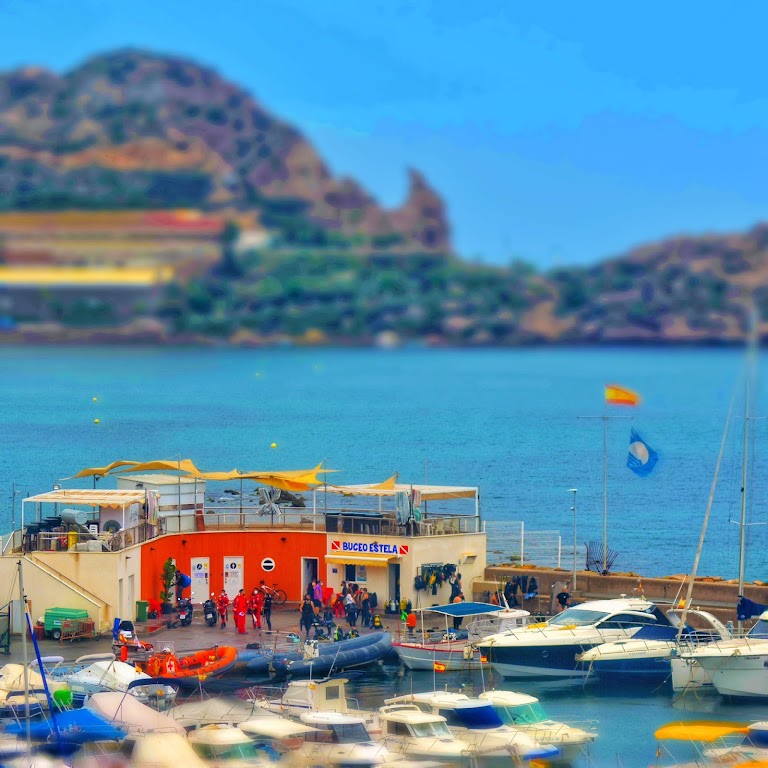
Today: 08:00 - 14:00 • 16:30 - 20:00
Nearest Airports
Nearest airports to help plan travel to this dive area.
Search Flights
Check available flights and routes on Expedia, using the nearby airports listed in this section.
Search Flights on ExpediaFrequently Asked Questions
What are the primary dive sites at Embarcadero del Hornillo?
This location offers several distinct dive sites. Key areas include the 'Mogote,' the historical jetty itself, 'El Cabo Luisma,' 'La Cabeza del Caballo,' and the deeper 'La Losa' site, each providing a unique experience.
What is the typical depth range for dives here?
Depths vary significantly across the sites. You can find shallower dives around 8-15 meters at locations like La Cabeza del Caballo and the jetty. Deeper dives such as La Losa extend to 30-34 meters, catering to experienced divers.
Is Embarcadero del Hornillo suitable for night diving?
Yes, the historic jetty at Embarcadero del Hornillo is particularly noted as an ideal location for night dives. During darkness, divers can observe increased activity from nocturnal marine life like squid and conger eels.
Are there strong currents to be aware of?
Current conditions can vary by site, but the 'Mogote' dive is specifically characterized by a typical lack of current, making it a simpler and more relaxed dive. Divers should always assess conditions at other sites before entering the water.
What kind of marine life can be seen?
Divers may encounter needlefish and seahorses at the 'Mogote' and nocturnal hunters such as squid and conger eels around the jetty. Deeper sites like 'La Losa' feature lobsters, groupers, various wrasse species, and occasionally larger pelagics like eagle rays.
What are the historical aspects of the Embarcadero del Hornillo?
The Embarcadero del Hornillo is an early 20th-century iron and concrete pier, built to transport minerals. It was a significant engineering feat by Gustavo Gillman, and its unloading tunnel, now a museum, highlights its industrial heritage.
How accessible is the land-based site and tunnel?
The site is generally accessible by car, though parking can be competitive during peak times. The unloading tunnel typically has free entry and is open on Saturdays and Sundays, usually from 11 a.m. to 1:30 p.m. without appointment.
Planning to dive Embarcadero del Hornillo?
Send one inquiry and receive offers directly from the best verified local dive operators.
Conditions are Good
Optimal conditions expected
Current conditions near Embarcadero del Hornillo show 25° air, 27° sea temperature, 1.2 m waves, and 28 km/h wind. Forecast data is refreshed regularly to ensure accuracy.