
Diving at Pota del Llop (Spain)
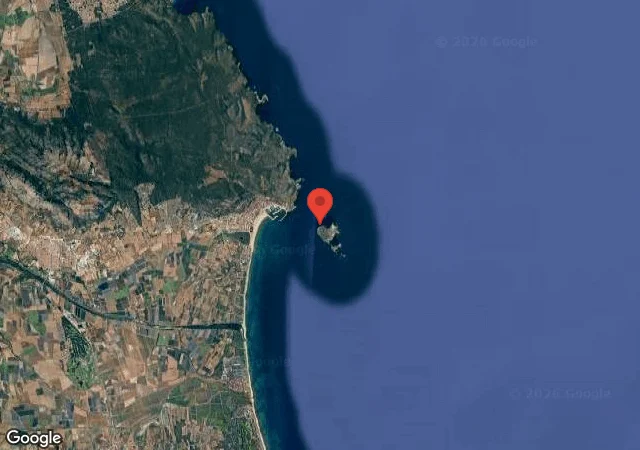
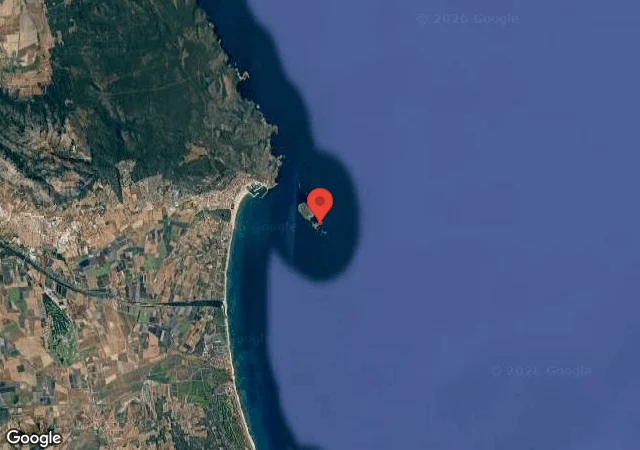
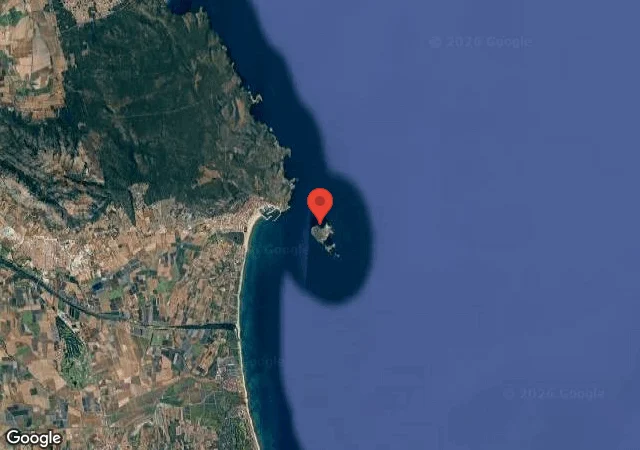
Pota del Llop anchors the northeastern end of Meda Gran, a significant part of the protected Illes Medes marine reserve. Underwater cliffs here directly extend the island's rocky face, descending dramatically. Structures below the surface unfold into substantial drop-offs and vertical walls, reaching beyond 40 m (130 ft). Divers navigate small platforms and overhangs, rich with vibrant gorgonians and various sponge species. A notable cave system also contributes to the site's structural intrigue, inviting close exploration.
Tonight's objective overview for Pota del Llop shows an air temperature of 27°C. The measured surface conditions include wave heights around 0.3 m. This environmental data is logged for the close of the day.
Dive Site Location & Key Facts
Dive Site Overview
Within the highly protected Illes Medes marine reserve, Pota del Llop stands out as one of the deeper, more challenging dive sites. Its designation reflects importance for biodiversity, having been conserved since 1983.
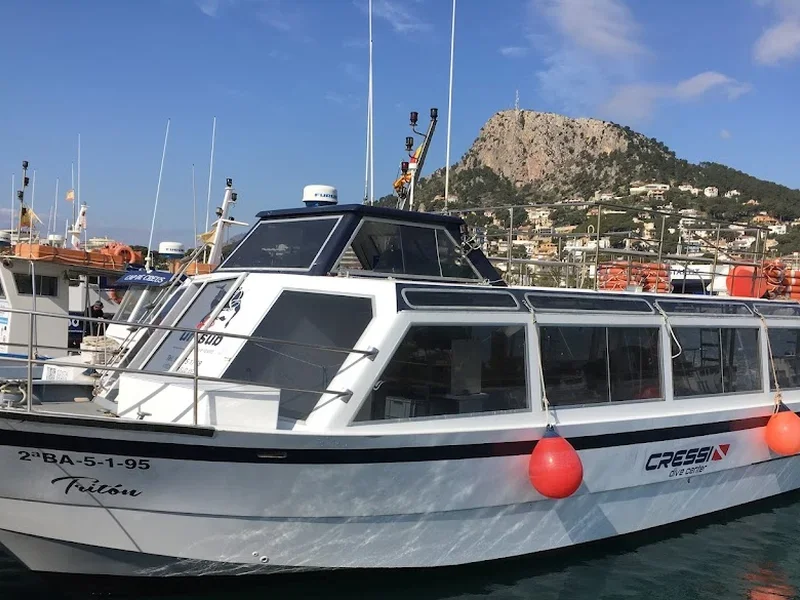
Among local dive centers, its reputation often draws comparisons to Pedra de Déu, both noted for dramatic drop-offs—a distinctive feature of the Medes Islands' underwater topography. Access is exclusively by boat, typically from L'Estartit. Positioned on Meda Gran's east coast, it can be exposed to certain wind patterns, influencing dive day planning.
Exploring here immerses divers in an environment shaped by strong currents and the deep-water boundary of recreational diving. This creates a specific habitat where large sea fans thrive on the walls, and a notable diversity of sponges and coral contributes to a vibrant ecosystem.
Complex structure, with vertical walls and platforms, naturally fosters varied niches for marine life. Divers experience the established patterns of a long-protected area, observing the results of careful environmental stewardship.
Maximum depth of 40 meters demands experience and careful gas management, reinforcing its status as a site for certified advanced divers.
Conditions are Excellent
07:00 - 14:00
Optimal conditions expected
Current conditions near Pota del Llop show 27° air, 27° sea temperature, 0.4 m waves, and 11 km/h wind. Forecast data is refreshed regularly to ensure accuracy.
Best Time to Dive
Optimal diving conditions at Pota del Llop generally occur during the warmer months, specifically May through September, when dive scores consistently rank as 'Good'. Air temperatures during this period are comfortably high, averaging around 18°C (64°F) in May and peaking at 26°C (79°F) in July, making surface intervals pleasant. Rainfall is also minimal, often less than 2 mm (0.08 inches), contributing to stable surface conditions. Water temperatures aren't consistently reported, though a regional trend suggests significant warming by summer. Throughout autumn and winter, conditions remain 'Good', but air temperatures cool to averages like 10°C (50°F) in December and 10°C (50°F) in January, requiring thicker exposure protection. Wave heights generally lower from May to September, around 0.7-0.9 meters (2-3 feet), reducing boat travel discomfort. Stronger winds, sometimes averaging over 25 km/h (15 mph) in April, can affect sea state, especially given the site's exposure to north and east winds. Planning around localized wind forecasts is always advisable for a more comfortable experience.
PEAK SEASON SCORE
Scores combine air & water temps, waves, wind & rainfall for overall conditions.
BEST MONTHS TO DIVE
Monthly records compiled from satellite and marine observation nodes over the last 3 years. Data provided by Open-Meteo and MET Norway.
Dive Experience & Conditions
Exploring Pota del Llop unfolds along a compelling depth profile, starting shallow and quickly descending into significant depths. Features include extensive drop-offs and vertical walls that routinely extend past 40 meters (130 ft), making it primarily suitable for experienced divers comfortable with deep diving. As one descends, walls are densely covered with large, colorful gorgonians, creating a dramatic backdrop. Small platforms punctuate these vertical expanses, offering resting spots or areas for closer observation of macro life. Water temperatures are not consistently reported but typically vary with the seasons, cooler in winter and warming significantly during summer. Visibility generally remains good, though localized currents can sometimes introduce thermoclines or minor particulate matter. Divers navigating here should be proficient in buoyancy control, particularly when exploring deeper sections and the cave system. This deep, wall-diving environment emphasizes precise dive planning and conservative bottom times.
Dive Difficulty & Safety Guidelines
Pota del Llop's depth profile and potential exposure to currents necessitate advanced certifications and a solid understanding of deep diving procedures. Reaching the recreational diving limit of 40 meters, careful no-decompression limit monitoring and adequate gas planning are essential. Entry and exit are exclusively by boat; divers should be comfortable with open water conditions, including potential surface chop depending on wind direction.
Exposure to north and east winds means conditions can vary, prompting careful pre-dive assessment by dive operators. Divers should maintain excellent buoyancy control to protect the delicate gorgonian formations on the walls and avoid disturbing the cave environment.
Diving with a local guide familiar with the specific currents and topography of the Medes Islands is recommended. Adherence to marine reserve regulations is paramount; touching marine life or taking souvenirs is strictly prohibited, ensuring preservation of this rich ecosystem for future enjoyment.
Recommended Equipment
Deep dive hazard. Increased narcosis and gas consumption risk.
- Dive Computer
- DSMB
- Primary & Backup Lights
This gear list is based on verified equipment signals for Pota del Llop, Spain. Always confirm final gear choices with your dive operator, guide, or liveaboard.
Recommended Dive Suit
Divers planning relaxed exploration may appreciate the warmth of 2-3mm shorty or light wetsuit. Divers often notice that perceived temperature can feel cooler during deeper or longer dives.
Conditions at Pota del Llop currently place the water temperature near 27°C (80°F). Surface air temperatures are resting at 27°C (80°F).
Weather projections show fairly stable environmental conditions ahead.
Emergency & Medical Support
Essential information to help you plan your dive trip to Pota del Llop.

Hyperbaric chambers are a critical part of dive safety infrastructure. Availability varies significantly by region, and not all dive areas have immediate access.
Before diving, it's recommended to:
- confirm nearest medical facilities
- check emergency procedures with local dive operators
- ensure dive insurance covers evacuation if required
Divers Alert Network
Diving emergency assistance available through DAN Europe.
+39 0642115685- 24/7 emergency hotline
- Diving medical assistance
- Evacuation coordination
Emergency contacts are provided for reference. Always verify local emergency services before diving.
Closest Listed Hyperbaric Chambers
Showing listed hyperbaric chamber facilities within 200 km of this dive site.
Distances are approximate straight-line distances and may not reflect emergency travel time.
Unitat de Medicina Hiperbàrica (UMH)
24/7 ListedPalamos (Girona), Spain•Approx. 23 km straight-line
Unitat de Medicina Hiperbàrica (UMH)
24/7 ListedInformation is provided for reference and planning purposes only. Dive Navigator does not verify operational status, staffing, availability, or quality of care at listed facilities. In an emergency, contact local emergency services, DAN, your dive operator, or the chamber directly. Do not travel to a facility without calling ahead.
UTH-CSI
24/7 ListedICU CapableSant Joan Despí, Spain•Approx. 123 km straight-line
UTH-CSI
24/7 ListedICU CapableInformation is provided for reference and planning purposes only. Dive Navigator does not verify operational status, staffing, availability, or quality of care at listed facilities. In an emergency, contact local emergency services, DAN, your dive operator, or the chamber directly. Do not travel to a facility without calling ahead.
Marine Life at Pota del Llop
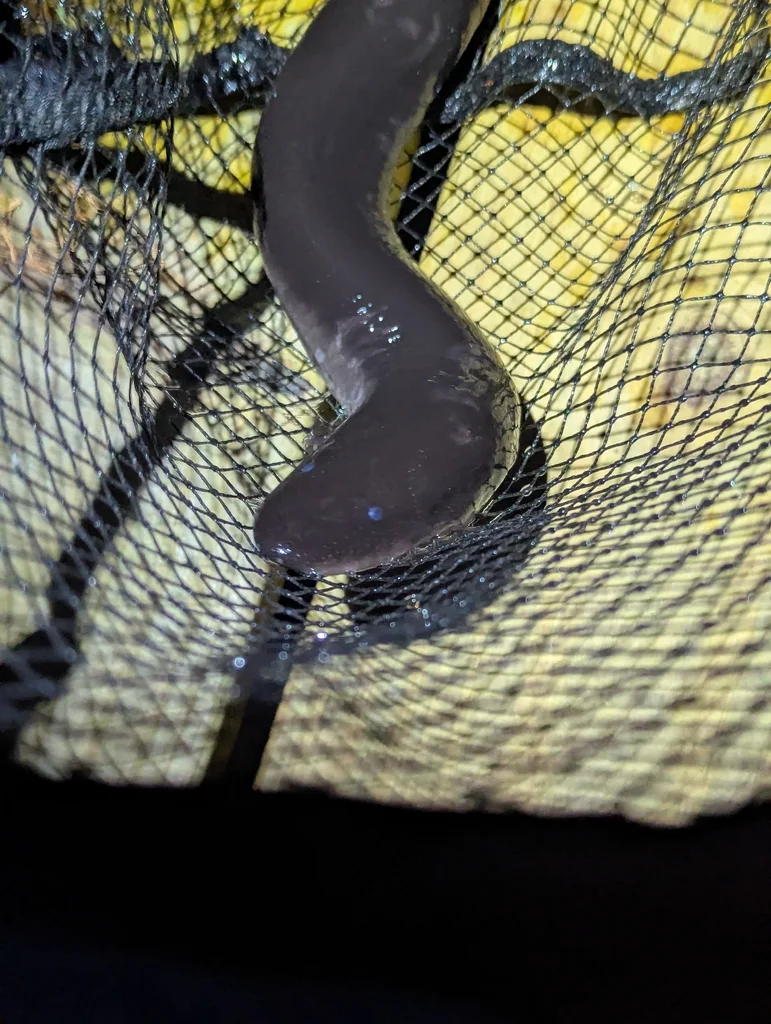
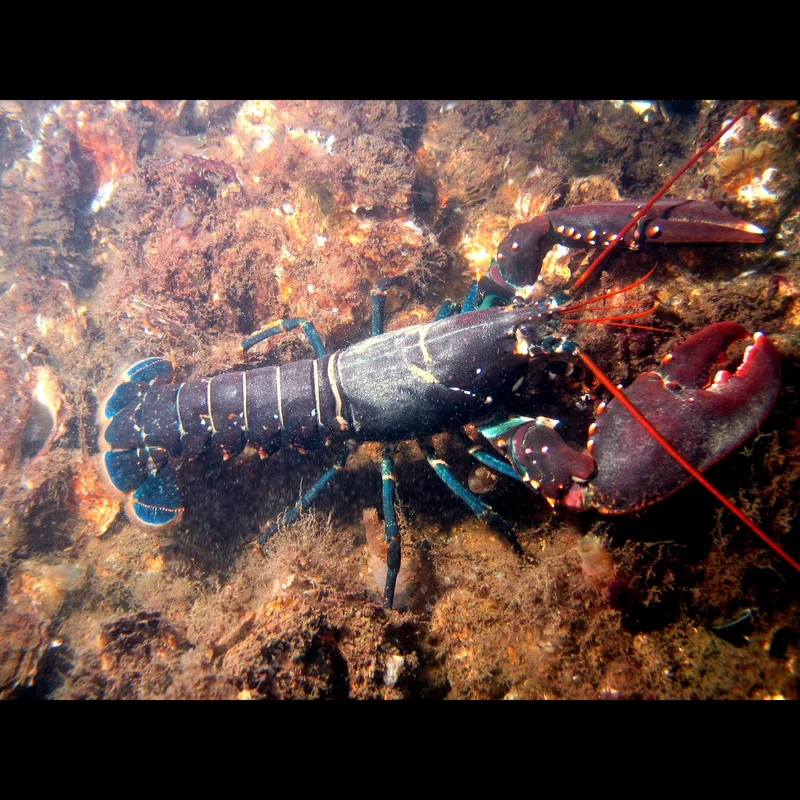
Upon descending at Pota del Llop, an immediate visual impact comes from extensive coverage of large sea fans and diverse sponges adorning rocky cliff faces. As eyes adjust, divers often spot lobsters emerging from crevices or conger eels tucked into protective holes.
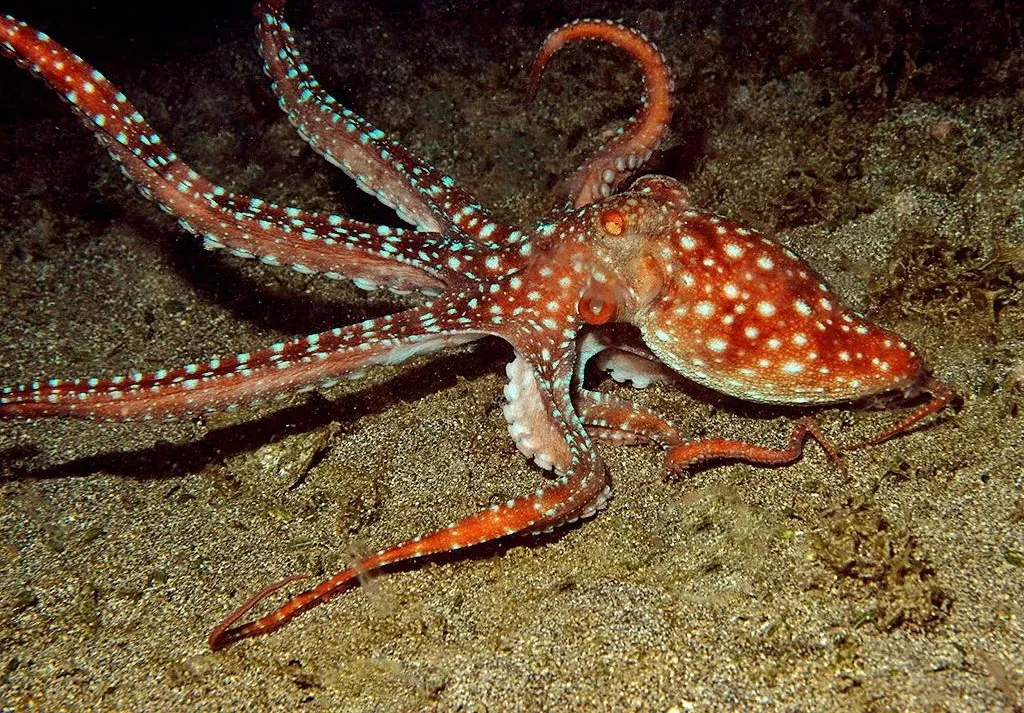
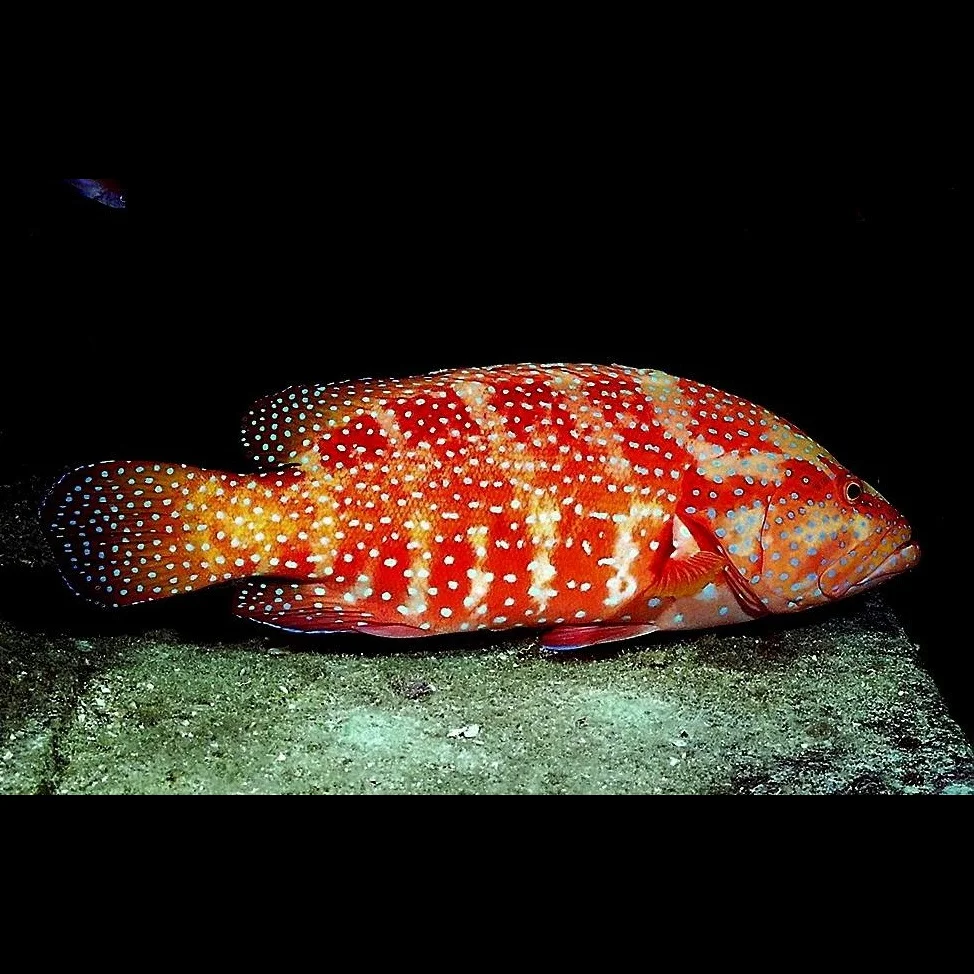
Moving slowly along walls, don't be surprised to encounter octopuses exhibiting curious behavior, sometimes venturing out of their hideouts. Groupers and breams are commonly observed, occasionally engaged in hunting for smaller prey.
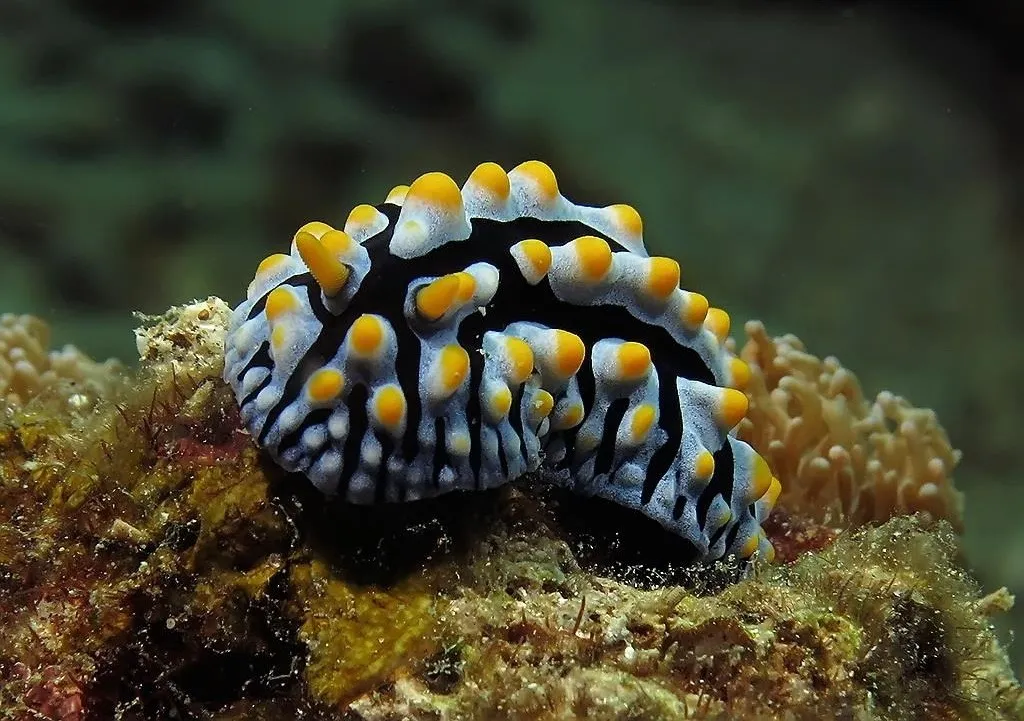
Shallower wall sections frequently reveal a vibrant display of nudibranchs, adding intricate color to the underwater scenery. While rare, sightings of sunfish can occur in the blue.
Dive Sites Near Pota del Llop
View all dive sites in SpainDiscover more underwater gems in this area.
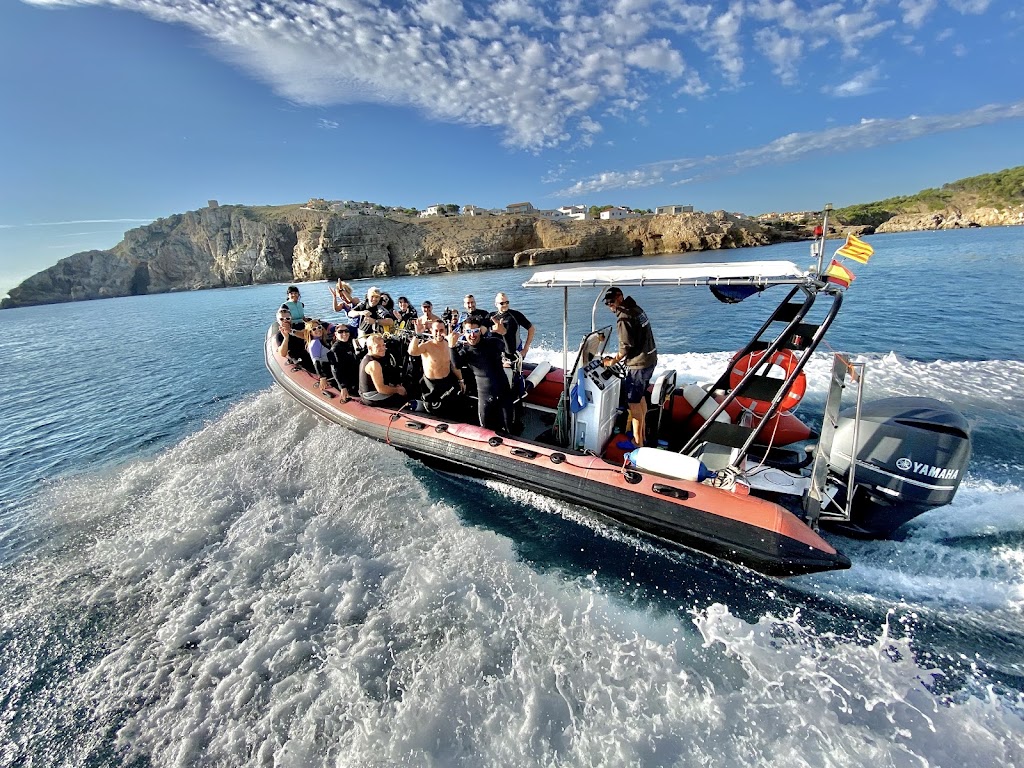
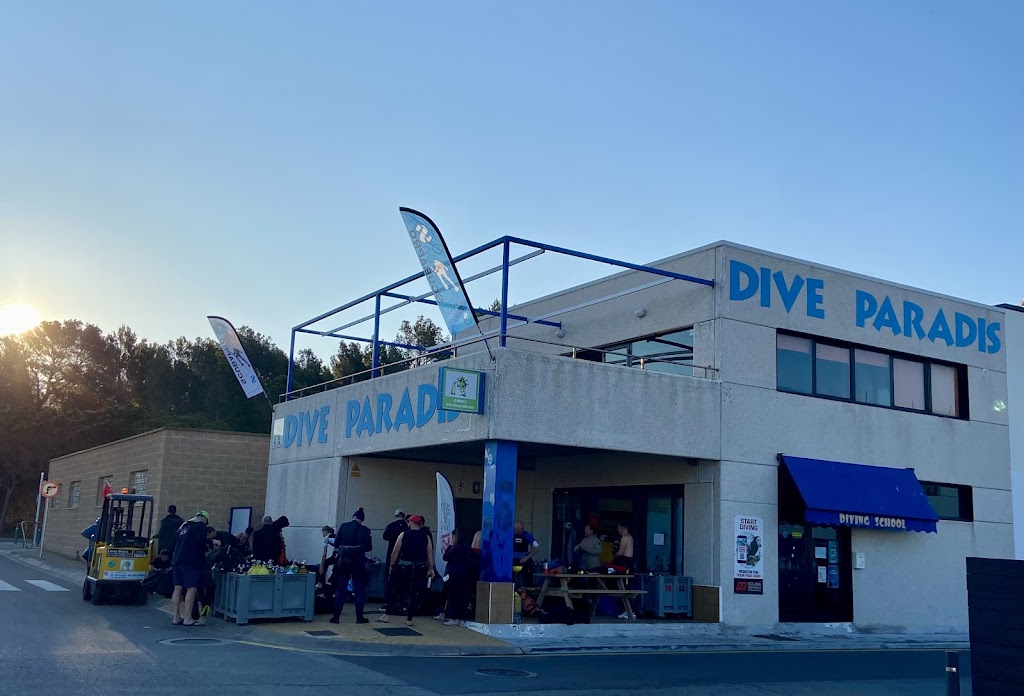
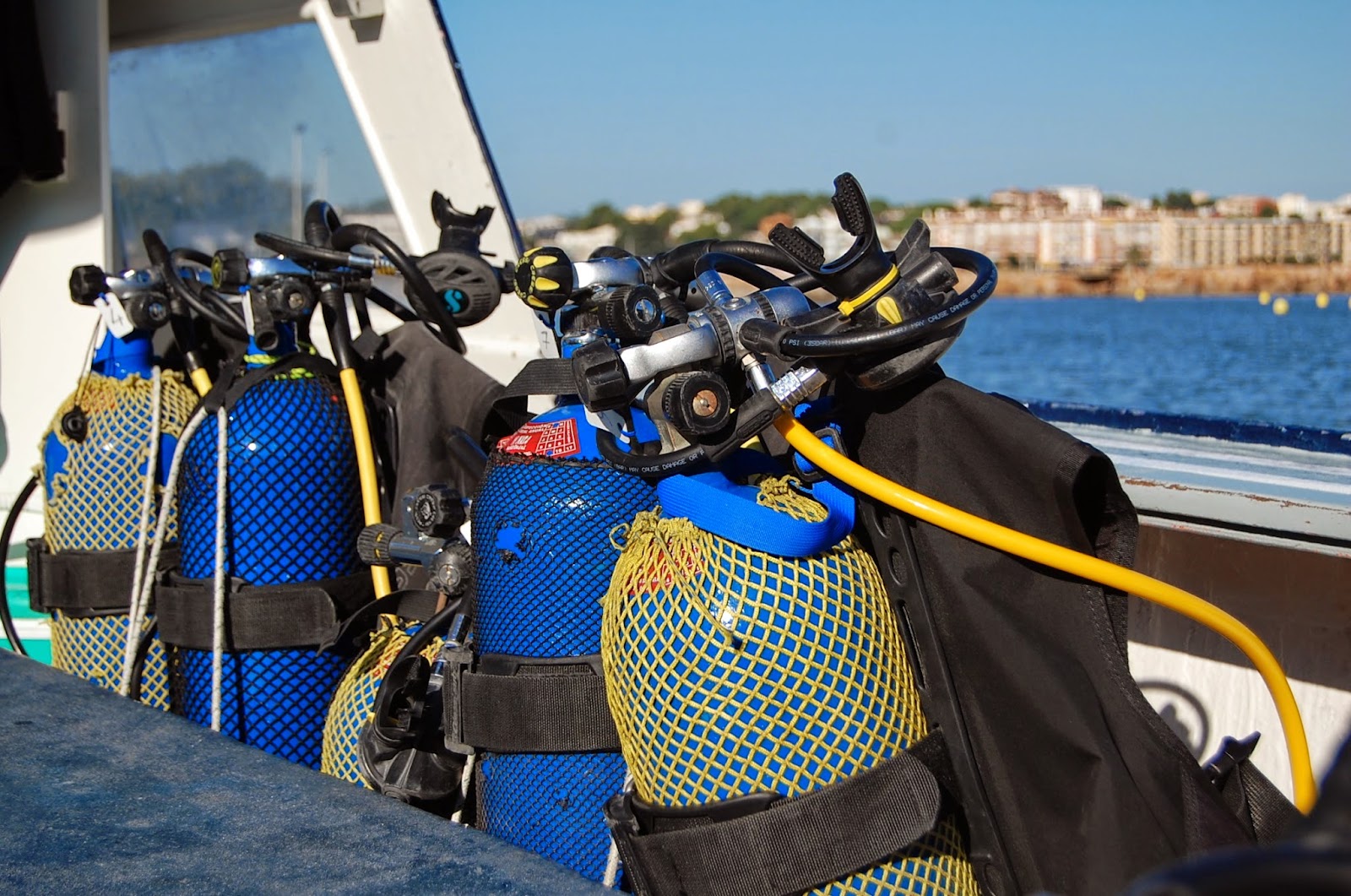
Dive Centers Near Pota del Llop

Today: 08:00 - 18:00
Nearest Airports
Nearest airports to help plan travel to this dive area.
Search Flights
Check available flights and routes on Expedia, using the nearby airports listed in this section.
Search Flights on ExpediaFrequently Asked Questions
Is Pota del Llop suitable for beginner divers?
No, Pota del Llop is considered a deep site best suited for experienced divers. It requires advanced certifications and proficiency in deep diving techniques due to its significant depth and potential conditions.
What type of marine life can I expect to see?
You'll likely encounter lobsters, octopuses, groupers, and breams. The site is also known for its large sea fans, various sponges, and colorful nudibranchs on shallower walls. Rare sightings of sunfish are also possible.
How do you access the dive site?
Pota del Llop is accessed exclusively by boat. Most dive operators depart from L'Estartit, providing a convenient way to reach this protected marine reserve site.
What are the typical depths at Pota del Llop?
Dive site features significant drop-offs and vertical walls, often extending beyond the recreational limit. This offers a profound experience for divers exploring its full extent.
Are there any caves at Pota del Llop?
Yes, a cave system can be explored at Pota del Llop. It offers an additional element to the dive, though it requires careful navigation and the use of a dive light.
What are the best months to dive Pota del Llop?
The period from May through September typically offers the most comfortable conditions, with warmer air temperatures and minimal rain. However, the site is generally diveable year-round, with good dive scores in all seasons.
Is this site part of a marine protected area?
Yes, Pota del Llop is located within the protected marine reserve of the Illes Medes. This designation helps preserve its rich biodiversity and spectacular underwater landscapes.
Planning to dive Pota del Llop?
Send one inquiry and receive offers directly from the best verified local dive operators.
Conditions are Excellent
07:00 - 14:00
Optimal conditions expected
Current conditions near Pota del Llop show 27° air, 27° sea temperature, 0.4 m waves, and 11 km/h wind. Forecast data is refreshed regularly to ensure accuracy.