
Diving at La Bota (Spain)
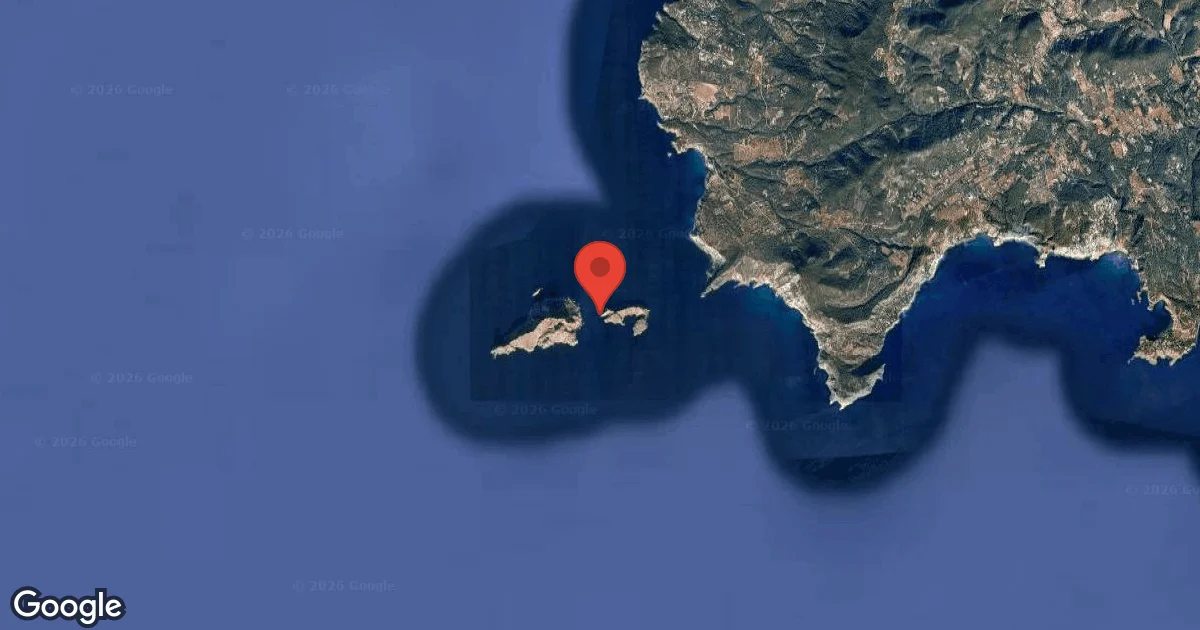
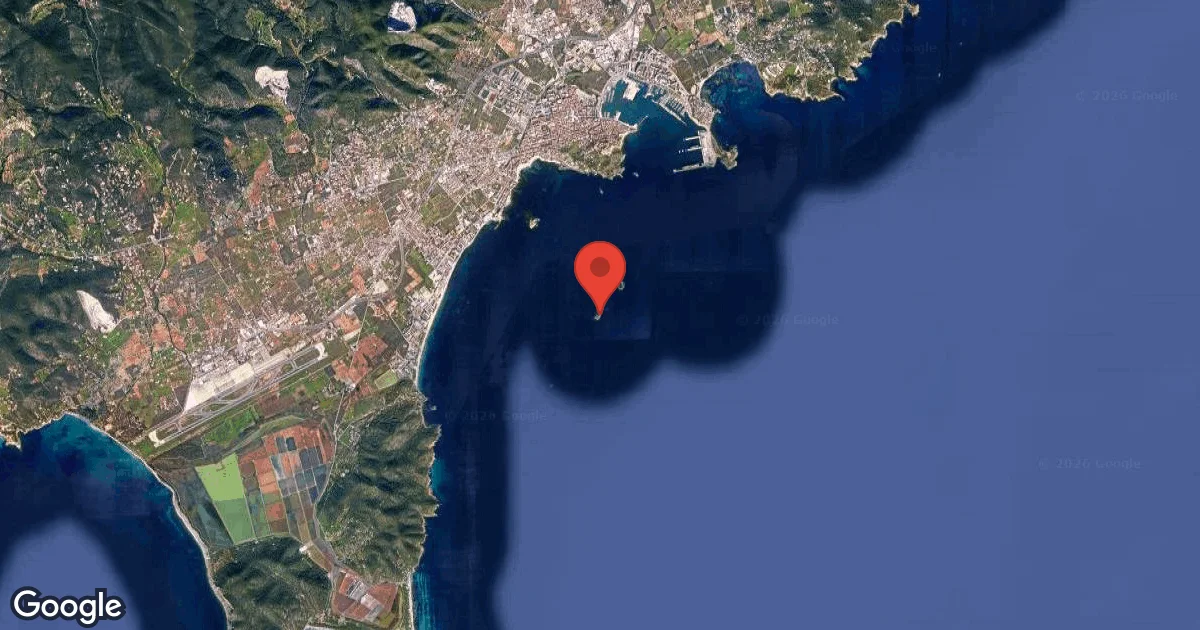
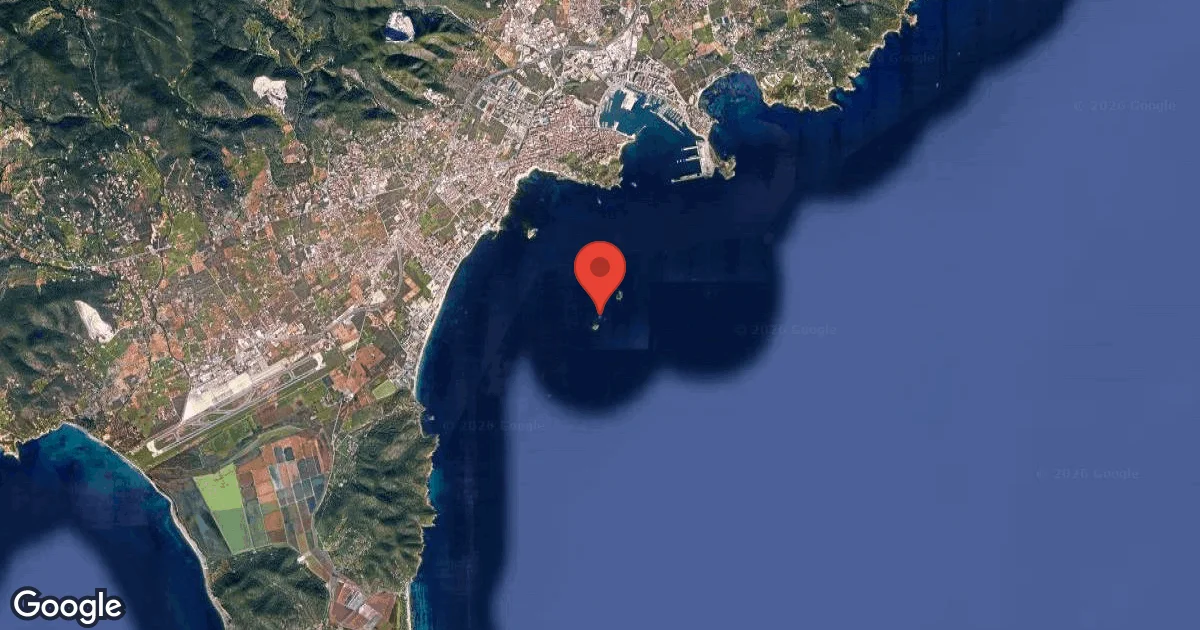
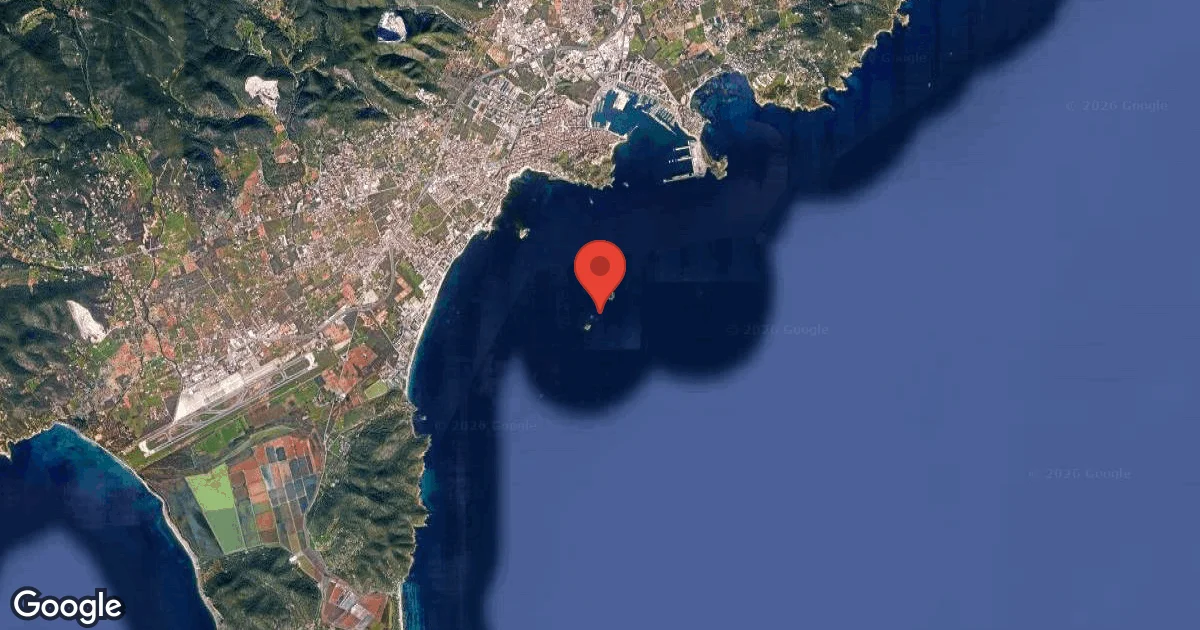
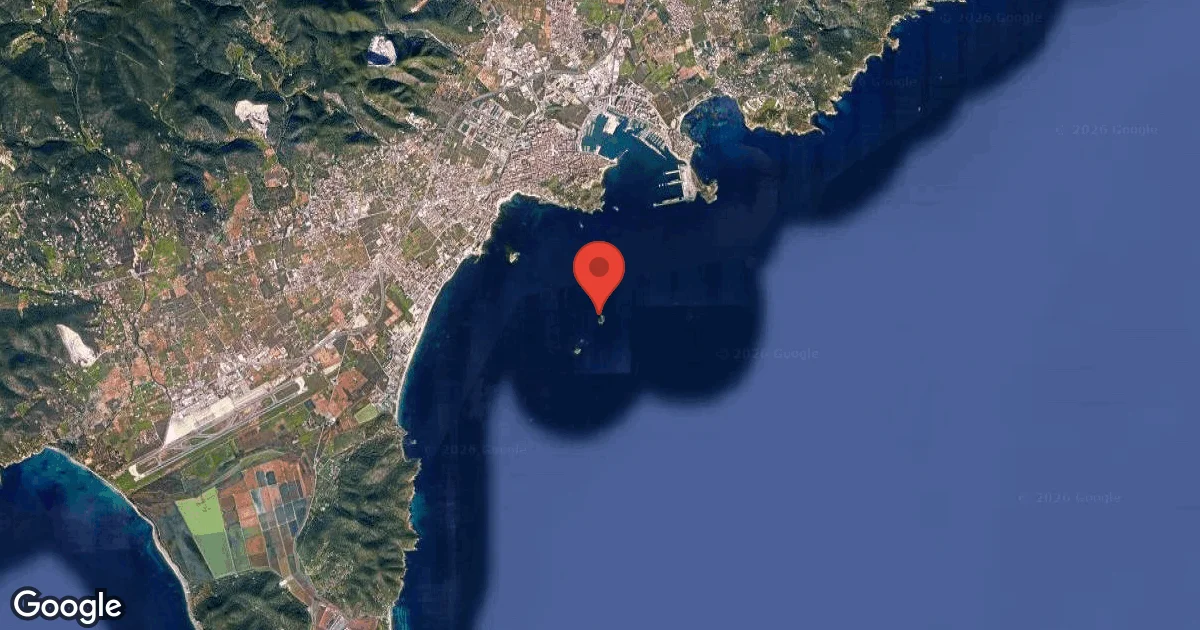
An underwater mountain, La Bota rises dramatically from the seabed, its pinnacle reaching mere centimeters below the surface. Situated off Ibiza's southwest coast, near Es Vedrà, its presence poses a navigational hazard for boats, often betrayed only by surface swell. Divers here encounter a compelling wall dive, descending into deeper waters for an extraordinary subaquatic experience.
As evening covers La Bota, the local air temperature is measured at 22°C. The current wave height at the surface is recorded at 0.4 m. These late-day readings characterize the surface conditions for the night.
Dive Site Location & Key Facts
Dive Site Overview
La Bota presents as an exceptional underwater mountain, its singular pinnacle ascending dramatically from depths exceeding 50 m (164 ft) to just centimeters below the surface. Breaking waves can sometimes hint at its presence.
Divers typically begin their immersion on the east slope, descending to a desired depth before encircling the promontory. Progressive ascent explores a diverse topography, moving gradually upwards. While the south and east faces present more progressive slopes, the north and west sides are characterized by striking vertical cuts, aligning with its "wall" dive classification.
The considerable separation from the coastline often brings currents, which actively contribute to a vibrant marine ecosystem and act as a beacon for passing pelagic species. Each dive is a dynamic encounter in an underwater oasis.
Its profile supports exploration from a shallow 1 meter (3 ft) near the surface to over 40 m (130 ft) at its base, accommodating a broad spectrum of certified diver experience levels. Exploring this submerged mountain reveals numerous holes and crevices along its walls.
Conditions are Good
Optimal conditions expected
Current conditions near La Bota show 22° air, 27° sea temperature, 0.6 m waves, and 24 km/h wind. Forecast data is refreshed regularly to ensure accuracy.
Best Time to Dive
Favorable diving at La Bota generally spans from spring through autumn, when conditions are most settled. Warmest air temperatures occur from July to August, averaging around 27°C (81°F). During these months, wave heights are typically at their lowest, often around 0.7 meters (2.3 ft), and wind speeds are also reduced, averaging 16-17 km/h (10-11 mph). Consistently, dive scores are high. Rain activity is minimal across the summer months, frequently less than 1 mm, contributing to better visibility and calmer seas. Even during cooler months, such as November, the dive score remains 'Good,' with air temperatures around 17.5°C (64°F), though wave heights can increase to 1.2 meters (3.9 ft). For optimal comfort and calmer seas, targeting late spring to early autumn, specifically May through September, is advisable.
PEAK SEASON SCORE
Scores combine air & water temps, waves, wind & rainfall for overall conditions.
BEST MONTHS TO DIVE
Monthly records compiled from satellite and marine observation nodes over the last 3 years. Data provided by Open-Meteo and MET Norway.
Dive Experience & Conditions
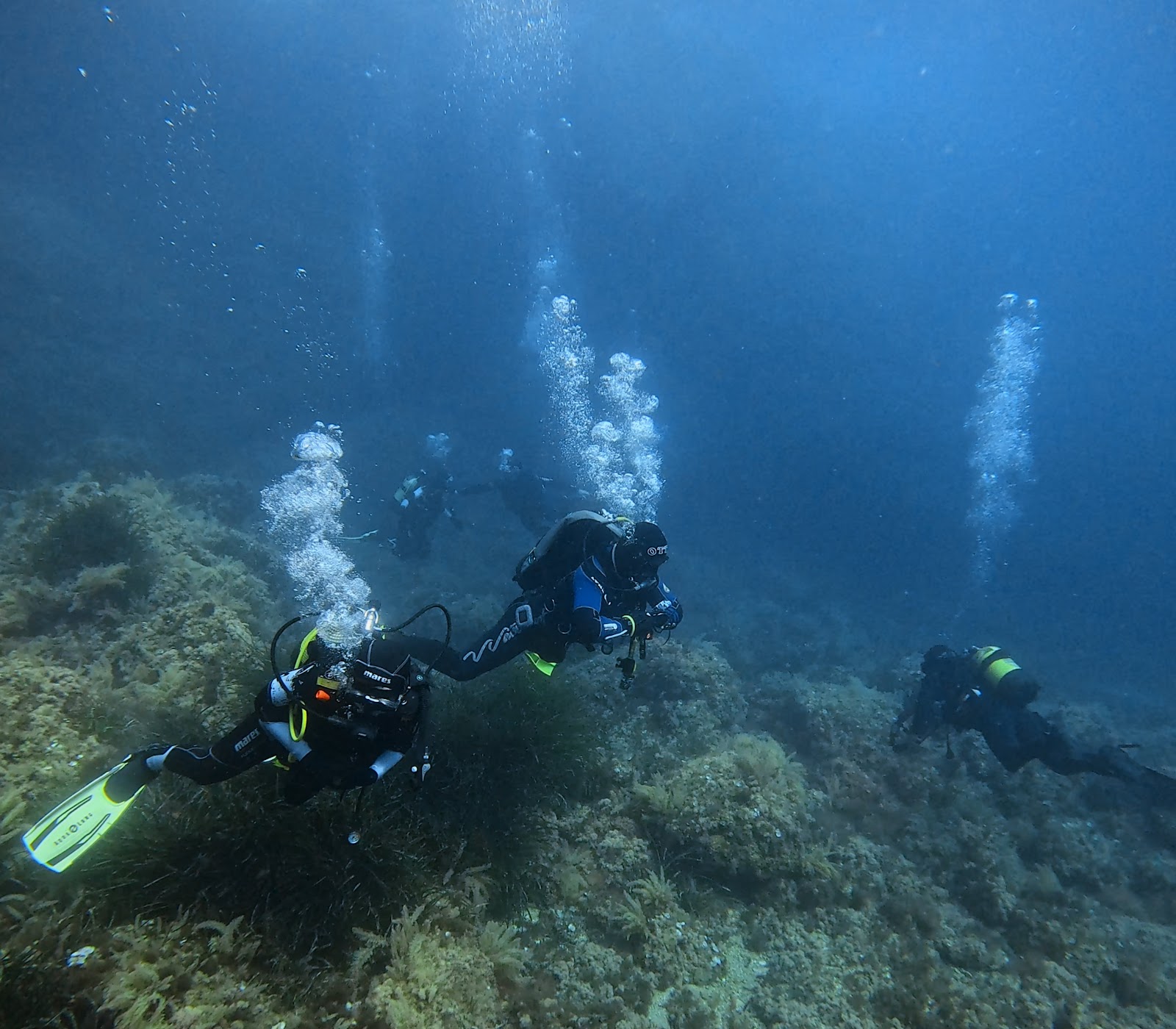
Descending into La Bota, divers encounter a submerged mountain, a vibrant hub for marine activity. Immersion typically starts on the deeper, east slope. From here, one circles the main promontory, gradually ascending towards the shallowest sections near the top. Visibility varies, often good due to the site's offshore location, away from coastal runoff. Currents can be present and are a notable factor given its position in open water; they attract abundant and diverse marine life. Exploring the structure reveals an ecosystem thriving on exposed faces and within crevices along the walls. This journey around the pinnacle provides a dynamic experience, adapting to contours and water flow.
Dive Difficulty & Safety Guidelines
Approaching La Bota requires careful planning due to its exposed location and potential for strong currents. Dive operators often monitor conditions closely to ensure a safe experience. Rising to within centimeters of the surface, the pinnacle poses a clear navigation hazard for boats, necessitating caution from all water users.
While suitable for open water certified divers, those with experience managing currents will find the site more comfortable. Staying close to your dive guide is important when currents are active.
Be mindful of depth, particularly near the very shallow peak. Proper buoyancy control is essential to avoid disturbing the fragile shallow ecosystem or accidental contact.
Recommended Equipment
- Dive Computer
This gear list is based on verified equipment signals for La Bota, Spain. Always confirm final gear choices with your dive operator, guide, or liveaboard.
Recommended Dive Suit
A warming trend is expected over the next few days. A warming trend is expected over the next few days.
Some divers prefer slightly warmer exposure protection simply for additional comfort.
2-3mm shorty or light wetsuit usually works well for maintaining comfort during standard dive profiles in these conditions. A hood or vest is suggested for sensitive divers due to surface winds. Surface intervals may feel cooler. The surrounding waters at La Bota are currently registering temperatures of roughly 27°C (80°F). Surface air temperatures are resting at 22°C (72°F).
Emergency & Medical Support
Essential information to help you plan your dive trip to La Bota.

Hyperbaric chambers are a critical part of dive safety infrastructure. Availability varies significantly by region, and not all dive areas have immediate access.
Before diving, it's recommended to:
- confirm nearest medical facilities
- check emergency procedures with local dive operators
- ensure dive insurance covers evacuation if required
Divers Alert Network
Diving emergency assistance available through DAN Europe.
+39 0642115685- 24/7 emergency hotline
- Diving medical assistance
- Evacuation coordination
Emergency contacts are provided for reference. Always verify local emergency services before diving.
Closest Listed Hyperbaric Chambers
Showing listed hyperbaric chamber facilities within 200 km of this dive site.
Distances are approximate straight-line distances and may not reflect emergency travel time.
Underwater and Hyperbaric Medicine
Palma de Mallorca, Spain•Approx. 146 km straight-line
Underwater and Hyperbaric Medicine
Information is provided for reference and planning purposes only. Dive Navigator does not verify operational status, staffing, availability, or quality of care at listed facilities. In an emergency, contact local emergency services, DAN, your dive operator, or the chamber directly. Do not travel to a facility without calling ahead.
Unidad Hiperbarica Hospital de Castellon UTH-HGUCS
24/7 ListedICU CapableCastellon, Spain•Approx. 164 km straight-line
Unidad Hiperbarica Hospital de Castellon UTH-HGUCS
24/7 ListedICU CapableInformation is provided for reference and planning purposes only. Dive Navigator does not verify operational status, staffing, availability, or quality of care at listed facilities. In an emergency, contact local emergency services, DAN, your dive operator, or the chamber directly. Do not travel to a facility without calling ahead.
Marine Life at La Bota
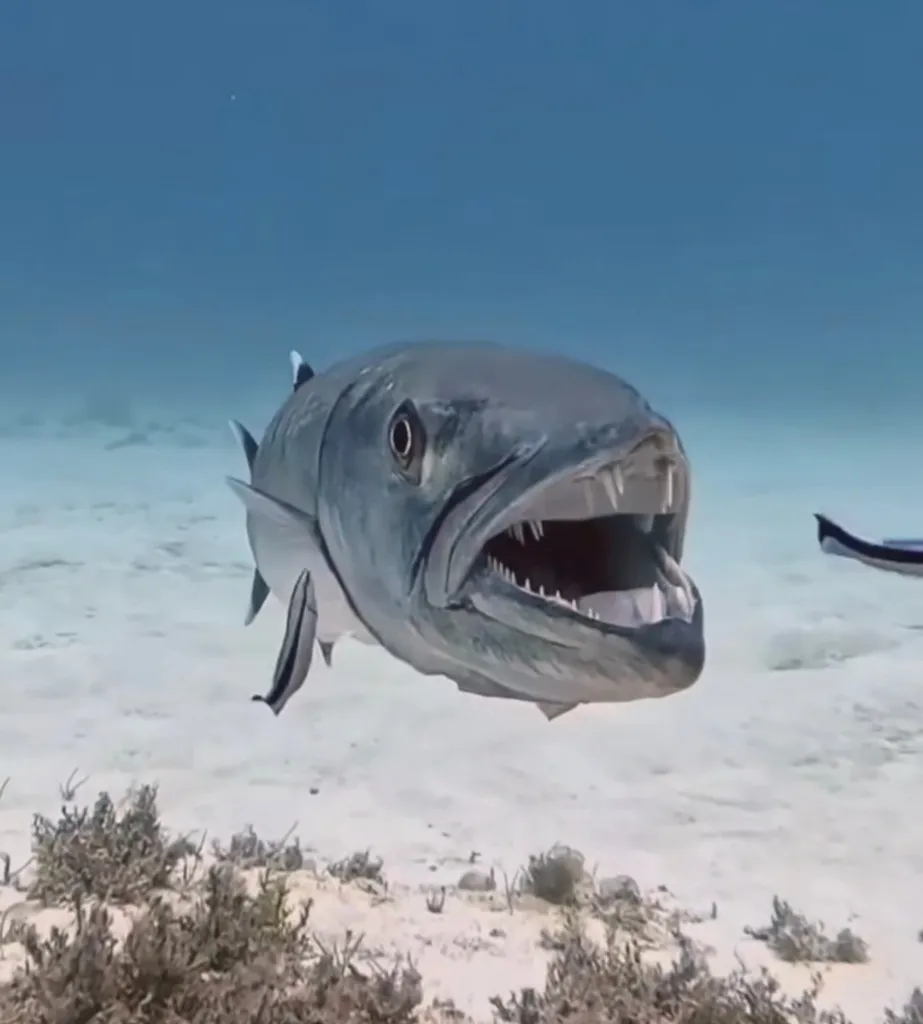
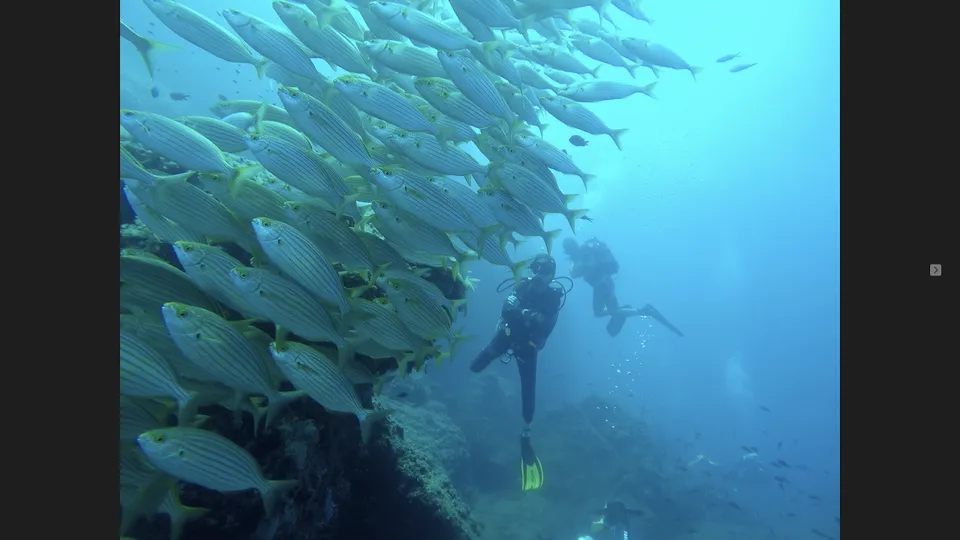
La Bota's abundant marine life draws divers into a lively underwater spectacle. An oasis attracting a wide array of species, expect large groupers and barracudas, often patrolling the pinnacle's edges.
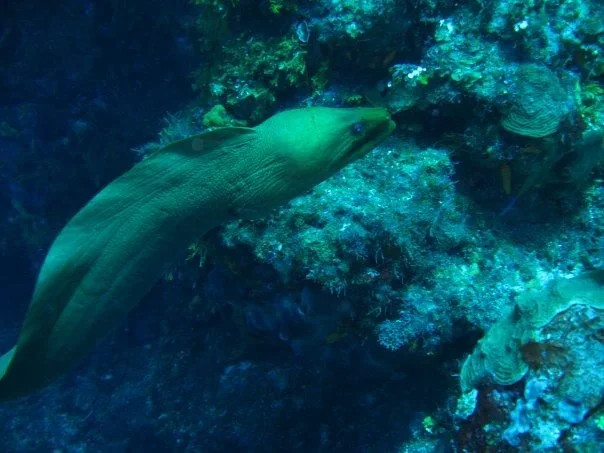
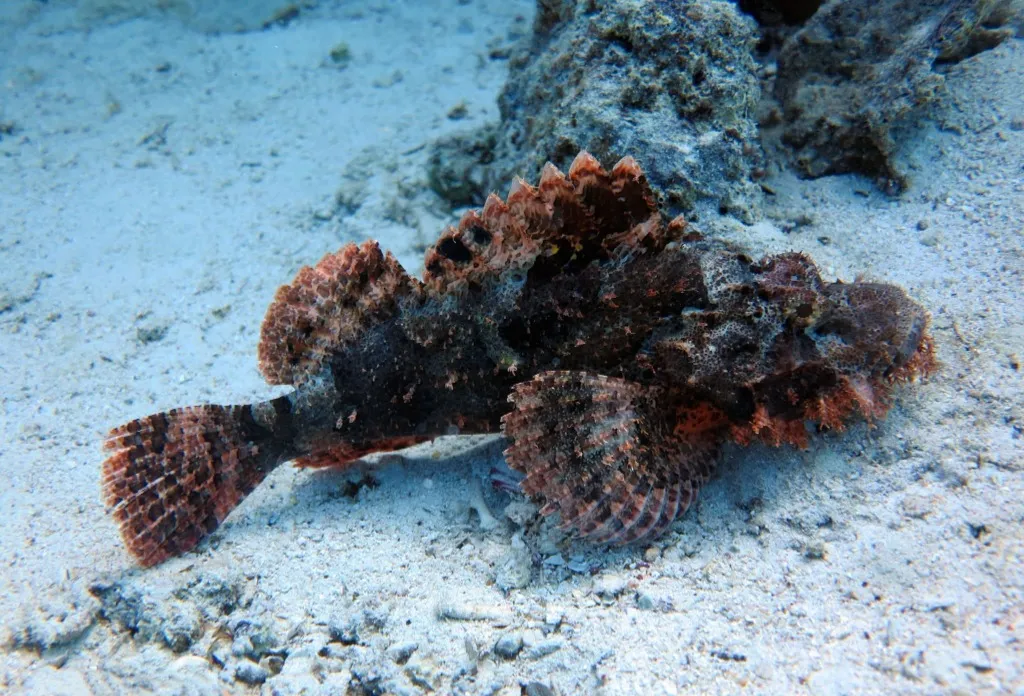
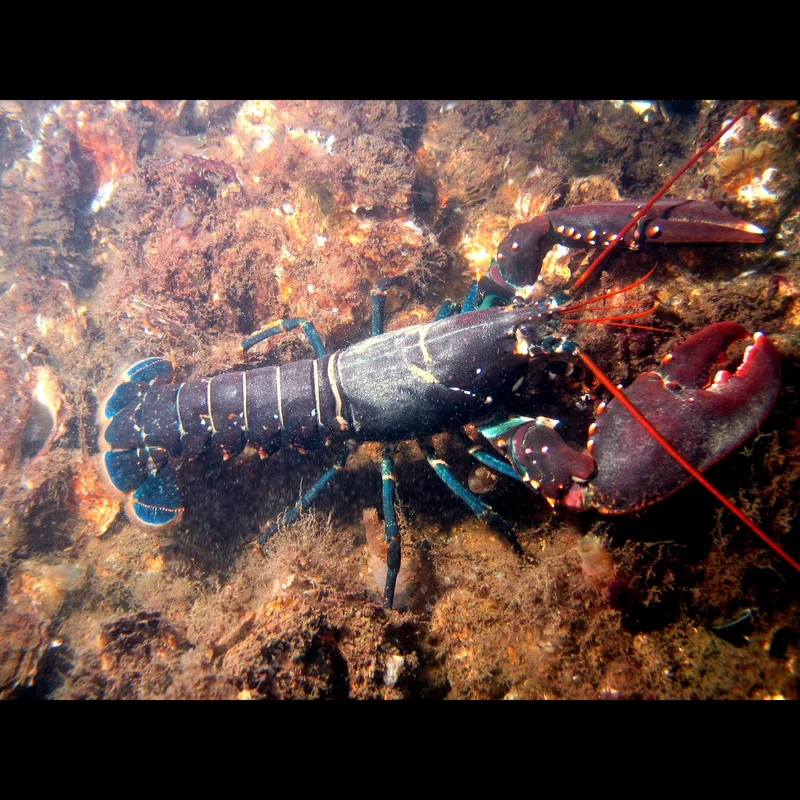
Divers might spot scorpionfish within rocky crevices or moray eels peering from shelters. Lobsters and small crustaceans inhabit the walls.
Seabreams and various small fish navigate the water column. Occasional tuna pass through, drawn by the site's offshore location. Seahorses, though typically elusive, are also reported here.

Dive Sites Near La Bota
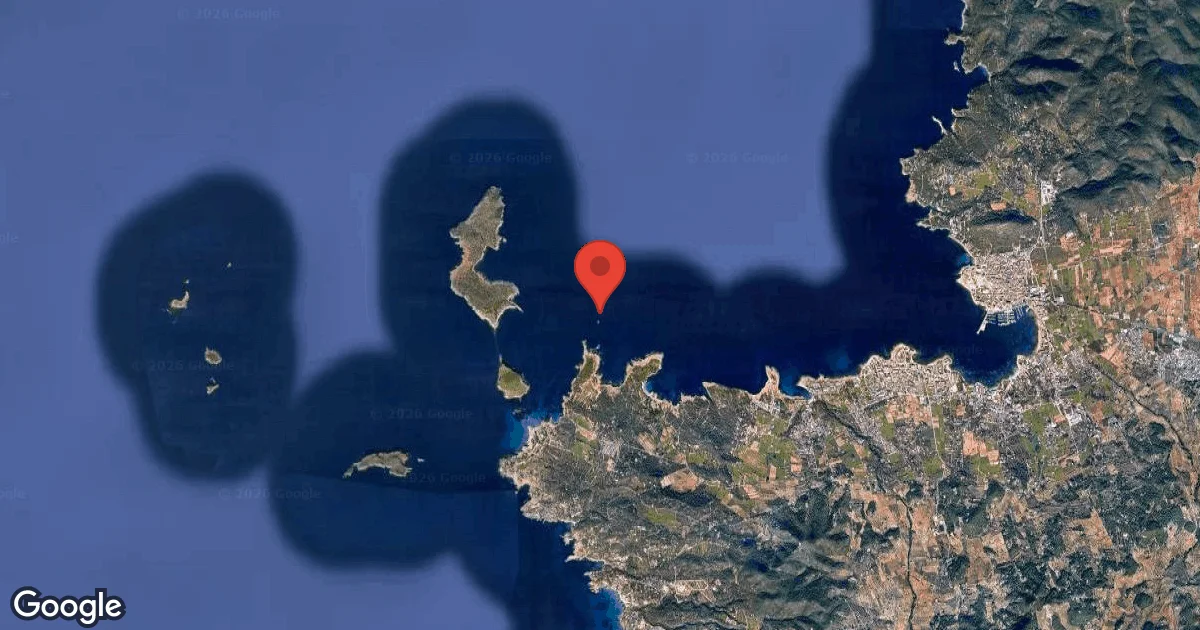
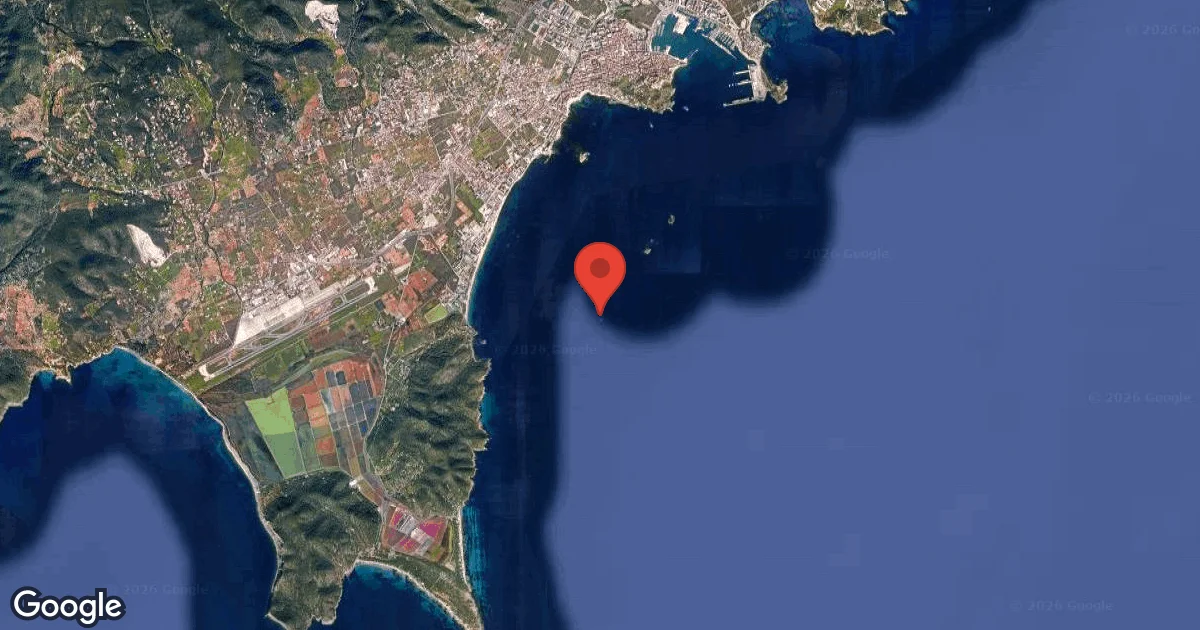
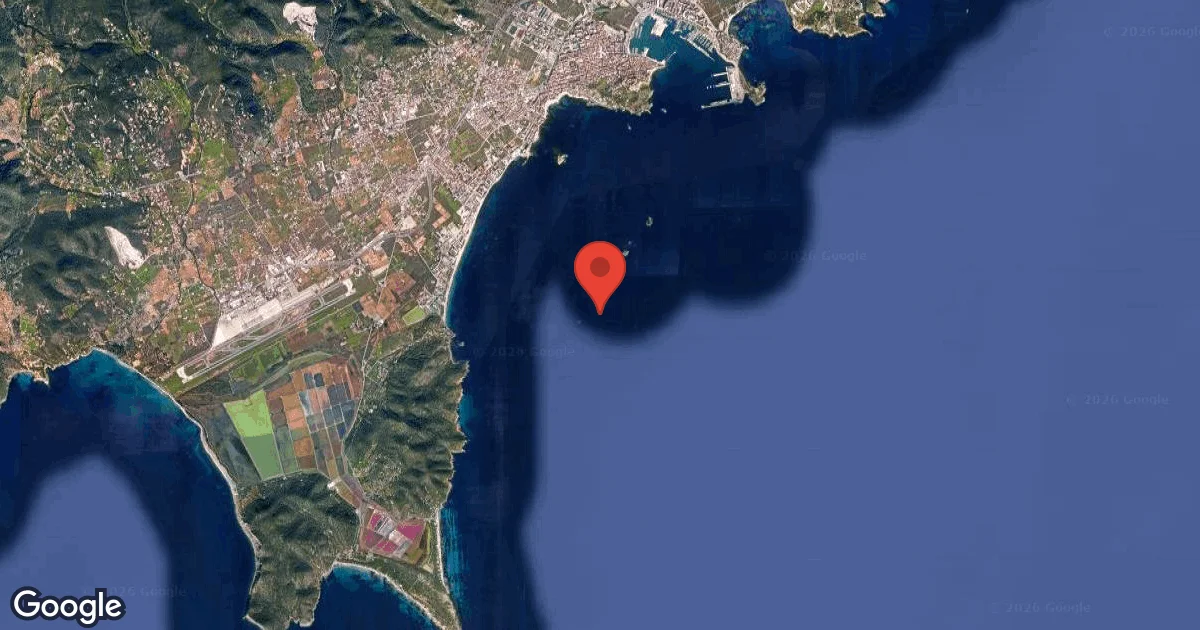
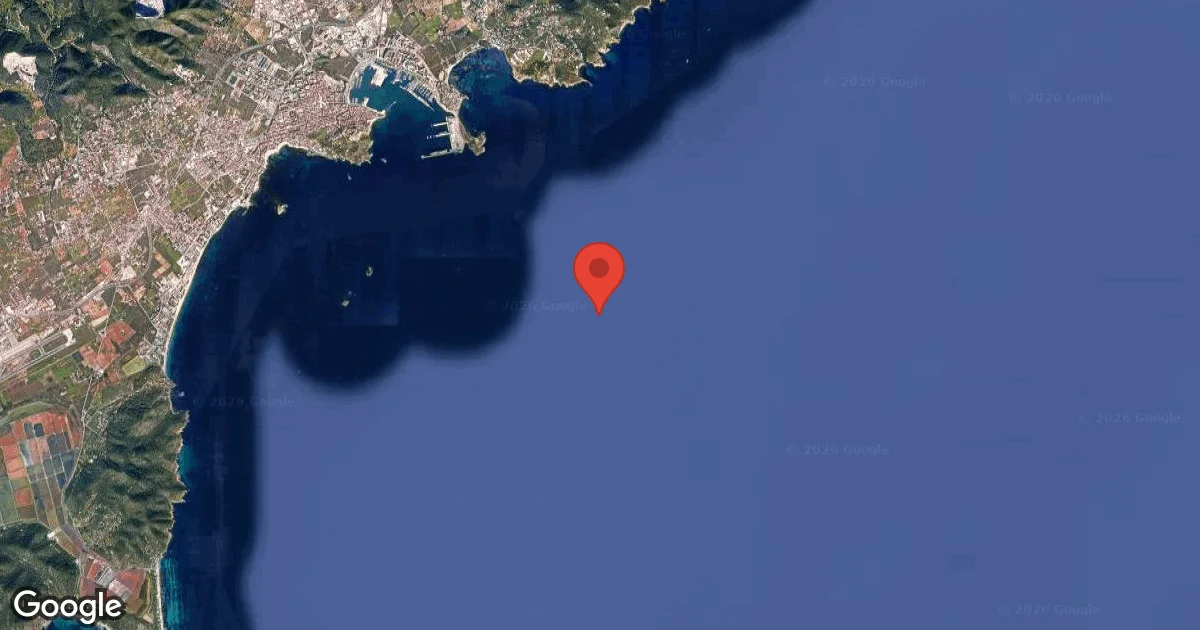
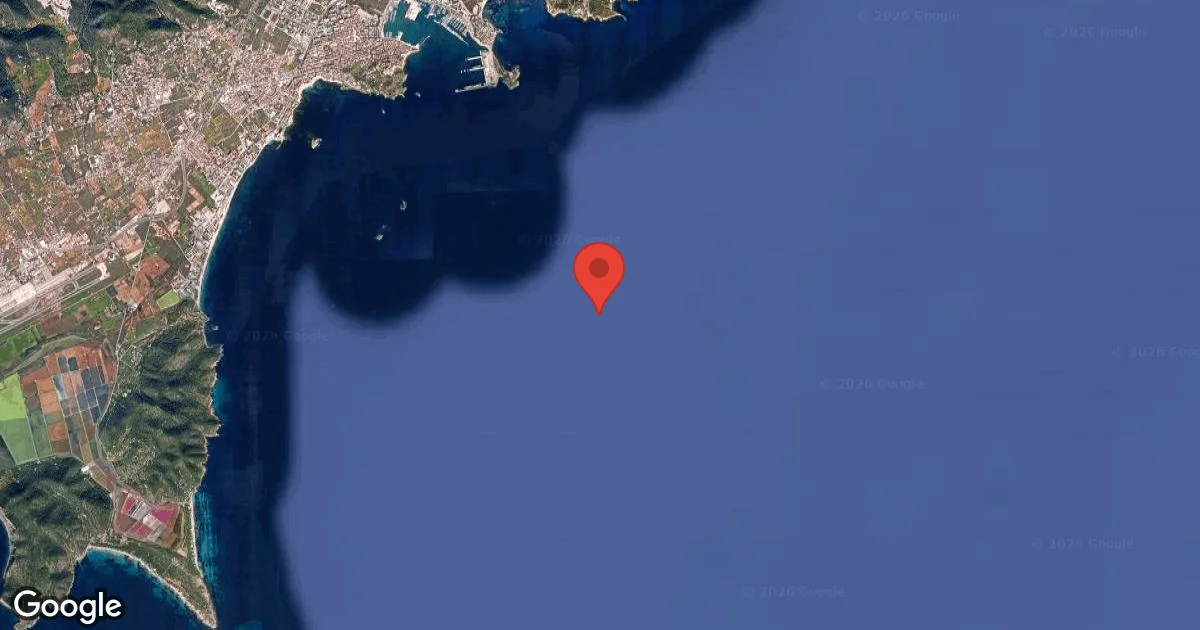
View all dive sites in SpainDiscover more underwater gems in this area.
Dive Centers Near La Bota
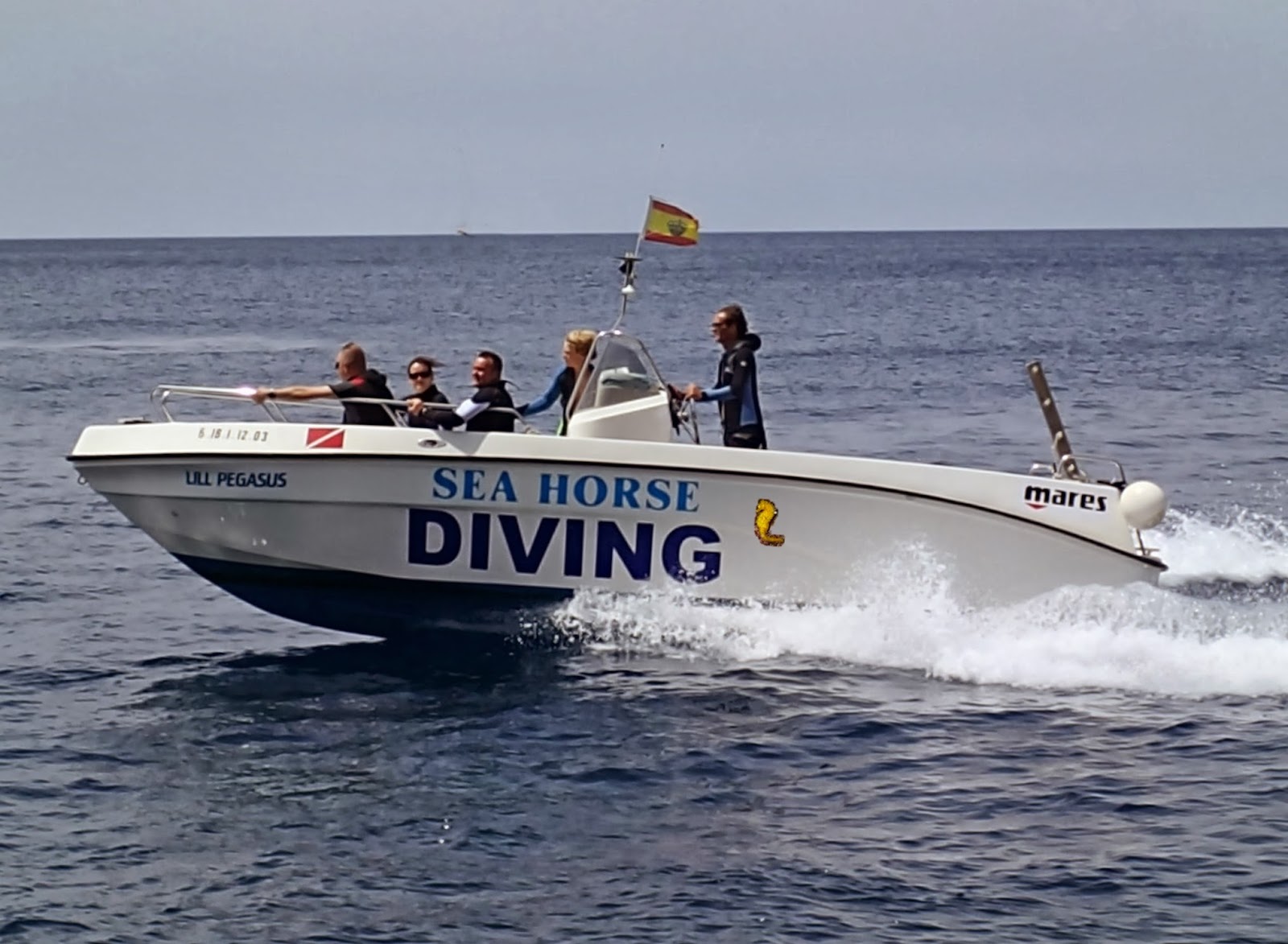
Today: 09:00 - 19:30
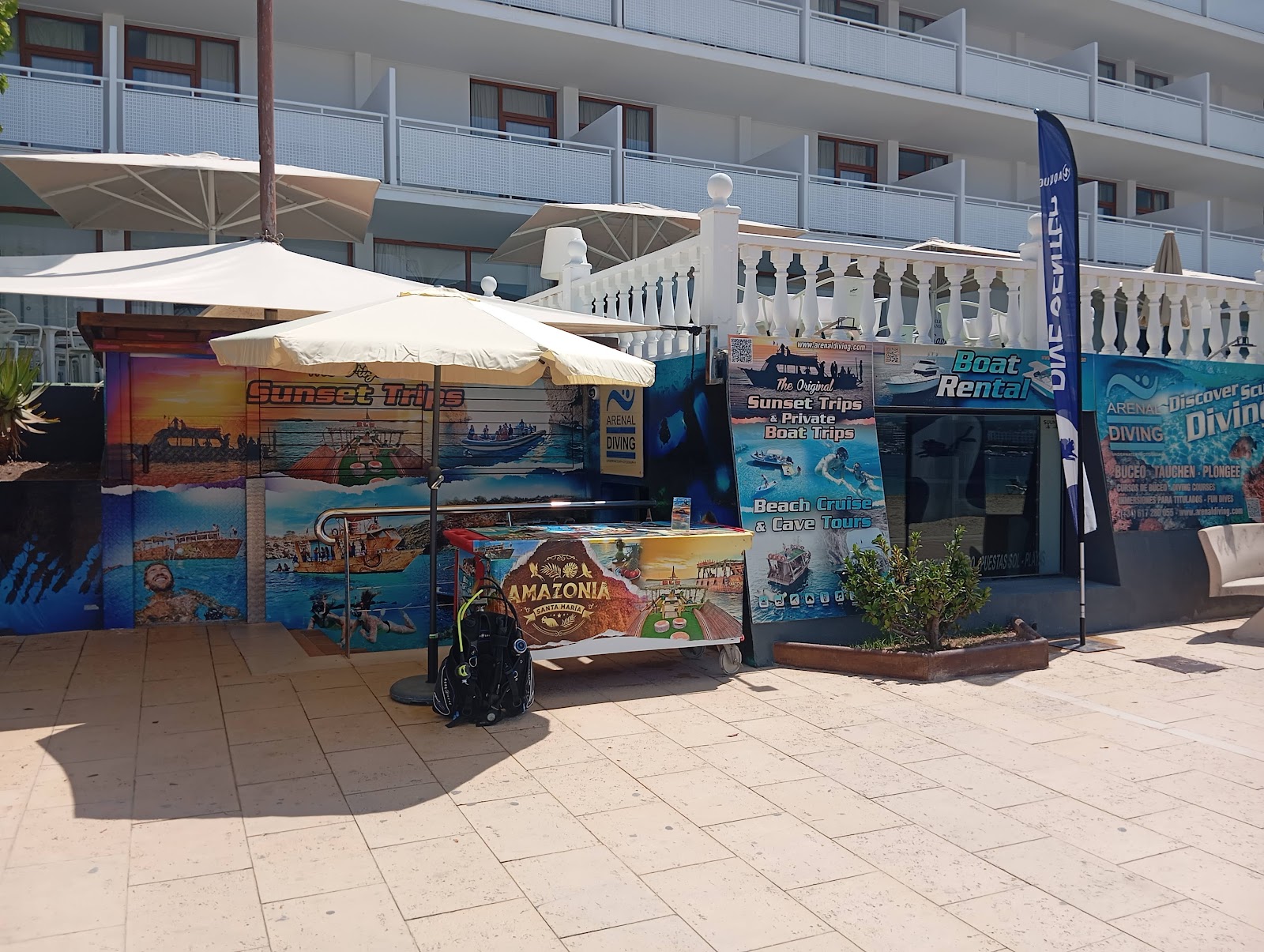
Nearest Airports
Nearest airports to help plan travel to this dive area.
Search Flights
Check available flights and routes on Expedia, using the nearby airports listed in this section.
Search Flights on ExpediaFrequently Asked Questions
What is the maximum depth at La Bota?
La Bota descends beyond 50 m (164 ft), with dive profiles typically exploring down to 40 m (130 ft). Actual depth depends on diver certification and the specific plan.
What is the minimum depth at La Bota?
Pinnacle's summit is very shallow, often just centimeters below the surface. Calm days reveal swell breaking at its top.
Are strong currents a factor at La Bota?
Yes, La Bota's exposed offshore environment means currents can be present. They play a key role in attracting abundant marine life.
What kind of marine life can I expect to see?
Expect to encounter groupers, barracudas, scorpionfish, moray eels, and various small fish. Pelagic species like tuna and amberjack are also frequently observed passing by.
What level of diver certification is required for La Bota?
Generally, Open Water certified divers can access La Bota. Advanced certifications or current management experience will enhance the experience due to potential currents and depth ranges.
Is La Bota far from shore?
About one mile northwest of Es Vedrà, off Ibiza's southwest coast, La Bota lies in open water. Its considerable separation results in open-ocean conditions.
Is it possible to see the pinnacle from the surface?
Yes, on very calm days with minimal waves, swell can be seen breaking at the top of the underwater mountain, just centimeters below the surface.
Planning to dive La Bota?
Send one inquiry and receive offers directly from the best verified local dive operators.
Conditions are Good
Optimal conditions expected
Current conditions near La Bota show 22° air, 27° sea temperature, 0.6 m waves, and 24 km/h wind. Forecast data is refreshed regularly to ensure accuracy.