
Diving at Haji (Tanzania)
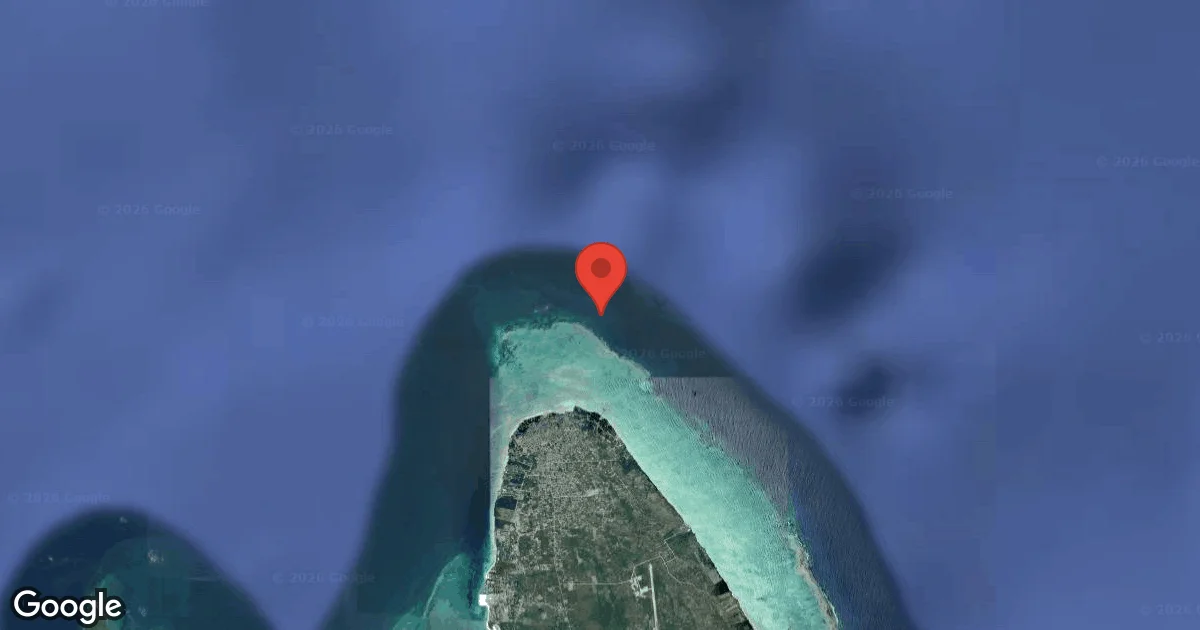
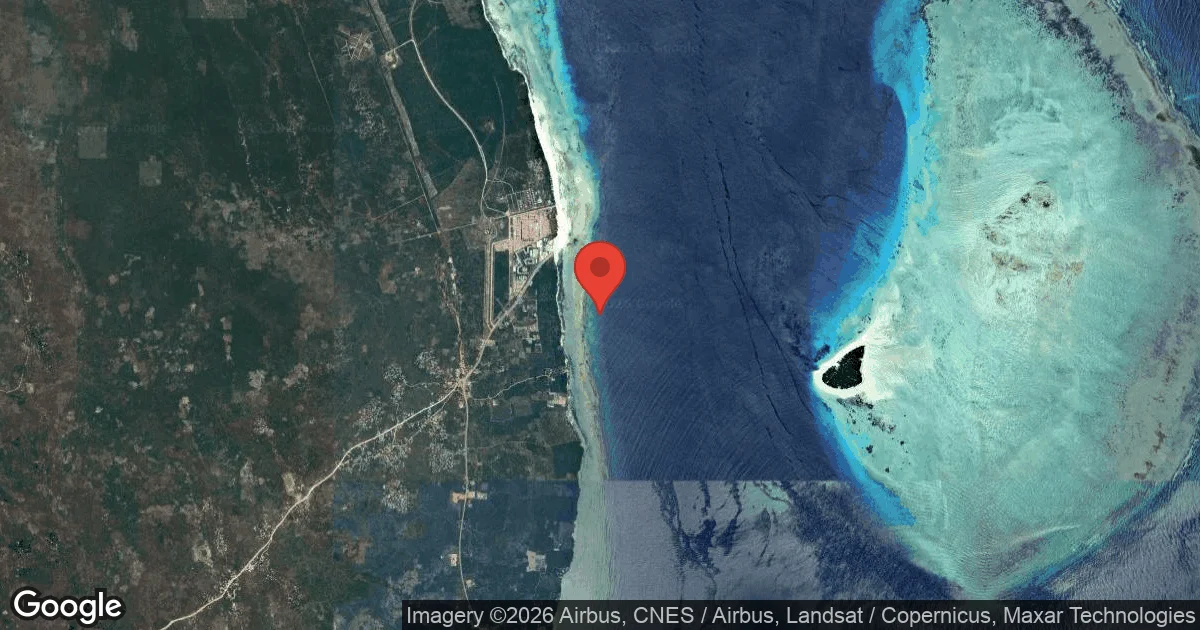
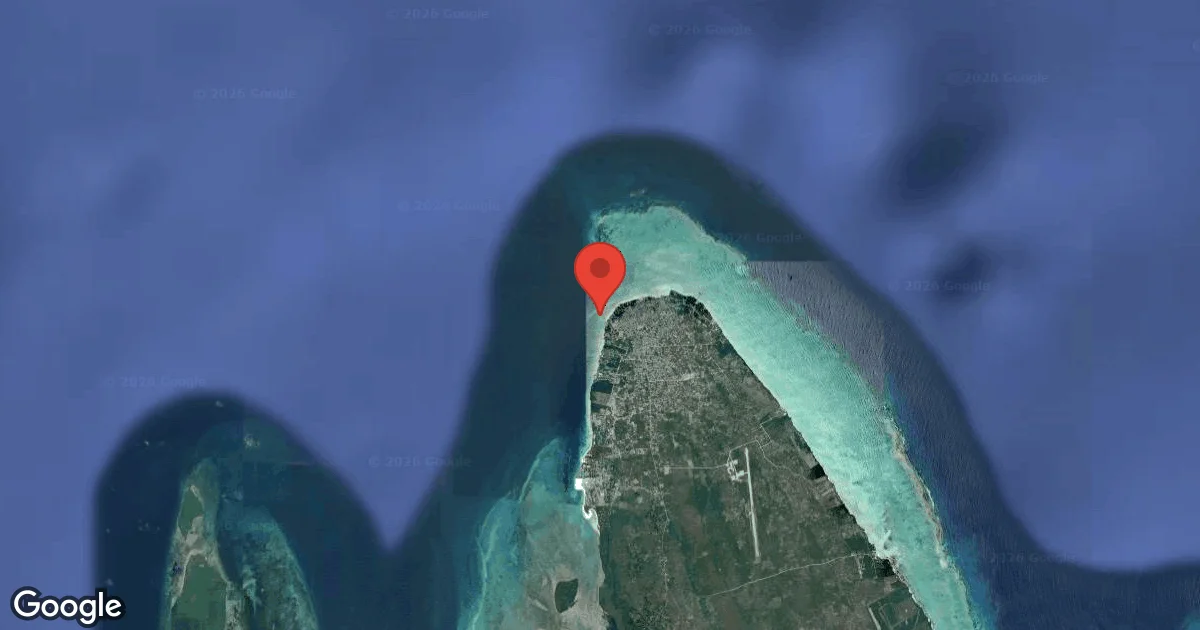
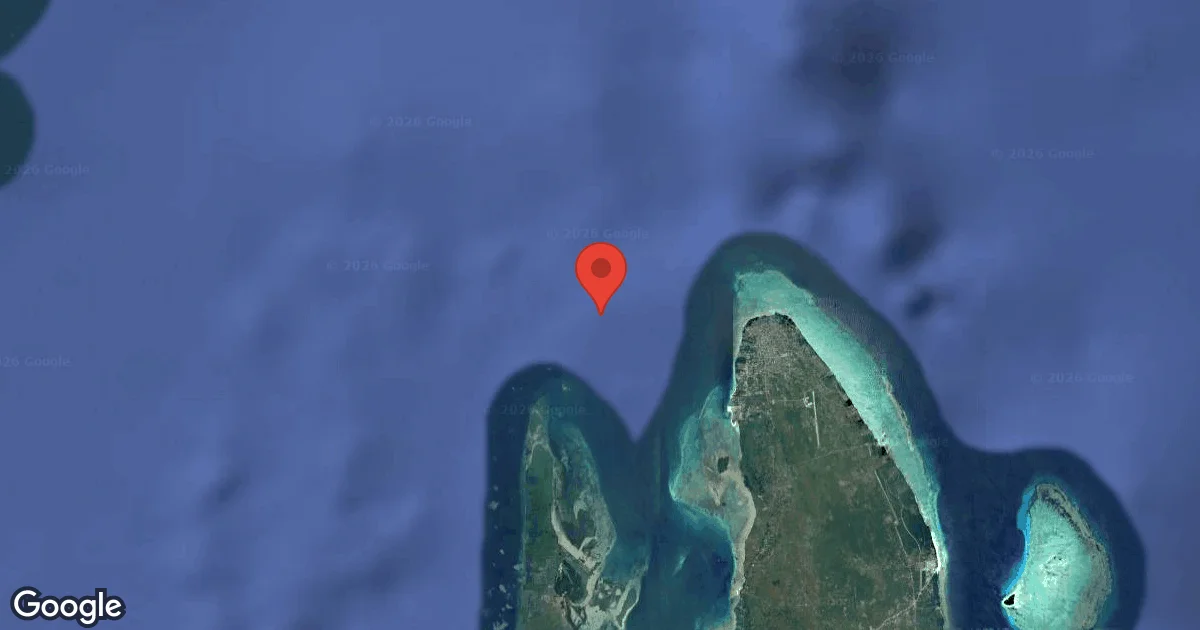
A gently sloping reef characterizes Haji's underwater topography, beginning around 10 meters and running parallel to Zanzibar's northeast coast. An extensive reef system itself is marked by beautiful coral formations, including significant sections of plate coral and large fan corals. Sandy and rocky patches intersperse the vibrant coral landscape, creating diverse microhabitats. Its consistent gradient makes for an inviting descent.
Evening condition tracking at Haji features an air temperature of 25°C. We have recorded wave heights measuring 1.2 m during this period. These figures outline the environmental parameters currently present.
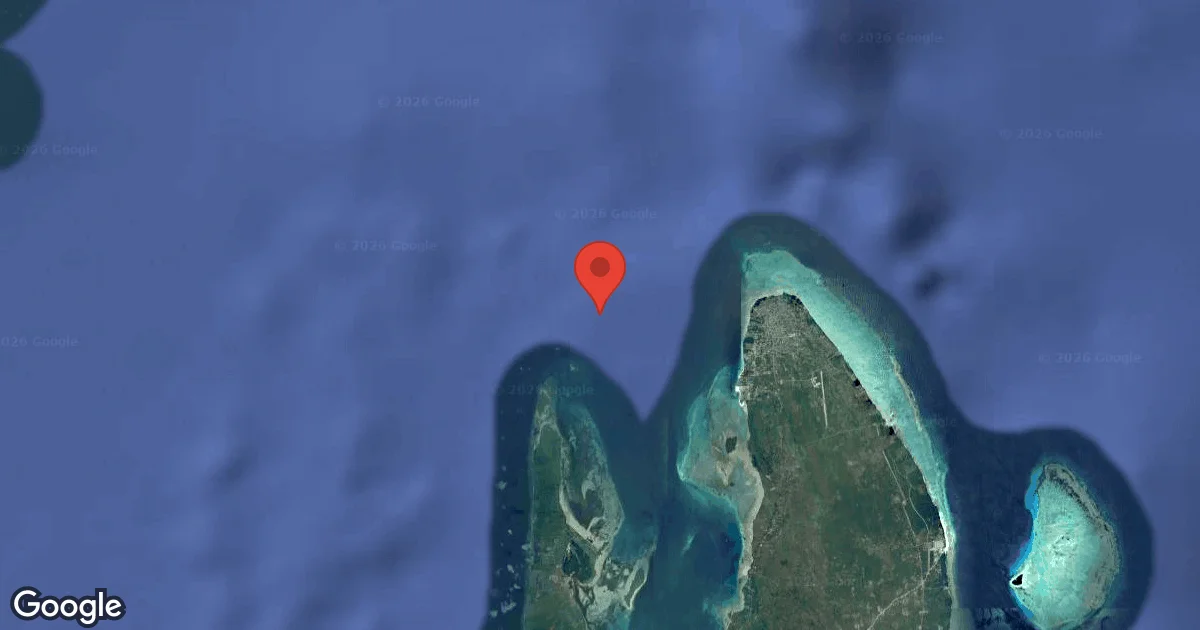
Dive Site Location & Key Facts
Dive Site Overview
Embarking on a dive at Haji reveals a vibrant Tanzanian reef suitable for various skill levels, including Open Water certified divers. It's particularly inviting for its approachable conditions and abundant marine life.
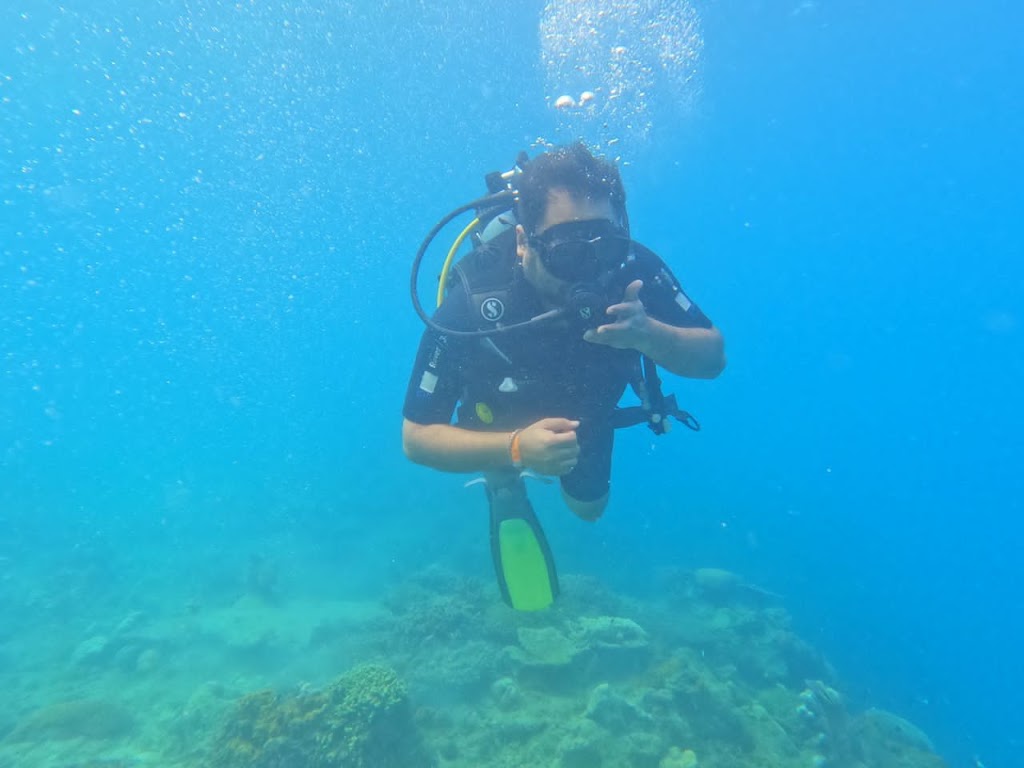
A reported dive reached 16 m (52 ft), allowing for ample exploration of the sloping reef structure. Descending into this underwater realm, divers typically encounter a world filled with intricate hard and soft corals. Their diverse colors and shapes form a complex, thriving ecosystem.
Visibility here is often high, sometimes reaching 20 m (65 ft), which significantly enhances the visual experience while navigating the gentle contours. Expect to encounter various reef inhabitants that thrive amongst these coral gardens, from small schooling fish to larger, solitary creatures.
Observing the interplay of light on the coral and the creatures within offers a tranquil yet engaging underwater journey, rich with observational opportunities. The location appeals to night divers, as well, revealing different marine behaviors after dark and presenting a new perspective on the familiar reef.
Conditions are Moderate
Optimal conditions expected
Current conditions near Haji show 25° air, 26° sea temperature, 1.4 m waves, and 33 km/h wind. Forecast data is refreshed regularly to ensure accuracy.
Best Time to Dive
Optimizing your visit to Haji often hinges on maximizing underwater visibility, which generally remains good throughout the year. Calmer months typically offer the clearest conditions, particularly from January to March and again from October to December. During these periods, average wave heights are at their lowest, ranging from 0.6 m (2.0 ft) to 1.0 m (3.3 ft), contributing to settled waters. Rainfall is also minimal, usually below 5.5 mm monthly, ensuring less runoff and better clarity. Air temperatures are consistently warm, averaging between 27°C (81°F) and 29°C (84°F), making surface intervals comfortable. While water temperature isn't consistently reported in our system data, local records indicate around 27°C (81°F). Though conditions are generally favorable, between July and September, slightly higher average wave heights, around 1.0-1.1 m (3.3-3.6 ft), might occasionally affect visibility.
PEAK SEASON SCORE
Scores combine air & water temps, waves, wind & rainfall for overall conditions.
BEST MONTHS TO DIVE
Monthly records compiled from satellite and marine observation nodes over the last 3 years. Data provided by Open-Meteo and MET Norway.
Dive Experience & Conditions
Currents at Haji can be present, adding a dynamic element to the dive, though they are generally manageable for Open Water certified divers. A gently sloping bottom and coral formations define the site. Underwater temperatures typically hover around 27°C (81°F), providing comfortable diving without excessive thermal protection. Surface air temperatures vary between 25-29°C (77-84°F) across the year, ensuring pleasant conditions topside. Visibility often exceeds 20 m (65 ft), allowing for expansive views of the reef and its inhabitants. Wind speeds range from 19-24 km/h (12-15 mph), which can influence surface chop but often leaves underwater conditions undisturbed. A low difficulty rating suggests a relaxed experience, even with occasional currents, allowing divers to fully appreciate the coral landscape and marine encounters.
Dive Difficulty & Safety Guidelines
While Haji is considered a low-difficulty site suitable for Open Water divers, understanding its specific characteristics ensures a safe and enjoyable experience. Presence of currents, though generally mild, necessitates good buoyancy control and situational awareness. Always stay with your dive guide, especially when navigating any stronger flows.
Maintain a safe distance from coral formations to prevent accidental contact, protecting both yourself and the delicate ecosystem. Standard safety protocols, such as checking air consumption regularly and monitoring no-decompression limits, are paramount.
Reported maximum depth for Open Water divers at this site is around 16 m (52 ft), which aligns with typical certification limits. Pay attention to briefings and be prepared for potential changes in conditions that might affect visibility or current strength.
Recommended Equipment
- Dive Computer
- DSMB
This gear list is based on verified equipment signals for Haji, Tanzania. Always confirm final gear choices with your dive operator, guide, or liveaboard.
Recommended Dive Suit
Comfort levels can also depend on how active a diver is during the dive.
Environmental readings suggest that the waters surrounding Haji are about 26°C (80°F) at the moment. Surface air temperatures are resting at 25°C (77°F). When water temperatures fall within this range, many divers dive comfortably with 2-3mm shorty or light wetsuit. A hood or vest is suggested for sensitive divers due to surface winds.
Conditions are expected to stay fairly consistent in the days ahead.
Emergency & Medical Support
Essential information to help you plan your dive trip to Haji.

Hyperbaric chambers are a critical part of dive safety infrastructure. Availability varies significantly by region, and not all dive areas have immediate access.
Before diving, it's recommended to:
- confirm nearest medical facilities
- check emergency procedures with local dive operators
- ensure dive insurance covers evacuation if required
Divers Alert Network
Diving emergency assistance available through DAN Southern Africa.
+27828106010- 24/7 emergency hotline
- Diving medical assistance
- Evacuation coordination
Emergency contacts are provided for reference. Always verify local emergency services before diving.
Marine Life at Haji
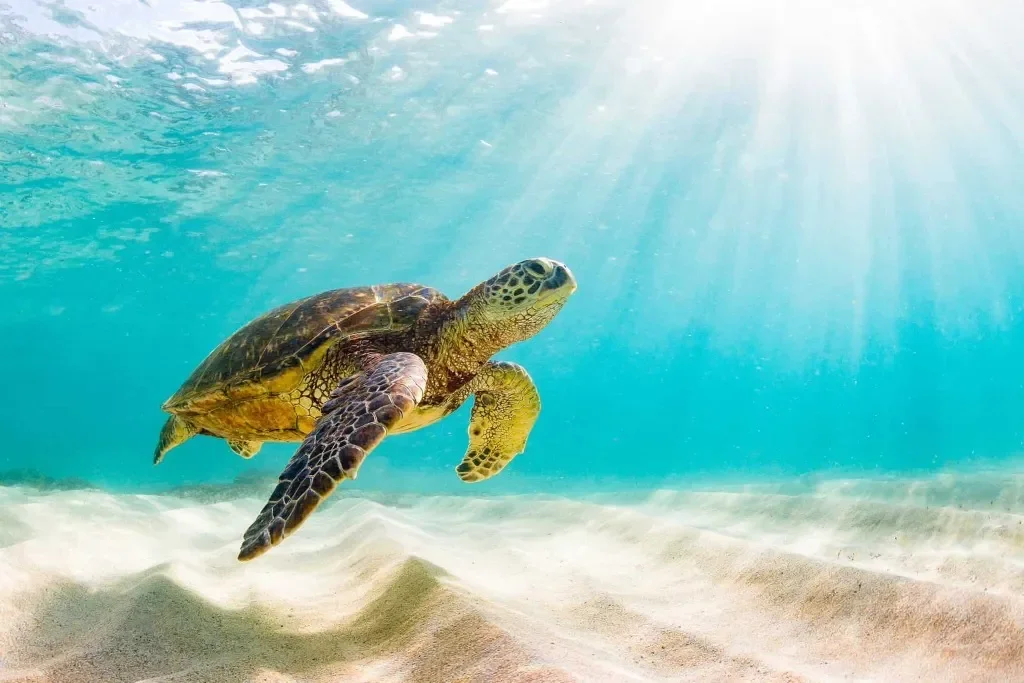
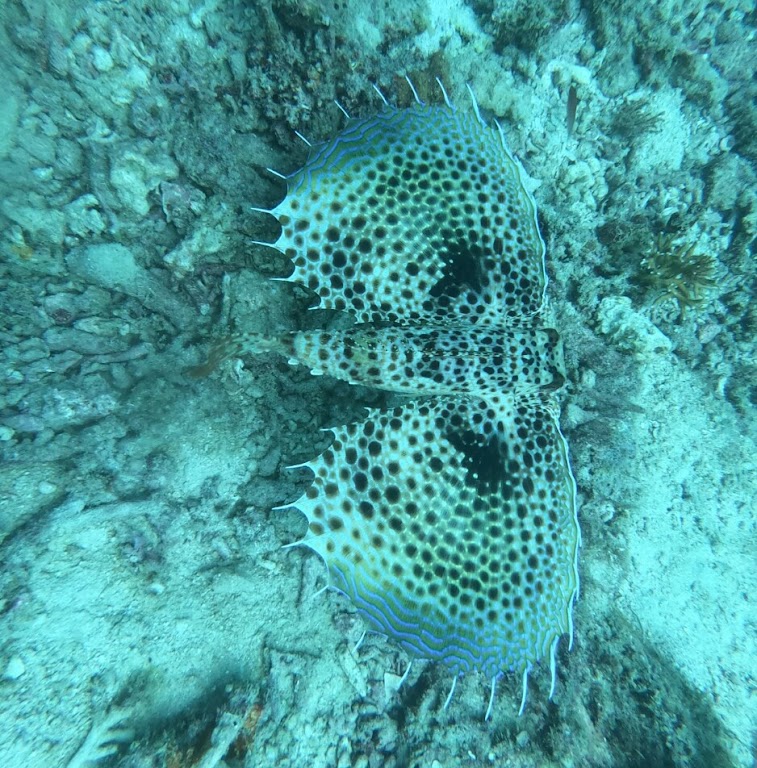
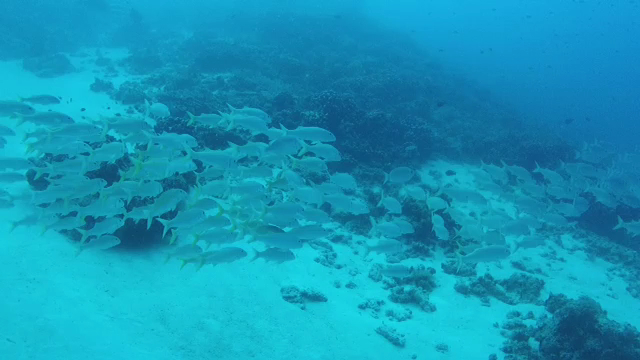
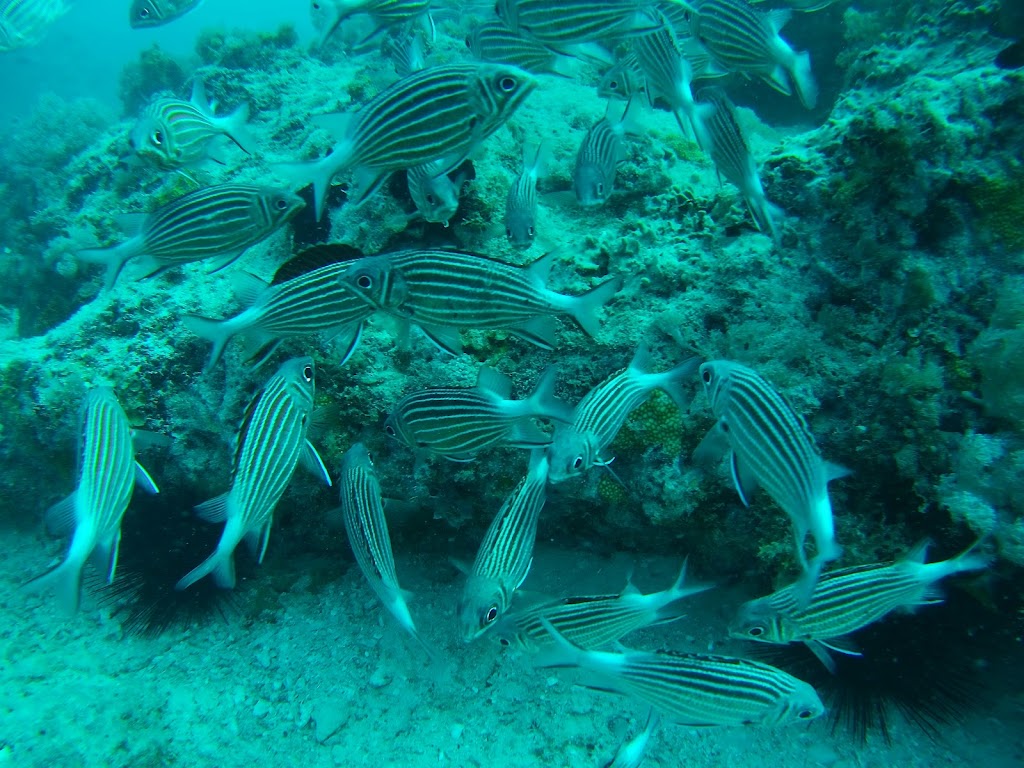
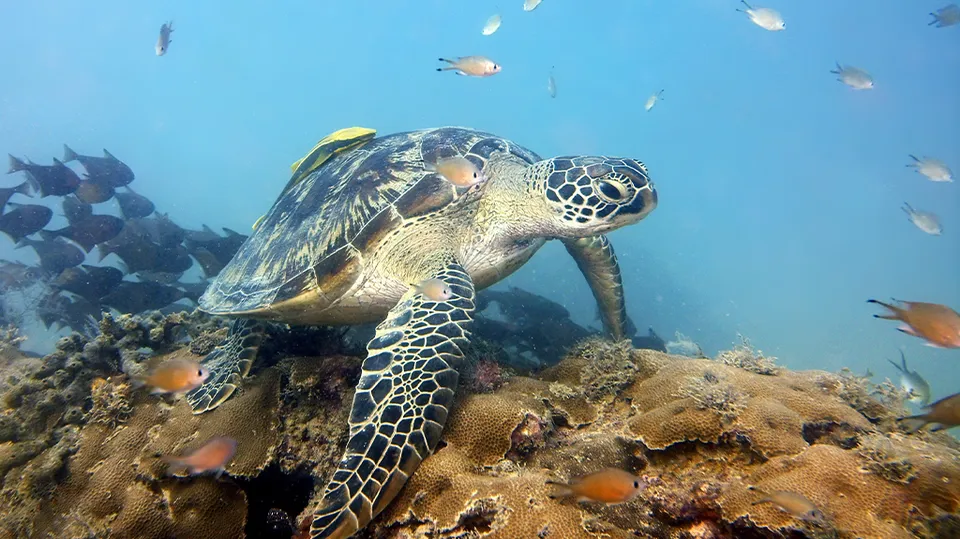
Haji supports a vibrant population of coral fish, making it a lively underwater spectacle. Divers frequently encounter green turtles gracefully navigating the reef, alongside various species of eels tucked within crevices.
Pufferfish are common, often observed meticulously sifting through sand or hovering near corals. Rays might glide silently across sandy patches adjacent to the reef.
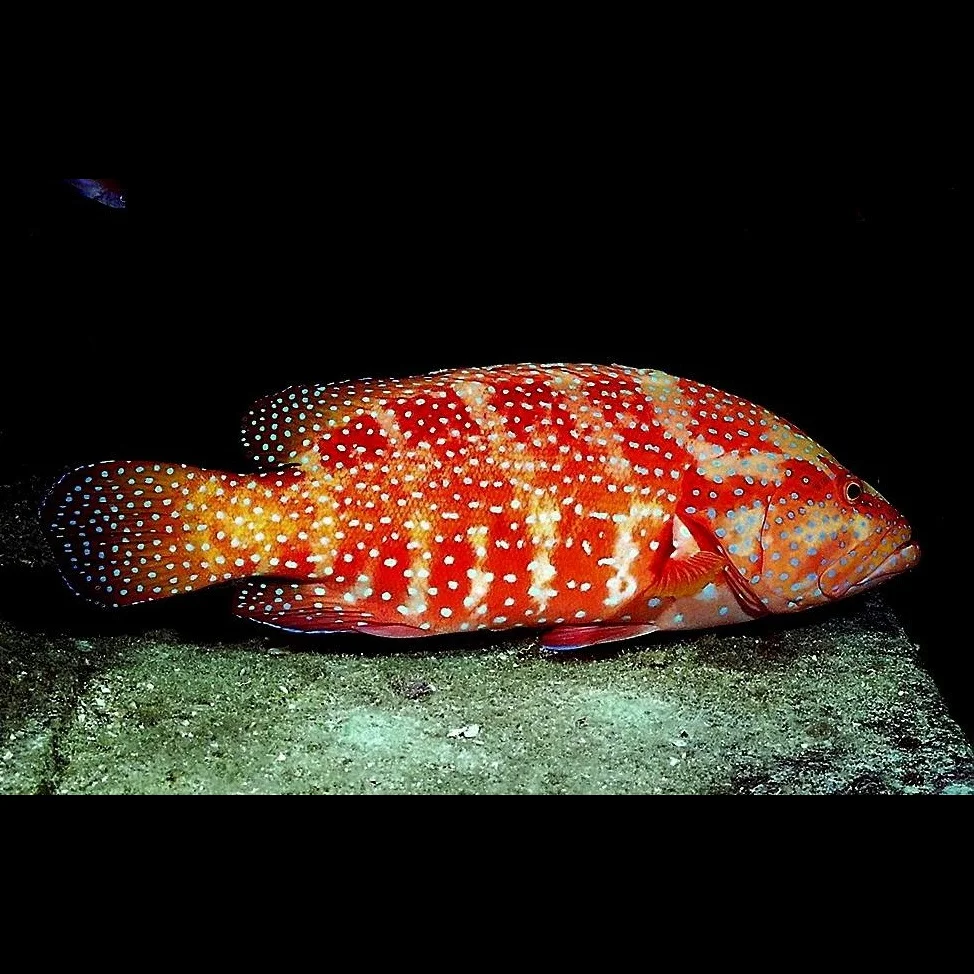
Expect to see several types of grouper, often lurking near rock formations or larger coral heads. The site's mix of hard and soft corals provides extensive habitat, attracting a diverse array of reef life, ensuring consistent sightings for observant divers.

Dive Sites Near Haji
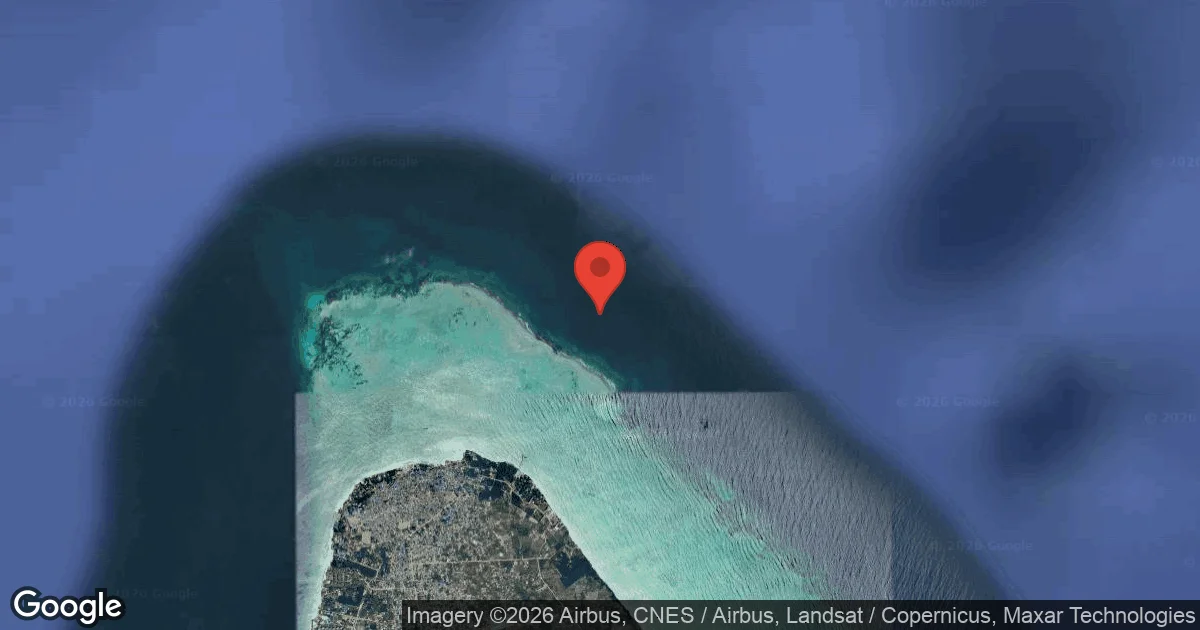
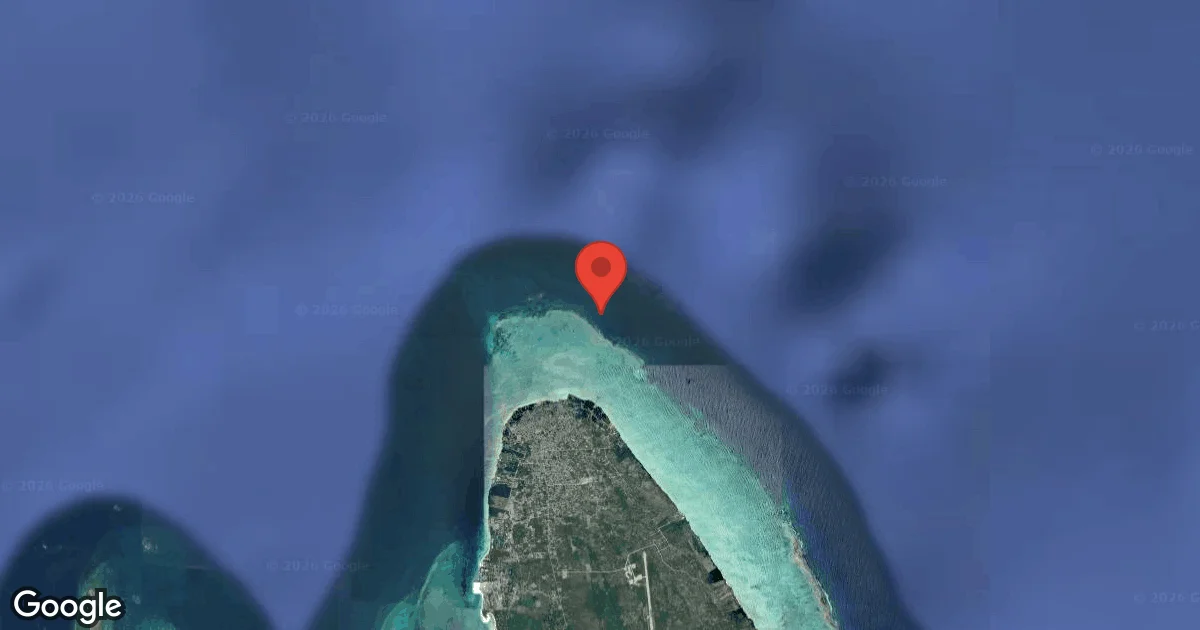
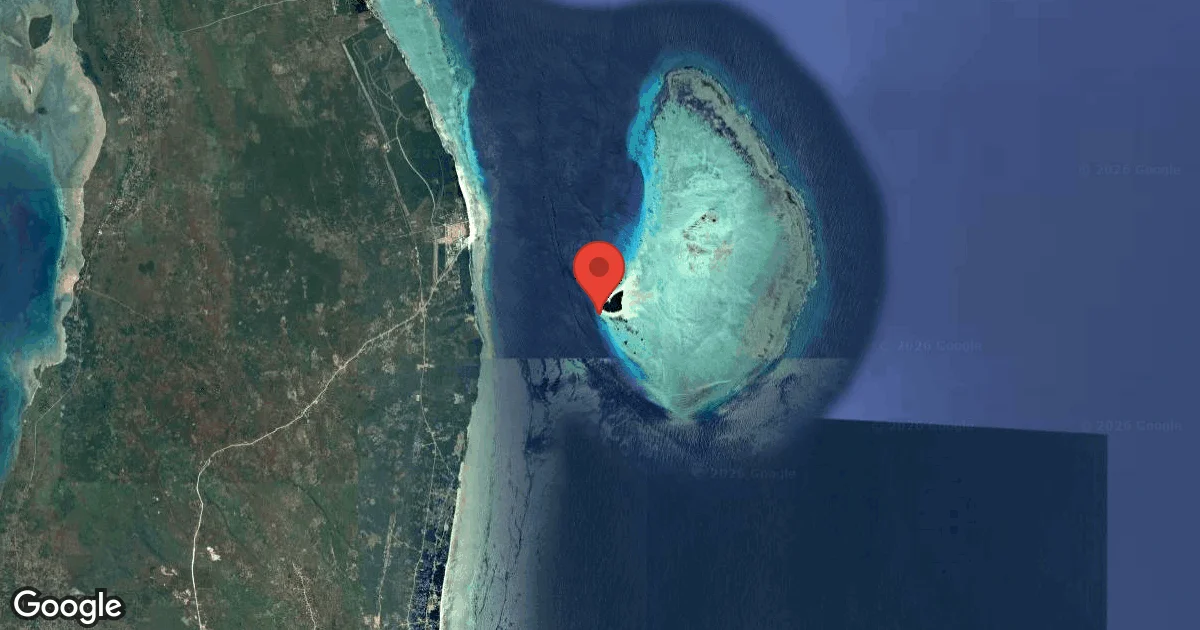
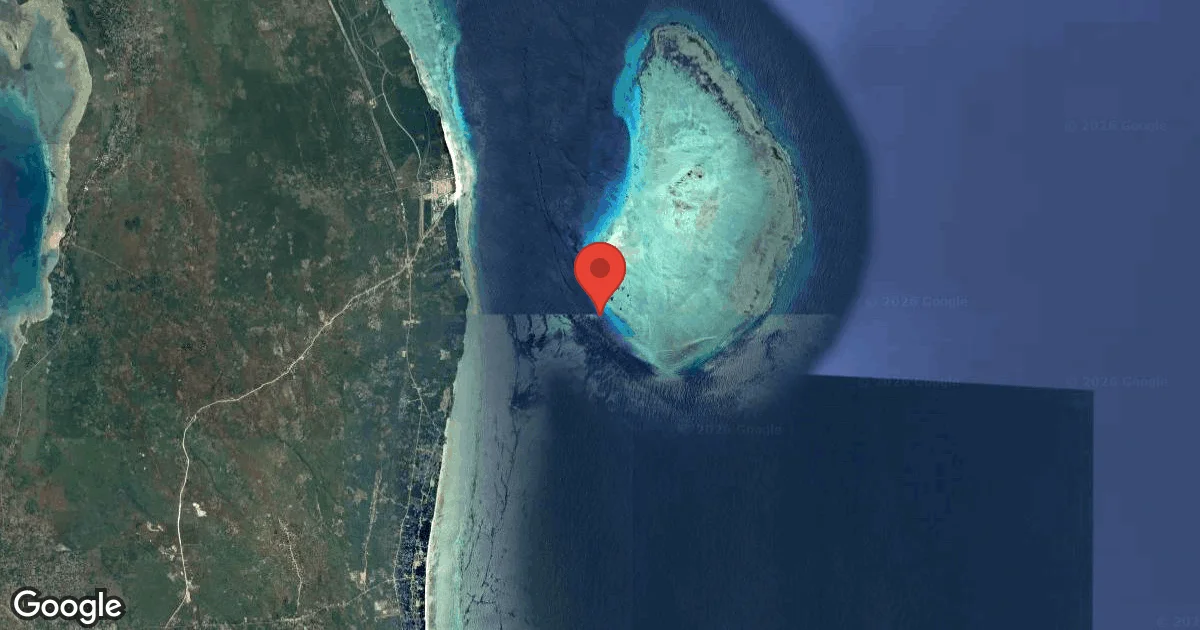
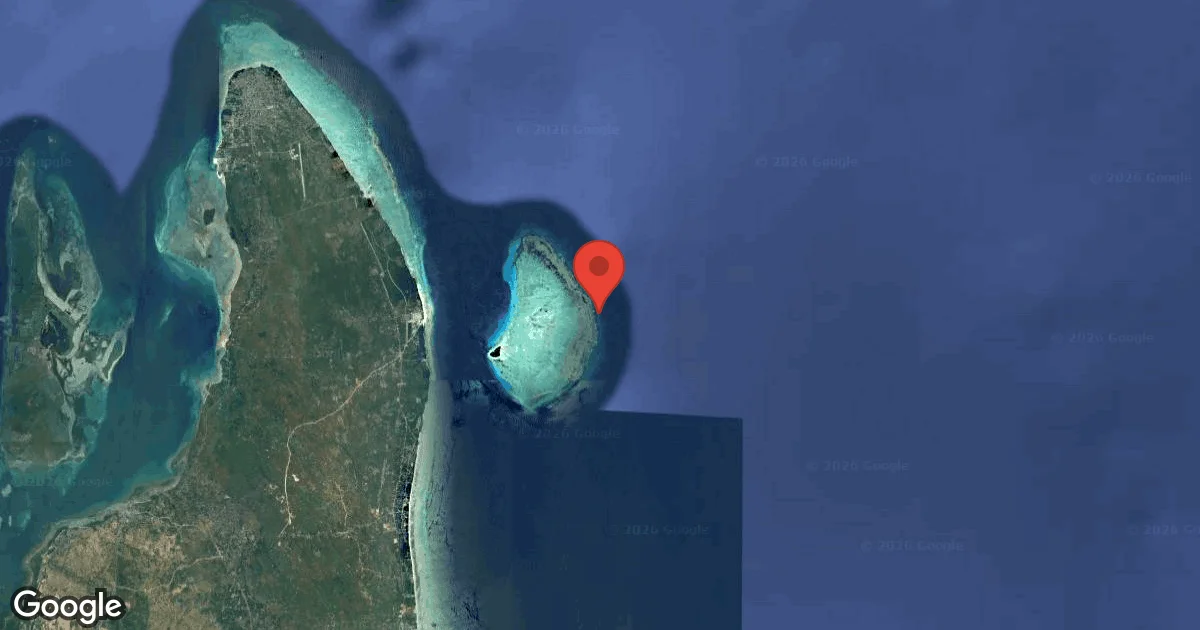
View all dive sites in TanzaniaDiscover more underwater gems in this area.
Dive Centers Near Haji

Today: 08:00 - 17:30

Nearest Airports
Nearest airports to help plan travel to this dive area.
Search Flights
Check available flights and routes on Expedia, using the nearby airports listed in this section.
Search Flights on ExpediaFrequently Asked Questions
What is the typical depth range at Haji?
Haji features a sloping reef, with dives typically starting around 10 meters. The maximum reported depth for Open Water divers is 16 meters (52 ft), making it accessible for certified divers.
Are there currents at Haji?
Yes, currents can be present at Haji. They are generally considered manageable for certified divers, but good buoyancy control and situational awareness are important.
What kind of marine life can I expect to see?
Divers can expect to see a variety of coral fish, green turtles, eels, pufferfish, and rays. Grouper are also commonly sighted around the reef's formations.
What's the water temperature like?
Water temperature at Haji is consistently comfortable, with local reports indicating around 27°C (81°F).
Is Haji suitable for beginner divers?
Yes, Haji is considered a low-difficulty dive site and is suitable for Open Water certified divers. Its gentle slope and manageable conditions make it a good choice for less experienced divers.
What is the visibility usually like?
Visibility at Haji is typically good, often exceeding 20 meters (65 ft), allowing for clear views of the extensive coral formations and marine life.
Is it possible to do a night dive here?
Yes, Haji is a popular spot for night diving. Its gently sloping bottom and diverse marine life offer a different experience after sunset.
Planning to dive Haji?
Send one inquiry and receive offers directly from the best verified local dive operators.
Conditions are Moderate
Optimal conditions expected
Current conditions near Haji show 25° air, 26° sea temperature, 1.4 m waves, and 33 km/h wind. Forecast data is refreshed regularly to ensure accuracy.