
Diving at Kichafi (Tanzania)
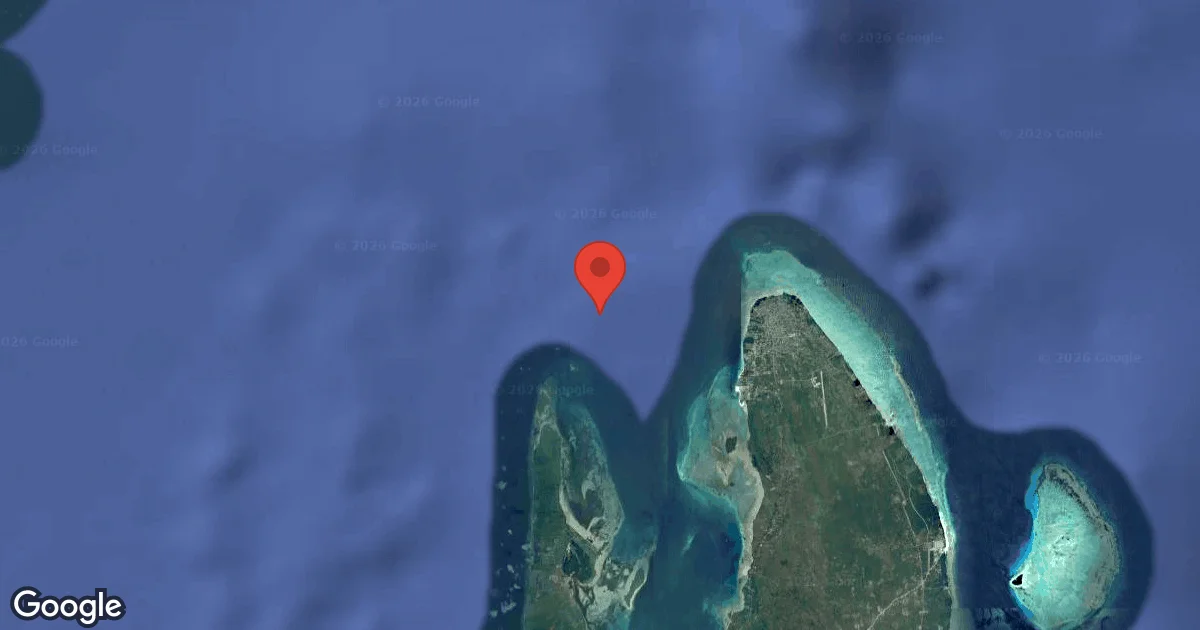
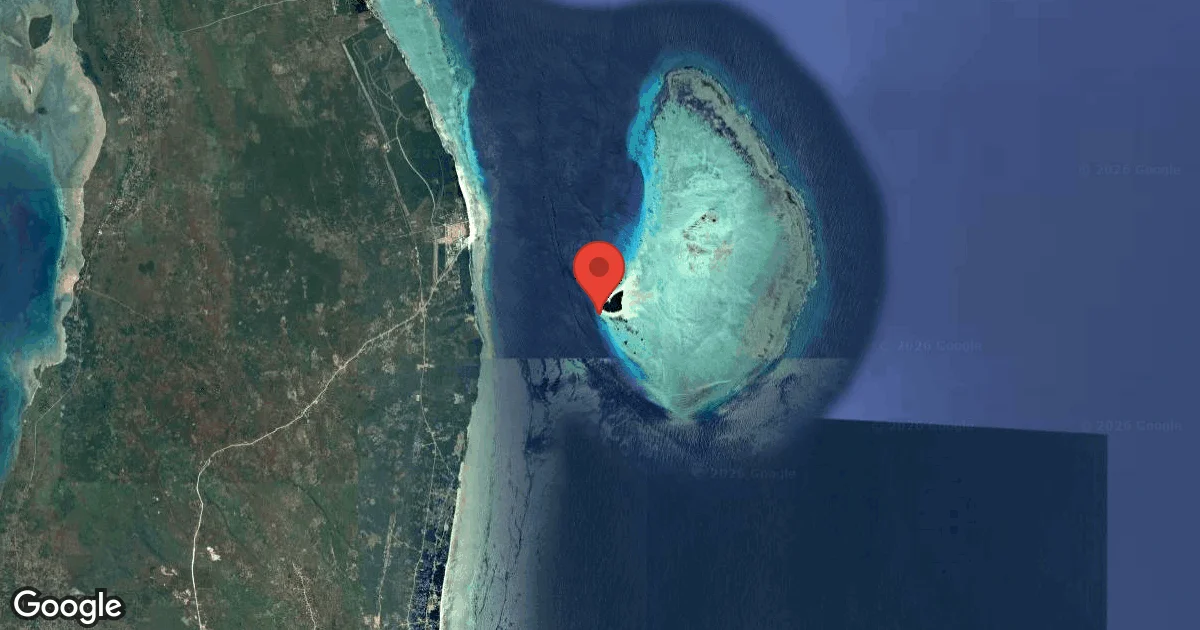
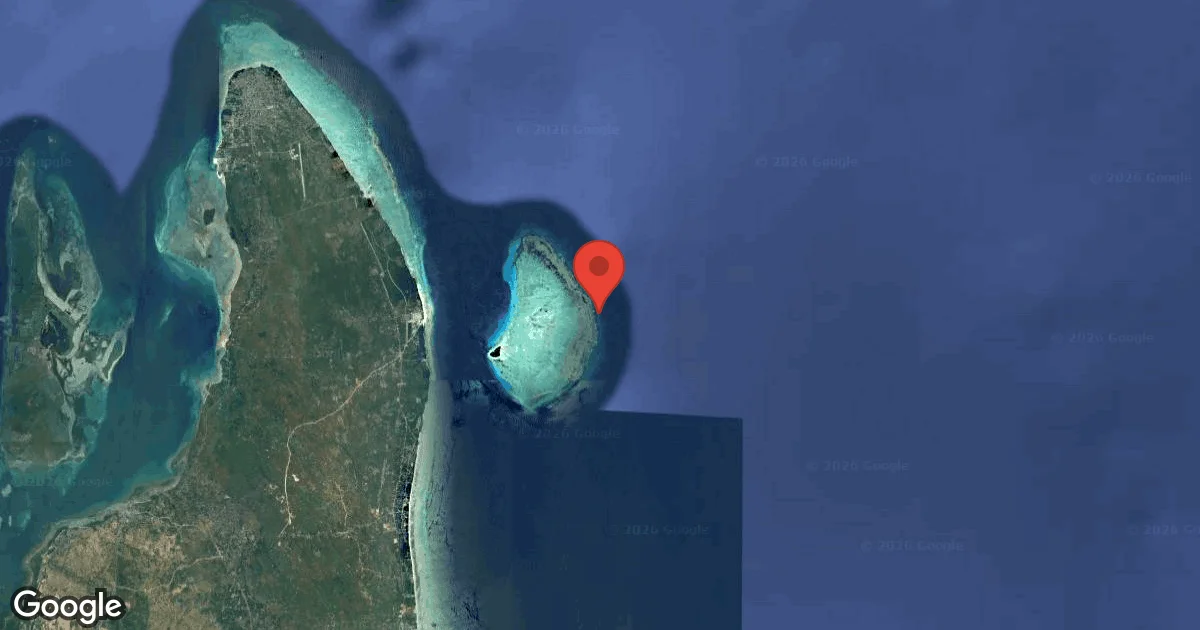
Kichafi, a popular dive site off Unguja Island in Zanzibar, generally presents itself with mild currents, making it an accessible location for various skill levels. Its conditions favor a relaxing drift dive experience along a vibrant coral reef. Divers can expect a visually engaging exploration, marked by diverse corals and abundant reef fish, within recreational depths.
Evening condition tracking at Kichafi features an air temperature of 25°C. We have recorded wave heights measuring 1 m during this period. These figures outline the environmental parameters currently present.
Dive Site Location & Key Facts
Dive Site Overview
Kichafi provides a versatile coral reef destination, accommodating both novice and experienced divers. Dive operators consistently highlight its beautiful reef, characterized by a vibrant mix of hard and soft corals, alongside stunning cabbage and plate coral formations.
A gentle slope defines the site's profile, typically starting around 6 meters (20 ft) and extending to a maximum depth of 18 meters (59 ft) or occasionally 20 meters (66 ft) in some sections. Often, a drift dive is the preferred approach, allowing divers to glide effortlessly with the mild current while observing the thriving marine environment. Situated off Unguja Island, Kichafi forms part of the Zanzibar archipelago, offering a distinct East African dive experience focused on a healthy reef ecosystem.
Navigating the site, divers explore terrain that transitions from shallower, vibrant reef crests to deeper areas where coral density remains impressive. Sandy bottom patches frequently punctuate the reef, offering diverse habitats.
This conducive topography encourages leisurely exploration rather than demanding strenuous swimming, making it ideal for photographers and those simply wishing to absorb the underwater scenery. Exploring its full extent reveals a complex yet accessible underwater world.
Conditions are Good
Optimal conditions expected
Current conditions near Kichafi show 25° air, 27° sea temperature, 1.1 m waves, and 31 km/h wind. Forecast data is refreshed regularly to ensure accuracy.
Best Time to Dive
Predictable conditions often define the optimal periods for diving Kichafi. The months from January to March, and again from June to October, generally provide favorable conditions with high dive scores. During March, specifically, conditions are often excellent, with average air temperatures around 28°C (82°F) and lower wave heights. Rainfall is typically minimal from June through October, with averages around 1.3 to 2.8 mm, contributing to clearer waters. Air temperatures remain warm year-round, ranging from approximately 25.5°C (78°F) in July/August to 28.5°C (83°F) in February. While specific water temperature data for Kichafi isn't consistently reported, it generally aligns with warm tropical conditions. November sees an increase in rain, averaging 5.4 mm, potentially impacting visibility, though still considered a good diving month.
PEAK SEASON SCORE
Scores combine air & water temps, waves, wind & rainfall for overall conditions.
BEST MONTHS TO DIVE
Monthly records compiled from satellite and marine observation nodes over the last 3 years. Data provided by Open-Meteo and MET Norway.
Dive Experience & Conditions
Exploring Kichafi's reef takes divers through a gently sloping underwater landscape, extending from shallower sections down to a maximum recreational depth of 18-20 meters. Ideal for a relaxing drift dive, mild currents guide divers along the extensive coral formations. Coral gardens combine vibrant hard and soft species, punctuated by spectacular plate coral structures that create visual interest. Visibility often features good clarity, enhancing the mid-water experience of shoaling reef fish moving gracefully. Recreational divers will find depths comfortable and overall conditions conducive to observation and exploration. Expect comfortable water temperatures, typically ranging from 22-27°C (72-81°F), supporting the reef's rich biodiversity. The site's profile allows for extended bottom times, catering to various dive plans and interests.
Dive Difficulty & Safety Guidelines
Acknowledging Kichafi's appeal to a wide range of diver abilities, adherence to standard safe diving practices remains crucial. Because drift diving is a common activity here, divers should be comfortable with entry and exit procedures from a boat and maintain good buoyancy control. Always dive within your certification limits and stay aware of your depth and no-decompression limits.
Protecting the delicate coral ecosystem is paramount; avoid contact with the reef structure. Dive with a reputable local operator who understands the site's dynamics and can provide current local conditions and guidance, ensuring a safe and enjoyable experience.
Recommended Equipment
Current and surface separation risk. Local briefing strongly recommended.
- Dive Computer
- DSMB
- Reel / Spool
This gear list is based on verified equipment signals for Kichafi, Tanzania. Always confirm final gear choices with your dive operator, guide, or liveaboard.
Recommended Dive Suit
The latest conditions reported around Kichafi place the water temperature close to 27°C (80°F). Surface air temperatures are resting at 25°C (77°F).
2-3mm shorty or light wetsuit generally offers enough warmth for most dives under these conditions. Consider warmer surface protection (like a boat coat) due to brisk winds.
Forecast trends indicate little change in overall diving conditions during the next few days.
Due to technical issues with our weather providers, live updates are temporarily delayed. The data above reflects the conditions at the time of the last successful fetch.
Emergency & Medical Support
Essential information to help you plan your dive trip to Kichafi.

Hyperbaric chambers are a critical part of dive safety infrastructure. Availability varies significantly by region, and not all dive areas have immediate access.
Before diving, it's recommended to:
- confirm nearest medical facilities
- check emergency procedures with local dive operators
- ensure dive insurance covers evacuation if required
Divers Alert Network
Diving emergency assistance available through DAN Southern Africa.
+27828106010- 24/7 emergency hotline
- Diving medical assistance
- Evacuation coordination
Emergency contacts are provided for reference. Always verify local emergency services before diving.
Marine Life at Kichafi
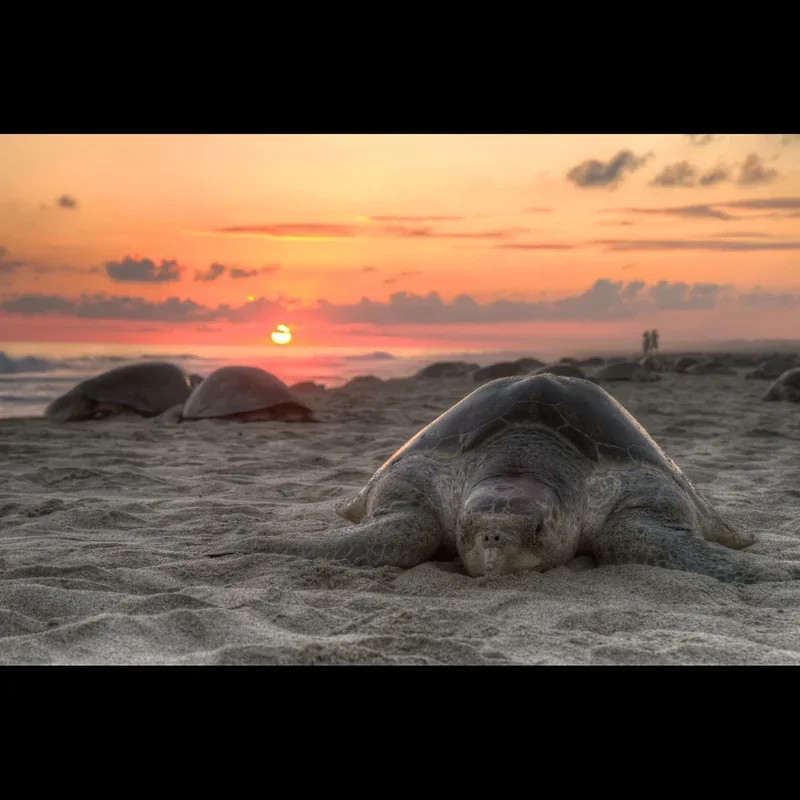
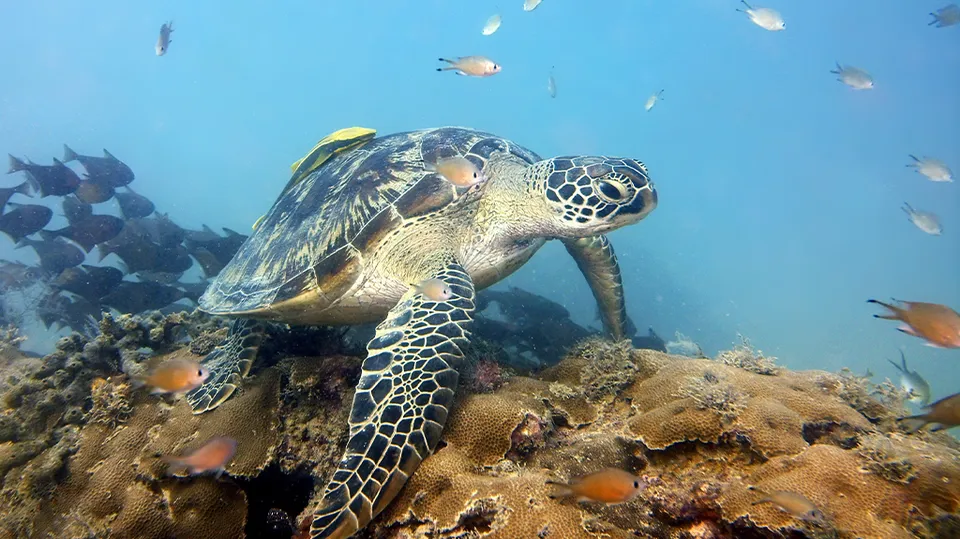
The underwater topography at Kichafi supports a diverse ecosystem, making it a productive site for marine life encounters. Divers frequently spot sea turtles navigating the coral formations.
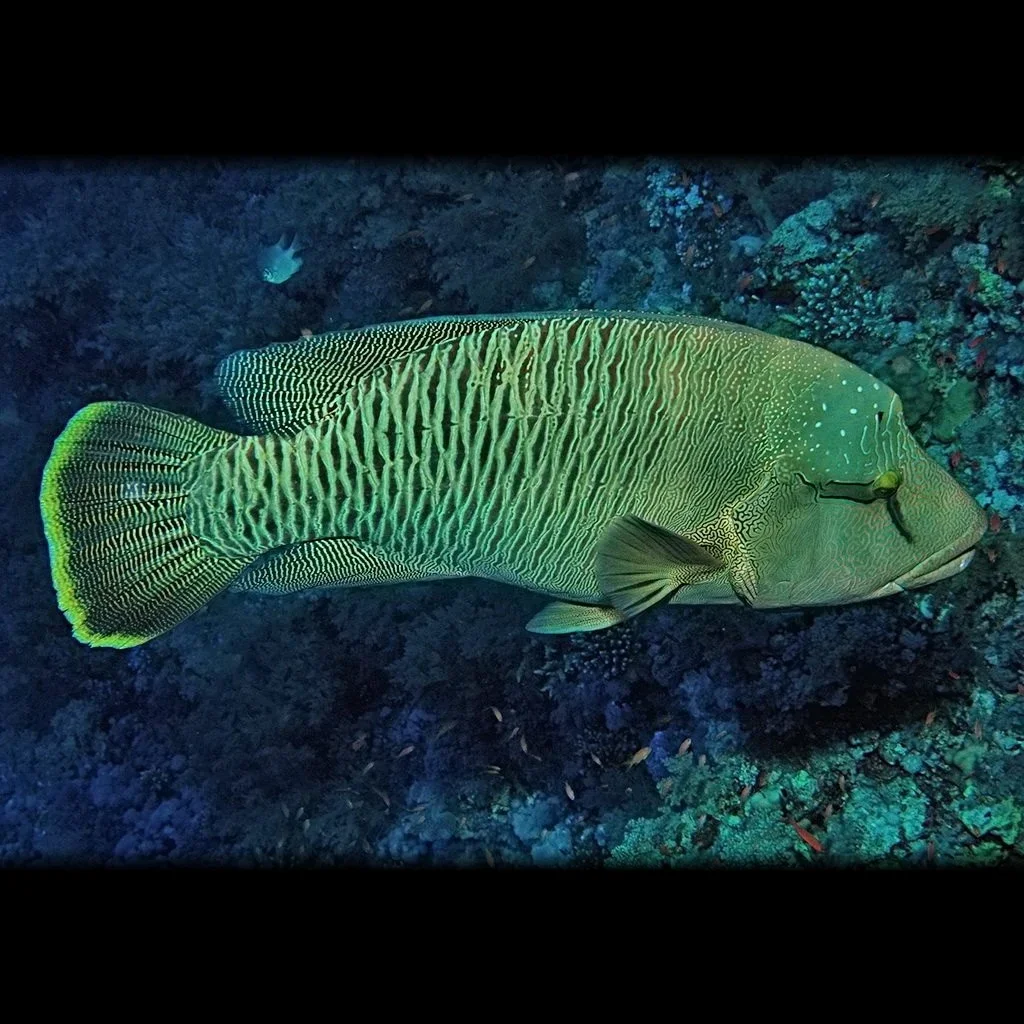
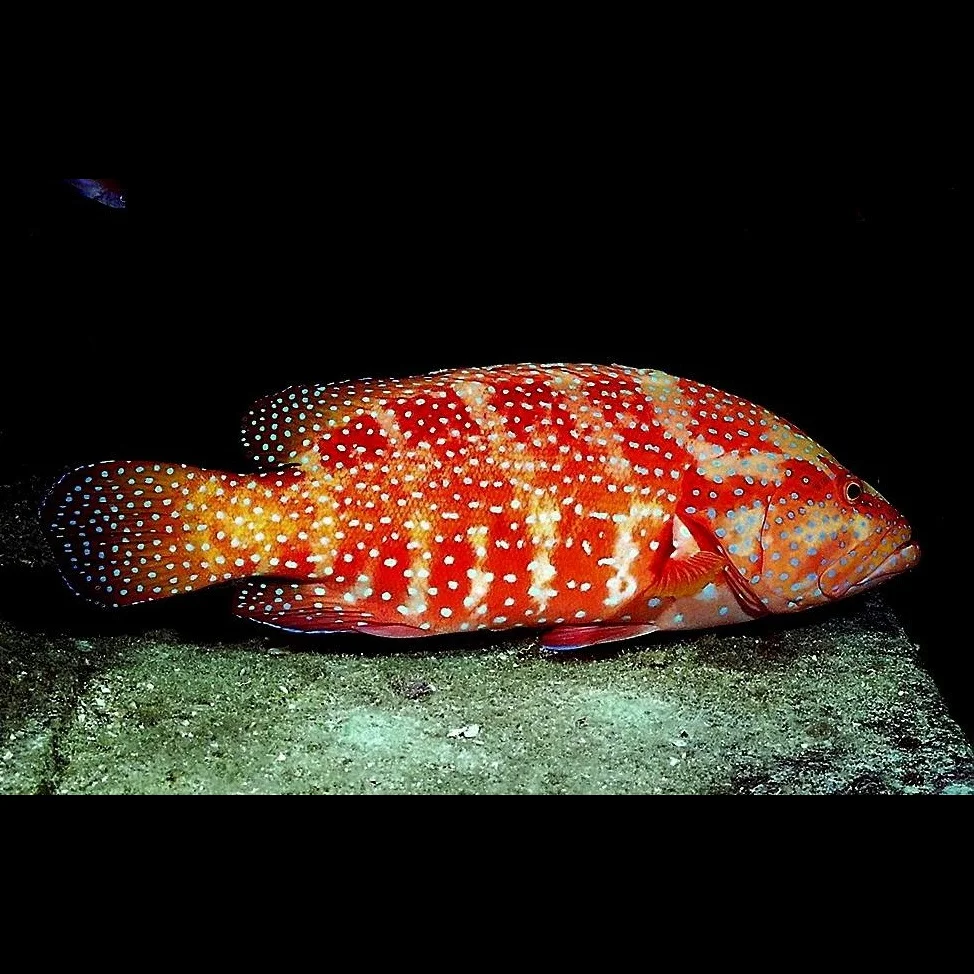
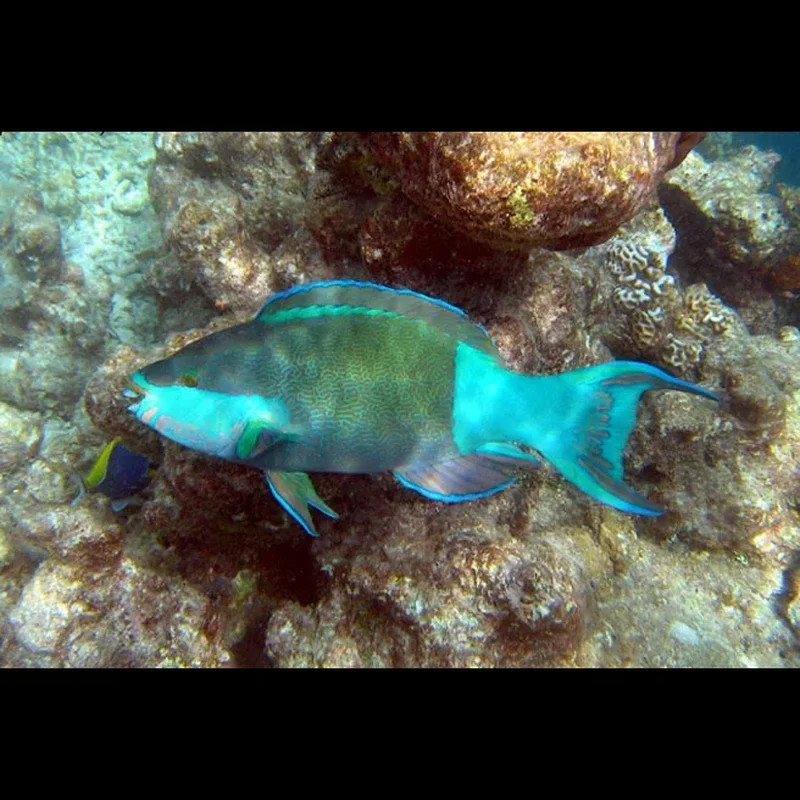
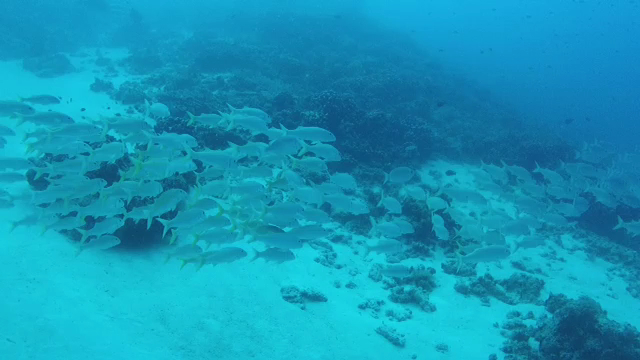
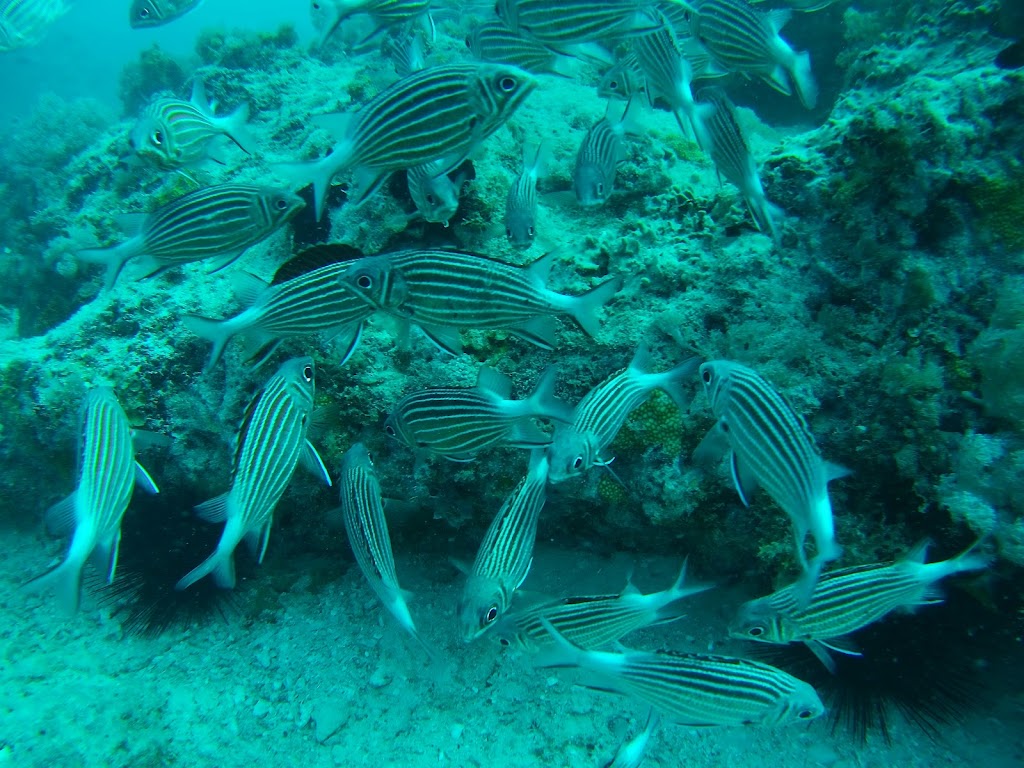
Schools of colorful reef fish, including spadefish, parrotfish, groupers, and various triggerfish, are common. Look closer for stonefish and Napoleon wrasses, often camouflaged among the corals.
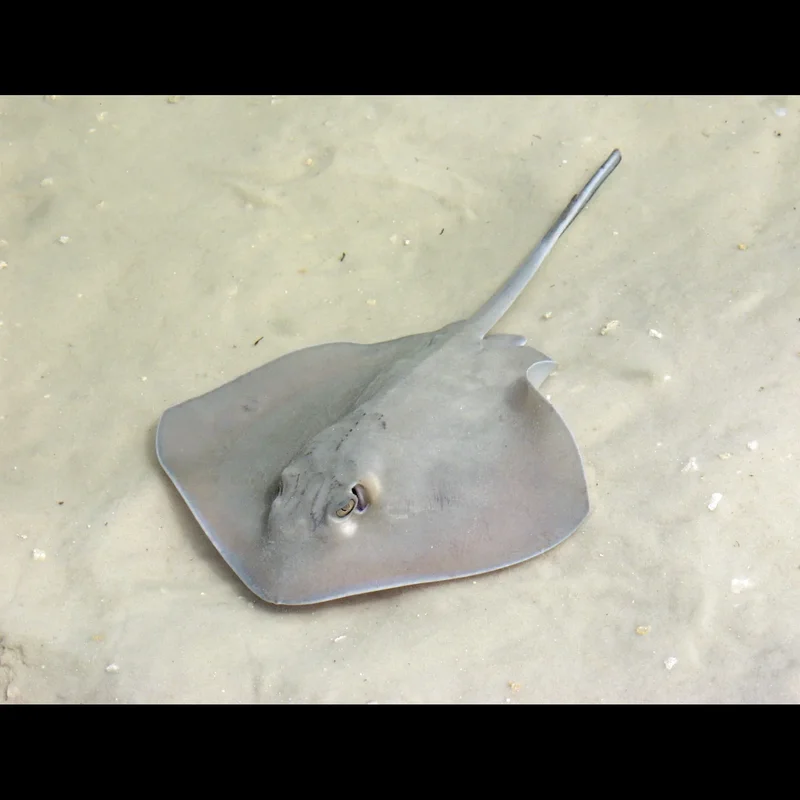
Early morning or late afternoon dives might reveal cobias, mackerels, or larger stingrays. Furthermore, observant divers can find smaller creatures like nudibranchs, adding intricate detail to the reef environment.
Dive Sites Near Kichafi
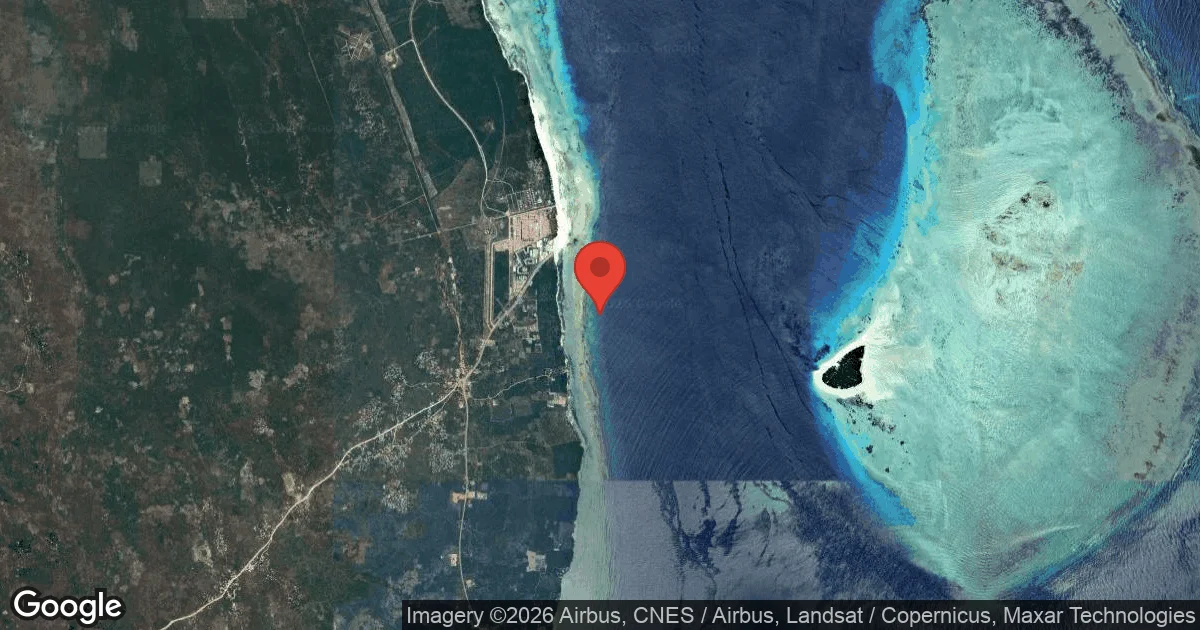
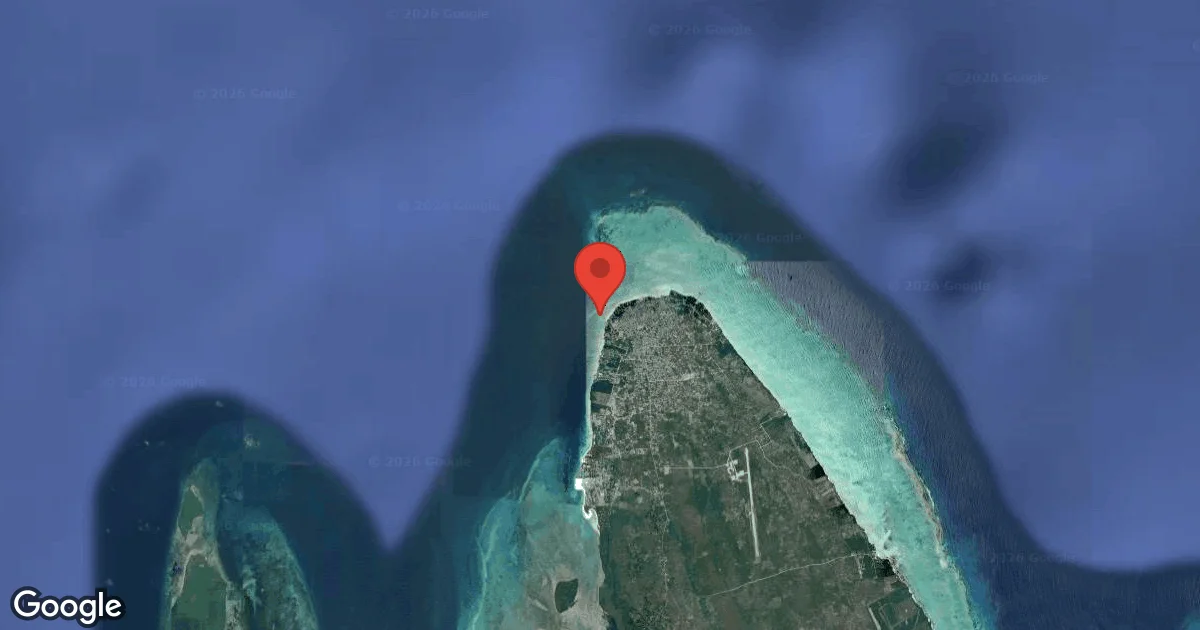
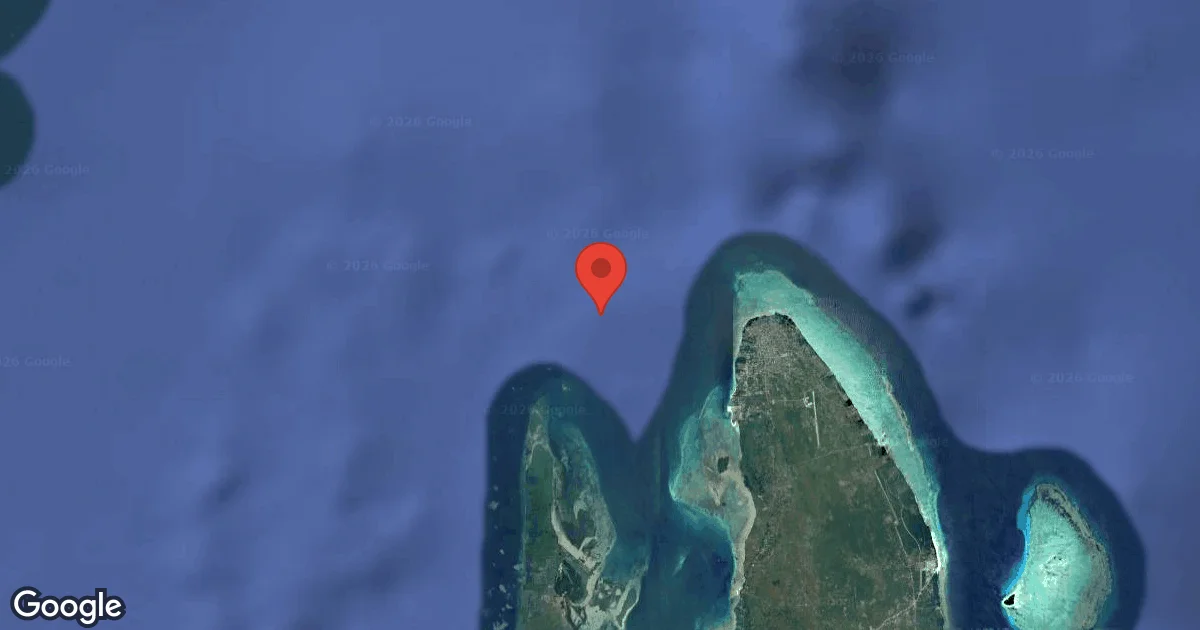
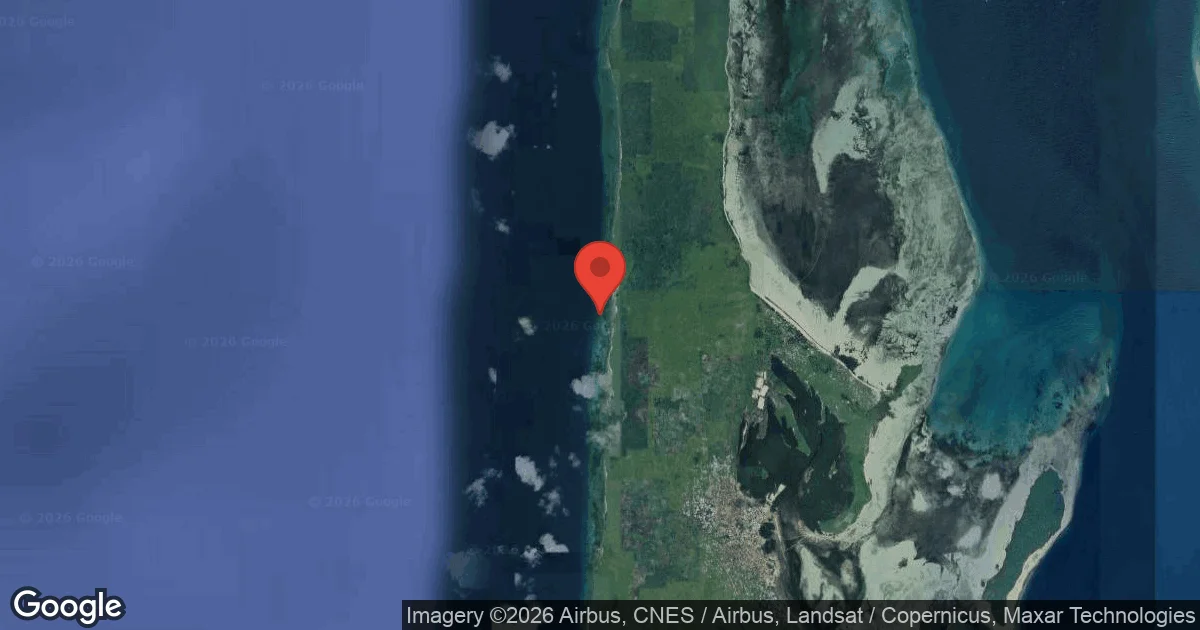
View all dive sites in TanzaniaDiscover more underwater gems in this area.
Dive Centers Near Kichafi
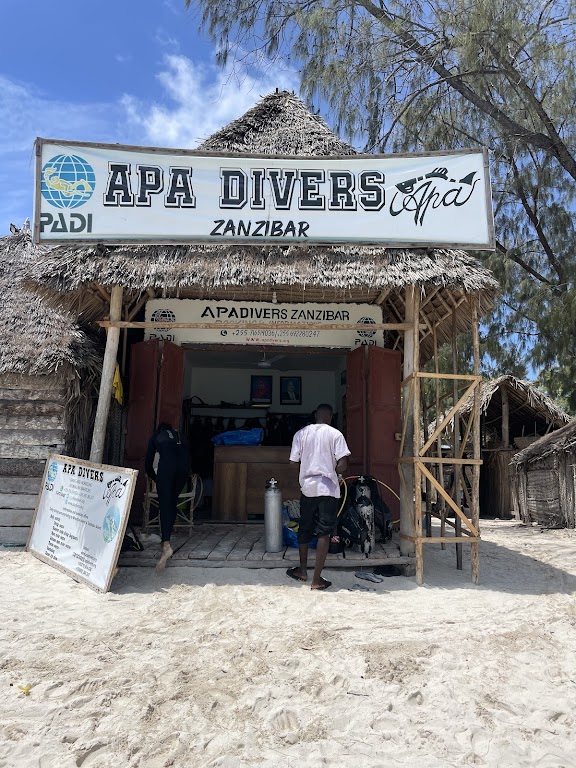
Today: 08:00 - 17:30
Nearest Airports
Nearest airports to help plan travel to this dive area.
Search Flights
Check available flights and routes on Expedia, using the nearby airports listed in this section.
Search Flights on ExpediaFrequently Asked Questions
What is the typical depth range at Kichafi?
Kichafi's reef gently slopes from around 6 meters (20 ft) to a maximum depth of 18 meters, with some areas extending to 20 meters. It generally stays within recreational limits.
Is Kichafi suitable for beginner divers?
Yes, Kichafi is considered suitable for both inexperienced and experienced divers. Its mild currents and manageable depths make it an excellent location for beginners to explore a vibrant coral reef.
What kind of marine life can I expect to see at Kichafi?
Divers often encounter sea turtles, spadefish, parrotfish, groupers, and Napoleon wrasses. Schools of colorful reef fish, nudibranchs, and occasionally larger pelagics like cobias or stingrays are also present.
What type of diving is common at Kichafi?
Drift diving is a common and recommended method at Kichafi. The mild currents allow divers to glide along the reef, observing the marine life with minimal effort.
When is the best time of year to dive Kichafi?
The optimal periods for diving Kichafi are typically from January to March and from June to October. These months generally offer good to excellent conditions with minimal rain and favorable wave heights.
Are there strong currents at Kichafi?
Kichafi is known for its mild currents, which are conducive to a relaxing drift dive experience. This makes the site accessible for a wide range of diver skill levels.
Planning to dive Kichafi?
Send one inquiry and receive offers directly from the best verified local dive operators.
Conditions are Good
Optimal conditions expected
Current conditions near Kichafi show 25° air, 27° sea temperature, 1.1 m waves, and 31 km/h wind. Forecast data is refreshed regularly to ensure accuracy.