
Diving at Big Wall (Tanzania)
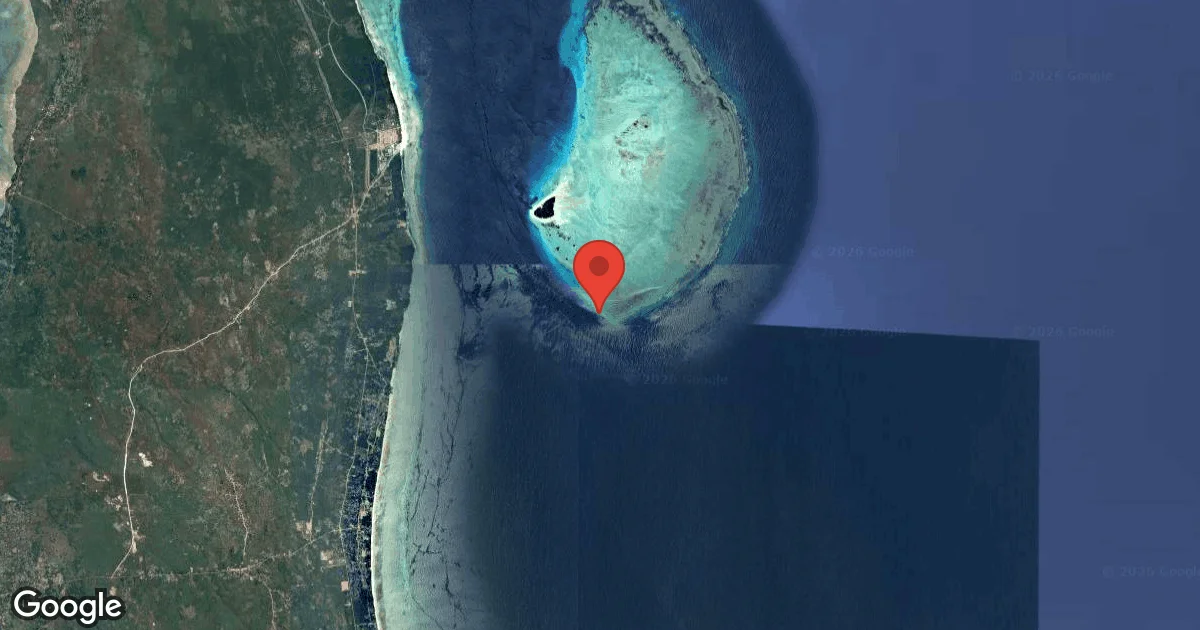
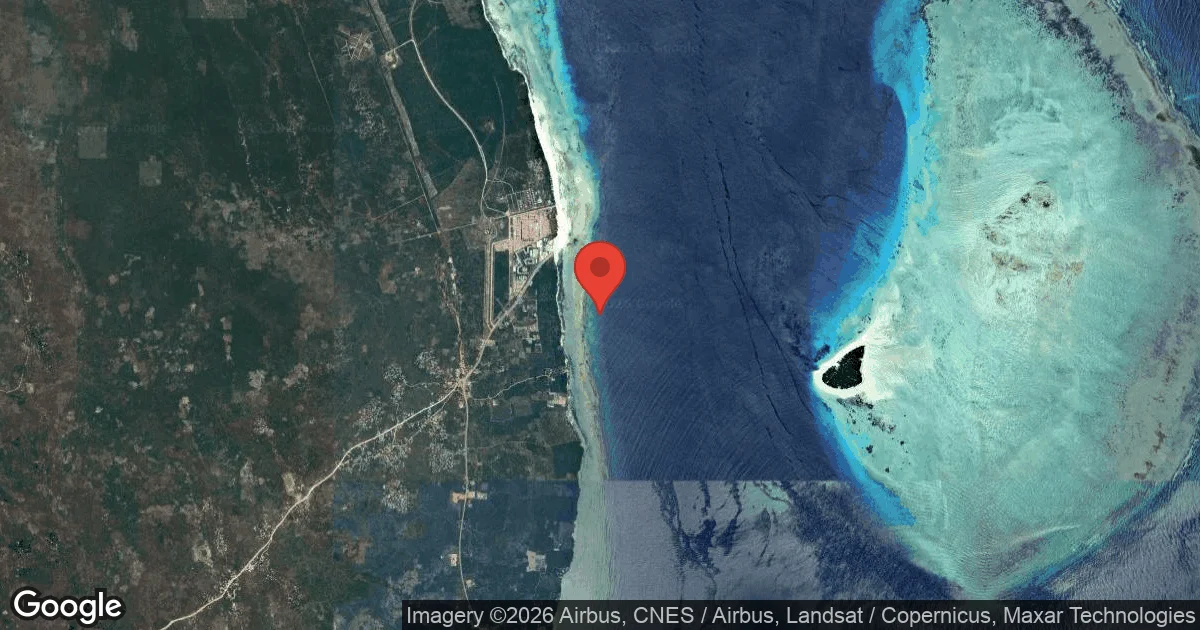
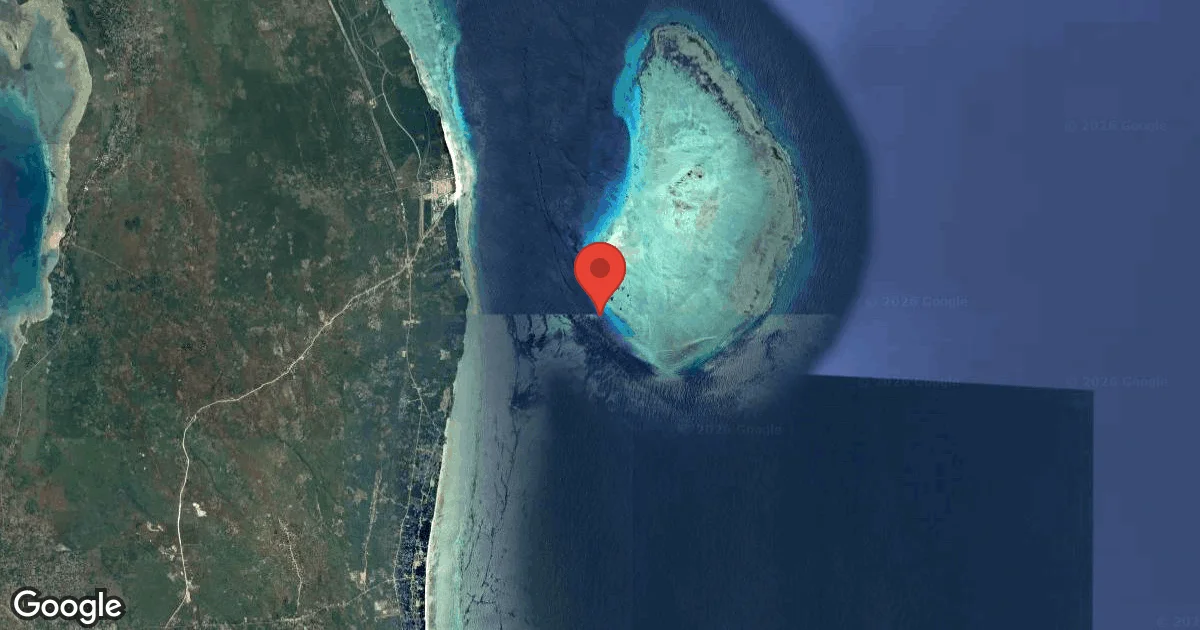
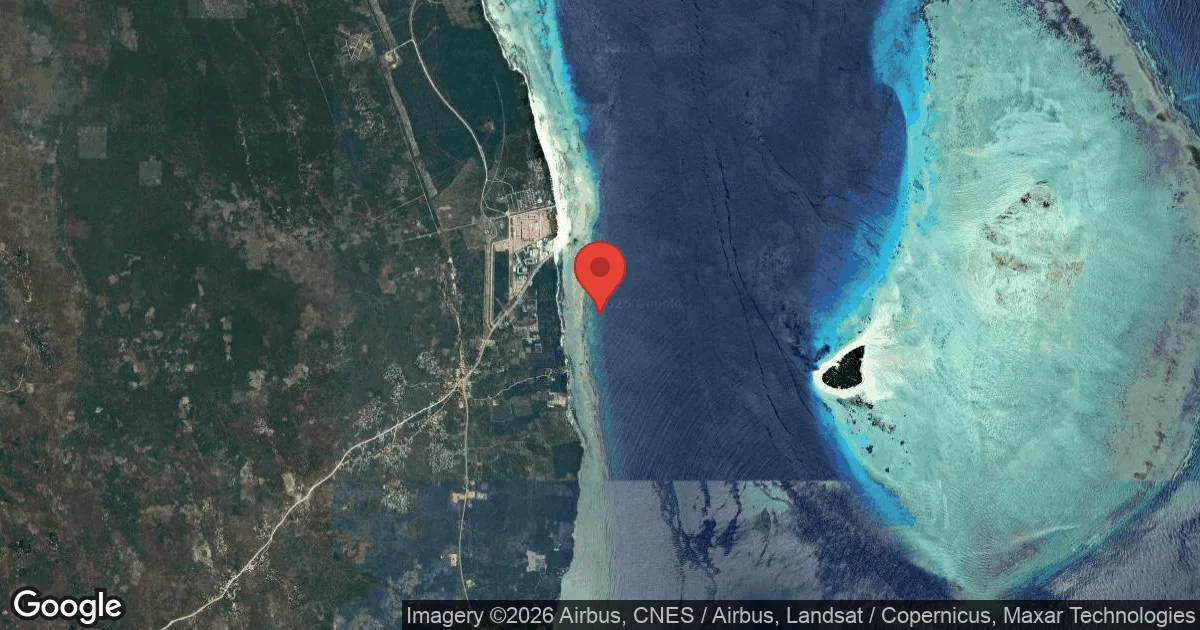
Big Wall stands as a defining feature of Zanzibar's underwater topography, its very name reflecting the dramatic drop-offs that have drawn divers for years. A reputation for exhilarating wall dives near Mnemba Island has steadily built around this site. It represents a classic example of powerful reef structures found in the region. Sheer scale below the surface offers a vivid contrast to shallower reef areas.
Tonight's objective overview for Big Wall shows an air temperature of 25°C. The measured surface conditions include wave heights around 1.7 m. This environmental data is logged for the close of the day.
Dive Site Location & Key Facts
Dive Site Overview
The dive profile at Big Wall often begins on a shallower reef top, where the seabed abruptly gives way to a towering vertical reef wall. This sheer drop plunges into the deep blue, extending far beyond recreational limits, with the site reaching a maximum depth of 40 m / 131 ft.
The wall itself is richly adorned with a vibrant array of hard and soft corals, sponges, and sea fans, creating a complex and colourful canvas. Divers can explore various overhangs and small caverns along the descent, adding an exciting dimension. A compelling sense of scale and adventure emerges from the moment one enters the water.
Mild currents often characterize the site, making it a popular drift dive where the flow gently guides divers along the wall's contour. Effortless exploration of different sections and depths is possible, highlighting continuous vertical drop and its associated rich marine life. Underwater landscape is a testament to powerful geological forces shaping this part of Zanzibar.
Conditions are Moderate
Optimal conditions expected
Current conditions near Big Wall show 25° air, 27° sea temperature, 1.8 m waves, and 33 km/h wind. Forecast data is refreshed regularly to ensure accuracy.
Best Time to Dive
Planning a visit to Big Wall often considers periods of optimal visibility and calm conditions. Clearest water, typically ranging from 20-40 m / 65-130 ft, is often reported from May to October. During these months, average wave height tends to be manageable, usually between 1.0 m and 1.3 m / 3-4 ft, with mild wind speeds. Air temperatures during this recommended window hover around 25-26°C / 77-79°F, creating comfortable surface conditions. While general dive scores remain good throughout much of the year, periods of higher rainfall, such as April and November, could temporarily impact visibility, although total rainfall is generally low. Water temperature remains consistently warm, typically between 24-29°C / 75-84°F, year-round.
PEAK SEASON SCORE
Scores combine air & water temps, waves, wind & rainfall for overall conditions.
BEST MONTHS TO DIVE
Monthly records compiled from satellite and marine observation nodes over the last 3 years. Data provided by Open-Meteo and MET Norway.
Dive Experience & Conditions
Descending into the blue at Big Wall, divers immediately feel the grandeur of its scale. Sensation of gliding along a massive vertical reef, with the deep blue stretching endlessly below, is truly immersive. Currents are typically mild, offering a relaxed drift dive experience that allows for detailed observation of the wall's intricate coral formations. There is generally no significant surge to contend with, contributing to stable conditions throughout the dive. Water temperature is consistently warm, ranging from 24-29°C / 75-84°F, which enhances comfort and allows for longer bottom times. Visibility often extends significantly, sometimes providing clear views of the expansive wall down to its deeper contours and any passing pelagic life. This site is recommended for intermediate to advanced divers, though confident beginners can navigate it under proper guidance, especially when focusing on shallower sections.
Dive Difficulty & Safety Guidelines
Primary consideration for diving Big Wall is managing depth due to its steep drop-off. While the wall drops considerably, recreational limits and individual certification levels should strictly dictate descent. Divers should be proficient in buoyancy control to prevent unintentional deep excursions or contact with the delicate reef.
Although currents are generally mild, a drift dive profile means divers need to stay aware of their location relative to the boat. Carrying a dive computer and surface signaling device is advisable.
Varied topography, including overhangs, requires careful navigation to avoid disorientation, especially for those venturing deeper. As with any wall dive, prudent air management and thorough dive planning are crucial to ensure a safe and enjoyable experience.
Recommended Equipment
Deep dive hazard. Increased narcosis and gas consumption risk.
Current and surface separation risk. Local briefing strongly recommended.
- Dive Computer
- DSMB
- Primary & Backup Lights
- Reel / Spool
This gear list is based on verified equipment signals for Big Wall, Tanzania. Always confirm final gear choices with your dive operator, guide, or liveaboard.
Recommended Dive Suit
Subtle variations in currents or depth can sometimes influence perceived water temperature.
2-3mm shorty or light wetsuit tends to perform well in water temperatures like those currently observed here. Consider warmer surface protection (like a boat coat) due to brisk winds. Forecast models show minimal temperature variation in the coming days.
Current temperature readings suggest that the water at Big Wall is around 27°C (80°F). Surface air temperatures are resting at 25°C (77°F).
Due to technical issues with our weather providers, live updates are temporarily delayed. The data above reflects the conditions at the time of the last successful fetch.
Emergency & Medical Support
Essential information to help you plan your dive trip to Big Wall.

Hyperbaric chambers are a critical part of dive safety infrastructure. Availability varies significantly by region, and not all dive areas have immediate access.
Before diving, it's recommended to:
- confirm nearest medical facilities
- check emergency procedures with local dive operators
- ensure dive insurance covers evacuation if required
Divers Alert Network
Diving emergency assistance available through DAN Southern Africa.
+27828106010- 24/7 emergency hotline
- Diving medical assistance
- Evacuation coordination
Emergency contacts are provided for reference. Always verify local emergency services before diving.
Marine Life at Big Wall
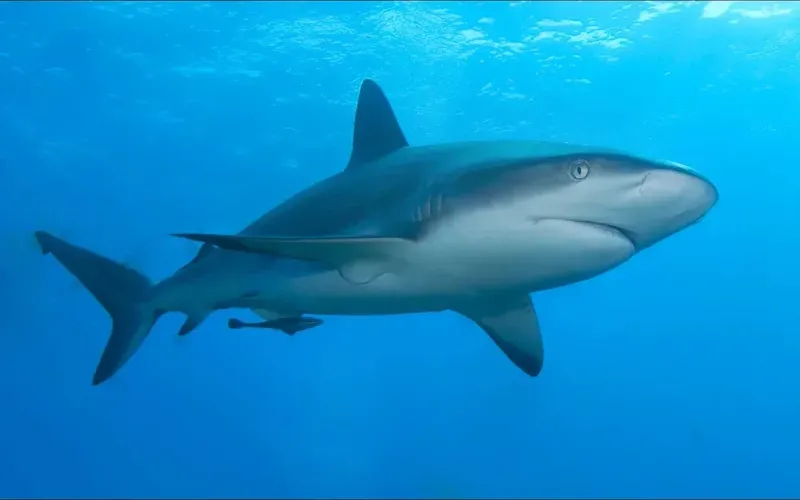
Impressive underwater landscape of Big Wall serves as a thriving habitat for a variety of marine species. Along the vertical coral-covered face, divers frequently observe reef sharks patrolling the depths and green or hawksbill turtles gracefully swimming among the soft corals.
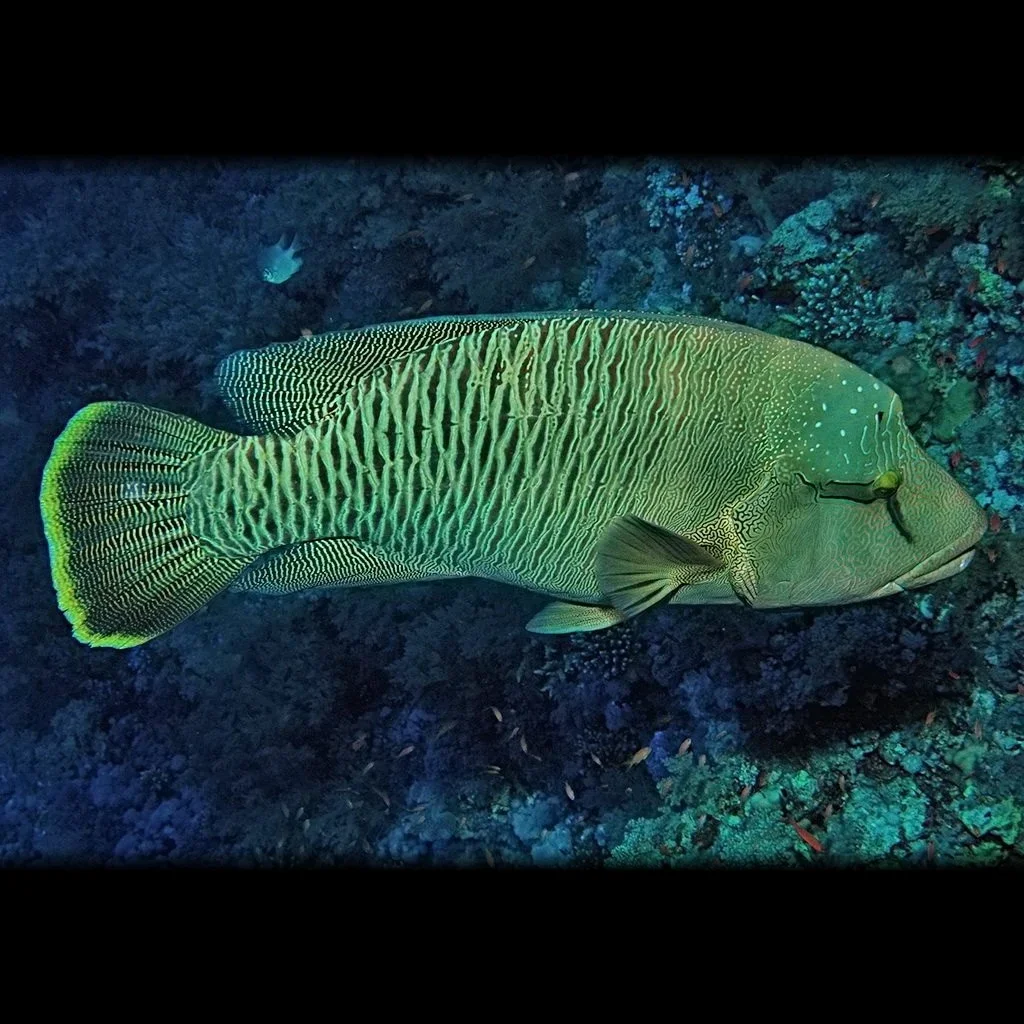
Schools of jackfish often congregate in the blue water off the wall, while individual Napoleon fish are sometimes seen cruising near the reef. Extensive coral formations themselves host a diverse community of smaller reef fish and invertebrates, blending seamlessly into the dramatic backdrop.

Dive Sites Near Big Wall
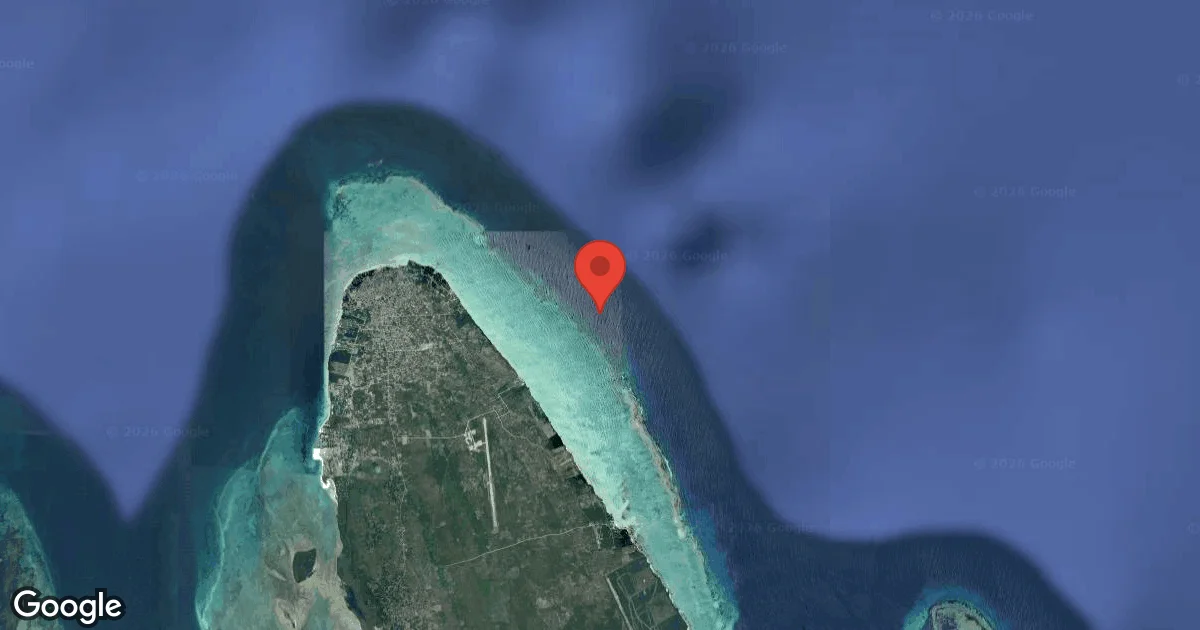
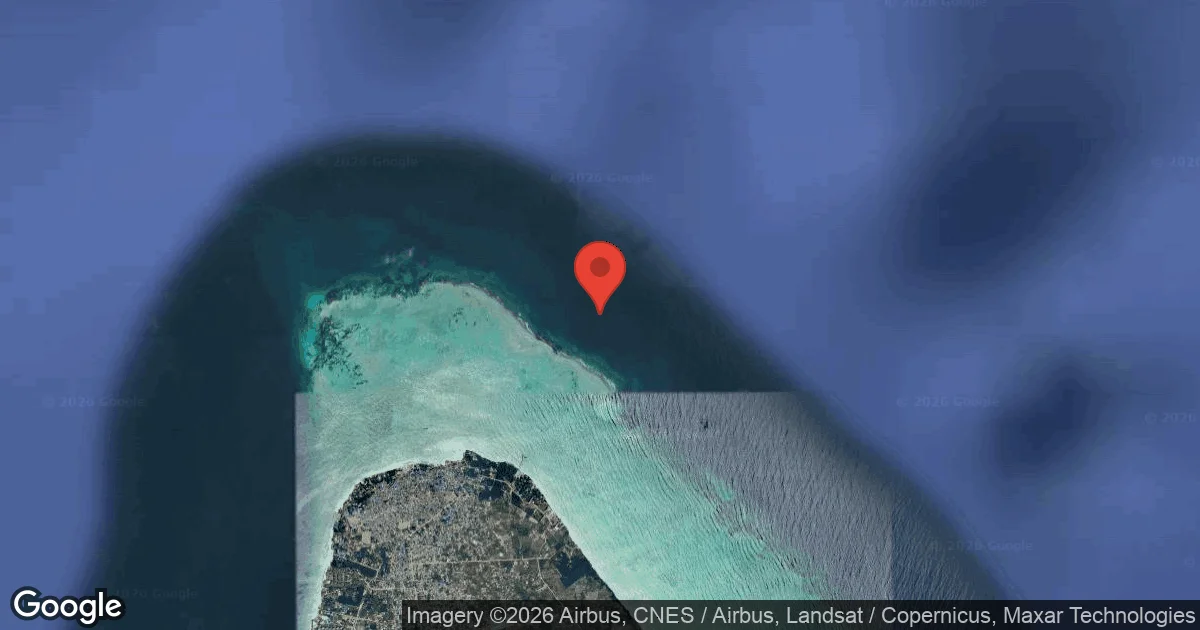
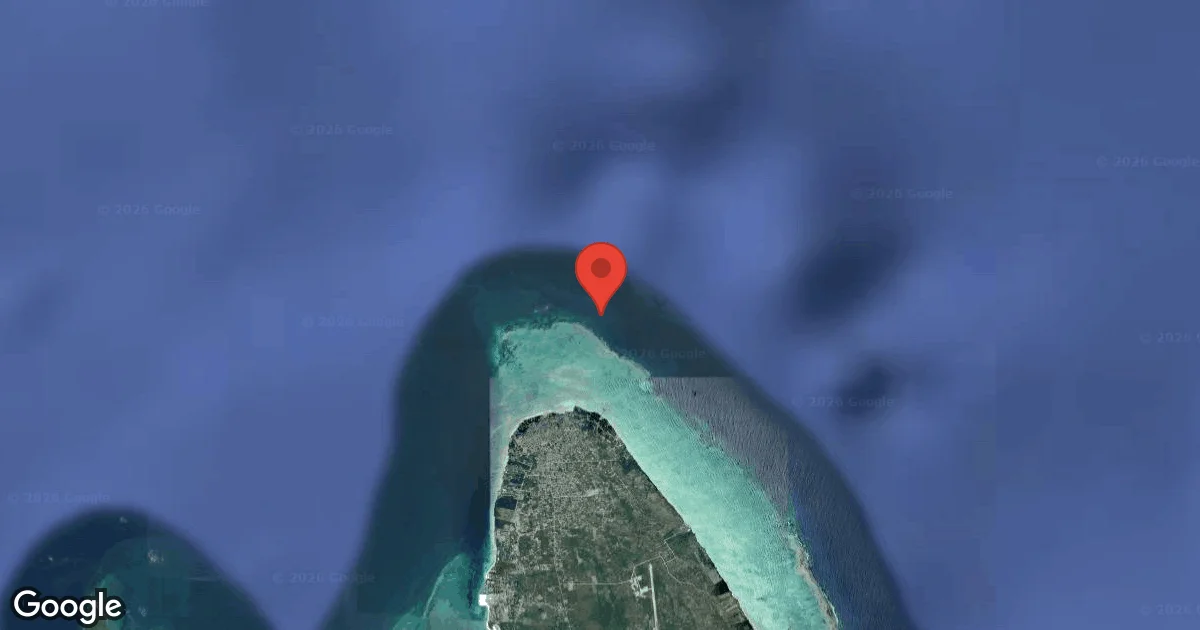
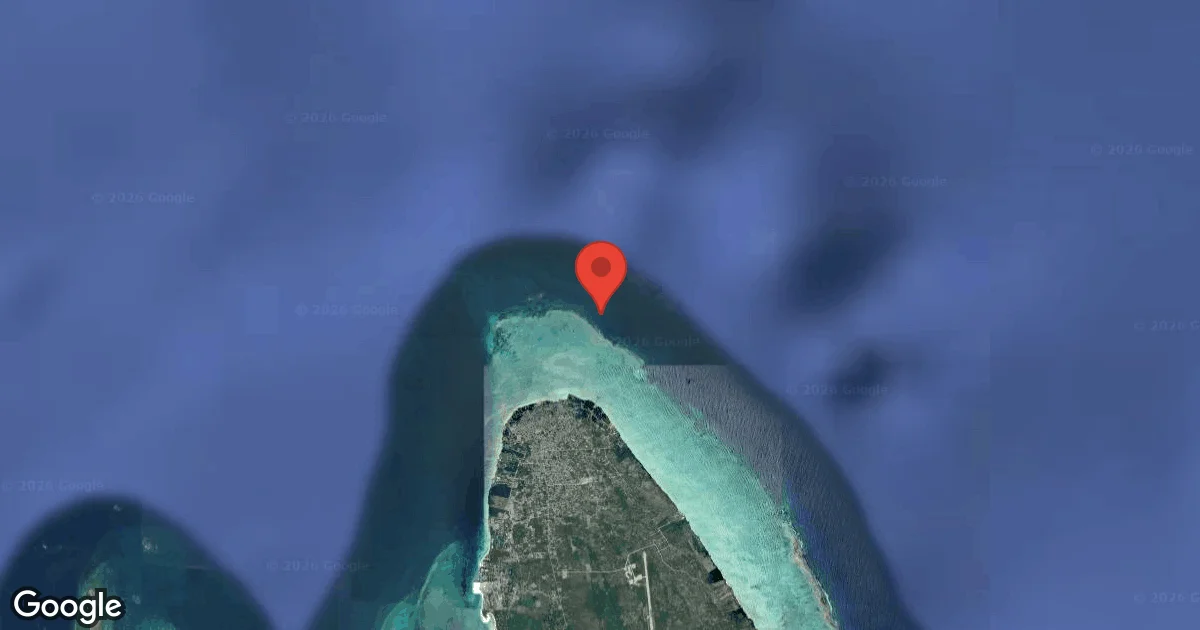
View all dive sites in TanzaniaDiscover more underwater gems in this area.
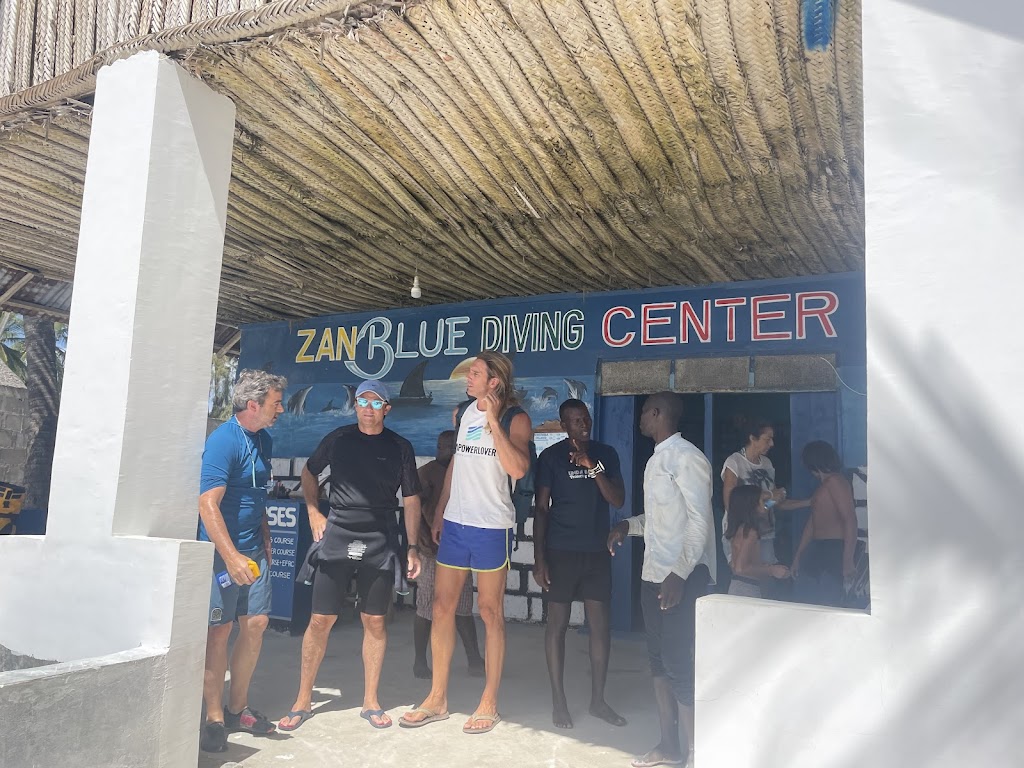
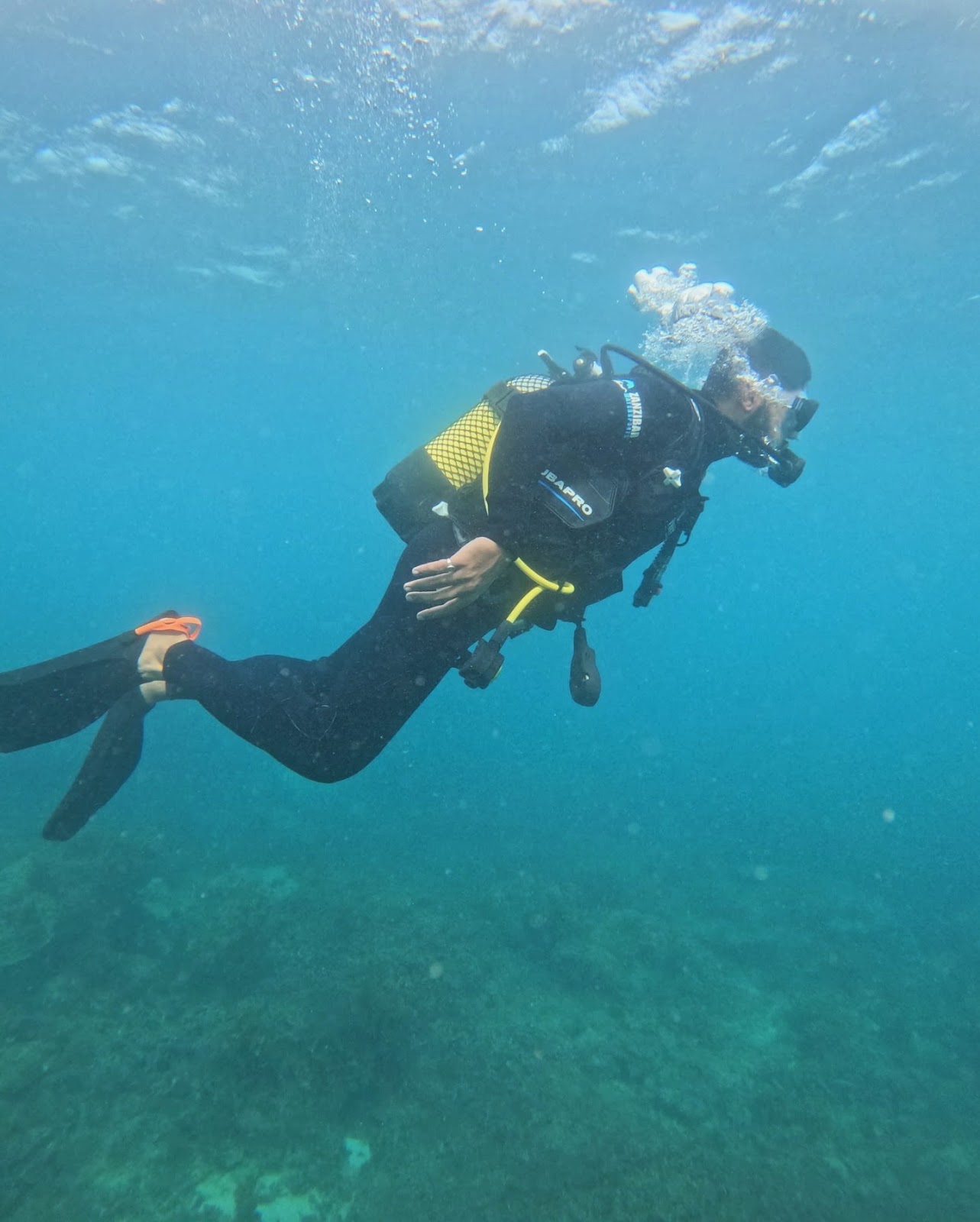
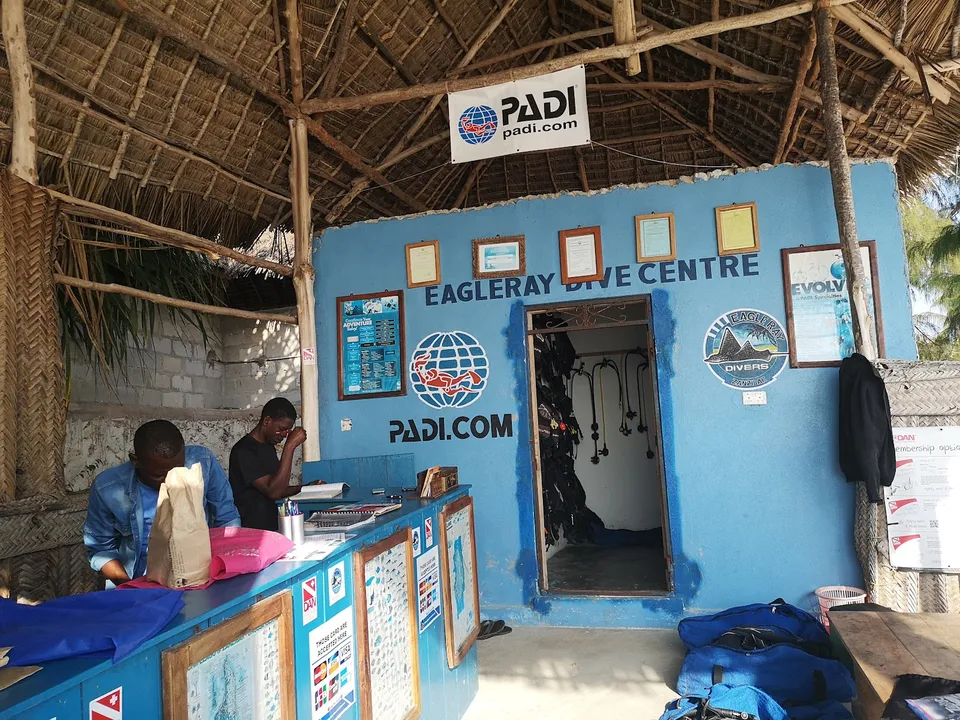
Dive Centers Near Big Wall
Today: 07:00 - 18:00

Nearest Airports
Nearest airports to help plan travel to this dive area.
Search Flights
Check available flights and routes on Expedia, using the nearby airports listed in this section.
Search Flights on ExpediaFrequently Asked Questions
What is the maximum depth at Big Wall?
The wall reaches significant depths, extending to around 40 meters (130 feet). Recreational divers must adhere strictly to their certification limits, as much of the wall extends beyond typical recreational profiles.
Is Big Wall suitable for beginners?
Big Wall is primarily recommended for intermediate to advanced divers due to its depth and potential for drift. Confident beginners can explore shallower sections under close supervision and ideal conditions.
What kind of currents can I expect?
Currents at Big Wall are generally mild, which makes it a popular site for drift diving. This allows divers to effortlessly glide along the wall, observing the marine life.
What marine life is commonly seen here?
Divers frequently encounter reef sharks, turtles, and schooling jackfish. Napoleon fish are also a common sight, along with a wide array of colourful reef fish inhabiting the corals.
What is the typical water temperature?
The water temperature at Big Wall remains consistently warm throughout the year, typically ranging between 24-29°C / 75-84°F. This provides comfortable diving conditions for extended periods.
Are there any unique features on the wall?
The wall features numerous overhangs and small caverns that divers can explore. These structural elements add an exciting dimension to the dive and provide shelter for various marine species.
Do I need a permit to dive at Big Wall?
No, permits are not reported as required for diving at Big Wall. Access is typically arranged through local dive operators.
Planning to dive Big Wall?
Send one inquiry and receive offers directly from the best verified local dive operators.
Conditions are Moderate
Optimal conditions expected
Current conditions near Big Wall show 25° air, 27° sea temperature, 1.8 m waves, and 33 km/h wind. Forecast data is refreshed regularly to ensure accuracy.