
Diving at Muyuni Plate Corals (Tanzania)
Navigating the tidal shifts near Muyuni port defines the daily rhythm for accessing Muyuni Plate Corals. Divers often find morning low tides require a short drive north to reach the departure point. This strategic access, combined with a willingness to adapt plans based on real-time current assessments, allows for optimized dives. Experienced guides frequently jump in to gauge conditions, ensuring dive itineraries align with the water's dynamics for the best experience.
As evening covers Muyuni Plate Corals, the local air temperature is measured at 26.5°C. The current wave height at the surface is recorded at 1.8 m. These late-day readings characterize the surface conditions for the night.
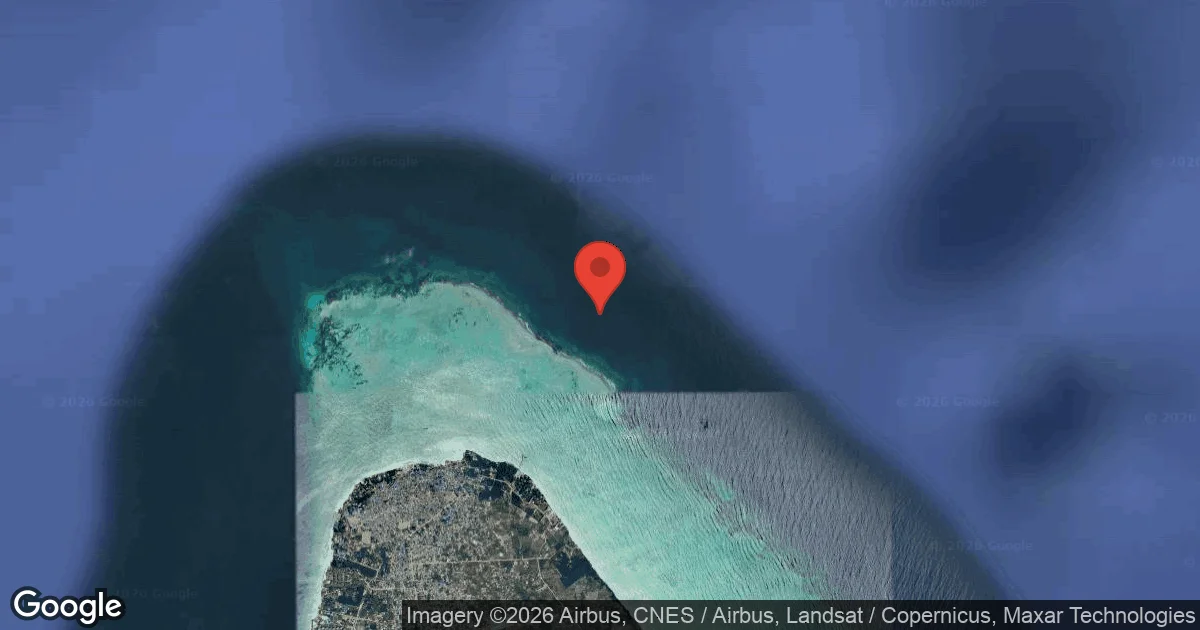
Dive Site Location & Key Facts
Dive Site Overview
Muyuni Plate Corals offers a distinctive underwater topography dominated by vast, unbroken stretches of hard coral formations. Divers navigating this site encounter a truly impressive 'huge healthy reef of giant plate corals,' which form intricate, layered structures providing ample shelter and feeding grounds.
This extensive coral architecture creates a compelling visual experience, often extending across wide sections of the reef. While certain localized areas may show evidence of coral degradation, the overall vitality of the ecosystem remains strong. Fish life here is consistently active and diverse.
Expect to observe various reef residents moving through the coral maze, from schooling fish to smaller, cryptic species. The site generally accommodates recreational dive profiles, with typical depths frequently reaching around 30 m / 100 ft.
This depth range allows for thorough exploration of the complex coral systems and the associated bustling marine activity. Currents can be a factor, with local conditions varying; however, well-planned dives often leverage these movements for a relaxed drift over the expansive reefscape.
Visibility is often excellent, revealing the full grandeur of the plate corals and the myriad creatures that inhabit them. Diving here provides an immersive experience into a robust coral environment, showcasing significant formations and consistent reef activity.
Conditions are Moderate
Optimal conditions expected
Current conditions near Muyuni Plate Corals show 26° air, 27° sea temperature, 2.0 m waves, and 35 km/h wind. Forecast data is refreshed regularly to ensure accuracy.
Best Time to Dive
Planning your dive around the seasons significantly shapes the underwater encounters you'll have at Muyuni Plate Corals. The dry season, spanning from June to October, generally provides peak visibility and calmer seas, creating ideal conditions for exploring the intricate coral structures. Air temperatures during this period average a comfortable 25-26.5°C / 77-80°F, with minimal rainfall, typically below 2mm. Conversely, the wet season, from November to May, while potentially offering reduced visibility at times, draws adventurous divers hoping to spot rare migratory species such as whale sharks and manta rays. Air temperatures remain warm, averaging 26-28.5°C / 79-83°F. Rain tends to increase in April and May, with averages around 15.25mm and 5.07mm respectively, which can influence surface conditions.
PEAK SEASON SCORE
Scores combine air & water temps, waves, wind & rainfall for overall conditions.
BEST MONTHS TO DIVE
Monthly records compiled from satellite and marine observation nodes over the last 3 years. Data provided by Open-Meteo and MET Norway.
Dive Experience & Conditions
Dropping into Muyuni Plate Corals offers an immediate sense of clarity, with visibility frequently exceeding 35 meters / 115 feet on most days. This exceptional clarity allows divers to fully appreciate the vast formations of plate corals and the diverse marine life. Water temperatures consistently range from 27-29°C / 81-84°F, providing a comfortable and warm dive environment without the need for thick exposure protection. Conditions can vary, with local guides often assessing currents directly from the water to adjust dive plans, ensuring a relaxed and enjoyable experience. While some reef sections have experienced coral decline, the site still reveals a vibrant ecosystem with plentiful fish activity.
Dive Difficulty & Safety Guidelines
To ensure a rewarding and safe experience at Muyuni Plate Corals, divers should prioritize selecting reputable operators who adhere to local safety standards. Zanzibar regulations, for instance, mandate that all dive boats carry two captains. Respecting marine life is crucial; avoid touching corals or disturbing any underwater creatures to protect these delicate ecosystems.
Always ensure your personal dive equipment is well-maintained and appropriate for the tropical conditions. Staying aware of local tides and currents, often communicated by your dive master, is also key for effective dive planning.
Recommended Equipment
- Dive Computer
- DSMB
This gear list is based on verified equipment signals for Muyuni Plate Corals, Tanzania. Always confirm final gear choices with your dive operator, guide, or liveaboard.
Recommended Dive Suit
Conditions in the coming days are expected to stay within a similar temperature range.
Factors such as dive duration, depth, and activity level can influence how warm a diver feels underwater. Stronger winds may also make surface intervals feel cooler than usual.
2-3mm shorty or light wetsuit typically balances flexibility and thermal protection in these temperatures. Consider warmer surface protection (like a boat coat) due to brisk winds. The surrounding waters at Muyuni Plate Corals are currently registering temperatures of roughly 27°C (81°F). Surface air temperatures are resting at 26°C (80°F).
Due to technical issues with our weather providers, data hasn't been fetched for over 48 hours. The data above reflects the conditions at the time of the last successful fetch.
Emergency & Medical Support
Essential information to help you plan your dive trip to Muyuni Plate Corals.

Hyperbaric chambers are a critical part of dive safety infrastructure. Availability varies significantly by region, and not all dive areas have immediate access.
Before diving, it's recommended to:
- confirm nearest medical facilities
- check emergency procedures with local dive operators
- ensure dive insurance covers evacuation if required
Divers Alert Network
Diving emergency assistance available through DAN Southern Africa.
+27828106010- 24/7 emergency hotline
- Diving medical assistance
- Evacuation coordination
Emergency contacts are provided for reference. Always verify local emergency services before diving.
Marine Life at Muyuni Plate Corals
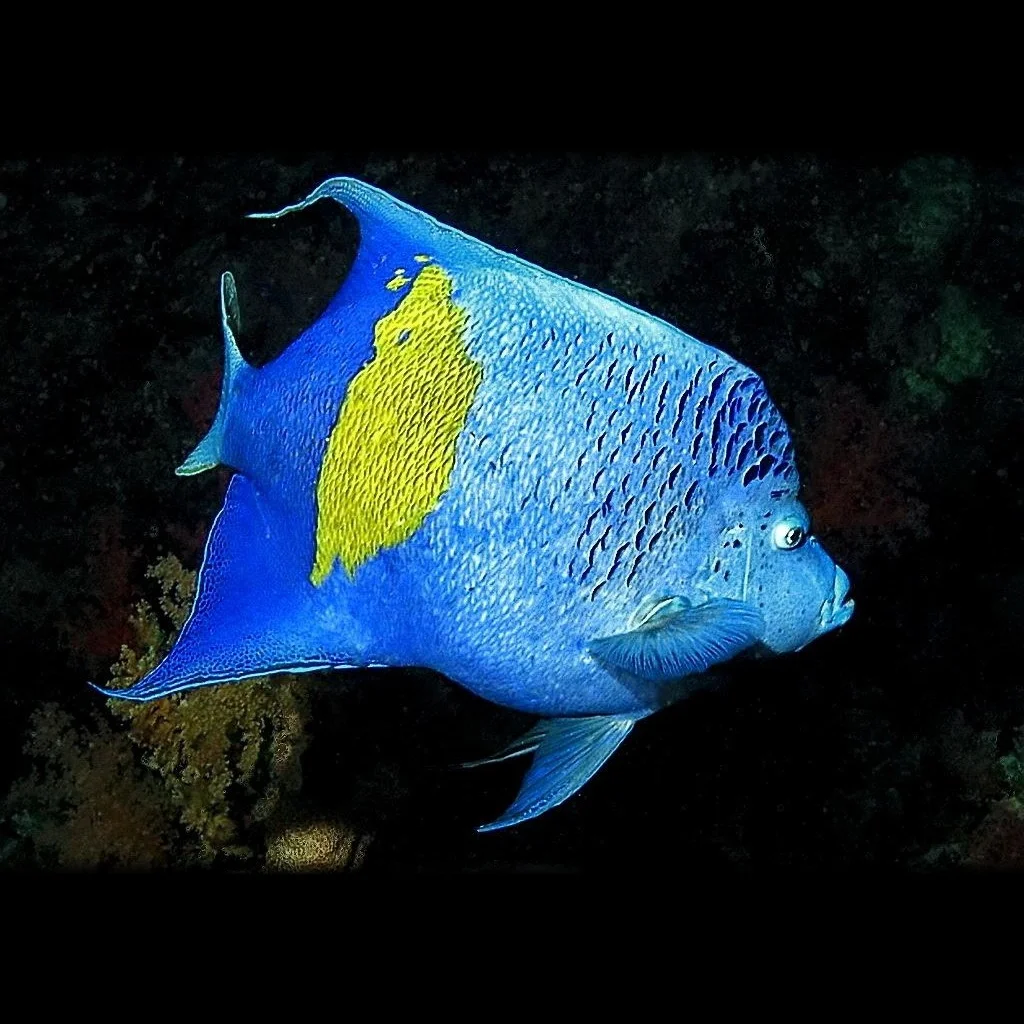
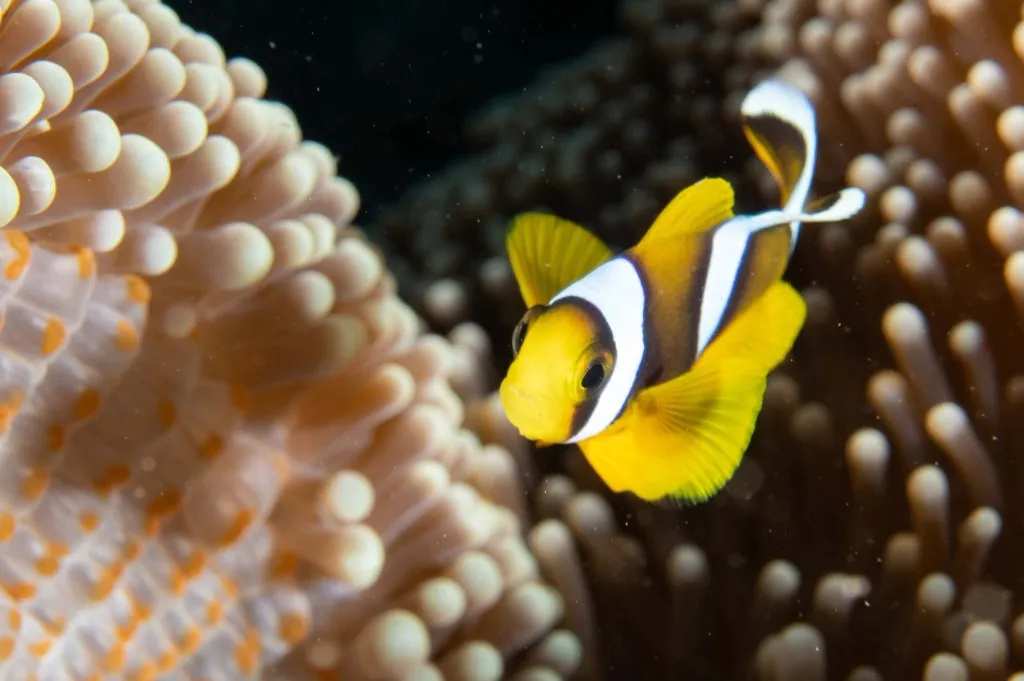
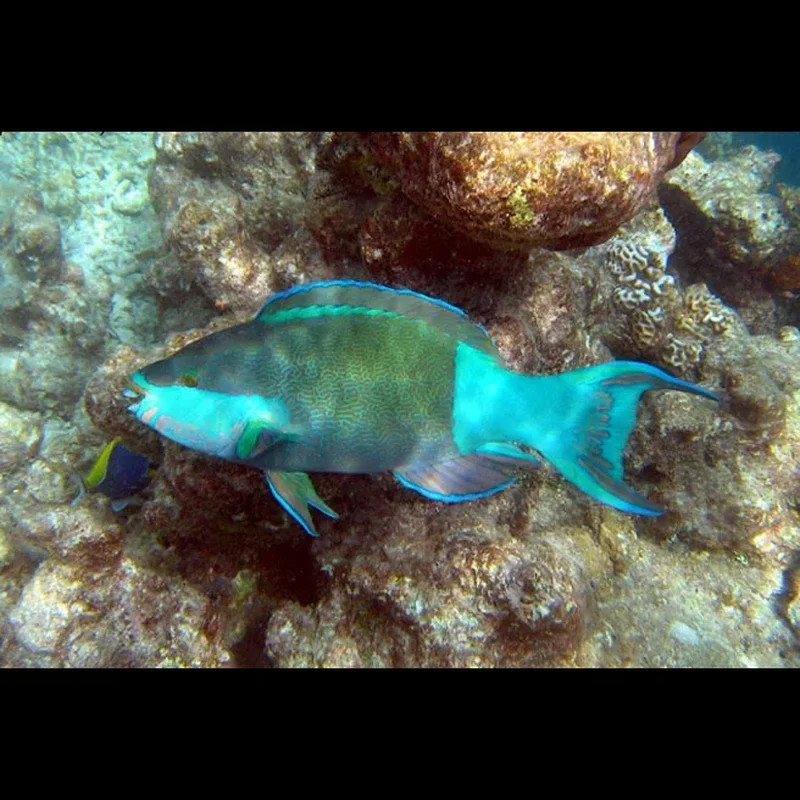
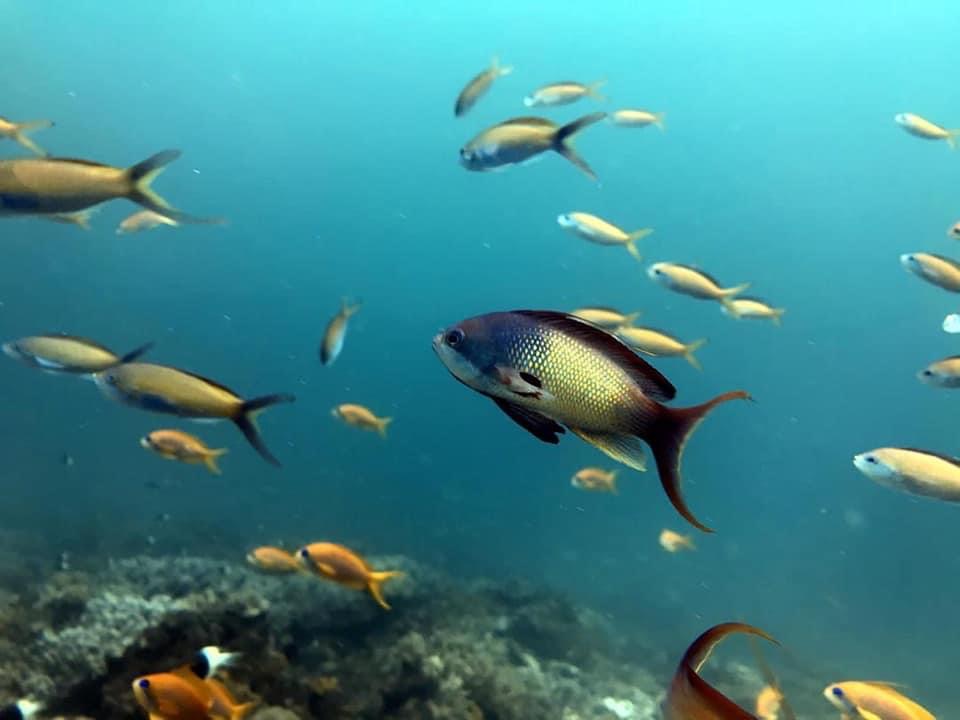
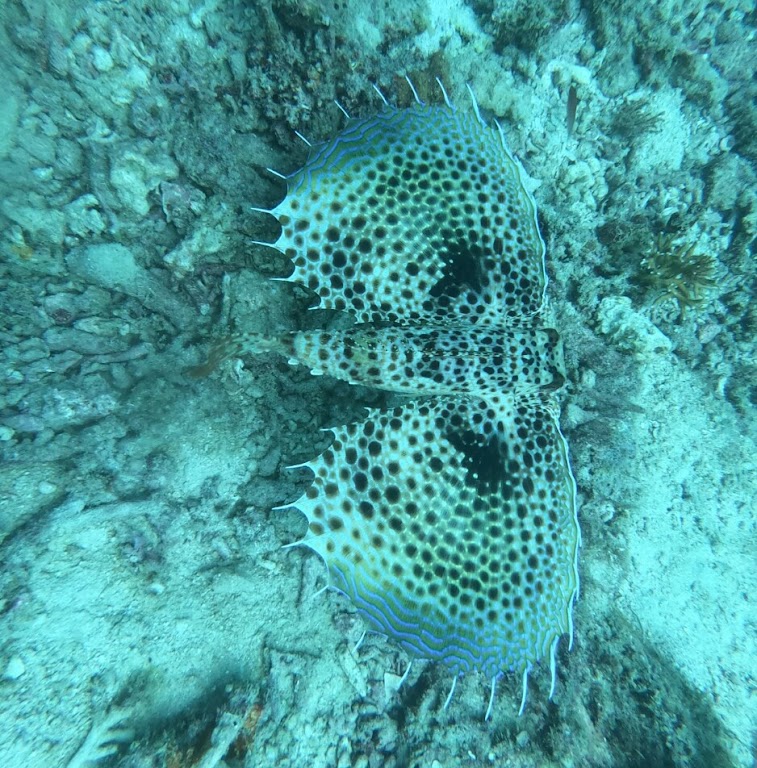
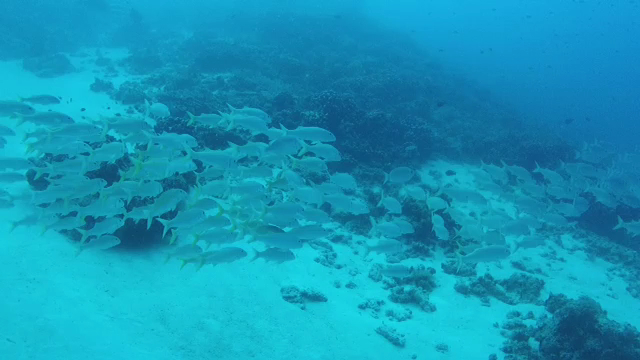
The expansive plate corals create a foundational living architecture, attracting a rich array of reef fish. You'll observe schools of clownfish, parrotfish, and angelfish weaving through these intricate formations.
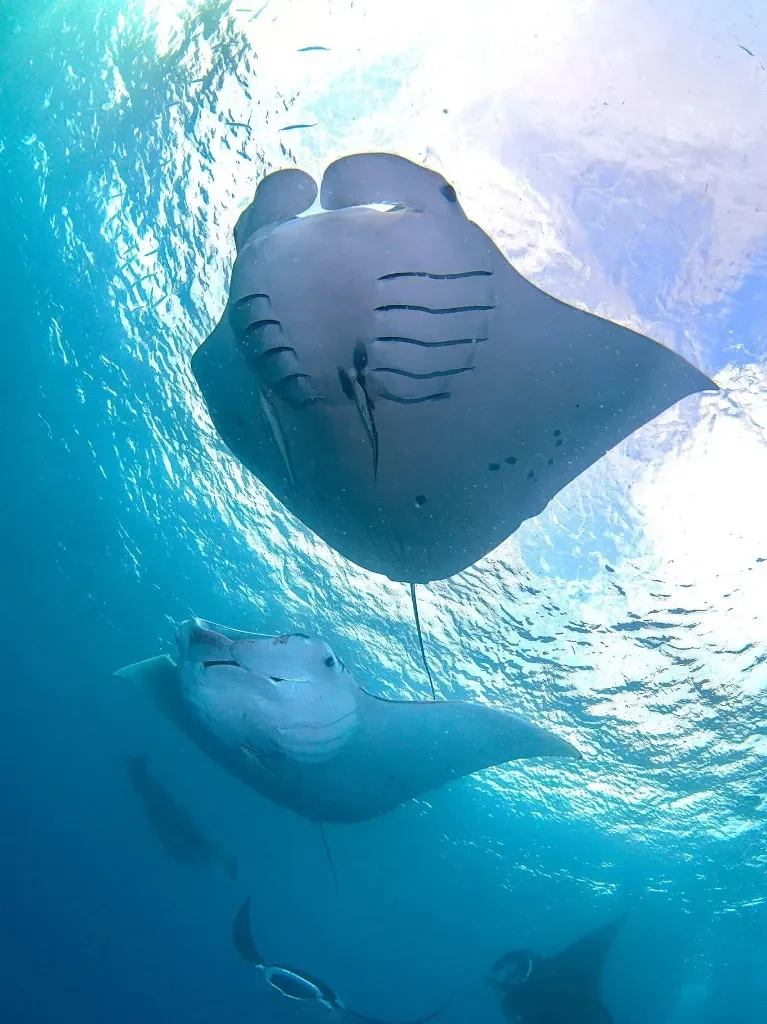
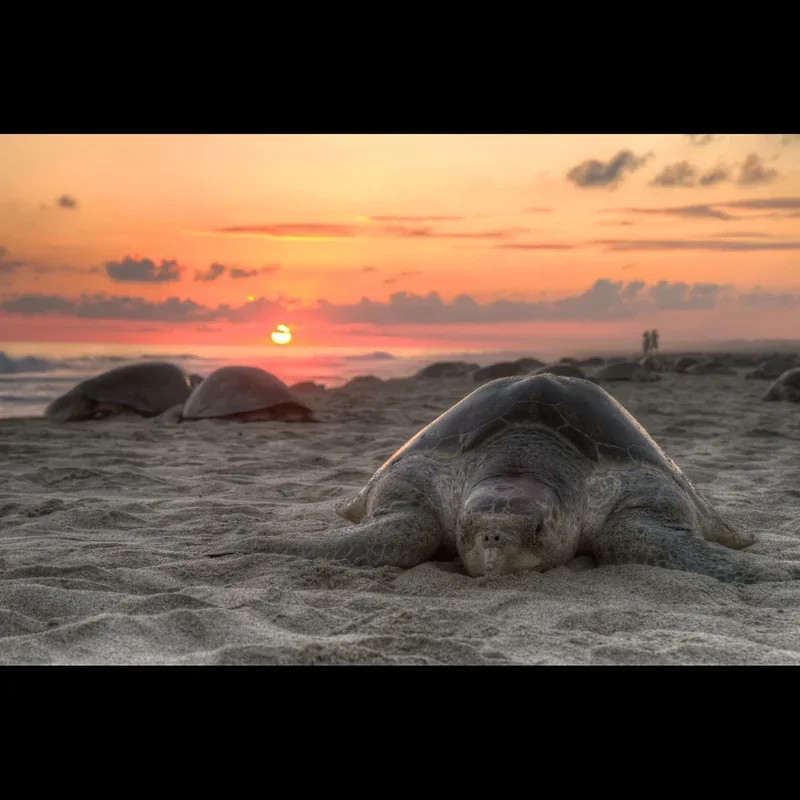
Keep a keen eye out for larger marine residents; dolphins are often sighted, and manta rays make appearances, particularly during their migratory periods. Encounters with the elusive octopus are possible, and sea turtles are commonly spotted traversing the reef.
During specific seasons, migratory whale sharks also pass through these waters, offering a truly spectacular sight.
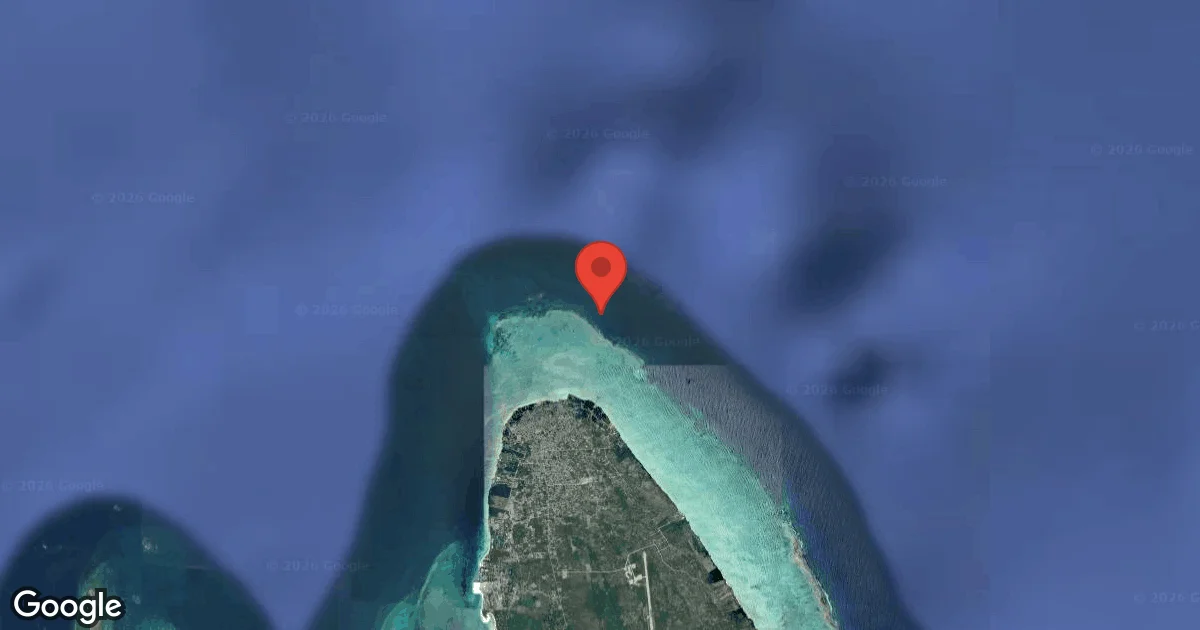
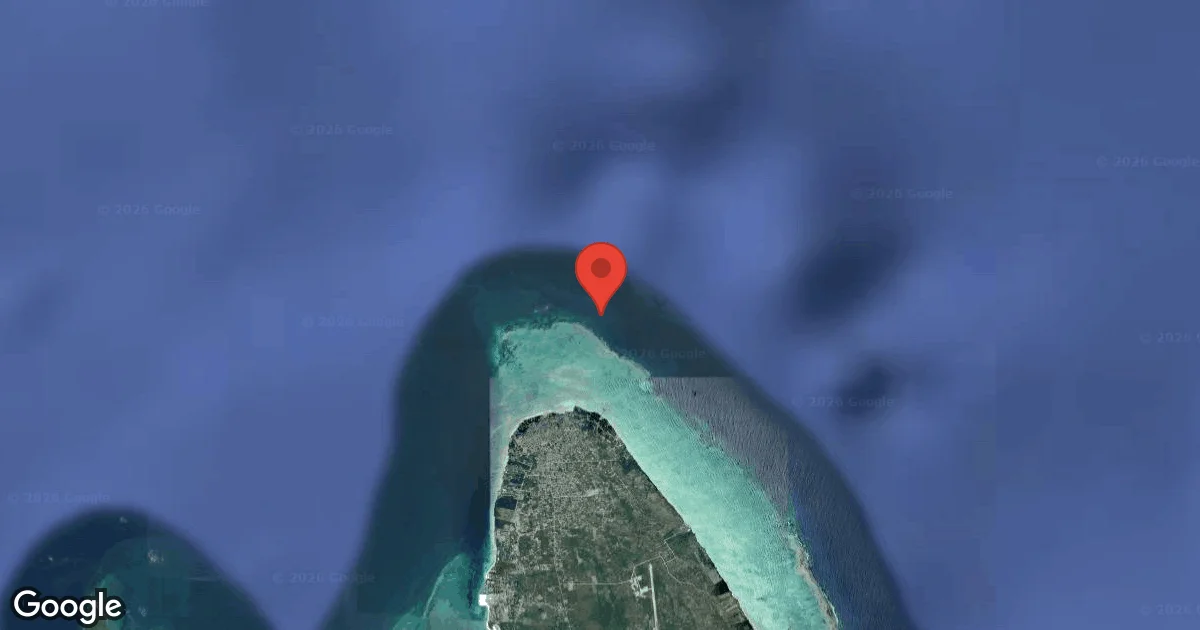
Dive Sites Near Muyuni Plate Corals
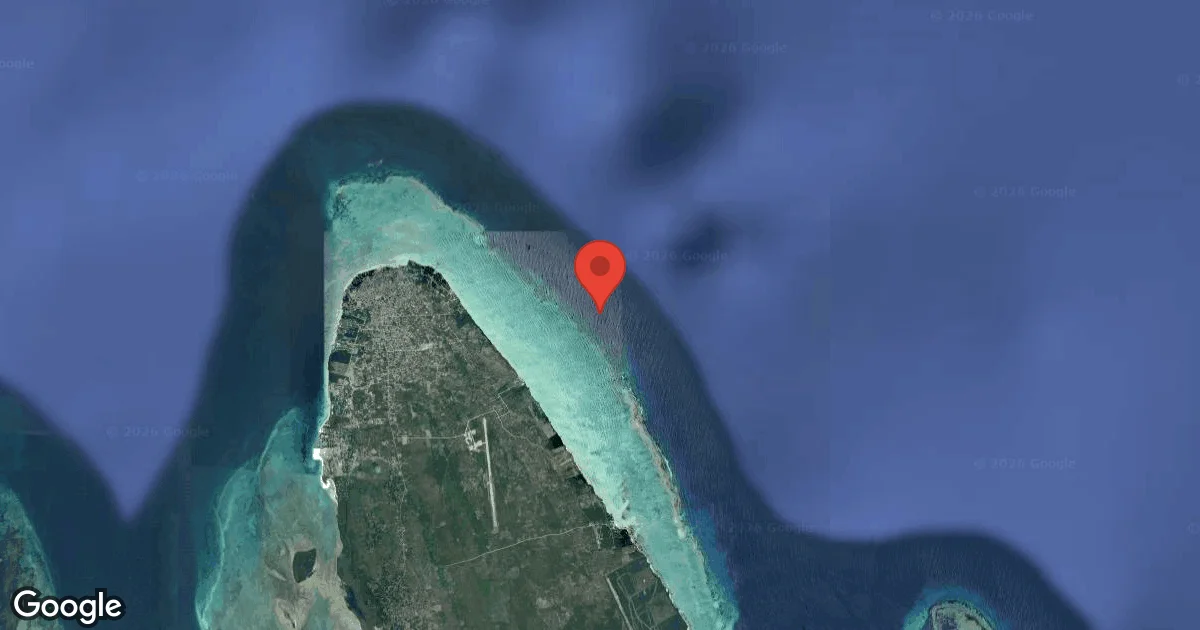
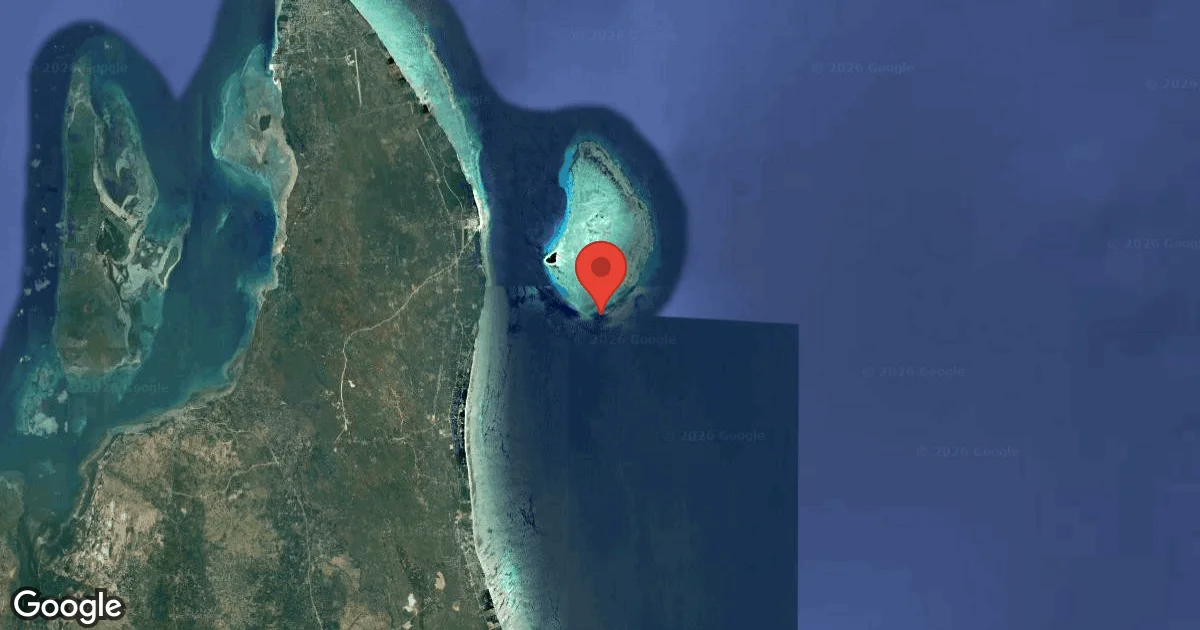
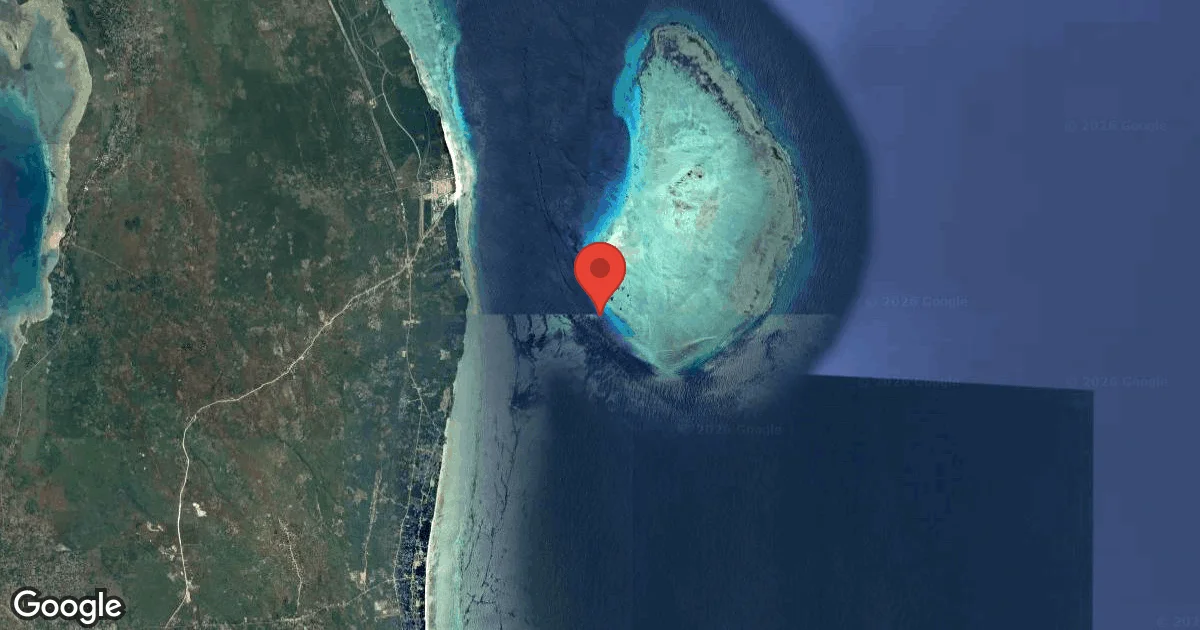
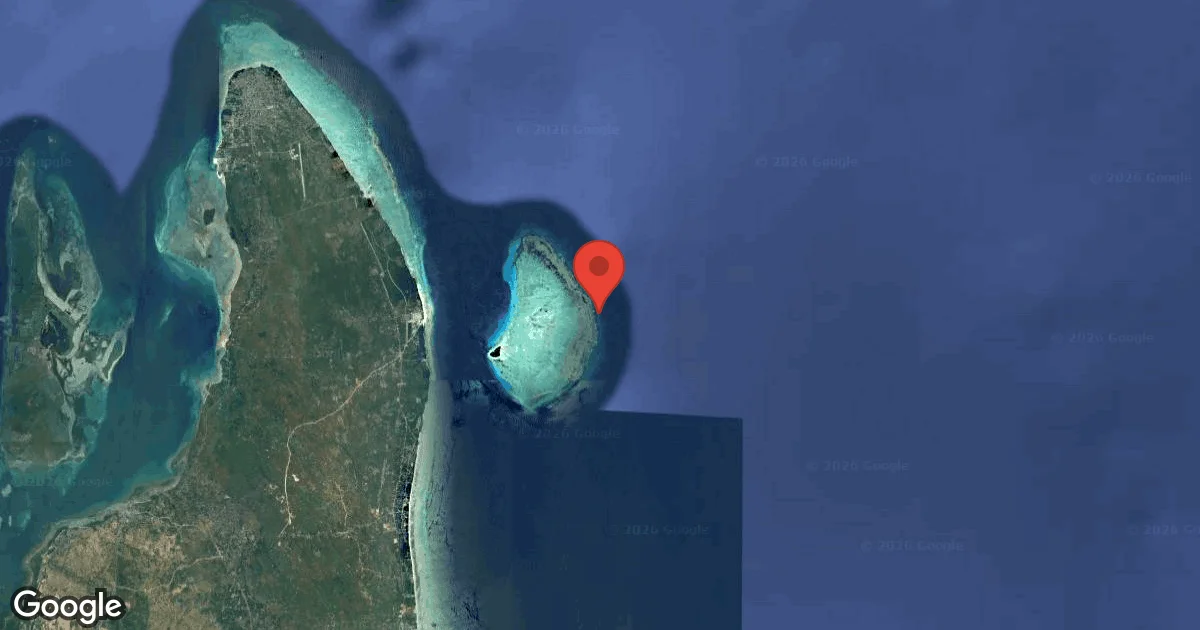
View all dive sites in TanzaniaDiscover more underwater gems in this area.
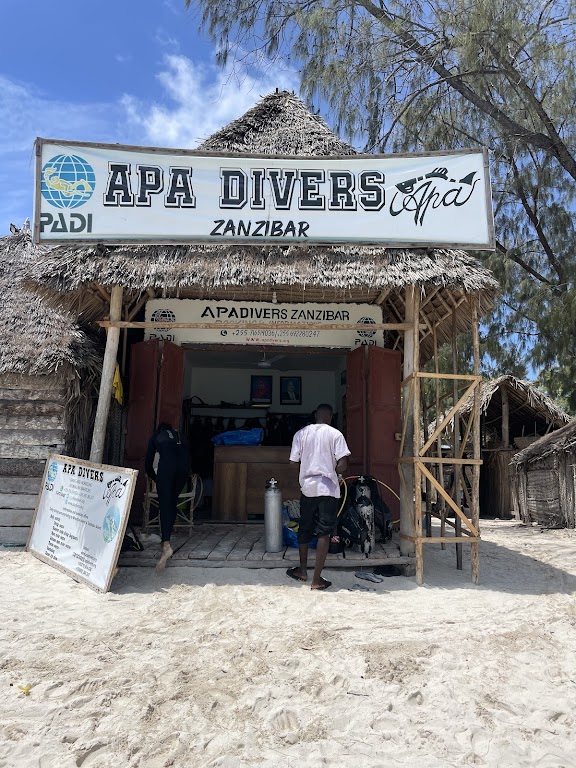
Dive Centers Near Muyuni Plate Corals
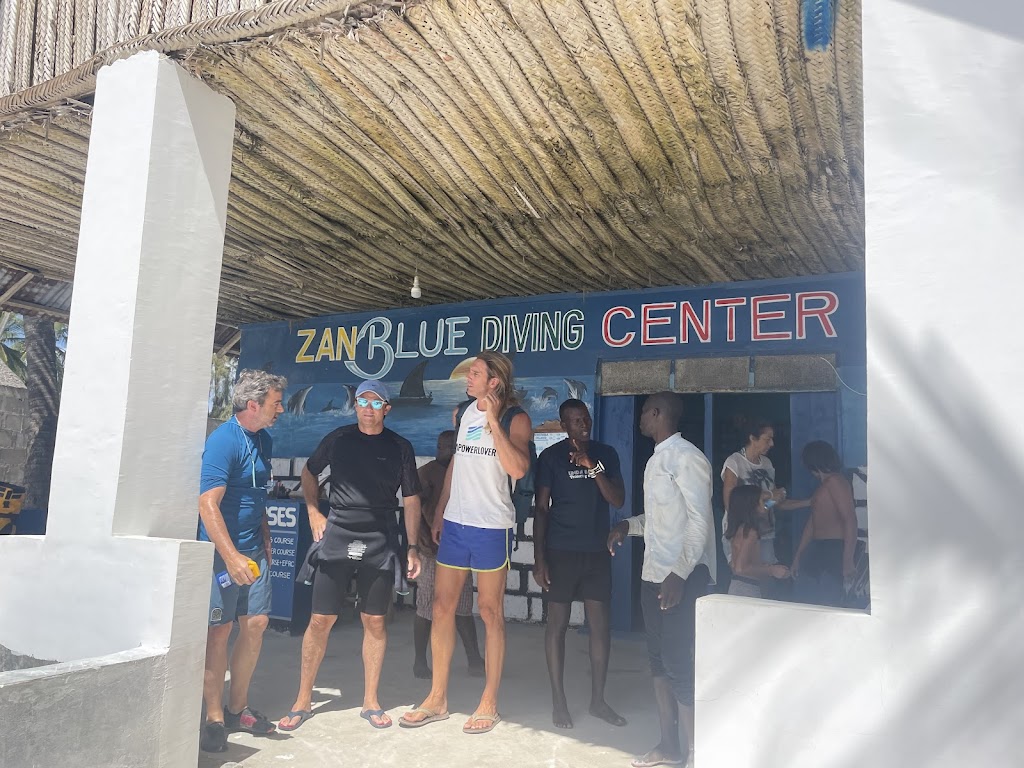
Today: 07:00 - 18:00
Nearest Airports
Nearest airports to help plan travel to this dive area.
Search Flights
Check available flights and routes on Expedia, using the nearby airports listed in this section.
Search Flights on ExpediaFrequently Asked Questions
What is the typical visibility at Muyuni Plate Corals?
Visibility at this site is often exceptional, with divers frequently reporting more than 35 meters / 115 feet of clear water. This allows for expansive views of the coral formations and marine life.
What are the water temperatures like?
Water temperatures are consistently warm, ranging between 27 and 29°C / 81-84°F. This makes for very comfortable diving, generally requiring only light exposure protection.
When is the best time to dive for calm conditions?
The dry season, from June to October, typically offers the calmest seas and best overall visibility. This period is ideal if you prioritize clear, placid diving conditions.
Can I see large marine animals like whale sharks or manta rays?
Yes, during the wet season, which runs from November to May, there's a higher chance of encountering migratory species like whale sharks and manta rays. Dolphins and sea turtles are also seen regularly.
Are there strong currents at Muyuni Plate Corals?
Currents can vary, and dive operators often assess them in real-time to adjust dive plans. Planning around tidal shifts is also important for site access and comfortable diving.
What type of coral is most prominent at the site?
The site is particularly known for its extensive and healthy formations of giant plate corals. These robust structures create the primary habitat for much of the site's marine life.
Planning to dive Muyuni Plate Corals?
Send one inquiry and receive offers directly from the best verified local dive operators.
Conditions are Moderate
Optimal conditions expected
Current conditions near Muyuni Plate Corals show 26° air, 27° sea temperature, 2.0 m waves, and 35 km/h wind. Forecast data is refreshed regularly to ensure accuracy.