
Diving at Nankiville (Tanzania)
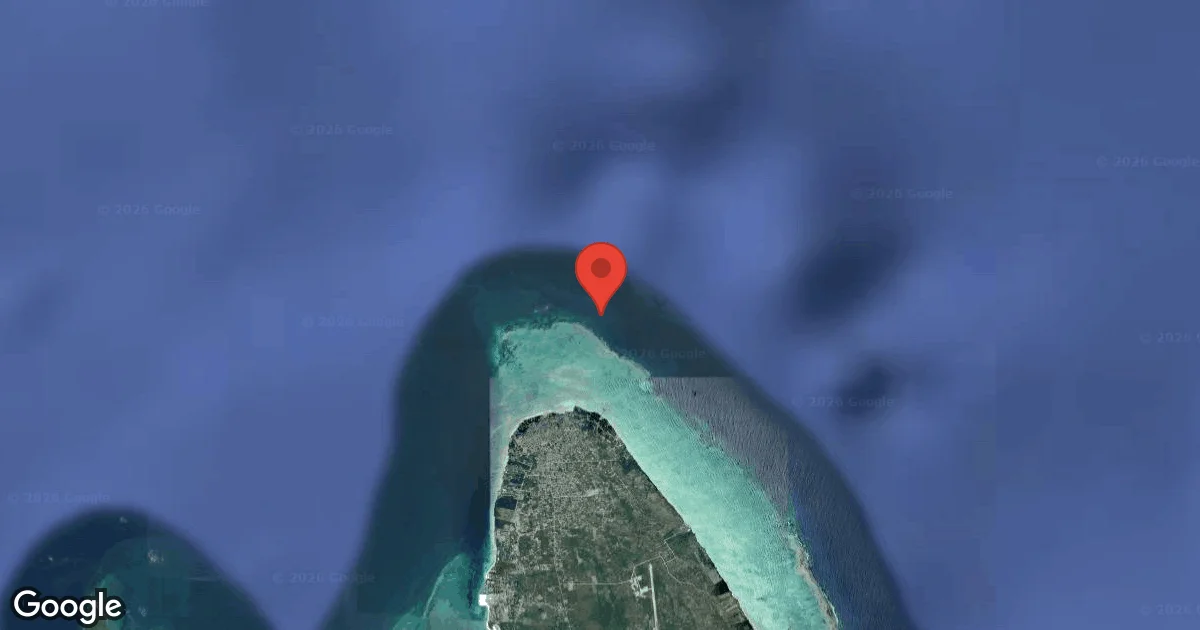
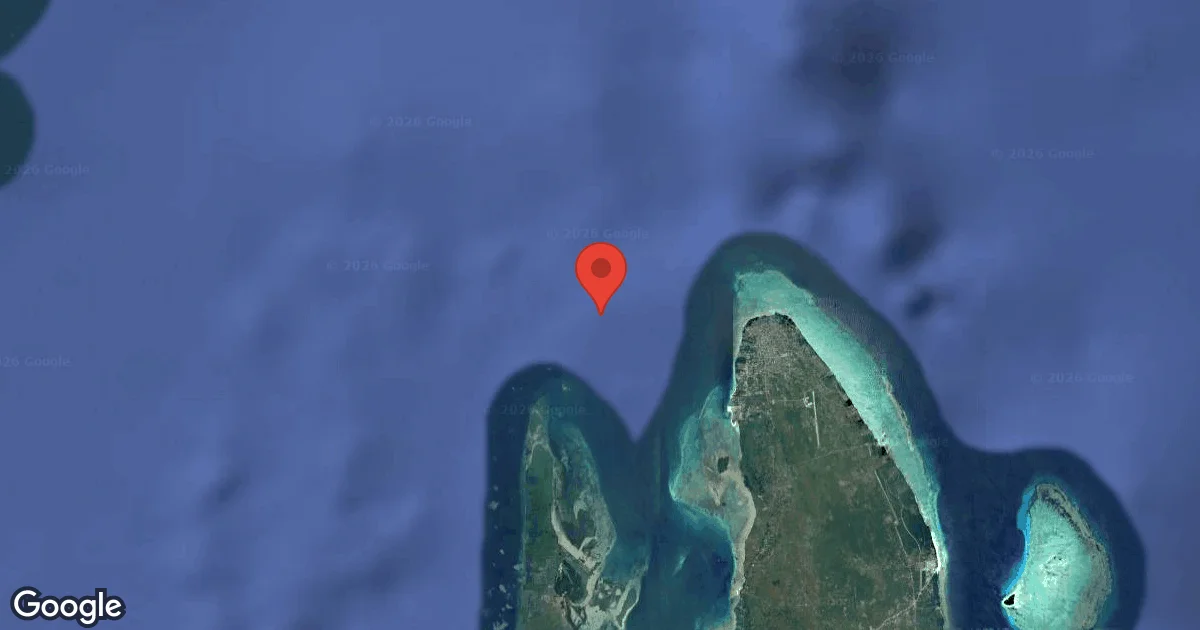
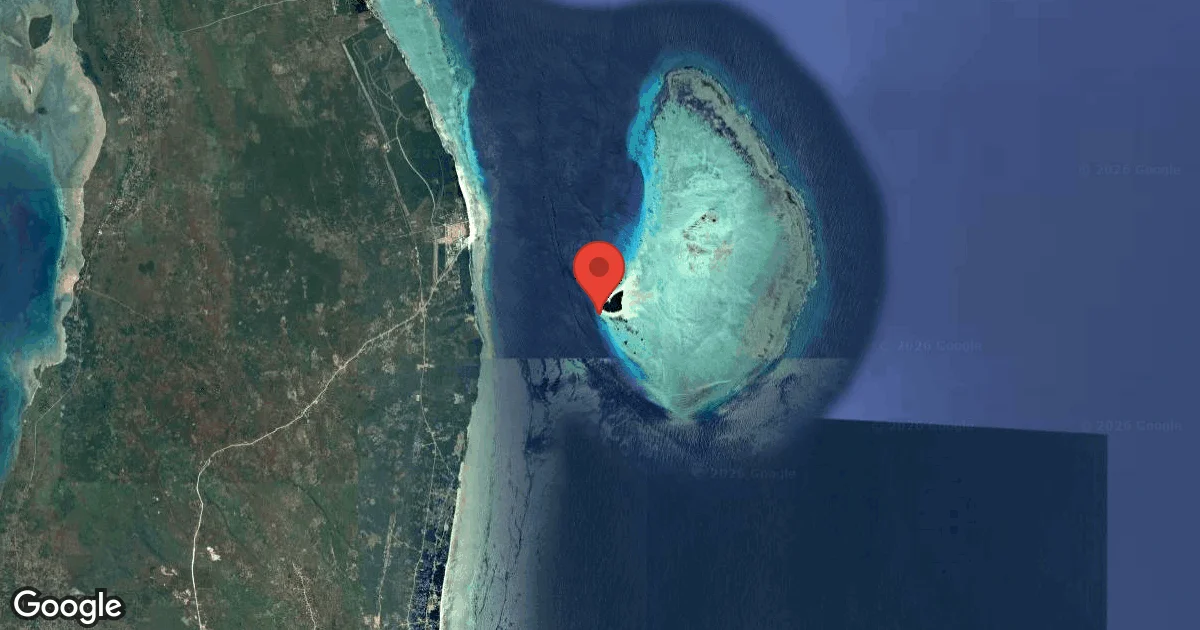
Nankivell Reef presents itself as a distinct patch reef, found approximately four nautical miles from shore in the open sea. Unlike many fringing reefs surrounding islands, this site comprises a series of interconnected bommies, rich with both hard and soft corals. Reaching a maximum depth of 16 m (52 ft), it offers a concentrated marine experience for certified divers. Its isolation contributes to a vibrant ecosystem.
Evening condition tracking at Nankiville features an air temperature of 25°C. We have recorded wave heights measuring 0.7 m during this period. These figures outline the environmental parameters currently present.
Dive Site Location & Key Facts
Dive Site Overview
Nankivell Reef stands as a distinctive underwater formation, a patch reef positioned approximately four nautical miles out to the open sea, setting it apart from typical fringing reefs found closer to Zanzibar's islands. Composed of a series of interconnected coral bommies, each structure is adorned with a rich tapestry of both hard and soft corals.
Reaching a maximum depth of 16 m (52 ft), Nankivell presents a dive experience focused on these concentrated structures rather than expansive walls. Its isolated nature often concentrates marine activity, creating opportunities for encounters with vibrant schools of fish. Often referred to as a "sister reef" to the adjacent Hunga Reef, this site's character demands a specific diving approach.
Unlike drift dives common on continuous fringing reefs, Nankivell encourages close observation around its bommies. Divers will find themselves navigating through intricate coral gardens, where the density of schooling fish can at times almost obscure the underlying reefscape.
The geological setup and resulting concentrated biodiversity make Nankivell a compelling destination for those seeking a departure from more conventional reef systems.
Conditions are Moderate
Optimal conditions expected
Current conditions near Nankiville show 25° air, 27° sea temperature, 0.8 m waves, and 31 km/h wind. Forecast data is refreshed regularly to ensure accuracy.
Best Time to Dive
Planning a dive at Nankivell Reef is generally favorable for much of the year, with optimal conditions typically observed in March and November, both months rated as "Excellent" for diving. During these periods, air temperatures average a comfortable 28°C (82°F) and 27°C (81°F) respectively, paired with lower rainfall. Most other months are rated "Good" for diving, with air temperatures consistently ranging between 25.5°C and 28.5°C (77.5-83.5°F). Rainfall varies, peaking slightly in April and May, but otherwise remaining relatively low, ensuring good surface conditions. Calm seas and mild weather are more prevalent during these 'Excellent' rated months, enhancing the overall dive experience at this open-sea patch reef.
PEAK SEASON SCORE
Scores combine air & water temps, waves, wind & rainfall for overall conditions.
BEST MONTHS TO DIVE
Monthly records compiled from satellite and marine observation nodes over the last 3 years. Data provided by Open-Meteo and MET Norway.
Dive Experience & Conditions
Navigating Nankivell Reef often hinges on timing your dive with slack tide to minimize the potential for strong currents. As an open-sea patch reef, it's more exposed to ocean dynamics compared to sheltered fringing reefs. Divers should anticipate a potential for currents, and consequently, it's recommended to utilize a buoy line for a controlled descent and ascent. Staying close to the interconnected bommies, which feature both hard and soft coral formations, is crucial rather than attempting to drift. The maximum depth encountered here is 16 meters, placing it well within recreational limits. Visibility can vary, but generally remains good, allowing appreciation of the concentrated marine life.
Dive Difficulty & Safety Guidelines
Diving at Nankivell Reef necessitates clear communication with your guide, particularly regarding any equalization challenges or the need for a slower descent. Due to the potential for currents in this open-sea environment, descending and ascending with your buddy and holding onto a buoy line is a practical safety measure to maintain group cohesion. Divers should always remain aware of their surroundings and monitor their air consumption, especially when navigating around the coral bommies.
There are no specific hazards beyond general oceanic conditions, emphasizing the importance of proper planning and buddy procedures on every dive. Maintain good buoyancy control throughout the dive to protect the delicate coral structures.
Recommended Equipment
- Dive Computer
- DSMB
This gear list is based on verified equipment signals for Nankiville, Tanzania. Always confirm final gear choices with your dive operator, guide, or liveaboard.
Recommended Dive Suit
For divers planning standard recreational dives, 2-3mm shorty or light wetsuit is usually a suitable option. Divers vary widely in how quickly they feel cold underwater.
At the moment, divers exploring Nankiville will likely experience water temperatures near 27°C (80°F). Surface air temperatures are resting at 25°C (77°F).
The forecast outlook suggests that temperatures will stay close to current levels.
Due to technical issues with our weather providers, live updates are temporarily delayed. The data above reflects the conditions at the time of the last successful fetch.
Emergency & Medical Support
Essential information to help you plan your dive trip to Nankiville.

Hyperbaric chambers are a critical part of dive safety infrastructure. Availability varies significantly by region, and not all dive areas have immediate access.
Before diving, it's recommended to:
- confirm nearest medical facilities
- check emergency procedures with local dive operators
- ensure dive insurance covers evacuation if required
Divers Alert Network
Diving emergency assistance available through DAN Southern Africa.
+27828106010- 24/7 emergency hotline
- Diving medical assistance
- Evacuation coordination
Emergency contacts are provided for reference. Always verify local emergency services before diving.
Marine Life at Nankiville
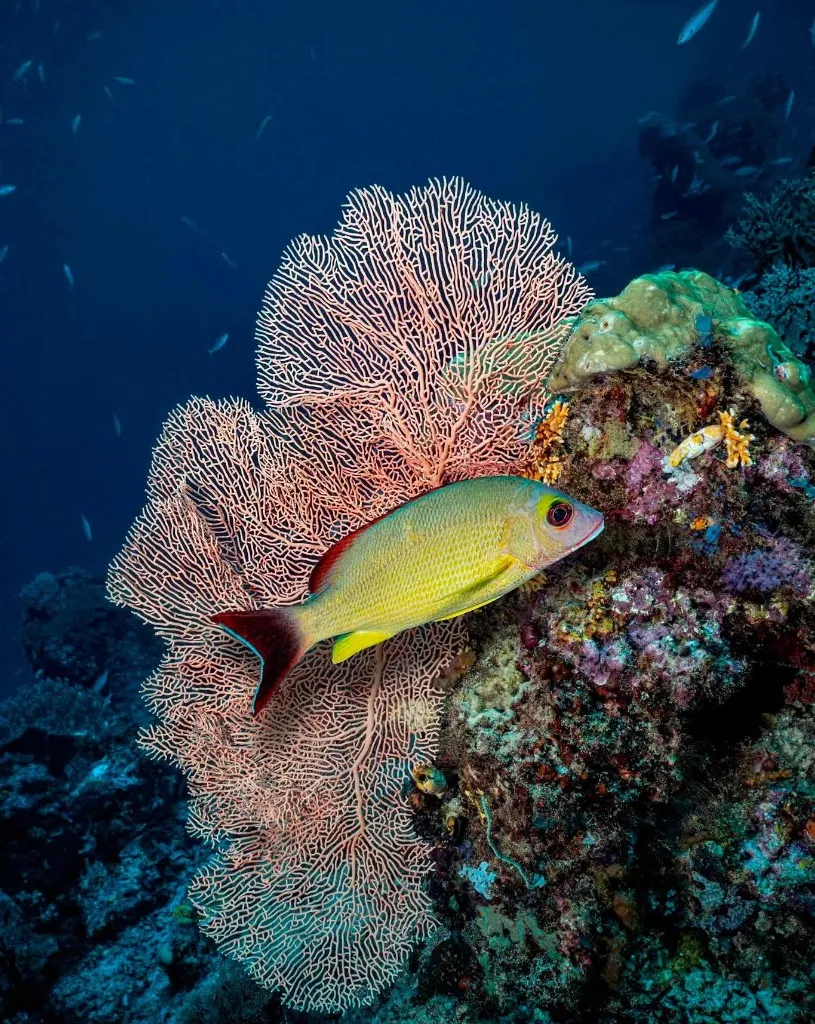
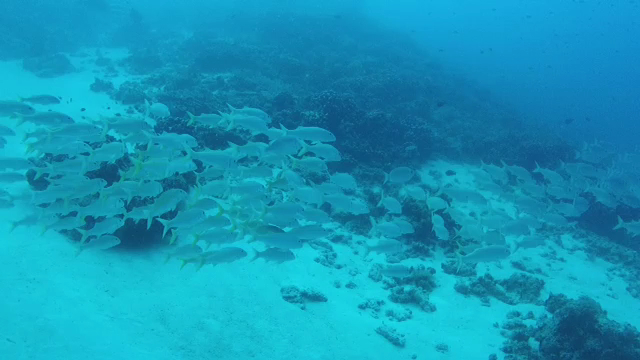
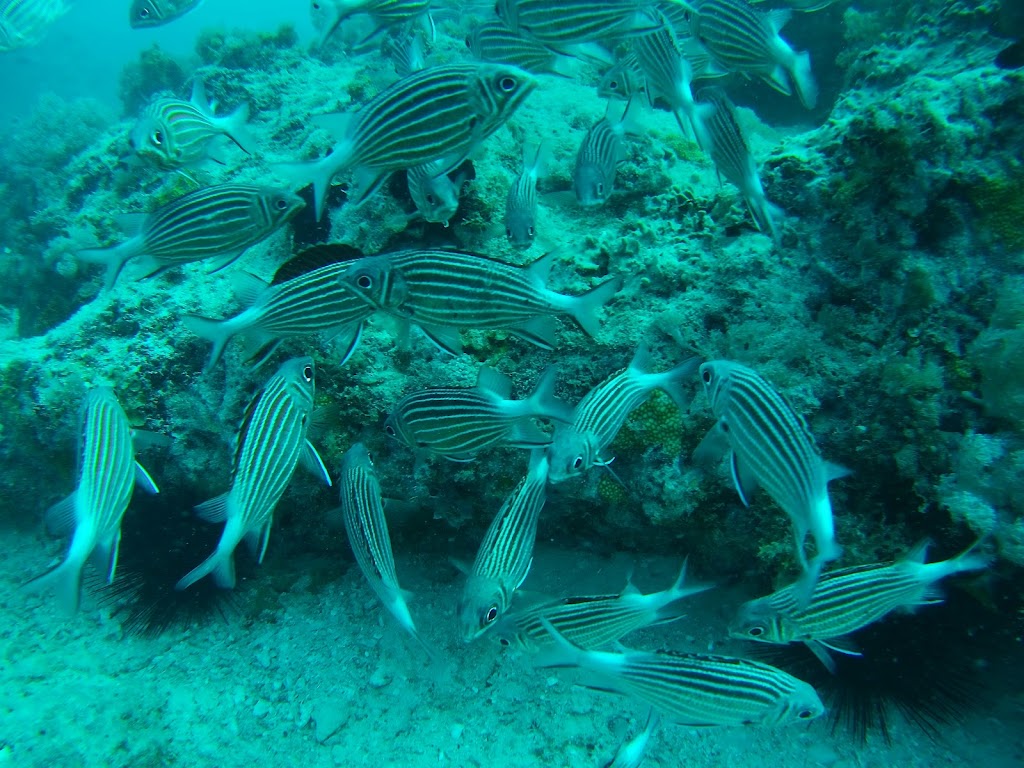
The vibrant underwater landscape of Nankivell Reef teems with a variety of schooling fish that are often the focal point of the dive. Large aggregations of yellow snappers, twin stipe fusiliers, and emperors are commonly encountered, sometimes forming such dense schools they momentarily obscure the underlying hard and soft corals.
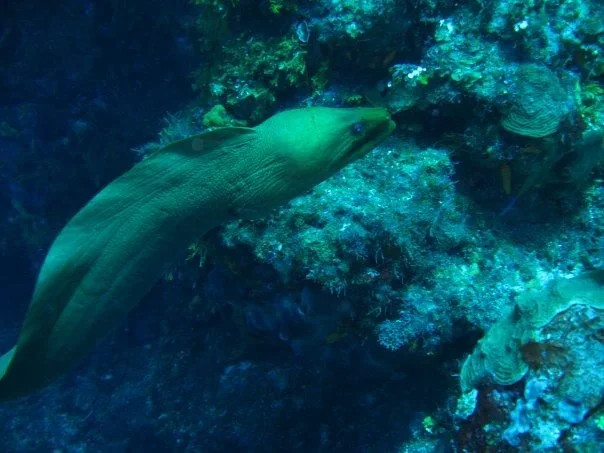
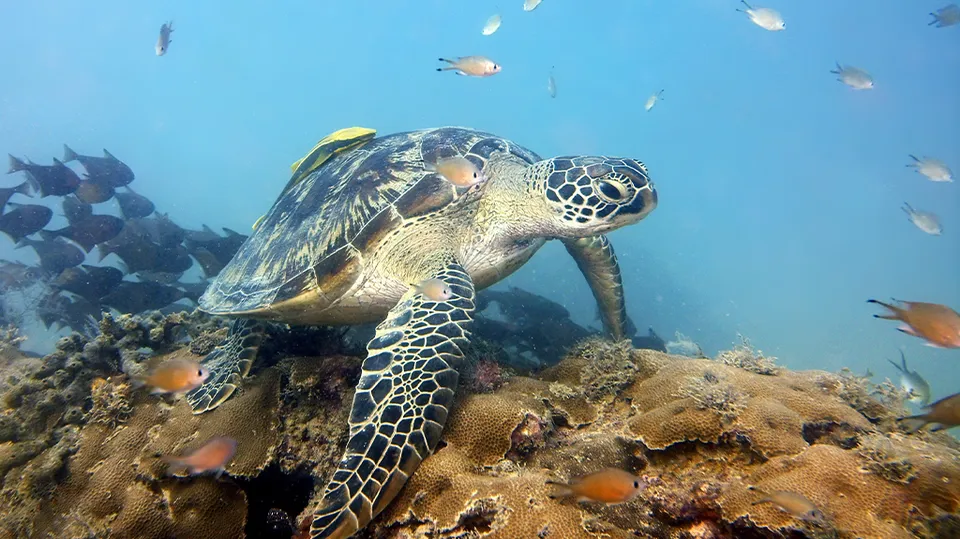
Divers can also spot parrotfish, unicorn surgeonfish, and brightly colored coral groupers patrolling the bommies. Moray eels often hide within crevices, while crocodile fish blend into the reef.
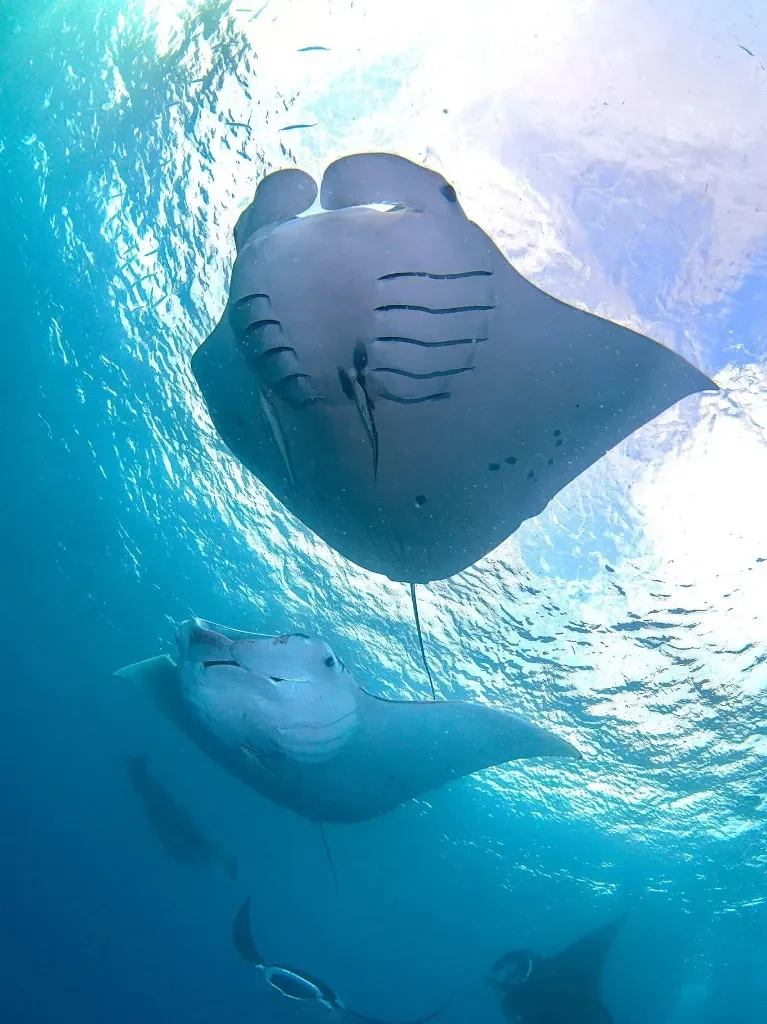
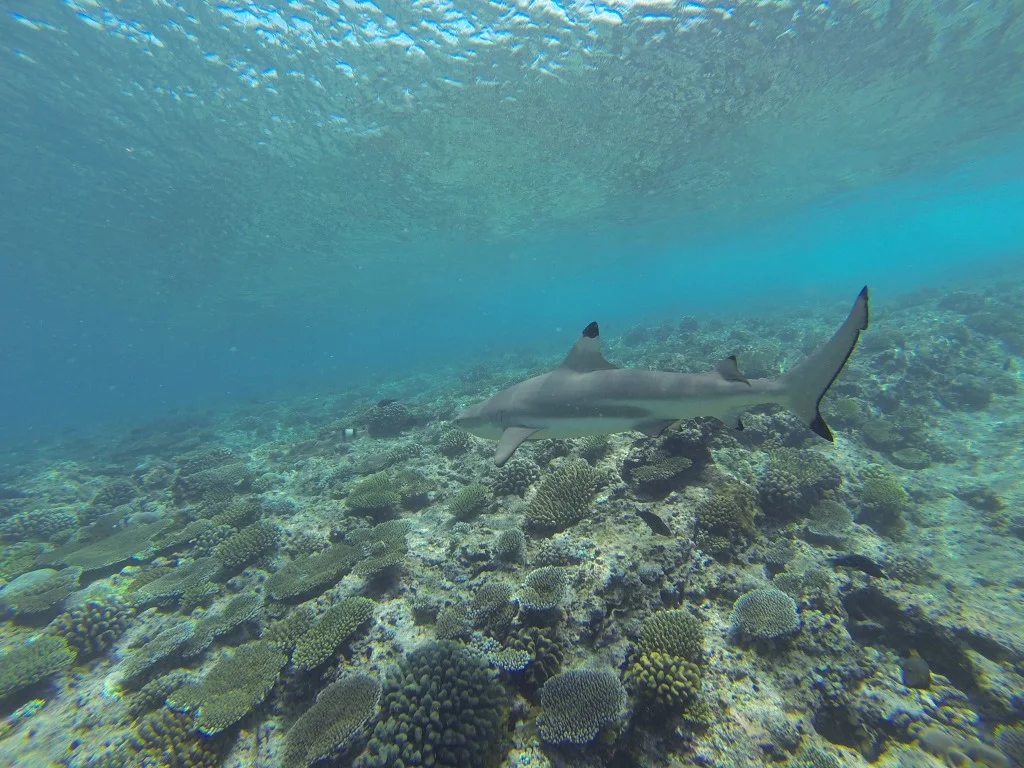
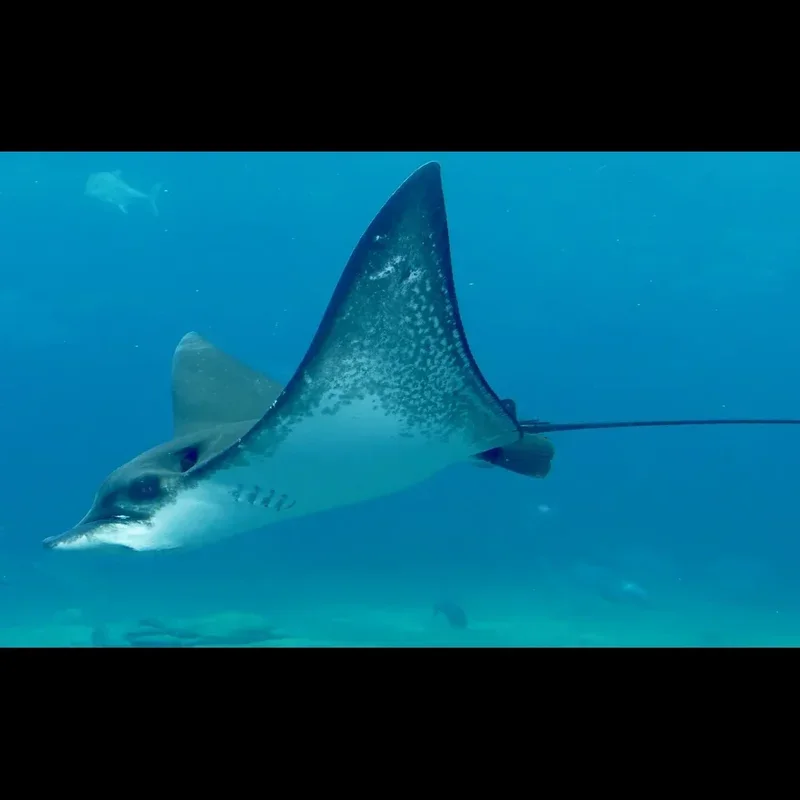
Trevally are frequently seen moving in to feed on smaller prey. While less common, fortunate divers have reported sightings of sharks, eagle rays, and even manta rays, adding an element of rare excitement.
Dive Sites Near Nankiville
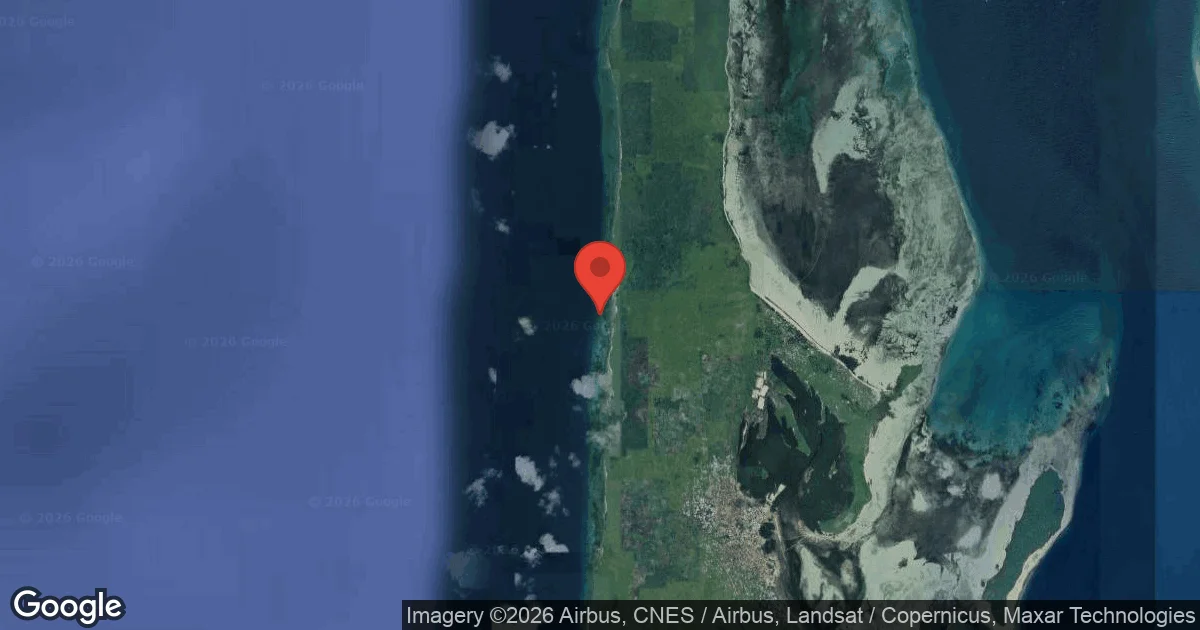
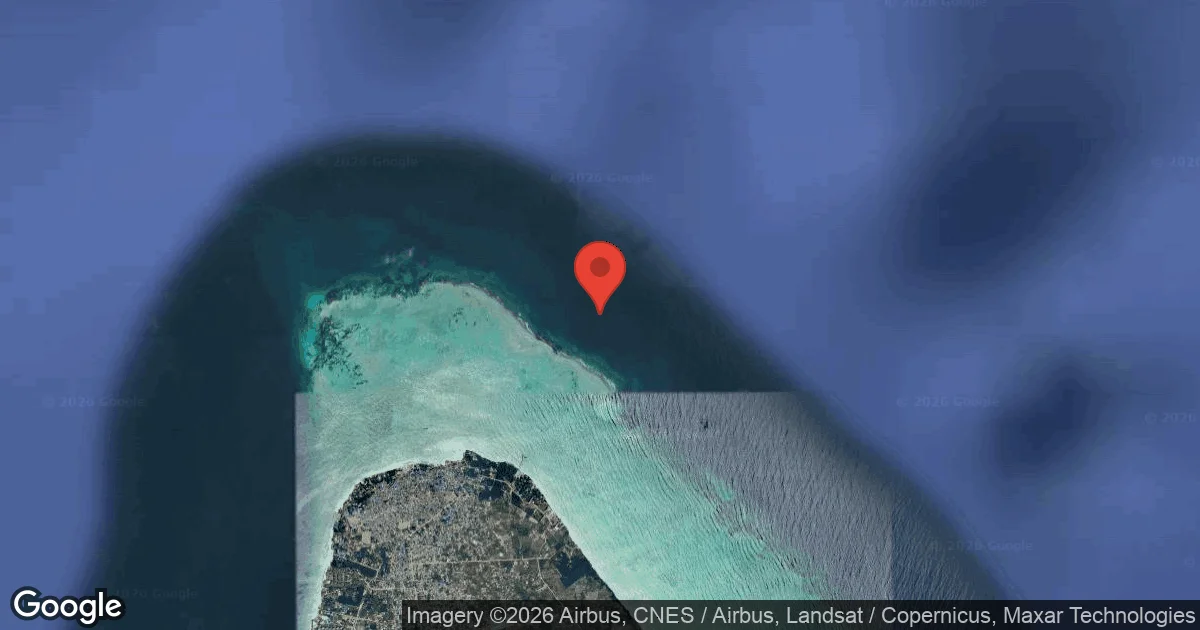
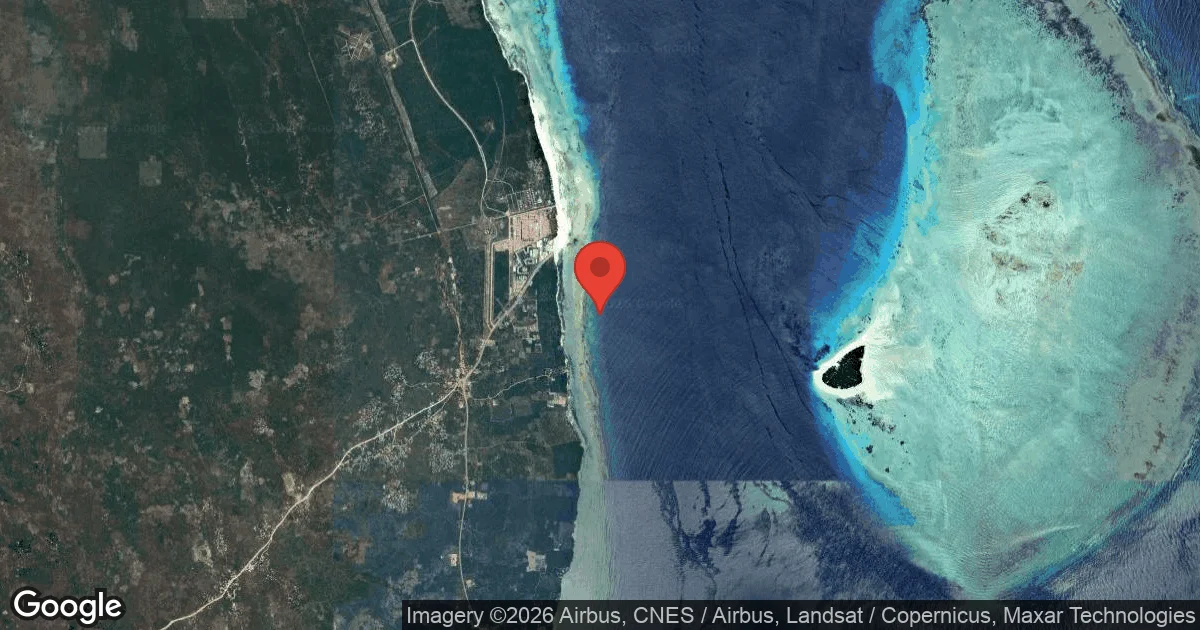
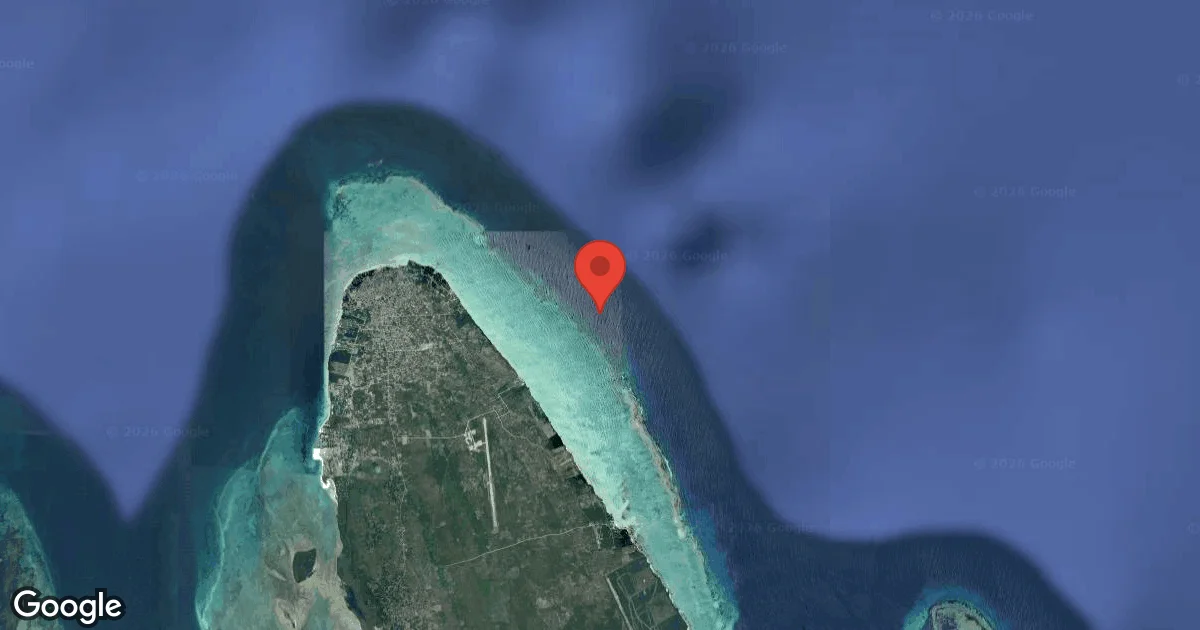
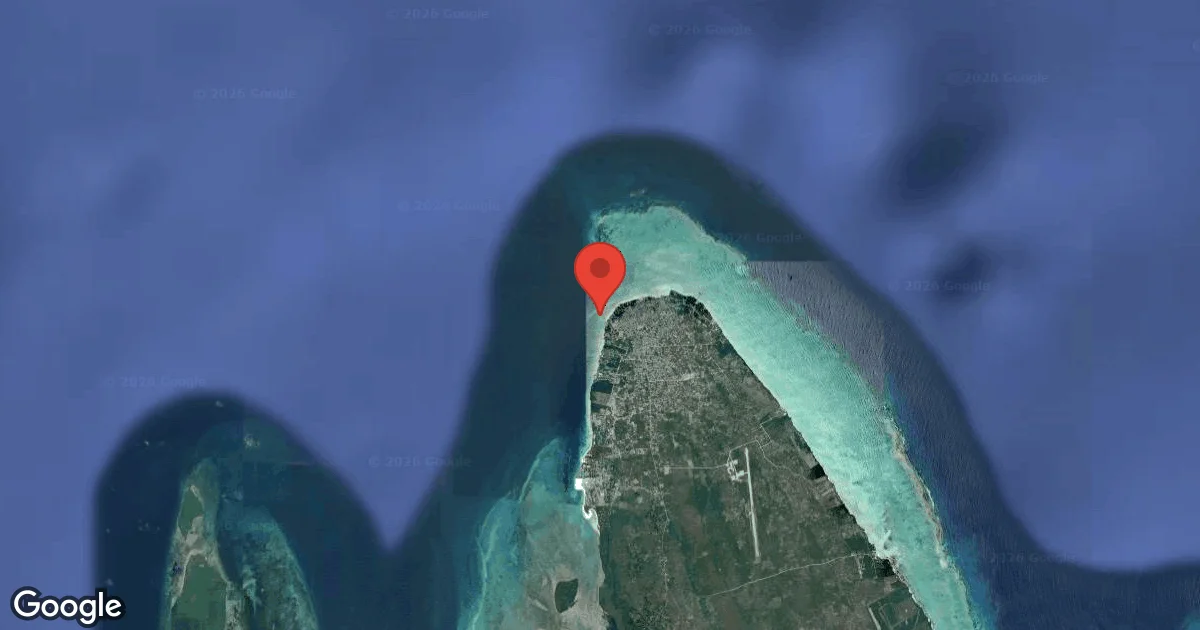
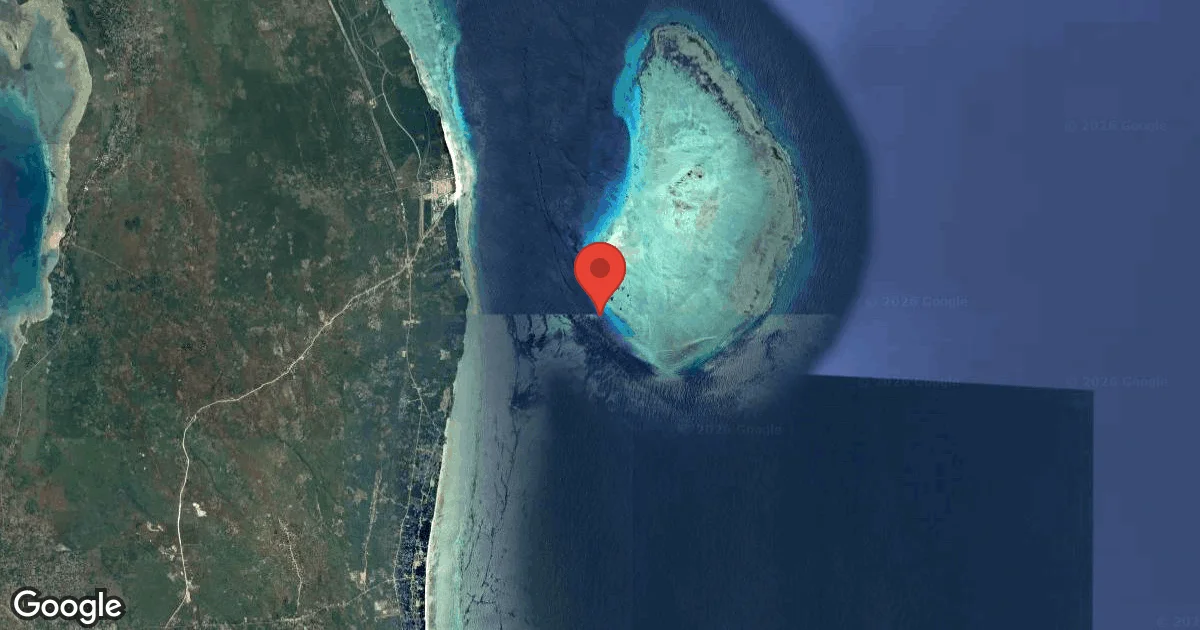
View all dive sites in TanzaniaDiscover more underwater gems in this area.
Dive Centers Near Nankiville
Today: 08:00 - 17:30
Nearest Airports
Nearest airports to help plan travel to this dive area.
Search Flights
Check available flights and routes on Expedia, using the nearby airports listed in this section.
Search Flights on ExpediaFrequently Asked Questions
What kind of reef is Nankivell?
Nankivell is a distinctive patch reef, located approximately four nautical miles offshore. It's characterized by a series of interconnected coral bommies, composed of a variety of hard and soft corals.
What is the maximum depth at Nankivell Reef?
A maximum depth of 16 m (52 ft) is common at Nankivell Reef, making it suitable for most certified recreational divers.
Are there strong currents at Nankivell Reef?
Being an open-sea patch reef, Nankivell can experience currents. It is highly recommended to dive during slack tide to minimize these currents and make for a more enjoyable experience.
What marine life can I expect to see?
Divers frequently encounter large schools of yellow snappers, fusiliers, and emperors. Other common sightings include parrotfish, moray eels, coral groupers, and trevally. Rare sightings of sharks, eagle rays, and manta rays have also been reported.
Is Nankivell Reef suitable for beginner divers?
While within recreational limits, the potential for currents and its open-sea location suggest it's more suitable for divers comfortable with managing variable conditions. Beginners should discuss their experience level with their dive operator.
What are the best months to dive Nankivell Reef?
March and November are rated as 'Excellent' for diving, with good weather and lower rainfall. Most other months of the year are also rated 'Good', offering generally favorable conditions.
Planning to dive Nankiville?
Send one inquiry and receive offers directly from the best verified local dive operators.
Conditions are Moderate
Optimal conditions expected
Current conditions near Nankiville show 25° air, 27° sea temperature, 0.8 m waves, and 31 km/h wind. Forecast data is refreshed regularly to ensure accuracy.