
Diving at Hunga (Tanzania)
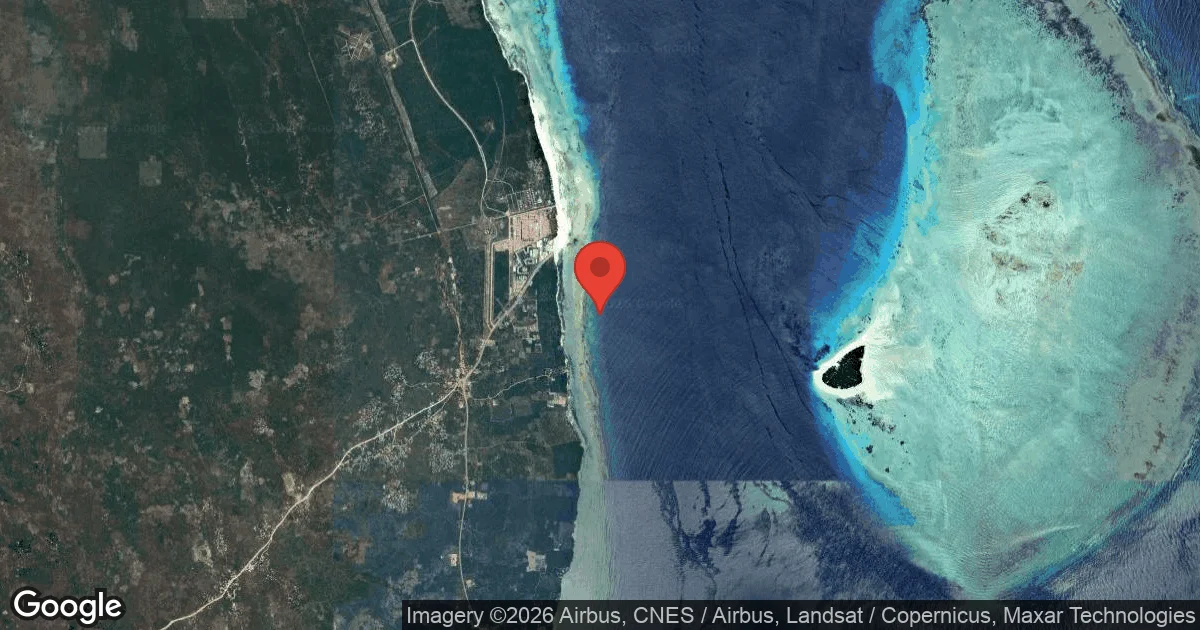
Hunga Reef presents an engaging dive experience, well-suited for intermediate and advanced divers due to potential currents. This patch reef, located four nautical miles out to open sea from Zanzibar, offers vibrant coral formations and prolific marine life. While accessible to many, divers should possess good buoyancy control and comfort in varied conditions. Its sister site, Nankivell Reef, is nearby, providing a complementary dive opportunity.
Evening condition tracking at Hunga features an air temperature of 24.5°C. We have recorded wave heights measuring 0.5 m during this period. These figures outline the environmental parameters currently present.
Dive Site Location & Key Facts
Dive Site Overview
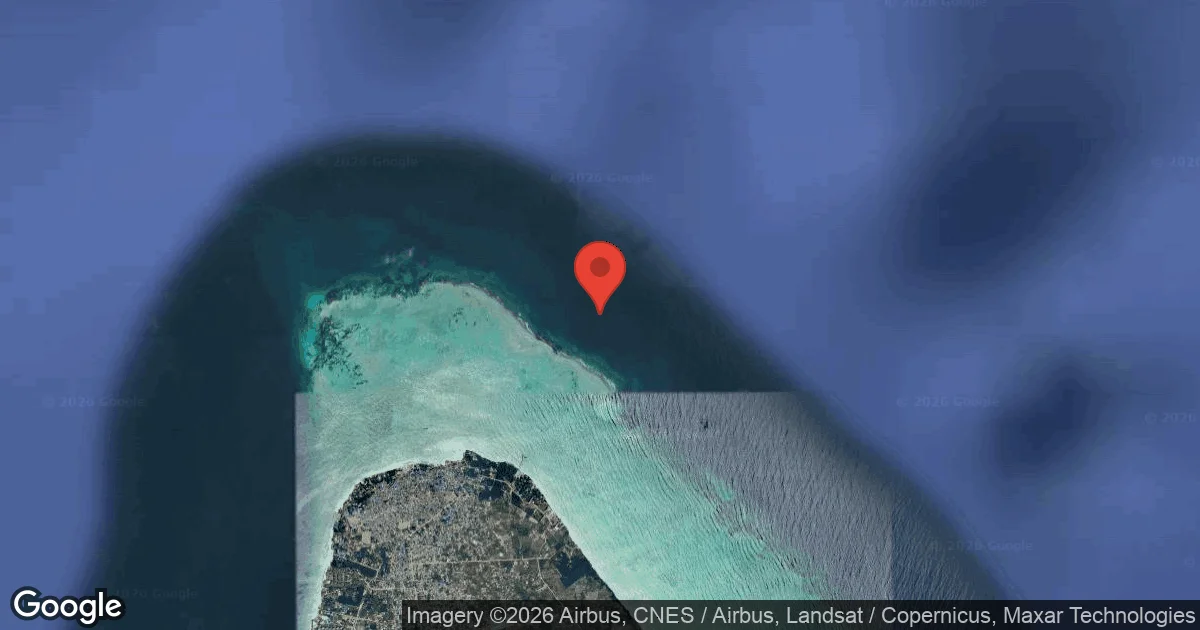
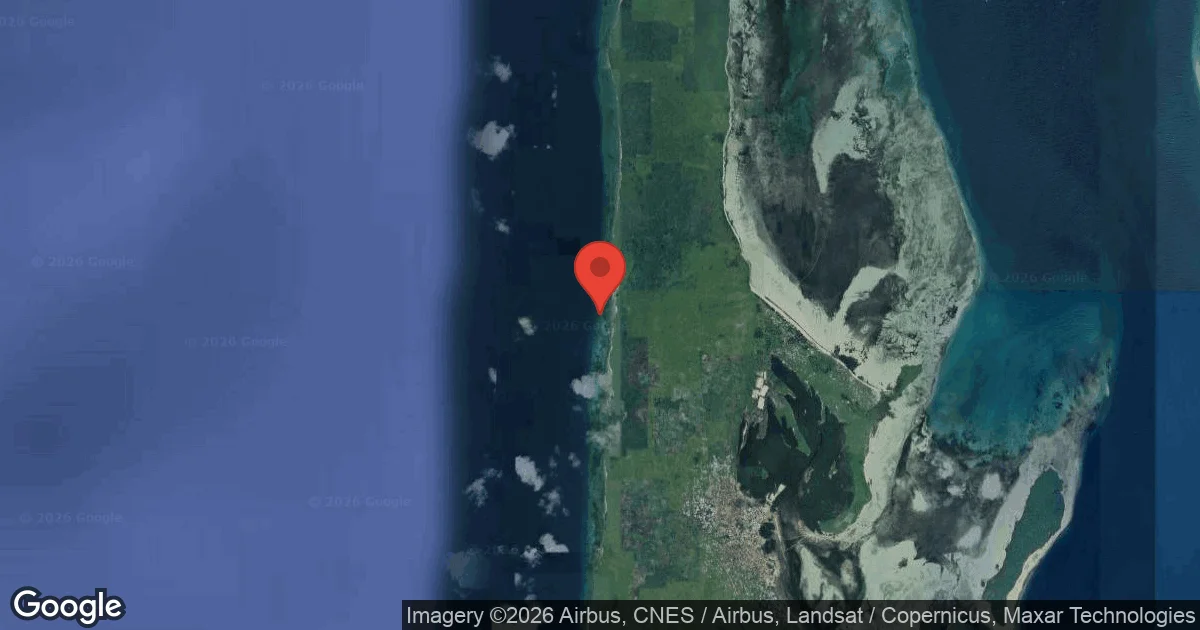
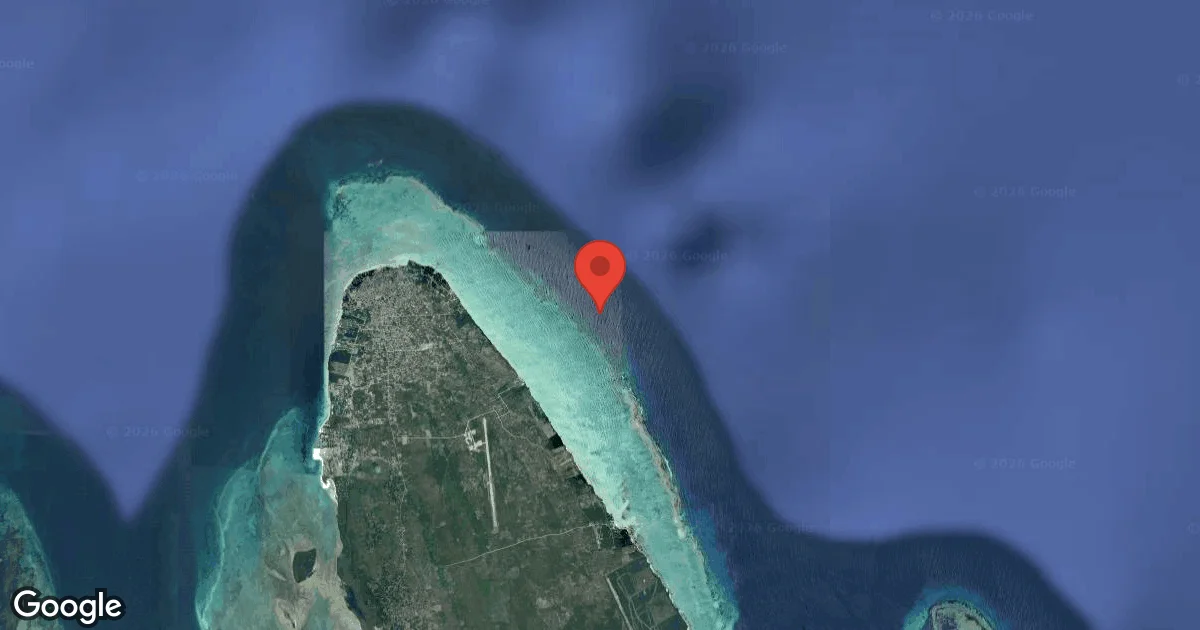
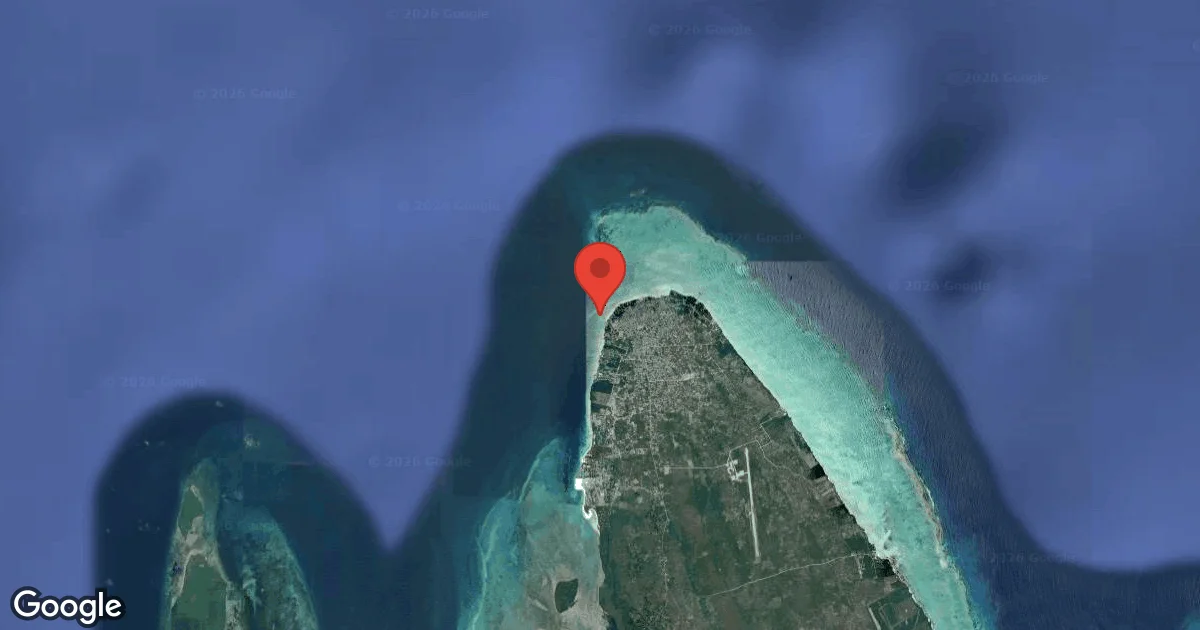
For years, Hunga and its nearby counterpart, Nankivell Reefs, have been known as significant patch reefs off the coast of Zanzibar. Unlike the fringing reefs that hug the islands, these sites are distinctive for their offshore location, roughly four nautical miles out into the open ocean.
Hunga Reef itself comprises a network of interconnected bommies, creating an intricate underwater structure that divers can explore. These bommies are richly adorned with both hard and soft corals, forming a vibrant habitat. It's often described as a large, roofless house with various rooms to navigate.
Maximum depths at Hunga range from 16-18 m (52-59 ft), making it firmly within recreational limits. Nankivell Reef, similarly structured, reaches a maximum depth of 16 m.
Dive operators frequently visit these sites by boat from areas like Paje, typically requiring a short trip. The unique formation of these patch reefs in open water contributes to the diversity of marine life observed here.
Conditions are Excellent
07:00 - 14:00
Optimal conditions expected
Current conditions near Hunga show 25° air, 27° sea temperature, 0.5 m waves, and 23 km/h wind. Forecast data is refreshed regularly to ensure accuracy.
Best Time to Dive
Optimal conditions for diving at Hunga Reef are generally experienced from November through September, offering an extended favorable season. During these months, average air temperatures range between 25°C (77°F) in July to 28.5°C (83°F) in February, contributing to comfortable surface intervals. Wave heights are typically manageable, often remaining below 0.9 m (3 ft), particularly during March and November when they average around 0.5 m (1.6 ft), which are rated as "Excellent" dive scores. Rainfall is lowest from July to October, averaging 1.3-2.8 mm (0.05-0.11 inches). While water temperatures are not consistently reported in the climate data, external sources indicate a range of 25-30°C (77-86°F) year-round. Diving outside these peak months might encounter slightly increased wave activity and rainfall, but good conditions can still occur.
PEAK SEASON SCORE
Scores combine air & water temps, waves, wind & rainfall for overall conditions.
BEST MONTHS TO DIVE
Monthly records compiled from satellite and marine observation nodes over the last 3 years. Data provided by Open-Meteo and MET Norway.
Dive Experience & Conditions
As divers begin their descent at Hunga Reef, managing potential currents is a primary consideration. It's important to approach this site on slack tide to minimize current strength, a different strategy compared to drift dives along fringing reefs. Descending with a buddy is essential, and hanging onto a buoy line can help the group stay together, especially if currents are present. Water temperatures typically range from 25-30°C (77-86°F), making a 3mm wetsuit or shorty suitable year-round. Visibility can vary significantly, from 10 to 30 meters (33 to 100 ft), depending on oceanic conditions and plankton blooms. Maximum depth at this site typically falls between 16-18 meters, positioning it well within recreational diving limits. Equalization during descent requires careful attention; divers should communicate any difficulties to their guide and take their time if necessary.
Dive Difficulty & Safety Guidelines
Successful dives at Hunga Reef require adherence to specific procedural guidelines, primarily focused on current management. Always plan your dive for slack tide conditions, as this significantly reduces the impact of currents and allows for a more controlled experience on the patch reef. Descending and ascending with your buddy is non-negotiable for safety.
If strong currents are encountered, utilizing a buoy line during descent and ascent helps maintain group cohesion and prevents separation. Divers should openly communicate any equalization issues to their dive guide to ensure a slow and comfortable descent.
Reaching depths up to 18 m (59 ft) requires standard recreational dive training. Being prepared for varying visibility, from 10-30 m (33-100 ft), also contributes to a safer dive. No specific hazards beyond potential currents are consistently reported for this site.
Recommended Equipment
- Dive Computer
- DSMB
This gear list is based on verified equipment signals for Hunga, Tanzania. Always confirm final gear choices with your dive operator, guide, or liveaboard.
Recommended Dive Suit
Comfort levels can also depend on how active a diver is during the dive.
Environmental readings suggest that the waters surrounding Hunga are about 27°C (81°F) at the moment. Surface air temperatures are resting at 25°C (76°F). When water temperatures fall within this range, many divers dive comfortably with 2-3mm shorty or light wetsuit.
A warming trend is expected over the next few days. A warming trend is expected over the next few days.
Emergency & Medical Support
Essential information to help you plan your dive trip to Hunga.

Hyperbaric chambers are a critical part of dive safety infrastructure. Availability varies significantly by region, and not all dive areas have immediate access.
Before diving, it's recommended to:
- confirm nearest medical facilities
- check emergency procedures with local dive operators
- ensure dive insurance covers evacuation if required
Divers Alert Network
Diving emergency assistance available through DAN Southern Africa.
+27828106010- 24/7 emergency hotline
- Diving medical assistance
- Evacuation coordination
Emergency contacts are provided for reference. Always verify local emergency services before diving.
Marine Life at Hunga
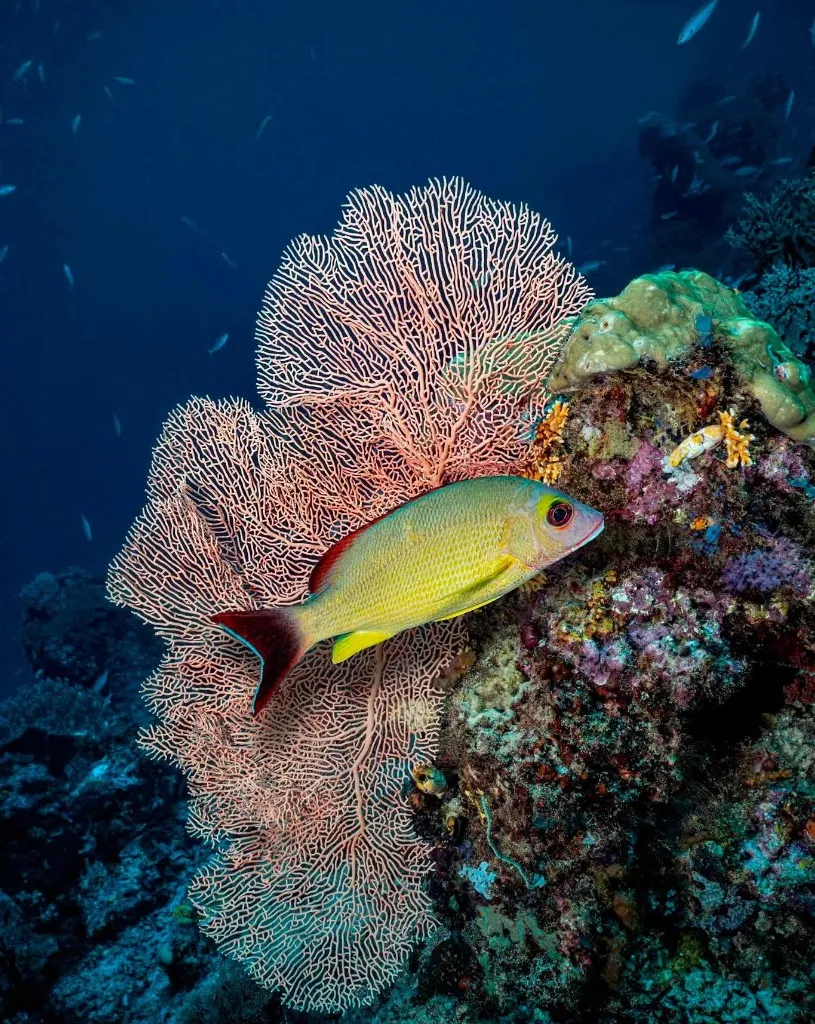
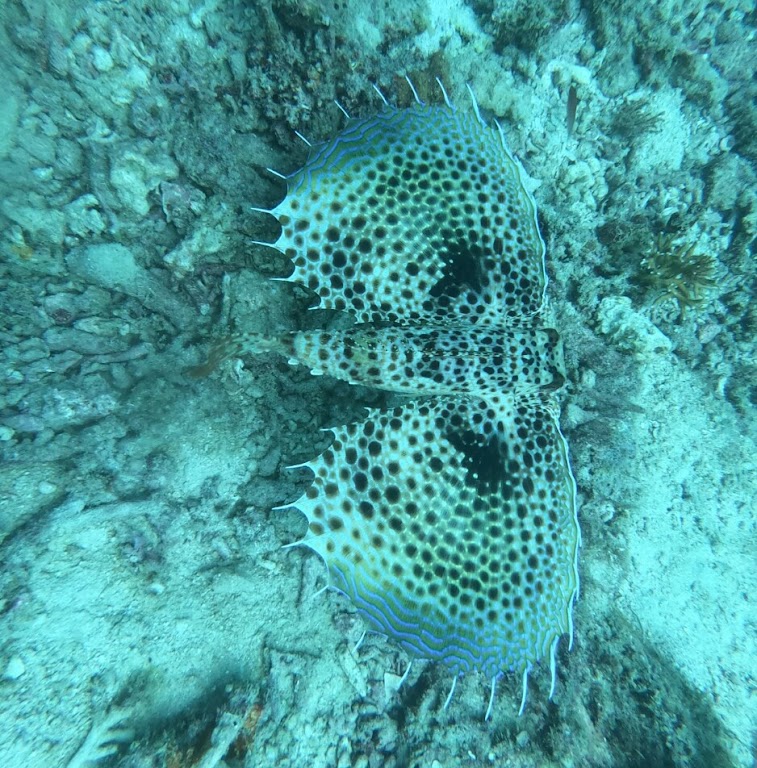
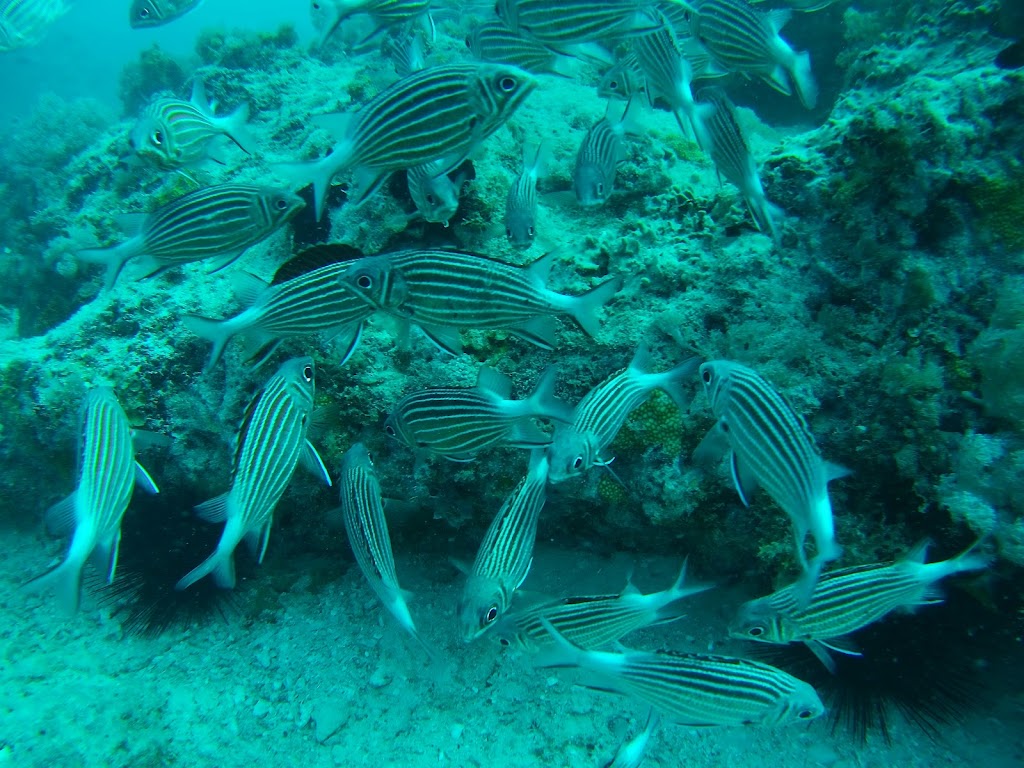
Exploring the coral landscape of Hunga Reef often reveals impressive schools of fish, sometimes so dense they can obscure the vibrant hard and soft corals. Divers frequently encounter large schools of yellow snappers, twin stripe fusiliers, and emperors.
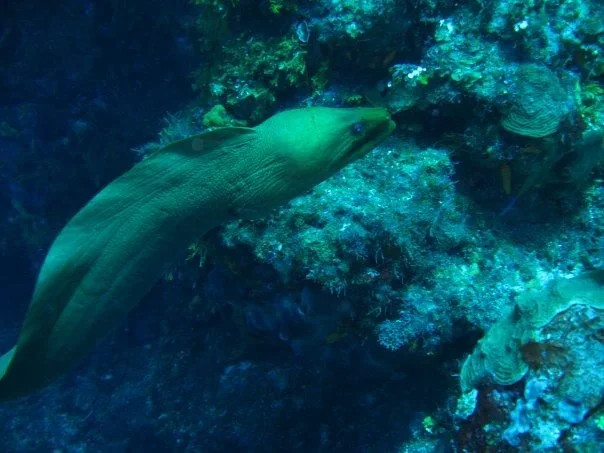
Within the intricate bommies, parrotfish, unicorn surgeonfish, and brightly colored coral groupers are common sights. Moray eels and crocodile fish can also be spotted, often camouflaged against the reef structure.
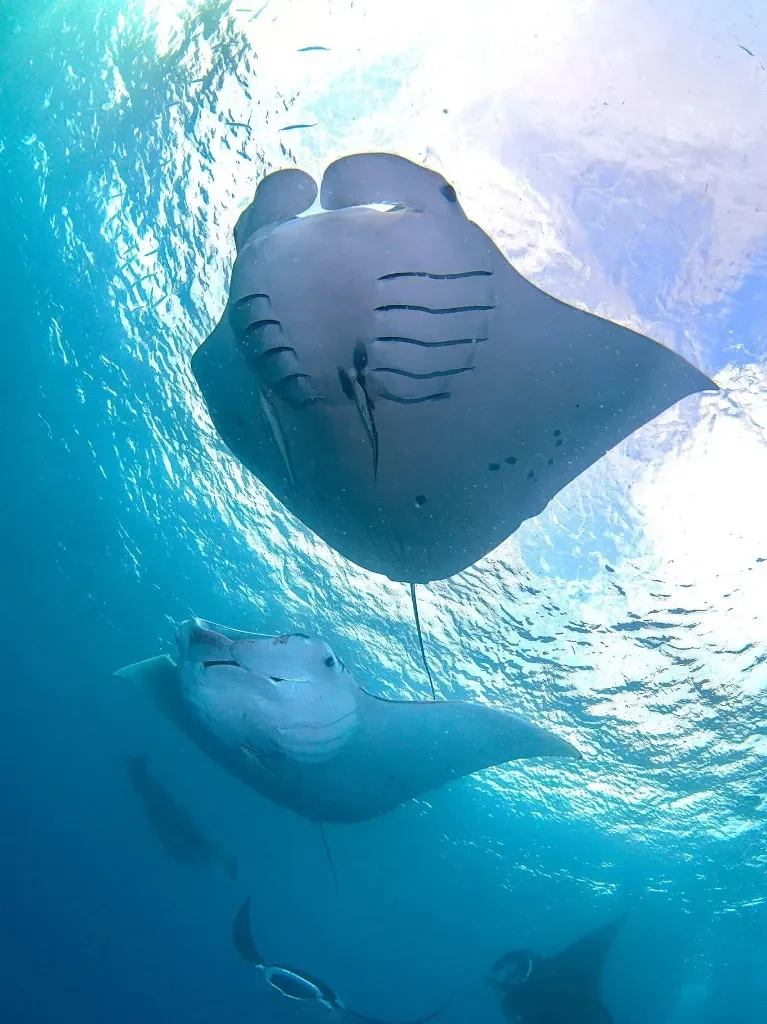
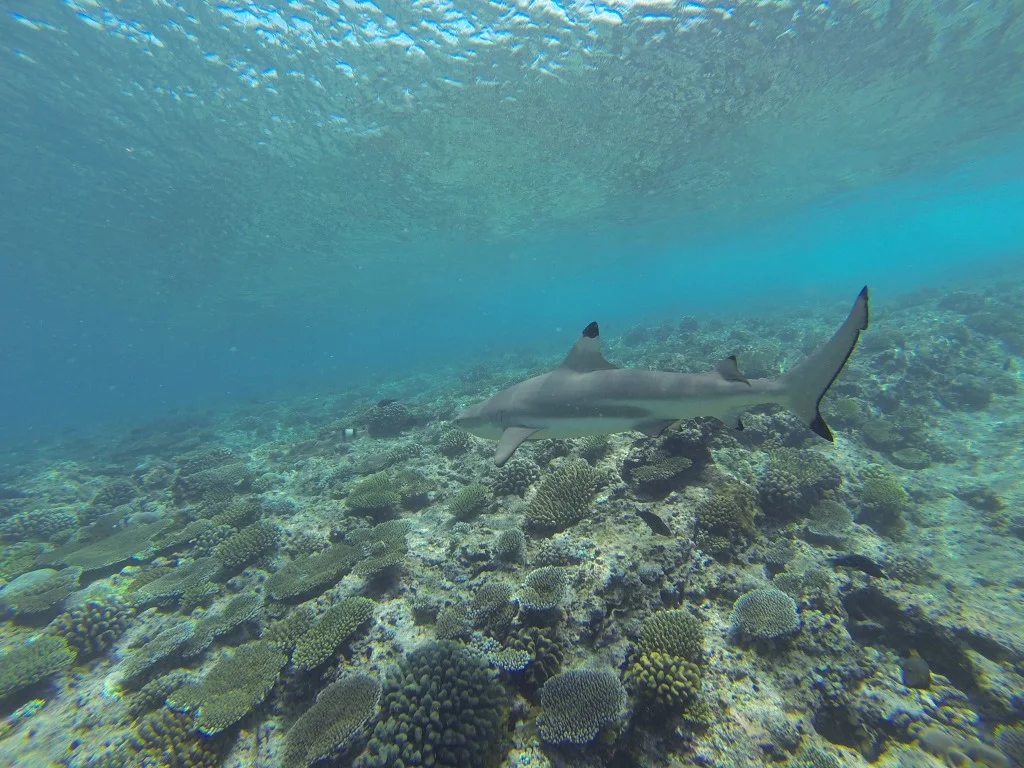
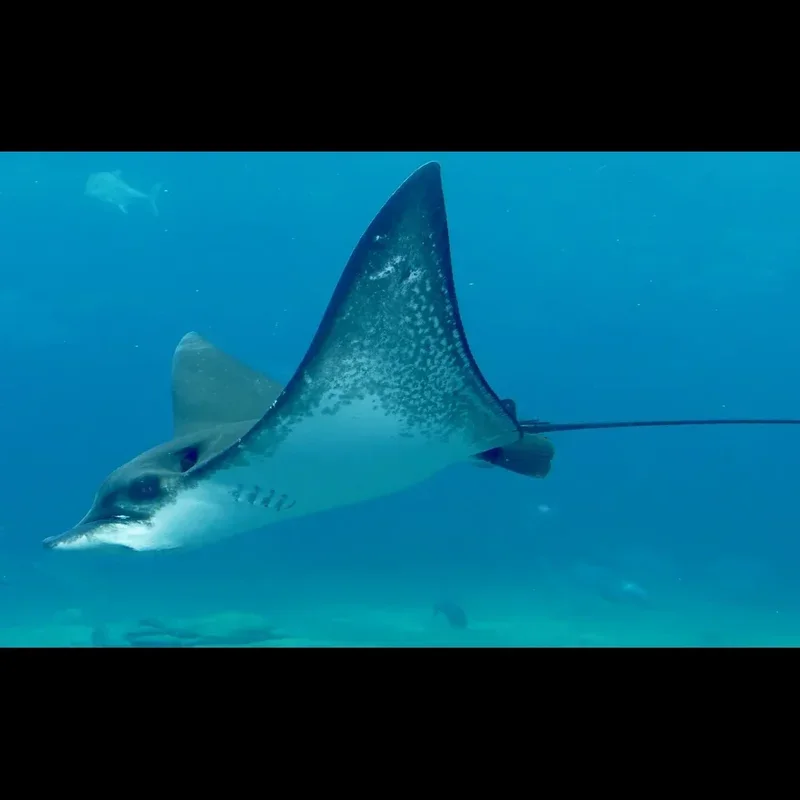
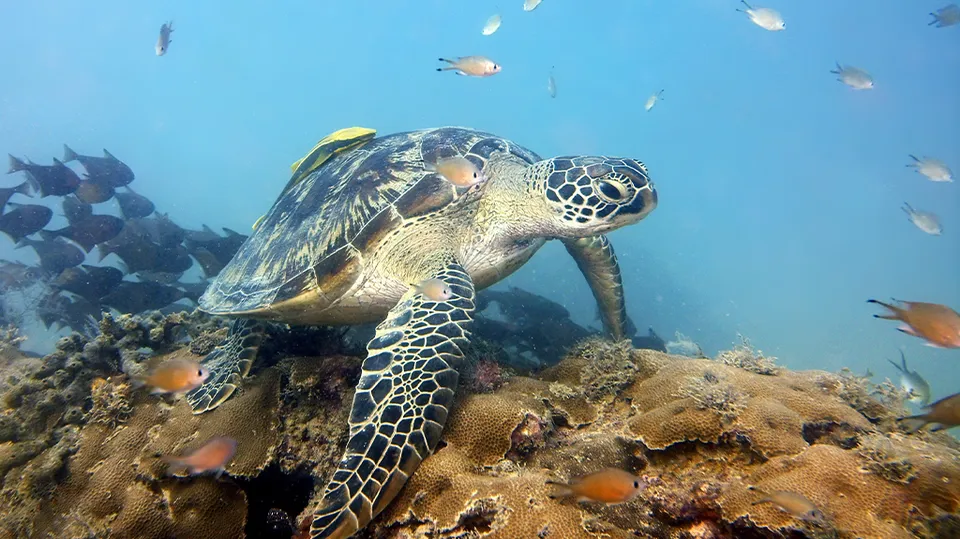
The site's open-ocean location occasionally attracts larger pelagic species. Lucky divers might glimpse trevally preying on smaller fish, and though rare, sharks, eagle rays, and even manta rays have been observed traversing the deeper sections surrounding the reef. Red-tooth triggerfish also inhabit crevices.
Dive Sites Near Hunga
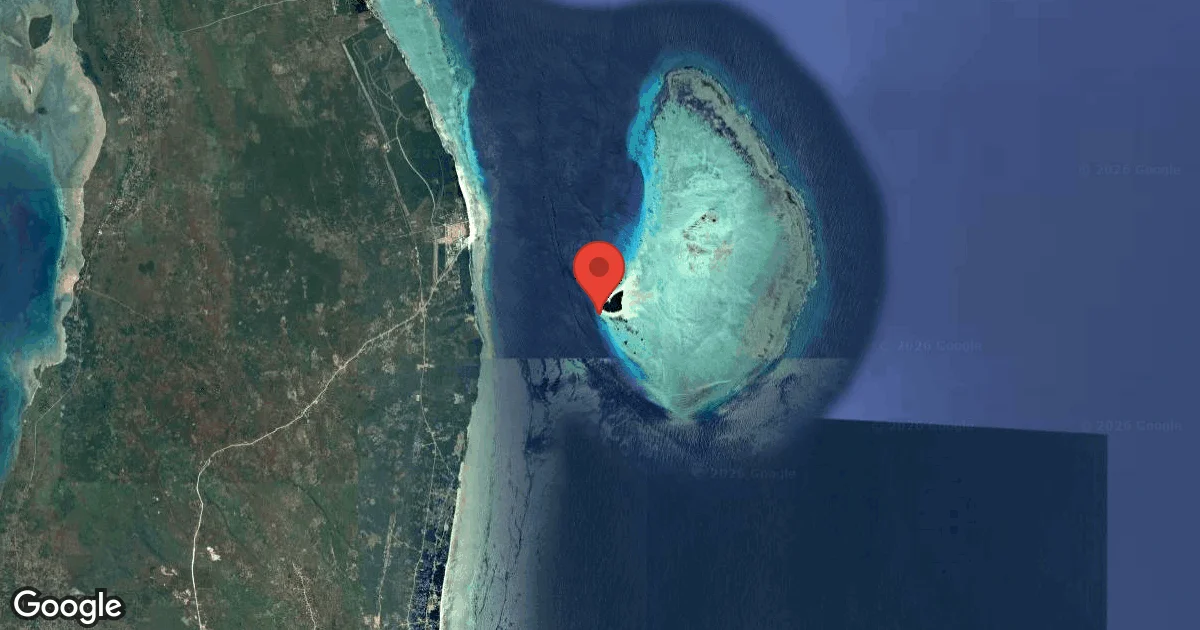
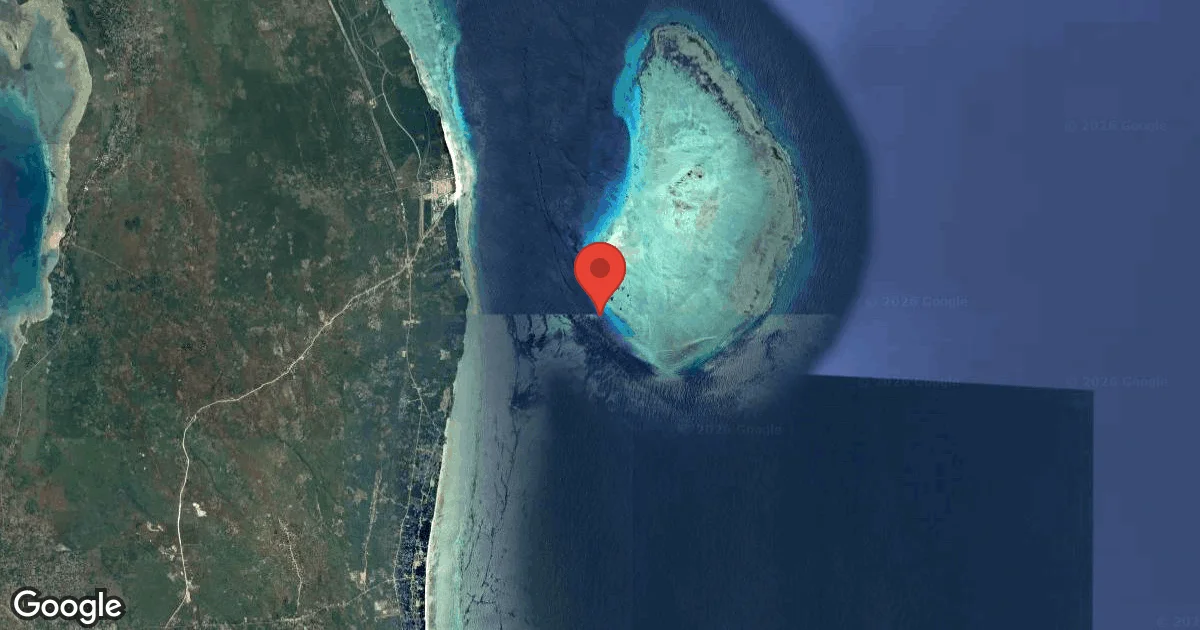
View all dive sites in TanzaniaDiscover more underwater gems in this area.
Dive Centers Near Hunga
Today: 08:00 - 18:00
Nearest Airports
Nearest airports to help plan travel to this dive area.
Search Flights
Check available flights and routes on Expedia, using the nearby airports listed in this section.
Search Flights on ExpediaFrequently Asked Questions
What is Hunga Reef's typical depth?
Hunga Reef offers a recreational depth range, typically reaching a maximum of 16-18 meters. Its sister reef, Nankivell, is shallower with a maximum depth of 16 meters. These depths make it suitable for open water certified divers.
How do currents affect diving at Hunga Reef?
Currents can be a factor at Hunga Reef due to its open-sea location. To minimize their impact, it is important to dive during slack tide. Using a buoy line during ascent and descent can help maintain group position if currents are present.
What kind of coral structures are found here?
Hunga Reef is characterized as a patch reef, composed of a series of interconnected bommies. These structures are extensively covered with a mix of vibrant hard and soft corals. This creates an intricate, multi-layered environment for marine life.
Is Hunga Reef suitable for beginner divers?
While some sources suggest it's suitable for all skill levels, the potential for currents indicates it's better suited for intermediate to advanced divers. Good buoyancy control and comfort in currents are beneficial for a more enjoyable experience. However, careful planning for slack tide can make it more accessible.
What marine life can I expect to see?
You can expect large schools of yellow snappers, twin stripe fusiliers, and emperors. Look for parrotfish, unicorn surgeonfish, and coral groupers among the bommies. Moray eels, crocodile fish, and red-tooth triggerfish are also commonly spotted residents of the reef.
How far is Hunga Reef from the shore?
Hunga Reef is located four nautical miles out to open sea from the main islands of Zanzibar. Access to the site is typically via a boat trip from coastal areas like Paje. This offshore location contributes to its unique ecosystem.
What's the water temperature like?
Water temperatures around Hunga Reef are consistently warm, generally ranging between 25°C and 30°C (77-86°F) year-round. This allows for comfortable diving, often requiring only a 3mm wetsuit or a shorty.
Planning to dive Hunga?
Send one inquiry and receive offers directly from the best verified local dive operators.
Conditions are Excellent
07:00 - 14:00
Optimal conditions expected
Current conditions near Hunga show 25° air, 27° sea temperature, 0.5 m waves, and 23 km/h wind. Forecast data is refreshed regularly to ensure accuracy.