
Diving at Shane's Reef (Tanzania)
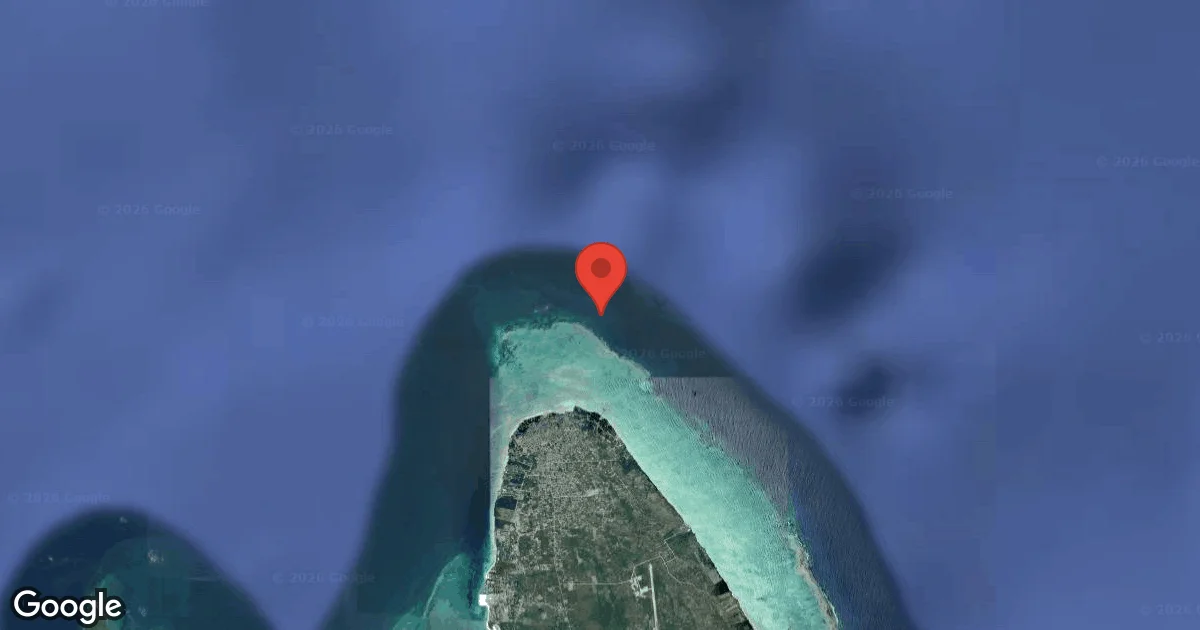
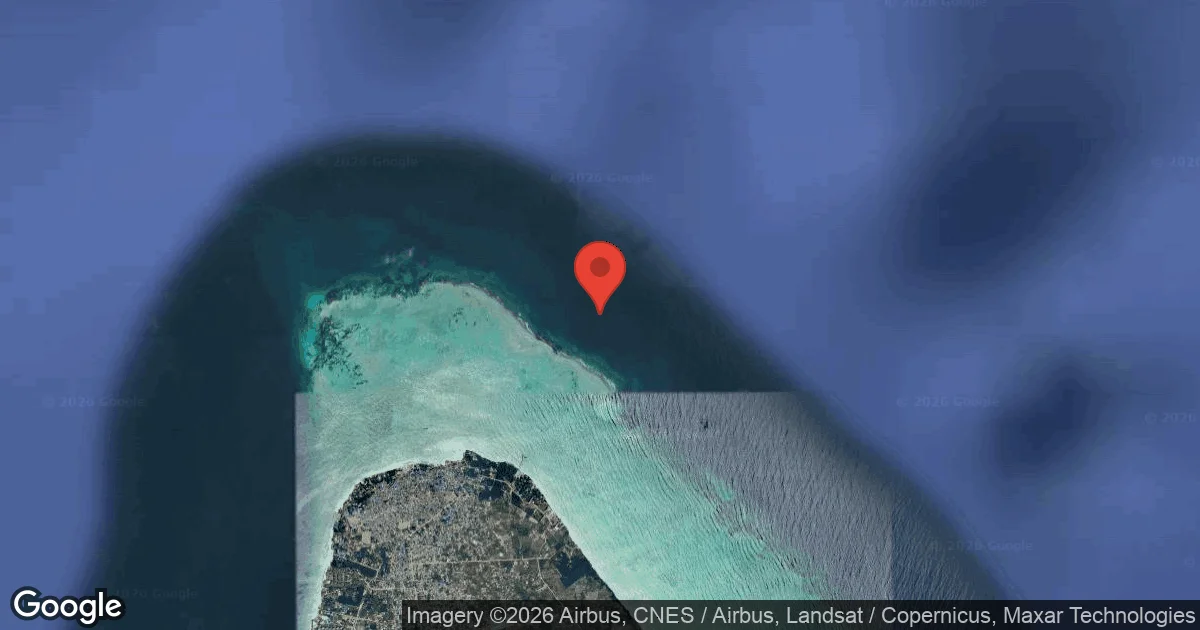
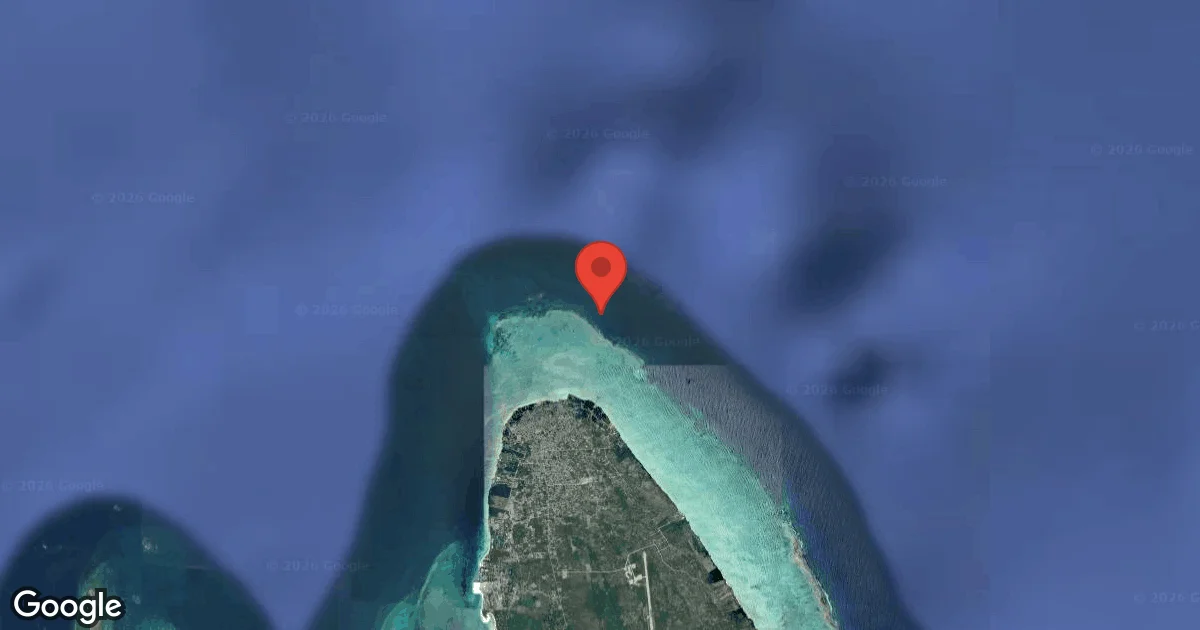
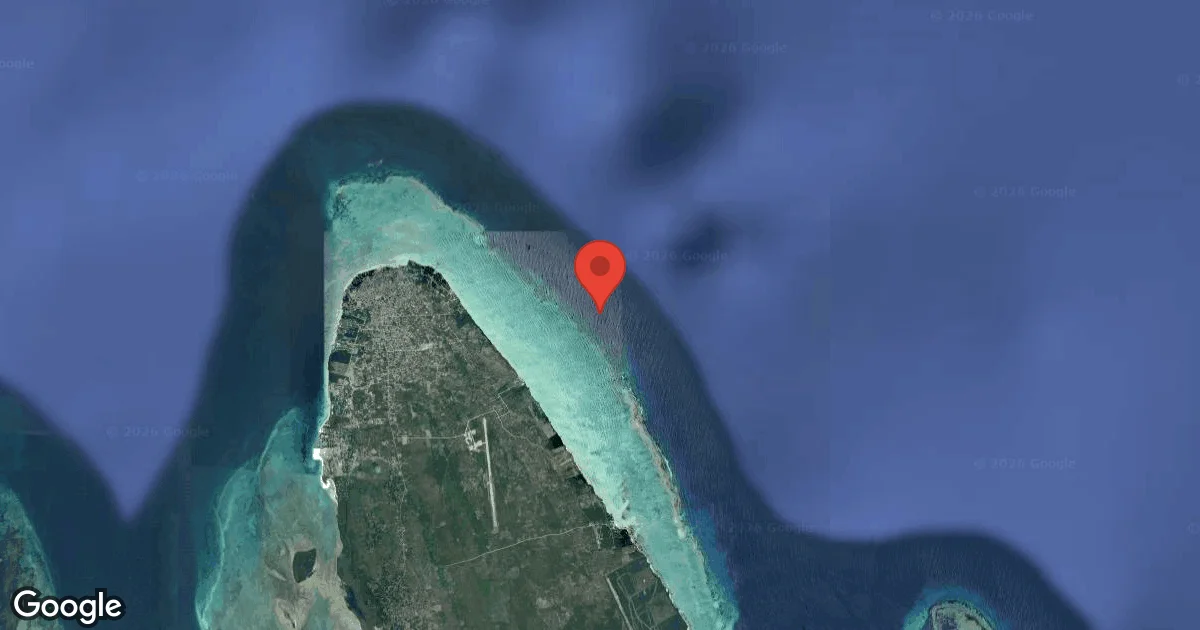
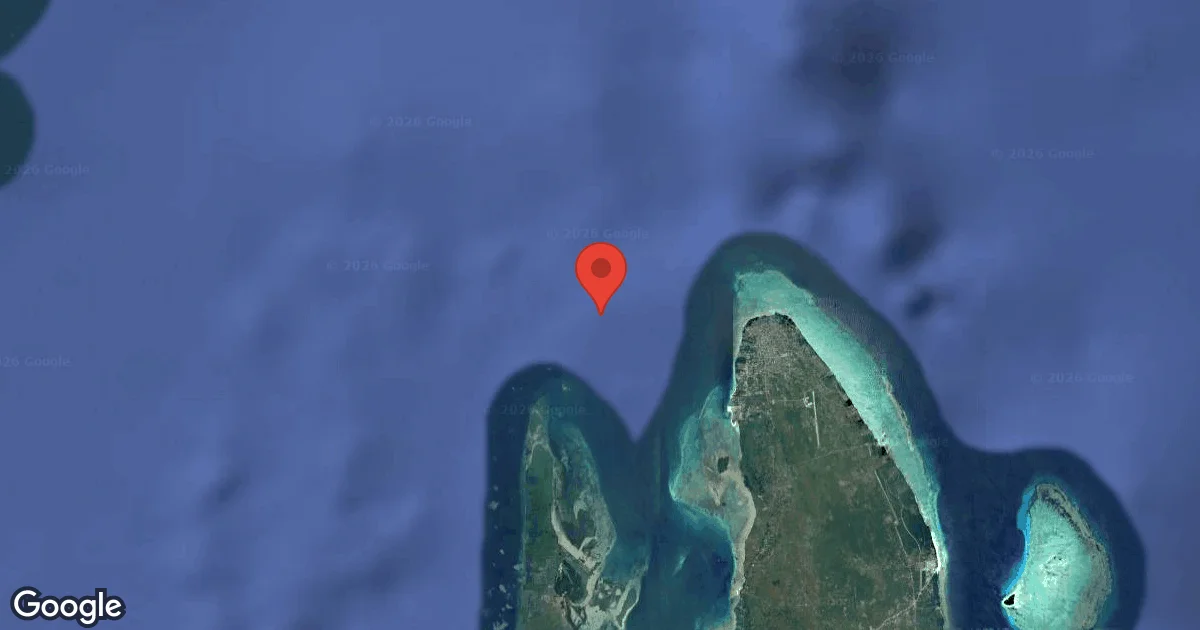
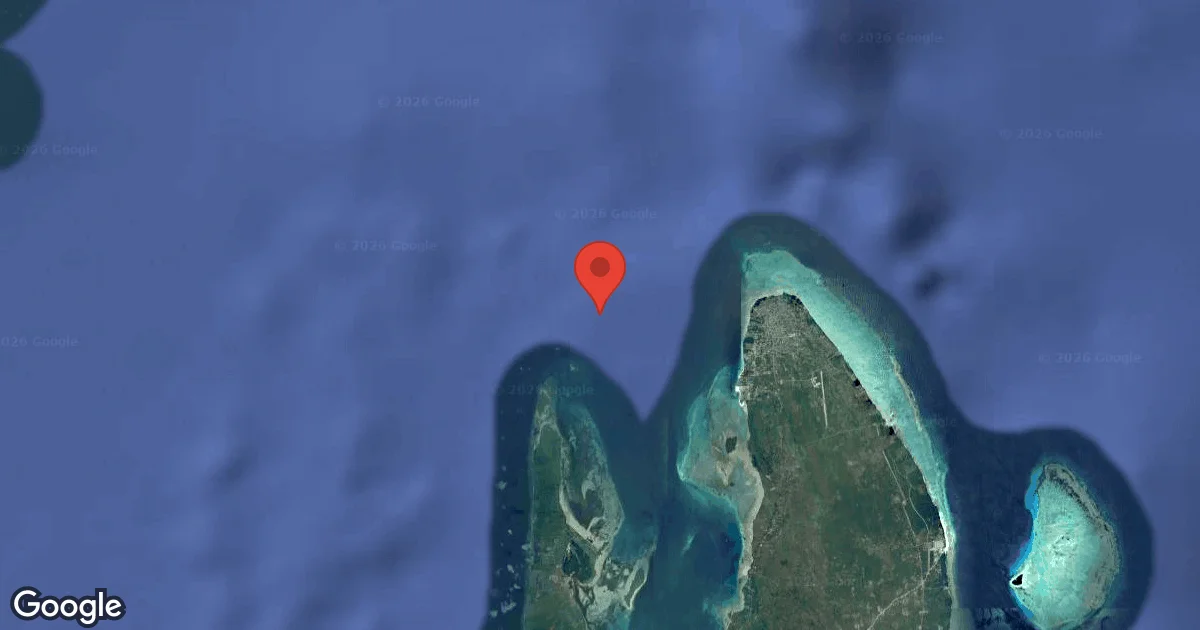
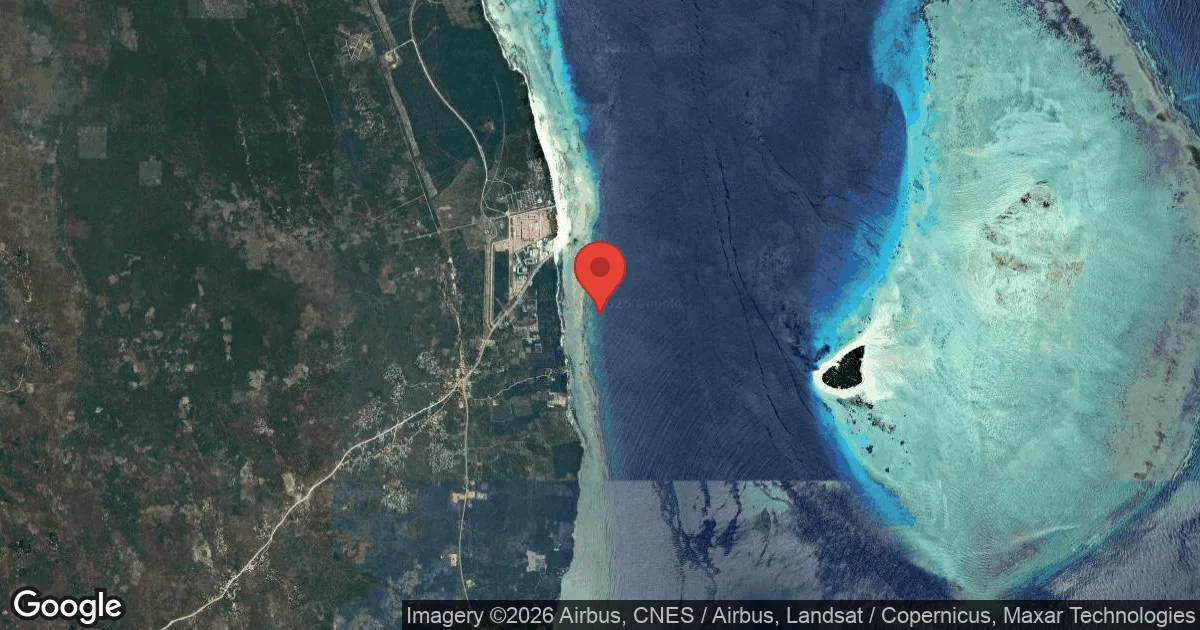
Shane's Reef, off Zanzibar's northwest coast, unfolds as a shallow reef system beginning at 12 m (40 ft) and gently sloping to 16 m (52 ft). An adjacent edge then drops to 18 m (59 ft), giving way to an expansive sandy bottom that extends past 40 m (131 ft). This diverse site is structured into three distinct sections, each contributing to its varied underwater terrain.
Evening condition tracking at Shane's Reef features an air temperature of 24.5°C. We have recorded wave heights measuring 1 m during this period. These figures outline the environmental parameters currently present.
Dive Site Location & Key Facts
Dive Site Overview
A versatile underwater environment unfolds at Shane's Reef, ideal for both novice and experienced divers seeking comprehensive exploration of a segmented reef system. Beginning in recreational depths, a journey through coral gardens and sandy patches unfolds, subtly transitioning into the deeper sections that define its character.
Along its contours, divers encounter a varied display of both hard and soft corals. Some areas maintain vibrant health, while others exhibit less intense coloration, a common observation in dynamic reef ecosystems. This overall composition makes the site a compelling destination for macro life enthusiasts and underwater photographers, its intricate details rewarding closer inspection.
As a designated drift dive, divers often expect a gentle, sometimes moderate, current. Natural flow allows for effortless progression across varied topography, guiding exploration from the shallower reef down towards expansive sandy plains.
Navigating these currents becomes part of the experience, influencing how one observes abundant smaller marine creatures and subtle shifts in the reef's structure.
Conditions are Good
Optimal conditions expected
Current conditions near Shane's Reef show 24° air, 27° sea temperature, 1.0 m waves, and 34 km/h wind. Forecast data is refreshed regularly to ensure accuracy.
Best Time to Dive
Optimizing a dive at Shane's Reef often aligns with the calmer periods, particularly during March when dive scores are rated 'Excellent'. During this month, air temperatures average around 28°C (82°F), rainfall is comparatively low at about 4.6 mm, and average wave heights are at their lowest for the year, typically around 0.5 m. Months like January and February also offer good conditions, with air temperatures often above 28°C (82.4°F) and minimal rain. Generally, the period from January through March, and then again from June to October, tends to feature lower rainfall and more settled seas, making for more comfortable boat trips and underwater conditions at the site.
PEAK SEASON SCORE
Scores combine air & water temps, waves, wind & rainfall for overall conditions.
BEST MONTHS TO DIVE
Monthly records compiled from satellite and marine observation nodes over the last 3 years. Data provided by Open-Meteo and MET Norway.
Dive Experience & Conditions
Approaching Shane's Reef by boat, divers often anticipate the dynamic feel of a potential drift. Once submerged, the reef presents a gradual descent, moving from an initial 12 m (40 ft) down to its shallower maximum depth of 16 m (52 ft). Beyond this, an 18 m (59 ft) edge provides a deeper boundary before a vast sandy expanse continues downwards. Water temperatures, while not consistently reported, generally reflect tropical conditions. Currents can range from mild to moderate, especially during drift segments, adding to the movement and allowing for effortless exploration along the reef's contours.
Dive Difficulty & Safety Guidelines
Diving at Shane's Reef requires divers to manage the potential for drift conditions; maintaining close contact with your buddy and understanding proper drift diving techniques is always a good practice. Given the reef's varied depths, from its shallower sections to the sandy bottom that descends well past recreational limits, careful depth monitoring with a dive computer is essential. Always maintain situational awareness for other divers and boat traffic, particularly during ascent and descent.
The site is accessible for PADI Open Water Divers and those undertaking Discover Scuba Diving, but an Underwater Navigator certification could enhance the experience by aiding orientation across its three distinct sections.
Recommended Equipment
Current and surface separation risk. Local briefing strongly recommended.
- Dive Computer
- DSMB
- Reel / Spool
This gear list is based on verified equipment signals for Shane's Reef, Tanzania. Always confirm final gear choices with your dive operator, guide, or liveaboard.
Recommended Dive Suit
For many recreational divers, 2-3mm shorty or light wetsuit provides a practical level of insulation in these conditions. Consider warmer surface protection (like a boat coat) due to brisk winds. Divers who tend to get cold easily may prefer slightly thicker exposure protection.
At the moment, divers exploring Shane's Reef will likely experience water temperatures near 27°C (80°F). Surface air temperatures are resting at 24°C (76°F).
Temperatures look set to gradually increase over the next several days. A warming trend is expected over the next few days.
Emergency & Medical Support
Essential information to help you plan your dive trip to shane's reef.

Hyperbaric chambers are a critical part of dive safety infrastructure. Availability varies significantly by region, and not all dive areas have immediate access.
Before diving, it's recommended to:
- confirm nearest medical facilities
- check emergency procedures with local dive operators
- ensure dive insurance covers evacuation if required
Divers Alert Network
Diving emergency assistance available through DAN Southern Africa.
+27828106010- 24/7 emergency hotline
- Diving medical assistance
- Evacuation coordination
Emergency contacts are provided for reference. Always verify local emergency services before diving.
Marine Life at Shane's Reef
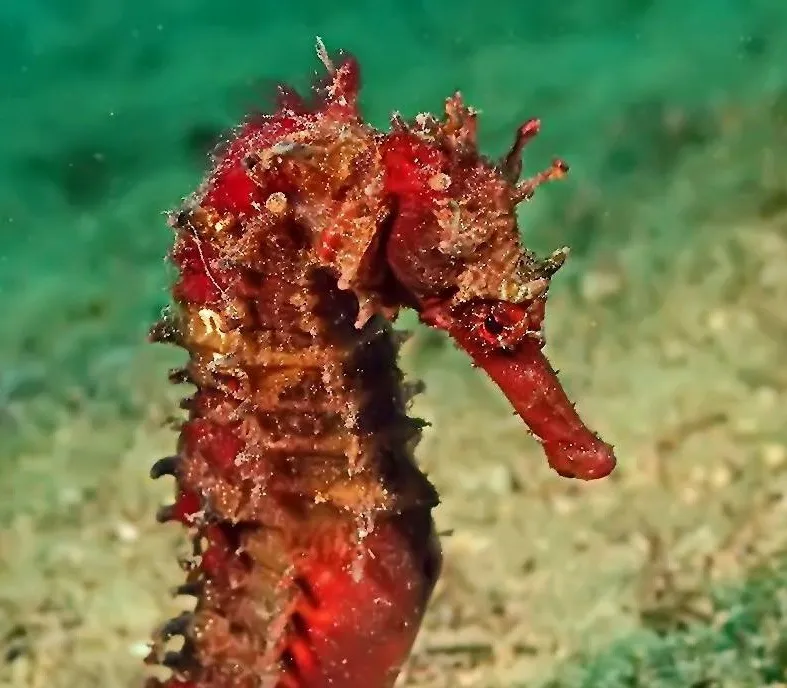
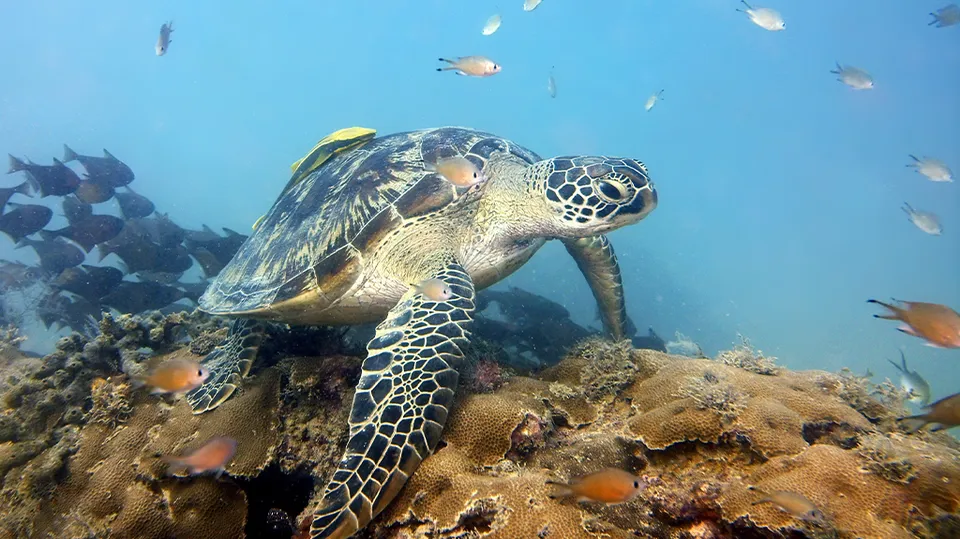
Dropping into Shane's Reef, your attention might first be drawn to the smaller, more intricate marine inhabitants. Keep an eye out for seahorses, which are frequently spotted along the sandy bottom areas.
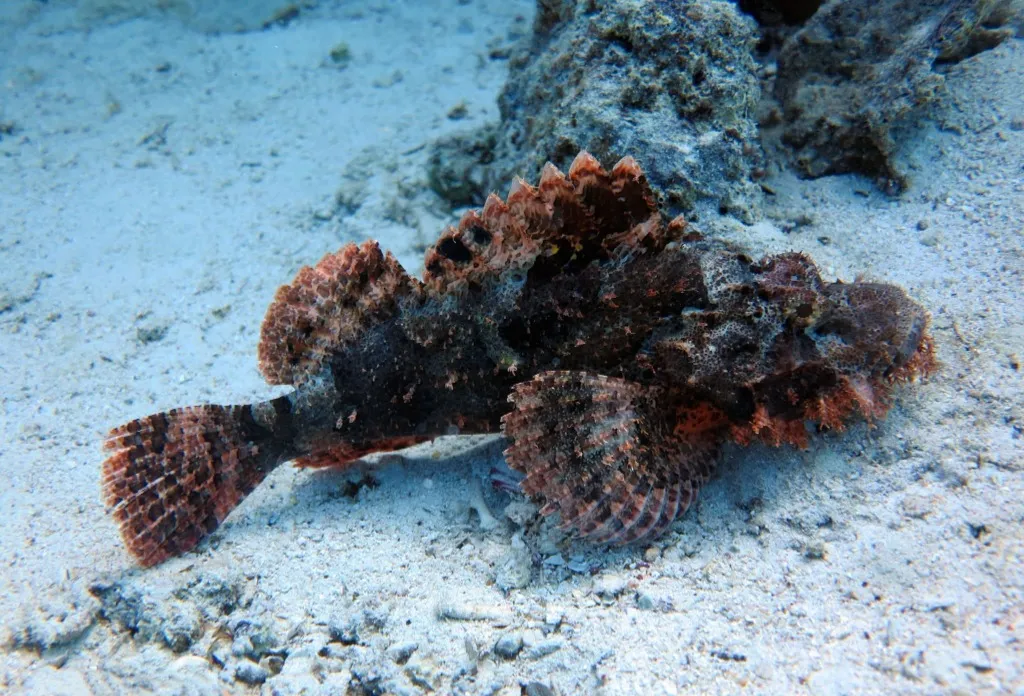
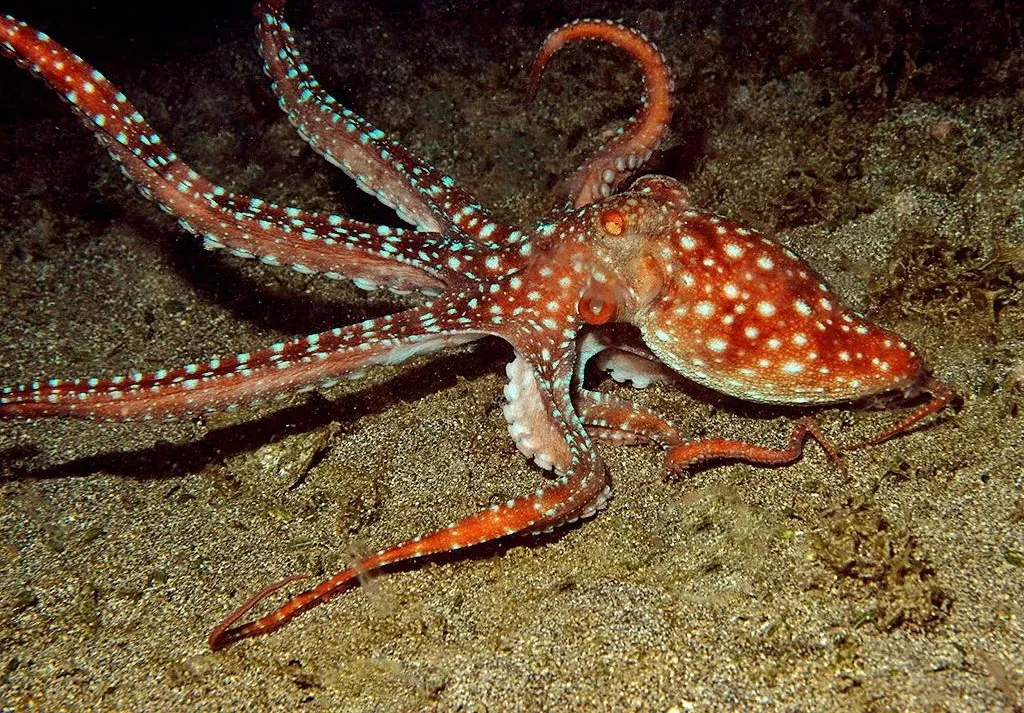
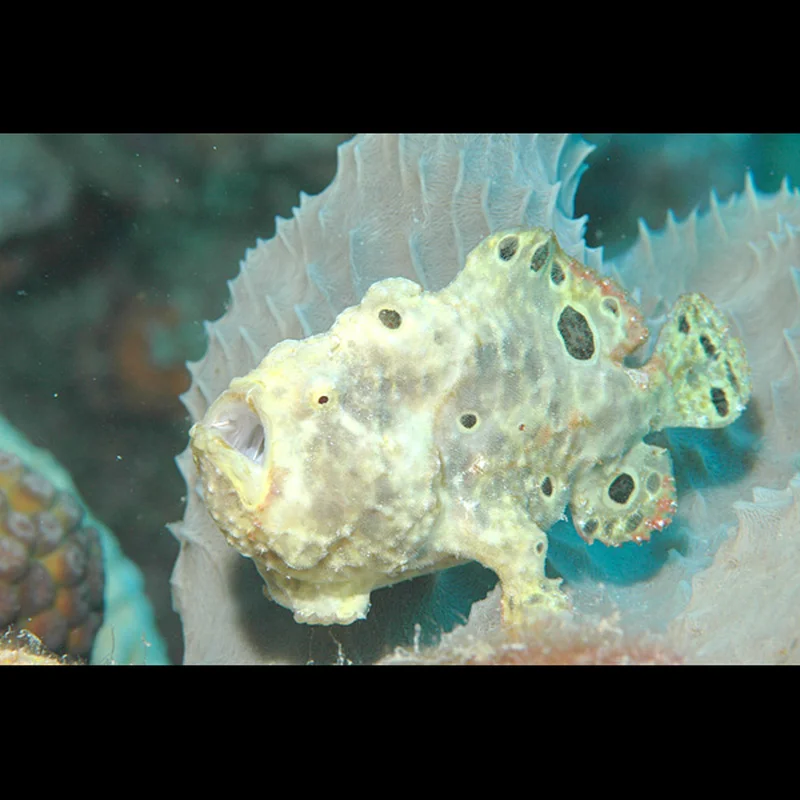
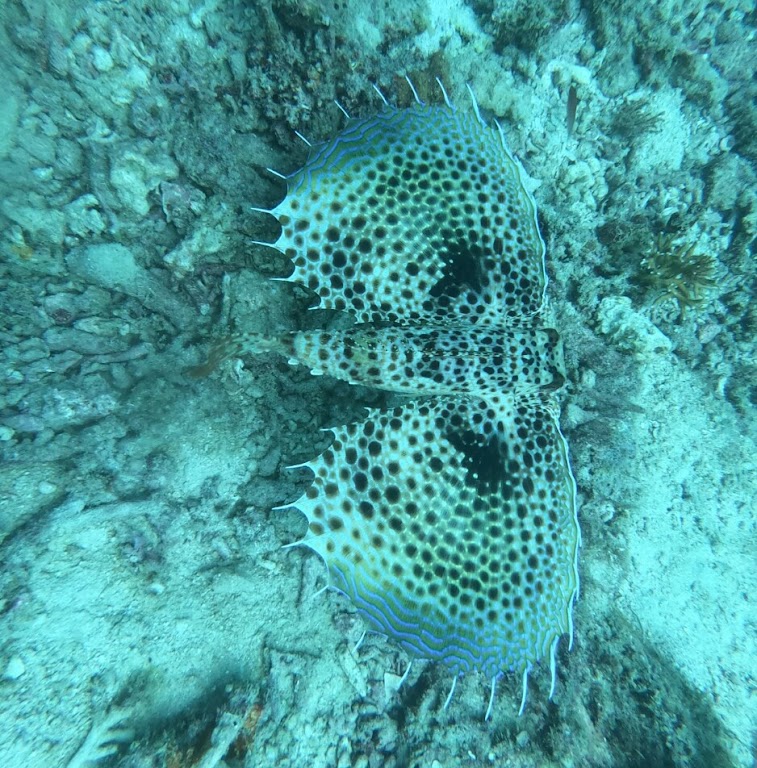
Other captivating macro life includes large octopuses and a variety of frogfish, often expertly camouflaged among the corals and sandy patches. Divers may also encounter crocodile fish, weedy scorpionfish, mantis shrimps, black-blotched porcupinefish, and spottwing flying gunnards, adding to the rich tapestry of smaller reef creatures.

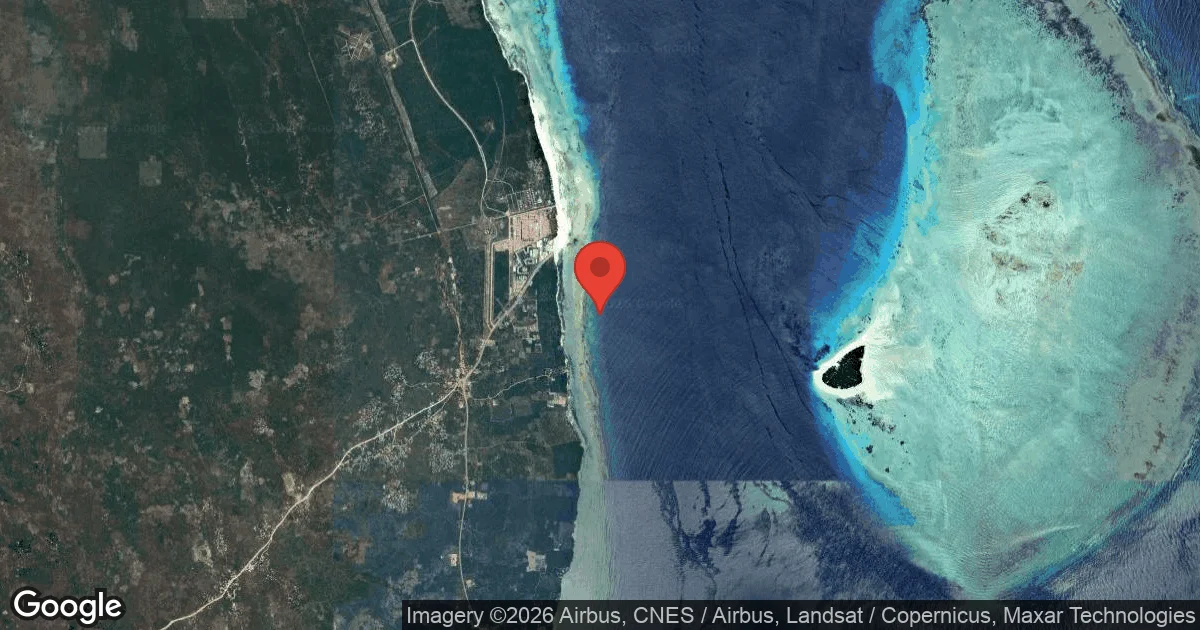
Dive Sites Near Shane's Reef
View all dive sites in TanzaniaDiscover more underwater gems in this area.
Dive Centers Near Shane's Reef
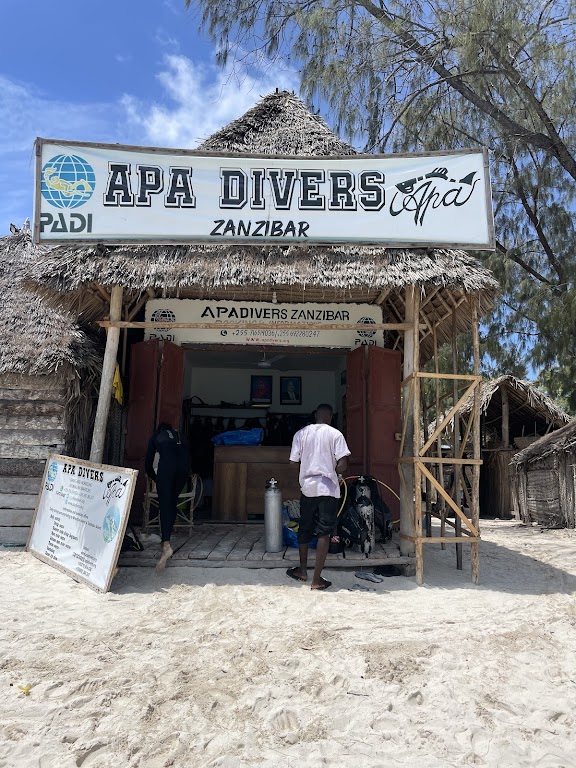
Today: 08:00 - 17:30
Nearest Airports
Nearest airports to help plan travel to this dive area.
Search Flights
Check available flights and routes on Expedia, using the nearby airports listed in this section.
Search Flights on ExpediaFrequently Asked Questions
What is the maximum depth at Shane's Reef?
The main reef structures at Shane's Reef range from an initial depth of 12 m (40 ft) down to 16 m (52 ft). An edge then drops to 18 m (59 ft), and a sandy bottom continues to descend beyond 40 m (131 ft).
Is Shane's Reef suitable for beginner divers?
Yes, Shane's Reef is suitable for both beginner and qualified divers. It is also a recommended site for PADI Open Water Diver certification training and Discover Scuba Diving experiences.
What kind of marine life can I expect to see?
Divers often encounter diverse macro life such as seahorses on the sandy bottom, large octopuses, and various frogfish. Other sightings include crocodile fish, mantis shrimps, and different species of scorpionfish.
What are the common dive types at this site?
Shane's Reef is primarily known for reef and ocean diving, often incorporating drift diving. This allows divers to cover more ground, moving with the current along its different sections.
What are the typical water conditions?
Water conditions can include mild to moderate currents, making it suitable for drift diving. While specific temperature data is not consistently reported for the site, it generally reflects warm tropical waters common to Zanzibar.
What is the best time of year to dive Shane's Reef?
March often provides 'Excellent' dive conditions, characterized by lower wave heights and minimal rainfall. The periods from January to March and June to October generally offer more favorable weather with settled seas.
Are there specific equipment recommendations for Shane's Reef?
A Surface Marker Buoy (SMB) is advisable for signaling to the boat, especially during drift dives. A dive computer is essential for monitoring depths, and booties can provide comfort.
Planning to dive Shane's Reef?
Send one inquiry and receive offers directly from the best verified local dive operators.
Conditions are Good
Optimal conditions expected
Current conditions near Shane's Reef show 24° air, 27° sea temperature, 1.0 m waves, and 34 km/h wind. Forecast data is refreshed regularly to ensure accuracy.