
Diving at Boat House (Tanzania)
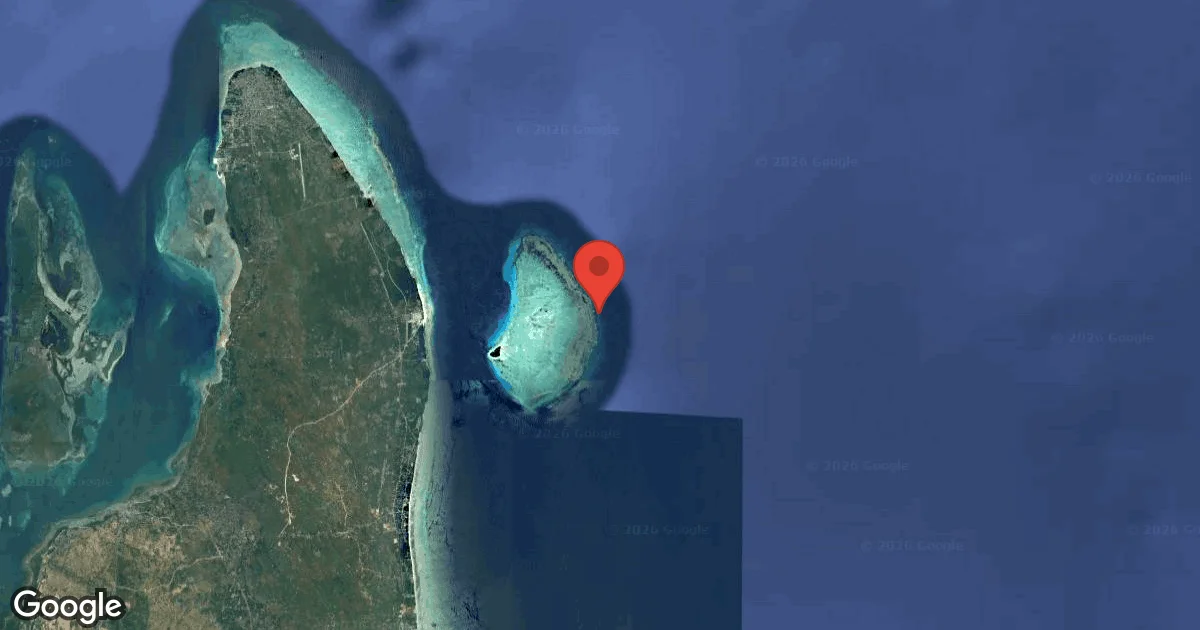
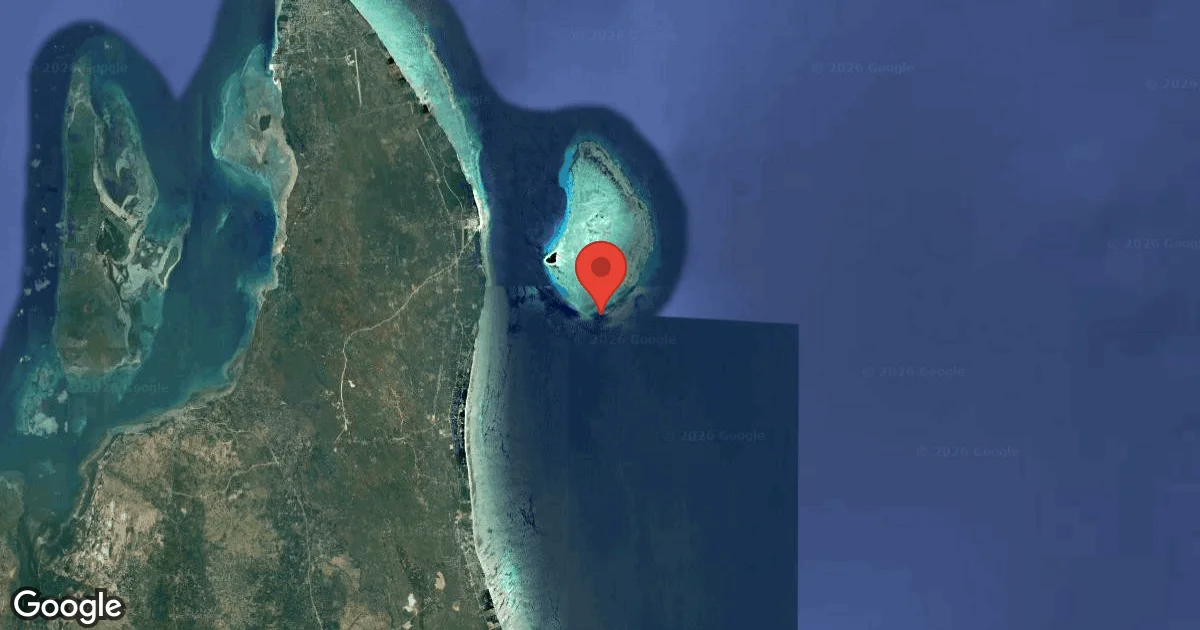
Diving Boat House presents a distinctive rhythm, shaping the daily schedule around tidal movements. Operating from Mafia Island's marine park, this site offers a traditional, unhurried approach to exploration. It's an experience intertwined with local maritime practices, where slower wooden boats transport divers to nearby reefs. A relaxed atmosphere provides a genuine connection to the Tanzanian coast, ideal for those seeking a less conventional dive adventure rather than a high-octane excursion.
Evening condition tracking at Boat House features an air temperature of 24.5°C. We have recorded wave heights measuring 1.8 m during this period. These figures outline the environmental parameters currently present.
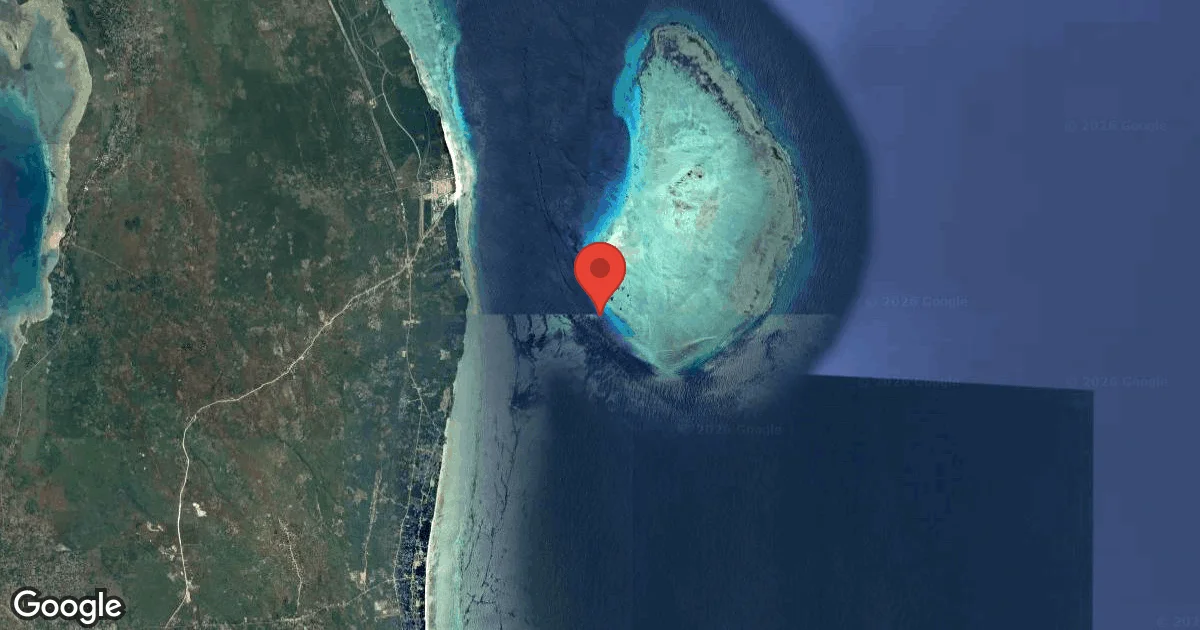
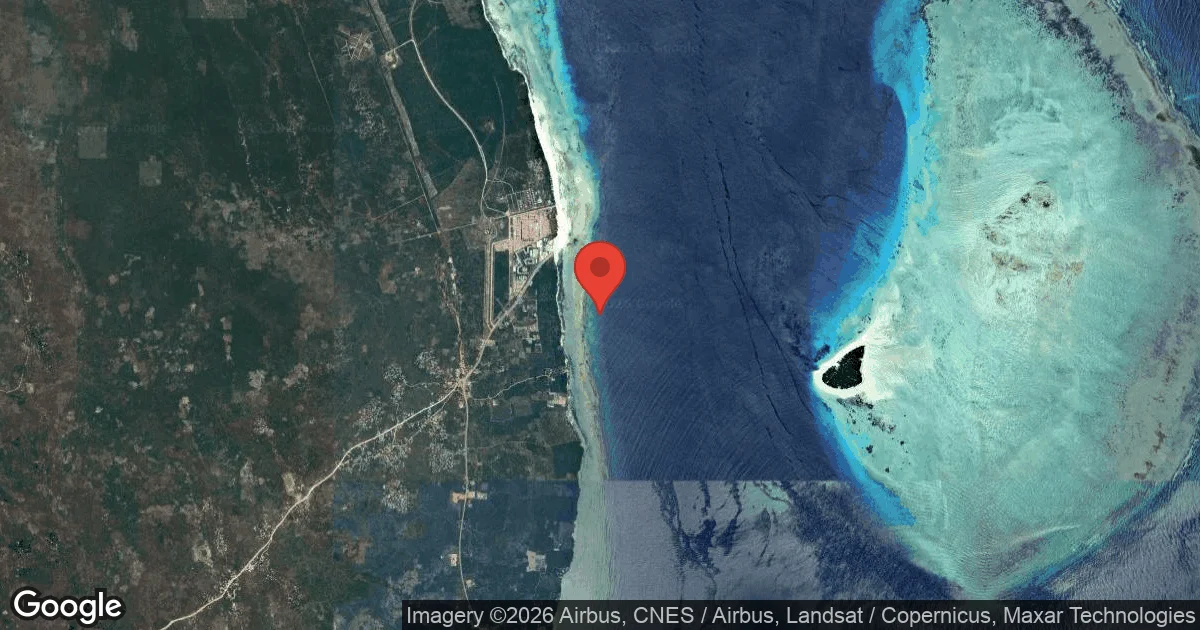
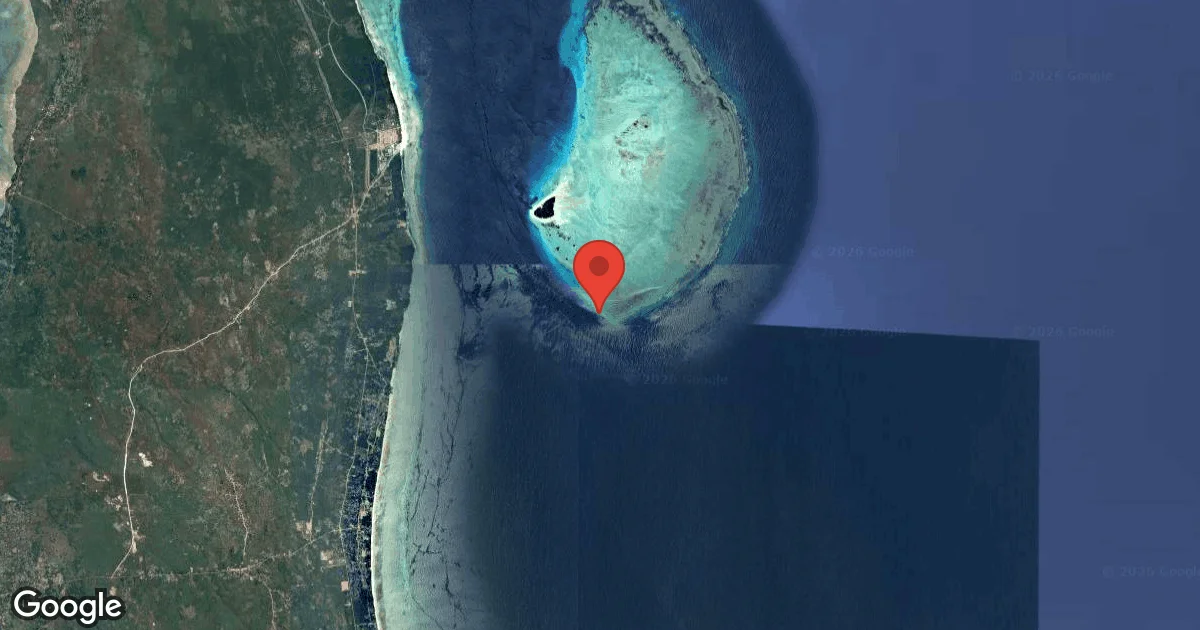
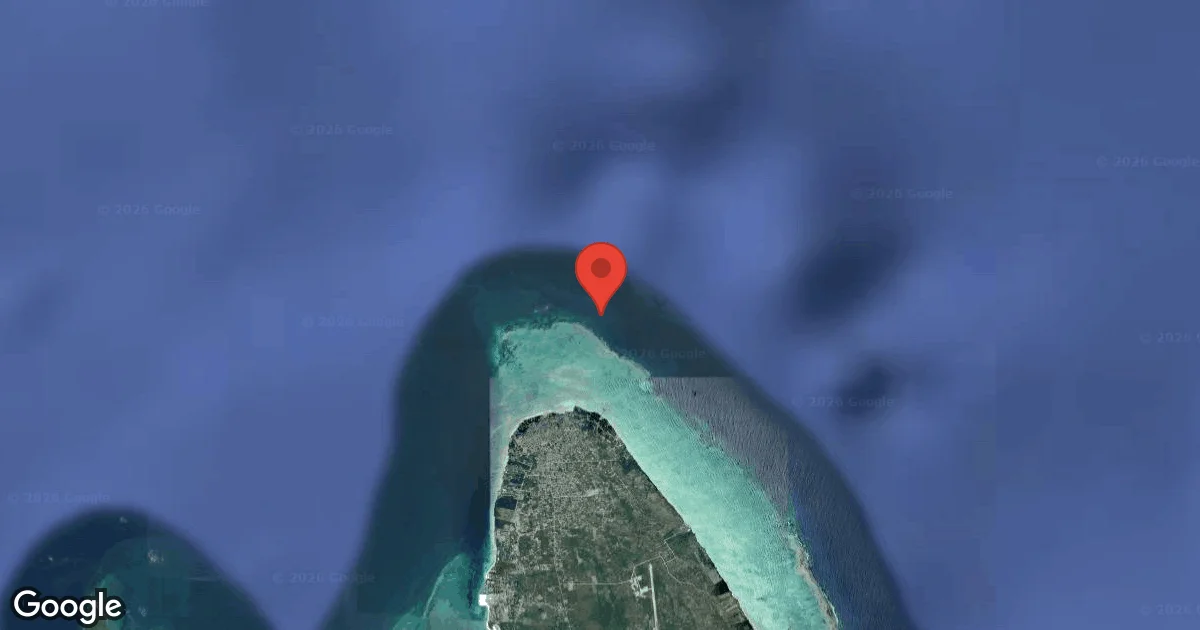
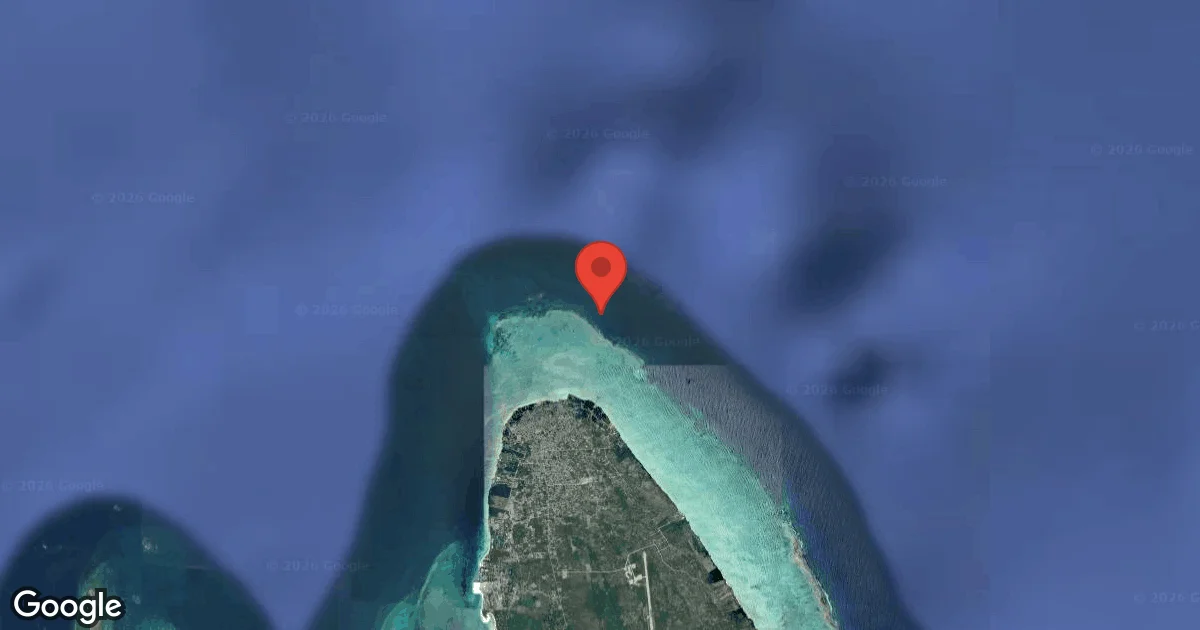
Dive Site Location & Key Facts
Dive Site Overview
Boat House diving predominantly features reef environments, often presenting opportunities for drift dives depending on prevailing tidal flow. Maximum depths for typical excursions range from 14-18 m / 45-60 ft, catering well to a broad spectrum of certified divers.
Site topography primarily consists of coral structures, which, while not considered world-class, still provide substantial habitat. Expect healthy numbers of fish life, frequently observed in large schools, particularly above a noticeable thermocline that commonly sits around 12 m / 40 ft. Below this thermocline, water temperatures can noticeably drop, influencing some marine species' distribution.
Dive operations are intrinsically linked to tidal movements; daily trip start times aren't fixed and require planning flexibility. Scheduling ensures optimal conditions for two-tank dives, which typically span 45-60 minutes each.
Divers access these sites via traditional wooden boats, staffed by local captains and divemasters, departing directly from the beach. Such an approach contributes to an authentic, unhurried exploration within the protected Mafia Island Marine Park.
Conditions are Moderate
Optimal conditions expected
Current conditions near Boat House show 25° air, 26° sea temperature, 1.8 m waves, and 29 km/h wind. Forecast data is refreshed regularly to ensure accuracy.
Best Time to Dive
Optimal diving conditions at Boat House generally align with periods of lower wave action and comfortable air temperatures. March, November, and December often present the most favorable experiences, marked by high dive scores. During March, air temperatures average around 28°C / 82°F, with minimal rainfall at approximately 5.5 mm / 0.2 inches and wave heights typically below 0.7 m / 2.3 ft. November and December also offer excellent conditions; air temperatures hover between 27-28°C / 81-82°F, rainfall averages 4-6 mm / 0.16-0.24 inches, and wave heights remain relatively calm, usually under 0.9 m / 3 ft. In contrast, the period from May to June sees moderate dive scores. Air temperatures during these months are slightly cooler, around 25-26°C / 77-79°F, and wave heights tend to increase, often exceeding 1.2 m / 4 ft, potentially leading to choppier surface conditions. Water temperature of around 26°C / 79°F, as reported by divers, remains fairly stable year-round, regardless of seasonal variations in air temperature.
PEAK SEASON SCORE
Scores combine air & water temps, waves, wind & rainfall for overall conditions.
BEST MONTHS TO DIVE
Monthly records compiled from satellite and marine observation nodes over the last 3 years. Data provided by Open-Meteo and MET Norway.
Dive Experience & Conditions
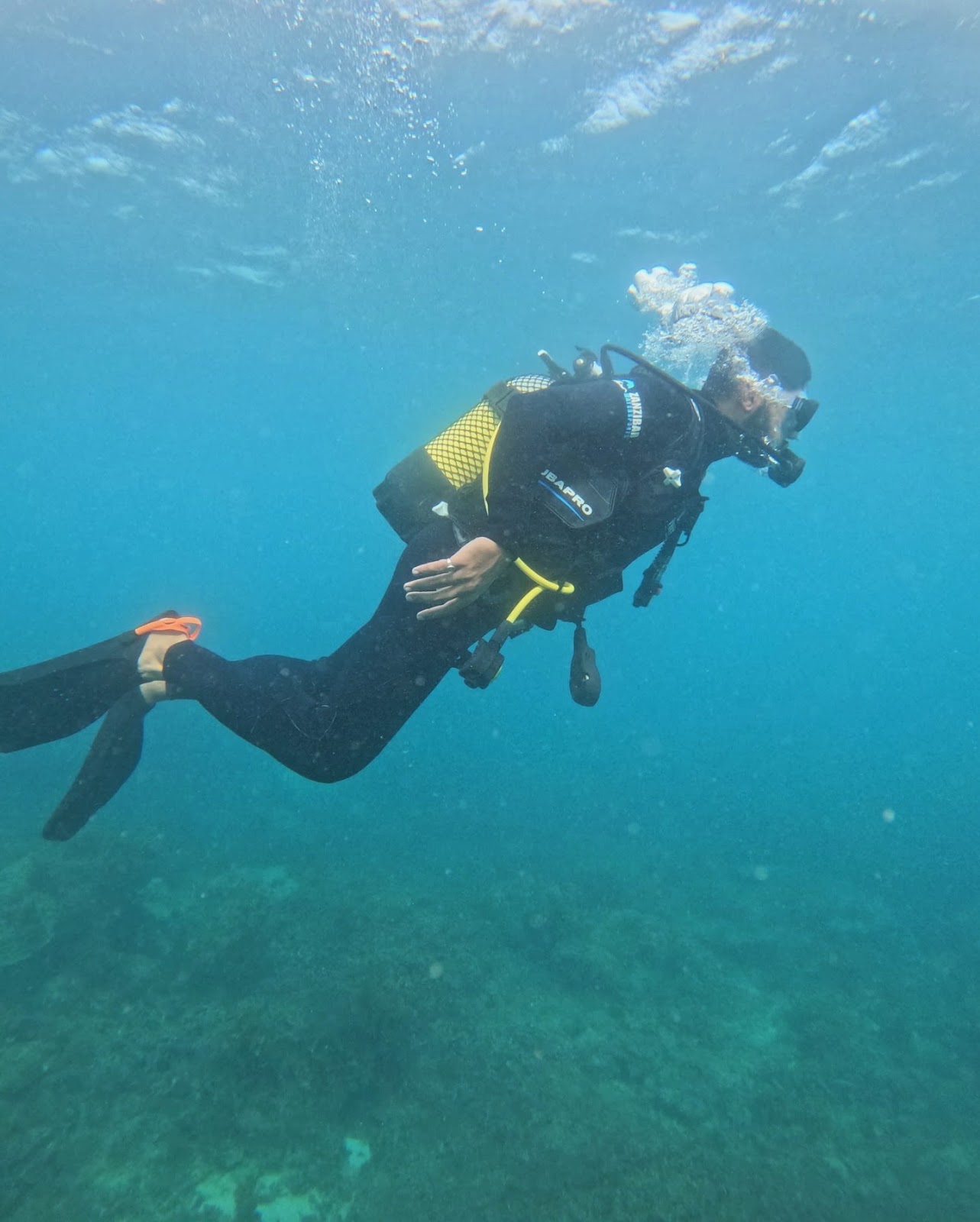
Getting to the dive sites involves a uniquely local approach, with divers walking out from the beach into the water to board traditional wooden boats. These vessels, though unmodernized and slow, capably reach the nearby sites with two captains and a divemaster on board. Expect water temperatures around 26°C / 79°F at the surface. However, a distinct thermocline is frequently encountered at approximately 12 m / 40 ft, where the water temperature can noticeably drop. Many divers prefer to stay above this cooler layer, often finding more concentrated marine activity. Visibility varies depending on conditions, but the overall experience is focused on reef exploration. Given the reliance on tidal timing, dive start times are announced the day prior, requiring flexibility from participants. This isn't a high-speed, luxury boat operation; it's a genuine interaction with local seafaring, contributing to the distinct character of the dive.
Dive Difficulty & Safety Guidelines
While no specific site-related hazards are consistently reported for Boat House, divers should always be mindful of typical tropical diving considerations like sun exposure and hydration. Adherence to dive timings is a primary operational guideline, dictated by tidal cycles and communicated the day before. Such schedule variations are crucial for safe and efficient access to dive sites.
Local divemasters accompanying trips are generally considered adequate, providing essential guidance and safety oversight. Boat House is part of a designated marine park, necessitating payment of marine park fees.
Fees are typically paid separately, often upon entry, contributing to local conservation efforts. Respect for the marine environment, including proper buoyancy control to protect coral, is always expected.
Recommended Equipment
Deep dive hazard. Increased narcosis and gas consumption risk.
Current and surface separation risk. Local briefing strongly recommended.
- Dive Computer
- DSMB
- Primary & Backup Lights
- Reel / Spool
This gear list is based on verified equipment signals for Boat House, Tanzania. Always confirm final gear choices with your dive operator, guide, or liveaboard.
Recommended Dive Suit
Short-term weather patterns suggest stable conditions for divers visiting the area.
Some divers prefer slightly warmer exposure protection simply for additional comfort. Stronger winds may also make surface intervals feel cooler than usual.
2-3mm shorty or light wetsuit usually works well for maintaining comfort during standard dive profiles in these conditions. Consider warmer surface protection (like a boat coat) due to brisk winds. The latest environmental readings for Boat House suggest water temperatures around 26°C (80°F). Surface air temperatures are resting at 25°C (76°F).
Due to technical issues with our weather providers, data hasn't been fetched for over 48 hours. The data above reflects the conditions at the time of the last successful fetch.
Emergency & Medical Support
Essential information to help you plan your dive trip to Boat House.

Hyperbaric chambers are a critical part of dive safety infrastructure. Availability varies significantly by region, and not all dive areas have immediate access.
Before diving, it's recommended to:
- confirm nearest medical facilities
- check emergency procedures with local dive operators
- ensure dive insurance covers evacuation if required
Divers Alert Network
Diving emergency assistance available through DAN Southern Africa.
+27828106010- 24/7 emergency hotline
- Diving medical assistance
- Evacuation coordination
Emergency contacts are provided for reference. Always verify local emergency services before diving.
Marine Life at Boat House
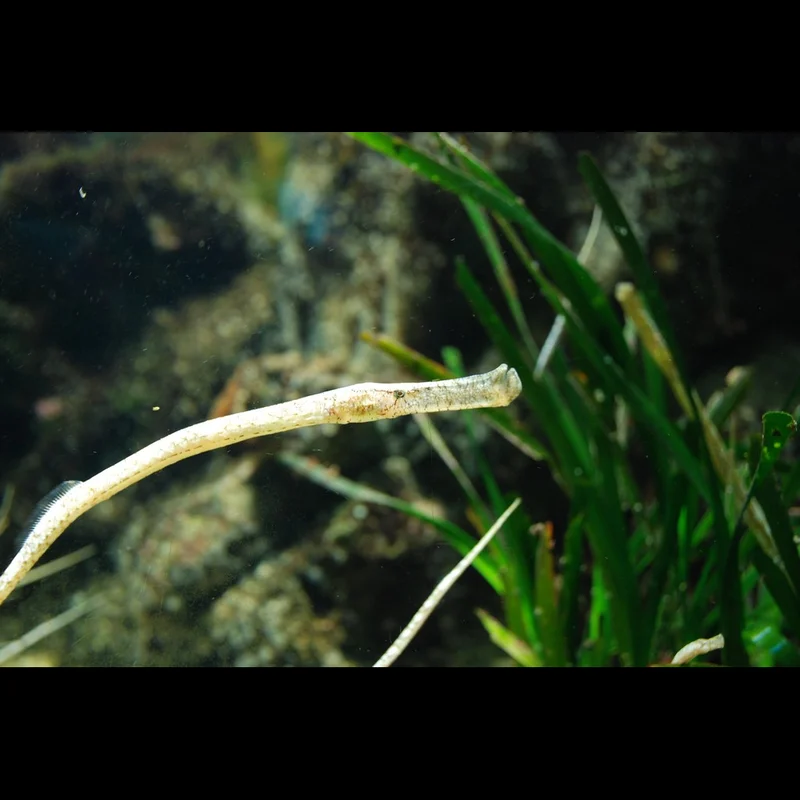
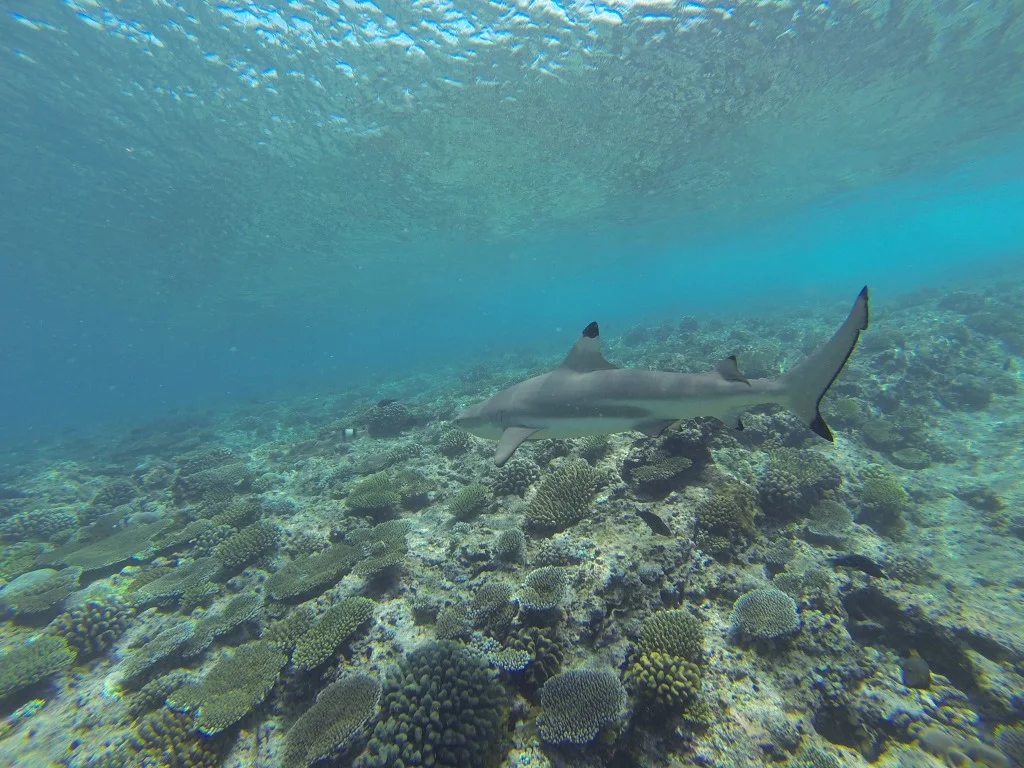
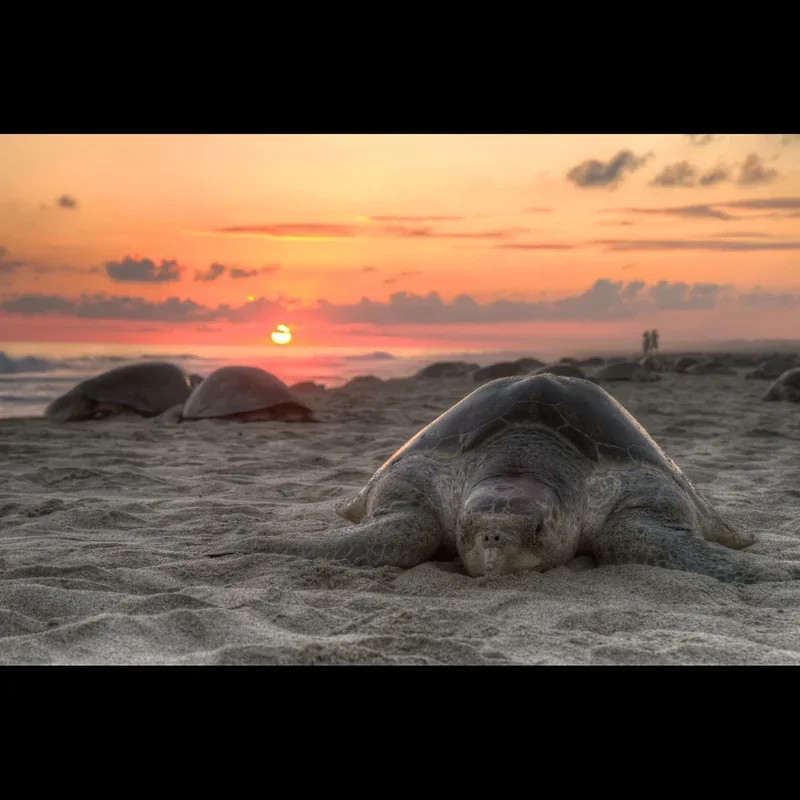
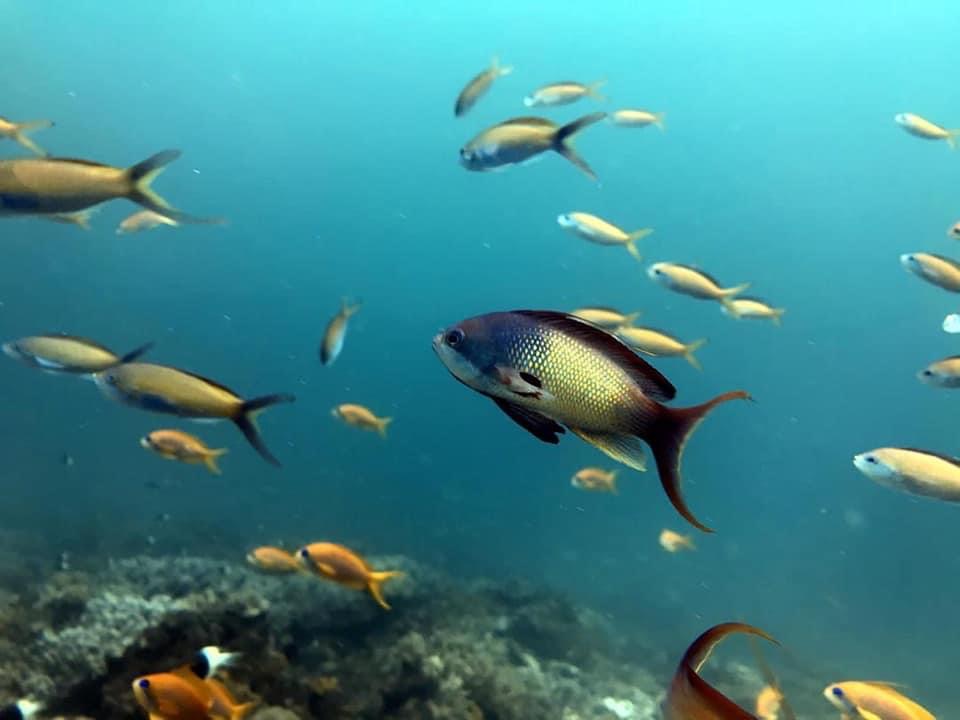
Marine life at Boat House is characterized by healthy populations of various fish species, often observed in impressive schools, especially above the thermocline. While encounters with larger pelagic species like sharks, rays, or sea turtles are not consistently reported for this specific site, divers commonly spot impressive pipefish, blending into the reef.
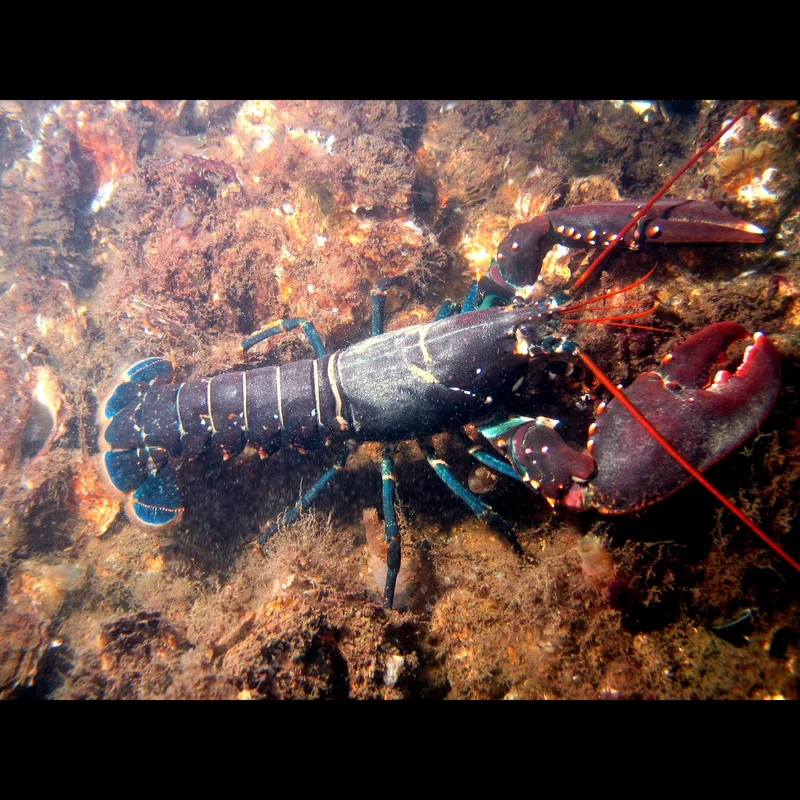
Look for sizable lobsters, noted for having spines longer than those found in the Caribbean; encounters with large groupers are also possible. Reef life here thrives with abundant, vibrant schools of smaller tropical fish inhabiting the coral ecosystems.

Dive Sites Near Boat House
View all dive sites in TanzaniaDiscover more underwater gems in this area.
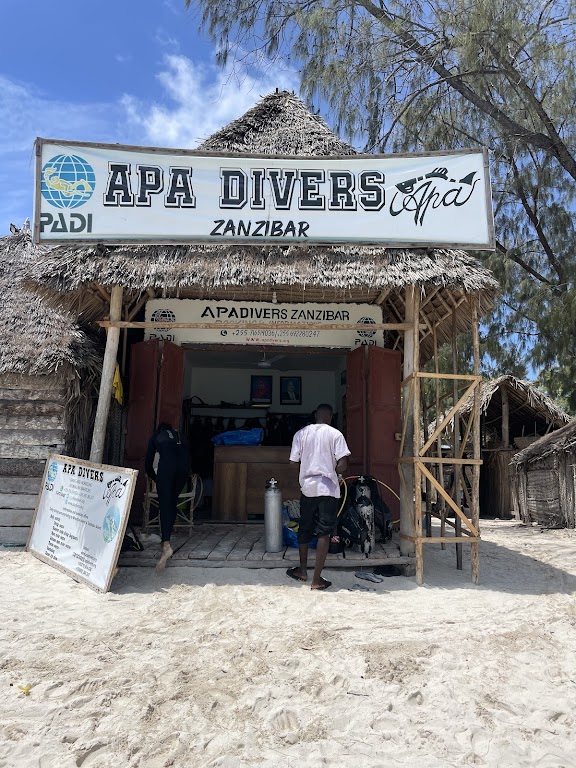
Dive Centers Near Boat House
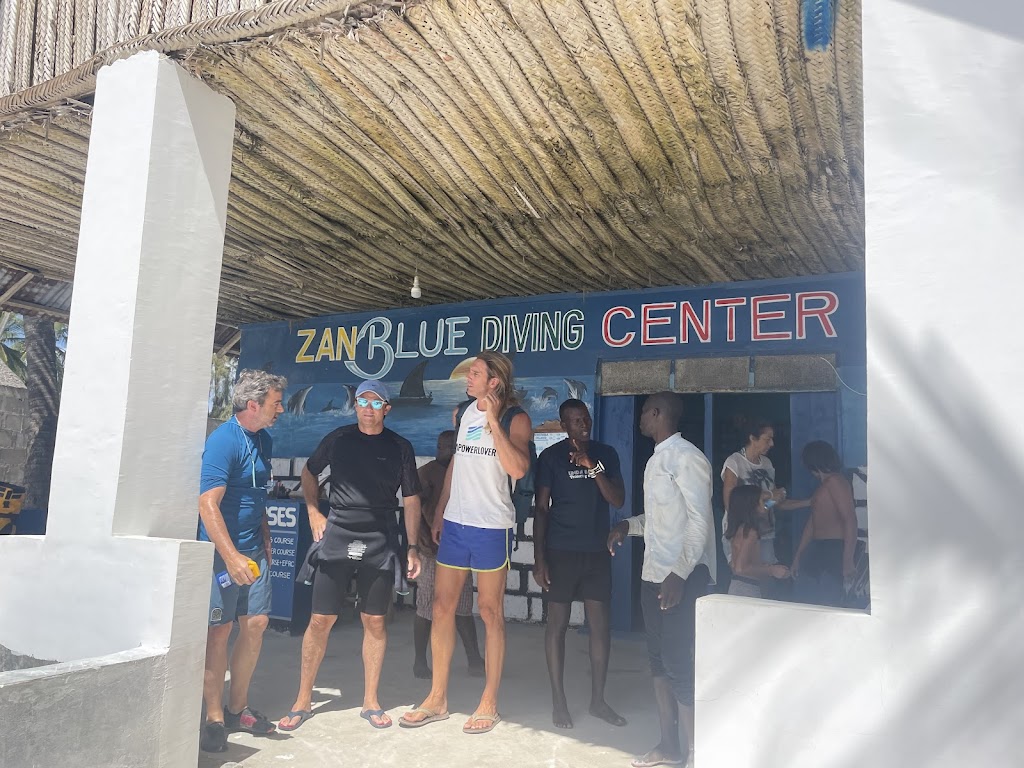
Today: 07:00 - 18:00
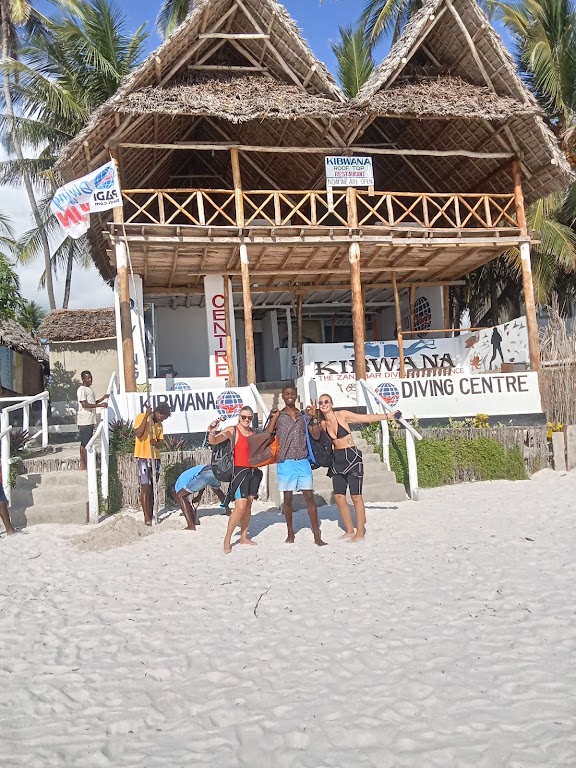
Nearest Airports
Nearest airports to help plan travel to this dive area.
Search Flights
Check available flights and routes on Expedia, using the nearby airports listed in this section.
Search Flights on ExpediaFrequently Asked Questions
What are the typical dive depths at Boat House?
Typical dives at Boat House usually reach maximum depths ranging from 14-18 m / 45-60 ft. These moderate depths make the site accessible for a wide range of certified divers.
What are the water temperatures at Boat House?
Divers commonly report water temperatures around 26°C / 79°F at the surface. Be aware of a thermocline often found at about 12 m / 40 ft, where the water can feel cooler.
Are dive schedules consistent, or do they vary?
Dive schedules at Boat House are directly influenced by tidal movements, meaning daily start times can vary significantly. Dive operators will announce the next day's schedule the evening before, requiring flexibility from divers.
Are there any marine park fees for diving at Boat House?
Yes, Boat House falls within a protected marine park. Divers must pay marine park fees, which are usually handled separately upon entry to the park area.
What kind of marine life is commonly seen here?
The site features healthy numbers of schooling fish, pipefish, and occasionally larger groupers and lobsters with notably long spines. While abundant reef life is present, large pelagics like sharks or manta rays are not consistently encountered.
What type of dive boats are used at Boat House?
Divers use traditional wooden boats, often powered by single outboard motors, to reach the dive sites from the beach. These boats are generally slow but efficiently transport divers to nearby locations within the marine park.
Is Boat House suitable for new or less experienced divers?
With maximum depths typically between 14-18 m / 45-60 ft and generally mild conditions, Boat House can be suitable for beginner and intermediate certified divers. The unhurried pace and local divemaster support further assist less experienced individuals.
How does the coral life at Boat House compare to other dive destinations?
Coral life at Boat House is generally described as average, or sometimes slightly below average, when compared to some of the most pristine reefs globally, such as those in the Caribbean. Despite this, the corals still support a healthy and diverse fish population.
Planning to dive Boat House?
Send one inquiry and receive offers directly from the best verified local dive operators.
Conditions are Moderate
Optimal conditions expected
Current conditions near Boat House show 25° air, 26° sea temperature, 1.8 m waves, and 29 km/h wind. Forecast data is refreshed regularly to ensure accuracy.