
Diving at Ametatu (Tanzania)
Navigating the diverse dive sites surrounding Ametatu presents a fascinating challenge, requiring adaptability from divers. This region of Tanzania offers a spectrum of underwater environments, from protected coral gardens to exposed oceanic banks. Conditions vary significantly, demanding attention to planning and situational awareness for each unique descent. Experienced divers will find rewarding opportunities to test their skills amidst strong currents and dynamic pelagic encounters, while other sites cater to a more relaxed exploration.
Tonight's objective overview for Ametatu shows an air temperature of 26°C. The measured surface conditions include wave heights around 1 m. This environmental data is logged for the close of the day.
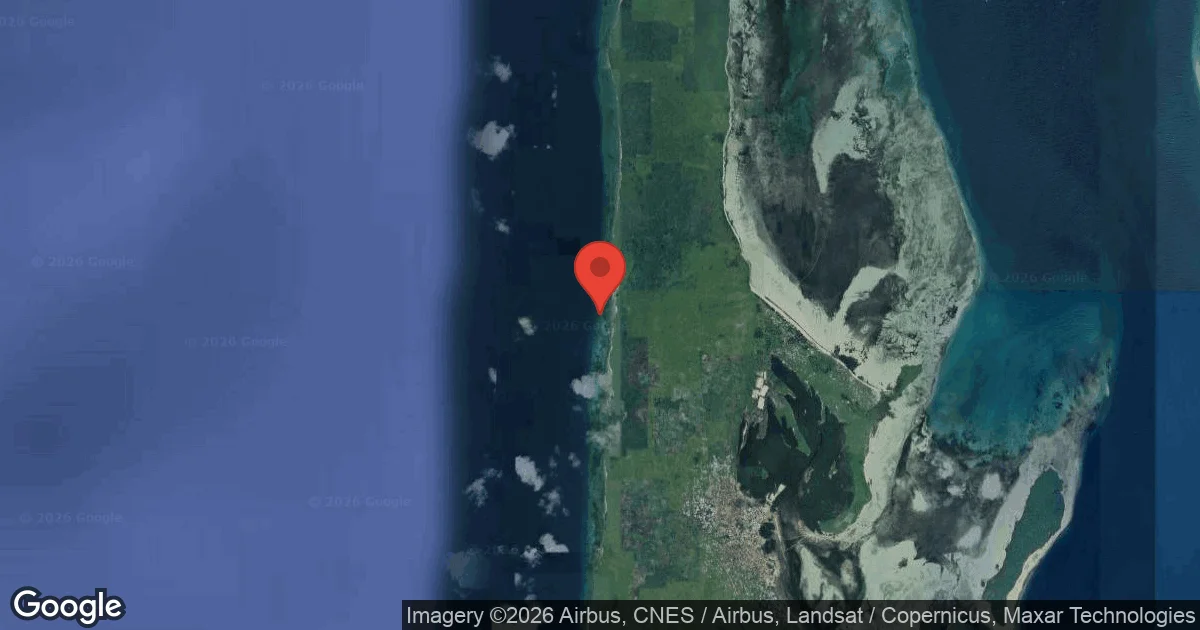
Dive Site Location & Key Facts
Dive Site Overview
Imagine descending into the vibrant waters near Ametatu, where Tanzania's rich marine tapestry unfolds. Diving here encompasses a wide array of experiences, from exhilarating drift dives along deep walls to serene explorations of protected shallow coral gardens.
Sites generally extend to depths from 5 m / 16 ft up to 40 m / 140 ft, catering to divers across various certification levels. Many locations, like the exposed Leven Bank, are recommended for experienced divers comfortable with strong currents and deeper profiles, presenting thrilling pelagic encounters.
Conversely, numerous sheltered spots offer more relaxed conditions, perfect for macro observation and extensive reef exploration. Water temperatures consistently provide comfort, typically ranging between a warm 24-30°C / 75-86°F.
Visibility is notably variable; while often excellent, reaching impressive distances in some areas like Pemba, it can diminish significantly, particularly in nutrient-rich waters that attract large filter feeders during whale shark season around Mafia Island. Expect to encounter diverse topographies across the region, including dramatic drop-offs, impressive overhangs, archways, and striking pinnacles.
Extensive reef structures, sometimes featuring intact hard and soft corals, provide complex environments to explore, revealing different facets of the underwater world with each descent. This region challenges divers to adapt their approach site-by-site, promising varied and rewarding underwater adventures.
Conditions are Moderate
Optimal conditions expected
Current conditions near Ametatu show 26° air, 27° sea temperature, 1.0 m waves, and 36 km/h wind. Forecast data is refreshed regularly to ensure accuracy.
Best Time to Dive
The optimal diving window across Tanzania's coastal and island sites, including the Ametatu region, generally runs from October through March, with March often scoring as an 'Excellent' month for diving conditions. This period typically sees air temperatures averaging 27-28°C / 81-82°F, combined with lower rainfall, ensuring more favorable surface conditions. For those keen on pelagic encounters, September and October are prime for humpback whale and sperm whale sightings, while whale sharks and manta rays are more frequently observed from October to April, peaking November to February. Conversely, the 'long rains' between April and June can lead to higher rainfall, which might affect visibility, and diving outside Chole Bay is often limited between June and September due to local winds.
PEAK SEASON SCORE
Scores combine air & water temps, waves, wind & rainfall for overall conditions.
BEST MONTHS TO DIVE
Monthly records compiled from satellite and marine observation nodes over the last 3 years. Data provided by Open-Meteo and MET Norway.
Dive Experience & Conditions
Encountering the underwater topography around Ametatu means being prepared for a range of conditions. Many west-side sites are relatively protected, offering calmer dives, while others present significant currents, creating thrilling drift dive opportunities. Visibility can often be exceptional, extending up to 60 m / 197 ft, especially from September to November in some areas. However, this clarity is not consistently reported and can be reduced, particularly when plankton blooms attract filter feeders like whale sharks. Water temperatures remain consistently warm, ranging from 24-30°C / 75-86°F throughout the year, making for comfortable dives even at depth. Some locations feature steep walls with impressive overhangs and caverns, requiring good buoyancy control, whereas other sites are shallow reef explorations suitable for all certified divers.
Dive Difficulty & Safety Guidelines
Successful diving in the Ametatu area relies on thorough preparation and adherence to established safety practices, particularly given the varying conditions. Certain sites, like Leven Bank or Mtangani, feature strong currents and deeper profiles, requiring advanced diving experience and proper planning with local guides.
Always ensure you're within your certification limits and comfortable with the prevailing currents, which can be swift. Maintaining situational awareness and staying close to your dive group are crucial, especially during drift dives.
While no specific local hazards are consistently reported beyond currents, responsible diving includes respecting marine life, practicing excellent buoyancy control, and diving with reputable, experienced dive operators.
Recommended Equipment
- Dive Computer
- DSMB
This gear list is based on verified equipment signals for Ametatu, Tanzania. Always confirm final gear choices with your dive operator, guide, or liveaboard.
Recommended Dive Suit
In conditions like these, many divers prefer diving with 2-3mm shorty or light wetsuit. Consider warmer surface protection (like a boat coat) due to brisk winds.
Current readings at Ametatu show water temperatures near 27°C (81°F). Surface air temperatures are resting at 26°C (79°F).
Environmental conditions appear stable for the near future.
Emergency & Medical Support
Essential information to help you plan your dive trip to Ametatu.

Hyperbaric chambers are a critical part of dive safety infrastructure. Availability varies significantly by region, and not all dive areas have immediate access.
Before diving, it's recommended to:
- confirm nearest medical facilities
- check emergency procedures with local dive operators
- ensure dive insurance covers evacuation if required
Divers Alert Network
Diving emergency assistance available through DAN Southern Africa.
+27828106010- 24/7 emergency hotline
- Diving medical assistance
- Evacuation coordination
Emergency contacts are provided for reference. Always verify local emergency services before diving.
Marine Life at Ametatu
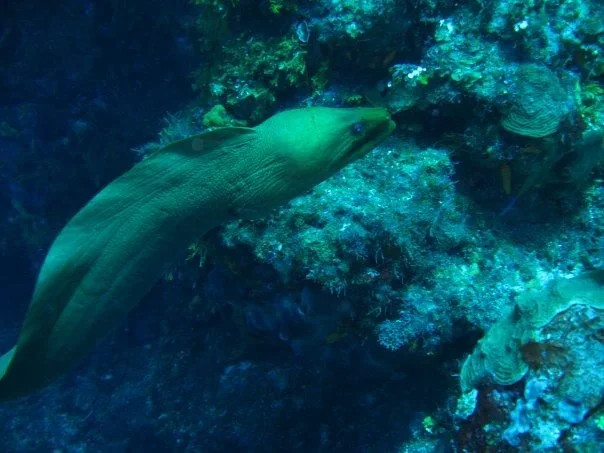
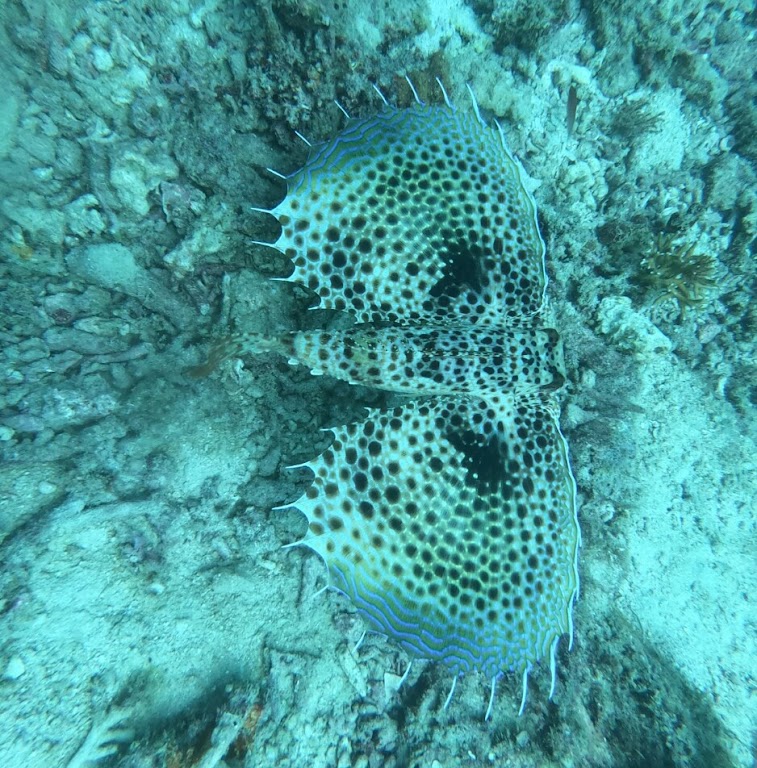
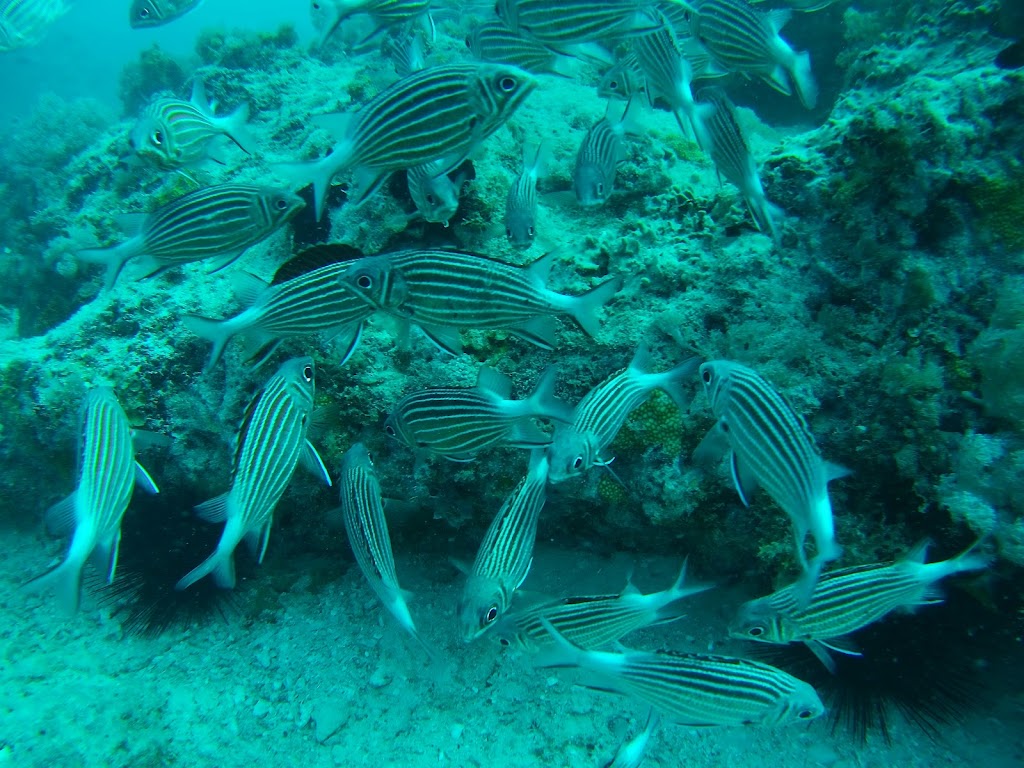
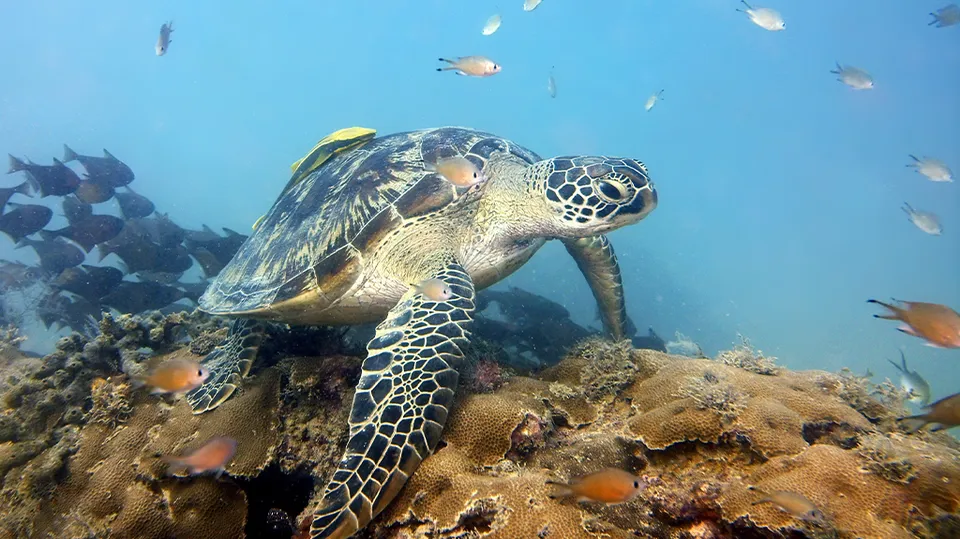
Ametatu's surrounding waters are rich in marine life, offering diverse encounters for divers. You'll frequently spot a variety of reef fish, along with peppered moray eels and turtles.
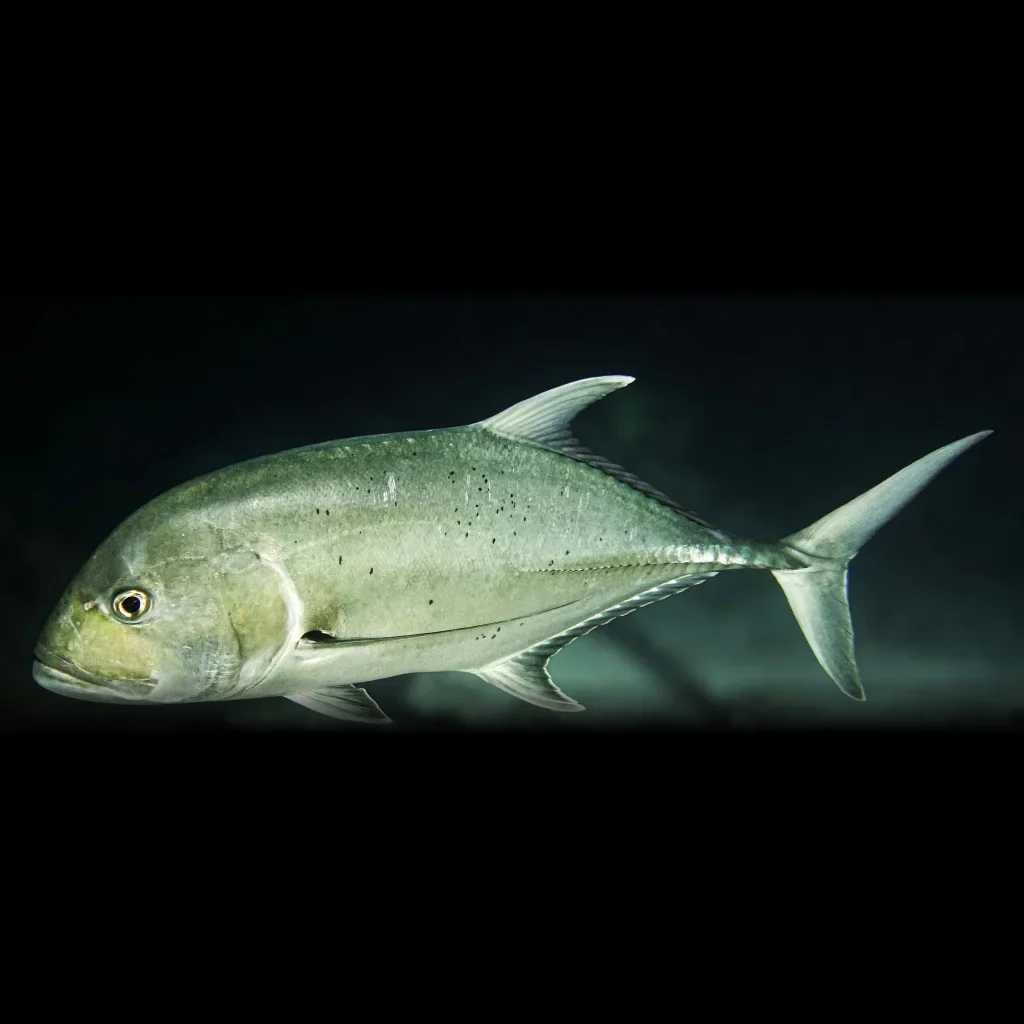
Pelagic species like tuna, barracuda, trevally, and kingfish are common, particularly in areas with stronger currents. Specific highlights include observing large schools of fish and dolphins around Mnemba Atoll, or finding potato groupers and giant rays at sites like Kinasi Pass.
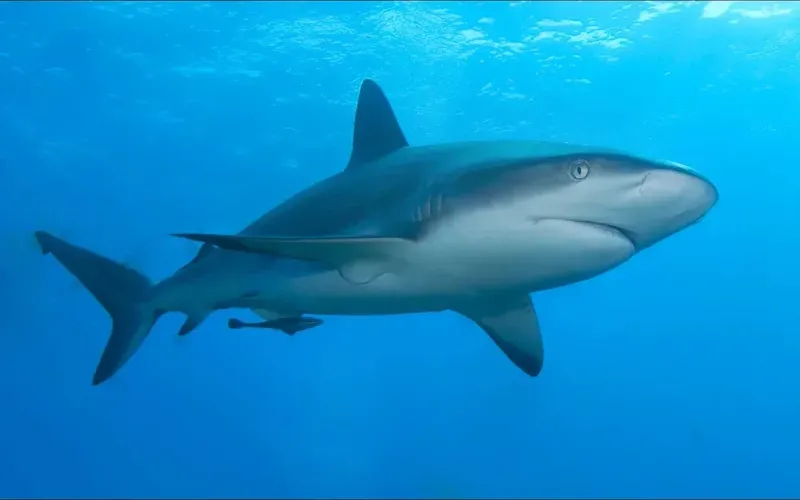
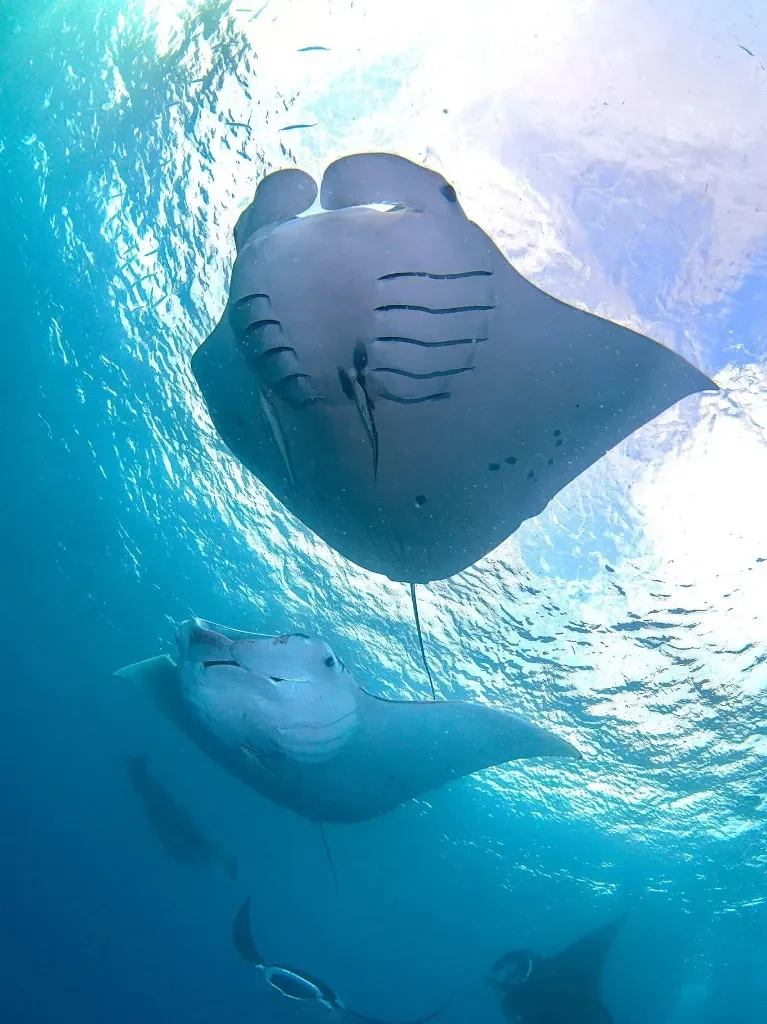
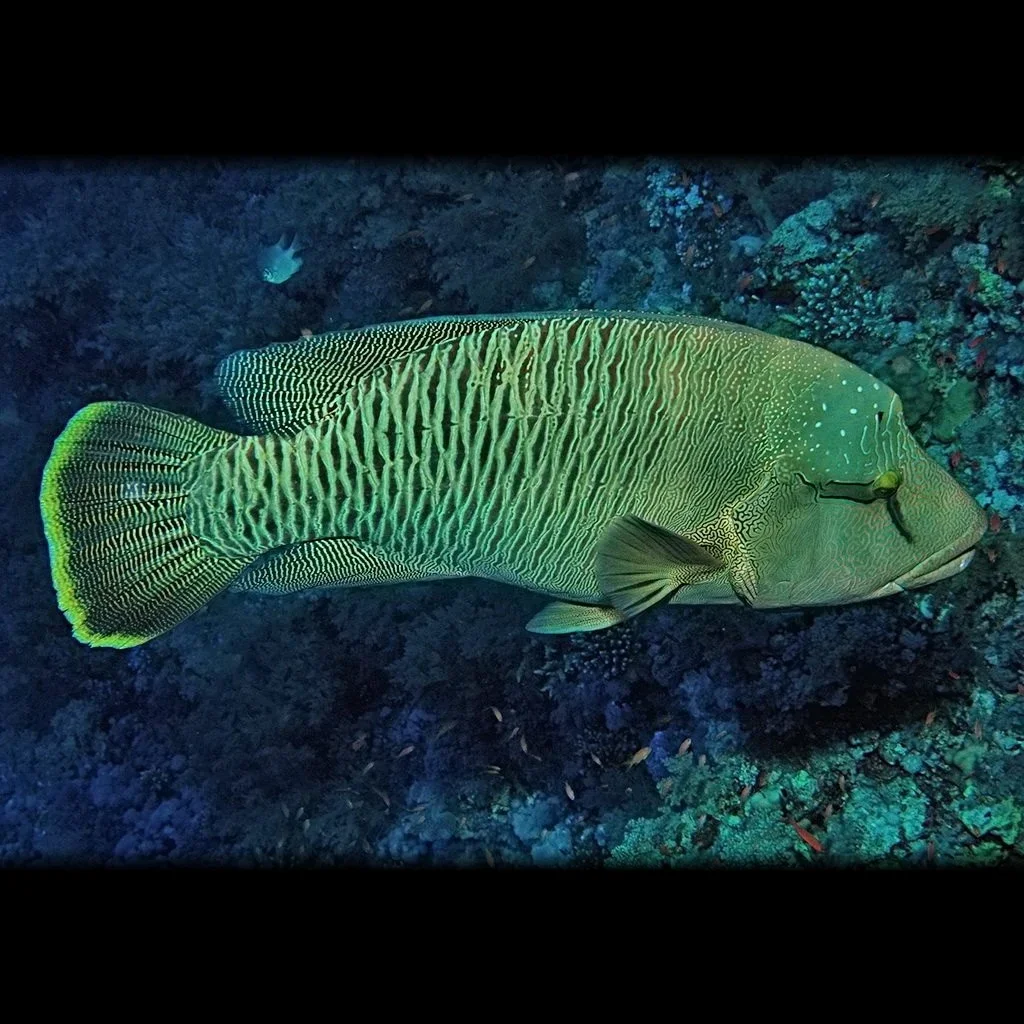
Deeper walls often reveal impressive gorgonian sea fans and opportunities to spot Napoleon wrasse, giant trevally, and sometimes even white-tip or silvertip reef sharks. During seasonal migrations, humpback whales, sperm whales, whale sharks, and manta rays can also be seen.
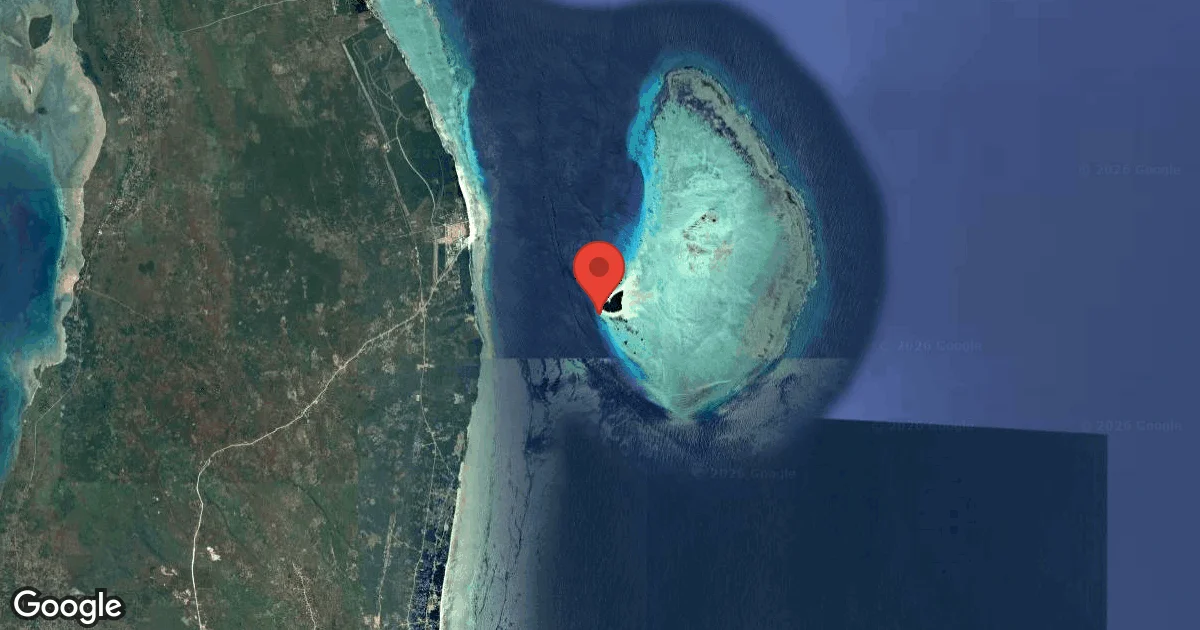
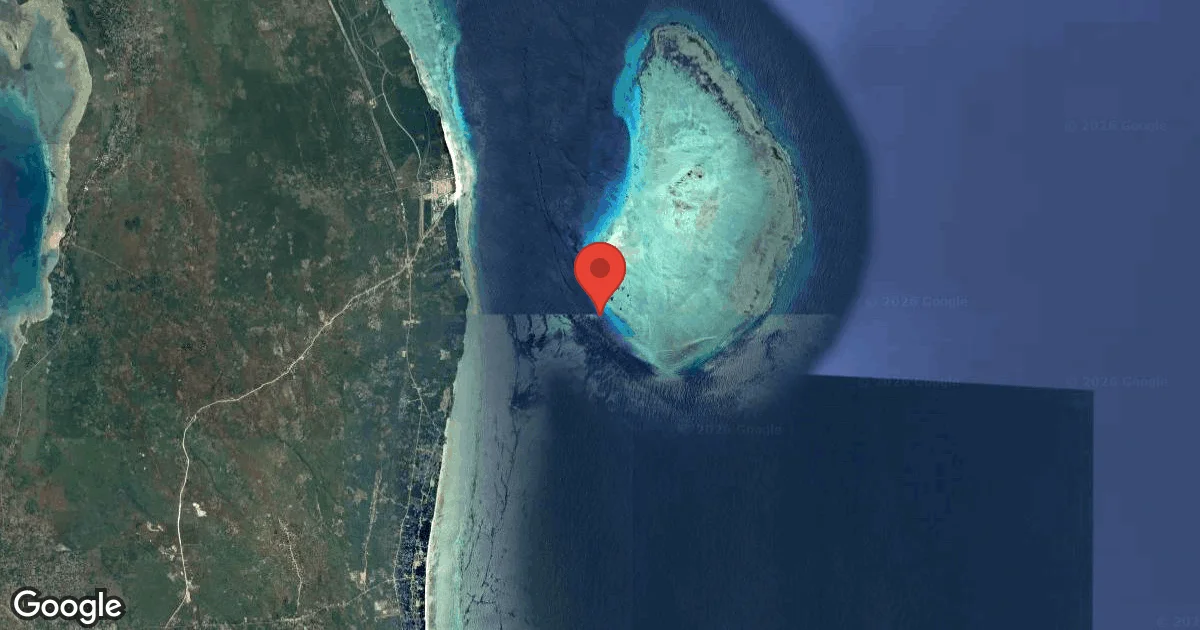
Dive Sites Near Ametatu
View all dive sites in TanzaniaDiscover more underwater gems in this area.
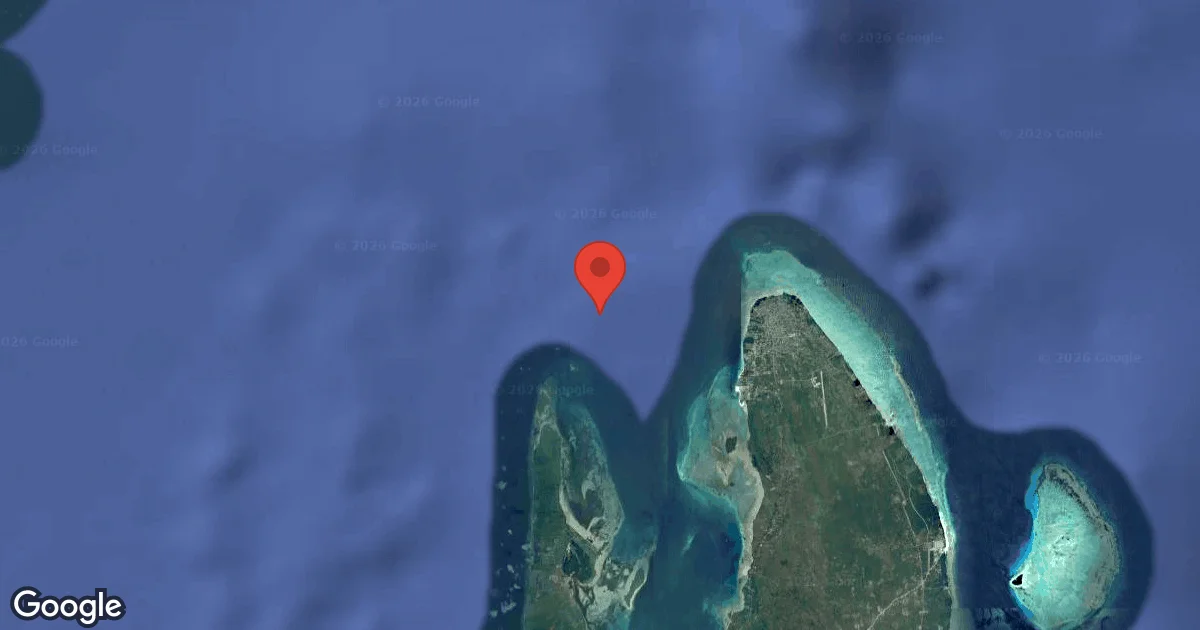
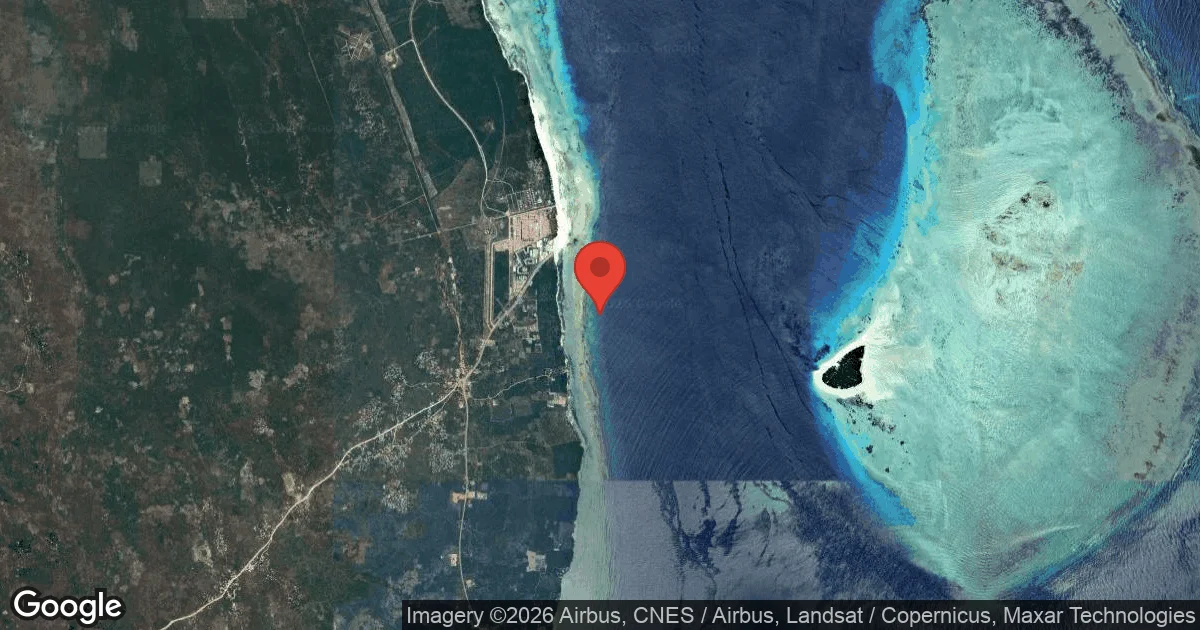
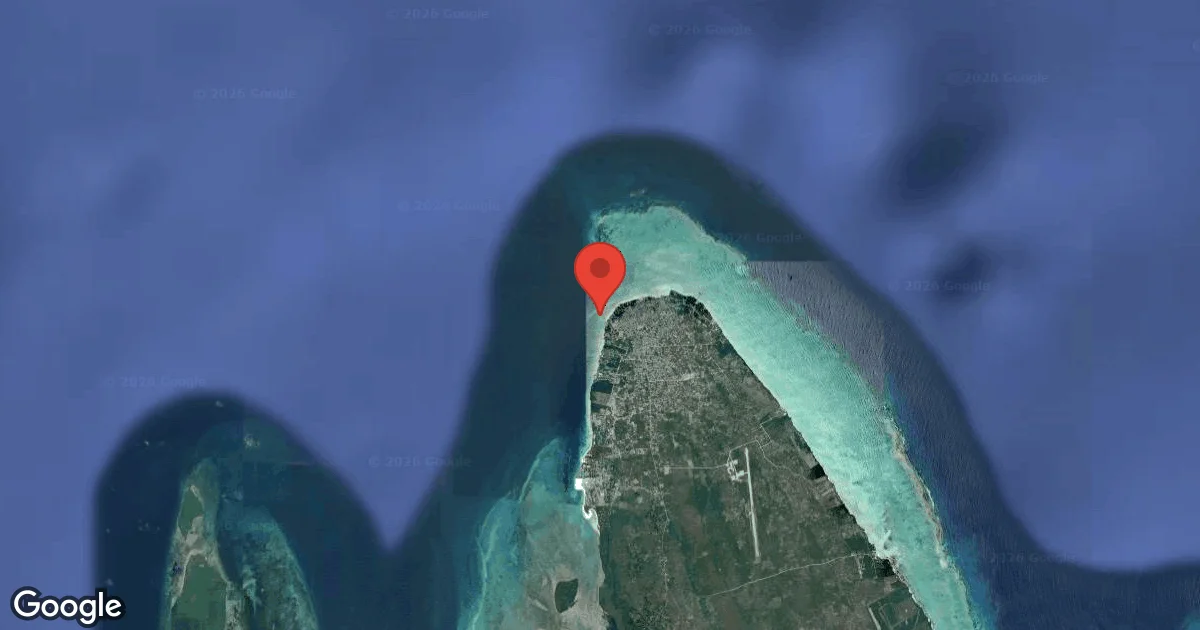
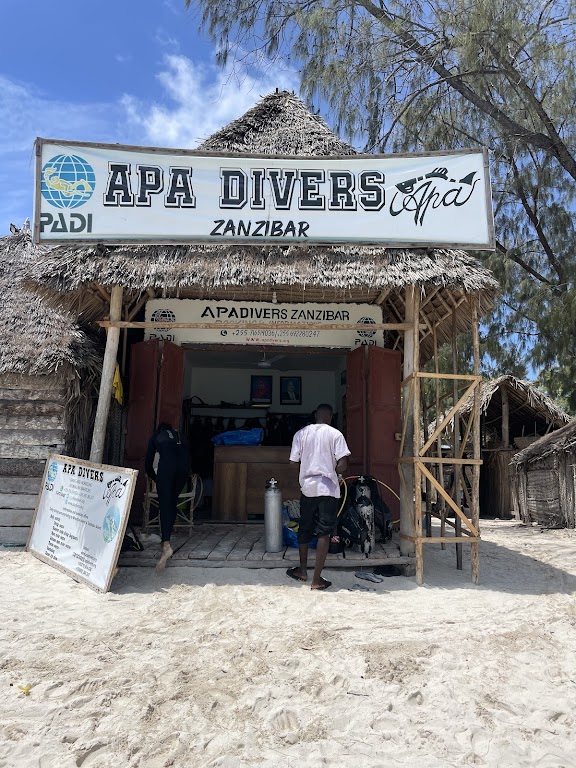
Dive Centers Near Ametatu
Today: 08:00 - 17:30
Nearest Airports
Nearest airports to help plan travel to this dive area.
Search Flights
Check available flights and routes on Expedia, using the nearby airports listed in this section.
Search Flights on ExpediaFrequently Asked Questions
What certification level is needed for Ametatu diving?
Many sites in the Ametatu area, particularly the shallower reefs, are suitable for Open Water certified divers. However, some advanced sites, such as Leven Bank with its strong currents and deeper profiles, require Advanced Open Water certification or higher, along with significant experience. Always check specific site requirements with your dive operator.
What is the water temperature like?
Water temperatures around Ametatu are consistently warm, generally ranging from 24-30°C / 75-86°F throughout the year. This comfortable temperature means a 3mm wetsuit or shorty is usually sufficient, with some divers opting for just a rash guard during warmer months.
How reliable is visibility?
Visibility in the Ametatu region is variable. It can often be excellent, reaching impressive distances in some clear-water areas, especially from September to November. However, it can decrease significantly, particularly when plankton blooms attract pelagic species like whale sharks.
Are there strong currents?
Yes, strong currents are common at several Ametatu dive sites, notably Leven Bank and Mtangani. These conditions create exciting drift dive opportunities but demand advanced experience and excellent buoyancy control. Protected west-side sites typically offer calmer conditions.
When is the best time for pelagic sightings?
Seasonal migrations bring various pelagics to the Ametatu waters. Humpback and sperm whales are frequently sighted in September and October. Whale sharks and manta rays are often observed from October to April, with peak activity between November and February.
What types of marine life can I expect to see?
Ametatu's waters are rich with reef fish, moray eels, and turtles. Deeper sites and areas with currents often feature pelagic species such as tuna, barracuda, and various trevally. Napoleon wrasse, potato groupers, and sometimes reef sharks are also encountered.
What safety precautions should I take?
Dive with a reputable local operator who understands the varying conditions. Be honest about your experience level, especially for sites with strong currents or deeper profiles. Always maintain good buoyancy, stay with your buddy, and carry essential safety equipment like a surface marker buoy.
Planning to dive Ametatu?
Send one inquiry and receive offers directly from the best verified local dive operators.
Conditions are Moderate
Optimal conditions expected
Current conditions near Ametatu show 26° air, 27° sea temperature, 1.0 m waves, and 36 km/h wind. Forecast data is refreshed regularly to ensure accuracy.